
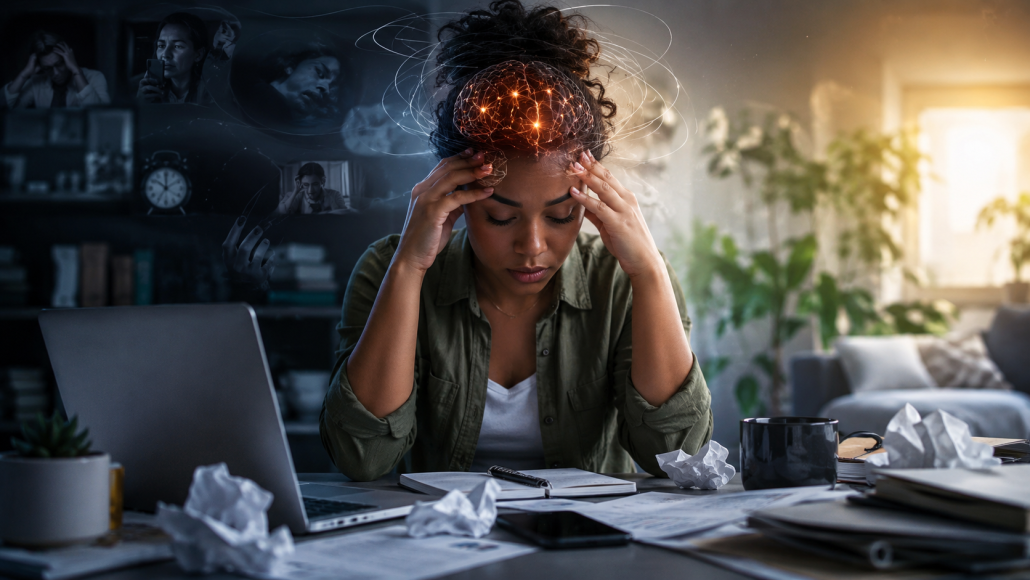
Signs of Chronic Stress and How to Take Back Control of Your Health
Stress is a normal part of life. A busy workday, financial pressure, family responsibilities, relationship problems, deadlines, and unexpected events can all trigger a stress response. In short bursts, stress can even be useful because it helps you stay alert, focused, and ready to respond to challenges. The problem begins when stress stops being temporary and becomes a constant part of everyday life.
Chronic stress occurs when your body and mind remain under pressure for an extended period. Instead of returning to a relaxed state after a stressful situation passes, your stress response may stay activated. Over time, this constant strain can affect your sleep, mood, concentration, digestion, energy levels, relationships, and overall well-being.
Many people live with chronic stress without recognizing it. They may assume that feeling exhausted every day is simply part of being busy. Others may become so accustomed to irritability, poor sleep, headaches, or difficulty concentrating that they stop connecting these symptoms with stress.
Recognizing the signs of long-term stress is an important first step toward managing it. Fortunately, there are practical ways to reduce everyday stress and give your body opportunities to recover. You do not necessarily need to make dramatic changes overnight. Small, consistent adjustments to your daily routine can make a meaningful difference.
This guide explores the common warning signs of chronic stress, explains how prolonged stress can affect your body and mind, and provides practical strategies that can help you regain balance.
What Is Chronic Stress and Why Does Long-Term Stress Matter?
Chronic stress is prolonged psychological or physical pressure that continues for weeks, months, or longer. Unlike short-term stress, which usually disappears when the immediate challenge is over, chronic stress can become a persistent background condition that affects how you think, feel, and function.
Your body has a natural stress response designed to help you deal with threats and challenges. When your brain perceives danger or pressure, it can trigger changes such as increased heart rate, muscle tension, heightened alertness, and the release of stress hormones. These reactions are useful when you need to respond quickly.
However, problems can arise when stressful situations occur repeatedly without enough time for recovery. Constant work pressure, ongoing financial concerns, caregiving responsibilities, difficult relationships, uncertainty, or major life changes can keep the stress response active.
Chronic Stress vs. Normal Short-Term Stress
Short-term stress usually has a clear cause and eventually decreases. For example, you might feel nervous before an important presentation but relax once it is finished.
Chronic stress is different. The stressful situation may continue, or you may continue worrying even when there is no immediate threat. You may wake up feeling tense, spend the day worrying, and go to bed thinking about tomorrow’s problems.
The longer this pattern continues, the more important it becomes to recognize the warning signs and make changes.
Physical Signs of Chronic Stress You Should Not Ignore
Physical symptoms are among the most noticeable signs of prolonged stress, although they are sometimes mistaken for unrelated problems. Your body and mind are closely connected, so emotional pressure can produce genuine physical effects.
One common symptom is persistent muscle tension. You may notice tightness in your shoulders, neck, jaw, or back. Some people unconsciously clench their teeth when they are stressed, particularly while working or sleeping.
Headaches can also become more frequent during periods of prolonged stress. You might experience a dull pressure around your head or increased tension around your neck and shoulders.
Other Common Physical Symptoms of Long-Term Stress
Chronic stress can also be associated with:
- Persistent tiredness or low energy
- Difficulty relaxing
- Muscle tension and body aches
- Frequent headaches
- Digestive discomfort
- Changes in appetite
- Rapid heartbeat during stressful moments
- Sleep difficulties
- Restlessness
- Increased sweating
- Feeling physically exhausted despite resting
Stress can affect people differently. Therefore, having one symptom does not automatically mean that chronic stress is the cause.
If a physical symptom is severe, persistent, unusual, or getting worse, speak with a qualified healthcare professional rather than assuming it is stress.
Emotional Signs of Chronic Stress and Mental Exhaustion
Long-term stress can gradually change your emotional state. You may notice that situations that previously seemed manageable suddenly feel overwhelming.
Irritability is a common warning sign. You might become impatient with family members, coworkers, friends, or even yourself. Small inconveniences can trigger stronger emotional reactions than usual.
You may also experience a persistent sense of worry. Instead of worrying about one specific event, your mind may constantly search for the next problem to solve.
Anxiety, Irritability, and Feeling Overwhelmed
Chronic stress can make it difficult to feel calm. You might find yourself thinking about unfinished tasks while eating, worrying about tomorrow while trying to sleep, or mentally replaying conversations from earlier in the day.
Emotional signs may include:
- Constant worry
- Irritability or frustration
- Feeling overwhelmed
- Emotional exhaustion
- Reduced motivation
- Difficulty enjoying activities
- Feeling helpless or unable to cope
- Frequent mood changes
- Increased sensitivity to criticism
These symptoms deserve attention, especially when they interfere with your work, relationships, sleep, or daily responsibilities.
How Chronic Stress Affects Sleep and Energy Levels
Poor sleep and chronic stress can create a difficult cycle. Stress can interfere with sleep, while inadequate sleep can make it harder to cope with stress the following day.
You may feel physically tired but mentally unable to switch off. When you lie in bed, your thoughts may become more active. You may think about work, money, family responsibilities, unfinished tasks, or future problems.
Stress-Related Insomnia and Persistent Fatigue
Some people struggle to fall asleep, while others wake repeatedly during the night or wake earlier than expected. Even after spending enough time in bed, you may feel unrefreshed the next morning.
During the day, persistent fatigue can reduce your concentration and patience. Consequently, ordinary responsibilities may feel more difficult, creating additional stress.
To improve sleep, establish a consistent bedtime routine. Reduce stimulating activities before bed, keep your sleeping environment comfortable, and give yourself time to wind down.
If sleep problems continue for an extended period, consider discussing them with a healthcare professional.
Chronic Stress and Changes in Mood, Focus, and Memory
Another important sign of prolonged stress is difficulty thinking clearly. When your mind constantly focuses on problems and potential threats, it can become harder to concentrate on ordinary tasks.
You might start reading an article and realize that you have forgotten what you just read. You may enter a room and forget why you went there. You might also struggle to organize your workload or make simple decisions.
Brain Fog and Difficulty Concentrating
Stress-related mental fatigue can make your brain feel overloaded. You may experience:
- Difficulty concentrating
- Forgetfulness
- Slower decision-making
- Reduced creativity
- Trouble organizing tasks
- Racing thoughts
- Difficulty staying focused
However, cognitive changes can have many possible causes, including sleep deprivation, medications, nutritional problems, medical conditions, anxiety, and depression. Therefore, persistent or significant changes should be evaluated appropriately.
Changes in Appetite and Eating Habits Caused by Stress
Stress can influence the way you eat. Some people lose their appetite during stressful periods, while others crave highly palatable foods and eat more frequently.
Emotional eating can become a coping mechanism. Instead of eating because you are physically hungry, you may reach for food because you feel bored, anxious, frustrated, lonely, or exhausted.
Stress Eating and Unhealthy Food Cravings
During stressful periods, convenience foods can become especially appealing because they are quick and require little preparation. Unfortunately, relying heavily on highly processed foods may leave you feeling sluggish and can make healthy eating more difficult.
Rather than trying to completely change your diet at once, focus on simple improvements.
Keep nutritious foods available, drink enough water, eat regular meals, and include foods such as vegetables, fruits, whole grains, legumes, lean proteins, nuts, and seeds.
Most importantly, avoid using food as your only emotional coping strategy. Find other ways to manage difficult emotions, such as walking, talking with someone you trust, journaling, listening to music, or practicing relaxation techniques.
Chronic Stress Can Affect Your Relationships and Social Life
Stress does not stay inside your mind. It can influence how you interact with other people.
When you feel mentally exhausted, you may have less patience and energy for conversations. You might withdraw from friends or family because social interaction feels like another responsibility.
Alternatively, you may become more argumentative or sensitive. A simple comment can feel like criticism when you are already overwhelmed.
Social Withdrawal, Anger, and Relationship Problems
Pay attention if you notice that you are:
- Avoiding people you normally enjoy spending time with
- Becoming unusually argumentative
- Losing patience easily
- Feeling disconnected from loved ones
- Canceling social activities frequently
- Struggling to communicate calmly
Healthy relationships can actually provide emotional support during stressful periods. Therefore, instead of isolating yourself, consider telling someone you trust that you are having a difficult time.
You do not need to explain everything perfectly. Sometimes simply saying, “I’ve been under a lot of pressure lately” can open the door to meaningful support.
Warning Signs of Chronic Stress at Work
Work-related stress is increasingly common. Heavy workloads, long hours, unrealistic expectations, difficult coworkers, job insecurity, and lack of control can all contribute to prolonged stress.
Work stress becomes particularly concerning when you never feel mentally disconnected from your job.
You may check emails late at night, think about work during meals, or wake up worrying about unfinished tasks.
Workplace Burnout and Emotional Exhaustion
Burnout is more than simply having a bad day at work. It can involve prolonged emotional and physical exhaustion, increasing cynicism or detachment from work, and reduced effectiveness.
If work consistently leaves you exhausted, look for practical ways to create boundaries.
Take appropriate breaks, prioritize important tasks, communicate realistic deadlines, and avoid carrying every work problem into your personal time when possible.
If your workplace environment is contributing significantly to your stress, consider discussing workload and expectations with an appropriate manager or support professional.
How to Reduce Chronic Stress Naturally
Once you recognize persistent stress, the next step is learning how to respond differently. You do not need to eliminate every stressful situation from your life. Instead, focus on improving your ability to recover and manage pressure.
Start with small changes because dramatic lifestyle changes can become another source of stress.
Practice Deep Breathing and Relaxation Techniques
Slow, controlled breathing can help you pause during stressful moments. Try sitting comfortably, relaxing your shoulders, and taking slow breaths while paying attention to the movement of your abdomen.
You can also explore progressive muscle relaxation, meditation, prayer, mindfulness exercises, or other relaxation practices that help you become more aware of your body and thoughts.
The goal is not to force yourself to stop thinking. Instead, give your nervous system a regular opportunity to slow down.
Exercise Regularly to Manage Stress and Improve Mood
Physical activity is one of the most practical ways to support stress management.
You do not need an expensive gym membership or an extreme workout routine. Walking, cycling, swimming, dancing, stretching, jogging, strength training, and recreational sports can all help you become more physically active.
Simple Daily Exercise for Stress Relief
If you currently exercise very little, start gradually. A short walk can be a useful beginning.
For example, take a 10-to-20-minute walk during a break, walk after dinner, or choose stairs instead of an elevator when appropriate.
Over time, build toward regular physical activity that fits your abilities and schedule.
Consistency matters more than perfection.
Improve Your Sleep Habits to Break the Stress Cycle
Better sleep can make everyday stress easier to manage. Establish a predictable sleep and wake schedule whenever possible.
Create a relaxing evening routine. Dim bright lights, reduce stimulating activities before bed, and give yourself enough time to prepare mentally for sleep.
Healthy Sleep Habits for Stress Recovery
You can also:
- Keep your bedroom comfortable and quiet
- Avoid working from bed when possible
- Limit excessive caffeine, especially later in the day
- Maintain a consistent sleep schedule
- Create a relaxing bedtime routine
- Avoid using your phone endlessly when you should be winding down
If persistent insomnia continues despite healthy sleep habits, seek professional advice.
Build a Support System and Stop Handling Everything Alone
You do not have to manage chronic stress by yourself.
Talking to a trusted friend, family member, mentor, counselor, therapist, doctor, or another qualified professional can help you process difficult situations and identify solutions.
Why Social Support Helps With Long-Term Stress
Support can provide perspective. When you are overwhelmed, a problem can appear much larger than it really is. Another person may help you see options you could not recognize while under pressure.
At the same time, be selective about the people you rely on. Choose individuals who listen, respect your boundaries, and encourage healthy coping strategies.
Manage Your Daily Schedule Before Stress Becomes Overwhelming
Poor time management can contribute to chronic stress. When everything feels urgent, your mind remains in constant problem-solving mode.
Instead, identify your most important responsibilities and handle them in order of priority.
Practical Stress Management and Time Management Strategies
Try these simple approaches:
- Write down everything you need to accomplish.
- Separate urgent tasks from less important tasks.
- Focus on one major task at a time.
- Break large projects into smaller steps.
- Schedule short breaks.
- Learn to say no to unnecessary commitments.
- Leave some space in your schedule for unexpected events.
You cannot control everything that happens during the day. However, you can often control how you organize your response.
Reduce Stress by Setting Healthy Boundaries
Boundaries protect your time, energy, and emotional well-being. Without boundaries, other people’s demands can gradually consume your attention.
For example, constantly responding to messages after work can make it difficult to mentally disconnect.
How to Set Boundaries Without Feeling Guilty
Start with small boundaries. You might decide not to answer non-urgent work messages during certain personal hours. You may also decline commitments that you genuinely cannot handle.
Setting boundaries does not mean you do not care about others. It means you recognize that your energy is limited.
Clear communication can make boundaries easier. Explain what you can realistically do instead of simply agreeing to everything.
Limit Unhealthy Coping Habits That Can Make Stress Worse
When people feel overwhelmed, they often look for quick relief. Unfortunately, some coping habits can create additional problems.
Excessive alcohol use, smoking, recreational drug use, compulsive shopping, excessive social media use, overeating, or avoiding responsibilities may provide temporary distraction but do not address the underlying source of stress.
Replace Harmful Stress Habits With Healthier Alternatives
When you notice an unhealthy coping pattern, do not simply criticize yourself. Ask what need the behavior is trying to meet.
Are you looking for relaxation? Connection? Escape? Comfort? Stimulation?
Once you understand the need, look for a healthier alternative.
For example, if you scroll through social media whenever you feel overwhelmed, try taking a short walk, calling a friend, listening to music, or practicing breathing exercises first.
When Chronic Stress Requires Professional Help
Lifestyle changes can help, but they are not always enough. Persistent stress can overlap with anxiety, depression, sleep disorders, substance-use problems, or other mental and physical health concerns.
Consider speaking with a qualified healthcare professional if stress is interfering significantly with your daily life.
Signs You Should Seek Help for Severe or Persistent Stress
Professional support may be particularly important if you experience:
- Persistent sadness or hopelessness
- Severe anxiety or panic
- Major changes in sleep or appetite
- Inability to function normally at work or home
- Persistent physical symptoms
- Increasing reliance on alcohol or drugs
- Withdrawal from everyone around you
- Thoughts of self-harm or suicide
If you are experiencing thoughts of harming yourself or feel that you may be in immediate danger, seek urgent help from local emergency services or a crisis service and stay with someone you trust if possible.
Getting professional help is not a sign of weakness. It is a practical step toward protecting your health.
Your Next Step: Creating a Calmer and Healthier Daily Life
Chronic stress can gradually become so familiar that you stop noticing how much it affects you. However, constant exhaustion, irritability, poor sleep, headaches, difficulty concentrating, changes in appetite, and emotional overload should not simply be dismissed as “normal life.”
Recognizing the signs gives you an opportunity to respond.
You may not be able to remove every stressful situation. Nevertheless, you can improve how you recover from pressure. Start with one or two manageable changes. Take regular walks. Protect your sleep. Practice slow breathing. Eat balanced meals. Spend time with supportive people. Create healthier boundaries. Organize your priorities and make room for recovery.
Most importantly, do not wait until stress becomes unbearable before taking it seriously.
Your body needs periods of recovery just as much as it needs activity. By paying attention to early warning signs and building healthier habits, you can take meaningful steps toward a calmer, more balanced life.
Frequently Asked Questions About Chronic Stress
What are the most common signs of chronic stress?
Common signs include persistent tiredness, sleep problems, headaches, muscle tension, irritability, anxiety, difficulty concentrating, changes in appetite, digestive discomfort, and feeling overwhelmed.
Can chronic stress make you physically sick?
Long-term stress can affect multiple body systems and may contribute to physical symptoms. However, symptoms such as persistent pain, significant digestive problems, chest pain, or unusual changes should not automatically be blamed on stress. A healthcare professional can help determine the underlying cause.
How long does chronic stress last?
There is no single time period that defines chronic stress. The term generally refers to stress that persists or repeatedly occurs over an extended period rather than resolving after a short stressful event.
Can exercise reduce chronic stress?
Regular physical activity can support stress management and improve mood and overall well-being. Start with activities that are realistic for your fitness level and gradually increase your activity.
How can I sleep better when stress keeps me awake?
Maintain a consistent sleep schedule, develop a calming bedtime routine, reduce stimulating activities before bed, and limit caffeine later in the day. If sleep problems persist, speak with a healthcare professional.
Is chronic stress the same as burnout?
No. Chronic stress refers broadly to prolonged stress, while burnout is a state of physical and emotional exhaustion commonly associated with prolonged work-related or caregiving demands. They can overlap, but they are not identical.
Can chronic stress cause anxiety?
Long-term stress can contribute to anxiety symptoms, but stress and anxiety are not exactly the same thing. Persistent or severe anxiety deserves professional evaluation, particularly when it interferes with daily life.
What is the fastest way to reduce stress?
There is no single solution that works for everyone. In the moment, slow breathing, stepping away from a stressful situation, taking a short walk, talking with someone supportive, or using a relaxation technique may help. Long-term improvement usually comes from consistent lifestyle and coping changes.
When should I see a doctor about stress?
Consider seeking professional advice when stress becomes persistent, interferes with your work or relationships, disrupts sleep, causes significant physical symptoms, or becomes difficult to manage on your own.
Can chronic stress be prevented?
You cannot prevent every stressful event, but you can reduce the impact of stress by maintaining healthy routines, getting enough sleep, staying physically active, building supportive relationships, setting boundaries, managing your workload, and seeking help when necessary.


Leave a Reply
Want to join the discussion?Feel free to contribute!