
Daily Wellness Routine: 15 Healthy Habits for a Healthier Body and Mind

Daily Wellness Routine: 15 Healthy Habits for a Healthier Body and Mind

A healthy life is rarely built through one dramatic change. More often, it develops through the small things you do consistently, such as drinking enough water, eating nourishing meals, moving your body, sleeping well, managing stress, and making time for yourself. A daily wellness routine brings these habits together in a practical way so that taking care of your physical and mental health becomes part of everyday life.

Wellness is not about being perfect. You do not need to follow an elaborate morning routine, spend hours at the gym, or completely change your lifestyle overnight. Instead, the goal is to create simple habits that support your body, mind, emotions, relationships, and overall quality of life.

This guide explores 15 healthy daily habits for physical and mental wellness. Some can take only a few minutes, while others can become natural parts of your normal schedule. The important thing is to start with habits you can realistically maintain.

What Is a Daily Wellness Routine and Why Does It Matter?

A daily wellness routine is a collection of healthy behaviors that you practice regularly to support your physical health, mental well-being, energy, and quality of life. Rather than treating wellness as something you pursue only when you feel unwell, a routine makes healthy living part of your everyday lifestyle.

A consistent routine can also reduce decision fatigue. When healthy actions become familiar, you spend less time wondering whether you should exercise, drink water, prepare a healthy meal, or go to bed on time. You simply follow the routine you have created.

However, your wellness routine should fit your life. Someone who works long hours may need a different routine from someone who works from home. Parents may have different schedules from students, while older adults may have different physical needs from younger adults.

Therefore, think of the following habits as building blocks rather than strict rules. Choose the ones that make sense for you, introduce them gradually, and adjust them as your circumstances change.

1. Start Your Morning With Hydration and a Healthy Mindset

How you begin your morning can influence how you approach the rest of the day. Instead of immediately reaching for your phone, consider giving your body and mind a few quiet moments to wake up.

Drinking water after waking can help you replace fluids lost during sleep. Although hydration needs vary from person to person, making water your first beverage can be a simple way to establish a healthy habit.

You can also spend a few minutes thinking about the day ahead. Consider what you need to accomplish, what matters most, and how you want to feel.

A simple morning wellness routine might include:

  • Drinking a glass of water
  • Opening the curtains and getting some natural light
  • Taking a few deep breaths
  • Stretching gently
  • Reviewing your priorities
  • Avoiding unnecessary phone scrolling for the first few minutes

You do not need a complicated 5 a.m. routine. A calm, consistent start can be enough.

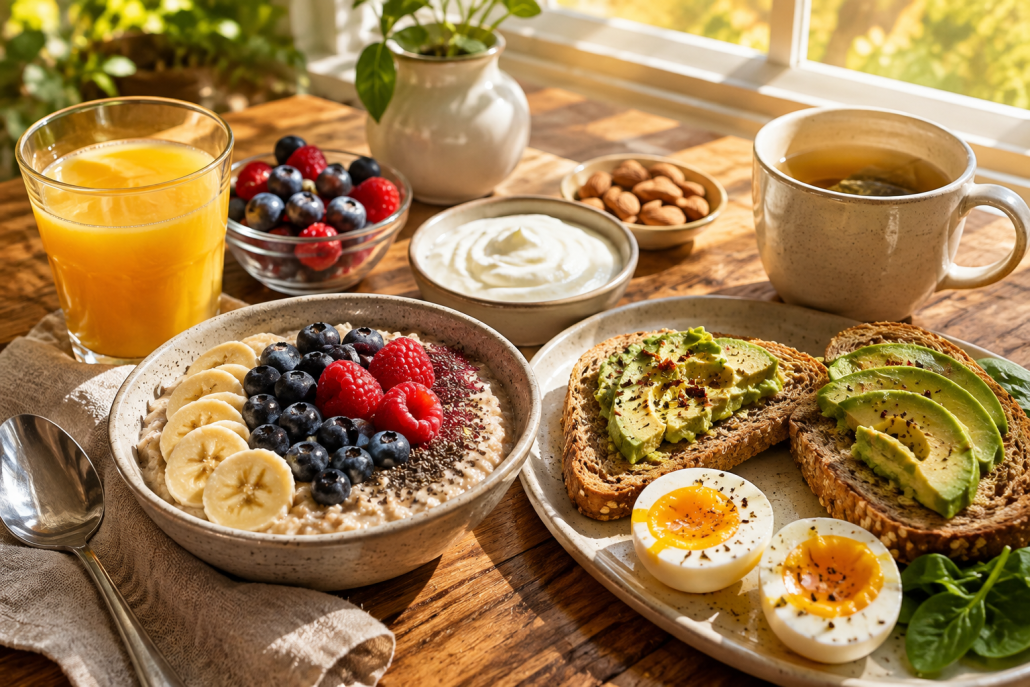
2. Eat a Nutritious Breakfast or Start the Day With Balanced Nutrition

Your body needs nutrients to function, and your first meals of the day can contribute to your overall nutrition. Instead of focusing on trendy diets, aim for balanced meals containing a combination of protein, fiber-rich carbohydrates, healthy fats, fruits, and vegetables.

Depending on your appetite and schedule, breakfast could include options such as eggs with vegetables, oatmeal with fruit and nuts, unsweetened yogurt with fruit, or whole-grain toast with a protein-rich food.

If you do not normally eat breakfast, you do not necessarily need to force yourself to do so. What matters most is the overall quality of your diet throughout the day.

Try to make your meals colorful and varied. Different fruits, vegetables, legumes, whole grains, nuts, seeds, and protein sources provide different nutrients.

Most importantly, avoid thinking of healthy eating as punishment. Food should nourish you while also being enjoyable and culturally appropriate.

3. Move Your Body Every Day for Better Fitness and Mobility

Regular physical activity is one of the most valuable daily wellness habits you can develop. Movement supports cardiovascular health, muscle strength, mobility, balance, and overall physical function.

You do not have to spend hours exercising. Walking, dancing, cycling, gardening, household activities, stretching, bodyweight exercises, and recreational sports can all contribute to an active lifestyle.

If you have a sedentary job, break up long periods of sitting. Stand up, walk around, stretch, or perform a few simple movements throughout the day.

For example, you could:

  • Take a morning walk
  • Use stairs when practical
  • Stretch during work breaks
  • Walk while talking on the phone
  • Perform strength exercises several times a week
  • Spend time playing an active game with your children

The best exercise routine is one you can maintain. Start at a comfortable level and gradually increase the duration or intensity as your fitness improves.

4. Practice Deep Breathing and Stress Management

Stress is a normal part of life, but constantly operating under high stress can affect how you feel and function. That makes stress management an important part of a complete wellness routine.

One simple technique is slow, controlled breathing. Take a comfortable breath in, pause briefly if comfortable, and slowly breathe out. Repeat several times while relaxing your shoulders and jaw.

You can also manage stress through activities that fit your personality and lifestyle. Some people enjoy meditation, prayer, journaling, music, walking outdoors, creative activities, or talking with someone they trust.

Do not wait until you feel overwhelmed before practicing stress-management techniques. A few minutes of relaxation each day can help you build a healthier relationship with everyday pressure.

5. Drink Enough Water Throughout the Day

Hydration supports many normal body functions, including temperature regulation and the movement of nutrients and waste through the body. Your fluid requirements can vary depending on factors such as activity, weather, diet, age, and individual circumstances.

Instead of waiting until you feel extremely thirsty, keep water accessible throughout the day.

You can make hydration easier by:

  • Carrying a reusable water bottle
  • Drinking water with meals
  • Choosing water instead of sugary drinks more often
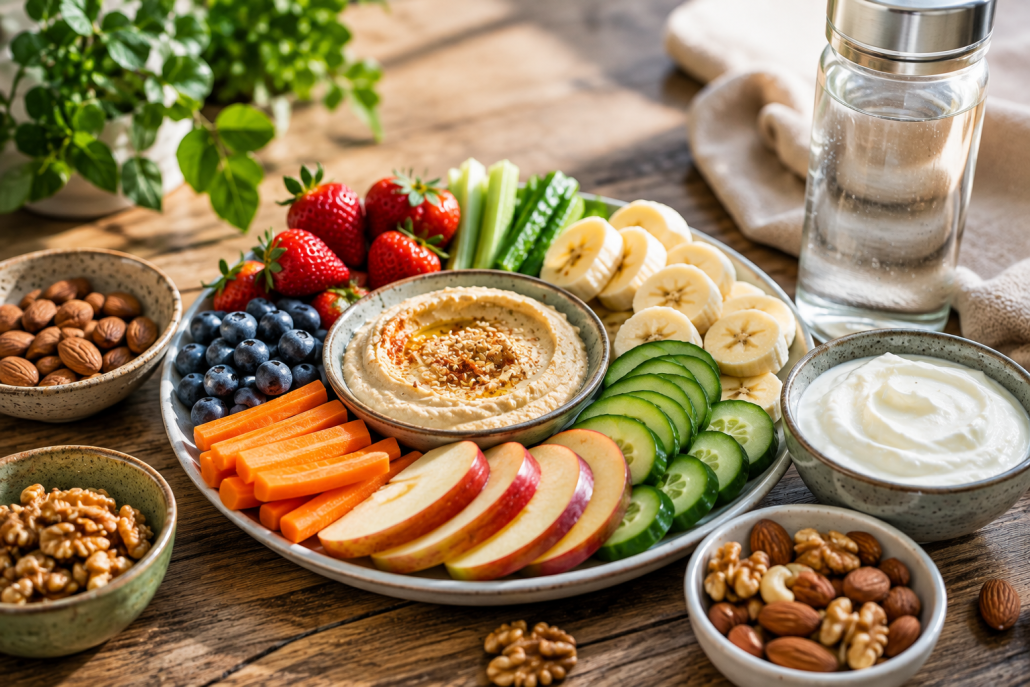
  • Eating water-rich foods such as fruits and vegetables
  • Drinking more when exercising or spending time in hot conditions

However, more water is not always better. Excessive fluid intake can also be harmful, so focus on reasonable hydration rather than forcing yourself to drink extreme amounts.

6. Include Fruits, Vegetables, and Fiber-Rich Foods

A healthy daily diet should include a variety of plant foods. Fruits and vegetables provide vitamins, minerals, fiber, and other beneficial compounds that contribute to overall health.

Try adding vegetables to meals you already enjoy rather than making healthy eating unnecessarily complicated. Add spinach or tomatoes to eggs, vegetables to rice dishes, beans to meals, or fruit to oatmeal and yogurt.

Fiber-rich foods can also help support digestive health and contribute to feelings of fullness. Good sources include beans, lentils, vegetables, fruits, whole grains, nuts, and seeds.

Variety matters. Instead of eating the same vegetable every day, rotate your choices.

The goal is not to create a perfect plate at every meal. It is to gradually make nutrient-rich foods a regular part of your eating pattern.

7. Take Regular Breaks From Screens and Digital Devices

Phones, computers, televisions, and other devices are now part of everyday life. While technology can be useful, spending too much uninterrupted time on screens can contribute to inactivity, mental fatigue, and disrupted routines.

Create small periods during the day when you intentionally step away from your devices.

For example, take a short walk after working at your computer. Eat one meal without scrolling through social media. Turn off unnecessary notifications. Spend some time talking with people face-to-face.

You can also establish a technology-free period before bed. Reducing stimulating activities at night may make it easier to transition into your sleep routine.

Digital wellness does not require abandoning technology. Instead, it means using it intentionally rather than allowing it to control every part of your day.

8. Get Quality Sleep and Maintain a Consistent Sleep Schedule

Sleep is a fundamental part of physical and mental well-being. While individual sleep needs differ, most adults need around seven or more hours of sleep per night.

A consistent sleep schedule can help establish a predictable rhythm. Try to go to bed and wake up at roughly similar times each day, including weekends when practical.

Your evening routine can also influence sleep quality. Consider dimming bright lights, limiting stimulating activities, keeping your bedroom comfortable, and giving yourself time to relax before bed.

Avoid treating sleep as something you sacrifice whenever life becomes busy. Consistently poor sleep can make it harder to concentrate, regulate emotions, maintain energy, and perform everyday tasks.

If you regularly struggle with sleep despite making healthy changes, consider discussing the problem with a qualified healthcare professional.

9. Practice Mindfulness and Be Present in the Moment

Mindfulness means paying attention to the present moment with openness rather than constantly becoming lost in worries about the future or regrets about the past.

You can practice mindfulness during ordinary activities. When eating, pay attention to the taste and texture of your food. When walking, notice your surroundings. When talking with someone, listen instead of preparing your next response.

A short mindfulness practice can also involve sitting quietly and observing your breathing and thoughts without judging them.

You do not need to meditate for an hour. Start with five minutes and gradually build the habit if you enjoy it.

Mindfulness can help you become more aware of how you respond to stress, emotions, habits, and everyday experiences.

10. Make Time for Relationships and Social Connection

Wellness is not only about food and exercise. Human beings also need meaningful social connection.

Make an intentional effort to stay connected with family members, friends, colleagues, neighbors, or other people who contribute positively to your life.

You could call someone you care about, share a meal, visit a friend, participate in a community activity, or simply have a meaningful conversation.

Quality matters more than quantity. You do not need a huge social circle. A few supportive relationships can provide companionship, encouragement, and a sense of belonging.

At the same time, healthy boundaries matter. Protect your time and emotional energy from relationships that consistently create unnecessary stress.

11. Spend Time Outdoors and Get Natural Light

Spending time outdoors can be a refreshing way to break up a busy day. Natural light also plays an important role in regulating your body’s internal clock.

Whenever practical, take a short outdoor walk in the morning or during a break. You could sit outside, tend a garden, walk through a park, or simply spend a few minutes enjoying fresh air.

Outdoor activity can combine several wellness habits at once. For example, a 20-minute walk can provide physical movement, a break from screens, exposure to daylight, and an opportunity to clear your mind.

You do not need to turn every outdoor activity into a workout. Sometimes simply stepping outside and changing your environment can make the day feel different.

12. Keep Your Body Clean and Maintain Good Personal Hygiene

Personal hygiene is a basic but important part of everyday wellness. Simple practices such as regular bathing, handwashing, oral care, clean clothing, and appropriate grooming can help maintain cleanliness and comfort.

Brush your teeth regularly and maintain an oral hygiene routine that suits your needs. Wash your hands at appropriate times, particularly before eating and after using the toilet.

Also pay attention to your environment. Keeping your living and working spaces reasonably clean can make daily life more comfortable.

Good hygiene does not have to become an obsessive routine. Focus on practical habits that protect your health and help you feel comfortable and confident.

13. Take Care of Your Mental and Emotional Health

Mental wellness deserves the same attention as physical wellness. Pay attention to your emotions rather than automatically ignoring them.

Journaling can help you organize your thoughts. Talking to a trusted person can provide perspective. Creative activities can offer an emotional outlet. Exercise, adequate sleep, healthy nutrition, and social connection can also support mental well-being.

Learn to recognize when everyday stress is becoming difficult to manage. Persistent feelings of sadness, anxiety, hopelessness, severe stress, or other concerning changes deserve professional attention.

Seeking help is not a weakness. Mental health professionals can provide appropriate support when self-care is not enough.

14. Practice Gratitude and Positive Daily Reflection

Gratitude can help shift your attention toward aspects of life that you value. It does not mean pretending that problems do not exist. Instead, it encourages you to notice positive experiences alongside life’s difficulties.

At the end of the day, think about three things you appreciated. They can be significant achievements or very ordinary moments.

For example:

  • A productive day at work
  • A good conversation
  • A healthy meal
  • Time with family
  • Completing an important task
  • Enjoying a peaceful evening

You can write these thoughts in a notebook or simply reflect on them mentally.

Over time, this small habit can encourage you to become more aware of positive experiences rather than allowing negative events to dominate your attention.

15. Create an Evening Wellness Routine and Prepare for Tomorrow

Your evening routine provides an opportunity to slow down, reflect, and prepare for the next day. Rather than ending the day with endless scrolling or unfinished tasks, create a simple transition toward rest.

Review what you accomplished. Prepare clothes or meals for the next day if that makes your morning easier. Tidy your immediate environment. Write down important tasks so they do not occupy your mind while you are trying to sleep.

Then give yourself permission to stop working.

A good evening routine might include:

  • Finishing work at a reasonable time
  • Preparing for tomorrow
  • Taking a warm shower
  • Reading something relaxing
  • Practicing gentle stretching
  • Limiting unnecessary screen time
  • Going to bed at a consistent time

The goal is not to create another complicated checklist. Your evening should help your mind recognize that the active part of the day is coming to an end.

How to Build a Sustainable Healthy Daily Routine

Trying to introduce all 15 habits at once can quickly become overwhelming. Instead, build your wellness routine gradually.

Start with three habits that feel realistic. For example, drink more water, take a daily walk, and establish a consistent bedtime.

After those habits become familiar, introduce another one.

It can also help to connect a new habit to something you already do. For example, stretch after brushing your teeth, drink water when you sit down to work, or take a short walk after lunch.

Track your progress without demanding perfection. Missing one day does not erase your progress. Simply return to the routine the next day.

Remember that wellness should support your life, not become another source of pressure.

A Simple Daily Wellness Routine You Can Follow

If you want a practical starting point, try this simple schedule:

Morning

  • Drink water
  • Get natural light
  • Stretch or walk
  • Eat a balanced meal if you prefer breakfast
  • Identify your main priorities

Afternoon

  • Eat a nutritious lunch
  • Drink water
  • Take movement breaks
  • Spend a few minutes outdoors
  • Practice slow breathing if stress builds

Evening

  • Eat a balanced dinner
  • Connect with family or friends
  • Reduce unnecessary screen time
  • Reflect on something positive
  • Prepare for tomorrow
  • Follow a relaxing bedtime routine

You can adjust this schedule to match your work, family, culture, preferences, and energy levels.

Why Consistency Matters More Than Perfection in Wellness

The most effective wellness routine is not necessarily the most impressive one. It is the one you can continue.

Someone who walks for 20 minutes most days may build a stronger long-term habit than someone who exercises intensely for two weeks and then stops. Similarly, consistently choosing nutritious meals is more sustainable than following an extremely restrictive diet that you cannot maintain.

Think about wellness as a long-term investment. Every healthy choice does not need to produce an immediate result.

Some days will go according to plan. Other days will be difficult. You may miss a workout, eat a less nutritious meal, sleep poorly, or feel too stressed to meditate.

That is normal.

Instead of abandoning your routine after one difficult day, return to your basic habits as soon as you can. Progress comes from repeated effort, not perfection.

Final Thoughts: Make Wellness a Part of Everyday Life

A healthier body and calmer mind are built through everyday choices. Your daily wellness routine does not need to be complicated, expensive, or time-consuming. Start with manageable habits that improve how you eat, move, sleep, think, connect, and recover.

The 15 habits in this guide provide a practical foundation: stay hydrated, eat nutritious foods, move regularly, manage stress, protect your sleep, practice mindfulness, nurture relationships, spend time outdoors, maintain good hygiene, support your mental health, practice gratitude, and create a calming evening routine.

Most importantly, personalize your approach. Your routine should fit your life rather than forcing your life to fit someone else’s routine.

Choose one healthy habit today. Practice it tomorrow. Then repeat it. Over time, small actions can become powerful patterns that support your physical health, emotional well-being, and overall quality of life.

Frequently Asked Questions About Daily Wellness Routines

1. What should a daily wellness routine include?

A balanced wellness routine can include healthy nutrition, regular physical activity, adequate sleep, hydration, stress management, mindfulness, social connection, personal hygiene, and time for relaxation.

2. How long should a wellness routine take each day?

There is no universal time requirement. Even small actions can contribute to wellness. A short walk, several minutes of breathing exercises, healthy meals, and a consistent sleep schedule can all become valuable parts of your routine.

3. What is the most important healthy habit to start with?

Start with a habit that is realistic and relevant to your current lifestyle. For many people, improving sleep, increasing physical activity, drinking enough water, or improving diet can provide a strong foundation.

4. Can a daily wellness routine improve mental health?

Healthy lifestyle habits can support mental well-being. Regular movement, adequate sleep, social connection, relaxation, and nutritious eating can all contribute to overall wellness. However, lifestyle habits should not replace professional mental health care when it is needed.

5. How can I stick to a healthy daily routine?

Start small. Choose two or three habits, connect them to existing routines, keep track of your progress, and avoid expecting perfection. If you miss a day, simply restart.

6. Should I exercise every day?

Daily movement is beneficial, but you do not need intense exercise every day. Include a mixture of activities and allow your body appropriate recovery time, especially after demanding workouts.

7. How can I make healthy habits easier?

Prepare ahead. Keep water nearby, stock nutritious foods, schedule exercise, establish a regular bedtime, and remove unnecessary distractions. The easier a healthy action becomes, the more likely you are to repeat it.

8. Is wellness only about physical health?

No. Wellness includes physical, mental, emotional, social, and lifestyle factors. A genuinely healthy routine should support the whole person rather than focusing on one area alone.


 

Boosting Your Mental Health Through Daily Walks

What Is Wellness?

Wellness is more than simply being free from illness. It is a way of living that involves taking care of your body, managing your emotions, building healthy relationships, maintaining a positive mindset, and creating a lifestyle that supports your overall quality of life. In a world where busy schedules, stress, poor eating habits, limited physical activity, and constant digital distractions can easily affect our health, understanding wellness has become increasingly important.

The good news is that wellness does not require perfection. You do not need an expensive gym membership, a complicated diet, or a complete lifestyle transformation to become healthier. Instead, wellness grows from small, consistent choices that support your physical, mental, emotional, social, and even spiritual well-being.

Whether you are beginning your wellness journey or simply looking for practical ways to improve your daily life, this guide will help you understand what wellness means and how you can make it part of your everyday routine.

What Is Wellness? Understanding the Meaning of Health and Well-Being

Wellness is the active process of making choices that support your overall health, happiness, and quality of life. While people often use the words health and wellness interchangeably, they are not exactly the same. Health commonly describes your physical or mental condition, while wellness focuses more on the ongoing actions you take to improve and maintain your well-being.

For example, a person may not have a diagnosed illness but may still have poor wellness because they rarely exercise, regularly eat an unbalanced diet, experience constant stress, sleep poorly, or feel socially isolated. On the other hand, someone who actively manages these areas is taking steps toward better wellness.

Wellness is therefore not a destination that you reach once and maintain forever. Your needs change throughout life, so your wellness habits may need to change as well.

A healthy lifestyle can include eating nutritious foods, staying physically active, getting enough sleep, maintaining relationships, learning how to cope with stress, attending preventive health appointments, and making time for activities that bring meaning and enjoyment.

Most importantly, wellness involves balance. You can enjoy your favorite meal without feeling guilty. You can take a rest day without believing you have failed. You can work hard while still making time for yourself.

The goal is not to create a perfect lifestyle. The goal is to create a sustainable lifestyle that helps you feel healthier, stronger, calmer, and more capable of enjoying your life.

Why Wellness Matters for a Healthier and Happier Life

Wellness matters because your daily habits can influence how you feel, function, and respond to life’s challenges. When you consistently care for your physical and emotional needs, you give yourself a stronger foundation for everyday life.

For instance, regular physical activity can help support cardiovascular health, muscle strength, mobility, and mood. Nutritious eating provides the body with energy and essential nutrients. Adequate sleep supports physical recovery, concentration, and emotional regulation.

However, wellness goes beyond these physical factors.

Your relationships also matter. Spending time with supportive people can provide companionship, encouragement, and a sense of belonging. Likewise, learning to manage stress can help you respond to challenges more effectively rather than allowing stress to dominate your daily life.

Wellness can also influence productivity. When you consistently neglect sleep, nutrition, movement, and emotional well-being, you may find it harder to concentrate and maintain energy. In contrast, healthy routines can make it easier to approach work and personal responsibilities with greater focus.

Perhaps most importantly, wellness encourages you to become proactive about your health. Instead of waiting until something goes wrong, you begin paying attention to your habits and making choices that may help protect your well-being over time.

That proactive mindset is one of the most valuable parts of living a wellness-focused lifestyle.

The Different Dimensions of Wellness You Should Know

Wellness has several interconnected dimensions, and improving one area can often influence the others. Physical health is important, but a genuinely balanced lifestyle requires attention to more than the body alone.

1. Physical Wellness and Healthy Lifestyle Habits

Physical wellness involves caring for your body through movement, nutrition, sleep, hygiene, preventive care, and other healthy lifestyle choices.

Regular exercise can help maintain strength, flexibility, balance, and cardiovascular fitness. You can choose activities that fit your lifestyle, such as walking, cycling, swimming, dancing, stretching, gardening, or strength training.

Nutrition is equally important. A balanced eating pattern can include vegetables, fruits, whole grains, legumes, healthy sources of protein, and appropriate amounts of healthy fats.

Sleep also deserves attention. Rather than treating sleep as wasted time, consider it an important part of your wellness routine.

Physical wellness also includes preventive healthcare. Depending on your age, sex, personal risk factors, and medical history, appropriate health screenings and routine checkups can help identify potential problems early.

2. Mental Wellness and Emotional Well-Being

Mental wellness involves supporting your thoughts, emotions, and ability to cope with everyday challenges.

Everyone experiences difficult emotions. Feeling worried, disappointed, frustrated, or sad from time to time is part of being human. Emotional wellness does not mean being happy every minute.

Instead, it involves developing healthy ways to recognize, express, and manage emotions.

Simple practices such as journaling, talking to someone you trust, spending time outdoors, practicing relaxation techniques, and taking regular breaks can support emotional well-being.

When persistent emotional difficulties interfere with everyday life, seeking professional support can also be an important part of wellness.

3. Social Wellness and Healthy Relationships

Social wellness focuses on your relationships, communication, support systems, and sense of connection with other people.

Humans need meaningful connections. Healthy friendships, family relationships, professional relationships, community involvement, and supportive social networks can contribute to a stronger sense of belonging.

Social wellness does not mean having hundreds of friends or constantly attending social events. Instead, it is about having relationships that provide mutual respect, trust, encouragement, and healthy communication.

You can strengthen social wellness by checking in with loved ones, joining community activities, volunteering, participating in hobbies, or simply making time for meaningful conversations.

4. Intellectual Wellness and Lifelong Learning

Intellectual wellness involves keeping your mind engaged through curiosity, learning, creativity, and problem-solving.

You can support intellectual wellness by reading books, learning new skills, taking courses, exploring new subjects, solving puzzles, writing, practicing a musical instrument, or learning a new language.

Importantly, intellectual wellness does not require formal education. Curiosity itself can become a powerful habit.

When you regularly challenge yourself to learn something new, you can keep your mind active while discovering interests and abilities you may not have known you had.

5. Spiritual Wellness and Personal Meaning

Spiritual wellness involves meaning, purpose, values, beliefs, and your sense of connection to something larger than yourself.

For some people, spirituality is connected to religious faith. For others, it may involve nature, meditation, personal values, service, reflection, or a sense of purpose.

Spiritual wellness is deeply personal. What provides meaning for one person may not have the same significance for another.

The important question is whether your daily life reflects the values and principles that matter most to you.

6. Environmental Wellness and a Healthy Surrounding

Your environment can influence your wellness more than you might realize.

Environmental wellness involves creating surroundings that support your health, safety, comfort, and quality of life.

A clean and organized home can make daily activities easier. Access to safe spaces for physical activity can encourage movement. Reducing unnecessary clutter may also create a calmer environment.

Environmental wellness can extend beyond your home. Caring for your community and making thoughtful choices about waste, energy, water, and consumption can also contribute to a healthier environment.

How to Build a Healthy Wellness Routine That Lasts

The best wellness routine is one you can realistically maintain over time. Many people begin a health journey with an ambitious plan, change everything at once, and then struggle to continue after a few weeks.

Instead, start small.

If you rarely exercise, you do not necessarily need to begin with intense daily workouts. Start with regular walks and gradually increase your activity.

If your diet contains few vegetables, begin by adding one extra serving to a meal. Once that becomes normal, continue improving gradually.

The same approach works for sleep, stress management, hydration, and other wellness habits.

Create Small, Achievable Health Goals

Set goals that are specific and realistic.

Instead of saying, “I want to become healthier,” identify an action you can perform.

For example:

  • Walk for 20 minutes five days a week.
  • Eat fruit with breakfast.
  • Drink water regularly throughout the day.
  • Go to bed at a consistent time.
  • Spend 15 minutes reading each evening.
  • Call a family member once a week.
  • Take short breaks during long periods of work.

Small actions become powerful when repeated consistently.

Build Wellness Habits Around Your Existing Routine

Habit stacking can make healthy behaviors easier to remember.

For example, you could stretch for five minutes after brushing your teeth in the morning. You could drink water before your first cup of coffee. You could take a short walk after lunch.

By connecting a new habit to something you already do, you reduce the amount of effort required to remember it.

Focus on Progress Rather Than Perfection

A healthy lifestyle should not make you feel constantly guilty.

You will have busy days. You may skip a workout. You may eat a less nutritious meal. You may stay up late occasionally.

That does not mean your wellness journey has failed.

Instead of thinking, “I ruined everything,” simply return to your healthy routine at the next opportunity.

Consistency over months and years matters much more than perfection on any single day.

Nutrition, Exercise, Sleep, and Stress: The Foundation of Everyday Wellness

Four practical pillars of everyday wellness are nutritious eating, regular movement, quality sleep, and effective stress management. Although wellness includes many dimensions, these areas provide a useful starting point for improving daily health.

Eat for Nourishment and Energy

A wellness-focused eating pattern does not have to be complicated.

Aim to include a variety of nutrient-rich foods and avoid relying heavily on highly processed foods, excessive added sugars, and foods high in unhealthy fats.

Portion sizes and individual nutritional needs vary, so there is no single diet that works perfectly for everyone.

Rather than chasing restrictive diets, focus on creating eating habits you can maintain.

Move Your Body Regularly

Exercise is not only about weight loss.

Physical activity can support heart health, muscle strength, bone health, mobility, balance, and mental well-being.

Choose activities you enjoy. Enjoyment makes it much easier to remain consistent.

If you sit for long periods, also consider breaking up extended sitting with brief periods of movement.

Make Quality Sleep a Priority

Sleep is a major component of overall well-being.

Adults generally need around seven or more hours of sleep per night, although individual needs vary.

A consistent bedtime, a comfortable sleeping environment, reduced evening stimulation, and a relaxing nighttime routine can help support better sleep habits.

If you regularly struggle with sleep despite making healthy changes, consider discussing the problem with a qualified healthcare professional.

Learn Healthy Ways to Manage Stress

Stress cannot always be eliminated, but you can develop healthier ways to respond to it.

Try deep breathing, physical activity, relaxation exercises, time outdoors, hobbies, social connection, or structured planning.

You can also examine the sources of unnecessary stress in your life. Sometimes wellness means learning to say no, setting boundaries, reducing commitments, or asking for help.

Simple Wellness Habits You Can Start Today

You do not need to wait for Monday, a new month, or a new year to begin improving your wellness. A few simple actions today can become the foundation of healthier habits tomorrow.

Consider these practical ideas:

  1. Drink more water throughout the day.
  2. Add an extra serving of vegetables or fruit to your meals.
  3. Take a 15-to-30-minute walk.
  4. Stretch after long periods of sitting.
  5. Go to bed at a consistent time.
  6. Spend less time scrolling before bed.
  7. Take several slow, deep breaths when you feel stressed.
  8. Spend meaningful time with someone you care about.
  9. Spend some time outdoors.
  10. Learn something new.
  11. Take regular breaks from work.
  12. Schedule appropriate health checkups.
  13. Practice gratitude by noticing things you appreciate.
  14. Make time for hobbies and recreation.
  15. Set realistic goals for the week.

The key is not to do everything immediately.

Choose two or three habits that fit your current lifestyle. Once they become easier, gradually introduce additional changes.

Common Wellness Mistakes That Can Make Healthy Living Harder

Wellness becomes more sustainable when you avoid unrealistic expectations and focus on practical habits. One common mistake is believing that healthy living requires a complete lifestyle transformation.

Another mistake is following extreme diets or exercise programs simply because they promise quick results. Sustainable wellness generally depends on habits you can continue rather than short-term approaches that leave you exhausted or frustrated.

People also sometimes focus entirely on physical appearance. While maintaining a healthy body composition can be relevant to health, wellness is much broader than weight or appearance.

Ignoring mental health is another common problem. Someone can eat nutritious food and exercise regularly while still experiencing overwhelming stress or emotional difficulties.

Finally, comparing your wellness journey with someone else’s can create unnecessary pressure. People have different bodies, schedules, resources, responsibilities, preferences, and health needs.

Your wellness routine should therefore be personal.

How to Make Wellness Part of Your Everyday Lifestyle

The most effective way to embrace wellness is to turn healthy choices into normal parts of your everyday life. Instead of treating wellness as a temporary project, incorporate it into your routine.

Plan nutritious meals before you become extremely hungry. Keep healthy foods available. Schedule exercise like an important appointment. Create a bedtime routine that encourages consistent sleep.

Likewise, protect time for relationships, relaxation, learning, and personal interests.

It can also help to monitor your progress without becoming obsessed with numbers. Notice how you feel, how consistently you sleep, whether you have more energy, how often you move, and whether your daily habits are becoming easier.

Most importantly, give yourself flexibility.

Life changes. Your schedule may become busier. You may travel. You may experience setbacks. Your wellness routine should be adaptable enough to survive these changes.

When healthy choices become part of your normal lifestyle rather than a temporary challenge, maintaining them becomes much easier.

Building Your Personal Path to Better Health and Well-Being

Wellness is ultimately about creating a life that supports your health, happiness, relationships, purpose, and ability to function well. It does not demand perfection, and it does not look exactly the same for everyone.

Start by examining your current lifestyle. What is working well? What could improve? Which habits are causing unnecessary problems? What small change would make your day better?

Then take action.

Perhaps your first step is walking more. Maybe you need to improve your sleep schedule. Perhaps you need to eat more nutritious foods, reconnect with friends, manage stress, or schedule a health checkup.

Whatever you choose, begin with something realistic.

Over time, small improvements can build into meaningful lifestyle changes. The goal is not simply to add more years to your life but to support a healthier, more active, meaningful, and enjoyable life along the way.

Frequently Asked Questions About Wellness

What is wellness in simple terms?

Wellness is the ongoing process of making choices that support your physical, mental, emotional, social, and overall well-being. It is about building healthy habits that help you live a balanced and fulfilling life.

What are the main areas of wellness?

Common dimensions include physical, mental, emotional, social, intellectual, spiritual, and environmental wellness. These areas are connected, so improving one can sometimes positively influence others.

Is wellness the same as being healthy?

Not exactly. Health often describes your physical or mental condition, while wellness emphasizes the active choices and habits you use to maintain or improve your overall well-being.

How can I start my wellness journey?

Start with one or two manageable habits. For example, you could walk regularly, improve your meals, establish a consistent sleep schedule, drink more water, or spend more time connecting with supportive people.

Does wellness mean I have to follow a strict diet?

No. Wellness does not require an extreme or restrictive diet. Instead, focus on a balanced eating pattern that provides the nutrients your body needs and can realistically fit your lifestyle.

Can wellness improve mental health?

Healthy lifestyle habits can support mental and emotional well-being. Exercise, adequate sleep, social connection, relaxation, and meaningful activities can all be useful. However, wellness habits should not replace professional care when someone is experiencing significant or persistent mental health difficulties.

Why is sleep important for wellness?

Sleep supports many aspects of health, including physical recovery, concentration, mood, and daily functioning. Establishing consistent sleep habits can therefore be an important part of a wellness routine.

How long does it take to develop healthy wellness habits?

There is no fixed timeline. Some habits become easier within weeks, while others take longer. Consistency is generally more important than trying to change everything quickly.

Can wellness help prevent disease?

Healthy lifestyle behaviors can contribute to reducing the risk of some chronic diseases, although they cannot eliminate risk completely. Genetics, environment, age, and other factors also influence health.

What is the most important wellness habit?

There is no single habit that is best for everyone. A strong starting point is to build a balanced routine that includes nutritious eating, regular physical activity, adequate sleep, stress management, social connection, and appropriate healthcare.

Healthy Eating

Simple Ways to Keep Your Family Healthy Throughout the Year

Keeping your family healthy throughout the year does not require expensive products, complicated diets, or a perfect lifestyle. In most cases, good family health comes from simple habits practiced consistently. The way your family eats, sleeps, moves, manages stress, maintains hygiene, and responds to illness can make a meaningful difference over time.

A healthy family lifestyle is also easier to maintain when everyone participates. Parents can set the example, while children can learn age-appropriate habits that become part of their daily routine. Rather than trying to change everything at once, focus on a few practical improvements and build from there.

This guide explores simple family health habits that can help you create a healthier home throughout the year. From nutritious family meals and regular physical activity to preventive healthcare, emotional well-being, good sleep, and household hygiene, these strategies are realistic enough for busy families to follow.

1. Build a Healthy Family Diet With Nutritious Everyday Meals

One of the most effective ways to support family health is to make nutritious food a regular part of everyday life. A healthy family diet does not mean eliminating every favorite food or following a strict eating plan. Instead, it means creating balanced meals that provide a variety of nutrients while keeping portions and highly processed foods in reasonable amounts.

Start by including different food groups throughout the day. Vegetables and fruits can provide vitamins, minerals, fiber, and other beneficial compounds. Whole grains, beans, lentils, nuts, seeds, eggs, fish, lean meats, and other protein-rich foods can contribute important nutrients needed for growth, energy, and normal body function.

Whenever possible, make water the main drink at home. Sugary drinks can add substantial amounts of sugar without providing much nutritional value, so limiting them can be a useful family habit.

Plan Healthy Family Meals Ahead

Meal planning can make healthy eating much easier. Before the week begins, create a simple list of meals your family is likely to eat. Consider breakfast, lunch, dinner, and a few healthy snacks.

Planning also helps reduce last-minute dependence on fast food or heavily processed convenience meals. You can prepare ingredients ahead of time, cook larger portions, and use leftovers creatively.

For example, roasted vegetables prepared for dinner can become part of the next day’s lunch. Cooked beans can be used in several meals, while leftover chicken or fish can be added to rice, salads, wraps, or sandwiches.

Make Healthy Eating a Family Activity

Children are more likely to become comfortable with nutritious foods when they participate in food preparation. Give them simple tasks such as washing vegetables, measuring ingredients, setting the table, or choosing between two healthy side dishes.

Most importantly, avoid turning healthy eating into a punishment. Instead, present nutritious foods as normal and enjoyable parts of family life.

2. Encourage Regular Physical Activity for the Whole Family

Regular movement is another important part of maintaining a healthy family lifestyle. Physical activity supports physical fitness, helps maintain healthy body weight, strengthens muscles and bones, and can contribute to emotional well-being.

However, exercise does not have to mean spending hours at a gym. Families can become more active by finding enjoyable ways to move together.

Take evening walks around the neighborhood, play football in an open space, ride bicycles, dance to music, garden, clean the house together, or organize active games for children. The goal is to make movement a normal part of daily life rather than something that only happens when someone wants to lose weight.

Reduce Excessive Sitting and Screen Time

Modern families often spend considerable time sitting while watching television, using smartphones, playing games, or working on computers. Although screens can be useful, excessive sedentary time can reduce opportunities for movement.

Create simple household routines that encourage breaks. For example, everyone can stand up and move around during television breaks. Children can be encouraged to play outside, while adults can take short walking breaks during the day.

Make Exercise Fun Instead of Forced

Family fitness works best when people actually enjoy it. You do not need to turn every activity into a competition.

Try different activities until you discover what your family likes. Some families enjoy dancing, while others prefer sports, walking, swimming, cycling, or outdoor adventures.

When exercise becomes enjoyable family time, it is much easier to maintain throughout the year.

3. Protect Family Health With Good Hygiene and Clean Home Habits

Good hygiene plays an important role in protecting family members from many common infections. Simple habits such as regular handwashing, proper food handling, dental care, and keeping frequently touched surfaces reasonably clean can contribute to a healthier household.

Handwashing is particularly important after using the toilet, before preparing or eating food, after handling waste, and after returning from places where many people gather.

Teach children how to wash their hands properly rather than simply telling them to do it. Make it part of their routine at key times of the day.

Practice Healthy Food Safety at Home

Food hygiene deserves special attention. Wash produce appropriately, keep raw and cooked foods separate, cook foods thoroughly, and store perishable foods safely.

Also, pay attention to kitchen surfaces, utensils, refrigerators, and storage containers. A clean kitchen reduces opportunities for food contamination.

Maintain Everyday Personal Hygiene

Encourage regular bathing, tooth brushing, clean clothing, nail care, and other age-appropriate hygiene routines. Parents can make these habits easier for children by creating predictable morning and evening schedules.

The objective is not to create fear of germs. Instead, teach children that reasonable hygiene helps protect themselves and the people around them.

4. Prioritize Quality Sleep for Children and Adults

Sleep is sometimes overlooked when families discuss healthy living, yet adequate sleep is essential for physical and mental well-being. Children and teenagers generally need more sleep than adults, and individual needs vary with age and circumstances.

Create a consistent bedtime routine that allows everyone to wind down. Going to bed and waking up at approximately the same time each day can help establish predictable sleep patterns.

Create a Family-Friendly Sleep Routine

Reduce stimulating activities close to bedtime. Bright screens, exciting games, heavy meals, and stressful conversations immediately before sleep can make winding down more difficult for some people.

Instead, create a calmer routine. Reading, quiet conversation, gentle stretching, preparing clothes for the next day, or taking a warm bath can help signal that the day is ending.

Keep bedrooms comfortable, quiet, and suitable for sleeping. If a family member regularly struggles with sleep, snores heavily, has breathing difficulties during sleep, or remains excessively tired during the day, discuss the problem with a qualified healthcare professional.

5. Schedule Preventive Healthcare and Regular Medical Checkups

Staying healthy is not only about what you do at home. Preventive healthcare also matters. Regular medical and dental checkups can help identify potential problems early and give healthcare professionals opportunities to provide personalized advice.

Families should keep track of routine healthcare appointments, recommended screenings, dental visits, and vaccinations according to local medical guidance and individual needs.

Keep Family Health Records Organized

Create a simple health record for each family member. You can record important appointments, allergies, medications, vaccinations, previous illnesses, and other information your healthcare provider recommends tracking.

Keeping these details organized can be particularly helpful when visiting a new healthcare professional or dealing with an unexpected medical situation.

Teach Children About Healthcare

Children should gradually learn how healthcare works. Explain why people visit doctors and dentists and encourage them to communicate when something feels wrong.

Teaching children to speak openly about symptoms can help parents respond appropriately rather than dismissing problems.

6. Support Emotional Wellness and Mental Health at Home

Family health includes much more than physical health. Emotional well-being matters too. A household where people feel heard, respected, supported, and safe can provide an important foundation for healthy development.

Make time for regular family conversations. Ask children about school, friendships, worries, achievements, and things they are looking forward to. Adults also need opportunities to discuss stress and challenges.

Teach Healthy Ways to Manage Stress

Stress is part of life, but families can learn healthier ways to respond to it. Encourage activities such as physical exercise, adequate sleep, hobbies, social connection, relaxation, and time outdoors.

Parents should also model healthy emotional behavior. Children learn from what they observe. When adults acknowledge frustration, communicate calmly, apologize after mistakes, and solve disagreements respectfully, they demonstrate useful emotional skills.

Create a Supportive Family Environment

Avoid making the home a place where people are afraid to discuss problems. Instead, encourage open communication.

If a child or adult experiences persistent sadness, severe anxiety, major behavioral changes, social withdrawal, or other concerning symptoms, seek appropriate professional support.

7. Keep Your Family Hydrated Throughout the Year

Adequate hydration is another simple family health habit. Water helps the body perform many normal functions, and fluid needs can increase during hot weather, exercise, fever, vomiting, diarrhea, or other situations.

Keep drinking water easily available at home. Children can have their own reusable bottles, while adults can carry water when leaving the house.

Make Water the Family’s Default Drink

Instead of waiting until someone feels extremely thirsty, encourage regular fluid intake throughout the day.

For variety, families can add naturally flavored options such as slices of citrus fruit, cucumber, or mint to water. Unsweetened beverages can also provide alternatives depending on individual preferences.

During very hot weather, pay particular attention to hydration, especially for young children, older adults, and people who spend significant time outdoors.

8. Teach Children Healthy Habits From an Early Age

Healthy family habits are easier to maintain when children learn them early. Rather than simply giving instructions, explain why the habits matter.

For example, children can learn that brushing their teeth helps protect their teeth, washing their hands helps reduce the spread of germs, eating different foods provides different nutrients, and physical activity helps keep the body strong.

Let Children Participate in Family Health Decisions

Give children reasonable choices. You might allow them to choose which fruit to add to breakfast, which physical activity the family should do on Saturday, or which vegetable to include with dinner.

This approach gives children a sense of responsibility while helping them develop practical decision-making skills.

Be a Healthy Role Model

Children often copy what adults do. If parents regularly eat balanced meals, exercise, sleep adequately, practice good hygiene, and manage stress constructively, children see those behaviors as normal.

You do not have to be perfect. Consistency matters more than perfection.

9. Build a Safer and Healthier Home Environment

A healthy home should also be a reasonably safe home. Look around your living space for preventable hazards, especially if young children or older adults live there.

Keep cleaning products, medications, sharp objects, and other potentially dangerous items stored safely. Check electrical outlets and cords, reduce trip hazards, and make sure commonly used areas have adequate lighting.

Improve Indoor Air Quality

Good ventilation can help maintain a comfortable indoor environment. Avoid unnecessary exposure to tobacco smoke and other indoor pollutants.

Depending on where you live and the conditions around your home, opening windows when appropriate, maintaining ventilation systems, and reducing excessive dust can contribute to a more comfortable environment.

10. Create Healthy Family Routines That Last All Year

The biggest challenge is often not knowing what to do. It is maintaining healthy habits after the initial motivation disappears.

That is why routines are so powerful. Instead of relying on motivation, attach healthy behaviors to activities your family already does.

For example, make fruit part of breakfast, take a family walk after dinner on selected days, brush teeth at the same times every day, and establish a consistent bedtime routine.

Start Small and Improve Gradually

Do not try to transform your entire household in one weekend. Choose two or three habits first.

For example:

  • Drink more water.
  • Add vegetables to one additional meal each day.
  • Take a 20-minute family walk several times a week.
  • Establish a consistent bedtime.
  • Schedule overdue health and dental appointments.

Once these habits become easier, introduce another improvement.

Review Your Family’s Health Habits Regularly

Every few months, discuss what is working and what is not. Maybe the evening walk is difficult because of weather. Perhaps weekend meal preparation works better than preparing food every evening.

Adjust your routine instead of abandoning it.

Make Family Health a Daily Lifestyle, Not a Short-Term Goal

A healthier family does not emerge from one perfect meal, one intense workout, or one annual medical checkup. Instead, family wellness develops through hundreds of small decisions repeated over time.

Start with the basics: nutritious meals, regular physical activity, sufficient sleep, good hygiene, hydration, preventive healthcare, emotional support, and a safe home environment. Then make those habits practical enough to fit your family’s real schedule.

Remember that every family is different. Age, health conditions, culture, income, location, food availability, work schedules, and personal preferences can all affect what works best. Therefore, focus on sustainable habits rather than comparing your household with another family.

Most importantly, make health a shared responsibility. Cook together. Move together. Talk together. Rest together. Encourage one another when things become difficult.

Small healthy choices may seem insignificant on an individual day, but over months and years, they can become a powerful foundation for family well-being.

Frequently Asked Questions About Keeping Your Family Healthy

What are the most important family health habits?

The most important habits include eating a balanced diet, staying physically active, getting adequate sleep, maintaining good hygiene, drinking enough fluids, attending recommended healthcare appointments, managing stress, and maintaining a safe home environment.

How can I get my children to eat healthier foods?

Start by offering a variety of nutritious foods without turning meals into battles. Involve children in grocery shopping and cooking, introduce new foods gradually, and model healthy eating yourself.

How can a busy family find time to exercise?

Exercise can be incorporated into normal routines. Take short family walks, play active games, dance at home, cycle, garden, or participate in sports. Even short periods of movement can add up throughout the day.

How can we improve our family’s sleep habits?

Create consistent bedtime and wake-up routines. Establish a relaxing wind-down period, reduce stimulating activities before bed, and make bedrooms comfortable and suitable for sleep.

How often should a family visit a doctor?

There is no single schedule that applies to every family. Recommended appointments depend on age, medical history, risk factors, and local healthcare guidance. Follow the schedule recommended by your healthcare professional.

What is the easiest healthy habit to start today?

Start with something simple and measurable, such as drinking more water, adding a serving of vegetables to a meal, taking a family walk, or establishing a regular bedtime.

How can parents support their children’s mental well-being?

Create an environment where children feel comfortable talking about their feelings. Listen without immediately judging, maintain healthy routines, encourage friendships and physical activity, and seek professional help when emotional or behavioral concerns persist.

Can healthy family habits really make a difference?

Yes. Consistent everyday behaviors can contribute to better overall health and well-being. The goal is not perfection but creating practical routines that your family can maintain over time.


How to Improve Your Mental Health With Simple Daily Habits

How to Improve Your Mental Health With Simple Daily Habits

Mental health affects almost every part of daily life, including how we think, work, communicate, sleep, make decisions, and respond to challenges. Yet improving mental well-being does not always require major lifestyle changes. In many cases, small habits repeated consistently can make a meaningful difference over time.

You do not need to completely change your life overnight. Instead, focus on simple actions that support your emotional health, reduce everyday stress, strengthen relationships, and help you feel more in control of your day.

The key is consistency. A five-minute habit that you practice every day can be more useful than an ambitious routine that you follow for only a few days.

This guide explores practical daily habits for better mental health, including physical activity, quality sleep, healthy eating, social connection, mindfulness, positive thinking, time outdoors, and setting healthy boundaries. These strategies can complement professional mental health care when it is needed.

1. Start Your Day With a Simple Morning Mental Health Routine

The way you begin your morning can influence your mood, energy, and mindset throughout the rest of the day. Instead of immediately reaching for your phone, checking stressful messages, or rushing into a long list of responsibilities, create a short morning routine that gives your mind time to settle.

A healthy morning does not need to involve an elaborate wellness program. Even 10 to 20 minutes can make a difference. Open your curtains and allow natural light into your room. Drink some water, stretch your body, take a few slow breaths, and think about what you want to accomplish that day.

You can also write down three priorities instead of creating an overwhelming list of tasks. This helps your brain focus on what matters most.

Practice a Calm Morning Routine for Emotional Well-Being

Consider including one or more of these habits:

  • Make your bed.
  • Drink water after waking.
  • Get some natural sunlight.
  • Stretch for five minutes.
  • Take several slow, deep breaths.
  • Write down something you appreciate.
  • Avoid checking social media immediately.
  • Choose your three most important tasks for the day.

These small actions can create a sense of structure and control. Furthermore, having predictable routines can reduce the feeling that your day is already overwhelming before it begins.

You do not need a perfect morning. The goal is simply to create a calmer starting point.

2. Exercise Regularly to Support Mental and Emotional Health

Physical activity is one of the most useful daily habits for supporting mental well-being. You do not have to become a professional athlete or spend hours in a gym. Walking, dancing, cycling, stretching, swimming, gardening, or doing simple bodyweight exercises can all help you become more active.

Exercise can improve mood and reduce feelings of tension. It also gives you an opportunity to take a break from work, screens, and repetitive thoughts.

Simple Exercise Habits for Better Mental Health

If you have a busy schedule, start small. Walk for 10 minutes during a break. Take the stairs when practical. Stretch while watching television. Go for a short evening walk after dinner.

As your fitness improves, gradually increase the amount and intensity of physical activity that feels comfortable for you.

Exercise can also provide a sense of achievement. When you complete a walk or workout, you have evidence that you followed through on something you planned to do. That small achievement can contribute to greater confidence.

Most importantly, choose activities you actually enjoy. A sustainable exercise routine is easier to maintain when it does not feel like punishment.

3. Prioritize Quality Sleep for Better Psychological Well-Being

Sleep is not simply a period when your body rests. It also gives your brain time to recover and regulate important processes. Poor or insufficient sleep can leave you feeling irritable, tired, unfocused, and less capable of dealing with everyday stress.

Therefore, improving your sleep habits should be an important part of your mental health routine.

Create Healthy Sleep Habits and a Consistent Bedtime

Try to maintain relatively consistent sleeping and waking times. Your body generally responds well to regularity.

Create a relaxing wind-down period before bed. Reduce bright screens, avoid stimulating activities late at night, and make your bedroom comfortable and quiet when possible.

You can develop a simple bedtime routine such as:

  1. Finish demanding tasks.
  2. Dim the lights.
  3. Put your phone away.
  4. Take a warm shower.
  5. Read something relaxing.
  6. Practice slow breathing.
  7. Go to bed at a consistent time.

If you regularly struggle to sleep despite making changes, consider speaking with a healthcare professional. Persistent sleep problems can sometimes be connected to underlying physical or mental health concerns.

4. Eat Nutritious Foods to Support Brain Health and Mood

What you eat can influence your overall physical health, and nutrition also plays an important role in supporting the brain. A balanced diet provides nutrients your body needs to function properly.

Instead of focusing on extreme diets, concentrate on eating a variety of nutritious foods.

Build Healthy Eating Habits for Emotional Wellness

Include vegetables, fruits, whole grains, beans, nuts, seeds, and appropriate sources of protein in your meals. Drink enough fluids throughout the day and limit excessive consumption of highly processed foods and sugary drinks.

You can make healthy eating easier by preparing some foods in advance. For example, wash fruits and vegetables ahead of time, prepare simple meals, or keep nutritious snacks available.

However, avoid turning food into another source of stress. You do not need to eat perfectly to support your mental health. Aim for balance rather than perfection.

A healthy relationship with food involves nourishment without unnecessary guilt.

5. Practice Mindfulness and Deep Breathing to Reduce Daily Stress

Modern life can keep your attention moving constantly from one problem to another. Mindfulness provides an opportunity to slow down and pay attention to the present moment.

You do not need special equipment or a complicated meditation program. You can practice mindfulness while sitting quietly, walking, eating, or simply breathing.

Use Deep Breathing Exercises for Anxiety and Stress Relief

Try this simple technique:

  • Sit comfortably.
  • Relax your shoulders.
  • Breathe in slowly.
  • Pause briefly.
  • Breathe out slowly.
  • Repeat several times.

As you breathe, focus your attention on the movement of your chest or abdomen. When your mind wanders, gently bring your attention back to your breathing.

You can also practice the five-senses technique. Notice what you can see, hear, feel, smell, and taste around you.

These exercises will not make every problem disappear. However, they can give you a moment to pause before reacting to stressful situations.

6. Limit Negative Social Media Use and Digital Overload

Technology can make communication easier, but constant exposure to notifications, arguments, bad news, comparisons, and unrealistic lifestyles can become mentally exhausting.

If you regularly feel anxious, inadequate, angry, or overwhelmed after using social media, it may be worth changing how you use it.

Create Healthier Digital Habits for Mental Wellness

Start by identifying which apps leave you feeling worse rather than better. You can unfollow accounts that consistently trigger unhealthy comparisons or negativity.

Set specific periods during the day when you check social media instead of repeatedly opening apps whenever you feel bored.

You might also create phone-free periods, particularly during meals, conversations, exercise, and before bedtime.

Instead of asking, “How much time am I spending online?” also ask, “How do I feel after spending time online?”

That second question can help you recognize whether your digital habits are supporting or harming your emotional well-being.

7. Stay Connected With Friends, Family, and Supportive People

Human beings need meaningful social connection. Spending time with people you trust can provide emotional support, encouragement, laughter, companionship, and perspective.

You do not need a huge social circle. A few supportive relationships can be extremely valuable.

Build Strong Social Connections for Better Emotional Health

Make an effort to contact people you care about. Send a message, make a phone call, have lunch together, or take a walk with someone.

If you are struggling, consider telling a trusted person how you feel instead of keeping everything inside.

You can also strengthen your mental health by becoming a source of support for others. Listening to someone, checking on a friend, helping a neighbor, or participating in your community can create a greater sense of connection and purpose.

However, healthy relationships should include boundaries. You do not have to remain available to everyone at all times.

Quality matters more than quantity.

8. Practice Gratitude and Positive Thinking Without Ignoring Reality

Positive thinking does not mean pretending that everything is perfect. Life contains disappointment, grief, uncertainty, failure, and difficult circumstances.

Instead, healthy positive thinking means learning to recognize what is going well while acknowledging what is difficult.

Use a Daily Gratitude Practice to Improve Your Mindset

At the end of each day, write down three things you appreciated.

They do not have to be extraordinary. You might appreciate a good meal, a productive work session, a conversation with someone you love, a peaceful moment, or simply having the opportunity to begin another day.

You can also challenge overly negative thoughts.

For example, instead of thinking, “I always fail,” ask yourself whether that statement is completely accurate. Consider what the situation actually teaches you.

Replace harsh self-criticism with a more realistic perspective.

Rather than saying, “I am terrible at this,” you could say, “I am still learning how to do this.”

That shift does not deny the problem. Instead, it creates room for growth.

9. Spend Time Outdoors and Get More Natural Light

Spending time outdoors can be a simple way to break away from screens, work, traffic, and indoor routines. A short walk outside can provide movement, fresh air, a change of environment, and an opportunity to clear your mind.

Use Outdoor Activities to Support Stress Management

You might walk through your neighborhood, sit in a garden, visit a park, spend time gardening, or simply enjoy a few quiet minutes outside.

Combining outdoor time with exercise can make the habit even more useful. For example, take a 20-minute walk rather than spending your entire break indoors.

Natural light also helps support your body’s internal timing system, which is connected to sleep and wakefulness.

You do not need an expensive vacation or complicated wellness retreat. Sometimes, stepping outside for a few minutes can provide the mental break you need.

10. Set Healthy Boundaries and Make Time for Yourself

One of the most overlooked mental health habits is learning when to say no.

When you constantly accept every request, respond to every message, solve everyone’s problems, and ignore your own needs, you can eventually become exhausted.

Learn to Say No and Protect Your Emotional Energy

Healthy boundaries allow you to decide what you can realistically handle.

You might say:

  • “I can’t take that on right now.”
  • “I need some time to think about it.”
  • “I’m not available today.”
  • “I can help, but I can’t do everything.”
  • “I need some quiet time.”

Setting boundaries does not automatically make you selfish. It can help you preserve your time and emotional energy.

Schedule time for activities that genuinely restore you. Read a book, listen to music, cook, exercise, pray or reflect if that is meaningful to you, pursue a hobby, or simply sit quietly.

Rest is not laziness. Your mind needs periods of recovery just as your body does.

How to Build Mental Health Habits That Actually Last

Knowing what to do is one thing. Doing it consistently is another.

Many people start with an ambitious mental health routine and then abandon it because it requires too much time or effort. Instead, make your habits small enough to fit naturally into your existing lifestyle.

Start With One or Two Daily Wellness Habits

You could begin with:

Week 1: Take a 10-minute walk every day.

Week 2: Add five minutes of quiet breathing.

Week 3: Establish a consistent bedtime.

Week 4: Reduce unnecessary social media use.

Once these habits become familiar, add another.

You can also connect new habits to activities you already perform. For example, practice deep breathing after brushing your teeth or take a short walk after dinner.

This strategy makes habits easier to remember.

Focus on Progress Instead of Perfection

You will have difficult days. You may miss a workout, sleep late, eat less nutritious food, spend too much time online, or lose your temper.

That does not mean your entire routine has failed.

Simply return to your habits at the next opportunity.

Mental wellness is not about creating a perfect life. It is about developing healthier ways to care for yourself while dealing with the realities of everyday life.

When Simple Self-Care Is Not Enough

Daily habits can support mental well-being, but they are not a replacement for professional care when someone is experiencing a serious or persistent mental health problem.

If sadness, anxiety, hopelessness, severe stress, sleep problems, or other emotional difficulties continue for a significant period or interfere with work, relationships, daily responsibilities, or personal safety, consider talking with a qualified healthcare or mental health professional.

Seeking help is not a sign of weakness. In fact, recognizing that you need additional support can be an important act of self-care.

If you are in immediate danger or thinking about harming yourself, seek emergency assistance or contact an appropriate crisis service in your country immediately.

Your Daily Mental Wellness Routine Starts With Small Steps

Improving your mental health does not require changing everything at once. Small, consistent habits can create a stronger foundation for emotional well-being.

Start by choosing one or two actions that feel realistic. Move your body, sleep consistently, eat nourishing foods, spend time outdoors, stay connected with supportive people, practice mindfulness, reduce digital overload, and protect your personal boundaries.

Most importantly, give yourself time.

A healthier mind is built through repeated choices, not overnight transformations. Some days will be easier than others, but every positive action gives you another opportunity to care for yourself.

The goal is not to eliminate every stressful experience. Instead, it is to build the habits, relationships, routines, and coping skills that help you navigate life with greater resilience and balance.

Frequently Asked Questions About Improving Mental Health

What is the easiest daily habit for improving mental health?

A short daily walk is a good place to start. It combines physical activity with a change of environment and can be easier to maintain than a complicated routine. You can also begin with a few minutes of deep breathing or quiet reflection.

How long does it take to improve your mental health?

There is no fixed timeline. Some habits may help you feel better relatively quickly, while meaningful improvements in overall well-being often require consistent practice over time. If you are experiencing persistent mental health symptoms, consider seeking professional support rather than relying only on lifestyle changes.

Can exercise improve mental health?

Regular physical activity can support mood, reduce stress, and improve overall well-being. You do not necessarily need intense workouts. Walking, cycling, dancing, swimming, stretching, and other enjoyable activities can help you stay active.

Does sleep affect mental health?

Yes. Sleep and mental well-being are closely connected. Poor sleep can affect mood, concentration, energy, and your ability to cope with stress. Developing a consistent sleep routine can therefore be an important part of taking care of your mental health.

How can I stop overthinking every day?

Start by noticing when your thoughts become repetitive and unproductive. Slow breathing, writing your thoughts down, taking a walk, focusing on the present moment, and talking with someone you trust may help. If excessive worry is persistent or significantly interferes with your life, consider speaking with a mental health professional.

How much time should I spend on self-care each day?

There is no universal amount. Even 10 to 20 minutes of intentional self-care can be useful. What matters most is choosing activities that genuinely support your physical or emotional well-being and making them part of your routine.

Can social media affect mental health?

It can. Social media may provide connection and useful information, but excessive or distressing use can contribute to comparison, stress, distraction, or emotional overload for some people. Pay attention to how you feel while using social media and adjust your habits accordingly.

Is it normal to have bad mental health days?

Yes. Everyone experiences difficult emotions and stressful periods. Having a bad day does not necessarily mean that something is seriously wrong. However, persistent or worsening symptoms deserve attention, particularly when they interfere with daily life.

When should I talk to a mental health professional?

Consider seeking professional support when emotional or psychological difficulties persist, become difficult to manage, interfere with daily responsibilities or relationships, or cause significant distress. Professional care can provide assessment, guidance, and treatment when needed.

What is the most important mental health habit?

Consistency matters more than choosing one “perfect” habit. A combination of adequate sleep, regular movement, nutritious food, meaningful relationships, stress-management techniques, healthy boundaries, and professional support when necessary can provide a stronger foundation for mental well-being.

Signs of Chronic Stress and How to Take Back Control of Your Health

Signs of Chronic Stress and How to Take Back Control of Your Health

Stress is a normal part of life. A busy workday, financial pressure, family responsibilities, relationship problems, deadlines, and unexpected events can all trigger a stress response. In short bursts, stress can even be useful because it helps you stay alert, focused, and ready to respond to challenges. The problem begins when stress stops being temporary and becomes a constant part of everyday life.

Chronic stress occurs when your body and mind remain under pressure for an extended period. Instead of returning to a relaxed state after a stressful situation passes, your stress response may stay activated. Over time, this constant strain can affect your sleep, mood, concentration, digestion, energy levels, relationships, and overall well-being.

Many people live with chronic stress without recognizing it. They may assume that feeling exhausted every day is simply part of being busy. Others may become so accustomed to irritability, poor sleep, headaches, or difficulty concentrating that they stop connecting these symptoms with stress.

Recognizing the signs of long-term stress is an important first step toward managing it. Fortunately, there are practical ways to reduce everyday stress and give your body opportunities to recover. You do not necessarily need to make dramatic changes overnight. Small, consistent adjustments to your daily routine can make a meaningful difference.

This guide explores the common warning signs of chronic stress, explains how prolonged stress can affect your body and mind, and provides practical strategies that can help you regain balance.

What Is Chronic Stress and Why Does Long-Term Stress Matter?

Chronic stress is prolonged psychological or physical pressure that continues for weeks, months, or longer. Unlike short-term stress, which usually disappears when the immediate challenge is over, chronic stress can become a persistent background condition that affects how you think, feel, and function.

Your body has a natural stress response designed to help you deal with threats and challenges. When your brain perceives danger or pressure, it can trigger changes such as increased heart rate, muscle tension, heightened alertness, and the release of stress hormones. These reactions are useful when you need to respond quickly.

However, problems can arise when stressful situations occur repeatedly without enough time for recovery. Constant work pressure, ongoing financial concerns, caregiving responsibilities, difficult relationships, uncertainty, or major life changes can keep the stress response active.

Chronic Stress vs. Normal Short-Term Stress

Short-term stress usually has a clear cause and eventually decreases. For example, you might feel nervous before an important presentation but relax once it is finished.

Chronic stress is different. The stressful situation may continue, or you may continue worrying even when there is no immediate threat. You may wake up feeling tense, spend the day worrying, and go to bed thinking about tomorrow’s problems.

The longer this pattern continues, the more important it becomes to recognize the warning signs and make changes.

Physical Signs of Chronic Stress You Should Not Ignore

Physical symptoms are among the most noticeable signs of prolonged stress, although they are sometimes mistaken for unrelated problems. Your body and mind are closely connected, so emotional pressure can produce genuine physical effects.

One common symptom is persistent muscle tension. You may notice tightness in your shoulders, neck, jaw, or back. Some people unconsciously clench their teeth when they are stressed, particularly while working or sleeping.

Headaches can also become more frequent during periods of prolonged stress. You might experience a dull pressure around your head or increased tension around your neck and shoulders.

Other Common Physical Symptoms of Long-Term Stress

Chronic stress can also be associated with:

  • Persistent tiredness or low energy
  • Difficulty relaxing
  • Muscle tension and body aches
  • Frequent headaches
  • Digestive discomfort
  • Changes in appetite
  • Rapid heartbeat during stressful moments
  • Sleep difficulties
  • Restlessness
  • Increased sweating
  • Feeling physically exhausted despite resting

Stress can affect people differently. Therefore, having one symptom does not automatically mean that chronic stress is the cause.

If a physical symptom is severe, persistent, unusual, or getting worse, speak with a qualified healthcare professional rather than assuming it is stress.

Emotional Signs of Chronic Stress and Mental Exhaustion

Long-term stress can gradually change your emotional state. You may notice that situations that previously seemed manageable suddenly feel overwhelming.

Irritability is a common warning sign. You might become impatient with family members, coworkers, friends, or even yourself. Small inconveniences can trigger stronger emotional reactions than usual.

You may also experience a persistent sense of worry. Instead of worrying about one specific event, your mind may constantly search for the next problem to solve.

Anxiety, Irritability, and Feeling Overwhelmed

Chronic stress can make it difficult to feel calm. You might find yourself thinking about unfinished tasks while eating, worrying about tomorrow while trying to sleep, or mentally replaying conversations from earlier in the day.

Emotional signs may include:

  • Constant worry
  • Irritability or frustration
  • Feeling overwhelmed
  • Emotional exhaustion
  • Reduced motivation
  • Difficulty enjoying activities
  • Feeling helpless or unable to cope
  • Frequent mood changes
  • Increased sensitivity to criticism

These symptoms deserve attention, especially when they interfere with your work, relationships, sleep, or daily responsibilities.

How Chronic Stress Affects Sleep and Energy Levels

Poor sleep and chronic stress can create a difficult cycle. Stress can interfere with sleep, while inadequate sleep can make it harder to cope with stress the following day.

You may feel physically tired but mentally unable to switch off. When you lie in bed, your thoughts may become more active. You may think about work, money, family responsibilities, unfinished tasks, or future problems.

Stress-Related Insomnia and Persistent Fatigue

Some people struggle to fall asleep, while others wake repeatedly during the night or wake earlier than expected. Even after spending enough time in bed, you may feel unrefreshed the next morning.

During the day, persistent fatigue can reduce your concentration and patience. Consequently, ordinary responsibilities may feel more difficult, creating additional stress.

To improve sleep, establish a consistent bedtime routine. Reduce stimulating activities before bed, keep your sleeping environment comfortable, and give yourself time to wind down.

If sleep problems continue for an extended period, consider discussing them with a healthcare professional.

Chronic Stress and Changes in Mood, Focus, and Memory

Another important sign of prolonged stress is difficulty thinking clearly. When your mind constantly focuses on problems and potential threats, it can become harder to concentrate on ordinary tasks.

You might start reading an article and realize that you have forgotten what you just read. You may enter a room and forget why you went there. You might also struggle to organize your workload or make simple decisions.

Brain Fog and Difficulty Concentrating

Stress-related mental fatigue can make your brain feel overloaded. You may experience:

  • Difficulty concentrating
  • Forgetfulness
  • Slower decision-making
  • Reduced creativity
  • Trouble organizing tasks
  • Racing thoughts
  • Difficulty staying focused

However, cognitive changes can have many possible causes, including sleep deprivation, medications, nutritional problems, medical conditions, anxiety, and depression. Therefore, persistent or significant changes should be evaluated appropriately.

Changes in Appetite and Eating Habits Caused by Stress

Stress can influence the way you eat. Some people lose their appetite during stressful periods, while others crave highly palatable foods and eat more frequently.

Emotional eating can become a coping mechanism. Instead of eating because you are physically hungry, you may reach for food because you feel bored, anxious, frustrated, lonely, or exhausted.

Stress Eating and Unhealthy Food Cravings

During stressful periods, convenience foods can become especially appealing because they are quick and require little preparation. Unfortunately, relying heavily on highly processed foods may leave you feeling sluggish and can make healthy eating more difficult.

Rather than trying to completely change your diet at once, focus on simple improvements.

Keep nutritious foods available, drink enough water, eat regular meals, and include foods such as vegetables, fruits, whole grains, legumes, lean proteins, nuts, and seeds.

Most importantly, avoid using food as your only emotional coping strategy. Find other ways to manage difficult emotions, such as walking, talking with someone you trust, journaling, listening to music, or practicing relaxation techniques.

Chronic Stress Can Affect Your Relationships and Social Life

Stress does not stay inside your mind. It can influence how you interact with other people.

When you feel mentally exhausted, you may have less patience and energy for conversations. You might withdraw from friends or family because social interaction feels like another responsibility.

Alternatively, you may become more argumentative or sensitive. A simple comment can feel like criticism when you are already overwhelmed.

Social Withdrawal, Anger, and Relationship Problems

Pay attention if you notice that you are:

  • Avoiding people you normally enjoy spending time with
  • Becoming unusually argumentative
  • Losing patience easily
  • Feeling disconnected from loved ones
  • Canceling social activities frequently
  • Struggling to communicate calmly

Healthy relationships can actually provide emotional support during stressful periods. Therefore, instead of isolating yourself, consider telling someone you trust that you are having a difficult time.

You do not need to explain everything perfectly. Sometimes simply saying, “I’ve been under a lot of pressure lately” can open the door to meaningful support.

Warning Signs of Chronic Stress at Work

Work-related stress is increasingly common. Heavy workloads, long hours, unrealistic expectations, difficult coworkers, job insecurity, and lack of control can all contribute to prolonged stress.

Work stress becomes particularly concerning when you never feel mentally disconnected from your job.

You may check emails late at night, think about work during meals, or wake up worrying about unfinished tasks.

Workplace Burnout and Emotional Exhaustion

Burnout is more than simply having a bad day at work. It can involve prolonged emotional and physical exhaustion, increasing cynicism or detachment from work, and reduced effectiveness.

If work consistently leaves you exhausted, look for practical ways to create boundaries.

Take appropriate breaks, prioritize important tasks, communicate realistic deadlines, and avoid carrying every work problem into your personal time when possible.

If your workplace environment is contributing significantly to your stress, consider discussing workload and expectations with an appropriate manager or support professional.

How to Reduce Chronic Stress Naturally

Once you recognize persistent stress, the next step is learning how to respond differently. You do not need to eliminate every stressful situation from your life. Instead, focus on improving your ability to recover and manage pressure.

Start with small changes because dramatic lifestyle changes can become another source of stress.

Practice Deep Breathing and Relaxation Techniques

Slow, controlled breathing can help you pause during stressful moments. Try sitting comfortably, relaxing your shoulders, and taking slow breaths while paying attention to the movement of your abdomen.

You can also explore progressive muscle relaxation, meditation, prayer, mindfulness exercises, or other relaxation practices that help you become more aware of your body and thoughts.

The goal is not to force yourself to stop thinking. Instead, give your nervous system a regular opportunity to slow down.

Exercise Regularly to Manage Stress and Improve Mood

Physical activity is one of the most practical ways to support stress management.

You do not need an expensive gym membership or an extreme workout routine. Walking, cycling, swimming, dancing, stretching, jogging, strength training, and recreational sports can all help you become more physically active.

Simple Daily Exercise for Stress Relief

If you currently exercise very little, start gradually. A short walk can be a useful beginning.

For example, take a 10-to-20-minute walk during a break, walk after dinner, or choose stairs instead of an elevator when appropriate.

Over time, build toward regular physical activity that fits your abilities and schedule.

Consistency matters more than perfection.

Improve Your Sleep Habits to Break the Stress Cycle

Better sleep can make everyday stress easier to manage. Establish a predictable sleep and wake schedule whenever possible.

Create a relaxing evening routine. Dim bright lights, reduce stimulating activities before bed, and give yourself enough time to prepare mentally for sleep.

Healthy Sleep Habits for Stress Recovery

You can also:

  • Keep your bedroom comfortable and quiet
  • Avoid working from bed when possible
  • Limit excessive caffeine, especially later in the day
  • Maintain a consistent sleep schedule
  • Create a relaxing bedtime routine
  • Avoid using your phone endlessly when you should be winding down

If persistent insomnia continues despite healthy sleep habits, seek professional advice.

Build a Support System and Stop Handling Everything Alone

You do not have to manage chronic stress by yourself.

Talking to a trusted friend, family member, mentor, counselor, therapist, doctor, or another qualified professional can help you process difficult situations and identify solutions.

Why Social Support Helps With Long-Term Stress

Support can provide perspective. When you are overwhelmed, a problem can appear much larger than it really is. Another person may help you see options you could not recognize while under pressure.

At the same time, be selective about the people you rely on. Choose individuals who listen, respect your boundaries, and encourage healthy coping strategies.

Manage Your Daily Schedule Before Stress Becomes Overwhelming

Poor time management can contribute to chronic stress. When everything feels urgent, your mind remains in constant problem-solving mode.

Instead, identify your most important responsibilities and handle them in order of priority.

Practical Stress Management and Time Management Strategies

Try these simple approaches:

  1. Write down everything you need to accomplish.
  2. Separate urgent tasks from less important tasks.
  3. Focus on one major task at a time.
  4. Break large projects into smaller steps.
  5. Schedule short breaks.
  6. Learn to say no to unnecessary commitments.
  7. Leave some space in your schedule for unexpected events.

You cannot control everything that happens during the day. However, you can often control how you organize your response.

Reduce Stress by Setting Healthy Boundaries

Boundaries protect your time, energy, and emotional well-being. Without boundaries, other people’s demands can gradually consume your attention.

For example, constantly responding to messages after work can make it difficult to mentally disconnect.

How to Set Boundaries Without Feeling Guilty

Start with small boundaries. You might decide not to answer non-urgent work messages during certain personal hours. You may also decline commitments that you genuinely cannot handle.

Setting boundaries does not mean you do not care about others. It means you recognize that your energy is limited.

Clear communication can make boundaries easier. Explain what you can realistically do instead of simply agreeing to everything.

Limit Unhealthy Coping Habits That Can Make Stress Worse

When people feel overwhelmed, they often look for quick relief. Unfortunately, some coping habits can create additional problems.

Excessive alcohol use, smoking, recreational drug use, compulsive shopping, excessive social media use, overeating, or avoiding responsibilities may provide temporary distraction but do not address the underlying source of stress.

Replace Harmful Stress Habits With Healthier Alternatives

When you notice an unhealthy coping pattern, do not simply criticize yourself. Ask what need the behavior is trying to meet.

Are you looking for relaxation? Connection? Escape? Comfort? Stimulation?

Once you understand the need, look for a healthier alternative.

For example, if you scroll through social media whenever you feel overwhelmed, try taking a short walk, calling a friend, listening to music, or practicing breathing exercises first.

When Chronic Stress Requires Professional Help

Lifestyle changes can help, but they are not always enough. Persistent stress can overlap with anxiety, depression, sleep disorders, substance-use problems, or other mental and physical health concerns.

Consider speaking with a qualified healthcare professional if stress is interfering significantly with your daily life.

Signs You Should Seek Help for Severe or Persistent Stress

Professional support may be particularly important if you experience:

  • Persistent sadness or hopelessness
  • Severe anxiety or panic
  • Major changes in sleep or appetite
  • Inability to function normally at work or home
  • Persistent physical symptoms
  • Increasing reliance on alcohol or drugs
  • Withdrawal from everyone around you
  • Thoughts of self-harm or suicide

If you are experiencing thoughts of harming yourself or feel that you may be in immediate danger, seek urgent help from local emergency services or a crisis service and stay with someone you trust if possible.

Getting professional help is not a sign of weakness. It is a practical step toward protecting your health.

Your Next Step: Creating a Calmer and Healthier Daily Life

Chronic stress can gradually become so familiar that you stop noticing how much it affects you. However, constant exhaustion, irritability, poor sleep, headaches, difficulty concentrating, changes in appetite, and emotional overload should not simply be dismissed as “normal life.”

Recognizing the signs gives you an opportunity to respond.

You may not be able to remove every stressful situation. Nevertheless, you can improve how you recover from pressure. Start with one or two manageable changes. Take regular walks. Protect your sleep. Practice slow breathing. Eat balanced meals. Spend time with supportive people. Create healthier boundaries. Organize your priorities and make room for recovery.

Most importantly, do not wait until stress becomes unbearable before taking it seriously.

Your body needs periods of recovery just as much as it needs activity. By paying attention to early warning signs and building healthier habits, you can take meaningful steps toward a calmer, more balanced life.

Frequently Asked Questions About Chronic Stress

What are the most common signs of chronic stress?

Common signs include persistent tiredness, sleep problems, headaches, muscle tension, irritability, anxiety, difficulty concentrating, changes in appetite, digestive discomfort, and feeling overwhelmed.

Can chronic stress make you physically sick?

Long-term stress can affect multiple body systems and may contribute to physical symptoms. However, symptoms such as persistent pain, significant digestive problems, chest pain, or unusual changes should not automatically be blamed on stress. A healthcare professional can help determine the underlying cause.

How long does chronic stress last?

There is no single time period that defines chronic stress. The term generally refers to stress that persists or repeatedly occurs over an extended period rather than resolving after a short stressful event.

Can exercise reduce chronic stress?

Regular physical activity can support stress management and improve mood and overall well-being. Start with activities that are realistic for your fitness level and gradually increase your activity.

How can I sleep better when stress keeps me awake?

Maintain a consistent sleep schedule, develop a calming bedtime routine, reduce stimulating activities before bed, and limit caffeine later in the day. If sleep problems persist, speak with a healthcare professional.

Is chronic stress the same as burnout?

No. Chronic stress refers broadly to prolonged stress, while burnout is a state of physical and emotional exhaustion commonly associated with prolonged work-related or caregiving demands. They can overlap, but they are not identical.

Can chronic stress cause anxiety?

Long-term stress can contribute to anxiety symptoms, but stress and anxiety are not exactly the same thing. Persistent or severe anxiety deserves professional evaluation, particularly when it interferes with daily life.

What is the fastest way to reduce stress?

There is no single solution that works for everyone. In the moment, slow breathing, stepping away from a stressful situation, taking a short walk, talking with someone supportive, or using a relaxation technique may help. Long-term improvement usually comes from consistent lifestyle and coping changes.

When should I see a doctor about stress?

Consider seeking professional advice when stress becomes persistent, interferes with your work or relationships, disrupts sleep, causes significant physical symptoms, or becomes difficult to manage on your own.

Can chronic stress be prevented?

You cannot prevent every stressful event, but you can reduce the impact of stress by maintaining healthy routines, getting enough sleep, staying physically active, building supportive relationships, setting boundaries, managing your workload, and seeking help when necessary.

how to reduce stress naturally

How to Reduce Stress Naturally: 10 Simple Stress Relief Techniques That Really Help

How to Reduce Stress Naturally: 10 Simple Stress Relief Techniques That Really Help

Stress is a normal part of life. Work deadlines, financial responsibilities, family concerns, relationship problems, poor sleep, and everyday uncertainty can all leave you feeling mentally and physically overwhelmed. While some stress can motivate you to take action, ongoing or excessive stress can affect your mood, concentration, sleep, energy, and overall well-being. The good news is that you do not always need complicated solutions to manage everyday stress. Small, consistent lifestyle changes can make a meaningful difference.

Natural stress relief focuses on helping your body and mind return to a calmer state through practical habits. These may include physical activity, slow breathing, healthy meals, better sleep, time outdoors, mindfulness, social connection, and intentional periods of rest. Most importantly, these techniques do not need to be expensive or difficult to fit into your daily routine.

This guide explores 10 simple ways to reduce stress naturally. You can try one technique at a time or combine several approaches depending on what works best for you. Remember that natural strategies can support everyday stress management, but they should not replace professional help when stress becomes severe, persistent, or difficult to manage.

1. Practice Deep Breathing Exercises for Natural Stress Relief

One of the simplest ways to calm yourself during a stressful moment is to slow down your breathing. When you feel threatened, worried, or overwhelmed, your body can shift into a state of increased alertness. Your breathing may become faster, your muscles may tighten, and your heart may beat more quickly. Deliberately slowing your breathing can help create a sense of calm and give you a moment to step away from the stressful situation mentally.

Try a simple breathing exercise several times a day. Sit comfortably and relax your shoulders. Breathe in slowly through your nose, allowing your abdomen to expand gently. Then breathe out slowly and comfortably. You do not need to force a very deep breath. Instead, focus on making your breathing steady and relaxed.

You can practice for two to five minutes whenever you feel tense. For example, try it before an important meeting, after receiving upsetting news, during a busy workday, or before going to bed.

Try Slow Breathing When You Feel Overwhelmed

The goal is not to make stress disappear instantly. Instead, controlled breathing gives you an opportunity to pause before reacting. With regular practice, breathing exercises can become a useful part of your daily stress-management routine.

2. Exercise Regularly to Reduce Stress and Improve Your Mood

Physical activity is one of the most practical natural ways to manage stress. You do not have to become an athlete or spend hours at the gym. Walking, dancing, cycling, stretching, swimming, jogging, or participating in a recreational sport can help you become more physically active while giving your mind a break.

Exercise can be especially helpful when stress causes you to sit for long periods or spend too much time thinking about the same problem. Moving your body shifts your attention toward physical activity and can leave you feeling more energized afterward.

Start With Simple Daily Movement

If you currently exercise very little, start small. A brisk 15- to 30-minute walk can be a realistic starting point. You could also break your activity into shorter sessions throughout the day.

For example, walk in the morning, stretch during a work break, and take another short walk in the evening. Over time, regular physical activity can become part of your normal routine rather than another responsibility that creates pressure.

The key is consistency. Choose activities you actually enjoy because you are more likely to continue doing them.

3. Improve Your Sleep Habits for Better Stress Management

Stress and sleep often influence each other. When you are stressed, your mind may remain active when you want to sleep. You may replay conversations, worry about tomorrow, or think about unfinished tasks. Poor sleep can then leave you tired and less prepared to deal with the next day’s challenges.

Creating a healthier sleep routine can therefore support better stress management. Start by keeping your bedtime and wake-up time reasonably consistent. Give yourself time to relax before going to bed rather than moving directly from work or intense entertainment into sleep.

Create a Calming Nighttime Routine

A relaxing evening routine might include taking a warm shower, reading a book, doing gentle stretches, practicing slow breathing, or listening to quiet music. Keep your sleeping environment comfortable, dark, and quiet when possible.

Also, consider reducing stimulating activities close to bedtime. Instead of scrolling endlessly through stressful news or social media, choose something that helps your mind slow down.

Good sleep habits will not eliminate every source of stress, but they can help you approach daily challenges with more energy and mental clarity.

4. Eat a Balanced Diet to Support Your Body During Stress

When life becomes stressful, healthy eating is often one of the first habits people neglect. It is tempting to rely on sugary snacks, fast food, highly processed meals, or excessive caffeine when you are tired or busy. However, your body still needs balanced nutrition to function properly.

A healthy diet should include a variety of foods such as vegetables, fruits, whole grains, beans, lean protein sources, nuts, seeds, and healthy fats. Drinking enough water throughout the day is also important.

Choose Nourishing Foods Instead of Stress Eating

You do not need to follow a perfect diet. Instead, focus on making better choices more consistently. For example, add vegetables to your meals, choose fruit instead of highly processed snacks, and include protein and fiber to help create satisfying meals.

Pay attention to caffeine as well. Some people find that large amounts of caffeine make them feel more restless, particularly when they are already anxious or stressed. If that happens to you, consider reducing your intake, especially later in the day.

Healthy eating should support your lifestyle rather than become another source of pressure.

5. Practice Mindfulness and Meditation for Natural Anxiety and Stress Relief

Mindfulness means paying attention to the present moment instead of constantly becoming lost in worries about the past or future. When stress takes over, your mind can jump from one concern to another. Mindfulness provides a simple way to slow down and notice what is happening right now.

You can practice mindfulness while sitting quietly, walking, eating, stretching, or completing ordinary household tasks. Start by paying attention to your breathing. Notice the movement of your body as you breathe in and out. When your mind wanders, gently bring your attention back to the present moment.

Start With Five Minutes of Mindfulness

Meditation does not have to involve sitting for an hour. Begin with five minutes. Find a comfortable position, close your eyes if you wish, and observe your breathing without judging yourself.

If thoughts appear, do not fight them. Notice them and return your attention to your breath.

With regular practice, mindfulness can become a useful tool for responding to stressful situations more deliberately rather than automatically reacting to them.

6. Spend Time Outdoors to Relax Your Mind and Body

Sometimes natural stress relief can be as simple as changing your environment. Spending time outdoors can give you a break from screens, traffic, work demands, and other sources of mental stimulation.

You do not necessarily need to travel somewhere special. A walk around your neighborhood, sitting in a garden, visiting a park, or spending a few quiet minutes outside can provide a change of scenery.

Combine Outdoor Time With Walking

Try combining outdoor time with physical activity. Instead of taking a walk indoors, go outside when the environment is safe and comfortable. Pay attention to the sounds around you, the movement of trees, the sky, the temperature, and your surroundings.

This can turn an ordinary walk into a mindful activity.

If you work indoors for most of the day, short outdoor breaks can also help you mentally separate yourself from work. Even when you cannot control everything happening around you, you can create small moments of calm.

7. Connect With Supportive People to Reduce Emotional Stress

Stress can feel much heavier when you try to handle everything alone. Talking with someone you trust can provide emotional support and help you see a difficult situation from another perspective.

This does not mean you must always ask someone to solve your problems. Sometimes you simply need someone who will listen without judging you.

Build a Healthy Social Support System

Make time for people who make you feel respected, understood, and supported. Call a friend, visit a family member, have a meaningful conversation, or participate in a community activity.

At the same time, pay attention to relationships that consistently increase your stress. Healthy boundaries are an important part of emotional well-being. You do not have to be available to everyone all the time.

If you are dealing with serious emotional difficulties, consider speaking with a qualified mental health professional. Social support is valuable, but professional support may be necessary when stress becomes persistent or significantly affects daily life.

8. Reduce Screen Time and Take Breaks From Social Media

Technology can make life easier, but constant notifications, messages, news updates, and social media can also keep your mind in a state of continuous stimulation. Comparing your life with other people’s carefully selected online images can also contribute to unnecessary pressure.

You do not have to abandon technology completely. Instead, create intentional periods when you disconnect.

Create Digital-Free Periods During Your Day

Try keeping your phone away during meals, taking short breaks from social media, or setting aside an hour before bedtime without unnecessary screen use.

You can also turn off nonessential notifications. This reduces the number of interruptions competing for your attention.

Instead of automatically reaching for your phone whenever you feel bored or uncomfortable, use that moment to breathe, walk, stretch, read, or simply sit quietly.

Small digital boundaries can create more space for rest and concentration.

9. Organize Your Day to Prevent Unnecessary Stress

A disorganized day can make even simple responsibilities feel overwhelming. When everything seems urgent, you may spend more time worrying about what needs to be done than actually doing it.

Planning your day can reduce this mental load. Start by identifying the most important tasks. Then divide large responsibilities into smaller steps.

Use Simple Stress-Free Time Management

Instead of writing a long list containing everything you need to accomplish, choose three important priorities for the day. Complete those tasks first when possible.

You can also prepare for tomorrow the night before. Write down appointments, deadlines, errands, and important tasks so that you do not have to keep remembering everything in your head.

However, avoid turning your schedule into another source of stress. Leave some flexibility for unexpected events.

Learning to say no can also protect your time and energy. You cannot realistically handle every request, responsibility, and opportunity at once.

10. Make Time for Relaxation, Hobbies, and Activities You Enjoy

Many people treat relaxation as something they are allowed to do only after finishing every responsibility. Unfortunately, there may never be a day when everything is completely finished.

Relaxation should therefore become part of your routine rather than a reward you receive only when life becomes quiet.

Make Relaxation Part of Your Everyday Routine

Choose activities that genuinely help you recharge. You might enjoy reading, cooking, gardening, listening to music, drawing, watching a favorite program, spending time with friends, praying or reflecting, or engaging in a creative hobby.

The activity does not have to be productive. Its purpose is to give your mind an opportunity to rest.

You can also use progressive muscle relaxation. This involves gently tensing and relaxing different muscle groups while paying attention to how your body feels.

Most importantly, avoid feeling guilty about taking reasonable breaks. Rest is not necessarily wasted time. It can help you return to your responsibilities with a clearer and more refreshed mind.

Build a Natural Stress-Relief Routine That Works for You

The most effective stress-management strategy is usually not one dramatic lifestyle change. Instead, it is a collection of small habits that you can realistically maintain.

You could begin your morning with a few minutes of slow breathing. Take a short walk during the day. Eat a balanced lunch. Spend less time scrolling through stressful content. Talk to someone you trust. Then create a calming bedtime routine.

You do not need to introduce all 10 techniques at once. Choose two or three that fit naturally into your lifestyle and practice them consistently. Once they become habits, add another technique.

It is also important to understand the difference between everyday stress and stress that requires additional support. If stress feels overwhelming, lasts for a long time, interferes with your work or relationships, seriously affects your sleep, or causes you to feel unable to cope, consider speaking with a qualified healthcare or mental health professional.

Natural approaches can support your well-being, but asking for help is not a weakness. Sometimes professional guidance is the most practical step you can take.

Frequently Asked Questions About Natural Stress Relief

What is the fastest natural way to reduce stress?

Slow, controlled breathing can be useful when you need to calm down in the moment. Taking a short walk, stepping away from a stressful situation, stretching, or practicing mindfulness may also help. Different techniques work differently for different people.

How can I reduce stress naturally at home?

You can practice breathing exercises, meditate, stretch, exercise, listen to relaxing music, prepare a healthy meal, take a warm shower, read, reduce screen time, or spend a few quiet minutes away from distractions.

Does exercise help reduce stress?

Yes. Regular physical activity can support mood and overall well-being. Walking, cycling, swimming, dancing, strength training, and other enjoyable activities can all be incorporated into a healthy stress-management routine.

Can food affect stress levels?

Your diet can influence your overall physical well-being, which can affect how you cope with everyday demands. A balanced eating pattern that includes vegetables, fruits, whole grains, protein, healthy fats, and adequate fluids can support general health.

How much sleep do I need to manage stress?

Sleep needs vary by age and individual circumstances. Adults generally need around seven or more hours of sleep each night, although individual needs can differ. Consistent sleep habits and a relaxing bedtime routine can support better rest.

Does mindfulness really help with stress?

Mindfulness can be a useful stress-management practice because it encourages you to focus on the present moment rather than becoming consumed by worries. Even a few minutes of regular practice can help you develop greater awareness of your thoughts and reactions.

When should I seek professional help for stress?

Consider professional support if stress becomes persistent, overwhelming, or begins interfering significantly with your sleep, work, relationships, or ability to manage everyday activities. A qualified healthcare or mental health professional can help you identify appropriate treatment and coping strategies.

Final Thoughts: Small Habits Can Make Stress Easier to Manage

Stress may be unavoidable, but feeling overwhelmed by stress does not have to become your everyday reality. Simple habits such as deep breathing, regular exercise, healthy eating, adequate sleep, mindfulness, outdoor activity, social connection, reduced screen time, better organization, and intentional relaxation can help you build a healthier approach to everyday pressure.

The important thing is to start small. Choose one technique today rather than waiting for the perfect time to transform your entire lifestyle. Take a short walk. Put your phone away for a while. Take five slow breaths. Go to bed a little earlier. Call someone you trust.

Over time, these small decisions can become powerful habits.

Natural stress relief is not about creating a completely stress-free life. It is about developing healthier ways to respond when challenges appear. When you consistently give your body and mind opportunities to rest, recover, and reset, you can become better equipped to handle the demands of everyday life.

12 Life-Changing Healthy Habits to Transform Your Life

In the pursuit of a better life, one often begins with the adoption of simple but powerful healthy habits. While everyone dreams of a happy, fulfilling, and long life, very few take deliberate steps to build a foundation for it. The truth is, your daily routine shapes your physical health, mental clarity, emotional resilience, and even your social interactions.

This blog post dives deep into the most effective healthy habits for a better life, offering not only practical advice but also the motivation to implement these practices consistently. Whether you’re just beginning your wellness journey or looking to fine-tune your routine, these habits will serve as stepping stones toward the best version of yourself.

Let’s explore the twelve transformative habits that can elevate your quality of life, one positive action at a time.

1. Prioritize Quality Sleep

Getting enough sleep isn’t just about avoiding tired eyes or yawns at work, it’s crucial for a healthy mind and body. Aiming for 7–9 hours of uninterrupted, restorative sleep each night allows your brain to process information, repair tissue, balance hormones, and regulate emotions.

Without proper rest, even the healthiest diet or workout routine won’t yield results. Chronic sleep deprivation can increase the risk of heart disease, diabetes, obesity, and depression. To improve your sleep hygiene, try establishing a consistent bedtime, avoiding screens at least an hour before bed, and creating a peaceful sleep environment. Also, limit caffeine and heavy meals close to bedtime.

With time, you’ll notice improvements in your mood, productivity, and even skin health. Sleep is nature’s most underrated medicine, use it wisely.

2. Nourish Your Body With Whole Foods

When it comes to nutrition, the old saying “you are what you eat” rings truer than ever. Healthy eating habits for a better life start with incorporating whole foods into your daily meals. These include fruits, vegetables, lean proteins, whole grains, and healthy fats.

Unlike processed foods loaded with artificial additives, sugar, and sodium, whole foods provide essential nutrients, antioxidants, and fiber. They support your immune system, promote healthy digestion, and reduce inflammation, key factors in disease prevention and energy maintenance.

Aim to eat the rainbow. Colorful plates often mean a variety of nutrients. For example, leafy greens are rich in iron and magnesium, while orange fruits like carrots and mangoes are full of beta-carotene and Vitamin C.

Also, stay hydrated! Drinking at least 8 cups of water a day helps flush toxins, regulate body temperature, and keeps your skin glowing.

3. Make Regular Exercise Non-Negotiable

A sedentary lifestyle is one of the greatest threats to long-term health. Daily physical activity for a healthier life isn’t just about weight loss, it’s about strengthening your heart, improving mental focus, enhancing flexibility, and releasing endorphins that make you feel happier.

Whether it’s a brisk 30-minute walk, yoga, swimming, dancing, or lifting weights, the key is consistency. You don’t have to run marathons, just move more than you did yesterday.

Add variety to avoid boredom. For instance, alternate between strength training and cardio, or join a group class to stay motivated. Even incorporating more movement into your day, like taking the stairs or standing while working, can make a big difference over time.

The goal? Make movement a joyful, regular part of your routine.

4. Practice Mindfulness and Meditation

Modern life is filled with distractions, stress, and constant notifications. One of the most powerful healthy habits for inner peace is learning to be present. Mindfulness and meditation for emotional well-being offer a gateway to greater clarity, reduced anxiety, and better decision-making.

Start with just five minutes a day. Sit quietly, focus on your breathing, and let your thoughts flow without judgment. Apps like Headspace or Calm can help guide your sessions.

Regular meditation has been linked to lower cortisol levels, reduced blood pressure, and a stronger immune system. It also enhances self-awareness, helping you respond rather than react in stressful situations.

The more you practice, the more centered, balanced, and emotionally intelligent you become. It’s a small time investment with massive returns.

5. Develop a Consistent Morning Routine

Your morning routine sets the tone for the rest of your day. Starting with intention and structure leads to improved productivity, reduced stress, and better time management. Morning habits that improve your lifestyle can include a mix of physical, mental, and emotional activities.

Wake up early enough to avoid rushing. Start with a glass of water to rehydrate, a light stretch or exercise to energize your body, and perhaps 5 minutes of gratitude or journaling to align your mind. A nutritious breakfast helps regulate blood sugar and fuels your brain.

Over time, you’ll notice a shift in how much more you can accomplish with clarity and purpose. A good day starts with a great morning.

6. Strengthen Relationships

Humans are social creatures. Strong relationships contribute to better emotional health, longer life expectancy, and reduced stress levels. Whether with friends, family, or colleagues, positive social interactions for mental health create a safety net during challenging times.

Make it a habit to nurture your relationships, send a message, make a call, or schedule a coffee catch-up. Listen actively, show empathy, and express appreciation regularly. It strengthens bonds and builds mutual trust.

Also, set healthy boundaries. Quality trumps quantity. Surround yourself with people who uplift you and minimize contact with those who drain your energy.

Remember, you don’t have to face life alone, invest in your connections.

7. Reduce Screen Time

We live in a digital age where screen addiction is common. Excessive screen time, especially on phones and social media, contributes to anxiety, sleep problems, and eye strain. Limiting digital exposure for a healthier lifestyle is becoming more crucial than ever.

Start by setting screen-free hours, especially before bedtime and during meals. Use apps that track screen time and set daily limits. Engage more in real-world activities like reading, walking, or having face-to-face conversations.

Reducing digital clutter frees up mental space, improves focus, and allows you to live more mindfully. Remember, your time and attention are valuable, don’t give them away easily.

8. Read More Often

Reading is one of the most beneficial habits for lifelong growth. Whether it’s fiction, nonfiction, self-help, or biographies, books offer fresh perspectives, mental stimulation, and emotional enrichment. Reading as a habit for mental and personal development improves vocabulary, concentration, and empathy.

Set aside 20 minutes a day to read. It could be during your commute, lunch break, or bedtime. You’ll soon find your worldview expanding, your communication skills improving, and your creativity thriving.

In a world of fleeting content, deep reading sharpens the mind like few other habits can.

9. Cultivate Gratitude: A Powerful Attitude Shift

Gratitude isn’t just a feel-good emotion, it’s a transformative habit. Studies show that people who regularly practice gratitude are happier, sleep better, and experience fewer health issues. Practicing gratitude for a positive mindset trains your brain to focus on abundance rather than lack.

Keep a gratitude journal and list three things you’re thankful for each day. They don’t have to be big: a sunny day, a hot shower, or a kind word can all count. Reflecting on these blessings can elevate your mood and shift your perspective, even in tough times.

Gratitude reminds us that there’s always something to be thankful for, no matter what.

10. Learn Something New

Personal growth is a lifelong journey. Learning keeps your mind sharp, builds confidence, and introduces new opportunities. Whether it’s a language, instrument, recipe, or skill, adopting a learning mindset for self-improvement brings energy and joy into your life.

Enroll in an online course, attend workshops, or watch educational videos. Make curiosity a daily practice. The more you learn, the more you realize there’s so much more to discover.

In the long run, learning not only improves your adaptability but also enhances your sense of purpose and achievement.

11. Let Go of Toxic Habits

No matter how many positive habits you adopt, clinging to toxic ones can sabotage your growth. These could include smoking, negative self-talk, procrastination, or unhealthy relationships. Eliminating destructive patterns for a better life is essential for real transformation.

Start by identifying what holds you back. Then, replace it with a healthier alternative. For example, substitute smoking with deep breathing, or replace doom-scrolling with journaling.

It’s not always easy, but it’s worth it. Letting go is not a loss; it’s a gain of space, clarity, and freedom to live fully.

12. Set Clear Goals and Review Them Regularly

Without direction, even the healthiest habits may feel pointless. Setting goals gives your actions purpose and drives consistency. Goal setting as a habit for intentional living helps you measure progress and stay motivated.

Use the SMART method, Specific, Measurable, Achievable, Relevant, and Time-bound, to shape your goals. Review them weekly or monthly. Celebrate small wins and adjust when necessary.

Life feels more fulfilling when you know what you’re working toward. With clarity and commitment, every step becomes more meaningful.

Final Thoughts

Improving your life doesn’t require an overhaul overnight. Real change comes from building healthy daily habits for long-term success, little decisions that, over time, lead to a transformed lifestyle.

Start small. Pick one or two habits from this list and work on them until they become part of your identity. Remember, progress is better than perfection. You have the power to create a life of vitality, balance, and joy.

Every day is a new opportunity to choose better, for your body, your mind, and your future.

Frequently Asked Questions (FAQs)

1. How long does it take to form a healthy habit?

On average, it takes 21 to 66 days to form a new habit, depending on the behavior and the person. Consistency and small, daily actions are key.

2. Can I change all my habits at once?

It’s better to start with one or two habits at a time. Trying to change everything at once can be overwhelming and lead to burnout. Focus on progress, not perfection.

3. What are the most important habits to start with?

Begin with sleep, hydration, and physical activity. These three foundational habits impact every other area of life, energy, mood, focus, and health.

4. How do I stay motivated to maintain healthy habits?

Set clear goals, track your progress, celebrate small wins, and surround yourself with supportive people. Also, remind yourself regularly of your “why.”

5. What if I fail or miss a day?

That’s normal! What matters is getting back on track quickly. Missing a day doesn’t erase your progress. Be kind to yourself and keep moving forward.


Healthy Eating

Simple Yet Smart Ways to Eat Healthier Every Day

Healthy eating doesn’t have to be a complicated, overwhelming task. In fact, it’s often the small, simple changes that create the biggest impact over time. If you’ve ever felt like eating healthy means ditching your favorite meals, counting every calorie, or spending hours in the kitchen, it’s time to rethink that approach. Healthy eating can be delicious, satisfying, and surprisingly easy with a few mindful habits. This guide explores practical, manageable ways you can eat better, without turning your life upside down.

Whether you’re a busy professional, a stay-at-home parent, or someone just looking to live a more balanced life, these strategies will help you nourish your body without the stress. From portion control to mindful snacking, we’ll walk you through multiple effective tips that blend seamlessly into your everyday routine. You’ll also discover how planning meals, hydrating properly, and even managing cravings can boost your energy, improve your digestion, and support your long-term wellness goals.

Let’s dive into the smartest, easiest ways to eat healthier, starting today.

Start Your Day Right: The Power of a Nutritious Breakfast

Start Your Day Right: The Power of a Nutritious Breakfast

The way you begin your day often sets the tone for everything that follows. A balanced breakfast can improve your mood, stabilize your blood sugar, and prevent overeating later in the day. Yet, many people still skip this essential meal or choose quick-fix options high in sugar and low in nutrients.

Instead of skipping breakfast altogether, aim to include fiber-rich carbs (like whole grains or fruits), protein (such as eggs, Greek yogurt, or nuts), and a healthy fat source (avocado, olive oil, or seeds). This combination helps you feel full longer and fuels your body with slow-releasing energy. Overnight oats, smoothies, or whole-grain toast with nut butter are easy-to-make examples.

Transitioning to a healthier breakfast doesn’t have to be difficult. If time is a constraint, try preparing some ingredients the night before. A little planning goes a long way when it comes to setting your body up for a productive and energetic day.

Prioritize Whole Foods Over Processed Meals

Prioritize Whole Foods Over Processed Meals

One of the simplest and most effective healthy eating tips is to focus on whole, minimally processed foods. These include fruits, vegetables, lean meats, legumes, nuts, seeds, and whole grains. Unlike processed options, whole foods retain their natural nutrients, fiber, and antioxidants.

Processed foods often contain excess salt, added sugars, unhealthy fats, and artificial ingredients, all of which contribute to health issues like obesity, diabetes, and heart disease. Swapping canned soups, frozen dinners, and sugary cereals with fresh options allows your body to function at its best.

To make this easier, shop the perimeter of the grocery store, where fresh produce, meats, and dairy are typically found. When choosing packaged items, always read the label. If the ingredient list is long or hard to pronounce, it’s probably something to skip.

Start small, replace one processed snack or meal a day with a fresh, whole-food alternative. Over time, your taste buds will adapt, and you’ll start craving real, nourishing foods instead.

Plan Your Meals to Avoid Unhealthy Impulses

Plan Your Meals to Avoid Unhealthy Impulses

Meal planning is a game-changer for anyone striving to eat better. When you don’t have a plan, it’s easy to fall into the trap of takeout, vending machine snacks, or last-minute processed meals. But when your meals are prepared ahead of time, it removes guesswork and unhealthy choices.

Start by creating a weekly meal plan that includes breakfast, lunch, dinner, and snacks. Keep things simple with meals you know how to cook, and don’t be afraid to repeat recipes during the week to save time. Include a grocery list of nutritious ingredients, and stick to it when shopping.

Batch-cooking meals, especially dinners, and storing them in containers can ensure that healthy options are always within reach. Freezer-friendly meals are also great for busy nights when you don’t feel like cooking.

Taking a few hours on the weekend to prepare food will save you time, money, and stress during the week, and keep your eating habits on track.

Portion Control

Portion Control

Even healthy food can cause weight gain or digestive discomfort when eaten in excessive amounts. Portion control is an often-overlooked but powerful strategy for eating better and maintaining a healthy weight.

Start by listening to your body’s hunger cues. Eat slowly and pause between bites to give your brain time to register fullness. Instead of eating from large containers or straight out of the bag, serve yourself on a plate. This simple trick helps you become more aware of how much you’re consuming.

Using smaller plates and bowls is another effective way to naturally reduce your portions. Also, balance your meals visually, half your plate should be vegetables, a quarter lean protein, and the remaining quarter whole grains or complex carbs.

Learning to stop eating when you’re satisfied (not stuffed) takes practice, but it makes a significant difference in how you feel after meals. This one habit alone can transform your relationship with food.

Stay Hydrated: Water is Your Best Friend

Stay Hydrated: Water is Your Best Friend

It’s easy to confuse thirst with hunger, which often leads to unnecessary snacking. Staying well-hydrated not only helps regulate your appetite but also improves your metabolism, digestion, skin health, and energy levels.

Aim to drink at least 8 glasses (about 2 liters) of water daily, more if you’re active or live in a hot climate. Carry a reusable water bottle with you wherever you go, and consider setting hourly reminders on your phone if you often forget.

Flavoring your water with natural ingredients like lemon, cucumber, or mint can make it more enjoyable. Herbal teas and water-rich fruits and vegetables (like watermelon or cucumber) also contribute to your daily intake.

Limiting sugary drinks such as soda, energy drinks, and sweetened coffee beverages is essential. These drinks are often packed with empty calories and can sabotage even the healthiest eating plans.

Smart Snacking: Choose Nutritious Bites Between Meals


Smart Snacking: Choose Nutritious Bites Between Meals

Snacking gets a bad reputation, but it’s not the act of snacking that’s the problem, it’s what you choose to snack on. Healthy snacks help maintain energy, stabilize blood sugar, and curb cravings that might lead to overeating later.

Instead of reaching for chips, candy, or cookies, stock your kitchen with wholesome options like nuts, fruit, Greek yogurt, hummus with veggies, boiled eggs, or whole grain crackers. These snacks provide a mix of fiber, protein, and healthy fats to keep you feeling full and focused.

Keep your portions in check. A handful of almonds or one banana is usually enough to tide you over. And don’t snack just out of boredom, pause and ask yourself if you’re truly hungry before reaching for something.

Planning your snacks like you would a meal helps eliminate last-minute, less-healthy decisions. Keep them pre-portioned and ready to grab, especially if you’re often on the go.

Mindful Eating: Be Present with Every Bite

In today’s fast-paced world, eating has become a distracted activity, done in front of screens, during meetings, or while multitasking. This leads to overeating, poor digestion, and a disconnection from our body’s cues.

Mindful eating involves slowing down and paying attention to your food. Savor the flavors, textures, and smells. Chew thoroughly and put your fork down between bites. Avoid eating while watching TV or scrolling through your phone.

Being more aware during meals helps you recognize when you’re full and can enhance your overall eating experience. It’s not just about what you eat, but how you eat that impacts your health.

Try taking 20–30 minutes to eat each meal. Gratitude practices, like silently appreciating your food before you begin, can also help foster a healthier, more intentional relationship with eating.

Don’t Deprive Yourself, Just Balance Your Choices


Don’t Deprive Yourself, Just Balance Your Choices

One of the reasons many diets fail is because they feel too restrictive. When you cut out your favorite foods entirely, it often leads to bingeing or emotional eating. Instead, allow yourself occasional indulgences and focus on overall balance.

Healthy eating is about nourishing your body most of the time, not being perfect all the time. If you love chocolate or pizza, enjoy them in moderation without guilt. Pair indulgent treats with healthy sides, have a slice of pizza with a big side salad, for example.

By not labeling foods as “good” or “bad,” you reduce the psychological pressure around eating and create space for sustainability. The goal isn’t to be perfect, it’s to be consistent.

Allowing some flexibility actually strengthens your commitment to healthy living and makes the journey more enjoyable and long-lasting.

Healthy Cooking Methods: How You Prepare Food Matters

Healthy Cooking Methods: How You Prepare Food Matters

Even the healthiest ingredients can lose their nutritional value, or become unhealthy, depending on how they’re prepared. Deep-frying vegetables, smothering dishes in butter, or drowning salads in high-calorie dressings can counteract your efforts.

Opt for cooking methods that preserve nutrients and reduce unnecessary fats and calories. These include steaming, roasting, grilling, baking, sautéing with olive oil, or using an air fryer.

Spices and herbs can replace excess salt and sugar while adding flavor and antioxidants. Lemon juice, garlic, ginger, cumin, paprika, and turmeric are great ways to boost taste without compromising health.

Also, try experimenting with new recipes that incorporate healthy swaps, like using mashed avocado instead of mayo, Greek yogurt instead of sour cream, or cauliflower rice instead of white rice.

Healthy eating starts in your kitchen, and learning a few simple cooking techniques can take your meals from bland to bold, without adding unhealthy extras.

Eat More Fiber-Rich Foods for Digestion and Fullness

Fiber is an unsung hero in the world of nutrition. It supports digestion, helps control blood sugar, reduces cholesterol, and keeps you feeling full longer. Yet, most people don’t get enough in their daily diet.

Great sources of fiber include whole grains (like oats, brown rice, and quinoa), legumes (beans, lentils), fruits (apples, berries, pears), vegetables (broccoli, carrots, leafy greens), and nuts or seeds (chia, flaxseed, almonds).

Add fiber gradually to avoid digestive discomfort, and always pair it with plenty of water. A high-fiber breakfast, like oatmeal with berries and chia seeds, is a great way to kick off your day.

Making fiber-rich foods a regular part of your meals is one of the simplest ways to boost health, reduce overeating, and support your body from the inside out.

Conclusion: Healthy Eating is a Journey, Not a Destination

The path to healthier eating doesn’t require perfection or extreme restrictions. It’s about making small, sustainable changes that fit your lifestyle. From smart meal planning and portion control to mindful snacking and balanced cooking, every tip you apply adds up to a healthier, more energized you.

You don’t need to overhaul your entire life overnight. Start with one or two changes from this guide and build from there. The goal is progress, not perfection. By treating your body with kindness and making informed food choices, you’ll feel better physically, mentally, and emotionally.

Remember, the best diet is the one you can stick with, the one that nourishes your body, satisfies your soul, and fits into your daily rhythm. Keep it simple, stay consistent, and celebrate your wins along the way.

Frequently Asked Questions (FAQ)

Q1: What’s the easiest way to start eating healthier?

Start with small, manageable changes like drinking more water, adding more vegetables to your meals, and reducing processed food. Even replacing one snack a day with a healthier option can make a big impact.

Q2: Can I still eat my favorite foods and be healthy?

Absolutely. The key is moderation. You can enjoy your favorite treats as part of a balanced diet without feeling guilty. Focus on portion control and pair indulgent foods with nutritious ones.

Q3: How do I stop emotional eating?

Identify your triggers, whether it’s stress, boredom, or loneliness, and find healthier coping mechanisms like walking, journaling, or calling a friend. Mindful eating practices can also help reduce emotional snacking.

Q4: What are some healthy snack ideas?

Great options include Greek yogurt with fruit, nuts and seeds, hummus with veggie sticks, boiled eggs, or whole-grain toast with avocado. These are nutrient-rich and help curb cravings.

Q5: Is meal planning necessary to eat healthy?

While not required, meal planning makes healthy eating much easier. It helps you avoid unhealthy impulses, saves money, reduces food waste, and ensures that nutritious options are always available.


Health Benefits of Fitness That Have Nothing to Do With Weight Loss

Health Benefits of Fitness That Have Nothing to Do With Weight Loss

Staying fit is often associated with shedding pounds or maintaining an ideal body weight. But the real magic of fitness goes far beyond numbers on a scale. Even if your weight remains the same, engaging in regular physical activity and staying active can enhance nearly every aspect of your physical, emotional, and mental health. This article explores the powerful health benefits of being fit that have absolutely nothing to do with losing weight, and everything to do with living a longer, better life.

1. Boosts Mental Health and Reduces Anxiety

When people talk about fitness, the mind is often overlooked. Yet, staying physically active is one of the most effective ways to support your mental and emotional well-being.

Fitness as a Mental Health Booster

Exercise has been scientifically shown to release endorphins, your body’s natural feel-good hormones. These chemicals help reduce feelings of anxiety, stress, and depression. In fact, just 30 minutes of moderate exercise a day can significantly uplift your mood and improve your overall emotional balance.

More than that, fitness routines offer structure and routine, which are incredibly beneficial for people dealing with mood disorders. Activities like yoga and walking in nature also promote mindfulness, helping to calm racing thoughts and encourage positive thinking.

Additionally, regular workouts can improve cognitive function and memory by increasing blood flow to the brain. This is especially beneficial for older adults who want to maintain mental sharpness and delay cognitive decline.

Bottom line: You don’t have to run a marathon to experience mental clarity. Simple activities like dancing, stretching, or gardening can have lasting positive effects on your mental health.

2. Enhances Heart Health and Circulation

You may not see it in the mirror, but your heart benefits immensely from regular exercise. Cardiovascular health improves regardless of whether you lose weight.

How Physical Fitness Strengthens the Heart

Fitness helps the heart become more efficient at pumping blood. As you build endurance and stamina through aerobic activities, like swimming, biking, or jogging, your heart doesn’t have to work as hard to supply oxygen to your body.

Exercise also reduces bad cholesterol (LDL), increases good cholesterol (HDL), and lowers blood pressure. All of these factors contribute to a reduced risk of heart disease, stroke, and other cardiovascular issues.

Furthermore, staying fit improves blood vessel function, reduces arterial stiffness, and helps manage inflammation in the body, all key elements in promoting a healthier cardiovascular system.

Pro tip: Even brisk walking for 30 minutes five days a week can make a big difference in your heart’s health and performance.

3. Strengthens Muscles and Improves Bone Density

Maintaining strong muscles and bones isn’t just about bodybuilding or appearance, it’s about supporting your body’s structure and longevity.

The Hidden Power of Strength and Resistance Training

Regular strength training or weight-bearing exercises like resistance workouts, climbing stairs, or even bodyweight movements can dramatically increase your muscle strength and bone density. This is particularly important as we age since both muscle mass and bone density tend to decline over time.

Improved bone density helps reduce the risk of osteoporosis and fractures. Meanwhile, stronger muscles improve balance and coordination, lowering your risk of falls and injury, especially in older adults.

Incorporating fitness into your lifestyle ensures you stay agile and mobile, preserving independence and quality of life.

Fitness takeaway: Fitness builds a resilient body that can better withstand the physical demands of everyday life, injury, and aging.

4. Boosts Immune System Function

Yes, being fit can help keep the sniffles at bay. While overtraining can sometimes suppress the immune system, regular moderate exercise actually enhances it.

Fitness and Your Body’s Defense Mechanism

When you engage in regular physical activity, your immune system becomes more efficient. Exercise helps flush bacteria out of the lungs and airways, reducing the chances of getting a cold or flu. It also causes changes in antibodies and white blood cells (WBCs), making them circulate faster and detect illnesses earlier.

Furthermore, physical activity slows the release of stress hormones like cortisol, which can suppress immune function when chronically elevated.

Fitness also improves sleep quality, another factor linked to a healthy immune response. Better sleep gives your body more time to recover, repair, and regenerate immune cells.

So what does this mean? Being fit equips your body to defend itself better, leading to fewer sick days and faster recovery when illness does strike.

5. Increases Energy Levels and Reduces Fatigue

You might think working out makes you tired, but the truth is quite the opposite. Fitness fuels your energy reserves and beats fatigue.

Why Active People Feel More Energized

Physical activity enhances your cardiovascular system, which improves the delivery of oxygen and nutrients to your muscles and organs. This leads to increased stamina and reduced feelings of fatigue.

Exercise also helps regulate blood sugar levels and boosts mitochondrial function, the powerhouse of your cells, which results in greater energy production.

Many people who incorporate exercise into their routine report feeling more alert, more awake, and more productive throughout the day. Whether it’s walking, stretching, or dancing, the result is the same: more pep in your step.

Bottom line: Staying fit improves your ability to do daily tasks with less effort and more enthusiasm.

6. Improves Digestive Health and Gut Function

Your gut loves movement. Fitness plays a huge role in how well your digestive system functions.

Fitness for a Happier Gut

Physical activity helps stimulate intestinal contractions, promoting regular bowel movements and preventing constipation. It also supports the balance of good gut bacteria, which contributes to better digestion, nutrient absorption, and even immune response.

Exercise has been linked to a lower risk of gastrointestinal conditions such as acid reflux, gallstones, and irritable bowel syndrome (IBS). Plus, consistent movement reduces bloating and helps detoxify the body by promoting lymphatic flow.

And let’s not forget, staying fit also helps manage stress, which is closely connected to gut health. A calm mind often means a calmer gut.

In summary: A fit body often means a healthy gut, making digestion smoother and more efficient.

7. Supports Better Sleep Quality

Do you struggle with sleepless nights or poor sleep quality? Fitness might be the missing piece in your bedtime routine.

Why Exercise Promotes Deeper, Restorative Sleep

Physical activity increases time spent in deep sleep, the most restorative sleep phase that helps your brain and body recover. Regular fitness also helps you fall asleep faster and stay asleep longer.

Exercise helps regulate your body’s internal clock (circadian rhythm), ensuring a consistent sleep-wake cycle. It also reduces stress and anxiety, two major culprits of insomnia.

Whether it’s a morning jog or evening yoga, movement helps reset your body and mind for a better night’s rest.

Sleep bonus: People who work out regularly tend to report fewer disruptions during the night and feel more refreshed in the morning.

8. Enhances Longevity and Delays Aging

What if the fountain of youth was hidden in your sneakers? Regular fitness doesn’t just make you feel younger, it helps you live longer.

Fitness for a Longer, More Vibrant Life

Staying physically fit has been linked to increased lifespan and better health in older age. Fit individuals have a lower risk of developing chronic conditions such as diabetes, cancer, arthritis, and Alzheimer’s disease.

Fitness also slows cellular aging by reducing oxidative stress and increasing telomere length (telomeres are the protective caps at the ends of chromosomes). Longer telomeres are associated with greater longevity.

Moreover, staying active keeps your muscles, joints, and reflexes sharp, allowing you to maintain independence well into your golden years.

Life hack: Fitness doesn’t just add years to your life, it adds life to your years.

9. Sharpens Brain Function and Memory

Fitness fuels your brain just as much as your body. Being active boosts brain power in ways that support learning, memory, and focus.

How Physical Activity Boosts Brain Performance

Exercise increases the production of brain-derived neurotrophic factor (BDNF), a protein that supports brain health and function. BDNF helps create new brain cells and strengthens connections between neurons, which boosts memory and learning.

Fitness also enhances concentration and decision-making, making it easier to stay productive and focused during the day.

Physical activity has even been shown to lower the risk of cognitive decline and dementia as you age.

In short: A fit body leads to a fitter, faster-thinking brain.

10. Elevates Self-Esteem and Confidence

You don’t need to drop three sizes to feel good about yourself. Regular fitness builds self-worth from the inside out.

Fitness and Positive Self-Perception

Engaging in regular workouts creates a sense of achievement. Every rep, every step, and every stretch reinforces the idea that you are capable, strong, and worthy. Over time, this consistency breeds confidence and empowers you to pursue bigger goals in life.

The psychological benefits of seeing progress, whether it’s running longer, lifting heavier, or simply sticking with a routine, fuel a deeper sense of self-respect.

Plus, when you feel better mentally and physically, you tend to carry yourself with more confidence in social, personal, and professional situations.

Reality check: Fitness isn’t about perfection; it’s about progress, and progress breeds power.

Conclusion: It’s Not About Weight, It’s About Wellness

If you’re measuring the value of fitness only by the scale, you’re missing the bigger picture. Physical activity is one of the most effective ways to safeguard your mind, body, and spirit for the long haul. It’s a proven path to more energy, deeper sleep, a stronger heart, and a sharper mind. And the best part? You don’t need to lose a single pound to reap these benefits.

So, shift your focus from “thin” to “thriving.” Celebrate what your body can do. Move because you love your body—not because you hate it. When fitness becomes a lifestyle, everything else—energy, mood, strength, and yes, sometimes even weight—falls into place naturally.

FAQ: Health Benefits of Fitness Beyond Weight Loss

Q1: Can I get these benefits from walking alone?
Yes! Brisk walking is one of the most underrated forms of exercise. It can improve heart health, reduce anxiety, boost energy, and even support digestion, all without the intensity of high-impact workouts.

Q2: How often do I need to exercise to enjoy these benefits?
The CDC recommends at least 150 minutes of moderate-intensity exercise per week. That’s just 30 minutes, five days a week. Consistency is more important than intensity.

Q3: What if I hate going to the gym?
No problem! Fitness is flexible. Dancing in your living room, hiking, playing with your kids, or even gardening can offer similar benefits. Find an activity you enjoy so you’ll stick with it.

Q4: Will I still benefit from exercise even if I don’t lose weight?
Absolutely. Many internal benefits occur even without visible changes. Your heart, brain, and immune system don’t care about the scale, they thrive on movement.

Q5: Is yoga enough to count as being “fit”?
Yes, yoga builds strength, flexibility, and reduces stress. Combined with some cardio activity like walking or swimming, it forms a well-rounded fitness plan.

Q6: What’s the most important benefit of staying fit?
While it depends on personal goals, many experts agree that improved quality of life and reduced risk of chronic diseases are the biggest takeaways. Fitness helps you live better, not just look better.