
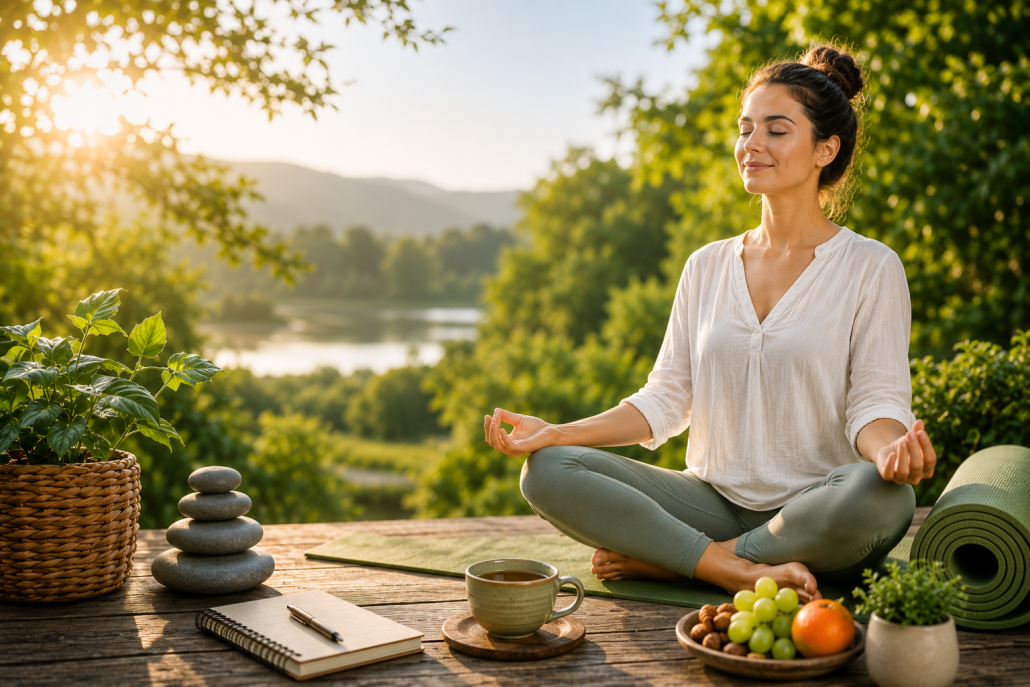
How to Reduce Stress Naturally: 10 Simple Stress Relief Techniques That Really Help
How to Reduce Stress Naturally: 10 Simple Stress Relief Techniques That Really Help
Stress is a normal part of life. Work deadlines, financial responsibilities, family concerns, relationship problems, poor sleep, and everyday uncertainty can all leave you feeling mentally and physically overwhelmed. While some stress can motivate you to take action, ongoing or excessive stress can affect your mood, concentration, sleep, energy, and overall well-being. The good news is that you do not always need complicated solutions to manage everyday stress. Small, consistent lifestyle changes can make a meaningful difference.
Natural stress relief focuses on helping your body and mind return to a calmer state through practical habits. These may include physical activity, slow breathing, healthy meals, better sleep, time outdoors, mindfulness, social connection, and intentional periods of rest. Most importantly, these techniques do not need to be expensive or difficult to fit into your daily routine.
This guide explores 10 simple ways to reduce stress naturally. You can try one technique at a time or combine several approaches depending on what works best for you. Remember that natural strategies can support everyday stress management, but they should not replace professional help when stress becomes severe, persistent, or difficult to manage.
1. Practice Deep Breathing Exercises for Natural Stress Relief
One of the simplest ways to calm yourself during a stressful moment is to slow down your breathing. When you feel threatened, worried, or overwhelmed, your body can shift into a state of increased alertness. Your breathing may become faster, your muscles may tighten, and your heart may beat more quickly. Deliberately slowing your breathing can help create a sense of calm and give you a moment to step away from the stressful situation mentally.
Try a simple breathing exercise several times a day. Sit comfortably and relax your shoulders. Breathe in slowly through your nose, allowing your abdomen to expand gently. Then breathe out slowly and comfortably. You do not need to force a very deep breath. Instead, focus on making your breathing steady and relaxed.
You can practice for two to five minutes whenever you feel tense. For example, try it before an important meeting, after receiving upsetting news, during a busy workday, or before going to bed.
Try Slow Breathing When You Feel Overwhelmed
The goal is not to make stress disappear instantly. Instead, controlled breathing gives you an opportunity to pause before reacting. With regular practice, breathing exercises can become a useful part of your daily stress-management routine.
2. Exercise Regularly to Reduce Stress and Improve Your Mood
Physical activity is one of the most practical natural ways to manage stress. You do not have to become an athlete or spend hours at the gym. Walking, dancing, cycling, stretching, swimming, jogging, or participating in a recreational sport can help you become more physically active while giving your mind a break.
Exercise can be especially helpful when stress causes you to sit for long periods or spend too much time thinking about the same problem. Moving your body shifts your attention toward physical activity and can leave you feeling more energized afterward.
Start With Simple Daily Movement
If you currently exercise very little, start small. A brisk 15- to 30-minute walk can be a realistic starting point. You could also break your activity into shorter sessions throughout the day.
For example, walk in the morning, stretch during a work break, and take another short walk in the evening. Over time, regular physical activity can become part of your normal routine rather than another responsibility that creates pressure.
The key is consistency. Choose activities you actually enjoy because you are more likely to continue doing them.
3. Improve Your Sleep Habits for Better Stress Management
Stress and sleep often influence each other. When you are stressed, your mind may remain active when you want to sleep. You may replay conversations, worry about tomorrow, or think about unfinished tasks. Poor sleep can then leave you tired and less prepared to deal with the next day’s challenges.
Creating a healthier sleep routine can therefore support better stress management. Start by keeping your bedtime and wake-up time reasonably consistent. Give yourself time to relax before going to bed rather than moving directly from work or intense entertainment into sleep.
Create a Calming Nighttime Routine
A relaxing evening routine might include taking a warm shower, reading a book, doing gentle stretches, practicing slow breathing, or listening to quiet music. Keep your sleeping environment comfortable, dark, and quiet when possible.
Also, consider reducing stimulating activities close to bedtime. Instead of scrolling endlessly through stressful news or social media, choose something that helps your mind slow down.
Good sleep habits will not eliminate every source of stress, but they can help you approach daily challenges with more energy and mental clarity.
4. Eat a Balanced Diet to Support Your Body During Stress
When life becomes stressful, healthy eating is often one of the first habits people neglect. It is tempting to rely on sugary snacks, fast food, highly processed meals, or excessive caffeine when you are tired or busy. However, your body still needs balanced nutrition to function properly.
A healthy diet should include a variety of foods such as vegetables, fruits, whole grains, beans, lean protein sources, nuts, seeds, and healthy fats. Drinking enough water throughout the day is also important.
Choose Nourishing Foods Instead of Stress Eating
You do not need to follow a perfect diet. Instead, focus on making better choices more consistently. For example, add vegetables to your meals, choose fruit instead of highly processed snacks, and include protein and fiber to help create satisfying meals.
Pay attention to caffeine as well. Some people find that large amounts of caffeine make them feel more restless, particularly when they are already anxious or stressed. If that happens to you, consider reducing your intake, especially later in the day.
Healthy eating should support your lifestyle rather than become another source of pressure.
5. Practice Mindfulness and Meditation for Natural Anxiety and Stress Relief
Mindfulness means paying attention to the present moment instead of constantly becoming lost in worries about the past or future. When stress takes over, your mind can jump from one concern to another. Mindfulness provides a simple way to slow down and notice what is happening right now.
You can practice mindfulness while sitting quietly, walking, eating, stretching, or completing ordinary household tasks. Start by paying attention to your breathing. Notice the movement of your body as you breathe in and out. When your mind wanders, gently bring your attention back to the present moment.
Start With Five Minutes of Mindfulness
Meditation does not have to involve sitting for an hour. Begin with five minutes. Find a comfortable position, close your eyes if you wish, and observe your breathing without judging yourself.
If thoughts appear, do not fight them. Notice them and return your attention to your breath.
With regular practice, mindfulness can become a useful tool for responding to stressful situations more deliberately rather than automatically reacting to them.
6. Spend Time Outdoors to Relax Your Mind and Body
Sometimes natural stress relief can be as simple as changing your environment. Spending time outdoors can give you a break from screens, traffic, work demands, and other sources of mental stimulation.
You do not necessarily need to travel somewhere special. A walk around your neighborhood, sitting in a garden, visiting a park, or spending a few quiet minutes outside can provide a change of scenery.
Combine Outdoor Time With Walking
Try combining outdoor time with physical activity. Instead of taking a walk indoors, go outside when the environment is safe and comfortable. Pay attention to the sounds around you, the movement of trees, the sky, the temperature, and your surroundings.
This can turn an ordinary walk into a mindful activity.
If you work indoors for most of the day, short outdoor breaks can also help you mentally separate yourself from work. Even when you cannot control everything happening around you, you can create small moments of calm.
7. Connect With Supportive People to Reduce Emotional Stress
Stress can feel much heavier when you try to handle everything alone. Talking with someone you trust can provide emotional support and help you see a difficult situation from another perspective.
This does not mean you must always ask someone to solve your problems. Sometimes you simply need someone who will listen without judging you.
Build a Healthy Social Support System
Make time for people who make you feel respected, understood, and supported. Call a friend, visit a family member, have a meaningful conversation, or participate in a community activity.
At the same time, pay attention to relationships that consistently increase your stress. Healthy boundaries are an important part of emotional well-being. You do not have to be available to everyone all the time.
If you are dealing with serious emotional difficulties, consider speaking with a qualified mental health professional. Social support is valuable, but professional support may be necessary when stress becomes persistent or significantly affects daily life.
8. Reduce Screen Time and Take Breaks From Social Media
Technology can make life easier, but constant notifications, messages, news updates, and social media can also keep your mind in a state of continuous stimulation. Comparing your life with other people’s carefully selected online images can also contribute to unnecessary pressure.
You do not have to abandon technology completely. Instead, create intentional periods when you disconnect.
Create Digital-Free Periods During Your Day
Try keeping your phone away during meals, taking short breaks from social media, or setting aside an hour before bedtime without unnecessary screen use.
You can also turn off nonessential notifications. This reduces the number of interruptions competing for your attention.
Instead of automatically reaching for your phone whenever you feel bored or uncomfortable, use that moment to breathe, walk, stretch, read, or simply sit quietly.
Small digital boundaries can create more space for rest and concentration.
9. Organize Your Day to Prevent Unnecessary Stress
A disorganized day can make even simple responsibilities feel overwhelming. When everything seems urgent, you may spend more time worrying about what needs to be done than actually doing it.
Planning your day can reduce this mental load. Start by identifying the most important tasks. Then divide large responsibilities into smaller steps.
Use Simple Stress-Free Time Management
Instead of writing a long list containing everything you need to accomplish, choose three important priorities for the day. Complete those tasks first when possible.
You can also prepare for tomorrow the night before. Write down appointments, deadlines, errands, and important tasks so that you do not have to keep remembering everything in your head.
However, avoid turning your schedule into another source of stress. Leave some flexibility for unexpected events.
Learning to say no can also protect your time and energy. You cannot realistically handle every request, responsibility, and opportunity at once.
10. Make Time for Relaxation, Hobbies, and Activities You Enjoy
Many people treat relaxation as something they are allowed to do only after finishing every responsibility. Unfortunately, there may never be a day when everything is completely finished.
Relaxation should therefore become part of your routine rather than a reward you receive only when life becomes quiet.
Make Relaxation Part of Your Everyday Routine
Choose activities that genuinely help you recharge. You might enjoy reading, cooking, gardening, listening to music, drawing, watching a favorite program, spending time with friends, praying or reflecting, or engaging in a creative hobby.
The activity does not have to be productive. Its purpose is to give your mind an opportunity to rest.
You can also use progressive muscle relaxation. This involves gently tensing and relaxing different muscle groups while paying attention to how your body feels.
Most importantly, avoid feeling guilty about taking reasonable breaks. Rest is not necessarily wasted time. It can help you return to your responsibilities with a clearer and more refreshed mind.
Build a Natural Stress-Relief Routine That Works for You
The most effective stress-management strategy is usually not one dramatic lifestyle change. Instead, it is a collection of small habits that you can realistically maintain.
You could begin your morning with a few minutes of slow breathing. Take a short walk during the day. Eat a balanced lunch. Spend less time scrolling through stressful content. Talk to someone you trust. Then create a calming bedtime routine.
You do not need to introduce all 10 techniques at once. Choose two or three that fit naturally into your lifestyle and practice them consistently. Once they become habits, add another technique.
It is also important to understand the difference between everyday stress and stress that requires additional support. If stress feels overwhelming, lasts for a long time, interferes with your work or relationships, seriously affects your sleep, or causes you to feel unable to cope, consider speaking with a qualified healthcare or mental health professional.
Natural approaches can support your well-being, but asking for help is not a weakness. Sometimes professional guidance is the most practical step you can take.
Frequently Asked Questions About Natural Stress Relief
What is the fastest natural way to reduce stress?
Slow, controlled breathing can be useful when you need to calm down in the moment. Taking a short walk, stepping away from a stressful situation, stretching, or practicing mindfulness may also help. Different techniques work differently for different people.
How can I reduce stress naturally at home?
You can practice breathing exercises, meditate, stretch, exercise, listen to relaxing music, prepare a healthy meal, take a warm shower, read, reduce screen time, or spend a few quiet minutes away from distractions.
Does exercise help reduce stress?
Yes. Regular physical activity can support mood and overall well-being. Walking, cycling, swimming, dancing, strength training, and other enjoyable activities can all be incorporated into a healthy stress-management routine.
Can food affect stress levels?
Your diet can influence your overall physical well-being, which can affect how you cope with everyday demands. A balanced eating pattern that includes vegetables, fruits, whole grains, protein, healthy fats, and adequate fluids can support general health.
How much sleep do I need to manage stress?
Sleep needs vary by age and individual circumstances. Adults generally need around seven or more hours of sleep each night, although individual needs can differ. Consistent sleep habits and a relaxing bedtime routine can support better rest.
Does mindfulness really help with stress?
Mindfulness can be a useful stress-management practice because it encourages you to focus on the present moment rather than becoming consumed by worries. Even a few minutes of regular practice can help you develop greater awareness of your thoughts and reactions.
When should I seek professional help for stress?
Consider professional support if stress becomes persistent, overwhelming, or begins interfering significantly with your sleep, work, relationships, or ability to manage everyday activities. A qualified healthcare or mental health professional can help you identify appropriate treatment and coping strategies.
Final Thoughts: Small Habits Can Make Stress Easier to Manage
Stress may be unavoidable, but feeling overwhelmed by stress does not have to become your everyday reality. Simple habits such as deep breathing, regular exercise, healthy eating, adequate sleep, mindfulness, outdoor activity, social connection, reduced screen time, better organization, and intentional relaxation can help you build a healthier approach to everyday pressure.
The important thing is to start small. Choose one technique today rather than waiting for the perfect time to transform your entire lifestyle. Take a short walk. Put your phone away for a while. Take five slow breaths. Go to bed a little earlier. Call someone you trust.
Over time, these small decisions can become powerful habits.
Natural stress relief is not about creating a completely stress-free life. It is about developing healthier ways to respond when challenges appear. When you consistently give your body and mind opportunities to rest, recover, and reset, you can become better equipped to handle the demands of everyday life.


Leave a Reply
Want to join the discussion?Feel free to contribute!