Unusual exercises you’ve never thought of
If you’ve hit a plateau in your fitness journey or feel like your regular workouts have become more of a chore than a challenge, you’re not alone. Many people struggle with workout fatigue, not because they’re tired, but because doing the same routines over and over again becomes monotonous. That’s where unconventional exercises come in. These lesser-known fitness techniques aren’t just fun and creative; they also target muscles you didn’t know existed and reignite your motivation to move.
In this post, we’ll dive into a wide variety of unusual exercises you’ve likely never tried before. From primal movement patterns to underwater resistance routines and dance-inspired drills, these methods will challenge your body and mind in new and exciting ways. What’s more, many of them require little to no equipment, making them perfect for home workouts or those who dislike the gym environment.
Whether you’re a seasoned athlete or a beginner looking for new ways to stay active, this guide will help you explore unique ways to move your body, prevent injuries, and stay engaged in your fitness journey. So, let’s jump into this world of hidden gems and transform the way you look at exercise forever!
Animal Flow Movements
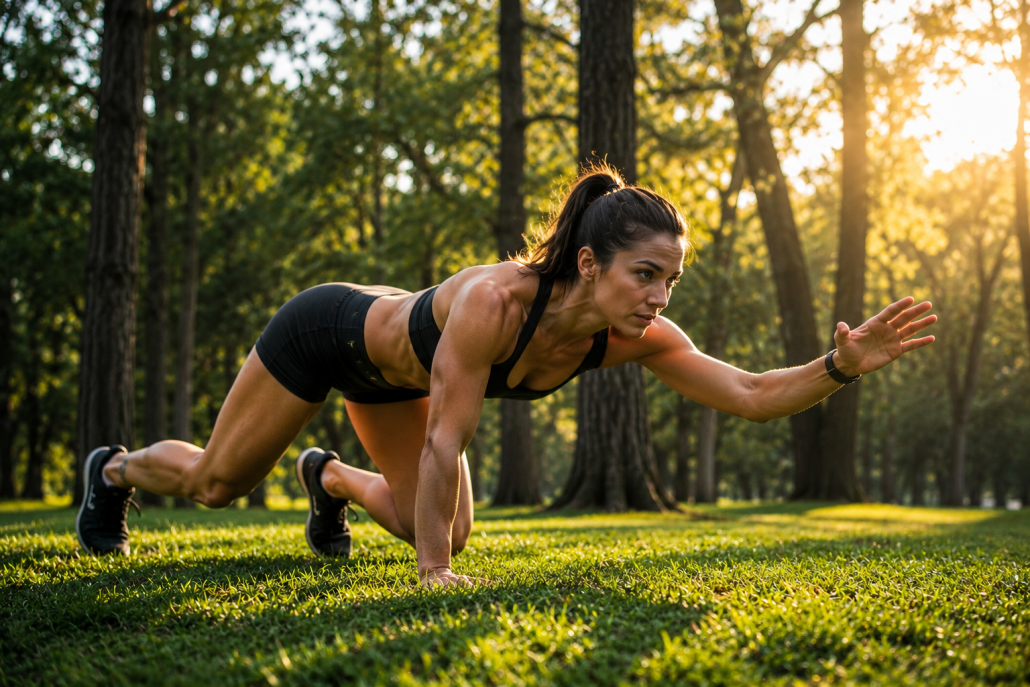
Have you ever imagined exercising by moving like an animal? That’s the core idea behind Animal Flow, a ground-based movement program inspired by the mobility and agility of animals in the wild. Combining elements of gymnastics, parkour, yoga, and breakdancing, Animal Flow workouts offer a challenging and highly effective way to build strength, flexibility, and coordination.
Animal Flow focuses on bodyweight exercises that emphasize full-body control, stability, and fluid motion. You’ll find yourself crawling like a bear, jumping like a frog, or slinking around like a lizard, all in the name of fitness. These movements engage your entire body, especially your core, shoulders, and hips. Because you’re constantly shifting your weight and engaging multiple muscle groups at once, your body learns how to move more efficiently and with greater control.
Beyond the physical benefits, Animal Flow also provides cognitive advantages. The need to think about sequences, timing, and transitions keeps your brain fully engaged. This is especially helpful for people who want to sharpen their mental focus while working out. Plus, these primal movements reconnect you with your body’s natural movement patterns, improving joint mobility and reducing the risk of injury.
Whether done as a warm-up, main workout, or active recovery routine, Animal Flow brings variety and excitement to your exercise regimen. It’s playful, intense, and best of all, you don’t need any special equipment to get started. Just clear a space, get on all fours, and unleash your inner beast.
Aqua Bag Training: Resistance Workouts with Water Power
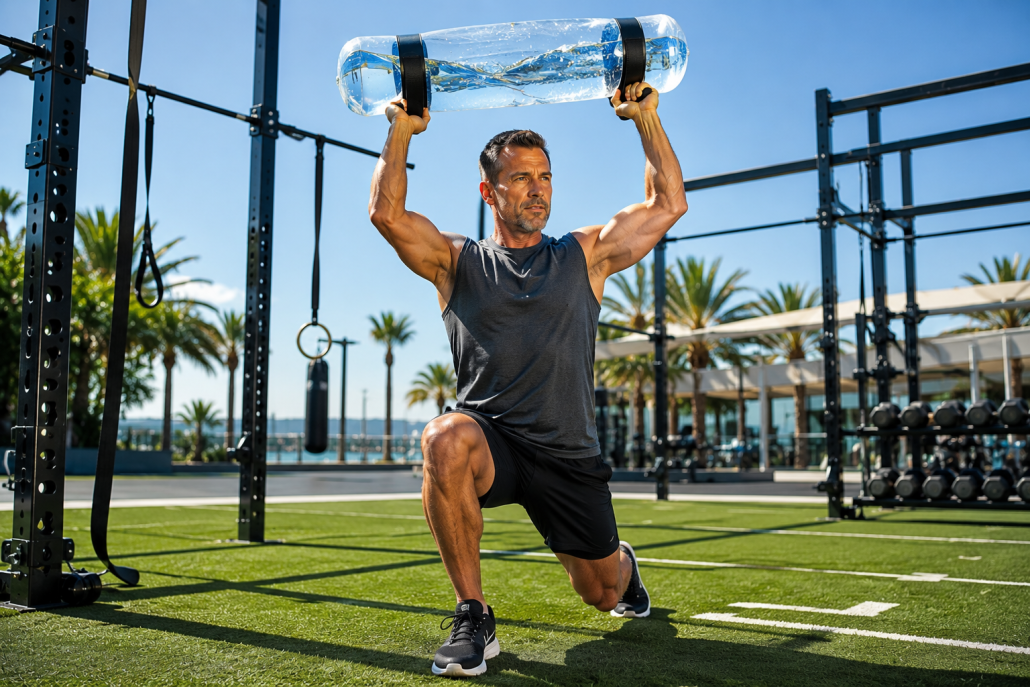
If you thought dumbbells and barbells were the only way to build strength, think again. Aqua bag training introduces a dynamic and unpredictable element into your workout using water-filled bags as resistance tools. Unlike traditional weights, the shifting water inside these bags forces your body to work harder to maintain balance and control.
Each movement with an aqua bag becomes a full-body experience. As the water sloshes around, your muscles respond to constant instability, activating your core, stabilizers, and smaller muscle groups that usually get overlooked. This makes aqua bags incredibly effective for functional strength training, especially if your goal is to improve coordination, athletic performance, or everyday movement patterns.
Additionally, aqua bag workouts are gentler on your joints due to their soft, fluid resistance. You’re less likely to get injured while still building solid muscle tone and strength. They are also versatile, you can squat, press, swing, twist, and lunge with them, mimicking real-life movements that translate to better balance and injury prevention.
Whether you’re an athlete recovering from injury or just want to shake up your fitness routine, aqua bag exercises can take your training to the next level. Not to mention, they’re portable and can be filled or emptied easily, making them ideal for home or travel workouts. With aqua bags, you don’t just lift, you adapt, adjust, and evolve with every movement.
Hula Hoop Fitness
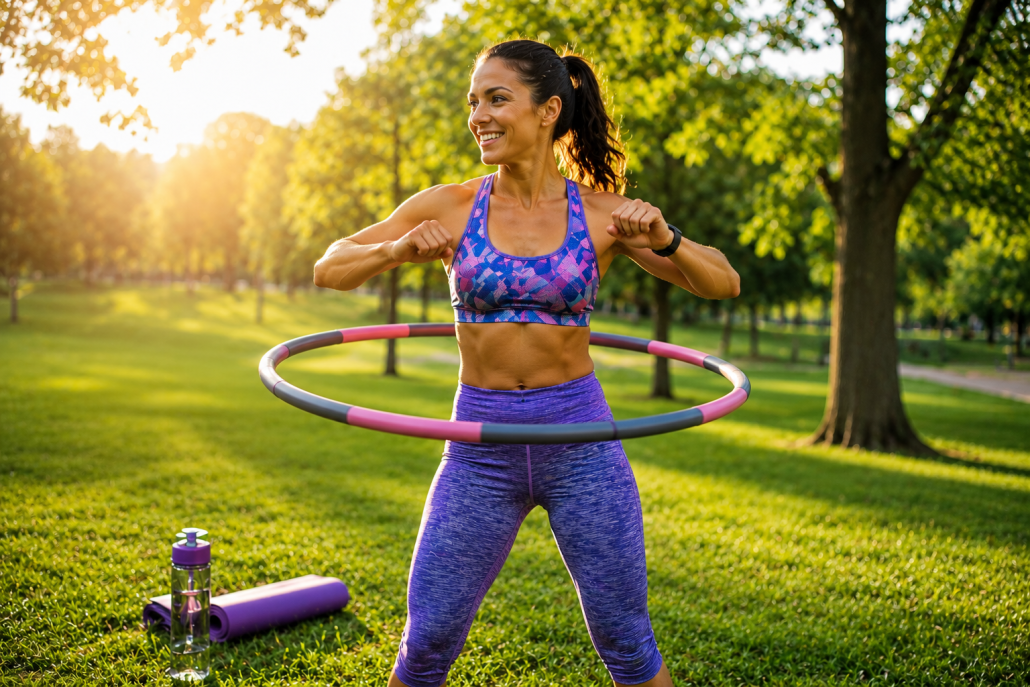
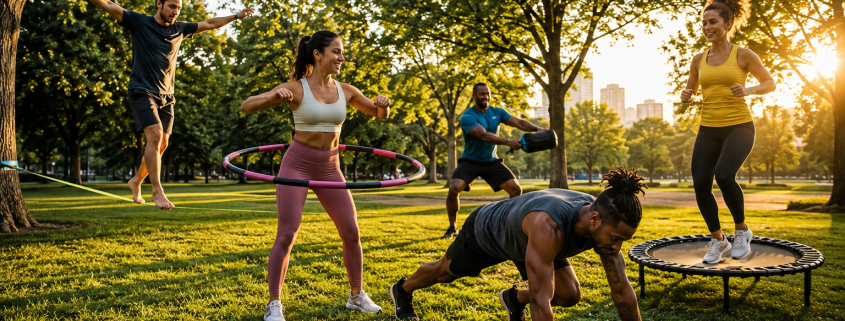
Hula hooping isn’t just for kids anymore. This retro toy has made a major comeback in the fitness world, now recognized as a powerful tool for burning calories, strengthening the core, and improving coordination. Hula hoop fitness combines dance, aerobics, and resistance training to deliver a high-energy workout that feels more like play than exercise.
Using a weighted fitness hoop, you can tone your abs, waist, and lower back muscles while also engaging your hips and legs. The rhythmic motion involved in hula hooping increases your heart rate and enhances cardiovascular health, making it a great option for anyone looking to spice up their cardio routine.
Modern hula hoop workouts often involve choreography, music, and even resistance exercises that incorporate arm movements, squats, and lunges. Plus, hula hooping enhances your body awareness and balance, which can help with posture and injury prevention. It’s especially useful for those who dislike traditional gym workouts but still want to stay active and burn fat.
What’s more, hula hooping can be done almost anywhere, in your living room, backyard, or at the park. All you need is a hoop, a bit of rhythm, and a willingness to let loose and have fun. So, why not twist your way to fitness with this surprisingly effective and entertaining exercise?
Sandbag Workouts
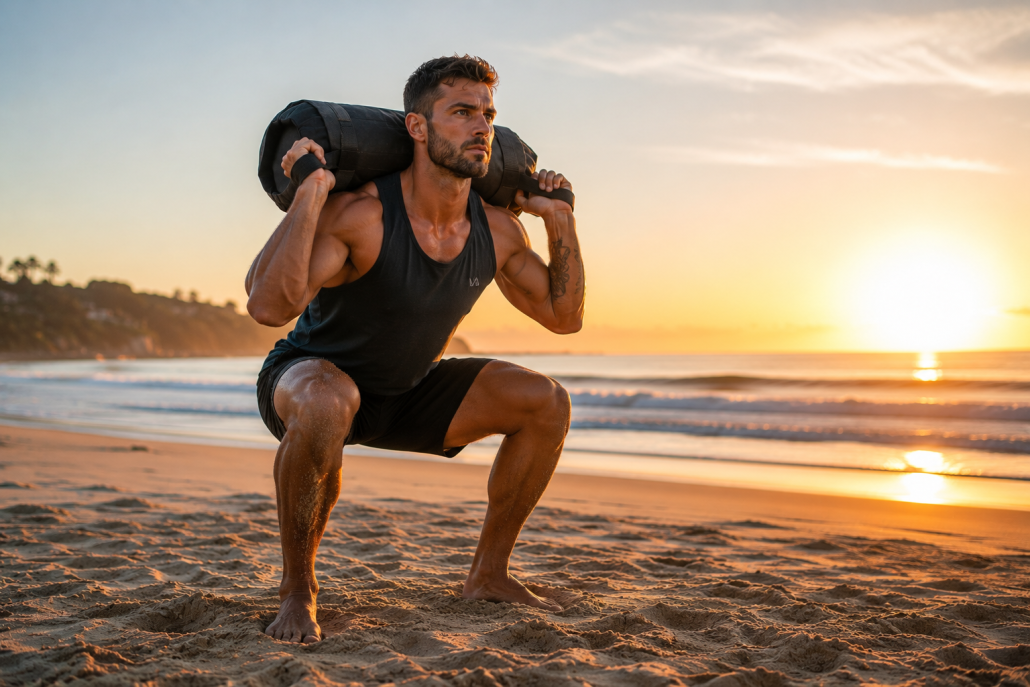
Sandbags are one of the most underrated and underused pieces of fitness equipment. They may look simple, but they offer a level of unpredictability and versatility that rivals traditional gym weights. Unlike dumbbells or barbells, sandbags shift and move as you lift them, forcing your muscles to work harder to stabilize your body.
This makes sandbag training an excellent tool for developing functional strength, the type of strength you need for real-life movements, like lifting a child, carrying groceries, or moving furniture. Sandbag workouts target major muscle groups like the glutes, quads, hamstrings, back, and core while also engaging your stabilizing muscles in every rep.
Because of their awkward shape and shifting weight, sandbags improve grip strength, balance, and total-body coordination. They’re ideal for compound movements such as cleans, carries, presses, and squats. Plus, they can be used in high-intensity interval training (HIIT) for an extra calorie burn.
Another benefit of sandbags is accessibility. You can make your own at home with a duffle bag and filler material, or invest in a commercial version. Either way, this rugged training tool is perfect for those who want a raw, functional, and effective alternative to gym-based equipment.
Trampoline Training
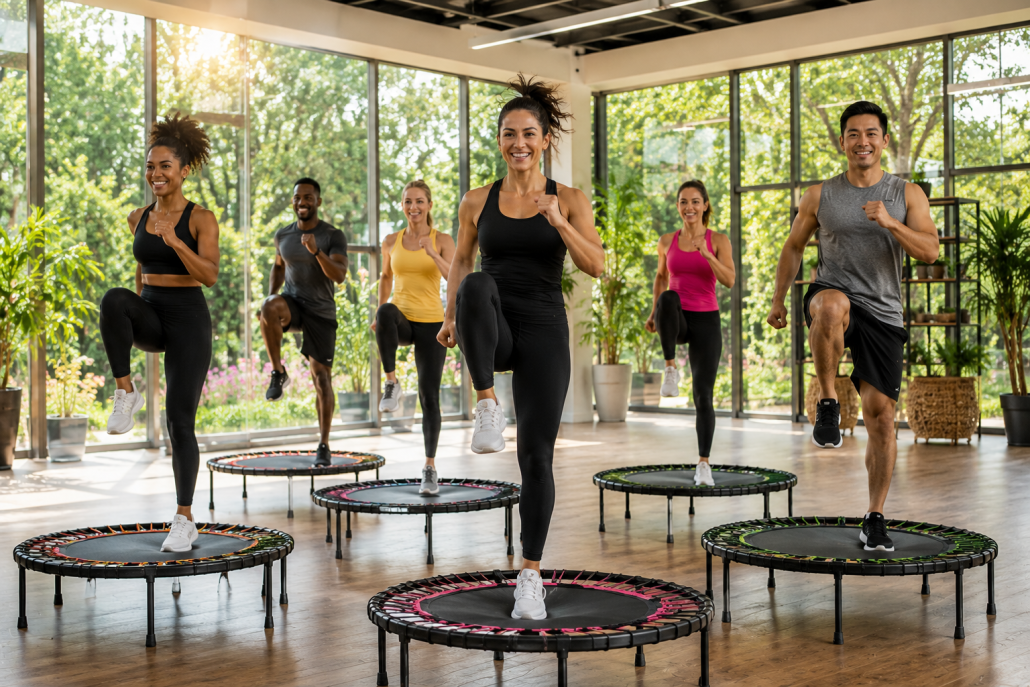
Rebounding, also known as trampoline training, might sound like child’s play, but it’s actually one of the most effective low-impact cardiovascular exercises you can do. Using a small rebounder (mini trampoline), you can perform high-energy workouts that are easy on the joints while delivering impressive health benefits.
Each bounce creates a brief moment of weightlessness followed by a quick impact, stimulating your lymphatic system, improving circulation, and enhancing cellular detoxification. This makes rebounding a great choice not only for fitness but also for improving immune function and overall wellness.
Trampoline workouts also enhance balance, coordination, and leg strength. The unstable surface forces your body to stabilize with every jump, engaging your core and leg muscles in a unique way. You can jump, jog, twist, and dance, or even integrate resistance bands and light weights for a full-body experience.
Unlike running or plyometrics, rebounding provides a fun and gentle alternative for those with joint issues or arthritis. It’s suitable for all ages and fitness levels, and just 15–20 minutes a day can lead to noticeable improvements in energy, endurance, and even mood.
So if you’re looking for a creative way to boost your heart rate, torch calories, and smile while you sweat, trampoline fitness is your next big bounce forward.
Nordic Walking
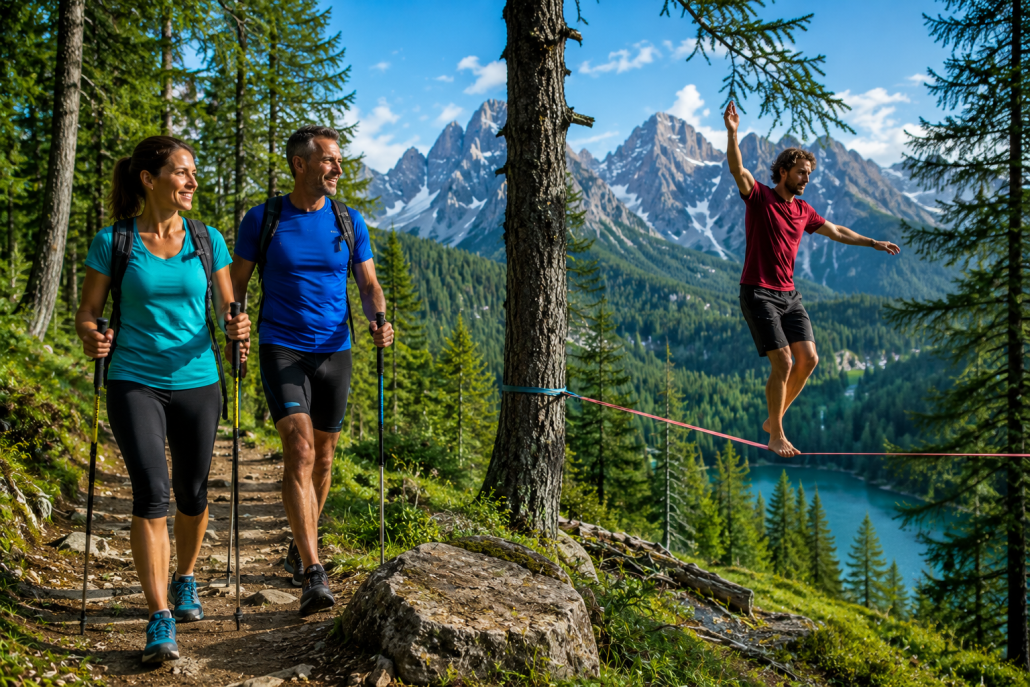
Think walking is too simple to be a real workout? Nordic walking proves otherwise. Originating in Finland, this outdoor exercise uses specially designed poles to turn a basic walk into a full-body workout that engages your arms, shoulders, chest, and core, not just your legs.
By using poles to push off with each step, you’re increasing intensity and burning up to 46% more calories compared to regular walking. It also improves posture and stability, making it an excellent option for older adults or anyone recovering from injury. Because it’s low-impact, Nordic walking is gentle on the joints while still offering aerobic and muscular benefits.
What’s more, it allows you to explore nature while getting a better workout. You can do it in parks, on hiking trails, or around your neighborhood. The poles help propel your body forward, leading to longer strides, increased cardiovascular effort, and improved upper-body strength.
Nordic walking is more than just a physical activity, it’s a mind-body experience. The rhythm of the poles and the fresh air create a meditative element that helps relieve stress and improve mental clarity. If you’re bored of treadmills and indoor routines, this nature-infused fitness method may be just what you need.
Slacklining: Master Balance and Core Stability
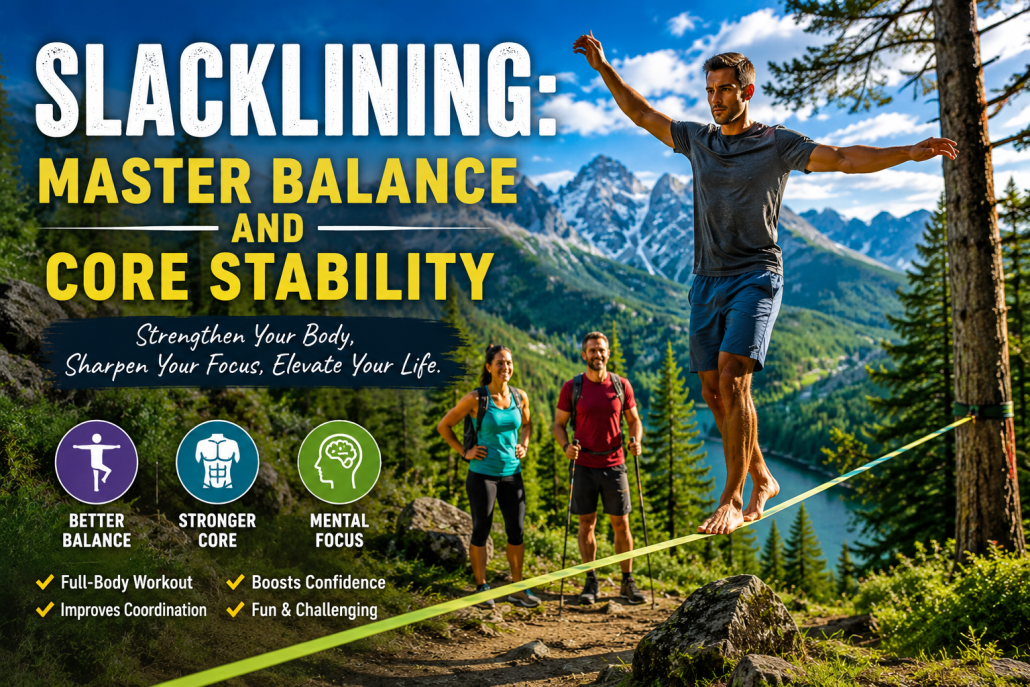
Slacklining is an unconventional yet highly effective exercise for improving core strength, balance, and focus. It involves walking or balancing on a narrow, flexible line anchored between two points, typically trees. Although it may seem daunting at first, it’s surprisingly accessible with a little practice and provides a serious workout.
What makes slacklining so beneficial is the constant engagement of your stabilizer muscles. Every slight movement challenges your core, hips, legs, and even your upper body as you fight to maintain balance. This not only strengthens your entire body but also improves coordination and mental concentration.
Beyond fitness, slacklining can be deeply meditative. It demands mindfulness and present-moment awareness, similar to yoga or tai chi. In fact, many practitioners incorporate breathing exercises and meditative focus into their slacklining sessions.
The best part? You can set up a slackline almost anywhere, in a park, backyard, or open space. There are different difficulty levels, from basic lines for beginners to advanced tricklines for those seeking a bigger challenge.
If you’re looking for a mental and physical exercise that breaks all the rules of traditional workouts, slacklining might just be your new favorite fitness obsession.
Final Thoughts
Traditional workouts will always have their place, but the key to staying motivated and achieving long-term success in fitness is variety. By stepping outside your comfort zone and trying unconventional exercises, you not only challenge your body in new ways but also make fitness enjoyable again. Whether it’s bouncing on a trampoline, crawling like a beast, or balancing on a slackline, these creative workouts can help you build strength, burn fat, and sharpen your mental focus all while having a blast.
You don’t have to abandon your current routine entirely. Instead, try incorporating one or two of these unusual exercises into your weekly schedule. Over time, you’ll notice improvements in areas that traditional training often overlooks, such as balance, mobility, and functional strength. Plus, staying active will feel less like a burden and more like a lifestyle you genuinely enjoy.
So go ahead, experiment, play, and explore your fitness potential in unconventional ways. Your body (and mind) will thank you for it.
Frequently Asked Questions (FAQs)
Q1: Are these unconventional exercises suitable for beginners?
Yes, many of these exercises can be modified for beginners. Start with low intensity and shorter durations, then gradually increase difficulty as you become more comfortable.
Q2: Do I need special equipment for these unique workouts?
Some routines require minimal equipment like a hula hoop, sandbag, or slackline. Others, like Animal Flow, require nothing more than your bodyweight.
Q3: Can these unusual workouts help with weight loss?
Absolutely. Many of these exercises are high-energy and calorie-burning, especially when done in a circuit or combined with other training methods.
Q4: How often should I do these exercises?
Aim to integrate them 2–3 times a week into your routine, depending on your fitness goals. Mixing them with traditional workouts ensures balance and prevents overuse injuries.
Q5: Are these workouts safe for people with joint issues?
Low-impact options like rebounding, Nordic walking, and aqua bag training are particularly joint-friendly. Always consult with a medical professional before starting a new fitness regimen if you have health concerns.