
Daily Wellness Routine: 15 Healthy Habits for a Healthier Body and Mind

Daily Wellness Routine: 15 Healthy Habits for a Healthier Body and Mind

A healthy life is rarely built through one dramatic change. More often, it develops through the small things you do consistently, such as drinking enough water, eating nourishing meals, moving your body, sleeping well, managing stress, and making time for yourself. A daily wellness routine brings these habits together in a practical way so that taking care of your physical and mental health becomes part of everyday life.

Wellness is not about being perfect. You do not need to follow an elaborate morning routine, spend hours at the gym, or completely change your lifestyle overnight. Instead, the goal is to create simple habits that support your body, mind, emotions, relationships, and overall quality of life.

This guide explores 15 healthy daily habits for physical and mental wellness. Some can take only a few minutes, while others can become natural parts of your normal schedule. The important thing is to start with habits you can realistically maintain.

What Is a Daily Wellness Routine and Why Does It Matter?

A daily wellness routine is a collection of healthy behaviors that you practice regularly to support your physical health, mental well-being, energy, and quality of life. Rather than treating wellness as something you pursue only when you feel unwell, a routine makes healthy living part of your everyday lifestyle.

A consistent routine can also reduce decision fatigue. When healthy actions become familiar, you spend less time wondering whether you should exercise, drink water, prepare a healthy meal, or go to bed on time. You simply follow the routine you have created.

However, your wellness routine should fit your life. Someone who works long hours may need a different routine from someone who works from home. Parents may have different schedules from students, while older adults may have different physical needs from younger adults.

Therefore, think of the following habits as building blocks rather than strict rules. Choose the ones that make sense for you, introduce them gradually, and adjust them as your circumstances change.

1. Start Your Morning With Hydration and a Healthy Mindset

How you begin your morning can influence how you approach the rest of the day. Instead of immediately reaching for your phone, consider giving your body and mind a few quiet moments to wake up.

Drinking water after waking can help you replace fluids lost during sleep. Although hydration needs vary from person to person, making water your first beverage can be a simple way to establish a healthy habit.

You can also spend a few minutes thinking about the day ahead. Consider what you need to accomplish, what matters most, and how you want to feel.

A simple morning wellness routine might include:

  • Drinking a glass of water
  • Opening the curtains and getting some natural light
  • Taking a few deep breaths
  • Stretching gently
  • Reviewing your priorities
  • Avoiding unnecessary phone scrolling for the first few minutes

You do not need a complicated 5 a.m. routine. A calm, consistent start can be enough.

2. Eat a Nutritious Breakfast or Start the Day With Balanced Nutrition

Your body needs nutrients to function, and your first meals of the day can contribute to your overall nutrition. Instead of focusing on trendy diets, aim for balanced meals containing a combination of protein, fiber-rich carbohydrates, healthy fats, fruits, and vegetables.

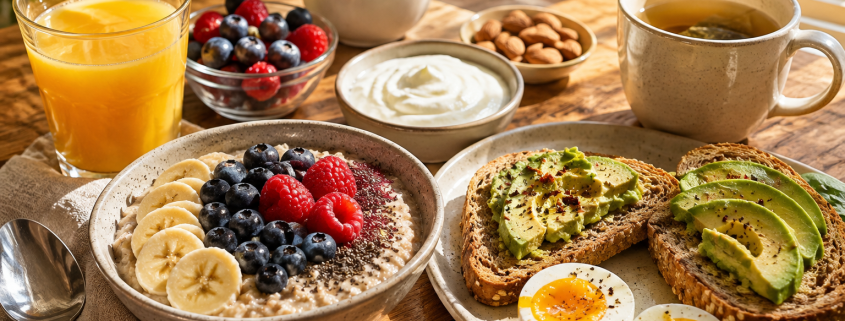
Depending on your appetite and schedule, breakfast could include options such as eggs with vegetables, oatmeal with fruit and nuts, unsweetened yogurt with fruit, or whole-grain toast with a protein-rich food.

If you do not normally eat breakfast, you do not necessarily need to force yourself to do so. What matters most is the overall quality of your diet throughout the day.

Try to make your meals colorful and varied. Different fruits, vegetables, legumes, whole grains, nuts, seeds, and protein sources provide different nutrients.

Most importantly, avoid thinking of healthy eating as punishment. Food should nourish you while also being enjoyable and culturally appropriate.

3. Move Your Body Every Day for Better Fitness and Mobility

Regular physical activity is one of the most valuable daily wellness habits you can develop. Movement supports cardiovascular health, muscle strength, mobility, balance, and overall physical function.

You do not have to spend hours exercising. Walking, dancing, cycling, gardening, household activities, stretching, bodyweight exercises, and recreational sports can all contribute to an active lifestyle.

If you have a sedentary job, break up long periods of sitting. Stand up, walk around, stretch, or perform a few simple movements throughout the day.

For example, you could:

  • Take a morning walk
  • Use stairs when practical
  • Stretch during work breaks
  • Walk while talking on the phone
  • Perform strength exercises several times a week
  • Spend time playing an active game with your children

The best exercise routine is one you can maintain. Start at a comfortable level and gradually increase the duration or intensity as your fitness improves.

4. Practice Deep Breathing and Stress Management

Stress is a normal part of life, but constantly operating under high stress can affect how you feel and function. That makes stress management an important part of a complete wellness routine.

One simple technique is slow, controlled breathing. Take a comfortable breath in, pause briefly if comfortable, and slowly breathe out. Repeat several times while relaxing your shoulders and jaw.

You can also manage stress through activities that fit your personality and lifestyle. Some people enjoy meditation, prayer, journaling, music, walking outdoors, creative activities, or talking with someone they trust.

Do not wait until you feel overwhelmed before practicing stress-management techniques. A few minutes of relaxation each day can help you build a healthier relationship with everyday pressure.

5. Drink Enough Water Throughout the Day

Hydration supports many normal body functions, including temperature regulation and the movement of nutrients and waste through the body. Your fluid requirements can vary depending on factors such as activity, weather, diet, age, and individual circumstances.

Instead of waiting until you feel extremely thirsty, keep water accessible throughout the day.

You can make hydration easier by:

  • Carrying a reusable water bottle
  • Drinking water with meals
  • Choosing water instead of sugary drinks more often
  • Eating water-rich foods such as fruits and vegetables
  • Drinking more when exercising or spending time in hot conditions

However, more water is not always better. Excessive fluid intake can also be harmful, so focus on reasonable hydration rather than forcing yourself to drink extreme amounts.

6. Include Fruits, Vegetables, and Fiber-Rich Foods

A healthy daily diet should include a variety of plant foods. Fruits and vegetables provide vitamins, minerals, fiber, and other beneficial compounds that contribute to overall health.

Try adding vegetables to meals you already enjoy rather than making healthy eating unnecessarily complicated. Add spinach or tomatoes to eggs, vegetables to rice dishes, beans to meals, or fruit to oatmeal and yogurt.

Fiber-rich foods can also help support digestive health and contribute to feelings of fullness. Good sources include beans, lentils, vegetables, fruits, whole grains, nuts, and seeds.

Variety matters. Instead of eating the same vegetable every day, rotate your choices.

The goal is not to create a perfect plate at every meal. It is to gradually make nutrient-rich foods a regular part of your eating pattern.

7. Take Regular Breaks From Screens and Digital Devices

Phones, computers, televisions, and other devices are now part of everyday life. While technology can be useful, spending too much uninterrupted time on screens can contribute to inactivity, mental fatigue, and disrupted routines.

Create small periods during the day when you intentionally step away from your devices.

For example, take a short walk after working at your computer. Eat one meal without scrolling through social media. Turn off unnecessary notifications. Spend some time talking with people face-to-face.

You can also establish a technology-free period before bed. Reducing stimulating activities at night may make it easier to transition into your sleep routine.

Digital wellness does not require abandoning technology. Instead, it means using it intentionally rather than allowing it to control every part of your day.

8. Get Quality Sleep and Maintain a Consistent Sleep Schedule

Sleep is a fundamental part of physical and mental well-being. While individual sleep needs differ, most adults need around seven or more hours of sleep per night.

A consistent sleep schedule can help establish a predictable rhythm. Try to go to bed and wake up at roughly similar times each day, including weekends when practical.

Your evening routine can also influence sleep quality. Consider dimming bright lights, limiting stimulating activities, keeping your bedroom comfortable, and giving yourself time to relax before bed.

Avoid treating sleep as something you sacrifice whenever life becomes busy. Consistently poor sleep can make it harder to concentrate, regulate emotions, maintain energy, and perform everyday tasks.

If you regularly struggle with sleep despite making healthy changes, consider discussing the problem with a qualified healthcare professional.

9. Practice Mindfulness and Be Present in the Moment

Mindfulness means paying attention to the present moment with openness rather than constantly becoming lost in worries about the future or regrets about the past.

You can practice mindfulness during ordinary activities. When eating, pay attention to the taste and texture of your food. When walking, notice your surroundings. When talking with someone, listen instead of preparing your next response.

A short mindfulness practice can also involve sitting quietly and observing your breathing and thoughts without judging them.

You do not need to meditate for an hour. Start with five minutes and gradually build the habit if you enjoy it.

Mindfulness can help you become more aware of how you respond to stress, emotions, habits, and everyday experiences.

10. Make Time for Relationships and Social Connection

Wellness is not only about food and exercise. Human beings also need meaningful social connection.

Make an intentional effort to stay connected with family members, friends, colleagues, neighbors, or other people who contribute positively to your life.

You could call someone you care about, share a meal, visit a friend, participate in a community activity, or simply have a meaningful conversation.

Quality matters more than quantity. You do not need a huge social circle. A few supportive relationships can provide companionship, encouragement, and a sense of belonging.

At the same time, healthy boundaries matter. Protect your time and emotional energy from relationships that consistently create unnecessary stress.

11. Spend Time Outdoors and Get Natural Light

Spending time outdoors can be a refreshing way to break up a busy day. Natural light also plays an important role in regulating your body’s internal clock.

Whenever practical, take a short outdoor walk in the morning or during a break. You could sit outside, tend a garden, walk through a park, or simply spend a few minutes enjoying fresh air.

Outdoor activity can combine several wellness habits at once. For example, a 20-minute walk can provide physical movement, a break from screens, exposure to daylight, and an opportunity to clear your mind.

You do not need to turn every outdoor activity into a workout. Sometimes simply stepping outside and changing your environment can make the day feel different.

12. Keep Your Body Clean and Maintain Good Personal Hygiene

Personal hygiene is a basic but important part of everyday wellness. Simple practices such as regular bathing, handwashing, oral care, clean clothing, and appropriate grooming can help maintain cleanliness and comfort.

Brush your teeth regularly and maintain an oral hygiene routine that suits your needs. Wash your hands at appropriate times, particularly before eating and after using the toilet.

Also pay attention to your environment. Keeping your living and working spaces reasonably clean can make daily life more comfortable.

Good hygiene does not have to become an obsessive routine. Focus on practical habits that protect your health and help you feel comfortable and confident.

13. Take Care of Your Mental and Emotional Health

Mental wellness deserves the same attention as physical wellness. Pay attention to your emotions rather than automatically ignoring them.

Journaling can help you organize your thoughts. Talking to a trusted person can provide perspective. Creative activities can offer an emotional outlet. Exercise, adequate sleep, healthy nutrition, and social connection can also support mental well-being.

Learn to recognize when everyday stress is becoming difficult to manage. Persistent feelings of sadness, anxiety, hopelessness, severe stress, or other concerning changes deserve professional attention.

Seeking help is not a weakness. Mental health professionals can provide appropriate support when self-care is not enough.

14. Practice Gratitude and Positive Daily Reflection

Gratitude can help shift your attention toward aspects of life that you value. It does not mean pretending that problems do not exist. Instead, it encourages you to notice positive experiences alongside life’s difficulties.

At the end of the day, think about three things you appreciated. They can be significant achievements or very ordinary moments.

For example:

  • A productive day at work
  • A good conversation
  • A healthy meal
  • Time with family
  • Completing an important task
  • Enjoying a peaceful evening

You can write these thoughts in a notebook or simply reflect on them mentally.

Over time, this small habit can encourage you to become more aware of positive experiences rather than allowing negative events to dominate your attention.

15. Create an Evening Wellness Routine and Prepare for Tomorrow

Your evening routine provides an opportunity to slow down, reflect, and prepare for the next day. Rather than ending the day with endless scrolling or unfinished tasks, create a simple transition toward rest.

Review what you accomplished. Prepare clothes or meals for the next day if that makes your morning easier. Tidy your immediate environment. Write down important tasks so they do not occupy your mind while you are trying to sleep.

Then give yourself permission to stop working.

A good evening routine might include:

  • Finishing work at a reasonable time
  • Preparing for tomorrow
  • Taking a warm shower
  • Reading something relaxing
  • Practicing gentle stretching
  • Limiting unnecessary screen time
  • Going to bed at a consistent time

The goal is not to create another complicated checklist. Your evening should help your mind recognize that the active part of the day is coming to an end.

How to Build a Sustainable Healthy Daily Routine

Trying to introduce all 15 habits at once can quickly become overwhelming. Instead, build your wellness routine gradually.

Start with three habits that feel realistic. For example, drink more water, take a daily walk, and establish a consistent bedtime.

After those habits become familiar, introduce another one.

It can also help to connect a new habit to something you already do. For example, stretch after brushing your teeth, drink water when you sit down to work, or take a short walk after lunch.

Track your progress without demanding perfection. Missing one day does not erase your progress. Simply return to the routine the next day.

Remember that wellness should support your life, not become another source of pressure.

A Simple Daily Wellness Routine You Can Follow

If you want a practical starting point, try this simple schedule:

Morning

  • Drink water
  • Get natural light
  • Stretch or walk
  • Eat a balanced meal if you prefer breakfast
  • Identify your main priorities

Afternoon

  • Eat a nutritious lunch
  • Drink water
  • Take movement breaks
  • Spend a few minutes outdoors
  • Practice slow breathing if stress builds

Evening

  • Eat a balanced dinner
  • Connect with family or friends
  • Reduce unnecessary screen time
  • Reflect on something positive
  • Prepare for tomorrow
  • Follow a relaxing bedtime routine

You can adjust this schedule to match your work, family, culture, preferences, and energy levels.

Why Consistency Matters More Than Perfection in Wellness

The most effective wellness routine is not necessarily the most impressive one. It is the one you can continue.

Someone who walks for 20 minutes most days may build a stronger long-term habit than someone who exercises intensely for two weeks and then stops. Similarly, consistently choosing nutritious meals is more sustainable than following an extremely restrictive diet that you cannot maintain.

Think about wellness as a long-term investment. Every healthy choice does not need to produce an immediate result.

Some days will go according to plan. Other days will be difficult. You may miss a workout, eat a less nutritious meal, sleep poorly, or feel too stressed to meditate.

That is normal.

Instead of abandoning your routine after one difficult day, return to your basic habits as soon as you can. Progress comes from repeated effort, not perfection.

Final Thoughts: Make Wellness a Part of Everyday Life

A healthier body and calmer mind are built through everyday choices. Your daily wellness routine does not need to be complicated, expensive, or time-consuming. Start with manageable habits that improve how you eat, move, sleep, think, connect, and recover.

The 15 habits in this guide provide a practical foundation: stay hydrated, eat nutritious foods, move regularly, manage stress, protect your sleep, practice mindfulness, nurture relationships, spend time outdoors, maintain good hygiene, support your mental health, practice gratitude, and create a calming evening routine.

Most importantly, personalize your approach. Your routine should fit your life rather than forcing your life to fit someone else’s routine.

Choose one healthy habit today. Practice it tomorrow. Then repeat it. Over time, small actions can become powerful patterns that support your physical health, emotional well-being, and overall quality of life.

Frequently Asked Questions About Daily Wellness Routines

1. What should a daily wellness routine include?

A balanced wellness routine can include healthy nutrition, regular physical activity, adequate sleep, hydration, stress management, mindfulness, social connection, personal hygiene, and time for relaxation.

2. How long should a wellness routine take each day?

There is no universal time requirement. Even small actions can contribute to wellness. A short walk, several minutes of breathing exercises, healthy meals, and a consistent sleep schedule can all become valuable parts of your routine.

3. What is the most important healthy habit to start with?

Start with a habit that is realistic and relevant to your current lifestyle. For many people, improving sleep, increasing physical activity, drinking enough water, or improving diet can provide a strong foundation.

4. Can a daily wellness routine improve mental health?

Healthy lifestyle habits can support mental well-being. Regular movement, adequate sleep, social connection, relaxation, and nutritious eating can all contribute to overall wellness. However, lifestyle habits should not replace professional mental health care when it is needed.

5. How can I stick to a healthy daily routine?

Start small. Choose two or three habits, connect them to existing routines, keep track of your progress, and avoid expecting perfection. If you miss a day, simply restart.

6. Should I exercise every day?

Daily movement is beneficial, but you do not need intense exercise every day. Include a mixture of activities and allow your body appropriate recovery time, especially after demanding workouts.

7. How can I make healthy habits easier?

Prepare ahead. Keep water nearby, stock nutritious foods, schedule exercise, establish a regular bedtime, and remove unnecessary distractions. The easier a healthy action becomes, the more likely you are to repeat it.

8. Is wellness only about physical health?

No. Wellness includes physical, mental, emotional, social, and lifestyle factors. A genuinely healthy routine should support the whole person rather than focusing on one area alone.


 

10 Everyday Habits That Can Help Reduce Your Risk of Disease

10 Everyday Habits That Can Help Reduce Your Risk of Disease

Staying healthy is not about doing everything perfectly. In most cases, your health is shaped by the small choices you make repeatedly, from what you eat and how often you move to how well you sleep and how you manage stress. While no lifestyle can completely prevent every illness, developing healthy daily habits can help lower your risk of many chronic diseases and support your physical and mental well-being.

Conditions such as heart disease, type 2 diabetes, certain cancers, high blood pressure, and obesity are influenced by a combination of genetics, environment, age, and lifestyle. You cannot control every risk factor, but you can take meaningful steps to improve the factors that are within your control.

The good news is that disease prevention does not necessarily require expensive supplements, complicated diets, or extreme exercise programs. Simple actions performed consistently can make a significant difference over time.

This guide explores 10 everyday habits that can help reduce your risk of disease and explains how to turn each one into a practical part of your routine.

1. Eat a Balanced and Nutrient-Rich Diet for Disease Prevention

One of the most powerful everyday habits for reducing disease risk is eating a balanced diet that provides your body with the nutrients it needs. Food does more than satisfy hunger. Your dietary choices influence your body weight, blood pressure, blood sugar, cholesterol levels, digestion, immune function, and cardiovascular health.

A healthy eating pattern does not mean you have to eliminate every food you enjoy. Instead, focus on making nutritious foods the foundation of most meals.

Choose More Whole Foods and Less Processed Food

Build your meals around vegetables, fruits, beans, lentils, whole grains, nuts, seeds, fish, eggs, and other nutrient-dense foods. These foods provide fiber, vitamins, minerals, protein, and other compounds that support normal body functions.

At the same time, reduce your intake of heavily processed foods that are high in added sugars, sodium, unhealthy fats, and calories. This is especially important if processed foods regularly replace more nutritious options.

For example, instead of making sugary drinks your everyday beverage, choose water more often. Replace refined snacks with fruit, unsalted nuts, or yogurt when practical.

Eat More Fiber for Better Long-Term Health

Fiber supports digestive health and can help you feel full after meals. Foods such as beans, vegetables, fruits, oats, and whole grains are excellent sources.

Rather than trying to completely change your diet overnight, make one improvement at a time. Add vegetables to lunch and dinner, choose whole grains more often, and keep fruit available for snacks.

Small dietary improvements become powerful when they are repeated consistently.

2. Stay Physically Active to Lower Chronic Disease Risk

Regular physical activity is another essential habit for disease prevention. Your body is designed to move, and consistent movement can support heart health, muscle strength, bone health, metabolic health, balance, and emotional well-being.

You do not need to become a professional athlete to benefit from exercise. Walking, cycling, swimming, dancing, household activities, gardening, and recreational sports can all contribute to a more active lifestyle.

Avoid Sitting for Long Periods

Modern lifestyles often involve spending hours sitting at work, while travelling, watching television, or using a phone. Even if you exercise occasionally, breaking up long periods of sitting can be beneficial.

Stand up regularly, walk around during breaks, stretch between tasks, or take short walks after meals.

Combine Cardio, Strength, and Mobility Exercises

A well-rounded routine can include aerobic activity, resistance exercises, and flexibility or balance work.

Walking briskly can improve cardiovascular fitness, while strength exercises can help maintain muscle and functional ability. Stretching and balance exercises can also support mobility as you age.

Start at a level that matches your current fitness. If you have been inactive for a long time, gradually increase the amount and intensity of exercise instead of attempting an extreme routine immediately.

Consistency matters more than perfection.

3. Maintain a Healthy Weight Through Sustainable Lifestyle Habits

Maintaining a healthy weight can help reduce the risk of several health problems, including type 2 diabetes, cardiovascular disease, high blood pressure, and certain other conditions.

However, healthy weight management should not be reduced to appearance or a number on the scale. The goal is to support your overall health through sustainable habits.

Focus on Healthy Eating and Regular Movement

Crash diets often promise rapid results, but extreme restriction can be difficult to maintain. Instead, develop habits that you can continue for years.

Eat balanced meals, control portion sizes, drink water regularly, stay physically active, and limit frequent consumption of highly processed foods and sugary beverages.

It can also help to pay attention to hunger and fullness signals. Eating slowly gives your body more time to recognize when you have had enough.

Avoid the All-or-Nothing Approach

A single unhealthy meal does not ruin your health, just as one healthy meal does not automatically transform it.

If you eat more than planned at one meal, simply return to your normal routine at the next opportunity. Sustainable health comes from patterns rather than isolated choices.

4. Get Enough Quality Sleep for Better Immune and Metabolic Health

Sleep is often overlooked when people talk about disease prevention. However, getting enough quality sleep is an important part of maintaining physical and mental health.

During sleep, your body performs important processes related to recovery, brain function, mood, immune function, and metabolism. Regularly getting too little sleep can make it harder to maintain healthy eating habits, manage stress, concentrate, and stay active.

Create a Consistent Sleep Schedule

Try to go to bed and wake up at approximately the same times each day. A predictable routine can help your body establish a healthy sleep rhythm.

Create a relaxing evening routine as well. Reduce stimulating activities close to bedtime, keep your sleeping environment comfortable, and give yourself enough time to wind down.

Take Persistent Sleep Problems Seriously

Occasional poor sleep happens to everyone. However, ongoing difficulty falling asleep, staying asleep, or feeling rested deserves attention.

If sleep problems persist or significantly affect your daily life, speak with a healthcare professional. Conditions such as sleep apnea and other sleep disorders may require medical evaluation.

5. Manage Stress Before It Becomes a Chronic Health Problem

Stress is a normal part of life. However, constantly experiencing high levels of stress without adequate recovery can affect your overall well-being.

Work demands, financial pressure, family responsibilities, relationship difficulties, and major life changes can all contribute to stress. Although you cannot eliminate every source of stress, you can develop healthier ways to respond.

Practice Simple Stress-Relief Techniques

You might benefit from deep breathing, meditation, prayer, journaling, stretching, walking outdoors, listening to calming music, or spending time with people you trust.

Even a few minutes of intentional relaxation can provide a useful break during a demanding day.

Protect Your Mental Health

Mental and physical health are closely connected. Give yourself permission to rest and seek support when you need it.

If stress, anxiety, low mood, or other emotional difficulties become persistent or interfere with everyday life, consider speaking with a qualified healthcare professional.

Asking for help is not a weakness. It is a practical health decision.

6. Avoid Smoking and Limit Exposure to Tobacco Smoke

Avoiding tobacco is one of the most important habits for reducing disease risk. Smoking affects many parts of the body and is strongly associated with serious diseases, including cardiovascular disease, lung disease, and several forms of cancer.

If you do not smoke, do not start. If you smoke, quitting can provide major health benefits.

Make Quitting Smoking a Priority

Quitting can be difficult because nicotine is addictive. You do not have to rely solely on willpower.

Healthcare professionals can provide evidence-based support, and some people benefit from structured cessation programs, counseling, or approved medications.

Also, reduce exposure to secondhand smoke whenever possible. A smoke-free environment benefits everyone, including children and other household members.

The important point is to keep trying. A previous unsuccessful attempt does not mean you cannot quit successfully.

7. Drink Alcohol Responsibly or Avoid It

Alcohol consumption can affect health in several ways, and drinking less generally reduces alcohol-related risks. If you drink alcohol, understanding your limits and avoiding excessive consumption is important.

Alcohol can also interfere with sleep, judgment, coordination, and daily functioning.

Avoid Binge Drinking

One of the most important habits is avoiding large amounts of alcohol over a short period. Excessive drinking increases the risk of injuries and other health problems.

If you do not drink alcohol, there is no health requirement to start.

For people who choose to drink, moderation and awareness are important. If you are concerned about your drinking or find it difficult to control how much you consume, speak with a healthcare professional or an appropriate support service.

8. Wash Your Hands and Practice Good Personal Hygiene

Some diseases can be prevented by simple hygiene practices. Regular handwashing is an easy but effective way to reduce the spread of many infections.

Your hands frequently touch phones, door handles, keyboards, public surfaces, food, and other objects. Touching your eyes, nose, or mouth afterward can transfer germs.

Wash Your Hands at Important Times

Wash your hands with soap and clean running water before preparing or eating food, after using the toilet, after coughing or sneezing, after caring for someone who is sick, and whenever your hands are visibly dirty.

When soap and water are unavailable, an appropriate alcohol-based hand sanitizer can be useful.

Practice Safe Food Hygiene

Good hygiene also applies in the kitchen. Wash produce appropriately, keep raw and cooked foods separate, cook foods thoroughly, and store perishable foods safely.

These straightforward habits can help reduce the risk of foodborne illness.

9. Keep Up With Health Screenings and Preventive Care

Healthy lifestyle habits are important, but prevention also involves knowing what is happening inside your body. Some health problems can develop without obvious symptoms.

Routine healthcare visits and appropriate screening tests can help identify certain problems early.

Know Which Health Checks You Need

The right screening schedule depends on factors such as your age, sex, family history, existing health conditions, and personal risk factors.

Depending on your circumstances, preventive care may include monitoring blood pressure, blood glucose, cholesterol, dental health, vision, and other appropriate health measures.

Do not assume that feeling healthy means every health indicator is normal.

Keep Recommended Vaccinations Up to Date

Vaccination is another important part of disease prevention. Recommended vaccines vary according to age, location, medical circumstances, travel requirements, and other factors.

Talk with a qualified healthcare professional about which vaccinations and screenings are appropriate for you.

Preventive healthcare works best when it becomes part of your normal routine rather than something you only think about when you become sick.

10. Build Healthy Relationships and Stay Socially Connected

Disease prevention is not only about food and exercise. Your social life and emotional well-being also matter.

Positive relationships can provide emotional support, encouragement, companionship, and a sense of belonging. On the other hand, prolonged loneliness and social isolation can negatively affect overall well-being.

Make Time for Meaningful Connections

Stay connected with family members, friends, colleagues, neighbours, community groups, or other people who contribute positively to your life.

You do not need a huge social circle. A few meaningful relationships can provide valuable support.

Make regular phone calls, visit people you care about, participate in community activities, or share hobbies with others.

Help Others While Supporting Your Own Well-Being

Helping other people can also create a sense of purpose and connection. Volunteering, mentoring, supporting a neighbour, or simply checking on someone can strengthen social bonds.

Therefore, when building a healthier lifestyle, remember that your relationships are part of your health environment too.

How to Turn Healthy Habits Into a Daily Routine

Knowing what to do is one thing. Doing it consistently is another.

The best way to develop healthy habits is to make them practical and repeatable. You do not have to introduce all 10 habits at once.

Start with one or two changes that seem realistic. For example, you might begin by taking a 20-minute walk each day and adding an extra serving of vegetables to your meals.

Once those actions become familiar, add another habit.

Use Small Changes to Create Long-Term Health Improvements

Try connecting new habits to activities you already perform.

For example:

  • Drink a glass of water when you wake up.
  • Take a short walk after lunch.
  • Add fruit to breakfast.
  • Stand up during regular work breaks.
  • Go to bed at a consistent time.
  • Schedule health appointments in advance.
  • Spend a few minutes each evening relaxing without your phone.
  • Call a friend or family member regularly.

The goal is to make healthy choices easier to repeat.

Track Your Progress Without Becoming Obsessed

A simple checklist can help you recognize patterns. You might track exercise, sleep, water intake, fruits and vegetables, or tobacco-free days.

However, avoid turning health into a source of constant pressure. Missing one day does not mean you have failed.

Simply continue the next day.

Why Consistency Matters More Than Perfection in Disease Prevention

Healthy living is a long-term process. You will have busy days, celebrations, stressful periods, travel, unexpected problems, and occasions when your routine changes.

That is normal.

What matters most is what you do most of the time.

If you usually eat nutritious meals, staying active, sleeping adequately, avoiding tobacco, managing stress, and attending preventive healthcare appointments, occasional deviations are unlikely to erase those positive habits.

Instead of asking, “Did I do everything perfectly today?” ask, “What is one healthy choice I can make next?”

That simple shift can make healthy living feel more achievable.

A Simple Daily Health Routine You Can Start Today

If you want to put these disease-prevention habits into practice, start with a straightforward daily routine.

Morning: Drink water, eat a nutritious breakfast if you prefer breakfast, and include some movement in your morning.

During the day: Choose balanced meals, stay physically active, break up long periods of sitting, and drink water regularly.

Afternoon: Take a short walk or perform another form of physical activity. Use a few minutes to relax if your day is stressful.

Evening: Eat a balanced dinner, avoid excessive alcohol, reduce stimulating activities before bed, and prepare yourself for adequate sleep.

Weekly: Review your activity, food choices, sleep patterns, stress levels, and social connections. Make one small improvement for the following week.

Regularly: Keep appropriate medical and dental appointments and stay informed about recommended preventive screenings and vaccinations.

The routine does not have to be complicated. The simpler it is, the easier it may be to maintain.

Building a Healthier Future One Habit at a Time

Reducing your risk of disease does not require a perfect lifestyle. Instead, it requires consistent attention to the basic behaviours that support your health.

Eating a balanced diet, staying physically active, maintaining a healthy weight, sleeping well, managing stress, avoiding tobacco, limiting alcohol, practising good hygiene, keeping up with preventive healthcare, and maintaining meaningful relationships can all contribute to better overall health.

You cannot control every factor that influences whether you develop a disease. Genetics, age, environment, and other circumstances matter. Nevertheless, your daily choices can still have an important influence on your health.

Start small. Choose one habit today and make it easier to repeat tomorrow. Then build from there.

Over time, those ordinary decisions can become a powerful foundation for a healthier, more active, and more independent life.

Frequently Asked Questions About Everyday Disease Prevention

1. What is the best everyday habit for reducing disease risk?

There is no single habit that prevents every disease. However, maintaining an overall healthy lifestyle that combines nutritious eating, regular physical activity, adequate sleep, avoiding tobacco, managing stress, and preventive healthcare can substantially support long-term health.

2. Can healthy habits completely prevent disease?

No. Healthy habits can reduce the risk of many health conditions, but they cannot guarantee that you will never become sick. Genetics, age, environmental factors, infections, and other circumstances also influence disease risk.

3. How much exercise should I get to support disease prevention?

The ideal amount depends on your age, health, fitness level, and individual circumstances. Generally, adults benefit from regular aerobic activity combined with muscle-strengthening activities. If you have been inactive, start gradually and increase activity over time.

4. Does eating healthy really reduce the risk of chronic disease?

Yes. A nutritious dietary pattern can support healthy body weight, blood pressure, blood sugar, cholesterol, digestion, and cardiovascular health. Emphasizing vegetables, fruits, whole grains, legumes, nuts, seeds, and other minimally processed foods is a useful approach.

5. Why is sleep important for disease prevention?

Adequate sleep supports physical recovery, brain function, mood, immune function, and metabolic health. Poor or insufficient sleep can also make it harder to maintain healthy eating and activity habits.

6. Can walking help reduce disease risk?

Yes. Walking is a practical form of physical activity that can contribute to cardiovascular fitness, energy expenditure, mobility, and overall health. Regular walking can be especially useful for people who are beginning an exercise routine.

7. Is stress really connected to physical health?

Yes. Stress affects both the mind and body. Persistent high stress can interfere with sleep, eating habits, physical activity, and emotional well-being. Developing healthy stress-management strategies can therefore be an important part of overall health.

8. Should healthy people still get medical checkups?

Yes. Preventive healthcare can help identify certain health problems and risk factors before symptoms become obvious. The appropriate checks depend on your age, medical history, family history, and individual risk factors.

9. What is the easiest healthy habit to start today?

Start with something simple enough to repeat. You could take a daily walk, add vegetables to one meal, replace a sugary drink with water, establish a consistent bedtime, or take regular movement breaks during the day.

10. How long does it take for healthy habits to make a difference?

There is no single timeline because different habits affect different aspects of health. Some benefits, such as improved mood or energy, may be noticed relatively quickly, while changes in disease risk often develop over a much longer period. The most important factor is consistency.

10 Simple Wellness Habits That Can Improve Your Health and Well-Being

10 Simple Wellness Habits That Can Improve Your Health and Well-Being

Taking care of your health does not always require a complete lifestyle makeover. In fact, some of the most effective ways to improve your physical and mental well-being involve simple habits that you can practice consistently every day. The way you eat, move, sleep, manage stress, interact with others, and care for your body can gradually influence how you feel and function.

Many people know they should live healthier, but they often assume that wellness requires expensive foods, complicated workout programs, strict diets, or major changes to their daily routines. Fortunately, that is not necessarily the case. Small, realistic improvements can add up over time and create meaningful changes in your overall health.

Wellness also involves more than simply avoiding illness. It includes supporting your physical health, emotional balance, mental clarity, energy levels, relationships, and ability to enjoy everyday life. Therefore, developing healthy lifestyle habits should be viewed as a long-term investment rather than a short-term challenge.

The key is consistency. You do not need to follow every healthy habit perfectly. Instead, focus on making better choices most of the time and gradually building routines that fit your lifestyle.

Here are 10 simple wellness habits that can help you feel healthier, stronger, and more balanced.

1. Eat More Nutritious Foods for Better Health and Daily Energy

One of the simplest wellness habits you can develop is paying closer attention to the foods you eat because nutrition provides the foundation your body needs to function properly.

Your body needs a variety of nutrients to produce energy, maintain muscles, support the immune system, protect your organs, and keep your brain functioning effectively. However, modern lifestyles can make it easy to rely heavily on highly processed foods, sugary drinks, fried foods, and convenient meals.

Instead of trying to follow an extremely restrictive diet, focus on improving the overall quality of your meals. Include more vegetables, fruits, whole grains, beans, nuts, seeds, and other nutrient-rich foods.

Build a Balanced and Healthy Diet

A balanced diet does not mean eliminating every food you enjoy. Rather, it means creating a healthy pattern where nutritious foods make up a significant part of your meals.

For example, you could add vegetables to lunch and dinner, choose fruit as a snack, replace some refined grains with whole grains, and include healthy protein sources in your meals.

You should also pay attention to portion sizes. Eating nutritious foods in excessive amounts can still contribute to unwanted weight gain.

Make Healthy Eating Easier

Planning your meals ahead can make healthy eating more convenient. Keep nutritious foods available at home so you have healthier options when hunger strikes.

Rather than attempting to change your entire diet overnight, start with one or two changes. For example, replace sugary drinks with water or add an extra serving of vegetables to your daily meals.

Over time, these small adjustments can become natural parts of your routine.

2. Stay Physically Active to Improve Fitness and Mobility

Regular physical activity is another important wellness habit that can support both your physical and mental health.

You do not need to become a professional athlete to benefit from exercise. Walking, cycling, dancing, swimming, stretching, gardening, and household activities can all contribute to a more active lifestyle.

Regular movement can help strengthen muscles and bones, support cardiovascular health, improve mobility, and help you maintain a healthy body weight. Exercise can also provide an opportunity to clear your mind and reduce everyday stress.

Find Exercise You Actually Enjoy

One of the biggest mistakes people make is choosing workouts they dislike simply because they believe those exercises are supposed to be effective.

Instead, find activities you genuinely enjoy. If you like music, try dancing. If you enjoy being outdoors, take regular walks. If you prefer structured workouts, consider strength training or fitness classes.

When exercise feels enjoyable rather than like punishment, you are more likely to maintain it.

Reduce Long Periods of Sitting

Even if you exercise regularly, spending most of your day sitting can make it difficult to maintain an active lifestyle.

Therefore, look for opportunities to move throughout the day. Stand up regularly, walk while making phone calls, use stairs when practical, or take short movement breaks during work.

Small amounts of movement can make your daily routine more active without requiring hours at the gym.

3. Drink Enough Water to Support Hydration and Overall Wellness

Staying properly hydrated is a simple but often overlooked wellness habit.

Water helps your body perform many essential functions. It supports normal temperature regulation, digestion, circulation, and other physiological processes. When you do not drink enough fluids, you may experience symptoms such as thirst, dry mouth, fatigue, or reduced concentration.

Your hydration needs can vary depending on factors such as your activity level, environment, diet, and individual circumstances.

Make Water Your Everyday Drink

One practical way to improve hydration is to keep a reusable water bottle nearby throughout the day. Having water within reach makes it easier to drink regularly.

You can also make water more appealing by adding slices of lemon, lime, cucumber, or fruit if you prefer flavored drinks.

Additionally, foods such as fruits and vegetables contribute to your overall fluid intake.

Pay Attention to Your Body

Do not wait until you are extremely thirsty before thinking about hydration. Instead, develop regular drinking habits throughout the day.

If you exercise heavily, spend time in hot weather, or lose significant amounts of fluid through sweating, you may need additional fluids.

People with certain medical conditions may also have specific fluid requirements, so individual medical advice should take priority when applicable.

4. Get Enough Quality Sleep for Better Physical and Mental Health

Sleep is one of the most important wellness habits because your body uses sleep to recover and your brain uses it to support many essential functions.

Poor sleep can leave you feeling tired, irritable, unfocused, and less productive during the day. Over time, consistently inadequate sleep can also affect overall health.

However, improving sleep does not always require complicated strategies. Simple changes to your evening routine can make a difference.

Create a Consistent Sleep Schedule

Try to go to bed and wake up at approximately the same time each day. A consistent schedule can help establish a predictable sleep routine.

You should also create a relaxing bedtime environment. Keep your bedroom comfortable, quiet, and dark when possible.

Reduce Evening Stimulation

Bright screens, intense work, stressful conversations, and stimulating activities immediately before bedtime can make it harder for some people to relax.

Instead, develop a calming nighttime routine. You might read a book, take a warm shower, practice gentle stretching, or spend a few quiet minutes preparing for the next day.

If you regularly struggle with sleep despite making lifestyle changes, consider discussing the problem with a healthcare professional.

5. Practice Stress Management Techniques for Better Mental Well-Being

Managing stress is an essential part of wellness because your mental health affects how you think, behave, work, sleep, and interact with other people.

Some stress is a normal part of life. However, constantly feeling overwhelmed can make it difficult to relax and maintain healthy routines.

Fortunately, you can develop simple stress-management habits that help you respond to everyday challenges more effectively.

Take Short Breaks During Busy Days

When you spend long periods working without stopping, your mind can become exhausted.

Therefore, take short breaks throughout the day. Stand up, stretch, breathe deeply, walk outside, or simply step away from your screen for a few minutes.

These small pauses can give your mind an opportunity to reset.

Practice Mindfulness and Deep Breathing

Mindfulness involves paying attention to the present moment rather than constantly worrying about the past or future.

You can practice mindfulness while walking, eating, breathing, or sitting quietly.

Deep breathing can also be useful during stressful moments. Slow, controlled breathing may help you pause before reacting to a difficult situation.

If stress becomes persistent, severe, or interferes with your daily life, seek support from a qualified healthcare or mental health professional.

6. Maintain Strong Social Connections for Emotional Wellness

Human beings need meaningful relationships, and maintaining social connections can be an important part of overall well-being.

Friends, family members, colleagues, neighbors, community groups, and other supportive relationships can provide companionship, encouragement, practical help, and a sense of belonging.

However, busy schedules can make it easy to become socially isolated without realizing it.

Make Time for People Who Matter

You do not necessarily need a large social circle. A few healthy and supportive relationships can be valuable.

Call a friend, check on a family member, invite someone for a meal, or spend time together doing an activity you both enjoy.

Even a short conversation can brighten your day and strengthen a relationship.

Build Healthy Relationships

Wellness also involves the quality of your relationships.

Healthy relationships generally involve respect, communication, trust, boundaries, and mutual support. Therefore, pay attention to relationships that consistently leave you feeling valued and supported.

At the same time, learn to establish reasonable boundaries when necessary.

7. Practice Good Personal Hygiene and Preventive Health Care

Personal hygiene and preventive healthcare habits can help you protect your health and identify potential problems early.

Simple practices such as washing your hands regularly, brushing your teeth, caring for your skin, and keeping your living environment clean can contribute to everyday wellness.

Do Not Ignore Preventive Checkups

Preventive healthcare goes beyond treating problems after they develop.

Routine medical checkups can give you an opportunity to discuss concerns with a healthcare professional and determine which screenings or tests are appropriate based on your age, sex, family history, lifestyle, and risk factors.

You should also keep recommended vaccinations and dental care in mind.

Pay Attention to Changes in Your Body

Do not automatically dismiss persistent or unusual symptoms.

Changes in your health can have many possible causes, and only a qualified healthcare professional can properly evaluate concerning symptoms.

Getting appropriate medical attention early can sometimes make health problems easier to manage.

8. Spend More Time Outdoors and Get Regular Fresh-Air Breaks

Spending time outdoors is another simple wellness habit that can support a healthier lifestyle.

Going outside gives you an opportunity to move, change your environment, and take a mental break from work or screens. For many people, outdoor activities can also make physical activity more enjoyable.

Combine Outdoor Time With Exercise

You can combine two healthy habits by taking your exercise outdoors.

For example, walk around your neighborhood, visit a park, go hiking, garden, or participate in outdoor recreational activities.

This approach can make exercise feel less repetitive while giving you a chance to enjoy your surroundings.

Take Short Outdoor Breaks

You do not need to spend an entire day outdoors to benefit from changing your environment.

Even a short walk during a work break can help you step away from your usual surroundings and return with a refreshed mindset.

Of course, outdoor conditions matter. In very hot or humid environments, choose appropriate times of day, stay hydrated, and take sensible precautions.

9. Limit Unhealthy Habits That Can Harm Your Long-Term Wellness

Wellness is not only about adding healthy behaviors. It also involves reducing habits that can negatively affect your health.

Smoking, excessive alcohol consumption, recreational drug use, consistently poor dietary choices, physical inactivity, and chronic sleep deprivation can all undermine otherwise healthy routines.

Make Gradual Lifestyle Changes

If you have developed an unhealthy habit over many years, changing it overnight may be unrealistic.

Instead, identify one behavior you want to change and establish a practical strategy.

For example, someone who regularly consumes sugary drinks could gradually replace some of them with water. Someone who rarely exercises could begin with short walks.

Small steps can create momentum.

Focus on Progress Rather Than Perfection

You will probably have days when you do not follow your wellness routine perfectly.

That does not mean you have failed.

Instead of abandoning your goals after one unhealthy meal or missed workout, return to your routine at the next opportunity.

Consistency over time matters more than perfection on any single day.

10. Create a Daily Wellness Routine That You Can Maintain

The final wellness habit brings everything together: create a daily health routine that is realistic for your lifestyle.

A wellness routine should not make your life more stressful. Instead, it should help you organize healthy behaviors so they become easier to maintain.

Start With Small Daily Wellness Goals

You might begin your morning with water, eat a nutritious breakfast, take a short walk, and spend a few minutes planning your priorities.

During the day, you can take movement breaks, choose nutritious meals, stay hydrated, and connect with someone you care about.

In the evening, you can reduce unnecessary screen time, prepare for tomorrow, and follow a consistent bedtime routine.

You do not need to accomplish everything perfectly.

Track Your Healthy Habits

Tracking your habits can help you understand your progress.

You could use a notebook, calendar, phone app, or simple checklist to record activities such as exercise, water intake, sleep, healthy meals, and stress-management practices.

However, do not allow tracking to become another source of stress. Use it as a tool for awareness rather than perfection.

How to Turn Simple Wellness Habits Into a Long-Term Healthy Lifestyle

Developing healthy habits is one thing. Maintaining them for months and years is another.

The best approach is to make your wellness habits simple enough to fit naturally into your existing routine.

For example, if you want to exercise more, start by walking for a short period after dinner rather than immediately committing to an intense workout program.

If you want to eat healthier, improve one meal at a time.

If you want better sleep, establish a consistent bedtime instead of attempting to completely redesign your evenings.

Use Habit Stacking

Habit stacking means connecting a new healthy behavior to something you already do.

For example:

  • Drink water after brushing your teeth.
  • Stretch after finishing work.
  • Take a short walk after lunch.
  • Read for a few minutes before bed.
  • Call a family member on a particular day each week.

Because the existing habit acts as a reminder, the new behavior can become easier to remember.

Make Healthy Choices Convenient

Your environment can influence your behavior.

Keep fruit where you can easily see it. Put your walking shoes somewhere accessible. Keep a water bottle near your desk. Prepare healthy meals before busy days.

At the same time, make unhealthy choices slightly less convenient.

These small environmental changes can make healthy decisions easier without relying entirely on willpower.

Why Consistency Matters More Than Perfection in Wellness

Wellness is a long-term process rather than a competition.

You may have days when you eat foods that are less nutritious, skip exercise, sleep poorly, or feel overwhelmed by stress. That is part of being human.

The important thing is what you do consistently over time.

For instance, walking regularly for 20 minutes may be more sustainable than exercising intensely for two hours once every few weeks. Similarly, making modest improvements to your diet consistently can be more practical than following an extremely restrictive plan that you cannot maintain.

Therefore, focus on creating habits that fit your real life.

When you make a mistake, avoid the all-or-nothing mindset. Instead, ask yourself what small positive action you can take next.

That mindset can help you build sustainable wellness habits without unnecessary guilt.

Your Everyday Path to Better Health and Well-Being

Improving your health does not require perfection or dramatic lifestyle changes. Often, the most powerful improvements begin with ordinary choices repeated consistently.

Eating more nutritious foods, staying active, drinking enough water, getting quality sleep, managing stress, maintaining social connections, practicing good hygiene, spending time outdoors, reducing unhealthy behaviors, and building a sustainable daily routine can all contribute to better overall wellness.

The important thing is to start where you are.

Choose one habit that feels realistic today. Practice it consistently, then gradually introduce another. Over time, these small actions can become part of your normal lifestyle.

Most importantly, remember that wellness looks different for everyone. Your health needs can change with age, circumstances, medical history, and lifestyle. When you have specific health concerns, work with an appropriate healthcare professional for personalized advice.

Small healthy choices may seem insignificant today, but repeated consistently, they can help shape a healthier tomorrow.

Frequently Asked Questions About Simple Wellness Habits

1. What are the best simple wellness habits to start with?

Start with habits that have the biggest impact and are easy to maintain. Eating nutritious foods, staying physically active, drinking enough water, getting adequate sleep, and managing stress are good starting points.

2. How can I improve my health without making major lifestyle changes?

Begin with one small change at a time. For example, take a daily walk, add more vegetables to your meals, drink more water, or establish a consistent bedtime. Once the habit becomes comfortable, add another.

3. How long does it take to develop a healthy habit?

There is no universal number of days required to form a habit. The time varies depending on the person, behavior, environment, and complexity of the habit. Consistent repetition is more important than following a specific timeline.

4. Can walking really improve overall wellness?

Yes. Regular walking can contribute to physical activity, cardiovascular fitness, mobility, and overall health. It is also relatively accessible for many people and can be incorporated into everyday activities.

5. Why is sleep important for wellness?

Sleep supports physical recovery, brain function, mood, concentration, and overall health. Consistently poor sleep can affect how you function during the day, so developing healthy sleep habits is an important part of wellness.

6. What is the easiest way to start eating healthier?

Begin by making simple substitutions. Add more vegetables and fruit, choose whole or minimally processed foods more often, include nutritious protein sources, and reduce your intake of highly processed foods and sugary drinks.

7. How can I manage everyday stress naturally?

Simple strategies include regular physical activity, adequate sleep, deep breathing, mindfulness, relaxing hobbies, spending time outdoors, and maintaining supportive relationships. If stress becomes overwhelming or persistent, professional support may be appropriate.

8. Do I need to exercise every day to be healthy?

You do not necessarily need structured workouts every day. The goal is to maintain regular physical activity while allowing appropriate recovery. Even short periods of movement throughout the day can contribute to an active lifestyle.

9. How can I stay consistent with healthy habits?

Make your habits simple, specific, and realistic. Connect new habits to routines you already follow, prepare your environment to support healthy choices, and focus on progress instead of perfection.

10. What is the most important wellness habit?

There is no single habit that is most important for everyone. Overall wellness comes from several connected behaviors, including nutrition, physical activity, sleep, stress management, relationships, preventive care, and other healthy lifestyle choices.

Prioritize Whole Foods Over Processed Meals

15 Healthy Dinner Recipes That Are Quick and Easy to Make

Finding time to prepare a healthy dinner can feel difficult when the day has been busy. Between work, family responsibilities, errands, and everything else competing for your attention, it is tempting to reach for takeout or prepare whatever happens to be quickest. However, healthy eating does not have to mean spending hours in the kitchen. With the right ingredients and a few simple cooking methods, you can prepare nutritious, satisfying meals in 30 minutes or less.

A good healthy dinner should provide a balance of protein, complex carbohydrates, vegetables, and healthy fats while still tasting enjoyable. Fortunately, there are countless combinations that make this possible. From colorful chicken stir-fries and hearty salmon bowls to quick vegetable pasta and bean-based meals, you can keep dinner both nutritious and interesting.

These 15 healthy dinner recipes are designed for busy weeknights when you want something wholesome without complicated preparation. Most use everyday ingredients, require minimal equipment, and can be adjusted according to your preferences. They are also flexible enough for families, meal prep, or anyone trying to eat more balanced meals.

Whether your goal is to eat more vegetables, increase your protein intake, reduce your reliance on processed foods, or simply make dinner easier, these recipes give you practical ideas to start with.

Why Quick and Healthy Dinner Recipes Make Weeknight Eating Easier

A healthy dinner does not need to be complicated, expensive, or time-consuming. In fact, simple meals can often make healthy eating more sustainable because they reduce the effort required to prepare food after a long day. When you have several reliable recipes you can make quickly, you are less likely to depend on fast food or highly processed convenience meals.

Another advantage is that quick home-cooked dinners give you greater control over what goes into your food. You can choose lean proteins, fresh vegetables, whole grains, healthy oils, herbs, and spices while controlling the amount of salt, added sugar, and saturated fat.

The key is preparation. Keep versatile ingredients such as eggs, chicken, canned beans, brown rice, whole-grain pasta, frozen vegetables, tomatoes, onions, garlic, and leafy greens available. These ingredients can become the foundation for many different meals.

You also do not have to cook everything from scratch every night. Frozen vegetables, canned beans, prewashed greens, leftover grains, and cooked proteins can significantly reduce preparation time without preventing you from creating nutritious meals.

With that in mind, here are 15 easy healthy dinner ideas you can add to your weekly meal rotation.

1. Quick Chicken and Vegetable Stir-Fry

Chicken and vegetable stir-fry is one of the easiest healthy dinner recipes for a busy weeknight because it combines lean protein and colorful vegetables in one pan.

How to Make a Healthy Chicken Stir-Fry

Slice boneless, skinless chicken breast into small pieces and cook it in a little olive or avocado oil. Once the chicken is nearly cooked, add vegetables such as bell peppers, broccoli, carrots, onions, and snap peas.

For the sauce, combine low-sodium soy sauce with garlic, ginger, a small amount of honey, and a splash of water. Add the sauce to the pan and stir everything together until the vegetables are tender but still slightly crisp.

Serve the stir-fry with brown rice, quinoa, or another whole grain. If you are short on time, frozen mixed vegetables can work perfectly well.

Approximate cooking time: 20–25 minutes.

2. Baked Salmon With Vegetables and Brown Rice

Baked salmon provides protein and healthy fats while requiring very little hands-on preparation. It is therefore an excellent choice when you want a nutritious dinner without spending much time cooking.

Easy Oven-Baked Salmon Dinner

Place salmon fillets on a baking sheet and season them with garlic, black pepper, paprika, lemon juice, and a small amount of olive oil. Arrange broccoli, zucchini, asparagus, or green beans around the fish.

Bake until the salmon is cooked through and flakes easily. Meanwhile, prepare brown rice or quinoa as the side dish.

You can also prepare extra salmon and grains for lunch the next day. Simply store them in airtight containers and refrigerate promptly.

Approximate cooking time: 20–30 minutes.

3. Healthy One-Pot Chicken and Brown Rice

One-pot meals are particularly useful when you want a healthy dinner that creates minimal cleanup. This chicken and brown rice recipe is hearty enough to satisfy you while still providing a good mixture of protein, whole grains, and vegetables.

Simple One-Pot Chicken Rice Recipe

Start by sautéing chopped onions and garlic in a large pot. Add diced chicken breast and cook until lightly browned. Stir in brown rice, chopped tomatoes, carrots, peas, and low-sodium chicken stock.

Season with paprika, thyme, black pepper, and other herbs you enjoy. Cover the pot and allow everything to cook until the rice becomes tender and the chicken is fully cooked.

For an even faster version, use leftover cooked rice and reduce the cooking time considerably.

Approximate cooking time: 30 minutes.

4. Easy Healthy Vegetable Pasta

Pasta can absolutely be part of a balanced dinner. The secret is choosing nutrient-rich ingredients and pairing the pasta with plenty of vegetables and protein.

Quick Whole-Grain Pasta With Vegetables

Cook whole-grain pasta according to the package instructions. While it cooks, sauté garlic, onions, tomatoes, spinach, mushrooms, zucchini, and bell peppers in olive oil.

Add the cooked pasta and toss everything together. For additional protein, include grilled chicken, tuna, beans, lentils, or chickpeas.

Finish with herbs, black pepper, and a modest amount of grated cheese if desired.

This simple dinner proves that healthy meals do not need to be bland or restrictive.

Approximate cooking time: 20 minutes.

5. Healthy Chicken and Avocado Wraps

Chicken wraps are convenient, customizable, and easy to prepare. They are especially useful when you need dinner on the table quickly.

High-Protein Chicken Wrap With Fresh Vegetables

Fill a whole-grain tortilla with cooked chicken, avocado, lettuce, tomatoes, cucumber, onions, and grated carrots. Add a simple dressing made from plain yogurt, lemon juice, garlic, and black pepper.

Roll the tortilla tightly and serve immediately.

If you have leftover chicken from another meal, this recipe becomes even faster. You can also replace chicken with beans, tuna, eggs, or grilled tofu.

Approximate preparation time: 10–15 minutes.

6. Quick and Healthy Egg Fried Rice With Vegetables

Egg fried rice is an excellent way to transform leftover rice into a satisfying dinner. It also provides a practical opportunity to use vegetables that might otherwise go to waste.

Easy Vegetable Egg Fried Rice

Heat a small amount of oil in a large skillet. Add chopped onions, carrots, peas, bell peppers, and other vegetables you have available.

Push the vegetables to one side and scramble two or three eggs in the same pan. Add cooked brown rice and combine everything.

Season with low-sodium soy sauce, garlic, ginger, and black pepper. For extra protein, add cooked chicken, shrimp, tofu, or beans.

Using already-cooked rice keeps this dinner particularly quick.

Approximate cooking time: 15 minutes.

7. Healthy Tuna and Bean Salad Bowl

When you want a dinner that requires almost no cooking, a tuna and bean salad is an excellent option. It is packed with protein, fiber, and vegetables.

Protein-Rich Tuna Salad for Dinner

Combine canned tuna with cooked or canned beans, chopped tomatoes, cucumber, onions, sweet corn, and leafy greens.

For the dressing, mix olive oil with lemon juice, black pepper, garlic, and herbs. Toss everything together and serve with whole-grain bread or a small portion of brown rice.

Choose tuna packed in water when appropriate, and rinse canned beans before using them to reduce some of the added sodium.

Approximate preparation time: 10 minutes.

8. Easy Chickpea and Vegetable Curry

Chickpeas provide plant-based protein and fiber, making them a useful ingredient for satisfying meat-free dinners. A simple chickpea curry can also be prepared with affordable pantry staples.

Quick Healthy Chickpea Curry

Sauté onions, garlic, and ginger in a little oil. Add chopped tomatoes, chickpeas, spinach, carrots, and your favorite curry spices.

Allow the mixture to simmer until the vegetables are tender and the flavors come together. You can add a small amount of light coconut milk if you want a creamier texture.

Serve with brown rice or a modest portion of whole-grain flatbread.

This meal is filling, flavorful, and easy to customize with whatever vegetables you have available.

Approximate cooking time: 25 minutes.

9. Grilled Chicken and Sweet Potato Bowl

A chicken and sweet potato bowl combines lean protein, complex carbohydrates, vegetables, and healthy fats in one convenient meal.

Balanced Chicken Sweet Potato Dinner

Season diced chicken breast with paprika, garlic, black pepper, and herbs. Grill or pan-cook the chicken until thoroughly cooked.

Meanwhile, roast or microwave diced sweet potatoes. Add leafy greens, tomatoes, cucumber, avocado, and the cooked chicken to a bowl.

Top with a simple yogurt-and-lemon dressing.

You can prepare several bowls at once and store the components separately for easy meals during the week.

Approximate cooking time: 25–30 minutes.

10. Quick Shrimp and Vegetable Skillet

Shrimp cooks quickly, making it one of the best proteins for nights when you have limited time.

Simple Healthy Shrimp Skillet Recipe

Heat olive oil in a skillet and add garlic, onions, bell peppers, zucchini, broccoli, and tomatoes. Cook until the vegetables begin to soften.

Add cleaned shrimp and season with paprika, black pepper, lemon juice, and herbs. Cook until the shrimp becomes opaque and fully cooked.

Serve with brown rice, quinoa, or whole-grain couscous.

Because shrimp cooks quickly, avoid overcooking it. This helps maintain a tender texture.

Approximate cooking time: 15–20 minutes.

11. Healthy Lentil and Vegetable Soup

Lentil soup is an affordable and nutritious dinner that can provide plenty of fiber and plant-based protein. It is also ideal for batch cooking.

Easy Lentil Soup for a Busy Night

Sauté onions, garlic, carrots, and celery in a large pot. Add rinsed lentils, chopped tomatoes, spinach, and vegetable or chicken stock.

Season with cumin, paprika, thyme, black pepper, and other herbs. Simmer until the lentils become tender.

For a faster version, use pre-cooked lentils.

Serve the soup with whole-grain bread and a side salad for a more complete dinner.

Approximate cooking time: 25–35 minutes.

12. Healthy Turkey or Chicken Lettuce Wraps

Lettuce wraps provide a lighter alternative to traditional wraps while still allowing you to enjoy a flavorful, filling meal.

Quick Minced Chicken Lettuce Wraps

Cook lean minced chicken or turkey with onions, garlic, ginger, carrots, and bell peppers. Add a small amount of low-sodium soy sauce and black pepper for flavor.

Spoon the mixture into crisp lettuce leaves and top with chopped cucumber, avocado, or tomatoes.

You can also serve the filling over brown rice if you want a more substantial dinner.

Approximate cooking time: 20 minutes.

13. Easy Black Bean and Avocado Tacos

Black bean tacos are an inexpensive plant-based dinner that can be prepared quickly. They are also a good way to add more legumes and vegetables to your diet.

Healthy Vegetarian Tacos With Beans

Warm whole-grain or corn tortillas and fill them with seasoned black beans, shredded cabbage, tomatoes, onions, avocado, and fresh herbs.

Add a squeeze of lime or lemon juice. For additional protein, include Greek yogurt or a small amount of grated cheese.

You can prepare the beans in advance and refrigerate them for several days.

Approximate preparation time: 15 minutes.

14. Quick Garlic Chicken With Spinach

Garlic chicken with spinach is a simple one-pan dinner that delivers protein and vegetables without requiring complicated preparation.

Easy Garlic Chicken and Spinach Skillet

Cut chicken breast into bite-sized pieces and season with garlic, paprika, black pepper, and herbs. Cook the chicken in a skillet with a small amount of olive oil.

Once the chicken is nearly done, add fresh spinach and sliced tomatoes. Continue cooking until the spinach wilts and the chicken reaches a safe internal temperature.

Serve with quinoa, brown rice, or roasted sweet potatoes.

For extra flavor, add lemon juice just before serving.

Approximate cooking time: 20 minutes.

15. Healthy Quinoa, Vegetable, and Chickpea Bowl

A quinoa and chickpea bowl is a flexible meat-free dinner that works especially well for meal preparation. It combines plant-based protein, whole grains, vegetables, and healthy fats.

Easy Quinoa Chickpea Dinner Bowl

Cook quinoa according to the package instructions. While it cooks, prepare chickpeas, cucumber, tomatoes, carrots, spinach, and avocado.

Combine everything in a bowl and drizzle with a dressing made from lemon juice, olive oil, garlic, and herbs.

You can also add grilled chicken, boiled eggs, tofu, or fish if you prefer more protein.

The beauty of this meal is its flexibility. Change the vegetables, seasonings, and protein depending on what you have available.

Approximate preparation time: 20–25 minutes.

How to Make Healthy Weeknight Dinners Faster and Easier

Preparing healthy dinners becomes much easier when you remove unnecessary steps from the process. Instead of trying to cook an elaborate meal every evening, create a simple system that allows you to reuse ingredients throughout the week.

Prepare Ingredients Ahead of Time

Wash and chop vegetables when you bring them home. Cook a batch of brown rice, quinoa, beans, or another whole grain and store portions in the refrigerator.

You can also prepare chicken or other proteins in advance. Then, during the week, combine those ingredients differently so that your meals do not feel repetitive.

Keep Healthy Pantry Staples Available

A well-stocked pantry can save you from ordering takeout when you are tired.

Useful staples include:

  • Canned beans
  • Lentils
  • Brown rice
  • Whole-grain pasta
  • Canned tomatoes
  • Tuna
  • Oats
  • Whole-grain tortillas
  • Olive oil
  • Herbs and spices
  • Low-sodium sauces

Frozen vegetables are also extremely useful because they last longer and require little preparation.

Use One-Pan and One-Pot Cooking Methods

Whenever possible, choose recipes that use one skillet, baking sheet, or pot. These methods reduce both cooking time and cleanup.

Stir-fries, skillet meals, sheet-pan dinners, soups, and one-pot rice dishes can make weeknight cooking much more manageable.

How to Build a Balanced Healthy Dinner

You do not need to follow a complicated meal plan to create a nutritious dinner. Instead, think about including several important food groups on your plate.

Start with a protein source such as chicken, fish, eggs, beans, lentils, tofu, or lean meat. Next, add plenty of vegetables for vitamins, minerals, fiber, and other beneficial nutrients.

Then include a source of quality carbohydrates such as brown rice, sweet potatoes, quinoa, whole-grain pasta, or beans. Finally, add a moderate amount of healthy fat from foods such as avocado, nuts, seeds, or olive oil.

Portion sizes will vary depending on individual needs, activity levels, age, and health goals. Therefore, focus on overall balance rather than trying to make every meal perfectly measured.

Healthy Dinner Ideas for Meal Prep and Busy Families

Meal prepping does not have to mean eating the exact same meal every day. Instead, prepare a few basic components that can be combined in different ways.

For example, you could cook chicken, brown rice, roasted vegetables, and beans on Sunday. On Monday, combine chicken and rice with vegetables. On Tuesday, use the chicken in wraps. On Wednesday, add the beans to a salad bowl.

This approach saves time while giving you variety.

Families can also customize meals by serving ingredients separately. For example, place chicken, rice, vegetables, avocado, and sauce on the table and allow everyone to create their own bowl.

This method makes healthy eating more practical because each person can choose the foods and portions they prefer.

Final Thoughts: Make Healthy Dinner a Simple Daily Habit

Eating a healthy dinner does not require expensive ingredients, complicated recipes, or hours in the kitchen. The most sustainable approach is to build a collection of simple meals you genuinely enjoy and can prepare consistently.

The 15 recipes in this guide give you plenty of options, from quick chicken stir-fries and baked salmon to vegetarian tacos, lentil soup, chickpea curry, and nutritious grain bowls. More importantly, they show that healthy food can be convenient, flavorful, and satisfying.

Start with two or three recipes that appeal to you. Buy the ingredients you need, prepare a few components ahead of time, and gradually expand your weekly dinner rotation.

With a little planning, you can make nutritious home-cooked meals a normal part of your routine, even when your schedule is busy.

Frequently Asked Questions About Quick and Healthy Dinner Recipes

What is the easiest healthy dinner to make?

A vegetable and protein bowl, tuna and bean salad, egg fried rice, or chicken wrap can be among the easiest options. These meals require little preparation and can often be assembled using leftovers or ready-to-use ingredients.

What can I make for a healthy dinner in 20 minutes?

Try shrimp and vegetables, vegetable pasta, chicken wraps, egg fried rice, black bean tacos, tuna salad, or garlic chicken with spinach. These meals can generally be prepared quickly when ingredients are ready.

What should a healthy dinner include?

A balanced dinner can include a protein source, vegetables, a quality carbohydrate, and a source of healthy fat. Examples include grilled chicken with vegetables and brown rice or salmon with sweet potato and greens.

Are healthy dinners good for weight management?

Healthy dinners can support weight management when they provide satisfying nutrients without excessive calories. However, overall dietary intake, physical activity, sleep, individual needs, and other factors also matter.

Can I prepare these healthy dinners ahead of time?

Yes. Many of these recipes work well for meal preparation. Chicken, rice, quinoa, beans, lentils, roasted vegetables, and chopped salad ingredients can often be prepared ahead and combined into different meals throughout the week.

Are frozen vegetables healthy for dinner recipes?

Yes. Frozen vegetables can be a convenient and nutritious option. They are especially useful when fresh vegetables are unavailable or when you need to prepare dinner quickly.

How can I make healthy dinners more flavorful?

Use herbs, spices, garlic, ginger, lemon or lime juice, fresh vegetables, and homemade sauces. Flavor does not have to come from excessive salt, sugar, or heavy sauces.

What are some affordable healthy dinner ideas?

Beans, lentils, eggs, brown rice, seasonal vegetables, potatoes, oats, canned fish, and whole grains can all form the basis of affordable healthy meals. Buying ingredients in larger quantities and cooking at home can also reduce costs.


Start Your Day Right: The Power of a Nutritious Breakfast

10 Easy Healthy Breakfast Recipes for Busy Mornings

Breakfast does not have to be complicated to be nutritious. When mornings feel rushed, it is easy to grab a sugary snack, skip breakfast altogether, or rely on heavily processed foods. However, a healthy breakfast can be quick, affordable, filling, and delicious when you know what to prepare.

The key is to build your morning meal around simple ingredients that provide protein, fiber, healthy fats, complex carbohydrates, vitamins, and minerals. These nutrients can help you feel satisfied and provide steady energy as you begin your day.

Whether you are heading to work, getting children ready for school, running errands, or simply trying to create a better morning routine, these easy healthy breakfast recipes can help. Most require only a few ingredients, and several can be prepared ahead of time.

From creamy overnight oats and fruit-packed smoothies to protein-rich egg wraps and whole-grain avocado toast, there is something here for different tastes and schedules.

Why a Healthy Breakfast Matters for Busy Mornings

A nutritious breakfast can make busy mornings easier because it gives you a simple opportunity to start the day with nourishing foods. While not everyone needs to eat immediately after waking, people who enjoy breakfast can benefit from choosing foods that provide lasting satisfaction rather than a quick burst of energy followed by hunger.

A balanced breakfast generally combines several food groups. For example, pairing eggs with whole-grain bread and vegetables provides protein, carbohydrates, fiber, and micronutrients. Similarly, Greek yogurt with fruit, nuts, and seeds offers protein, carbohydrates, healthy fats, and important vitamins and minerals.

Moreover, planning breakfast reduces the temptation to make rushed food choices. If you already have overnight oats in the refrigerator or smoothie ingredients portioned in the freezer, you can prepare breakfast in minutes.

Another advantage is flexibility. You do not need expensive ingredients or elaborate cooking skills to create a nutritious meal. Basic foods such as oats, eggs, bananas, beans, whole-grain bread, yogurt, vegetables, and seasonal fruit can form the foundation of many healthy breakfasts.

Therefore, instead of asking whether breakfast is “perfect,” focus on whether it is practical, nourishing, and satisfying enough to support your morning.

1. Creamy Overnight Oats With Banana and Chia Seeds

Overnight oats are one of the easiest healthy breakfast ideas because you prepare them the night before and simply take them from the refrigerator in the morning. They are especially useful when you have very little time to cook.

Ingredients

  • ½ cup rolled oats
  • ½ cup milk or unsweetened plant-based milk
  • ¼ cup plain yogurt
  • 1 tablespoon chia seeds
  • ½ banana, sliced
  • A small handful of nuts
  • Cinnamon to taste

How to Prepare

Combine the oats, milk, yogurt, chia seeds, and cinnamon in a jar or covered container. Stir thoroughly, then refrigerate overnight.

In the morning, add sliced banana and nuts. If the mixture is too thick, add a small amount of milk and stir.

The oats provide complex carbohydrates and fiber, while chia seeds contribute fiber and healthy fats. Yogurt can add protein, and banana provides natural sweetness.

You can also customize this recipe with berries, apples, peanut butter, coconut, or other fruits. Because you can prepare several portions at once, overnight oats are excellent for meal preparation.

2. Protein-Packed Vegetable Egg Wrap

If you prefer a savory breakfast, a vegetable egg wrap offers a quick combination of protein, vegetables, and carbohydrates. It takes only a few minutes to cook and can easily become a portable breakfast.

Ingredients

  • 2 eggs
  • 1 whole-grain tortilla or flatbread
  • ¼ cup chopped tomatoes
  • ¼ cup chopped bell pepper
  • A small handful of spinach
  • 1 tablespoon chopped onion
  • 1 teaspoon cooking oil
  • Black pepper and other preferred seasonings

How to Prepare

Heat the oil in a nonstick pan. Add the onion, bell pepper, tomatoes, and spinach and cook for two to three minutes.

Beat the eggs separately, then pour them into the pan. Stir gently until the eggs are cooked.

Place the egg mixture inside the tortilla and roll it into a wrap.

This breakfast is easy to modify. You can add beans, avocado, mushrooms, or a small amount of cheese. For extra protein, add cooked chicken or another lean protein source.

Because the vegetables cook quickly, this recipe works particularly well when you want a warm breakfast without spending much time in the kitchen.

3. Greek Yogurt, Fruit and Nut Breakfast Bowl

A yogurt breakfast bowl is another simple option when you want something nutritious without cooking. It takes approximately five minutes to assemble and can be adapted according to whatever fruit you have available.

Ingredients

  • 1 cup plain Greek yogurt or another high-protein yogurt
  • 1 banana or a handful of berries
  • 1 tablespoon chopped nuts
  • 1 tablespoon seeds
  • 2 tablespoons oats or low-sugar granola
  • Cinnamon
  • Optional: a small drizzle of honey

How to Prepare

Place the yogurt in a bowl. Add your fruit, oats, nuts, seeds, and cinnamon.

Mix everything together or arrange the ingredients separately for a more attractive breakfast bowl.

The combination of protein, fiber, and healthy fats can make this meal more satisfying than a breakfast based primarily on refined carbohydrates.

If you are watching your added sugar intake, choose plain yogurt and use fresh fruit for sweetness. You can also prepare the dry ingredients in small containers ahead of time, making morning assembly even faster.

4. Quick Avocado and Egg Whole-Grain Toast

Avocado toast has become popular because it is simple, versatile, and filling. Adding an egg makes it more substantial by increasing the protein content.

Ingredients

  • 1–2 slices whole-grain bread
  • ½ ripe avocado
  • 1 egg
  • Tomato slices
  • Black pepper
  • Optional: lemon juice, chili flakes, or herbs

How to Prepare

Toast the bread while you prepare the egg. You can boil, scramble, poach, or fry the egg according to your preference.

Mash the avocado onto the toast and add a little lemon juice and black pepper. Place the cooked egg on top and finish with tomato slices or herbs.

Whole-grain bread supplies carbohydrates and fiber, while avocado provides healthy fats. The egg contributes protein and several important nutrients.

For a more colorful breakfast, add cucumber, spinach, tomatoes, or grated carrots. Consequently, a basic piece of toast can become a nutrient-rich meal without requiring complicated preparation.

5. Banana and Peanut Butter Smoothie

A smoothie can be one of the fastest healthy breakfast recipes when you need something you can drink on the way to work or school.

Ingredients

  • 1 ripe banana
  • 1 tablespoon natural peanut butter
  • ½ cup plain yogurt
  • ½–1 cup milk
  • 1 tablespoon oats
  • A pinch of cinnamon
  • Ice, if desired

How to Prepare

Add all the ingredients to a blender and blend until smooth. If the smoothie is too thick, add more milk.

The banana provides natural sweetness and carbohydrates, while peanut butter adds healthy fats and protein. Yogurt can contribute additional protein, and oats add fiber and texture.

For variety, add spinach, cocoa powder, berries, or a small amount of grated ginger.

However, remember that smoothies can become very high in calories when you add large amounts of nut butter, sweeteners, juice, or other calorie-dense ingredients. Keep the portions balanced and focus on whole-food ingredients.

6. Healthy Breakfast Bean and Egg Bowl

Beans are an affordable source of protein and fiber, making them an excellent addition to a healthy breakfast. A simple bean and egg bowl can be prepared using leftover beans and vegetables from the previous day’s meals.

Ingredients

  • ½ cup cooked beans
  • 1–2 eggs
  • ¼ avocado
  • Chopped tomatoes
  • Chopped onions
  • Spinach or other leafy greens
  • Black pepper
  • Optional: a small amount of whole-grain bread

How to Prepare

Warm the cooked beans in a pan. Meanwhile, prepare the eggs separately.

Place the beans in a bowl and top with the eggs, vegetables, avocado, and greens. Season according to your taste.

This breakfast is particularly useful when you want a meal that keeps you satisfied for longer. The combination of beans and eggs provides substantial protein, while beans and vegetables contribute fiber.

You can also turn the ingredients into a breakfast wrap by placing everything inside a whole-grain tortilla.

7. Apple Cinnamon Oatmeal With Nuts

Hot oatmeal remains a practical breakfast choice because it is inexpensive, easy to prepare, and highly customizable. Adding fruit and nuts makes it more satisfying and flavorful.

Ingredients

  • ½ cup rolled oats
  • 1 cup water or milk
  • ½ apple, diced
  • 1 tablespoon chopped nuts
  • Cinnamon
  • Optional: a small amount of honey

How to Prepare

Combine the oats and liquid in a saucepan. Add the diced apple and cinnamon.

Cook over medium heat, stirring occasionally, until the oats become soft and creamy. Transfer to a bowl and top with nuts.

For an even quicker version, prepare the oatmeal in the microwave according to the oats’ instructions.

You can replace the apple with banana, pear, berries, or other fruit. Furthermore, adding seeds such as chia, flax, or pumpkin seeds can provide additional texture and nutrients.

The important thing is to keep the recipe simple enough that you will actually make it on busy mornings.

8. Whole-Grain Breakfast Sandwich With Egg and Vegetables

A homemade breakfast sandwich can be much more flexible than many commercially prepared options. With a few basic ingredients, you can make a balanced meal in less than ten minutes.

Ingredients

  • 1 whole-grain bread roll or English muffin
  • 1 egg
  • Tomato slices
  • Spinach or lettuce
  • Cucumber
  • Optional: a small slice of cheese
  • Black pepper

How to Prepare

Cook the egg in a nonstick pan. While it cooks, toast the bread.

Place the vegetables on the bottom half of the bread, add the egg, and finish with the remaining vegetables and top half of the bread.

If you are preparing breakfast for several people, cook several eggs at once and assemble the sandwiches individually.

This recipe also travels well. Wrap the sandwich in foil or a reusable food container and take it with you.

For additional flavor, use avocado, hummus, mustard, or fresh herbs instead of relying heavily on high-sodium sauces.

9. Quick Vegetable Omelet With Whole-Grain Toast

An omelet may sound more complicated than other breakfast options, but a simple vegetable omelet can be ready surprisingly quickly.

Ingredients

  • 2 eggs
  • Chopped tomatoes
  • Chopped bell peppers
  • Spinach
  • Onion
  • 1 teaspoon cooking oil
  • Black pepper
  • 1 slice whole-grain toast

How to Prepare

Whisk the eggs in a bowl.

Heat the oil in a pan and add the vegetables. Cook them briefly until they begin to soften.

Pour the eggs over the vegetables. Allow the mixture to cook until the bottom sets, then fold the omelet and continue cooking until the egg is fully cooked.

Serve with whole-grain toast.

This breakfast provides a convenient way to increase your vegetable intake early in the day. You can also use leftover cooked vegetables, which makes the recipe even faster.

Try different combinations such as mushrooms and spinach, tomatoes and onions, or peppers and herbs.

10. Healthy Breakfast Fruit and Oat Pancakes

You do not have to completely eliminate pancakes from a healthy breakfast. Instead, you can make a simple version using oats and banana rather than relying entirely on refined flour and added sugar.

Ingredients

  • 1 ripe banana
  • 1 egg
  • ½ cup blended or finely ground oats
  • ¼ teaspoon cinnamon
  • A small splash of milk if needed
  • 1 teaspoon cooking oil

How to Prepare

Mash the banana in a bowl. Add the egg, oats, and cinnamon and mix until combined.

If the batter seems too thick, add a small amount of milk.

Heat a lightly oiled pan over medium heat. Spoon small portions of batter into the pan and cook until bubbles appear and the edges become firm. Flip and cook the other side.

Serve with fresh fruit and plain yogurt.

Instead of covering the pancakes with large amounts of syrup or sugar, use sliced bananas, berries, or a small amount of nut butter for flavor.

How to Make Healthy Breakfasts Faster During the Week

The easiest way to maintain a healthy breakfast routine is to prepare before the busy morning arrives. Even five or ten minutes of preparation the night before can make a significant difference.

Prepare Breakfast Ingredients in Advance

Wash and chop vegetables, portion oats, boil eggs, wash fruit, and store ingredients in containers. This reduces the number of tasks you need to complete in the morning.

Create a Simple Breakfast Rotation

You do not need a different breakfast every day. Choose three or four favorites and rotate them throughout the week.

For example:

  • Monday: overnight oats
  • Tuesday: egg and vegetable wrap
  • Wednesday: smoothie
  • Thursday: avocado and egg toast
  • Friday: yogurt and fruit bowl

This approach reduces decision fatigue and makes grocery shopping easier.

Keep Healthy Staples Available

Stock your kitchen with ingredients that can be combined quickly. Oats, eggs, whole-grain bread, yogurt, bananas, beans, nuts, seeds, vegetables, and seasonal fruits can support many different breakfast recipes.

Frozen fruits and vegetables can also be useful because they last longer and require little preparation.

How to Build a Balanced Breakfast for Energy and Fullness

A healthy breakfast does not need to follow a complicated formula. Instead, think about combining several types of foods.

Start with a protein source such as eggs, yogurt, beans, milk, or nuts. Then add a source of high-fiber carbohydrates, such as oats, whole-grain bread, or fruit.

Next, include healthy fats from foods such as avocado, nuts, seeds, or natural nut butter.

Finally, add fruit or vegetables to increase the variety of vitamins, minerals, antioxidants, and fiber in the meal.

For example, a balanced breakfast could be eggs with whole-grain toast, avocado, and tomatoes. Another option could be Greek yogurt with oats, banana, chia seeds, and nuts.

This flexible approach is more practical than following strict breakfast rules. Your nutritional needs also vary depending on factors such as age, activity level, overall diet, and individual health goals.

Common Healthy Breakfast Mistakes to Avoid

Even foods marketed as healthy can become less nutritious when they contain excessive added sugar or when portions become very large.

One common mistake is choosing breakfast foods that are mostly refined carbohydrates. Sugary cereals, pastries, sweetened drinks, and similar foods may provide quick energy but may not keep you satisfied for long.

Another mistake is forgetting protein. A breakfast based only on fruit or toast may leave some people hungry again relatively quickly. Adding eggs, yogurt, beans, nuts, seeds, or another protein source can make the meal more filling.

It is also easy to underestimate beverages. Sweetened coffee drinks, sodas, and heavily sweetened juices can add significant amounts of sugar and calories.

Finally, do not assume that a healthy breakfast needs to be expensive. Simple foods such as oats, eggs, beans, bananas, seasonal vegetables, and whole grains can provide excellent nutritional value without a large grocery bill.

Make Your Mornings Easier With Simple Nutritious Meals

A healthy breakfast does not need to take 30 minutes, require expensive ingredients, or look like something from a restaurant. In fact, some of the most practical options can be prepared in five to ten minutes or made the night before.

The most important step is to create a breakfast routine that fits your real life. If mornings are hectic, choose recipes that require little cooking. If you prefer savory foods, keep eggs, beans, vegetables, and whole-grain bread available. If you prefer something sweet, use fruit, oats, yogurt, and nuts to create satisfying combinations.

Start with one or two recipes from this list rather than trying to change everything at once. Once you find meals you genuinely enjoy, make them part of your regular routine.

Ultimately, the best healthy breakfast is one that is nutritious, enjoyable, convenient, and realistic enough to prepare consistently.

Frequently Asked Questions About Easy Healthy Breakfast Recipes

What is a good healthy breakfast for a busy morning?

Good options include overnight oats, yogurt and fruit bowls, egg wraps, smoothies, avocado toast, and oatmeal. Choose a combination that provides protein, fiber, and nutrient-rich whole foods.

Can I prepare healthy breakfast recipes the night before?

Yes. Overnight oats, boiled eggs, chopped fruit, yogurt bowls, and smoothie ingredients can often be prepared or portioned ahead of time. Meal preparation can make busy mornings much easier.

What is the fastest healthy breakfast?

A yogurt and fruit bowl or smoothie can be prepared in just a few minutes. Overnight oats are also extremely convenient because you prepare them ahead of time.

Is oatmeal a healthy breakfast?

Oatmeal can be part of a healthy breakfast because oats provide carbohydrates and fiber. Adding protein, fruit, nuts, seeds, or yogurt can make the meal more balanced and satisfying.

Are eggs good for breakfast?

Eggs can be a nutritious breakfast food and are a convenient source of high-quality protein. Pairing them with vegetables and whole-grain foods can create a balanced meal.

What can I eat for breakfast instead of sugary cereal?

Try oatmeal with fruit and nuts, eggs with whole-grain toast, yogurt with berries and seeds, bean and egg bowls, or a banana and peanut butter smoothie.

How can I make breakfast healthier without spending more money?

Focus on affordable staples such as oats, eggs, beans, bananas, seasonal vegetables, whole-grain foods, and locally available fruits. Buying ingredients in larger quantities and preparing meals at home can also help control costs.

Do I have to eat breakfast every day?

Not necessarily. Individual eating patterns vary. If you choose to eat breakfast, focus on nutritious foods that fit your appetite, schedule, and overall dietary needs.

Healthy Smoothie Recipes: 10 Nutritious Combinations for Easy, Delicious Drinks

Smoothies are one of the easiest ways to combine several nutritious foods in one convenient drink. With the right ingredients, a homemade smoothie can provide fruit, vegetables, protein, healthy fats, fiber, vitamins, minerals, and plenty of flavor without requiring complicated cooking. Whether you need a quick breakfast, an afternoon snack, or a refreshing post-workout option, healthy smoothie recipes can fit easily into your daily routine.

However, not every smoothie is automatically healthy. Some store-bought or homemade combinations can contain large amounts of added sugar from sweetened yogurt, syrups, flavored milk, or fruit juice. The better approach is to build your smoothie around whole foods and balance naturally sweet ingredients with protein, fiber, and healthy fats.

In this guide, you will discover 10 nutritious smoothie combinations that are simple to prepare and easy to customize. From a creamy banana peanut butter smoothie to a refreshing green smoothie and a colorful berry blend, these recipes offer different flavors and nutritional benefits.

Why Healthy Smoothies Are a Smart Choice for Everyday Nutrition

A well-balanced smoothie can make healthy eating more convenient, especially on busy mornings when preparing a full meal feels difficult. Because you can blend several ingredients together within minutes, smoothies provide an efficient way to include more fruits, vegetables, whole grains, nuts, seeds, and other nutrient-rich foods in your diet.

Another advantage is flexibility. You do not need to follow one strict smoothie formula. Instead, you can adjust ingredients according to your taste, nutritional needs, and what you already have in your kitchen. For example, leafy greens can add nutrients without dramatically changing the flavor when combined with naturally sweet fruits such as bananas or mangoes.

The key is balance. A nutritious smoothie should ideally contain a source of produce, protein, fiber, and healthy fat. You can use Greek yogurt, milk, soy milk, tofu, or nut butter for protein. Chia seeds, flaxseeds, oats, fruits, and vegetables can increase fiber. Avocado, nuts, seeds, and natural nut butter can contribute healthy fats.

It is also important to pay attention to portion sizes. Blending several calorie-dense ingredients into one glass can make the drink much more filling and energy-dense than expected. Therefore, focus on quality and balance rather than simply adding as many ingredients as possible.

How to Build a Balanced and Nutritious Smoothie

Before jumping into the recipes, it helps to understand a simple smoothie-building formula. Start with a liquid base, add fruits or vegetables, include a protein source, add fiber-rich ingredients, and finish with healthy fats or flavor boosters.

Choose a Healthy Liquid Base

Unsweetened milk, soy milk, oat milk, almond milk, or plain water can work well. Coconut water can also provide a refreshing option. If you are already adding naturally sweet fruit, choosing an unsweetened liquid can help keep the overall sugar content reasonable.

Add Fruits and Vegetables for Vitamins and Minerals

Fruit gives smoothies natural sweetness, flavor, color, and nutrients. Bananas, berries, mangoes, pineapple, apples, peaches, and oranges are popular choices. Vegetables such as spinach, kale, cucumber, carrots, and cooked beetroot can also work surprisingly well.

Include Protein and Fiber

Protein helps make a smoothie more satisfying. Greek yogurt, plain yogurt, soy milk, tofu, cottage cheese, or nut butter can provide protein. Meanwhile, oats, chia seeds, flaxseeds, fruits, and vegetables contribute fiber.

Add Healthy Fats and Flavor

A small amount of peanut butter, almond butter, chia seeds, flaxseeds, or avocado can improve texture while adding healthy fats. Cinnamon, ginger, unsweetened cocoa powder, vanilla, or fresh mint can add flavor without relying on large amounts of added sugar.

10 Healthy Smoothie Recipes to Try at Home

These 10 healthy smoothie combinations give you plenty of variety. Each recipe uses accessible ingredients and can be adjusted according to your preferred texture and sweetness.

1. Banana Peanut Butter Smoothie for a Filling Breakfast

The banana peanut butter smoothie is a classic combination because it delivers a naturally creamy texture and rich flavor while combining carbohydrates, protein, and healthy fats.

Ingredients

  • 1 ripe banana
  • 1 tablespoon natural peanut butter
  • ¾ cup unsweetened milk
  • ¼ cup plain Greek yogurt
  • 1 tablespoon rolled oats
  • A pinch of cinnamon
  • Ice, if desired

How to Make It

Add all the ingredients to a blender and blend until smooth. If the mixture is too thick, add a little more milk. If you prefer a colder smoothie, add several ice cubes before blending.

Bananas provide natural sweetness and a creamy consistency, while peanut butter adds richness. Greek yogurt contributes protein, and oats add fiber and texture.

This smoothie works particularly well for breakfast because it is more substantial than a simple fruit drink. You can also add a teaspoon of chia seeds for additional fiber.

2. Berry Yogurt Smoothie for an Antioxidant-Rich Drink

A berry yogurt smoothie combines the bright flavor of berries with creamy yogurt to create a refreshing drink that works well for breakfast or an afternoon snack.

Ingredients

  • 1 cup mixed berries
  • ½ cup plain Greek yogurt
  • ¾ cup unsweetened milk
  • 1 tablespoon chia seeds
  • ½ banana
  • Ice, if desired

How to Make It

Place everything into a blender and blend until creamy. Frozen berries work especially well because they create a thick, cold smoothie without requiring much ice.

Strawberries, blueberries, raspberries, and blackberries all work well in this recipe. Berries are naturally flavorful, so there is usually little need for added sugar.

For an even thicker smoothie, reduce the amount of liquid. You can also add a spoonful of oats if you want more fiber and a more filling texture.

3. Green Spinach Smoothie for an Easy Vegetable Boost

Green smoothies offer a simple way to include leafy vegetables in your daily meals. Spinach has a mild flavor, making it especially easy to combine with sweet fruits.

Ingredients

  • 1 cup fresh spinach
  • 1 banana
  • ½ cup pineapple
  • ¾ cup unsweetened milk or water
  • 1 tablespoon chia seeds
  • Small piece of fresh ginger
  • Ice

How to Make It

Blend the liquid, spinach, banana, pineapple, ginger, and chia seeds until completely smooth. Add ice and blend again if you want a colder drink.

Pineapple and banana provide sweetness that balances the earthy taste of spinach. Ginger adds a fresh, slightly spicy flavor.

If you are new to green smoothies, start with a smaller amount of spinach and gradually increase it as you become comfortable with the flavor.

4. Mango Coconut Smoothie for a Tropical Refreshment

When you want something bright and refreshing, a mango coconut smoothie brings tropical flavors together in a simple combination.

Ingredients

  • 1 cup ripe or frozen mango
  • ¾ cup unsweetened coconut milk beverage
  • ½ banana
  • ½ cup plain yogurt
  • 1 tablespoon ground flaxseed
  • Ice

How to Make It

Blend all ingredients until smooth and creamy. Frozen mango can make the smoothie especially thick and refreshing.

Mango provides natural sweetness and a vibrant color, while yogurt adds protein and creaminess. Flaxseed contributes fiber and healthy fats.

For a slightly tangier flavor, add a small squeeze of fresh lime juice.

5. Avocado Spinach Smoothie for Creamy Healthy Fats

Avocado gives smoothies a naturally creamy consistency without requiring heavy cream or large amounts of dairy.

Ingredients

  • ½ ripe avocado
  • 1 cup spinach
  • ½ banana
  • ¾ cup unsweetened milk
  • 1 tablespoon chia seeds
  • A small squeeze of lime juice
  • Ice

How to Make It

Blend all ingredients until smooth. Add additional liquid gradually if the smoothie becomes too thick.

Avocado contributes healthy fats and creates a silky texture. Spinach adds vegetables, while banana provides natural sweetness.

The lime juice helps brighten the flavor and prevents the combination from tasting too heavy.

6. Oatmeal Banana Smoothie for a Quick Breakfast

An oatmeal smoothie can be especially useful when you want a quick breakfast that feels more substantial than a fruit-only drink.

Ingredients

  • 1 banana
  • ¼ cup rolled oats
  • ¾ cup unsweetened milk
  • ½ cup plain Greek yogurt
  • 1 tablespoon peanut or almond butter
  • ½ teaspoon cinnamon
  • Ice

How to Make It

Add the oats and liquid to the blender first. Then add the remaining ingredients and blend until smooth.

Oats provide complex carbohydrates and fiber, while yogurt and nut butter help increase protein and satiety. Cinnamon adds warmth and flavor without needing additional sweeteners.

For a smoother consistency, let the oats soak in the milk for a few minutes before blending.

7. Pineapple Ginger Smoothie for a Refreshing Fruit Combination

Pineapple and ginger create a refreshing flavor combination that is especially appealing on warm days.

Ingredients

  • 1 cup pineapple chunks
  • ½ banana
  • ¾ cup unsweetened yogurt or milk
  • Small piece of fresh ginger
  • 1 tablespoon chia seeds
  • Ice

How to Make It

Blend the pineapple, banana, liquid, ginger, and chia seeds until smooth. Add ice and blend again.

Pineapple brings a naturally sweet and tangy flavor, while ginger provides a warming contrast. Chia seeds add texture and fiber.

If you prefer a thinner smoothie, increase the liquid slightly.

8. Chocolate Banana Protein Smoothie for a Healthier Sweet Treat

Chocolate does not have to mean an overly sugary drink. Unsweetened cocoa powder can provide rich chocolate flavor while allowing you to control the amount of added sugar.

Ingredients

  • 1 banana
  • 1 tablespoon unsweetened cocoa powder
  • ¾ cup unsweetened milk
  • ½ cup Greek yogurt
  • 1 tablespoon peanut butter
  • 1 tablespoon rolled oats
  • Ice

How to Make It

Blend all ingredients until smooth and creamy. Add a little more milk if necessary.

The banana provides natural sweetness, while cocoa delivers the chocolate flavor. Greek yogurt and peanut butter help make the smoothie more filling.

For a stronger chocolate taste, add another small amount of unsweetened cocoa powder rather than adding sugar.

9. Carrot Orange Smoothie for a Colorful Vitamin-Rich Drink

Carrots and oranges create a naturally bright smoothie with a refreshing citrus flavor.

Ingredients

  • 1 small carrot, chopped
  • 1 orange, peeled
  • ½ banana
  • ½ cup plain yogurt
  • ½ cup water
  • Small piece of fresh ginger
  • Ice

How to Make It

Chop the carrot into small pieces so your blender can process it more easily. Add all ingredients and blend until smooth.

The orange provides citrus flavor and natural sweetness, while carrot adds vegetables and a vibrant color. Ginger gives the drink a refreshing kick.

If your blender struggles with raw carrot, grate the carrot first or lightly steam it and allow it to cool before blending.

10. Strawberry Chia Smoothie for a Fiber-Focused Snack

Strawberries and chia seeds make a simple combination that is flavorful, colorful, and easy to prepare.

Ingredients

  • 1 cup strawberries
  • ½ banana
  • ¾ cup unsweetened milk
  • ½ cup Greek yogurt
  • 1 tablespoon chia seeds
  • A few drops of vanilla extract
  • Ice

How to Make It

Blend the strawberries, banana, milk, yogurt, chia seeds, vanilla, and ice until smooth.

The strawberries provide a naturally sweet and refreshing flavor, while chia seeds add fiber and healthy fats. Greek yogurt also contributes protein and creates a creamy consistency.

For a thicker smoothie bowl, reduce the liquid and add toppings such as sliced strawberries, oats, or chopped nuts.

How to Make Your Smoothies Healthier Without Sacrificing Flavor

A few simple changes can transform an ordinary smoothie into a more balanced meal or snack. First, choose whole fruits instead of fruit juice. Whole fruit provides fiber and generally makes the smoothie more satisfying.

Next, avoid automatically adding sugar, honey, or syrup. If your smoothie tastes too tart, start with a ripe banana, mango, dates, or another naturally sweet fruit. You may discover that you need far less added sweetener than expected.

You should also include a protein source when you want your smoothie to keep you full. Greek yogurt, plain yogurt, soy milk, tofu, or nut butter can all help.

Finally, remember that more ingredients do not necessarily mean a healthier smoothie. A simple combination of fruit, vegetables, protein, fiber, and healthy fat can be more useful than blending ten or fifteen ingredients together.

Common Healthy Smoothie Mistakes to Avoid

One common mistake is turning a smoothie into a liquid dessert by combining several sweet ingredients with juice, sweetened yogurt, honey, and flavored milk. Although the drink may taste delicious, the overall sugar and calorie content can rise quickly.

Another mistake is leaving out protein. A fruit-only smoothie may taste refreshing but may not keep you satisfied for very long. Adding yogurt, soy milk, tofu, or nut butter can create a more balanced drink.

Using too much nut butter, avocado, oats, or other calorie-dense ingredients can also make portions larger than intended. These foods can absolutely fit into a healthy diet, but moderation still matters.

Finally, do not rely exclusively on smoothies for your fruit and vegetable intake. Whole foods still have an important place in a balanced diet because eating them provides chewing, texture, and variety.

Tips for Preparing Healthy Smoothies Faster

Smoothie preparation does not have to become a daily chore. You can save time by washing and chopping fruits and vegetables ahead of time.

Create freezer packs containing measured portions of banana, berries, mango, pineapple, spinach, or other ingredients. When you need a smoothie, simply place a prepared pack into the blender and add your liquid and protein source.

You can also keep staples such as oats, chia seeds, flaxseed, cocoa powder, peanut butter, and cinnamon readily available.

For busy mornings, prepare the ingredients the night before and refrigerate them. However, avoid storing blended smoothies for unnecessarily long periods. Freshly blended smoothies generally provide the best texture and flavor.

How to Customize Smoothie Recipes for Your Goals

The best smoothie recipe is one that fits your eating pattern and preferences. If you want a breakfast smoothie, make it more substantial by including protein, fiber, and healthy fats.

If you want a lighter snack, use a smaller portion and focus on fruit or vegetables with a modest protein source.

For people who prefer dairy-free options, replace regular milk and yogurt with unsweetened soy milk, almond milk, oat milk, coconut-based alternatives, or suitable plant-based yogurt.

You can also adjust the thickness. More liquid produces a thinner drink, while frozen fruit, yogurt, oats, chia seeds, and avocado create a thicker consistency.

Most importantly, experiment. Try different fruit combinations, rotate your leafy greens, and use seasonal ingredients whenever possible.

Make Healthy Smoothies a Simple Part of Your Routine

Healthy smoothies can make nutritious eating easier without making it complicated. You do not need expensive ingredients, complicated recipes, or a long list of supplements to create a satisfying smoothie. A few basic whole foods can provide plenty of flavor and nutritional variety.

The 10 combinations in this guide give you a starting point, but you can easily create your own recipes. Try pairing berries with yogurt and chia seeds, mango with spinach and ginger, or banana with oats and nut butter.

The most useful approach is to think about balance rather than perfection. Include fruits or vegetables, add a protein source, incorporate fiber, and choose healthy fats where appropriate. Then adjust the flavor and consistency until you find combinations you genuinely enjoy.

Once you discover a few favorites, smoothie preparation can become one of the easiest ways to support a varied and nutritious eating routine.

Frequently Asked Questions About Healthy Smoothie Recipes

Are homemade smoothies healthy?

Yes. Homemade smoothies can be nutritious when they emphasize whole fruits, vegetables, protein, fiber, and healthy fats. The main thing to watch is the amount of added sugar and calorie-dense ingredients.

What is the healthiest thing to put in a smoothie?

There is no single healthiest ingredient. A balanced combination is more important. Fruits, leafy vegetables, plain yogurt, soy milk, oats, chia seeds, flaxseeds, nuts, and nut butter can all contribute useful nutrients.

Are smoothies good for breakfast?

A well-balanced smoothie can work well as breakfast. Include protein and fiber alongside fruit or vegetables so the drink is more satisfying.

Can I drink a smoothie every day?

Many people can enjoy a smoothie regularly as part of a varied diet. However, variety matters. Rotate your fruits, vegetables, protein sources, and other ingredients instead of consuming exactly the same combination every day.

How can I make a smoothie without adding sugar?

Use naturally sweet fruits such as ripe bananas, mangoes, pineapple, or berries. Also choose unsweetened milk and plain yogurt rather than sweetened varieties.

Are green smoothies actually healthy?

Green smoothies can be a convenient way to include leafy vegetables. However, their nutritional value depends on the complete recipe. A smoothie containing spinach, fruit, protein, and fiber is generally more balanced than one made mostly from fruit juice.

What can I use instead of milk in smoothies?

You can use water, unsweetened soy milk, almond milk, oat milk, coconut-based beverages, or other suitable alternatives. Your choice will affect the flavor, texture, and nutritional profile.

How do I make a smoothie more filling?

Add protein and fiber. Greek yogurt, soy milk, tofu, nut butter, oats, chia seeds, and flaxseeds are useful options. You can also include avocado for a creamy texture and healthy fats.

Can I use frozen fruit for smoothies?

Absolutely. Frozen fruit can make smoothies cold and creamy while reducing the need for ice. Frozen berries, bananas, mangoes, and pineapple are particularly convenient.

What is a good healthy smoothie for weight management?

Rather than relying on one specific smoothie, focus on balanced portions. Choose whole fruit, vegetables, a protein source, and fiber while limiting added sugars and oversized portions of calorie-dense ingredients. Your overall eating pattern matters more than one smoothie.

Boosting Your Mental Health Through Daily Walks

What Is Wellness?

Wellness is more than simply being free from illness. It is a way of living that involves taking care of your body, managing your emotions, building healthy relationships, maintaining a positive mindset, and creating a lifestyle that supports your overall quality of life. In a world where busy schedules, stress, poor eating habits, limited physical activity, and constant digital distractions can easily affect our health, understanding wellness has become increasingly important.

The good news is that wellness does not require perfection. You do not need an expensive gym membership, a complicated diet, or a complete lifestyle transformation to become healthier. Instead, wellness grows from small, consistent choices that support your physical, mental, emotional, social, and even spiritual well-being.

Whether you are beginning your wellness journey or simply looking for practical ways to improve your daily life, this guide will help you understand what wellness means and how you can make it part of your everyday routine.

What Is Wellness? Understanding the Meaning of Health and Well-Being

Wellness is the active process of making choices that support your overall health, happiness, and quality of life. While people often use the words health and wellness interchangeably, they are not exactly the same. Health commonly describes your physical or mental condition, while wellness focuses more on the ongoing actions you take to improve and maintain your well-being.

For example, a person may not have a diagnosed illness but may still have poor wellness because they rarely exercise, regularly eat an unbalanced diet, experience constant stress, sleep poorly, or feel socially isolated. On the other hand, someone who actively manages these areas is taking steps toward better wellness.

Wellness is therefore not a destination that you reach once and maintain forever. Your needs change throughout life, so your wellness habits may need to change as well.

A healthy lifestyle can include eating nutritious foods, staying physically active, getting enough sleep, maintaining relationships, learning how to cope with stress, attending preventive health appointments, and making time for activities that bring meaning and enjoyment.

Most importantly, wellness involves balance. You can enjoy your favorite meal without feeling guilty. You can take a rest day without believing you have failed. You can work hard while still making time for yourself.

The goal is not to create a perfect lifestyle. The goal is to create a sustainable lifestyle that helps you feel healthier, stronger, calmer, and more capable of enjoying your life.

Why Wellness Matters for a Healthier and Happier Life

Wellness matters because your daily habits can influence how you feel, function, and respond to life’s challenges. When you consistently care for your physical and emotional needs, you give yourself a stronger foundation for everyday life.

For instance, regular physical activity can help support cardiovascular health, muscle strength, mobility, and mood. Nutritious eating provides the body with energy and essential nutrients. Adequate sleep supports physical recovery, concentration, and emotional regulation.

However, wellness goes beyond these physical factors.

Your relationships also matter. Spending time with supportive people can provide companionship, encouragement, and a sense of belonging. Likewise, learning to manage stress can help you respond to challenges more effectively rather than allowing stress to dominate your daily life.

Wellness can also influence productivity. When you consistently neglect sleep, nutrition, movement, and emotional well-being, you may find it harder to concentrate and maintain energy. In contrast, healthy routines can make it easier to approach work and personal responsibilities with greater focus.

Perhaps most importantly, wellness encourages you to become proactive about your health. Instead of waiting until something goes wrong, you begin paying attention to your habits and making choices that may help protect your well-being over time.

That proactive mindset is one of the most valuable parts of living a wellness-focused lifestyle.

The Different Dimensions of Wellness You Should Know

Wellness has several interconnected dimensions, and improving one area can often influence the others. Physical health is important, but a genuinely balanced lifestyle requires attention to more than the body alone.

1. Physical Wellness and Healthy Lifestyle Habits

Physical wellness involves caring for your body through movement, nutrition, sleep, hygiene, preventive care, and other healthy lifestyle choices.

Regular exercise can help maintain strength, flexibility, balance, and cardiovascular fitness. You can choose activities that fit your lifestyle, such as walking, cycling, swimming, dancing, stretching, gardening, or strength training.

Nutrition is equally important. A balanced eating pattern can include vegetables, fruits, whole grains, legumes, healthy sources of protein, and appropriate amounts of healthy fats.

Sleep also deserves attention. Rather than treating sleep as wasted time, consider it an important part of your wellness routine.

Physical wellness also includes preventive healthcare. Depending on your age, sex, personal risk factors, and medical history, appropriate health screenings and routine checkups can help identify potential problems early.

2. Mental Wellness and Emotional Well-Being

Mental wellness involves supporting your thoughts, emotions, and ability to cope with everyday challenges.

Everyone experiences difficult emotions. Feeling worried, disappointed, frustrated, or sad from time to time is part of being human. Emotional wellness does not mean being happy every minute.

Instead, it involves developing healthy ways to recognize, express, and manage emotions.

Simple practices such as journaling, talking to someone you trust, spending time outdoors, practicing relaxation techniques, and taking regular breaks can support emotional well-being.

When persistent emotional difficulties interfere with everyday life, seeking professional support can also be an important part of wellness.

3. Social Wellness and Healthy Relationships

Social wellness focuses on your relationships, communication, support systems, and sense of connection with other people.

Humans need meaningful connections. Healthy friendships, family relationships, professional relationships, community involvement, and supportive social networks can contribute to a stronger sense of belonging.

Social wellness does not mean having hundreds of friends or constantly attending social events. Instead, it is about having relationships that provide mutual respect, trust, encouragement, and healthy communication.

You can strengthen social wellness by checking in with loved ones, joining community activities, volunteering, participating in hobbies, or simply making time for meaningful conversations.

4. Intellectual Wellness and Lifelong Learning

Intellectual wellness involves keeping your mind engaged through curiosity, learning, creativity, and problem-solving.

You can support intellectual wellness by reading books, learning new skills, taking courses, exploring new subjects, solving puzzles, writing, practicing a musical instrument, or learning a new language.

Importantly, intellectual wellness does not require formal education. Curiosity itself can become a powerful habit.

When you regularly challenge yourself to learn something new, you can keep your mind active while discovering interests and abilities you may not have known you had.

5. Spiritual Wellness and Personal Meaning

Spiritual wellness involves meaning, purpose, values, beliefs, and your sense of connection to something larger than yourself.

For some people, spirituality is connected to religious faith. For others, it may involve nature, meditation, personal values, service, reflection, or a sense of purpose.

Spiritual wellness is deeply personal. What provides meaning for one person may not have the same significance for another.

The important question is whether your daily life reflects the values and principles that matter most to you.

6. Environmental Wellness and a Healthy Surrounding

Your environment can influence your wellness more than you might realize.

Environmental wellness involves creating surroundings that support your health, safety, comfort, and quality of life.

A clean and organized home can make daily activities easier. Access to safe spaces for physical activity can encourage movement. Reducing unnecessary clutter may also create a calmer environment.

Environmental wellness can extend beyond your home. Caring for your community and making thoughtful choices about waste, energy, water, and consumption can also contribute to a healthier environment.

How to Build a Healthy Wellness Routine That Lasts

The best wellness routine is one you can realistically maintain over time. Many people begin a health journey with an ambitious plan, change everything at once, and then struggle to continue after a few weeks.

Instead, start small.

If you rarely exercise, you do not necessarily need to begin with intense daily workouts. Start with regular walks and gradually increase your activity.

If your diet contains few vegetables, begin by adding one extra serving to a meal. Once that becomes normal, continue improving gradually.

The same approach works for sleep, stress management, hydration, and other wellness habits.

Create Small, Achievable Health Goals

Set goals that are specific and realistic.

Instead of saying, “I want to become healthier,” identify an action you can perform.

For example:

  • Walk for 20 minutes five days a week.
  • Eat fruit with breakfast.
  • Drink water regularly throughout the day.
  • Go to bed at a consistent time.
  • Spend 15 minutes reading each evening.
  • Call a family member once a week.
  • Take short breaks during long periods of work.

Small actions become powerful when repeated consistently.

Build Wellness Habits Around Your Existing Routine

Habit stacking can make healthy behaviors easier to remember.

For example, you could stretch for five minutes after brushing your teeth in the morning. You could drink water before your first cup of coffee. You could take a short walk after lunch.

By connecting a new habit to something you already do, you reduce the amount of effort required to remember it.

Focus on Progress Rather Than Perfection

A healthy lifestyle should not make you feel constantly guilty.

You will have busy days. You may skip a workout. You may eat a less nutritious meal. You may stay up late occasionally.

That does not mean your wellness journey has failed.

Instead of thinking, “I ruined everything,” simply return to your healthy routine at the next opportunity.

Consistency over months and years matters much more than perfection on any single day.

Nutrition, Exercise, Sleep, and Stress: The Foundation of Everyday Wellness

Four practical pillars of everyday wellness are nutritious eating, regular movement, quality sleep, and effective stress management. Although wellness includes many dimensions, these areas provide a useful starting point for improving daily health.

Eat for Nourishment and Energy

A wellness-focused eating pattern does not have to be complicated.

Aim to include a variety of nutrient-rich foods and avoid relying heavily on highly processed foods, excessive added sugars, and foods high in unhealthy fats.

Portion sizes and individual nutritional needs vary, so there is no single diet that works perfectly for everyone.

Rather than chasing restrictive diets, focus on creating eating habits you can maintain.

Move Your Body Regularly

Exercise is not only about weight loss.

Physical activity can support heart health, muscle strength, bone health, mobility, balance, and mental well-being.

Choose activities you enjoy. Enjoyment makes it much easier to remain consistent.

If you sit for long periods, also consider breaking up extended sitting with brief periods of movement.

Make Quality Sleep a Priority

Sleep is a major component of overall well-being.

Adults generally need around seven or more hours of sleep per night, although individual needs vary.

A consistent bedtime, a comfortable sleeping environment, reduced evening stimulation, and a relaxing nighttime routine can help support better sleep habits.

If you regularly struggle with sleep despite making healthy changes, consider discussing the problem with a qualified healthcare professional.

Learn Healthy Ways to Manage Stress

Stress cannot always be eliminated, but you can develop healthier ways to respond to it.

Try deep breathing, physical activity, relaxation exercises, time outdoors, hobbies, social connection, or structured planning.

You can also examine the sources of unnecessary stress in your life. Sometimes wellness means learning to say no, setting boundaries, reducing commitments, or asking for help.

Simple Wellness Habits You Can Start Today

You do not need to wait for Monday, a new month, or a new year to begin improving your wellness. A few simple actions today can become the foundation of healthier habits tomorrow.

Consider these practical ideas:

  1. Drink more water throughout the day.
  2. Add an extra serving of vegetables or fruit to your meals.
  3. Take a 15-to-30-minute walk.
  4. Stretch after long periods of sitting.
  5. Go to bed at a consistent time.
  6. Spend less time scrolling before bed.
  7. Take several slow, deep breaths when you feel stressed.
  8. Spend meaningful time with someone you care about.
  9. Spend some time outdoors.
  10. Learn something new.
  11. Take regular breaks from work.
  12. Schedule appropriate health checkups.
  13. Practice gratitude by noticing things you appreciate.
  14. Make time for hobbies and recreation.
  15. Set realistic goals for the week.

The key is not to do everything immediately.

Choose two or three habits that fit your current lifestyle. Once they become easier, gradually introduce additional changes.

Common Wellness Mistakes That Can Make Healthy Living Harder

Wellness becomes more sustainable when you avoid unrealistic expectations and focus on practical habits. One common mistake is believing that healthy living requires a complete lifestyle transformation.

Another mistake is following extreme diets or exercise programs simply because they promise quick results. Sustainable wellness generally depends on habits you can continue rather than short-term approaches that leave you exhausted or frustrated.

People also sometimes focus entirely on physical appearance. While maintaining a healthy body composition can be relevant to health, wellness is much broader than weight or appearance.

Ignoring mental health is another common problem. Someone can eat nutritious food and exercise regularly while still experiencing overwhelming stress or emotional difficulties.

Finally, comparing your wellness journey with someone else’s can create unnecessary pressure. People have different bodies, schedules, resources, responsibilities, preferences, and health needs.

Your wellness routine should therefore be personal.

How to Make Wellness Part of Your Everyday Lifestyle

The most effective way to embrace wellness is to turn healthy choices into normal parts of your everyday life. Instead of treating wellness as a temporary project, incorporate it into your routine.

Plan nutritious meals before you become extremely hungry. Keep healthy foods available. Schedule exercise like an important appointment. Create a bedtime routine that encourages consistent sleep.

Likewise, protect time for relationships, relaxation, learning, and personal interests.

It can also help to monitor your progress without becoming obsessed with numbers. Notice how you feel, how consistently you sleep, whether you have more energy, how often you move, and whether your daily habits are becoming easier.

Most importantly, give yourself flexibility.

Life changes. Your schedule may become busier. You may travel. You may experience setbacks. Your wellness routine should be adaptable enough to survive these changes.

When healthy choices become part of your normal lifestyle rather than a temporary challenge, maintaining them becomes much easier.

Building Your Personal Path to Better Health and Well-Being

Wellness is ultimately about creating a life that supports your health, happiness, relationships, purpose, and ability to function well. It does not demand perfection, and it does not look exactly the same for everyone.

Start by examining your current lifestyle. What is working well? What could improve? Which habits are causing unnecessary problems? What small change would make your day better?

Then take action.

Perhaps your first step is walking more. Maybe you need to improve your sleep schedule. Perhaps you need to eat more nutritious foods, reconnect with friends, manage stress, or schedule a health checkup.

Whatever you choose, begin with something realistic.

Over time, small improvements can build into meaningful lifestyle changes. The goal is not simply to add more years to your life but to support a healthier, more active, meaningful, and enjoyable life along the way.

Frequently Asked Questions About Wellness

What is wellness in simple terms?

Wellness is the ongoing process of making choices that support your physical, mental, emotional, social, and overall well-being. It is about building healthy habits that help you live a balanced and fulfilling life.

What are the main areas of wellness?

Common dimensions include physical, mental, emotional, social, intellectual, spiritual, and environmental wellness. These areas are connected, so improving one can sometimes positively influence others.

Is wellness the same as being healthy?

Not exactly. Health often describes your physical or mental condition, while wellness emphasizes the active choices and habits you use to maintain or improve your overall well-being.

How can I start my wellness journey?

Start with one or two manageable habits. For example, you could walk regularly, improve your meals, establish a consistent sleep schedule, drink more water, or spend more time connecting with supportive people.

Does wellness mean I have to follow a strict diet?

No. Wellness does not require an extreme or restrictive diet. Instead, focus on a balanced eating pattern that provides the nutrients your body needs and can realistically fit your lifestyle.

Can wellness improve mental health?

Healthy lifestyle habits can support mental and emotional well-being. Exercise, adequate sleep, social connection, relaxation, and meaningful activities can all be useful. However, wellness habits should not replace professional care when someone is experiencing significant or persistent mental health difficulties.

Why is sleep important for wellness?

Sleep supports many aspects of health, including physical recovery, concentration, mood, and daily functioning. Establishing consistent sleep habits can therefore be an important part of a wellness routine.

How long does it take to develop healthy wellness habits?

There is no fixed timeline. Some habits become easier within weeks, while others take longer. Consistency is generally more important than trying to change everything quickly.

Can wellness help prevent disease?

Healthy lifestyle behaviors can contribute to reducing the risk of some chronic diseases, although they cannot eliminate risk completely. Genetics, environment, age, and other factors also influence health.

What is the most important wellness habit?

There is no single habit that is best for everyone. A strong starting point is to build a balanced routine that includes nutritious eating, regular physical activity, adequate sleep, stress management, social connection, and appropriate healthcare.

Best Foods for Men’s Health: Essential Nutrients Every Man Needs for Strength, Energy, and Long-Term Wellness

Best Foods for Men’s Health: Essential Nutrients Every Man Needs for Strength, Energy, and Long-Term Wellness

Men’s health is strongly connected to daily nutrition. The foods a man eats influence his energy levels, muscle strength, heart health, hormone balance, mental performance, and even longevity. While exercise and healthy habits play an important role, a nutrient-rich diet remains one of the most effective ways to build a stronger body and prevent disease.

Many men focus on protein alone, but the truth is that men need a balanced combination of vitamins, minerals, healthy fats, antioxidants, and fiber. These nutrients work together to support testosterone production, maintain healthy blood pressure, improve immune function, and reduce the risk of chronic conditions such as heart disease, diabetes, and obesity.

Furthermore, modern lifestyles often involve stress, long work hours, irregular eating habits, and processed foods. As a result, many men fail to get enough essential nutrients. Therefore, understanding the best foods for men’s health can help men make smarter choices that improve both short-term performance and long-term wellness.

In this guide, we will explore the most important nutrients every man needs, the best food sources, and practical tips for building a healthier diet. Whether you want to gain more energy, improve fitness, support heart health, or simply live a longer and healthier life, these foods can make a significant difference.

Why Nutrition Matters for Men’s Health and Well-Being

Good nutrition affects nearly every aspect of a man’s health. It influences muscle development, hormone production, immune strength, brain function, and disease prevention. Although genetics play a role in overall health, lifestyle choices often have a greater impact over time.

For example, men have a higher risk of heart disease, high blood pressure, and certain cancers. However, healthy eating patterns can significantly reduce these risks. Foods rich in antioxidants help fight inflammation, while healthy fats support hormone balance. Likewise, fiber improves digestion and helps maintain healthy cholesterol levels.

In addition, proper nutrition supports physical performance. Men who consume adequate protein, vitamins, and minerals often experience better muscle recovery, stronger bones, and improved stamina. On the other hand, diets high in processed foods and sugar may contribute to fatigue, weight gain, and poor health outcomes.

Moreover, healthy eating improves mental well-being. Nutrients such as omega-3 fatty acids, magnesium, and B vitamins support brain health, reduce stress, and enhance concentration.

Therefore, nutrition should not be viewed as a short-term diet but rather as a lifelong investment in better health.

Essential Nutrients Every Man Needs for Optimal Health

Protein for Muscle Growth and Strength

Protein is one of the most important nutrients for men. It helps build muscles, repair tissues, produce enzymes, and maintain healthy skin and hair.

Excellent protein sources include:

  • Lean chicken
  • Turkey
  • Fish
  • Eggs
  • Greek yogurt
  • Beans
  • Lentils
  • Nuts
  • Seeds

Men who exercise regularly often need more protein to support muscle recovery. However, balance is important because excessive processed meat intake may increase health risks.

Omega-3 Fatty Acids for Heart and Brain Health

Omega-3 fatty acids help reduce inflammation, improve heart health, and support brain function. These healthy fats may also benefit mood and cognitive performance.

Best sources include:

  • Salmon
  • Sardines
  • Mackerel
  • Walnuts
  • Chia seeds
  • Flaxseeds

Eating fatty fish at least twice a week can significantly improve cardiovascular health.

Fiber for Digestion and Disease Prevention

Fiber supports digestion, controls blood sugar, and lowers cholesterol levels.

High-fiber foods include:

  • Whole grains
  • Oats
  • Fruits
  • Vegetables
  • Beans
  • Lentils

Men should aim for approximately 30 to 38 grams of fiber daily.

Zinc for Testosterone and Immunity

Zinc plays a key role in immune function and hormone production.

Top zinc-rich foods include:

  • Oysters
  • Beef
  • Pumpkin seeds
  • Chickpeas
  • Nuts

Magnesium for Energy and Muscle Function

Magnesium supports muscle contractions, energy production, and heart health.

Good sources include:

  • Spinach
  • Almonds
  • Avocados
  • Dark chocolate
  • Whole grains

Best Foods for Men’s Heart Health and Cardiovascular Wellness

Heart disease remains one of the leading causes of death among men worldwide. Therefore, eating heart-friendly foods should be a priority.

Fatty Fish

Salmon, tuna, and mackerel provide omega-3 fats that reduce inflammation and support healthy blood vessels.

Oats and Whole Grains

Whole grains contain soluble fiber that helps lower cholesterol.

Examples include:

  • Oats
  • Brown rice
  • Whole wheat
  • Barley

Nuts and Seeds

Almonds, walnuts, and flaxseeds provide healthy fats, fiber, and antioxidants.

Berries

Blueberries, strawberries, and raspberries contain antioxidants that protect blood vessels.

Olive Oil

Extra virgin olive oil is rich in healthy fats that support heart health.

Including these foods regularly can help reduce the risk of cardiovascular disease.

Top Protein-Rich Foods for Men’s Muscle Building and Physical Performance

Protein is especially important for active men, athletes, and older adults seeking to maintain muscle mass.

Eggs

Eggs provide complete protein along with vitamins and minerals.

Lean Beef

Lean beef contains protein, iron, and zinc.

Greek Yogurt

Greek yogurt offers protein and probiotics that support digestion.

Beans and Lentils

Plant-based proteins also provide fiber and essential nutrients.

Fish

Fish delivers protein plus healthy fats.

Combining different protein sources ensures balanced nutrition and better muscle support.

Foods That Naturally Support Testosterone and Hormonal Balance

Hormonal health affects energy, strength, mood, and overall well-being.

Oysters

Oysters contain high levels of zinc, which supports testosterone production.

Eggs

Egg yolks provide vitamin D and healthy fats.

Avocados

Avocados contain healthy fats that aid hormone production.

Leafy Green Vegetables

Spinach and kale provide magnesium.

Pomegranate

Pomegranate may support blood flow and hormone health.

However, no single food dramatically boosts testosterone. Instead, a healthy diet combined with exercise, sleep, and stress management produces the best results.

Best Fruits and Vegetables for Men’s Immune System and Disease Prevention

Fruits and vegetables provide vitamins, minerals, and antioxidants that strengthen immunity.

Tomatoes

Tomatoes contain lycopene, an antioxidant linked to prostate health.

Broccoli

Broccoli offers fiber and powerful plant compounds.

Citrus Fruits

Oranges and lemons provide vitamin C.

Berries

Berries are rich in antioxidants.

Spinach

Spinach contains iron, magnesium, and vitamins.

Men should aim to include colorful fruits and vegetables daily for maximum health benefits.

Superfoods for Men’s Brain Health, Energy, and Mental Performance

Mental sharpness is essential for productivity and quality of life.

Fatty Fish

Omega-3 fats support memory and brain function.

Nuts

Walnuts may improve cognitive health.

Dark Chocolate

Dark chocolate contains antioxidants and magnesium.

Green Tea

Green tea supports focus and alertness.

Blueberries

Blueberries may protect brain cells from damage.

These foods support mental clarity while promoting long-term brain health.

Healthy Eating Tips for Men: How to Build a Balanced Diet

Healthy eating does not require extreme diets. Instead, focus on simple habits:

  • Eat more whole foods.
  • Include protein with every meal.
  • Consume more fruits and vegetables.
  • Drink enough water.
  • Limit processed foods.
  • Reduce sugar intake.
  • Choose healthy fats.
  • Practice portion control.

Consistency matters more than perfection. Small changes made over time often lead to lasting results.

Building a Stronger Future Through Better Nutrition

Good health is not built overnight. Instead, it develops through daily choices that support the body over many years. The best foods for men’s health provide essential nutrients that improve heart function, strengthen muscles, support hormones, boost immunity, and protect the brain.

By including more lean proteins, fruits, vegetables, whole grains, nuts, seeds, and healthy fats in everyday meals, men can significantly improve their quality of life. Moreover, these foods help prevent chronic diseases while increasing energy and vitality.

Ultimately, investing in better nutrition today can lead to a stronger, healthier, and more active future.

Frequently Asked Questions (FAQ)

1. What are the best foods for men’s health?

Some of the best foods include salmon, eggs, oats, nuts, leafy greens, berries, avocados, beans, and whole grains.

2. Which foods help increase testosterone naturally?

Foods rich in zinc, vitamin D, healthy fats, and magnesium such as oysters, eggs, spinach, and avocados may support healthy testosterone levels.

3. How much protein should men consume daily?

Protein needs vary, but many men require approximately 0.8 to 1.2 grams of protein per kilogram of body weight, depending on activity levels.

4. What foods support prostate health?

Tomatoes, broccoli, green tea, berries, and foods rich in antioxidants may support prostate health.

5. Are supplements necessary for men?

A balanced diet should provide most nutrients. However, some men may benefit from supplements if they have specific deficiencies, as advised by a healthcare professional.

How Hormonal Changes Can Affect Women's Health and Well-Being

How Hormonal Changes Can Affect Women’s Health and Well-Being

Hormones influence many of the processes that keep a woman’s body functioning properly. From puberty and menstruation to pregnancy, breastfeeding, perimenopause, and menopause, hormonal fluctuations can affect physical health, emotional well-being, sleep, energy, metabolism, and reproductive health. Although hormonal changes are a normal part of being a woman, the symptoms they cause can sometimes interfere with everyday life.

Understanding how hormones affect the body can make it easier to recognize changes, adopt healthy habits, and know when to seek professional medical advice. Rather than viewing every hormonal fluctuation as a problem, it is more helpful to understand that hormone levels naturally rise and fall throughout life.

This guide explores the connection between hormonal changes and women’s health, including common symptoms, different life stages, lifestyle factors, and practical ways to support overall well-being.

Understanding Female Hormones and Their Role in Women’s Health

Hormones act as chemical messengers that help coordinate many functions throughout the body, including reproduction, metabolism, growth, mood, sleep, and energy. Several hormones are particularly important to women’s health. Estrogen and progesterone are strongly associated with the menstrual cycle and reproductive system, while testosterone also plays a role in muscle, bone, sexual health, and overall vitality. Other hormones, including thyroid hormones, insulin, cortisol, and melatonin, also influence how the body functions.

Hormonal levels are not fixed. Instead, they change naturally throughout the day, across the menstrual cycle, and during different stages of life. For example, estrogen and progesterone fluctuate during the menstrual cycle. During pregnancy, hormone production changes dramatically to support the developing baby. Later in life, ovarian hormone production gradually declines during perimenopause and menopause.

These changes can produce noticeable symptoms. Some women experience only mild changes, while others may notice significant differences in their menstrual patterns, mood, sleep, appetite, or energy.

Importantly, symptoms that appear during a hormonal transition do not automatically mean that something is wrong. However, persistent, severe, or unusual symptoms deserve attention because other health conditions can sometimes produce symptoms that resemble hormonal changes.

Hormonal Changes During Puberty and Adolescence

Puberty represents one of the first major periods of hormonal change in a woman’s life. During this stage, the brain communicates with the ovaries to increase the production of reproductive hormones. As estrogen and other hormones rise, the body begins developing adult reproductive characteristics.

How Puberty Hormones Affect Menstrual Health and Emotional Well-Being

The menstrual cycle often takes time to become regular after menstruation begins. Teenagers may experience irregular periods, changes in menstrual flow, cramps, acne, breast development, and changes in body composition.

Hormonal fluctuations can also influence emotions. Some adolescents notice increased sensitivity, irritability, mood changes, or emotional ups and downs. At the same time, puberty involves major social, physical, and psychological changes, so hormones are not the only explanation for emotional experiences during adolescence.

Healthy eating, adequate sleep, regular physical activity, and supportive relationships can help young women navigate this transition.

Parents and caregivers should also encourage teenagers to discuss unusual or severe symptoms rather than assuming that every menstrual problem is simply part of growing up.

Menstrual Cycle Hormones and Women’s Monthly Health Changes

The menstrual cycle is one of the clearest examples of how hormones can influence women’s health. During a typical cycle, estrogen and progesterone rise and fall in a coordinated pattern. These hormonal shifts prepare the reproductive system for a possible pregnancy and eventually trigger menstruation if pregnancy does not occur.

Estrogen, Progesterone, PMS, and Period Symptoms

Some women notice physical and emotional symptoms before their periods. These may include bloating, breast tenderness, headaches, fatigue, food cravings, irritability, or changes in mood.

Premenstrual syndrome, commonly called PMS, varies considerably from one woman to another. Lifestyle habits can sometimes make symptoms easier to manage. Regular exercise, balanced meals, adequate sleep, hydration, stress management, and limiting excessive alcohol or highly processed foods may help some women.

However, severe symptoms that significantly interfere with work, relationships, school, or everyday activities should not simply be dismissed as normal PMS. A healthcare professional can help determine whether another condition, such as premenstrual dysphoric disorder or another health problem, may be involved.

Hormonal Changes, Fertility, Pregnancy, and Postpartum Health

Pregnancy causes some of the most dramatic hormonal changes in a woman’s life. Hormones rise and shift to support the developing pregnancy, prepare the breasts for feeding, and help the body adapt to the physical demands of carrying a baby.

Pregnancy Hormones and Changes in Energy, Mood, and Digestion

During pregnancy, women may experience nausea, fatigue, breast tenderness, changes in appetite, constipation, heartburn, emotional changes, and altered sleep patterns. These symptoms can have several causes, including hormonal changes and the physical demands of pregnancy.

After childbirth, hormone levels change again. Estrogen and progesterone drop significantly, while hormones associated with breastfeeding become important.

This transition can affect mood, sleep, energy, and emotional well-being. New mothers also face major lifestyle changes, including sleep disruption and the responsibilities of caring for a newborn.

Feeling emotionally overwhelmed at times can happen during this transition. However, persistent sadness, hopelessness, severe anxiety, difficulty bonding with the baby, or thoughts of self-harm require prompt professional support.

Perimenopause and Menopause: Major Hormonal Transitions in Women

Perimenopause is the period leading up to menopause, and it can begin several years before menstrual periods permanently stop. During this stage, estrogen and progesterone levels can fluctuate considerably. As a result, women may notice changes that were not present earlier in life.

Perimenopause Symptoms, Estrogen Decline, and Menstrual Changes

Periods may become irregular, heavier, lighter, shorter, or longer. Some women experience hot flashes, night sweats, sleep difficulties, vaginal dryness, changes in sexual desire, headaches, mood changes, or difficulty concentrating.

Eventually, menopause occurs when a woman has gone 12 consecutive months without a menstrual period, provided there is no other explanation.

The decline in estrogen can also affect bone health and the genitourinary system. Therefore, menopause is not only about hot flashes or menstrual changes. It represents a broader transition that deserves attention to long-term health.

Menopause, Healthy Aging, and Long-Term Women’s Wellness

Women can support healthy aging by maintaining regular physical activity, eating a nutrient-rich diet, getting adequate sleep, avoiding tobacco, managing stress, and attending appropriate health screenings.

Some women may benefit from medical treatments for bothersome menopausal symptoms. Hormone therapy may be appropriate for certain individuals, but it is not suitable for everyone. A healthcare professional can discuss personal risks, benefits, medical history, and available alternatives.

How Hormonal Fluctuations Can Affect Women’s Mood and Mental Well-Being

Hormones interact with the brain and nervous system, so hormonal changes can influence mood and emotional well-being. However, it is important not to blame every emotional change on hormones.

Estrogen, Stress Hormones, Anxiety, and Mood Changes

Women may notice changes in mood around menstruation, pregnancy, postpartum periods, perimenopause, or menopause. Some may experience irritability, anxiety, low mood, emotional sensitivity, or difficulty concentrating.

Stress can also influence hormonal regulation. Cortisol, often called the body’s stress hormone, helps the body respond to challenges. Chronic stress can affect sleep, appetite, energy, and general well-being.

Consequently, managing stress should be considered part of a broader approach to hormonal health. Relaxation techniques, physical activity, social connection, adequate rest, and professional mental health support can all play a role.

Most importantly, persistent depression or anxiety should receive appropriate attention rather than being automatically attributed to hormonal fluctuations.

Hormonal Imbalances and Changes in Sleep, Energy, and Daily Performance

Sleep and hormones have a two-way relationship. Hormonal changes can disrupt sleep, while poor sleep can affect several hormonal systems.

Night Sweats, Insomnia, Fatigue, and Hormonal Health

During perimenopause and menopause, hot flashes and night sweats can interrupt sleep. Consequently, a woman may wake feeling exhausted even after spending enough time in bed.

Menstrual symptoms, pregnancy, stress, and other health conditions can also affect sleep.

Sleep deprivation may contribute to daytime fatigue, difficulty concentrating, irritability, and reduced productivity. Therefore, maintaining a consistent sleep schedule can be particularly helpful during periods of hormonal transition.

A cool bedroom, comfortable sleep environment, regular bedtime routine, and reduced exposure to stimulating activities before bed may improve sleep quality.

If insomnia, excessive daytime sleepiness, loud snoring, or repeated nighttime waking continues, it is worth discussing the problem with a healthcare professional.

Hormonal Changes, Metabolism, Weight, and Appetite

Many women notice changes in appetite, body composition, or weight during different hormonal stages. Hormones influence appetite regulation, fat distribution, muscle maintenance, and metabolic processes.

Estrogen Changes, Appetite, Body Composition, and Healthy Weight Management

Some women find that maintaining their previous weight becomes more difficult during midlife. Reduced estrogen is one factor that may influence changes in fat distribution, but aging, reduced muscle mass, activity levels, diet, sleep, stress, and genetics also matter.

Rather than focusing exclusively on the number on the scale, women can concentrate on overall metabolic health.

Eating adequate protein, vegetables, fruits, whole grains, legumes, healthy fats, and other nutrient-rich foods can support general health. Strength training is also valuable because maintaining muscle becomes increasingly important as women age.

Extreme dieting is rarely a sustainable solution. Instead, gradual lifestyle changes can provide a healthier foundation for long-term weight management.

Hormonal Health, Bone Strength, and Cardiovascular Wellness

Hormonal changes can influence more than reproductive health. Estrogen has important effects on bones and cardiovascular health, which makes healthy aging especially important as estrogen levels decline.

Estrogen Decline, Bone Density, and Osteoporosis Prevention

Bone tissue constantly changes as old bone is broken down and new bone is formed. Estrogen helps regulate this process. After menopause, declining estrogen can contribute to faster bone loss in some women.

Women can support bone health through adequate calcium and vitamin D intake, weight-bearing physical activity, resistance training, and other healthy lifestyle habits.

Healthcare professionals may also recommend bone-density screening based on age and individual risk factors.

Hormones and Heart Health in Women

Heart disease remains an important health concern for women. Hormonal changes during midlife occur alongside other changes in blood pressure, cholesterol, blood sugar, body composition, and lifestyle.

Therefore, women should not assume that reproductive health is separate from cardiovascular health.

Regular physical activity, a balanced diet, avoiding tobacco, managing stress, maintaining a healthy weight, and checking blood pressure and cholesterol when appropriate can all contribute to cardiovascular wellness.

Everyday Lifestyle Habits That Support Hormonal Health

There is no single food, supplement, or routine that can “balance” every hormone in the body. Instead, hormonal health is best approached through habits that support the body’s overall systems.

Eat a Nutrient-Dense Diet for Better Women’s Health

A varied diet can provide the nutrients required for energy, bone health, muscle maintenance, reproductive function, and general well-being.

Prioritize vegetables, fruits, legumes, whole grains, nuts, seeds, lean protein sources, and healthy fats. At the same time, limit excessive consumption of highly processed foods and added sugars.

Women with specific dietary requirements or medical conditions may need individualized nutrition advice.

Exercise Regularly to Support Metabolism and Healthy Aging

Physical activity benefits cardiovascular health, muscle strength, bones, mood, sleep, and metabolic health.

A combination of aerobic activity and strength training can provide broad benefits. Walking, dancing, cycling, swimming, resistance exercises, and other enjoyable activities can all contribute to a more active lifestyle.

The key is consistency rather than perfection.

Prioritize Sleep and Stress Management

Sleep gives the body an opportunity to recover, while stress management can help improve emotional and physical resilience.

Aim for a consistent sleep routine and create time for activities that promote relaxation. Depending on personal preference, these may include reading, prayer or reflection, gentle stretching, breathing exercises, spending time outdoors, or connecting with loved ones.

When Hormonal Symptoms Should Be Discussed With a Healthcare Professional

Hormonal changes are normal, but that does not mean women should ignore symptoms that are severe, sudden, or persistent.

Seek professional medical advice for symptoms such as unusually heavy menstrual bleeding, bleeding after menopause, severe pelvic pain, persistent unexplained fatigue, major changes in menstrual patterns, significant mood changes, or symptoms that interfere with normal daily activities.

Similarly, women experiencing persistent sleep problems, unexplained weight changes, or symptoms that suggest a thyroid or other endocrine problem should consider professional evaluation.

A healthcare professional can review symptoms, medical history, medications, lifestyle factors, and, when appropriate, laboratory tests or other investigations.

Avoid self-diagnosing a “hormonal imbalance” based solely on internet symptoms. Many conditions can produce similar symptoms, and treatment should address the actual underlying cause.

Building a Healthier Relationship With Your Hormonal Changes

Hormonal changes are a natural part of a woman’s life, from puberty and monthly menstrual cycles to pregnancy, postpartum recovery, perimenopause, and menopause. While these transitions can sometimes cause challenging symptoms, they also provide opportunities to pay closer attention to the body and strengthen healthy habits.

The most effective approach is not necessarily to try to eliminate hormonal fluctuations. Instead, women can focus on supporting overall health through nutritious eating, regular physical activity, adequate sleep, stress management, preventive healthcare, and appropriate medical support.

Most importantly, every woman’s hormonal experience is different. What feels normal for one woman may not feel normal for another. Paying attention to persistent or unusual symptoms and discussing them with a qualified healthcare professional can help women make informed decisions about their health.

Understanding hormones should ultimately lead to greater confidence, not fear. When women understand how hormonal changes can affect their bodies, they are better positioned to recognize changes, seek appropriate support, and make healthy choices throughout every stage of life.

Frequently Asked Questions About Hormonal Changes and Women’s Health

1. What are the main hormones that affect women’s health?

Estrogen and progesterone are major reproductive hormones, but women’s health is also influenced by testosterone, thyroid hormones, insulin, cortisol, melatonin, and several other hormones.

2. Can hormonal changes affect mood?

Yes. Hormonal fluctuations can interact with brain chemistry and may contribute to mood changes around menstruation, pregnancy, postpartum periods, perimenopause, and menopause. However, persistent depression or anxiety should receive professional attention.

3. Can hormones cause weight gain in women?

Hormonal changes can influence appetite, body composition, fat distribution, and metabolism. However, weight changes usually involve multiple factors, including aging, physical activity, diet, sleep, stress, genetics, and overall health.

4. What happens to hormones during menopause?

During menopause, ovarian production of estrogen and progesterone declines. This transition can affect menstrual cycles, temperature regulation, sleep, vaginal and urinary health, bone health, and other aspects of well-being.

5. Can lifestyle changes improve hormonal health?

Healthy lifestyle habits can support overall hormonal and metabolic health. A nutritious diet, regular exercise, sufficient sleep, stress management, and avoiding tobacco are useful foundations.

6. Are hormonal changes always a sign of a health problem?

No. Hormone levels naturally change throughout a woman’s life. However, severe, persistent, or unusual symptoms should be evaluated because they may sometimes indicate an underlying health condition.

7. Should women take supplements for hormonal balance?

Not automatically. Supplements can interact with medications and may not be appropriate for everyone. Women should discuss supplements with a qualified healthcare professional, especially when using them to treat specific symptoms.

8. When should a woman see a doctor about hormonal symptoms?

Consider seeking medical advice when symptoms are severe, persistent, unusual, suddenly change, or interfere with daily life. Postmenopausal bleeding and unusually heavy bleeding also deserve medical evaluation.

Healthy Eating

Simple Ways to Keep Your Family Healthy Throughout the Year

Keeping your family healthy throughout the year does not require expensive products, complicated diets, or a perfect lifestyle. In most cases, good family health comes from simple habits practiced consistently. The way your family eats, sleeps, moves, manages stress, maintains hygiene, and responds to illness can make a meaningful difference over time.

A healthy family lifestyle is also easier to maintain when everyone participates. Parents can set the example, while children can learn age-appropriate habits that become part of their daily routine. Rather than trying to change everything at once, focus on a few practical improvements and build from there.

This guide explores simple family health habits that can help you create a healthier home throughout the year. From nutritious family meals and regular physical activity to preventive healthcare, emotional well-being, good sleep, and household hygiene, these strategies are realistic enough for busy families to follow.

1. Build a Healthy Family Diet With Nutritious Everyday Meals

One of the most effective ways to support family health is to make nutritious food a regular part of everyday life. A healthy family diet does not mean eliminating every favorite food or following a strict eating plan. Instead, it means creating balanced meals that provide a variety of nutrients while keeping portions and highly processed foods in reasonable amounts.

Start by including different food groups throughout the day. Vegetables and fruits can provide vitamins, minerals, fiber, and other beneficial compounds. Whole grains, beans, lentils, nuts, seeds, eggs, fish, lean meats, and other protein-rich foods can contribute important nutrients needed for growth, energy, and normal body function.

Whenever possible, make water the main drink at home. Sugary drinks can add substantial amounts of sugar without providing much nutritional value, so limiting them can be a useful family habit.

Plan Healthy Family Meals Ahead

Meal planning can make healthy eating much easier. Before the week begins, create a simple list of meals your family is likely to eat. Consider breakfast, lunch, dinner, and a few healthy snacks.

Planning also helps reduce last-minute dependence on fast food or heavily processed convenience meals. You can prepare ingredients ahead of time, cook larger portions, and use leftovers creatively.

For example, roasted vegetables prepared for dinner can become part of the next day’s lunch. Cooked beans can be used in several meals, while leftover chicken or fish can be added to rice, salads, wraps, or sandwiches.

Make Healthy Eating a Family Activity

Children are more likely to become comfortable with nutritious foods when they participate in food preparation. Give them simple tasks such as washing vegetables, measuring ingredients, setting the table, or choosing between two healthy side dishes.

Most importantly, avoid turning healthy eating into a punishment. Instead, present nutritious foods as normal and enjoyable parts of family life.

2. Encourage Regular Physical Activity for the Whole Family

Regular movement is another important part of maintaining a healthy family lifestyle. Physical activity supports physical fitness, helps maintain healthy body weight, strengthens muscles and bones, and can contribute to emotional well-being.

However, exercise does not have to mean spending hours at a gym. Families can become more active by finding enjoyable ways to move together.

Take evening walks around the neighborhood, play football in an open space, ride bicycles, dance to music, garden, clean the house together, or organize active games for children. The goal is to make movement a normal part of daily life rather than something that only happens when someone wants to lose weight.

Reduce Excessive Sitting and Screen Time

Modern families often spend considerable time sitting while watching television, using smartphones, playing games, or working on computers. Although screens can be useful, excessive sedentary time can reduce opportunities for movement.

Create simple household routines that encourage breaks. For example, everyone can stand up and move around during television breaks. Children can be encouraged to play outside, while adults can take short walking breaks during the day.

Make Exercise Fun Instead of Forced

Family fitness works best when people actually enjoy it. You do not need to turn every activity into a competition.

Try different activities until you discover what your family likes. Some families enjoy dancing, while others prefer sports, walking, swimming, cycling, or outdoor adventures.

When exercise becomes enjoyable family time, it is much easier to maintain throughout the year.

3. Protect Family Health With Good Hygiene and Clean Home Habits

Good hygiene plays an important role in protecting family members from many common infections. Simple habits such as regular handwashing, proper food handling, dental care, and keeping frequently touched surfaces reasonably clean can contribute to a healthier household.

Handwashing is particularly important after using the toilet, before preparing or eating food, after handling waste, and after returning from places where many people gather.

Teach children how to wash their hands properly rather than simply telling them to do it. Make it part of their routine at key times of the day.

Practice Healthy Food Safety at Home

Food hygiene deserves special attention. Wash produce appropriately, keep raw and cooked foods separate, cook foods thoroughly, and store perishable foods safely.

Also, pay attention to kitchen surfaces, utensils, refrigerators, and storage containers. A clean kitchen reduces opportunities for food contamination.

Maintain Everyday Personal Hygiene

Encourage regular bathing, tooth brushing, clean clothing, nail care, and other age-appropriate hygiene routines. Parents can make these habits easier for children by creating predictable morning and evening schedules.

The objective is not to create fear of germs. Instead, teach children that reasonable hygiene helps protect themselves and the people around them.

4. Prioritize Quality Sleep for Children and Adults

Sleep is sometimes overlooked when families discuss healthy living, yet adequate sleep is essential for physical and mental well-being. Children and teenagers generally need more sleep than adults, and individual needs vary with age and circumstances.

Create a consistent bedtime routine that allows everyone to wind down. Going to bed and waking up at approximately the same time each day can help establish predictable sleep patterns.

Create a Family-Friendly Sleep Routine

Reduce stimulating activities close to bedtime. Bright screens, exciting games, heavy meals, and stressful conversations immediately before sleep can make winding down more difficult for some people.

Instead, create a calmer routine. Reading, quiet conversation, gentle stretching, preparing clothes for the next day, or taking a warm bath can help signal that the day is ending.

Keep bedrooms comfortable, quiet, and suitable for sleeping. If a family member regularly struggles with sleep, snores heavily, has breathing difficulties during sleep, or remains excessively tired during the day, discuss the problem with a qualified healthcare professional.

5. Schedule Preventive Healthcare and Regular Medical Checkups

Staying healthy is not only about what you do at home. Preventive healthcare also matters. Regular medical and dental checkups can help identify potential problems early and give healthcare professionals opportunities to provide personalized advice.

Families should keep track of routine healthcare appointments, recommended screenings, dental visits, and vaccinations according to local medical guidance and individual needs.

Keep Family Health Records Organized

Create a simple health record for each family member. You can record important appointments, allergies, medications, vaccinations, previous illnesses, and other information your healthcare provider recommends tracking.

Keeping these details organized can be particularly helpful when visiting a new healthcare professional or dealing with an unexpected medical situation.

Teach Children About Healthcare

Children should gradually learn how healthcare works. Explain why people visit doctors and dentists and encourage them to communicate when something feels wrong.

Teaching children to speak openly about symptoms can help parents respond appropriately rather than dismissing problems.

6. Support Emotional Wellness and Mental Health at Home

Family health includes much more than physical health. Emotional well-being matters too. A household where people feel heard, respected, supported, and safe can provide an important foundation for healthy development.

Make time for regular family conversations. Ask children about school, friendships, worries, achievements, and things they are looking forward to. Adults also need opportunities to discuss stress and challenges.

Teach Healthy Ways to Manage Stress

Stress is part of life, but families can learn healthier ways to respond to it. Encourage activities such as physical exercise, adequate sleep, hobbies, social connection, relaxation, and time outdoors.

Parents should also model healthy emotional behavior. Children learn from what they observe. When adults acknowledge frustration, communicate calmly, apologize after mistakes, and solve disagreements respectfully, they demonstrate useful emotional skills.

Create a Supportive Family Environment

Avoid making the home a place where people are afraid to discuss problems. Instead, encourage open communication.

If a child or adult experiences persistent sadness, severe anxiety, major behavioral changes, social withdrawal, or other concerning symptoms, seek appropriate professional support.

7. Keep Your Family Hydrated Throughout the Year

Adequate hydration is another simple family health habit. Water helps the body perform many normal functions, and fluid needs can increase during hot weather, exercise, fever, vomiting, diarrhea, or other situations.

Keep drinking water easily available at home. Children can have their own reusable bottles, while adults can carry water when leaving the house.

Make Water the Family’s Default Drink

Instead of waiting until someone feels extremely thirsty, encourage regular fluid intake throughout the day.

For variety, families can add naturally flavored options such as slices of citrus fruit, cucumber, or mint to water. Unsweetened beverages can also provide alternatives depending on individual preferences.

During very hot weather, pay particular attention to hydration, especially for young children, older adults, and people who spend significant time outdoors.

8. Teach Children Healthy Habits From an Early Age

Healthy family habits are easier to maintain when children learn them early. Rather than simply giving instructions, explain why the habits matter.

For example, children can learn that brushing their teeth helps protect their teeth, washing their hands helps reduce the spread of germs, eating different foods provides different nutrients, and physical activity helps keep the body strong.

Let Children Participate in Family Health Decisions

Give children reasonable choices. You might allow them to choose which fruit to add to breakfast, which physical activity the family should do on Saturday, or which vegetable to include with dinner.

This approach gives children a sense of responsibility while helping them develop practical decision-making skills.

Be a Healthy Role Model

Children often copy what adults do. If parents regularly eat balanced meals, exercise, sleep adequately, practice good hygiene, and manage stress constructively, children see those behaviors as normal.

You do not have to be perfect. Consistency matters more than perfection.

9. Build a Safer and Healthier Home Environment

A healthy home should also be a reasonably safe home. Look around your living space for preventable hazards, especially if young children or older adults live there.

Keep cleaning products, medications, sharp objects, and other potentially dangerous items stored safely. Check electrical outlets and cords, reduce trip hazards, and make sure commonly used areas have adequate lighting.

Improve Indoor Air Quality

Good ventilation can help maintain a comfortable indoor environment. Avoid unnecessary exposure to tobacco smoke and other indoor pollutants.

Depending on where you live and the conditions around your home, opening windows when appropriate, maintaining ventilation systems, and reducing excessive dust can contribute to a more comfortable environment.

10. Create Healthy Family Routines That Last All Year

The biggest challenge is often not knowing what to do. It is maintaining healthy habits after the initial motivation disappears.

That is why routines are so powerful. Instead of relying on motivation, attach healthy behaviors to activities your family already does.

For example, make fruit part of breakfast, take a family walk after dinner on selected days, brush teeth at the same times every day, and establish a consistent bedtime routine.

Start Small and Improve Gradually

Do not try to transform your entire household in one weekend. Choose two or three habits first.

For example:

  • Drink more water.
  • Add vegetables to one additional meal each day.
  • Take a 20-minute family walk several times a week.
  • Establish a consistent bedtime.
  • Schedule overdue health and dental appointments.

Once these habits become easier, introduce another improvement.

Review Your Family’s Health Habits Regularly

Every few months, discuss what is working and what is not. Maybe the evening walk is difficult because of weather. Perhaps weekend meal preparation works better than preparing food every evening.

Adjust your routine instead of abandoning it.

Make Family Health a Daily Lifestyle, Not a Short-Term Goal

A healthier family does not emerge from one perfect meal, one intense workout, or one annual medical checkup. Instead, family wellness develops through hundreds of small decisions repeated over time.

Start with the basics: nutritious meals, regular physical activity, sufficient sleep, good hygiene, hydration, preventive healthcare, emotional support, and a safe home environment. Then make those habits practical enough to fit your family’s real schedule.

Remember that every family is different. Age, health conditions, culture, income, location, food availability, work schedules, and personal preferences can all affect what works best. Therefore, focus on sustainable habits rather than comparing your household with another family.

Most importantly, make health a shared responsibility. Cook together. Move together. Talk together. Rest together. Encourage one another when things become difficult.

Small healthy choices may seem insignificant on an individual day, but over months and years, they can become a powerful foundation for family well-being.

Frequently Asked Questions About Keeping Your Family Healthy

What are the most important family health habits?

The most important habits include eating a balanced diet, staying physically active, getting adequate sleep, maintaining good hygiene, drinking enough fluids, attending recommended healthcare appointments, managing stress, and maintaining a safe home environment.

How can I get my children to eat healthier foods?

Start by offering a variety of nutritious foods without turning meals into battles. Involve children in grocery shopping and cooking, introduce new foods gradually, and model healthy eating yourself.

How can a busy family find time to exercise?

Exercise can be incorporated into normal routines. Take short family walks, play active games, dance at home, cycle, garden, or participate in sports. Even short periods of movement can add up throughout the day.

How can we improve our family’s sleep habits?

Create consistent bedtime and wake-up routines. Establish a relaxing wind-down period, reduce stimulating activities before bed, and make bedrooms comfortable and suitable for sleep.

How often should a family visit a doctor?

There is no single schedule that applies to every family. Recommended appointments depend on age, medical history, risk factors, and local healthcare guidance. Follow the schedule recommended by your healthcare professional.

What is the easiest healthy habit to start today?

Start with something simple and measurable, such as drinking more water, adding a serving of vegetables to a meal, taking a family walk, or establishing a regular bedtime.

How can parents support their children’s mental well-being?

Create an environment where children feel comfortable talking about their feelings. Listen without immediately judging, maintain healthy routines, encourage friendships and physical activity, and seek professional help when emotional or behavioral concerns persist.

Can healthy family habits really make a difference?

Yes. Consistent everyday behaviors can contribute to better overall health and well-being. The goal is not perfection but creating practical routines that your family can maintain over time.