Healthy Hygiene for Children

Healthy Hygiene for Children

As parents, caregivers, or educators, nurturing a child’s personal hygiene habits is more than just a matter of cleanliness, it’s a foundation for lifelong health, self-esteem, and social well-being.

From sparkling teeth to tidy fingernails and fresh-smelling armpits, healthy hygiene habits help children prevent infections, stay confident, and feel great in their daily interactions.

While kids may not instinctively grasp the importance of washing their hands or brushing their teeth twice a day, consistent guidance and fun routines can make all the difference.

In this comprehensive guide, we will explore every aspect of child hygiene, including dental care, skin health, proper bathing, hair washing, and hygiene education tailored to different age groups. Each section is written with clarity, using simple language and transitions that encourage learning and application.

Whether you’re a first-time parent or an experienced teacher looking to reinforce hygiene habits in your classroom, this blog post will empower you with practical tools and strategies.

Let’s dive into the clean world of child hygiene and discover how to raise not just healthy children, but confident and happy ones, too.

Understanding the Importance of Child Hygiene
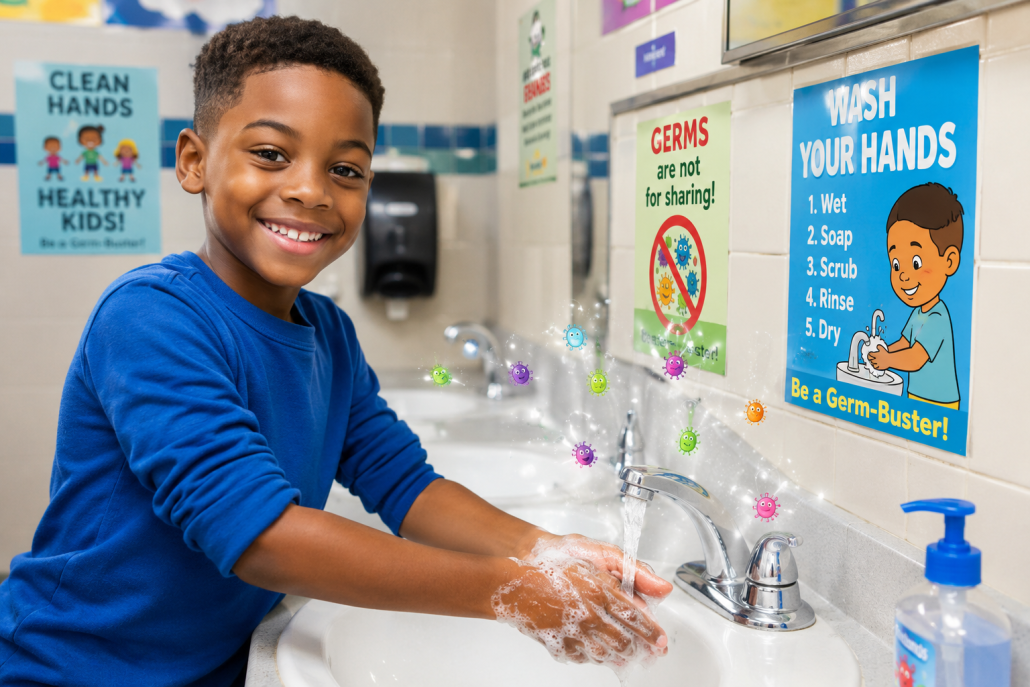
Understanding the Importance of Child Hygiene Why Early Habits Matter

Healthy hygiene isn’t just a checklist of daily routines, it’s a vital part of childhood development. Teaching kids the basics of hygiene early on not only keeps them free from illness but also boosts their self-confidence, social acceptance, and sense of independence. Children who practice good hygiene are more likely to stay healthy, avoid frequent sick days, and enjoy a better quality of life both at home and in school.

Germs are everywhere, on playgrounds, classroom surfaces, and even on toys. Young children, with their developing immune systems and constant curiosity, are naturally more vulnerable to bacteria, viruses, and fungi. This makes hygiene education a frontline defense in preventing contagious diseases such as colds, flu, conjunctivitis, and stomach bugs. When children learn proper hygiene practices like handwashing and brushing their teeth, they build lifelong habits that help them take control of their health.

Moreover, poor hygiene can lead to embarrassment and social rejection. Bad breath, body odor, or visibly dirty clothes can isolate a child from their peers. On the other hand, children who look and feel clean are more likely to engage confidently with others and perform better academically. By embedding hygiene habits early, you set your child up for success, not just in terms of health but also in social and emotional development.

Daily Personal Hygiene Routine for Kids
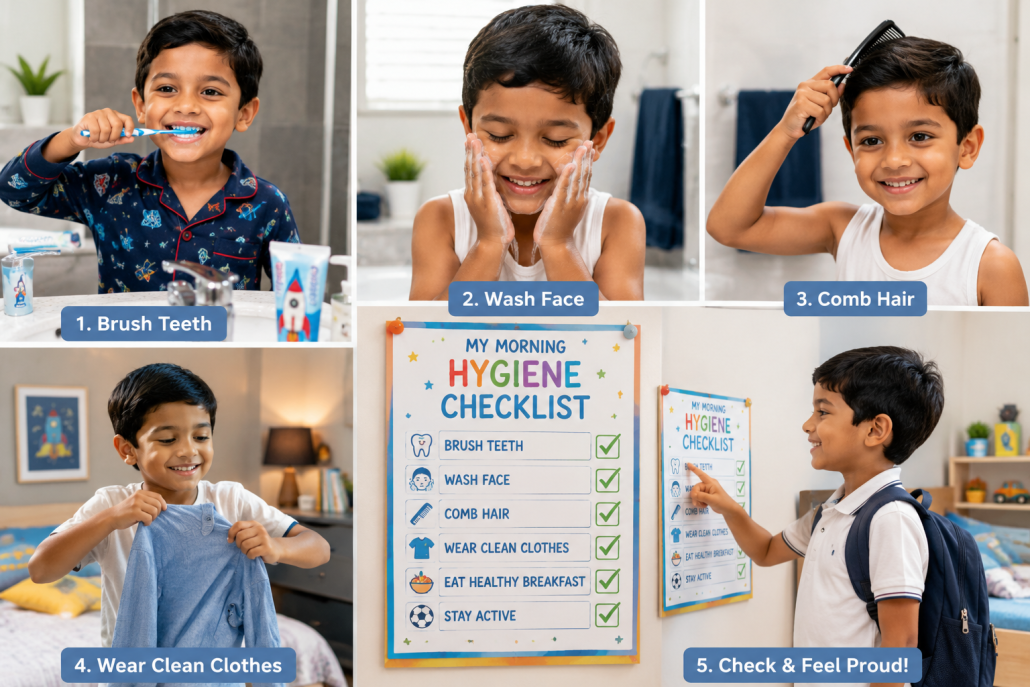
Daily Personal Hygiene Routine for Kids

Creating a simple, repeatable hygiene routine is essential for young children. When routines become second nature, kids are more likely to stick with them independently as they grow older. A strong daily personal hygiene routine for kids typically includes brushing teeth, washing hands, bathing, combing hair, wearing clean clothes, and using deodorant as they enter adolescence.

Begin the day with a structured morning routine. Encourage your child to start by brushing their teeth, washing their face, and combing their hair. A clean appearance not only wakes them up but also boosts their self-image before heading to school. Incorporate hygiene into bedtime rituals as well. A nightly bath or shower, followed by tooth brushing and putting on fresh pajamas, signals to the body and brain that it’s time to wind down.

Visual charts, reward systems, and catchy songs can make hygiene routines enjoyable and easy to remember. For younger children, consider placing fun stickers on a hygiene chart for every task completed. For older kids, give them ownership of their routine by letting them choose their toothbrush or soap scent. The goal is consistency. The more predictable the routine, the easier it is to reinforce, and the more likely your child will stick to it without reminders.

Hand Hygiene for Children
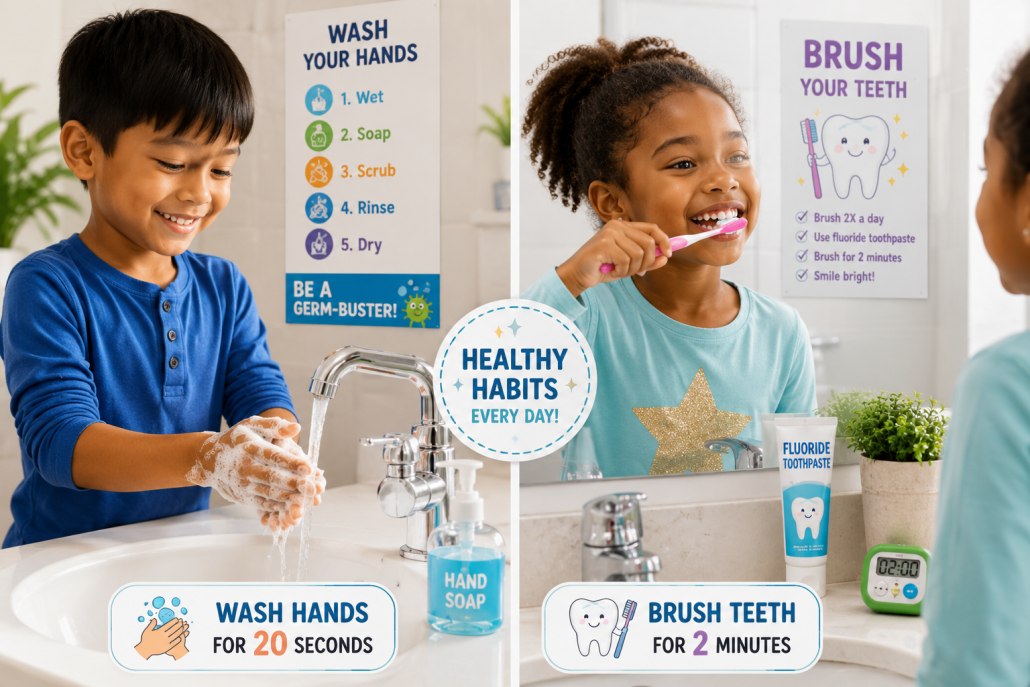
Handwashing and Oral Hygiene for Children

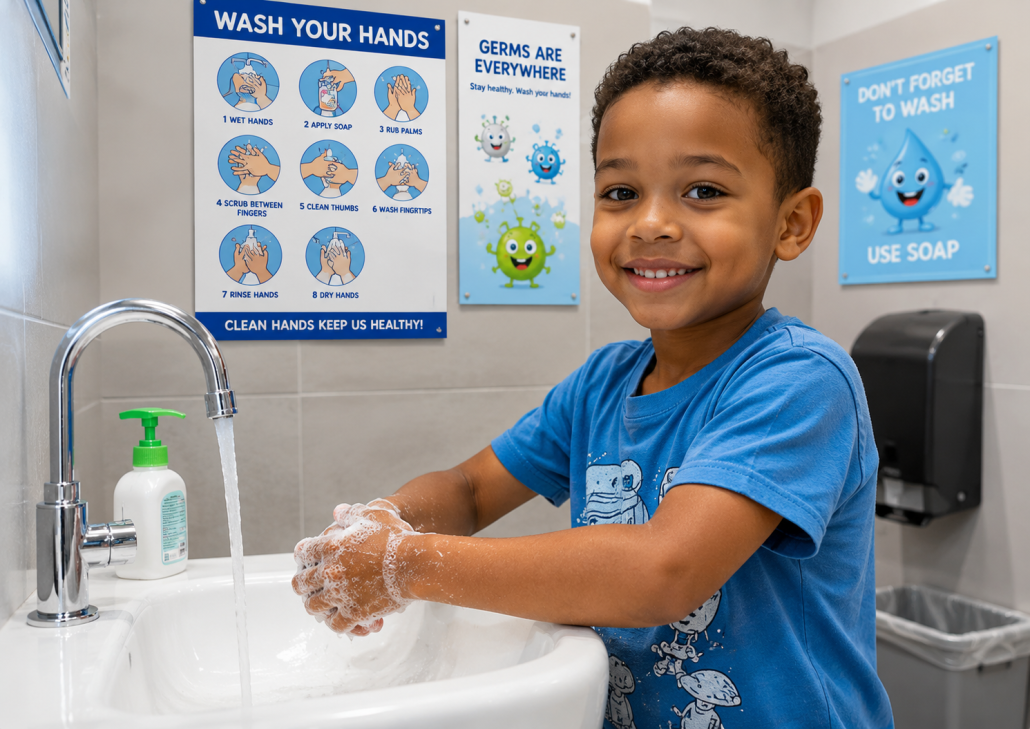
Hand hygiene is arguably the most critical part of personal cleanliness. Hands are the primary carriers of germs, especially among children who love to explore the world through touch. Teaching your child when and how to wash their hands properly can dramatically reduce the spread of illness both at home and in school.

The key moments for handwashing include: before eating, after using the bathroom, after playing outside, after coughing or sneezing, and after touching animals or dirty surfaces. Use warm water and soap, and teach your child to scrub all parts of their hands, including under the fingernails and between fingers, for at least 20 seconds. You can make it fun by singing the “Happy Birthday” song twice or using a fun handwashing timer.

For times when soap and water aren’t available, alcohol-based hand sanitizers (with at least 60% alcohol) are a good alternative, though not a complete replacement. Children should be supervised when using sanitizer to ensure proper application and to prevent ingestion.

Consistency is key. Role modeling hand hygiene and reinforcing it regularly with praise, reminders, and demonstrations helps children understand that handwashing isn’t optional, it’s essential.

Oral Hygiene for Kids: Sparkling Smiles Start Early

Good oral hygiene begins long before a child loses their first baby tooth. Establishing brushing and flossing habits early can prevent tooth decay, gum disease, and costly dental procedures later in life. Plus, a clean mouth helps children speak clearly, chew comfortably, and smile with confidence.

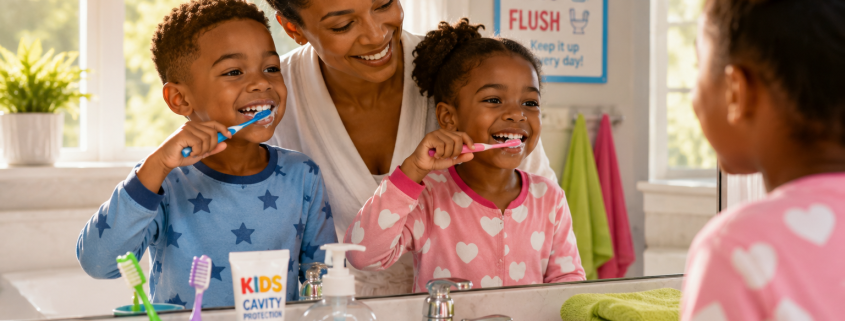
Start oral care as soon as your baby’s first tooth emerges. Use a soft-bristled toothbrush and a rice-sized amount of fluoride toothpaste. By age 3, increase it to a pea-sized amount and teach your child how to spit rather than swallow the paste. Encourage them to brush for two full minutes, morning and night, using gentle, circular motions that reach all areas of the mouth.

Flossing should begin as soon as two teeth touch. While flossing can seem tricky for little hands, floss picks designed for children can make the process easier. Regular dental check-ups (every 6 months) help track oral health and catch any issues early.

Make brushing and flossing fun by turning it into a game, using colorful toothbrushes, or playing a favorite song during the process. Avoid sugary snacks and drinks before bedtime, and talk about the “sugar bugs” that live on teeth and cause cavities, kids love imaginative explanations!

Bathing and Body Care
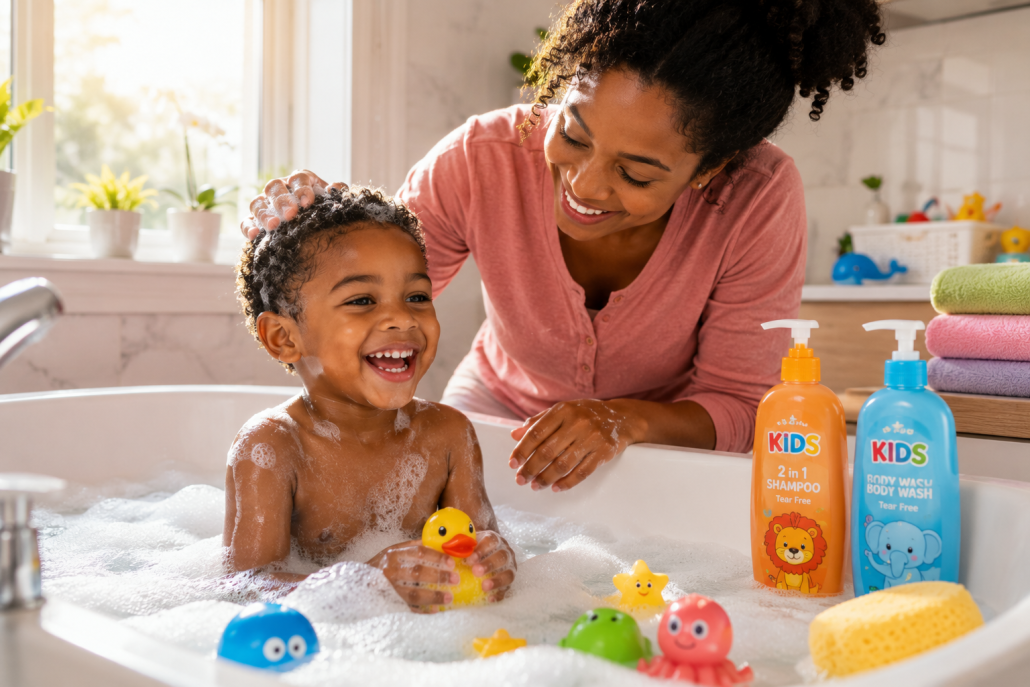
Bathing and Body Care

Bathing isn’t just about staying clean, it’s about caring for the body’s largest organ: the skin. Teaching your child how to bathe properly is essential to remove dirt, sweat, and germs that can cause infections, body odor, and skin problems like rashes or acne.

Young children should bathe daily or every other day, depending on their activity level and skin sensitivity. Use gentle, tear-free soaps for younger kids and allow them to participate by washing their own arms, legs, and belly. As children grow older, teach them how to clean under the arms, behind the ears, between toes, and private areas thoroughly but gently.

Towels should be clean and changed regularly, and each child should have their own towel to avoid cross-contamination. After bathing, moisturize the skin, especially in dry weather, to prevent itching and flakiness. Encourage kids to change into clean clothes every day, even if they don’t feel dirty.

For pre-teens and teens, personal hygiene becomes more complex due to increased sweat and hormonal changes. Introduce deodorant early, along with discussions about body odor, acne prevention, and personal grooming in a respectful and open way.

Hair and Nail Hygiene
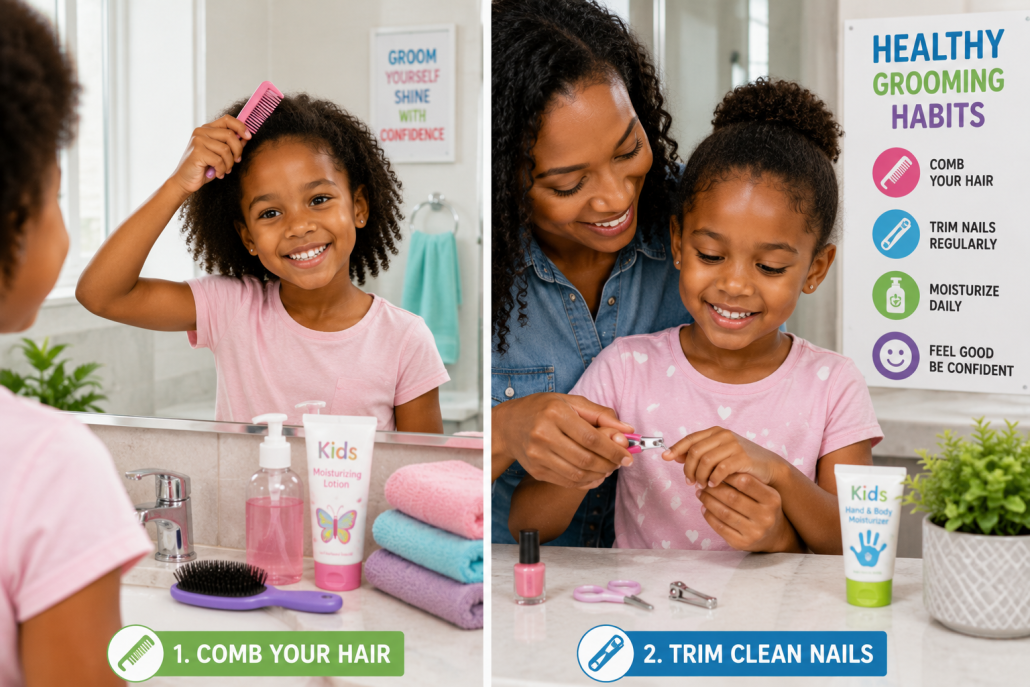
Hair and Nail Hygiene for Children

Hair and nails may seem like small parts of hygiene, but they play a big role in overall health and appearance. Dirty nails can harbor germs and spread infection, while oily or neglected hair can cause dandruff, lice, or unpleasant odors.

Hair should be washed regularly, about 2–3 times a week for most children. The frequency may vary based on hair type, activity level, or oiliness. Teach kids to massage shampoo into the scalp and rinse thoroughly. Combing or brushing hair daily prevents tangles and keeps the scalp healthy. For girls or boys with longer hair, show them how to tie it back during physical activities or when outdoors to avoid tangling and dirt buildup.

Nails should be trimmed once a week to prevent dirt accumulation and painful breakage. For young children, parents should do the trimming; for older kids, supervision is helpful until they master it. Make it a regular part of their hygiene routine, perhaps after a bath when nails are softer and easier to cut.

By paying attention to hair and nail care, children learn that looking after the finer details matters and contributes to their cleanliness and overall confidence.

Toilet Hygiene and Potty Training
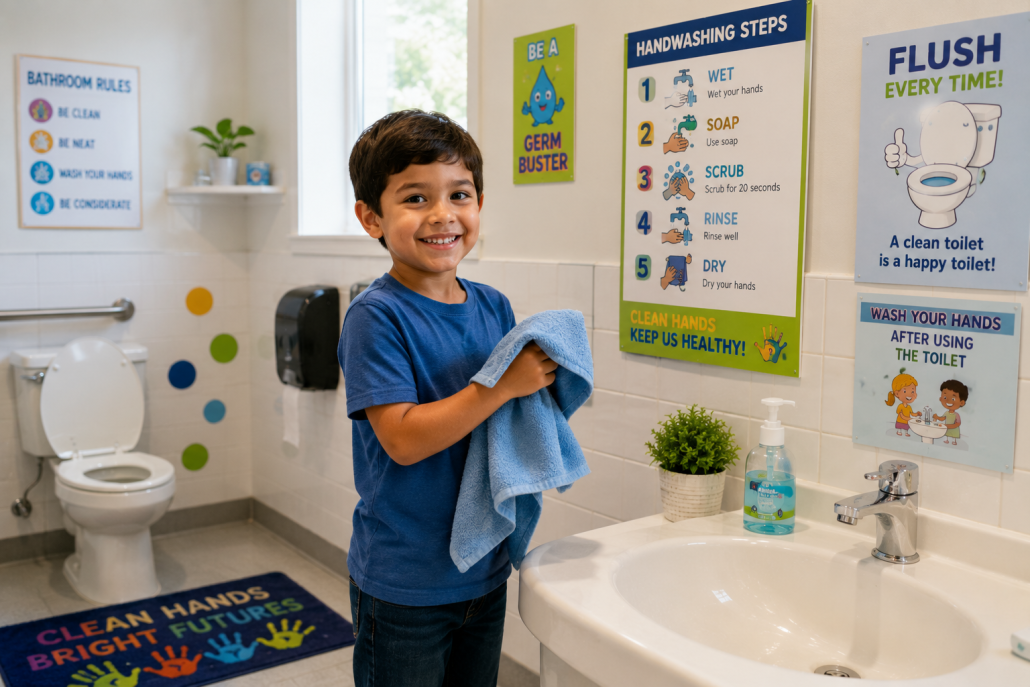
Toilet Hygiene and Potty Training

Toilet hygiene is an essential life skill, especially during the early years of potty training. Teaching your child how to use the toilet properly, clean themselves after using it, and wash their hands afterward is vital for both hygiene and independence.

Start potty training when your child shows signs of readiness, typically between 18 months and 3 years old. Use child-friendly language to explain the process, and create a positive environment with encouragement and praise. Teach girls to wipe from front to back to avoid infections, and help boys learn how to aim correctly and clean up afterward.

Once your child masters using the toilet, emphasize the importance of flushing, wiping thoroughly, and washing their hands every time. Use step stools, colorful soaps, and visual reminders near the sink to make the routine easy and fun.

For school-age children, reinforce these habits so they remain consistent outside the home. Remind them to take their time in the bathroom, use tissue properly, and not rush through handwashing. Proper toilet hygiene prevents the spread of germs and helps children feel more confident and responsible.

Age-Appropriate Hygiene Education

Children learn best when hygiene education is tailored to their developmental stage. What works for a toddler won’t necessarily work for a pre-teen. By adjusting your approach to suit your child’s age, you can make hygiene lessons more effective, engaging, and long-lasting.

Toddlers (1–3 years): Focus on introducing simple routines like washing hands, brushing teeth with help, and taking baths. Use songs, picture books, and positive reinforcement to build interest.

Preschoolers (4–6 years): Encourage more independence with guided practice. Teach them about germs using stories or cartoons. Allow them to choose their hygiene tools, like colorful toothbrushes or fun soaps.

School-age Children (7–10 years): Expand their understanding with age-appropriate explanations about how hygiene prevents illness. Emphasize responsibility and provide hygiene checklists they can follow on their own.

Pre-teens and Teenagers (11–16 years): Focus on personal grooming, body odor, and peer hygiene expectations. Have open conversations about menstruation, acne care, and the use of deodorant. Respect their privacy while offering guidance.

Adapting your hygiene education based on your child’s maturity ensures they stay engaged and confident in managing their personal care.

Healthy Hygiene Habits at School and Public Places
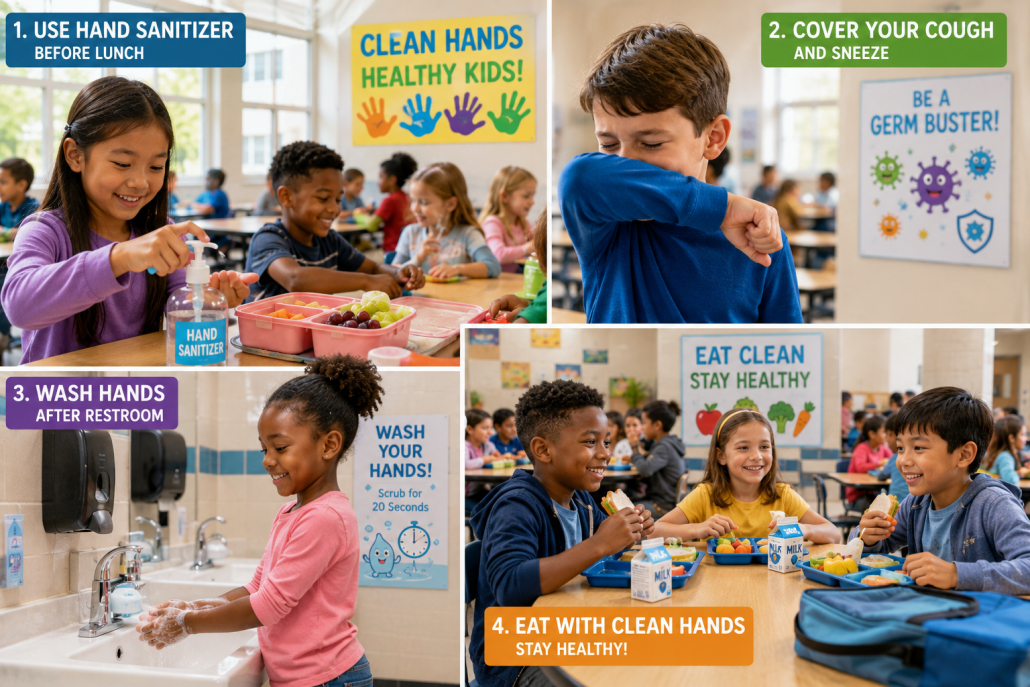
Healthy Hygiene Habits at School

Teaching your child that hygiene doesn’t stop at home is crucial. Schools, playgrounds, and public spaces are hotspots for germ transmission. Encourage your child to apply what they’ve learned about hygiene even when you’re not around.

Pack travel-sized hand sanitizers or wipes in their backpacks. Teach them to cover their mouth with a tissue or elbow when sneezing or coughing, avoid sharing personal items, and wash hands after recess, art class, or using public restrooms.

Explain how to use public toilets hygienically, like using toilet paper on the seat or not touching doorknobs with bare hands. Remind them about changing clothes after sports and showering after gym class.

When kids practice hygiene confidently outside the home, they become self-reliant, socially responsible, and less likely to fall ill from common germs.


Conclusion

Cultivating good hygiene in children isn’t a one-time event, it’s a daily journey that begins with modeling, encouragement, and patience. By teaching children how to care for their bodies, you’re equipping them with the skills they need to stay healthy, feel confident, and thrive socially.

From tooth brushing to handwashing, bathing to grooming, every hygiene habit you instill helps your child grow into a responsible and well-rounded individual. And when hygiene becomes a part of their identity, they carry those habits into adulthood, leading to a life of better health, higher self-esteem, and positive relationships.

Make hygiene part of your family culture today. It’s one of the greatest gifts you can give your child.

Frequently Asked Questions About Child Hygiene

1. At what age should children start brushing their teeth?
Children can begin brushing with supervision around age 3 and typically gain independence by age 6–7. Parents should assist until children develop proper technique.

2. How often should kids bathe?
Children should bathe at least every other day, but daily baths are ideal, especially during hot weather or after physical activity.

3. What’s the best way to teach handwashing?
Use fun methods like songs, games, and colorful soaps. Demonstrate the process and have them practice regularly, especially before meals and after using the toilet.

4. When should kids start using deodorant?
Deodorant is usually necessary around ages 9–12, depending on when puberty starts. Choose gentle, child-friendly options without harsh chemicals.

5. How can I motivate my child to follow a hygiene routine?
Use rewards, charts, storytelling, and allow them to choose their hygiene tools. Consistency and praise go a long way.

6. How do I handle hygiene resistance in older kids?
Have open conversations without judgment. Explain the social and health consequences of poor hygiene, and let them be involved in choosing products they like.

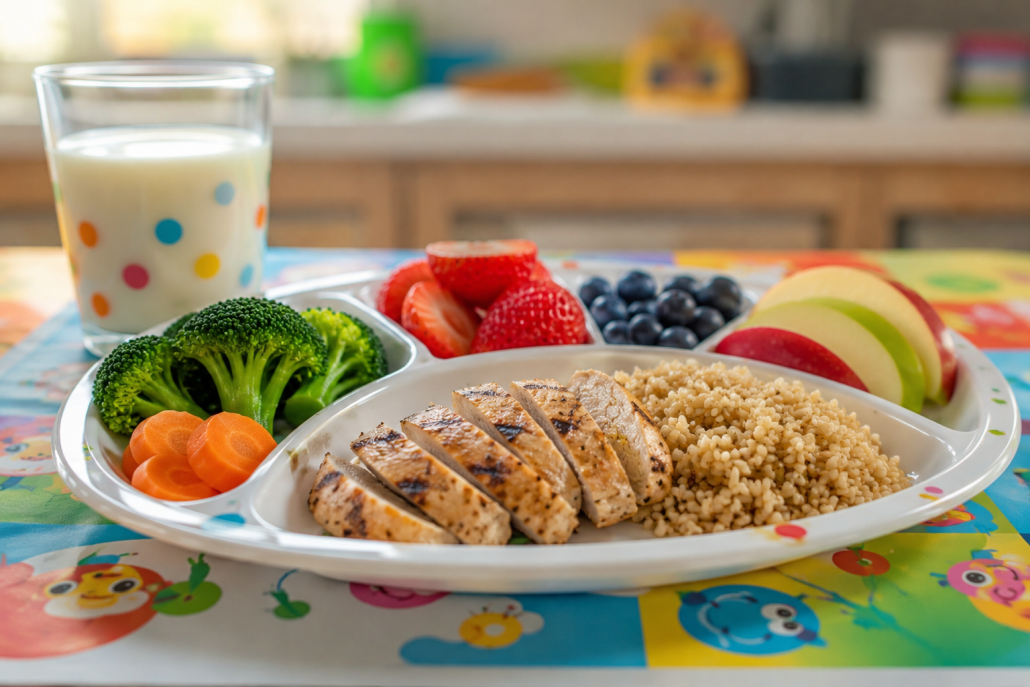
 A Complete Guide to Healthy Eating for Children

Raising healthy children in today’s fast-paced, convenience-driven world can feel like a daunting task. From processed snacks lurking in lunchboxes to picky eaters who would rather have candy than carrots, ensuring that your child receives the right nutrition might seem like a daily struggle. But it doesn’t have to be. With the right strategies and knowledge, you can build a solid foundation for your child’s lifelong health. Healthy eating for children is not just about serving fruits and vegetables; it’s about cultivating lifelong habits that support growth, learning, immunity, and overall well-being.

In this comprehensive guide, we’ll explore everything you need to know about healthy eating for kids, what it means, why it matters, how to make it fun, and how to make it stick. Whether you’re a parent, guardian, teacher, or caregiver, these insights and tips will empower you to take control of your child’s nutrition journey and help them thrive, one bite at a time.

Why Healthy Eating Habits Matter

Children’s nutrition isn’t just about meals, it’s the fuel for their growth, development, and success.

When kids eat well, they have the energy to play, the focus to learn, and the strength to fight off illnesses. Nutrition in childhood plays a critical role in brain development, bone formation, emotional regulation, and even future eating behaviors. Unfortunately, poor dietary habits, such as excessive sugar intake and lack of nutrients, are linked to an alarming rise in childhood obesity, diabetes, and even early signs of heart disease.

Healthy eating habits should start early. The foods children consume influence everything from their ability to concentrate in school to how well they sleep at night. But it’s not just about avoiding junk food. It’s also about providing balanced meals with the right mix of carbohydrates, proteins, healthy fats, vitamins, and minerals.

Think of your child’s diet as a foundation. Just as you wouldn’t build a house on sand, you shouldn’t raise a child on sugary cereals and fast food. Building that foundation begins with understanding how nutrition directly affects your child’s body, mind, and emotions. The goal isn’t perfection but progress. With mindful choices and a bit of creativity, you can help children form a healthy relationship with food that lasts a lifetime.

What Does a Balanced Diet Look Like for Children?

What Does a Balanced Diet Look Like for Children?

Creating a nutritious plate: Key components of a healthy child’s meal

A balanced diet for children involves incorporating all the essential food groups into their daily meals. Unlike adults, kids are still growing, so their nutritional requirements vary in terms of quantity and quality. A well-balanced diet helps meet these unique needs while setting the stage for healthy habits down the line.

Here are the five food groups essential for a child’s balanced meal:

  1. Fruits and Vegetables – Rich in fiber, antioxidants, and essential vitamins, fruits and veggies should fill at least half of your child’s plate.
  2. Whole Grains – Oats, brown rice, whole-grain pasta, and bread are better options than refined grains, providing more fiber and longer-lasting energy.
  3. Protein – Lean meats, poultry, eggs, legumes, tofu, and fish are vital for muscle growth and tissue repair.
  4. Dairy or Dairy Alternatives – These supply calcium and vitamin D, which are crucial for strong bones and teeth.
  5. Healthy Fats – Avocados, nuts, seeds, and olive oil promote brain development and heart health.

Using the “MyPlate” visual model by the USDA can help make this concept easier to understand. Divide the plate into sections for fruits, vegetables, grains, protein, and a side of dairy. This balanced approach ensures children receive the macro and micronutrients needed to fuel their growth and development.

Variety is equally important. Encourage your child to try new foods often, incorporating different colors and textures to keep meals exciting. When kids are exposed to a wide range of healthy foods, they are less likely to become picky eaters and more likely to grow into healthy adults.

Tips to Encourage Healthy Eating Habits in Children

Making good nutrition stick: Practical strategies for parents and caregivers

One of the most common challenges parents face is getting their children to eat healthy meals without fuss. Kids are naturally drawn to sweet, salty, and crunchy foods, which makes it tricky to convince them that broccoli is better than fries. However, with a bit of creativity and consistency, you can foster healthy eating habits that feel natural rather than forced.

Here are some effective tips to make nutritious eating a daily habit:

  • Lead by example: Children mimic what they see. If they see you enjoying a salad or snacking on fruits, they’ll be more likely to do the same.
  • Get kids involved: Let your child pick out fruits or vegetables at the grocery store, help in the kitchen, or even plan part of the weekly menu.
  • Make meals fun: Use colorful plates, food cutters, or arrange food into fun shapes. A simple smiley face made of sliced fruit can turn a boring snack into a treat.
  • Avoid using food as a reward or punishment: This can create emotional attachments to certain foods and lead to unhealthy patterns.
  • Offer choices: Instead of asking “Do you want carrots?”, ask “Would you like carrots or cucumbers?” Giving them control makes them more willing to eat.
  • Stick to a schedule: Regular meals and snacks reduce the temptation to overeat or crave unhealthy snacks.
  • Don’t force it: Forcing kids to eat can backfire. Keep introducing healthy foods in small amounts and celebrate small wins.

The earlier these habits are introduced, the more likely they are to stick. Be patient, sometimes it takes multiple exposures to a new food before a child accepts it.

Healthy Snack Ideas for Kids

Healthy Snack Ideas for Kids

Wholesome bites: Nutritious and delicious snack options for growing bodies

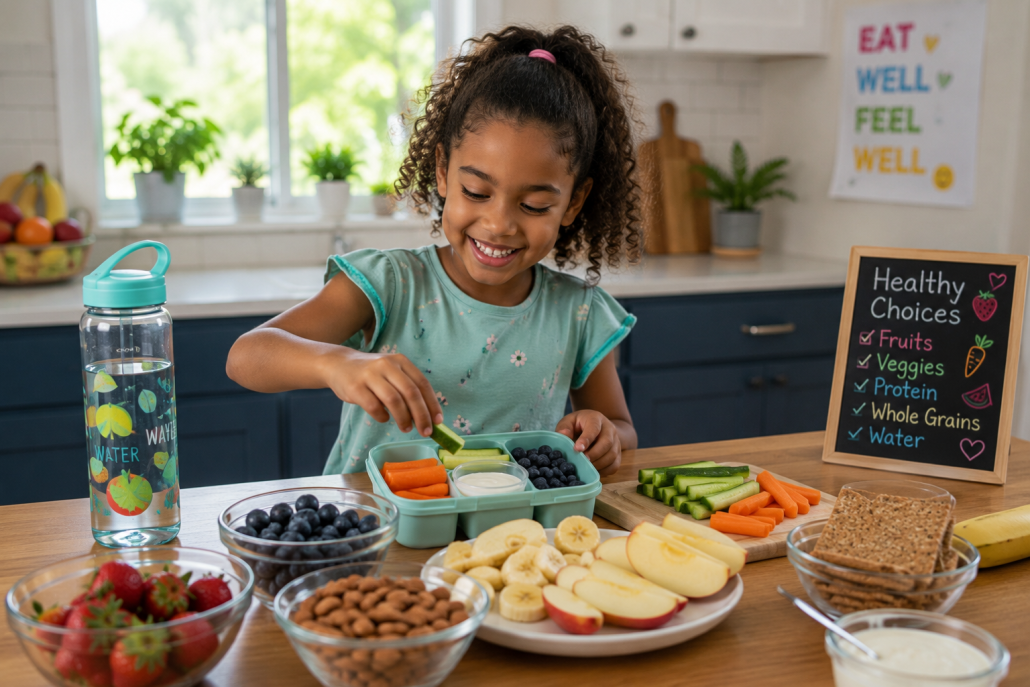
Snacking is a major part of a child’s diet. Done right, snacks can provide important nutrients and help prevent overeating at mealtime. But it’s easy to fall into the trap of offering packaged snacks filled with added sugars, salt, and artificial ingredients.

Here are some wholesome and kid-approved snack ideas that are as tasty as they are nutritious:

  • Apple slices with almond or peanut butter
  • Greek yogurt topped with fresh berries and a sprinkle of granola
  • Baby carrots or cucumber sticks with hummus
  • Mini whole grain sandwiches with turkey and cheese
  • Boiled eggs and whole grain crackers
  • Banana rolled in crushed nuts
  • Frozen grapes or fruit kabobs
  • Homemade trail mix (nuts, seeds, and dried fruits)

Portion control is important, even with healthy snacks. Aim for snacks that combine protein and fiber, as these will keep your child full longer and provide sustained energy. And remember: water is always the best drink option—skip sugary sodas and artificial fruit juices whenever possible.

Preparing snacks ahead of time and storing them in easy-to-reach containers in the fridge can make healthy choices more accessible for kids.

The Role of Hydration in Children’s Health

Drinking smart: Why water and fluids matter in a child’s daily diet

Hydration is just as vital as solid food when it comes to your child’s health. Many parents focus solely on meals and forget that what their children drink plays a significant role in their overall nutrition. Water is essential for digestion, brain function, temperature regulation, and energy levels.

Unfortunately, many children drink more sugary beverages than water. Soft drinks, flavored milks, and fruit juices may taste good, but they are often high in sugar and calories with little to no nutritional value. This excessive intake contributes to obesity and tooth decay.

How much water does your child need? A general rule of thumb:

  • Toddlers (1-3 years): about 4 cups (1 liter) a day
  • Young children (4-8 years): about 5 cups (1.2 liters) a day
  • Older children (9-13 years): 6–8 cups (1.5–2 liters) a day

To encourage better hydration habits:

  • Offer water with every meal and snack
  • Let kids pick their favorite water bottles
  • Add a splash of natural fruit juice to water for flavor (without added sugar)
  • Include high-water foods like watermelon, oranges, or cucumbers

Staying hydrated supports everything from a child’s mood to their learning ability. So don’t underestimate the power of a simple glass of water.

Dealing with Picky Eaters the Healthy Way

Overcoming mealtime battles: Strategies for selective eaters

Picky eating is a common phase many children go through, and while it can be frustrating, it’s usually temporary. The key is to remain calm, patient, and consistent without turning mealtime into a battleground.

Here are some positive strategies to help manage picky eating without stress:

  • Respect their appetite (or lack thereof): Never force your child to eat. Let hunger be the guide.
  • Serve small portions: Overwhelming amounts of new food can be intimidating.
  • Pair new foods with favorites: Introduce unfamiliar items alongside foods your child already enjoys.
  • Be consistent and persistent: It can take 10–15 exposures before a child accepts a new food.
  • Offer food in different forms: If they dislike steamed broccoli, try roasting it or adding it to a casserole.
  • Avoid distractions during meals: Turn off screens to keep the focus on eating.
  • Celebrate effort, not just eating: Praise your child for trying new foods, even in small bites.

Creating a stress-free eating environment builds trust. With time and a relaxed approach, even the pickiest of eaters can develop a palate for healthier choices.

Meal Planning and Prepping for Busy Families

Meal Planning and Prepping for Busy Families

Keeping it healthy on a schedule: Simple steps to plan nutritious meals

Busy schedules shouldn’t get in the way of healthy eating. Planning ahead can save time, reduce stress, and ensure your child gets the nutrients they need even on hectic days.

Here’s how to make meal prepping work for your family:

  • Create a weekly meal plan: Include breakfasts, lunches, dinners, and snacks. This reduces the guesswork during the week.
  • Shop with a list: Stick to your meal plan and avoid impulse purchases of unhealthy items.
  • Batch cook meals: Make large portions of soups, stews, or casseroles that can be reheated throughout the week.
  • Pre-cut fruits and veggies: Store them in airtight containers for easy snacks or lunchbox additions.
  • Use leftovers creatively: Turn last night’s grilled chicken into a wrap or salad the next day.

Involving kids in the meal prep process makes them more excited about eating what’s been prepared. And when you have healthy meals and snacks ready to go, you’re less likely to rely on fast food or processed options.

Conclusion

Building a healthy foundation isn’t a sprint, it’s a marathon.

Creating a lifelong relationship with healthy eating begins in childhood. It’s not about perfection but about creating a positive food culture in your home. When children are exposed to balanced meals, empowered with choices, and involved in their own eating journey, they are far more likely to grow into adults who value and enjoy nutritious food.

Be patient with the process. Celebrate the small victories. Whether it’s your child trying broccoli for the first time or choosing water over soda, these milestones matter. Most importantly, keep communication open. Listen to your child’s feedback, answer their questions about food, and make mealtimes enjoyable.

The reward is far greater than a clean plate, it’s a happy, healthy, and energetic child who’s ready to take on the world.

Frequently Asked Questions (FAQ) About Healthy Eating for Children

1. How can I get my child to eat more vegetables?
Start by incorporating veggies into dishes they already like (e.g., spinach in pasta). Make them fun with shapes or dips. Offer a variety regularly and avoid forcing them to eat.

2. Is it okay to give my child treats or sweets?
Yes, in moderation. Teach balance by allowing occasional treats while emphasizing nutritious meals. Avoid labeling foods as “bad”, instead, focus on “everyday” vs. “sometimes” foods.

3. What are good breakfast options for kids?
Oatmeal with fruits, scrambled eggs with toast, smoothies, whole grain cereal with milk, and nut butter on whole wheat bread are all healthy, kid-friendly breakfast options.

4. How do I know if my child is getting enough nutrients?
A varied diet with all food groups typically covers nutrient needs. If you’re unsure, consult a pediatrician or a registered dietitian for personalized advice.

5. My child refuses to eat meat. What are alternative protein sources?
Try beans, lentils, tofu, eggs, nuts, seeds, quinoa, and dairy. These plant-based and vegetarian options are rich in protein and nutrients for growing kids.

Would you like a printable food chart or weekly meal plan for kids too?

 Nurturing Child Health and Wellness

From the moment a child is born, their health becomes a top priority for parents, caregivers, and society as a whole. Child health is not just the absence of illness, it encompasses physical, emotional, social, and developmental well-being. In today’s fast-paced, technology-driven world, maintaining a child’s health requires a thoughtful combination of proper nutrition, routine medical care, mental health support, and safe environments.

This comprehensive guide will walk you through all essential aspects of child health and wellness, providing practical insights and science-backed strategies to help your child thrive at every stage of life.

The Foundation of Child Health

The journey to good health starts early in life. A child’s physical, emotional, and mental development during infancy and early childhood lays the foundation for lifelong well-being. Therefore, ensuring children get proper care and attention during these critical years is crucial.

From birth to adolescence, a child’s body undergoes rapid changes, organ systems develop, the brain forms new connections, and emotional intelligence begins to grow. Missing out on key health milestones or ignoring certain health indicators can lead to long-term consequences. That’s why every decision, from what children eat to how much they sleep, has a lasting impact.

Moreover, childhood health influences adult health. Studies show that children who are overweight, stressed, or exposed to environmental hazards often carry those health issues into adulthood. By contrast, children raised in health-conscious environments tend to become healthier, more resilient adults.

To protect and promote child health, it’s important to understand the multi-dimensional nature of wellness and address it holistically.

Essential Nutrition for Children

Nutrition plays a pivotal role in children’s growth and development. A balanced diet fuels the body, supports the immune system, and enhances brain development. Unfortunately, in many parts of the world, children face dual challenges: undernutrition and obesity.

To ensure optimal growth, children need essential nutrients like proteins, carbohydrates, healthy fats, vitamins, and minerals. These elements aid in muscle development, bone health, hormone regulation, and energy production. For example, calcium and vitamin D strengthen bones, while omega-3 fatty acids boost brain function.

Introducing healthy eating habits at a young age can help prevent many chronic diseases such as type 2 diabetes, heart disease, and obesity. Here’s how parents can encourage proper nutrition:

  • Serve a variety of colorful fruits and vegetables daily.
  • Replace sugary snacks with healthy alternatives like nuts or yogurt.
  • Encourage family meals and avoid distractions like screens during eating.
  • Involve kids in grocery shopping and meal preparation to create interest in healthy food.

By creating a positive food environment and leading by example, parents can shape a child’s relationship with food for life.

The Role of Physical Activity in Child Health and Fitness

Children Exercising Outdoors

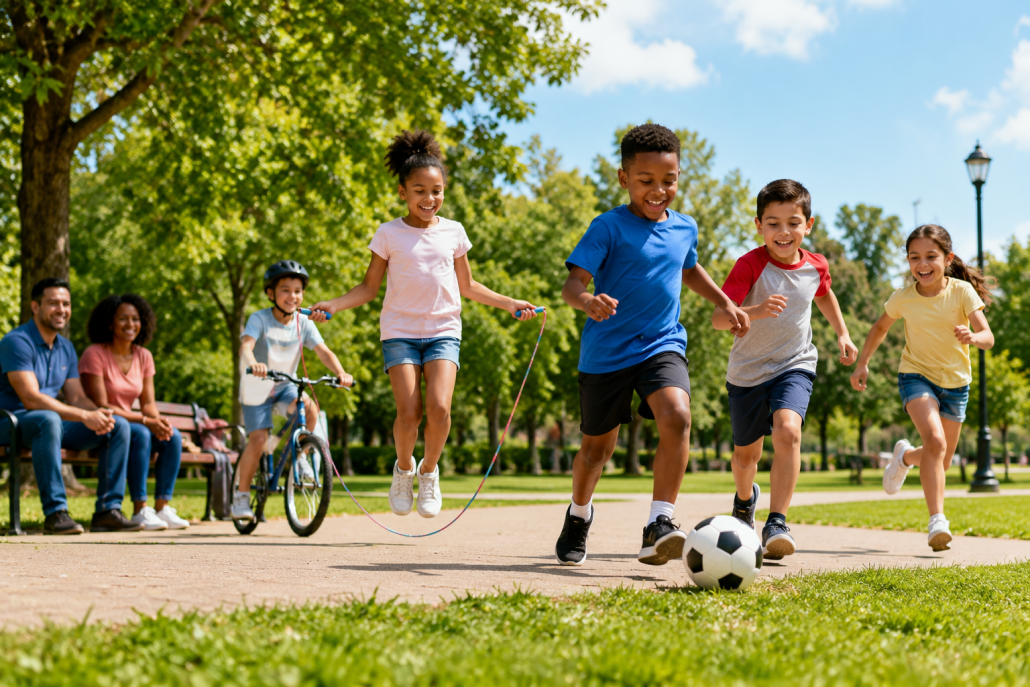
In a world increasingly dominated by screens, the need for physical activity in childhood has never been more important. Children should engage in at least 60 minutes of moderate to vigorous physical activity every day. This could include outdoor play, organized sports, or even dancing around the living room.

Regular movement enhances cardiovascular health, builds strong bones and muscles, supports weight management, and improves coordination and flexibility. But physical benefits are just one side of the coin, active kids also experience improved mental health, better concentration in school, and enhanced social skills.

Encouraging physical activity doesn’t mean enrolling children in every available sport. It means making movement a fun and regular part of their daily routine. Some ideas include:

  • Family walks or bike rides after dinner.
  • Interactive games like hopscotch, tag, or obstacle courses.
  • Swimming lessons, martial arts, or dance classes.
  • Limiting screen time to promote outdoor exploration.

Ultimately, building a love for movement at an early age fosters habits that extend into adulthood.

Mental Health in Children

Children’s mental health is often overlooked in discussions about wellness, but it’s just as important as physical health. Emotional development, resilience, and psychological stability form the core of a child’s ability to navigate life’s challenges.

Mental health issues such as anxiety, depression, and behavioral disorders can affect children from a very young age. Stressors like bullying, academic pressure, family conflict, or trauma can trigger emotional distress. Signs of poor mental health in children may include:

  • Sudden withdrawal or isolation
  • Mood swings or excessive irritability
  • Trouble sleeping or eating
  • Difficulty concentrating or declining grades

Parents and caregivers must create safe, supportive environments where children feel heard and valued. Open communication, consistency, and empathy go a long way. When necessary, don’t hesitate to seek help from school counselors, pediatricians, or mental health professionals.

Promoting emotional well-being early on empowers children to become confident, compassionate, and emotionally intelligent adults.

Sleep and Rest: Why Quality Sleep is Crucial for Children

Good sleep is the cornerstone of child development and health. While adults need around 7–9 hours of sleep, children require much more depending on their age. For instance, toddlers may need 11–14 hours, while school-aged kids should get 9–12 hours each night.

Sleep supports learning, memory, mood regulation, immune function, and growth. Inadequate or poor-quality sleep can lead to irritability, difficulty focusing, behavioral issues, and even weakened immunity.

To foster healthy sleep habits in children:

  • Establish a consistent bedtime and wake-up routine.
  • Avoid screens at least one hour before bed.
  • Create a sleep-friendly environment, quiet, dark, and cool.
  • Encourage relaxing bedtime rituals like reading or soft music.

Never underestimate the power of rest, it’s as vital as food and exercise for a thriving child.

Preventive Healthcare for Children

Preventive Healthcare for Children

Prevention is better than cure, especially in the context of children’s preventive healthcare. Regular doctor visits, vaccinations, screenings, and dental checkups are essential to monitor growth and catch potential issues early.

Immunizations protect children from life-threatening diseases like measles, polio, and whooping cough. While some parents worry about vaccine safety, extensive scientific research has shown vaccines to be both safe and effective.

Besides vaccinations, children should undergo routine:

  • Vision and hearing tests
  • Growth and developmental screenings
  • Dental cleanings and exams
  • Annual wellness checkups

These appointments not only help track physical milestones but also offer opportunities to address any behavioral or emotional concerns. Partnering with a trusted pediatrician ensures your child’s health is consistently monitored and optimized.

Environmental Safety and Hygiene

Environmental Safety and Hygiene

A child’s surroundings play a big role in shaping their health. Environmental safety and hygiene are vital to protect children from injuries, infections, and harmful exposures.

From safe drinking water to clean hands, every small detail matters. Poor hygiene can lead to illness, especially in younger children who are more susceptible to bacteria and viruses. Meanwhile, unsafe environments, cluttered homes, open sockets, or lack of supervision, pose injury risks.

Key safety and hygiene practices include:

  • Teaching children proper handwashing techniques
  • Ensuring safe food handling and preparation
  • Childproofing the home, locking away medicines, covering outlets
  • Using appropriate car seats and seat belts
  • Encouraging cleanliness in schools and daycare settings

These simple actions can drastically reduce the risk of infections and accidents, keeping children safe as they learn and grow.

Parenting and Support Systems

Parenting and Support Systems

The role of caregivers in nurturing child health cannot be overstated. Loving, present, and informed parenting creates a solid base for children to flourish. But parenting doesn’t happen in a vacuum, it requires a strong support system.

Extended family members, teachers, healthcare providers, and community leaders all contribute to a child’s environment. A stable, nurturing atmosphere at home, combined with quality education and community resources, allows children to thrive emotionally, physically, and intellectually.

Parents can strengthen their child’s wellness journey by:

  • Practicing active listening and validation
  • Offering discipline through guidance, not punishment
  • Encouraging curiosity and learning
  • Seeking help when overwhelmed, parenting is challenging

By forming a village of support, families can foster resilience, joy, and health in their children’s lives.

Technology and Child Health

Technology is a double-edged sword when it comes to children’s health in the digital age. On one hand, educational apps and online learning platforms can be excellent tools. On the other hand, excessive screen time can lead to physical inactivity, sleep disruption, and reduced face-to-face social interaction.

According to pediatric experts, children aged 2–5 should have no more than one hour of screen time per day, while older children should be guided toward responsible and balanced use.

To ensure technology supports rather than harms child health:

  • Set screen time limits and stick to them
  • Encourage screen-free meals and family bonding time
  • Monitor the content your child accesses
  • Promote offline hobbies like reading, art, or sports

Digital literacy is just as important as digital limits. Teaching children to use technology responsibly equips them for the modern world while protecting their mental and physical health.

The Power of Early Education in Supporting Child Development

Early childhood education is a crucial pillar of child wellness. It goes beyond ABCs and 123s, early learning environments promote cognitive skills, language development, emotional intelligence, and social behavior.

High-quality early education programs, such as preschool and Montessori-style learning, provide structured play, group activities, and teacher-guided instruction that help children build self-confidence and curiosity.

Benefits of early education include:

  • Better school readiness
  • Enhanced communication skills
  • Improved emotional regulation
  • Stronger peer relationships

Whether through formal schooling or at-home learning, the goal is the same: to stimulate young minds, build foundational skills, and foster a lifelong love of learning.

Final Thoughts

Investing in a child’s health is one of the most profound ways to shape the future, not only of the individual but of society. When we provide children with love, nourishment, safety, education, and emotional support, we prepare them to become healthy, confident, and capable adults.

From nutrition to emotional wellness, every aspect of child health is interconnected. It’s a journey, not a checklist, and it requires the active participation of parents, caregivers, educators, and communities. The earlier we begin prioritizing child wellness, the better the outcome for generations to come.

Let’s remember: healthy children lead to a healthy world. And the best time to invest in that world is now.

Frequently Asked Questions About Child Health

1. What is the most important aspect of child health?

While all aspects are crucial, a balanced combination of physical health, mental well-being, and emotional support is key to overall wellness.

2. How much sleep should my child get?

Sleep needs vary by age. Toddlers (1–2 years) need 11–14 hours, school-aged children (6–12 years) need 9–12 hours, and teens should aim for 8–10 hours per night.

3. What foods should I avoid giving my child?

Avoid processed foods high in sugar and salt, caffeinated drinks, and foods with artificial additives. For infants under one year, honey should also be avoided.

4. How do I know if my child has mental health issues?

Look for changes in behavior, sleep, appetite, or mood. If your child shows signs of persistent sadness, anxiety, aggression, or withdrawal, consult a pediatrician or counselor.

5. When should I start regular checkups for my child?

Checkups should start shortly after birth. Follow your pediatrician’s recommended schedule, which usually includes frequent visits during the first year and annual visits thereafter.