
Simple Yet Smart Ways to Eat Healthier Every Day
Healthy eating doesn’t have to be a complicated, overwhelming task. In fact, it’s often the small, simple changes that create the biggest impact over time. If you’ve ever felt like eating healthy means ditching your favorite meals, counting every calorie, or spending hours in the kitchen, it’s time to rethink that approach. Healthy eating can be delicious, satisfying, and surprisingly easy with a few mindful habits. This guide explores practical, manageable ways you can eat better, without turning your life upside down.
Whether you’re a busy professional, a stay-at-home parent, or someone just looking to live a more balanced life, these strategies will help you nourish your body without the stress. From portion control to mindful snacking, we’ll walk you through multiple effective tips that blend seamlessly into your everyday routine. You’ll also discover how planning meals, hydrating properly, and even managing cravings can boost your energy, improve your digestion, and support your long-term wellness goals.
Let’s dive into the smartest, easiest ways to eat healthier, starting today.
Start Your Day Right: The Power of a Nutritious Breakfast
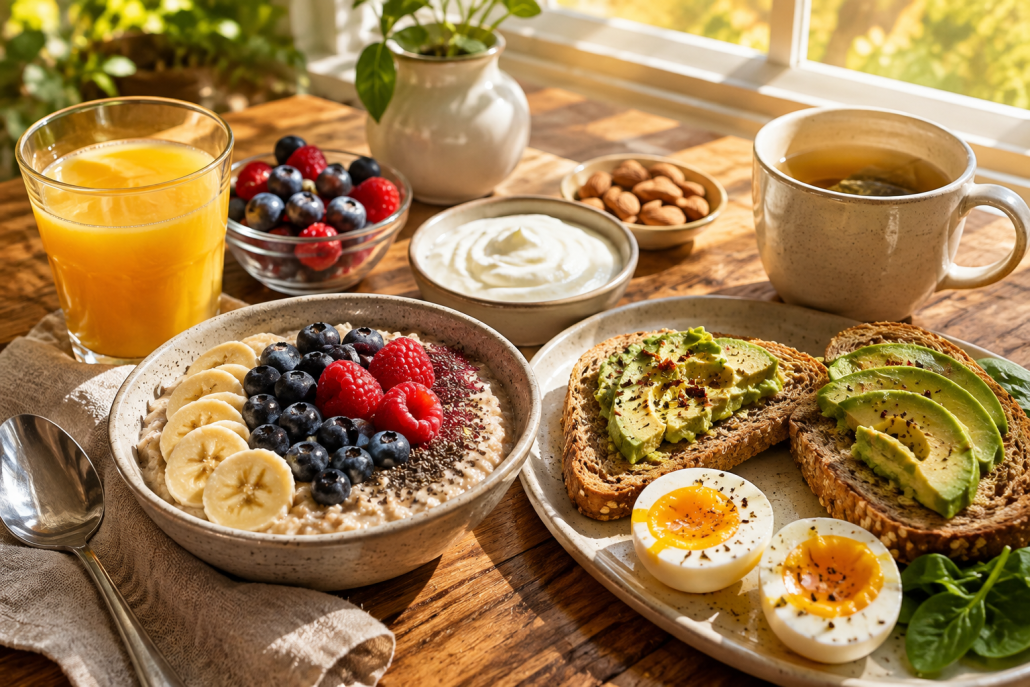
The way you begin your day often sets the tone for everything that follows. A balanced breakfast can improve your mood, stabilize your blood sugar, and prevent overeating later in the day. Yet, many people still skip this essential meal or choose quick-fix options high in sugar and low in nutrients.
Instead of skipping breakfast altogether, aim to include fiber-rich carbs (like whole grains or fruits), protein (such as eggs, Greek yogurt, or nuts), and a healthy fat source (avocado, olive oil, or seeds). This combination helps you feel full longer and fuels your body with slow-releasing energy. Overnight oats, smoothies, or whole-grain toast with nut butter are easy-to-make examples.
Transitioning to a healthier breakfast doesn’t have to be difficult. If time is a constraint, try preparing some ingredients the night before. A little planning goes a long way when it comes to setting your body up for a productive and energetic day.
Prioritize Whole Foods Over Processed Meals
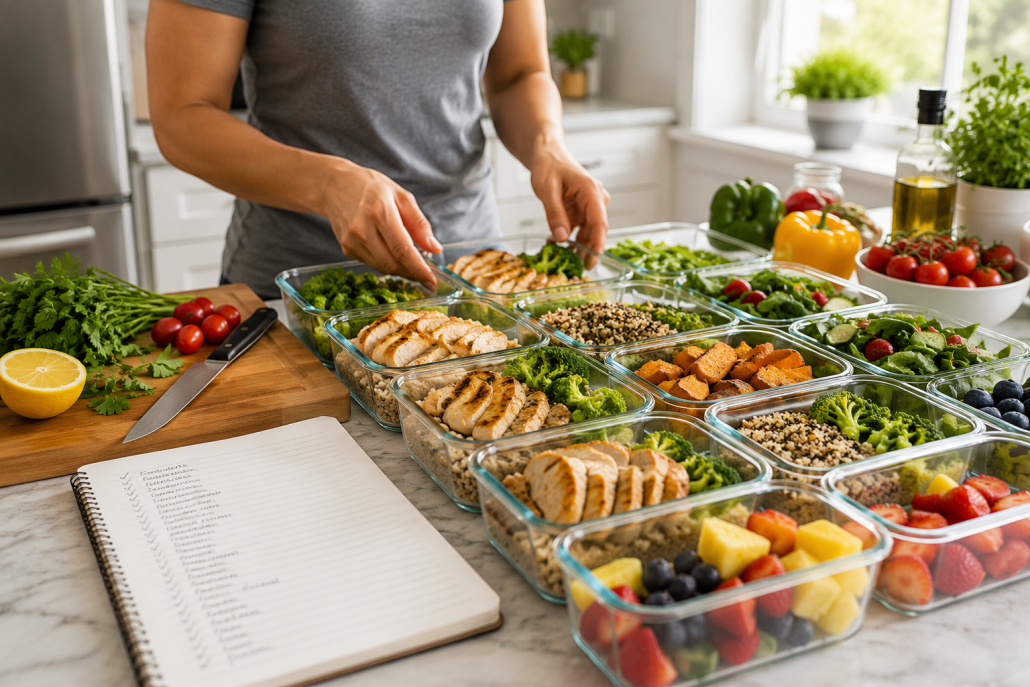
One of the simplest and most effective healthy eating tips is to focus on whole, minimally processed foods. These include fruits, vegetables, lean meats, legumes, nuts, seeds, and whole grains. Unlike processed options, whole foods retain their natural nutrients, fiber, and antioxidants.
Processed foods often contain excess salt, added sugars, unhealthy fats, and artificial ingredients, all of which contribute to health issues like obesity, diabetes, and heart disease. Swapping canned soups, frozen dinners, and sugary cereals with fresh options allows your body to function at its best.
To make this easier, shop the perimeter of the grocery store, where fresh produce, meats, and dairy are typically found. When choosing packaged items, always read the label. If the ingredient list is long or hard to pronounce, it’s probably something to skip.
Start small, replace one processed snack or meal a day with a fresh, whole-food alternative. Over time, your taste buds will adapt, and you’ll start craving real, nourishing foods instead.
Plan Your Meals to Avoid Unhealthy Impulses
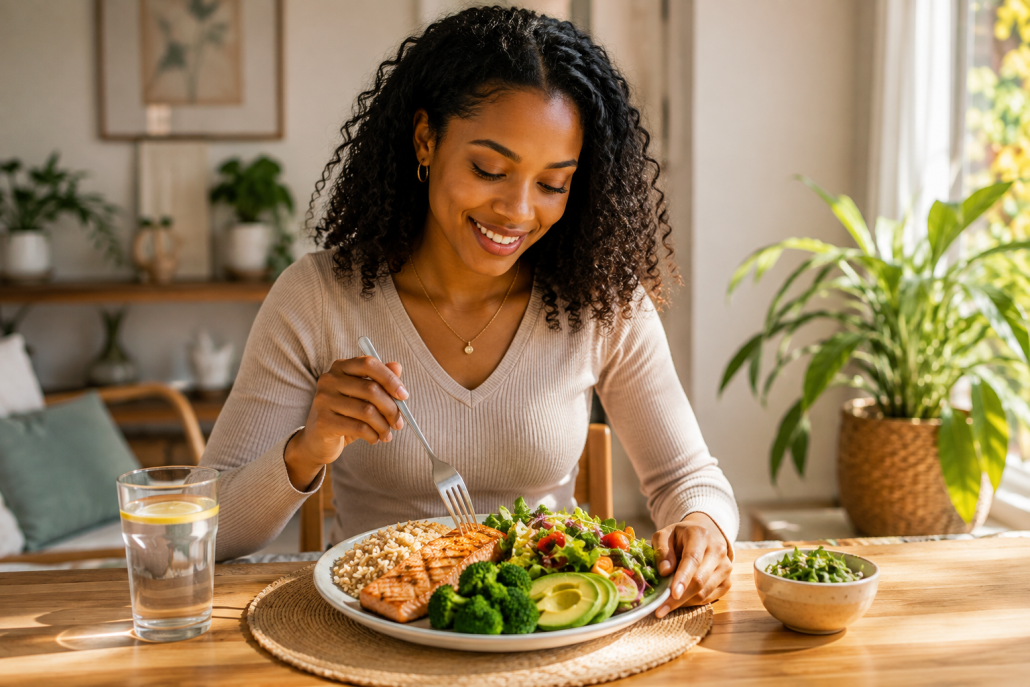
Meal planning is a game-changer for anyone striving to eat better. When you don’t have a plan, it’s easy to fall into the trap of takeout, vending machine snacks, or last-minute processed meals. But when your meals are prepared ahead of time, it removes guesswork and unhealthy choices.
Start by creating a weekly meal plan that includes breakfast, lunch, dinner, and snacks. Keep things simple with meals you know how to cook, and don’t be afraid to repeat recipes during the week to save time. Include a grocery list of nutritious ingredients, and stick to it when shopping.
Batch-cooking meals, especially dinners, and storing them in containers can ensure that healthy options are always within reach. Freezer-friendly meals are also great for busy nights when you don’t feel like cooking.
Taking a few hours on the weekend to prepare food will save you time, money, and stress during the week, and keep your eating habits on track.
Portion Control
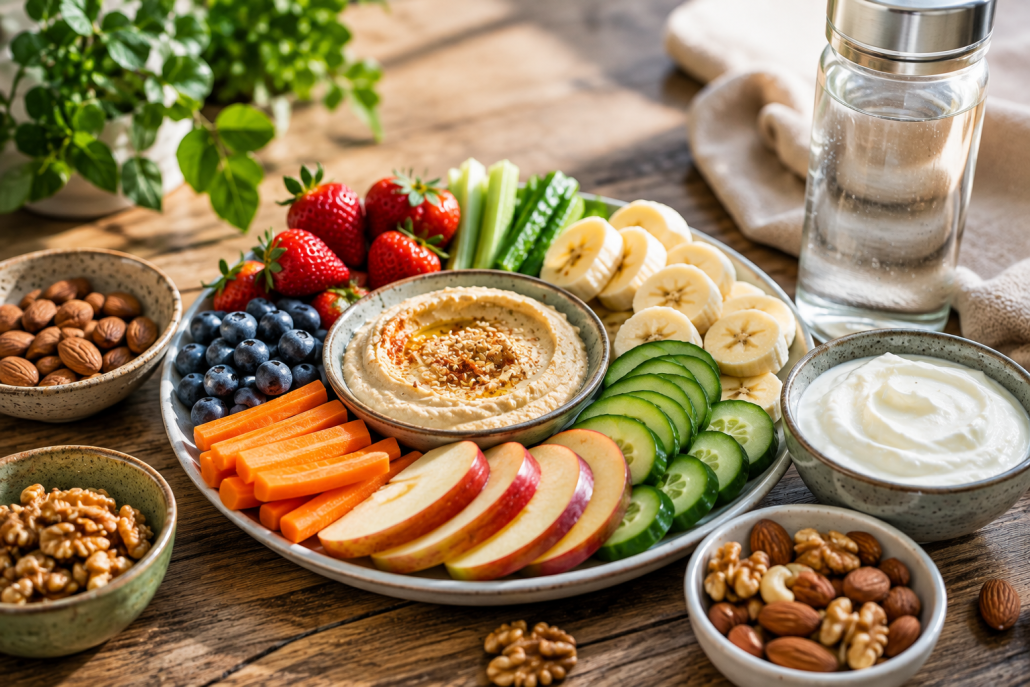
Even healthy food can cause weight gain or digestive discomfort when eaten in excessive amounts. Portion control is an often-overlooked but powerful strategy for eating better and maintaining a healthy weight.
Start by listening to your body’s hunger cues. Eat slowly and pause between bites to give your brain time to register fullness. Instead of eating from large containers or straight out of the bag, serve yourself on a plate. This simple trick helps you become more aware of how much you’re consuming.
Using smaller plates and bowls is another effective way to naturally reduce your portions. Also, balance your meals visually, half your plate should be vegetables, a quarter lean protein, and the remaining quarter whole grains or complex carbs.
Learning to stop eating when you’re satisfied (not stuffed) takes practice, but it makes a significant difference in how you feel after meals. This one habit alone can transform your relationship with food.
Stay Hydrated: Water is Your Best Friend

It’s easy to confuse thirst with hunger, which often leads to unnecessary snacking. Staying well-hydrated not only helps regulate your appetite but also improves your metabolism, digestion, skin health, and energy levels.
Aim to drink at least 8 glasses (about 2 liters) of water daily, more if you’re active or live in a hot climate. Carry a reusable water bottle with you wherever you go, and consider setting hourly reminders on your phone if you often forget.
Flavoring your water with natural ingredients like lemon, cucumber, or mint can make it more enjoyable. Herbal teas and water-rich fruits and vegetables (like watermelon or cucumber) also contribute to your daily intake.
Limiting sugary drinks such as soda, energy drinks, and sweetened coffee beverages is essential. These drinks are often packed with empty calories and can sabotage even the healthiest eating plans.
Smart Snacking: Choose Nutritious Bites Between Meals
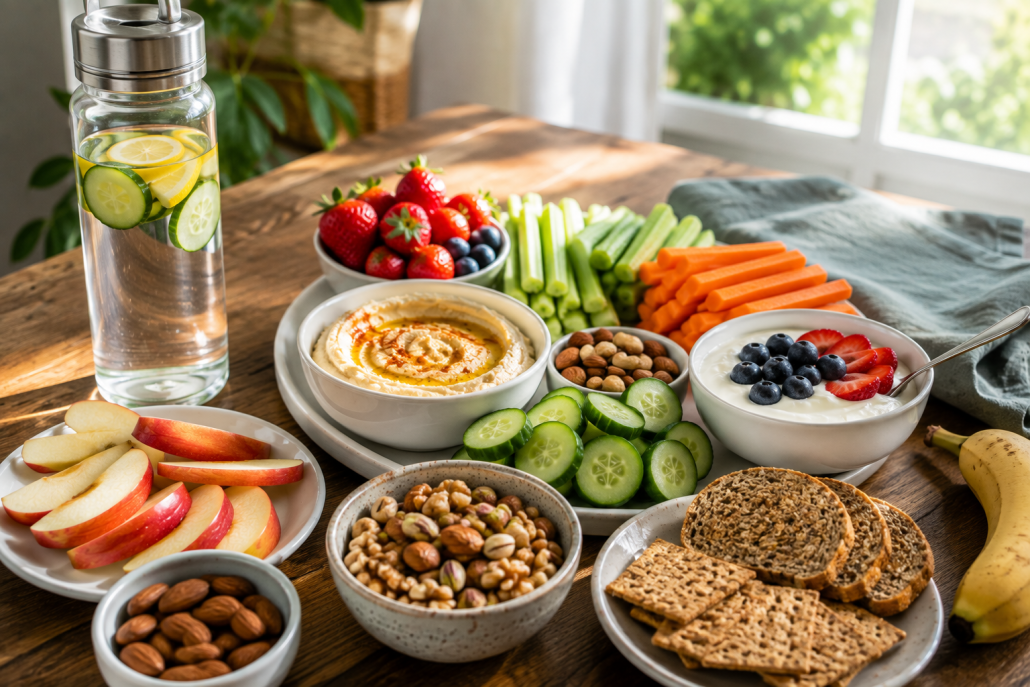
Snacking gets a bad reputation, but it’s not the act of snacking that’s the problem, it’s what you choose to snack on. Healthy snacks help maintain energy, stabilize blood sugar, and curb cravings that might lead to overeating later.
Instead of reaching for chips, candy, or cookies, stock your kitchen with wholesome options like nuts, fruit, Greek yogurt, hummus with veggies, boiled eggs, or whole grain crackers. These snacks provide a mix of fiber, protein, and healthy fats to keep you feeling full and focused.
Keep your portions in check. A handful of almonds or one banana is usually enough to tide you over. And don’t snack just out of boredom, pause and ask yourself if you’re truly hungry before reaching for something.
Planning your snacks like you would a meal helps eliminate last-minute, less-healthy decisions. Keep them pre-portioned and ready to grab, especially if you’re often on the go.
Mindful Eating: Be Present with Every Bite
In today’s fast-paced world, eating has become a distracted activity, done in front of screens, during meetings, or while multitasking. This leads to overeating, poor digestion, and a disconnection from our body’s cues.
Mindful eating involves slowing down and paying attention to your food. Savor the flavors, textures, and smells. Chew thoroughly and put your fork down between bites. Avoid eating while watching TV or scrolling through your phone.
Being more aware during meals helps you recognize when you’re full and can enhance your overall eating experience. It’s not just about what you eat, but how you eat that impacts your health.
Try taking 20–30 minutes to eat each meal. Gratitude practices, like silently appreciating your food before you begin, can also help foster a healthier, more intentional relationship with eating.
Don’t Deprive Yourself, Just Balance Your Choices
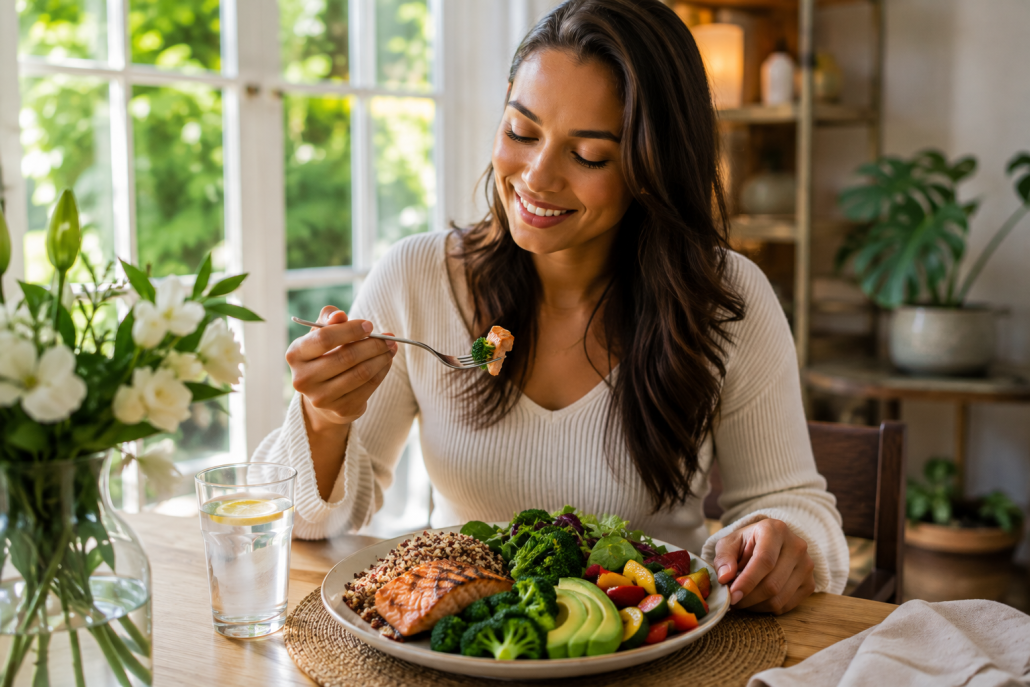
One of the reasons many diets fail is because they feel too restrictive. When you cut out your favorite foods entirely, it often leads to bingeing or emotional eating. Instead, allow yourself occasional indulgences and focus on overall balance.
Healthy eating is about nourishing your body most of the time, not being perfect all the time. If you love chocolate or pizza, enjoy them in moderation without guilt. Pair indulgent treats with healthy sides, have a slice of pizza with a big side salad, for example.
By not labeling foods as “good” or “bad,” you reduce the psychological pressure around eating and create space for sustainability. The goal isn’t to be perfect, it’s to be consistent.
Allowing some flexibility actually strengthens your commitment to healthy living and makes the journey more enjoyable and long-lasting.
Healthy Cooking Methods: How You Prepare Food Matters

Even the healthiest ingredients can lose their nutritional value, or become unhealthy, depending on how they’re prepared. Deep-frying vegetables, smothering dishes in butter, or drowning salads in high-calorie dressings can counteract your efforts.
Opt for cooking methods that preserve nutrients and reduce unnecessary fats and calories. These include steaming, roasting, grilling, baking, sautéing with olive oil, or using an air fryer.
Spices and herbs can replace excess salt and sugar while adding flavor and antioxidants. Lemon juice, garlic, ginger, cumin, paprika, and turmeric are great ways to boost taste without compromising health.
Also, try experimenting with new recipes that incorporate healthy swaps, like using mashed avocado instead of mayo, Greek yogurt instead of sour cream, or cauliflower rice instead of white rice.
Healthy eating starts in your kitchen, and learning a few simple cooking techniques can take your meals from bland to bold, without adding unhealthy extras.
Eat More Fiber-Rich Foods for Digestion and Fullness
Fiber is an unsung hero in the world of nutrition. It supports digestion, helps control blood sugar, reduces cholesterol, and keeps you feeling full longer. Yet, most people don’t get enough in their daily diet.
Great sources of fiber include whole grains (like oats, brown rice, and quinoa), legumes (beans, lentils), fruits (apples, berries, pears), vegetables (broccoli, carrots, leafy greens), and nuts or seeds (chia, flaxseed, almonds).
Add fiber gradually to avoid digestive discomfort, and always pair it with plenty of water. A high-fiber breakfast, like oatmeal with berries and chia seeds, is a great way to kick off your day.
Making fiber-rich foods a regular part of your meals is one of the simplest ways to boost health, reduce overeating, and support your body from the inside out.
Conclusion: Healthy Eating is a Journey, Not a Destination
The path to healthier eating doesn’t require perfection or extreme restrictions. It’s about making small, sustainable changes that fit your lifestyle. From smart meal planning and portion control to mindful snacking and balanced cooking, every tip you apply adds up to a healthier, more energized you.
You don’t need to overhaul your entire life overnight. Start with one or two changes from this guide and build from there. The goal is progress, not perfection. By treating your body with kindness and making informed food choices, you’ll feel better physically, mentally, and emotionally.
Remember, the best diet is the one you can stick with, the one that nourishes your body, satisfies your soul, and fits into your daily rhythm. Keep it simple, stay consistent, and celebrate your wins along the way.
Frequently Asked Questions (FAQ)
Q1: What’s the easiest way to start eating healthier?
Start with small, manageable changes like drinking more water, adding more vegetables to your meals, and reducing processed food. Even replacing one snack a day with a healthier option can make a big impact.
Q2: Can I still eat my favorite foods and be healthy?
Absolutely. The key is moderation. You can enjoy your favorite treats as part of a balanced diet without feeling guilty. Focus on portion control and pair indulgent foods with nutritious ones.
Q3: How do I stop emotional eating?
Identify your triggers, whether it’s stress, boredom, or loneliness, and find healthier coping mechanisms like walking, journaling, or calling a friend. Mindful eating practices can also help reduce emotional snacking.
Q4: What are some healthy snack ideas?
Great options include Greek yogurt with fruit, nuts and seeds, hummus with veggie sticks, boiled eggs, or whole-grain toast with avocado. These are nutrient-rich and help curb cravings.
Q5: Is meal planning necessary to eat healthy?
While not required, meal planning makes healthy eating much easier. It helps you avoid unhealthy impulses, saves money, reduces food waste, and ensures that nutritious options are always available.