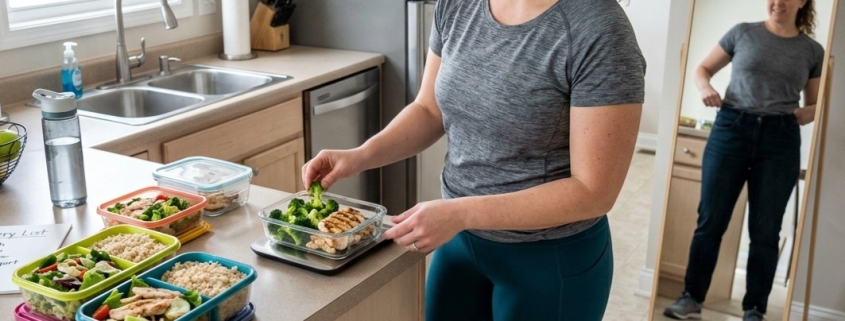

Don’t Deprive Yourself, Just Balance Your Choices

Common Nutritional Needs for Women at Different Stages of Life

Women’s nutritional needs change throughout life. The nutrients a teenage girl needs to support growth are not exactly the same as those needed by a woman during pregnancy, menopause, or older adulthood. However, one principle remains constant: a balanced, nutrient-rich diet provides the foundation for energy, healthy bones, hormonal function, immunity, and long-term wellbeing.

From adolescence through adulthood and into later life, women experience important physical and hormonal changes. Menstruation can increase iron requirements, pregnancy raises the need for several vitamins and minerals, while menopause changes the way the body uses and stores nutrients. Therefore, understanding these changing nutritional needs can help women make better food choices at every stage.

This guide explores the common nutritional needs for women at different stages of life, including important vitamins, minerals, protein, healthy fats, fiber, hydration, and practical dietary habits.

Why Women’s Nutritional Needs Change Throughout Life

A woman’s nutritional requirements are influenced by age, activity level, reproductive stage, body composition, health status, and lifestyle. Consequently, there is no single diet that works perfectly for every woman throughout her entire life. The body constantly changes, and nutrition needs to change with it.

During childhood and adolescence, for example, the body needs enough calories, protein, calcium, iron, and other nutrients to support rapid growth and development. Once menstruation begins, iron becomes particularly important because regular blood loss can contribute to iron deficiency.

During the reproductive years, nutrition continues to play an important role in maintaining energy, supporting menstrual health, and preparing the body for pregnancy. If pregnancy occurs, nutritional requirements increase because the body must support both the mother and the developing baby. After childbirth, adequate nutrition remains essential for recovery and, when applicable, breastfeeding.

Later, menopause brings another major transition. Declining estrogen levels can affect bone health, body composition, cardiovascular health, and metabolism. As a result, women may need to pay closer attention to calcium, vitamin D, protein, fiber, and overall dietary quality.

Although specific requirements differ, women at every age benefit from eating plenty of vegetables, fruits, whole grains, legumes, lean proteins, nuts, seeds, and healthy fats while limiting excessive amounts of highly processed foods, added sugars, and unhealthy fats.

Nutrition for Teenage Girls: Supporting Growth, Hormones, and Healthy Development

The teenage years are one of the most important periods for establishing strong nutritional foundations. During adolescence, girls experience rapid physical growth, hormonal changes, menstruation, and significant development of bones and muscles. Therefore, regularly eating nutritious meals is especially important.

Iron-Rich Foods for Girls During Menstruation

Iron deserves particular attention once menstruation begins. The body uses iron to produce hemoglobin, a protein that helps red blood cells transport oxygen.

Girls can obtain iron from foods such as:

  • Lean beef and other meats
  • Fish and poultry
  • Beans and lentils
  • Dark leafy vegetables
  • Fortified cereals
  • Eggs
  • Nuts and seeds

Pairing plant sources of iron with vitamin C-rich foods such as oranges, tomatoes, peppers, or guava can improve absorption.

Calcium and Vitamin D for Strong Bones

Adolescence is also a critical period for building bone mass. Calcium-rich foods include milk, yogurt, cheese, fortified plant-based beverages, sardines, and leafy green vegetables.

Vitamin D helps the body absorb calcium. Sunlight can contribute to vitamin D production, although dietary sources and supplements may sometimes be necessary depending on individual circumstances.

Protein and Energy for Active Teenagers

Teenagers also need sufficient protein and energy to support growth, physical activity, and tissue repair. Eggs, fish, chicken, beans, lentils, yogurt, milk, nuts, and seeds can provide valuable protein.

Rather than focusing heavily on dieting or calorie restriction, teenage girls should prioritize balanced meals and healthy growth.

Nutrition for Women in Their 20s and 30s: Energy, Reproductive Health, and Disease Prevention

During the 20s and 30s, many women balance work, family responsibilities, physical activity, pregnancy planning, and other demands. Consequently, a nutritious diet should support sustained energy while also protecting long-term health.

Protein, Fiber, and Healthy Fats for Everyday Wellness

Protein helps maintain muscles, supports tissue repair, and contributes to fullness after meals. Women can include protein through eggs, fish, poultry, lean meat, beans, lentils, soy foods, yogurt, nuts, and seeds.

Fiber is equally important. It supports healthy digestion and can help women maintain healthy blood sugar and cholesterol levels. Fruits, vegetables, whole grains, beans, peas, and lentils are excellent sources.

Healthy fats should also have a place in the diet. Avocados, nuts, seeds, olive oil, and oily fish provide beneficial fats that support overall health.

Iron Needs During the Reproductive Years

Women who menstruate continue to need adequate iron because of monthly blood loss. Regularly consuming iron-rich foods can help maintain healthy iron stores.

However, women should not automatically take high-dose iron supplements. Excess iron can also cause problems, and supplementation is best guided by a healthcare professional when deficiency is suspected or confirmed.

Folate Before and During Pregnancy

Women who may become pregnant need to pay particular attention to folate. Adequate folate before and during early pregnancy helps support normal development of the baby’s neural tube.

Good food sources include leafy green vegetables, beans, peas, citrus fruits, avocados, and fortified grain products. Healthcare professionals commonly recommend folic acid supplementation for women who could become pregnant because food alone may not provide enough of the recommended supplemental amount.

Nutrition During Pregnancy: Key Nutrients for Mother and Baby

Pregnancy creates unique nutritional demands because a woman’s body must support her own health while also supporting fetal growth and development. However, pregnancy does not mean simply eating twice as much food. Instead, the focus should be on nutrient quality and appropriate increases in certain nutrients.

Protein for Fetal Growth and Maternal Tissue

Protein becomes especially important during pregnancy because it contributes to the growth of fetal tissues, the placenta, and maternal tissues.

Useful protein sources include:

  • Eggs
  • Fish
  • Lean meat
  • Poultry
  • Beans
  • Lentils
  • Dairy products
  • Soy foods
  • Nuts and seeds

Women should also follow pregnancy-specific food safety guidance and choose fish carefully because some varieties can contain higher levels of mercury.

Iron During Pregnancy

Iron requirements increase during pregnancy because the body produces more blood and the developing baby also needs iron.

Iron-rich foods include lean meat, beans, lentils, leafy greens, fortified cereals, and certain seafood. Healthcare providers may recommend prenatal supplements containing iron, particularly when dietary intake or blood tests indicate a need.

Folate, Iodine, Calcium, and Vitamin D

Folate remains important throughout pregnancy. Iodine supports thyroid function and fetal brain development, while calcium and vitamin D contribute to healthy bones and teeth.

Because pregnancy needs are individual, pregnant women should discuss prenatal supplements and dietary requirements with a qualified healthcare professional rather than relying solely on general advice.

Nutrition After Childbirth and During Breastfeeding

After giving birth, women need nutritious foods to support recovery, energy, and, when breastfeeding, milk production. The postpartum period can be exhausting, so practical nutrition becomes just as important as nutritional quality.

Nutrient-Dense Foods for Postpartum Recovery

Women can build balanced meals around:

  • Whole grains
  • Vegetables
  • Fruits
  • Beans and lentils
  • Eggs
  • Fish and lean meats
  • Dairy or fortified alternatives
  • Nuts and seeds
  • Healthy oils

Adequate fluids are also important, particularly for breastfeeding mothers.

Supporting Energy During Breastfeeding

Breastfeeding increases nutritional demands, although the exact requirements vary. Instead of relying on sugary snacks for quick energy, women can choose convenient nutrient-rich options such as fruit with yogurt, boiled eggs, nuts, whole-grain toast, beans, or smoothies containing protein and fruit.

Women who are breastfeeding should also be cautious about restrictive diets. Rapid weight-loss programs may make it more difficult to meet nutritional needs.

Nutrition for Women in Their 40s: Metabolism, Muscle, and Heart Health

The 40s can represent an important nutritional turning point. Some women begin experiencing perimenopause during this period, while others continue to have regular menstrual cycles. Either way, maintaining muscle, bone strength, metabolic health, and cardiovascular health becomes increasingly important.

More Protein for Maintaining Muscle Mass

Muscle mass naturally tends to decline with age, especially when physical activity decreases. Eating adequate protein and participating in resistance exercise can help support muscle maintenance.

Protein can come from fish, eggs, poultry, lean meat, beans, lentils, dairy products, tofu, nuts, and seeds.

Fiber-Rich Foods for Heart and Digestive Health

Women in their 40s can benefit from emphasizing high-fiber foods. Oats, beans, lentils, vegetables, fruits, whole grains, and seeds can help create a more filling and nutritious diet.

Furthermore, replacing some refined carbohydrates with whole grains and legumes can improve overall dietary quality.

Calcium and Vitamin D Remain Important

Bone health should not be ignored during the 40s. Calcium-rich foods and adequate vitamin D remain important as women approach menopause and beyond.

Menopause Nutrition: Supporting Bones, Heart Health, and Healthy Aging

Menopause brings significant hormonal changes that can influence body composition, bone health, cardiovascular health, and how the body stores fat. Therefore, nutrition during menopause should focus on preserving strength and supporting long-term health rather than simply chasing weight loss.

Calcium and Vitamin D for Bone Protection

Lower estrogen levels after menopause can contribute to accelerated bone loss. Adequate calcium and vitamin D, combined with weight-bearing physical activity, can help support bone health.

Women can obtain calcium from dairy products, fortified plant beverages, calcium-set tofu, sardines with bones, and selected leafy greens.

Protein and Strength During Menopause

Protein becomes increasingly valuable as women age because maintaining muscle supports strength, mobility, and independence.

Including a protein source at each major meal can make it easier to meet daily needs. For example, breakfast might include eggs or yogurt, lunch could include beans or chicken, and dinner might feature fish or lentils.

Heart-Healthy Fats and Fiber

Menopause is also a good time to pay close attention to cardiovascular health. Oily fish, nuts, seeds, avocados, and unsaturated plant oils can provide beneficial fats.

Meanwhile, vegetables, fruits, legumes, and whole grains supply fiber and a wide range of vitamins and minerals.

Nutrition for Women Over 60: Preserving Strength, Immunity, and Independence

As women move into their 60s and beyond, maintaining nutritional quality becomes increasingly important. Appetite may change, activity levels may decrease, and some women may experience difficulties chewing, swallowing, shopping, or preparing meals. At the same time, the body still needs plenty of nutrients.

Protein for Healthy Aging and Muscle Preservation

Older women should prioritize adequate protein while choosing foods that fit their health needs. Eggs, fish, poultry, dairy products, beans, lentils, tofu, and nuts can all contribute.

Spreading protein across meals may be more practical than consuming most of it at dinner.

Vitamin B12 and Healthy Aging

Vitamin B12 deserves attention as women age. It is found naturally in animal foods and added to some fortified foods. Some older adults may have difficulty absorbing B12 from food, making fortified foods or supplements useful in certain cases.

A healthcare professional can help determine whether testing or supplementation is appropriate.

Hydration and Fiber for Older Women

Older adults may experience a reduced sense of thirst. Therefore, drinking fluids regularly is important even when thirst is not strong.

Fiber remains useful for digestive health. Vegetables, fruits, whole grains, beans, and seeds can provide it while also supplying other nutrients.


Essential Vitamins and Minerals Women Need at Every Stage

Although nutritional requirements change, several nutrients remain important throughout a woman’s life.

Calcium

Calcium supports bones, teeth, muscle function, and other body processes. Dairy products, fortified beverages, tofu, sardines, and certain vegetables can contribute to calcium intake.

Vitamin D

Vitamin D supports calcium absorption and bone health. Food sources include fatty fish, egg yolks, fortified foods, and certain supplements.

Iron

Iron supports oxygen transport in the body. Women who menstruate generally need more iron than postmenopausal women because of menstrual blood loss.

Folate

Folate supports cell division and is particularly important before and during pregnancy.

Vitamin B12

B12 supports red blood cell formation and normal nervous system function. It becomes especially important to monitor as women age.

Magnesium

Magnesium contributes to normal muscle and nerve function and is found in foods such as nuts, seeds, beans, whole grains, and leafy green vegetables.

Potassium

Potassium is found in many fruits, vegetables, beans, dairy products, and other foods. Adequate intake is part of an overall heart-healthy dietary pattern.

Simple Healthy Eating Habits for Women at Every Age

Good nutrition does not have to involve complicated meal plans. Instead, women can build healthy eating habits around a few simple principles.

Build Balanced Meals

A practical meal can contain:

  • A source of protein
  • Plenty of vegetables or fruit
  • A whole-grain or other high-fiber carbohydrate
  • A source of healthy fat
  • Water or another suitable beverage

Eat a Variety of Foods

No single food supplies every nutrient the body requires. Therefore, variety matters. Rotate vegetables, fruits, protein sources, grains, legumes, nuts, and seeds throughout the week.

Limit Highly Processed Foods

Highly processed foods can be convenient, but consuming large amounts may make it harder to maintain a nutrient-dense diet. Instead, make minimally processed foods the foundation of most meals while enjoying treats in moderation.

Stay Hydrated

Water supports digestion, circulation, temperature regulation, and many other body functions. Women should drink fluids regularly and pay particular attention to hydration during hot weather, exercise, pregnancy, and breastfeeding.

Common Nutrition Mistakes Women Should Avoid

Even women who want to eat well can fall into common nutritional traps.

One mistake is skipping meals regularly and then overeating later. Another is eliminating entire food groups without a medical reason. Restrictive diets can sometimes create nutritional gaps.

Women may also focus too heavily on weight rather than overall health. A healthy diet should provide enough protein, fiber, vitamins, minerals, and energy to support the body.

Another common mistake involves taking numerous supplements without professional guidance. Supplements can be useful when a deficiency or increased requirement exists, but more is not always better.

Finally, women should avoid assuming that nutritional needs remain unchanged forever. Menstruation, pregnancy, breastfeeding, menopause, aging, medications, and health conditions can all influence nutritional requirements.

A Practical Nutrition Checklist for Every Stage of Womanhood

A simple checklist can help women evaluate their everyday eating habits:

Eat more:

  • Vegetables
  • Fruits
  • Beans and lentils
  • Whole grains
  • Lean proteins
  • Fish
  • Nuts and seeds
  • Healthy fats
  • Calcium-rich foods

Pay attention to:

  • Iron
  • Folate
  • Calcium
  • Vitamin D
  • Vitamin B12
  • Protein
  • Fiber
  • Hydration

Limit excessive intake of:

  • Added sugars
  • Highly processed foods
  • Excess sodium
  • Trans fats
  • Large amounts of refined carbohydrates

Most importantly, women should adapt this general guidance to their individual circumstances.

Building a Lifetime of Better Nutrition

Women’s nutritional needs do not follow a single formula. Instead, they evolve from adolescence through the reproductive years, pregnancy, postpartum life, menopause, and older adulthood. At each stage, the goal should remain the same: provide the body with enough nutritious food to support energy, strength, healthy bones, normal body functions, and long-term wellbeing.

Teenage girls need nutrients for growth and bone development. Women of reproductive age need to pay attention to iron and folate. Pregnancy and breastfeeding create additional nutritional demands. Meanwhile, women approaching menopause benefit from focusing on protein, calcium, vitamin D, fiber, and heart-healthy foods. In later life, adequate protein, hydration, vitamin B12, calcium, vitamin D, and overall dietary variety become increasingly important.

Ultimately, healthy eating is not about achieving a perfect diet. It is about consistently making nourishing choices and adjusting those choices as the body changes.

If you have a medical condition, are pregnant or breastfeeding, take medications, have experienced unexplained fatigue or weight changes, or suspect a nutritional deficiency, seek personalized advice from a qualified healthcare professional.

Frequently Asked Questions About Women’s Nutritional Needs

1. What nutrients are most important for women?

Important nutrients include protein, iron, calcium, vitamin D, folate, vitamin B12, magnesium, potassium, fiber, and healthy fats. However, the exact amount a woman needs depends on her age, reproductive stage, activity level, and health status.

2. Do women need more iron than men?

Women who menstruate generally have higher iron requirements than adult men because menstrual blood loss increases iron losses. After menopause, iron requirements generally decrease.

3. Why is calcium important for women?

Calcium helps maintain bones and teeth and also plays roles in muscle and nerve function. Adequate calcium becomes particularly important as women approach and move through menopause because bone loss can accelerate.

4. What should women eat during menopause?

A menopause-friendly diet can emphasize vegetables, fruits, whole grains, beans, lean protein, fish, nuts, seeds, calcium-rich foods, and healthy fats. Adequate protein and regular physical activity can also support muscle and bone health.

5. Is protein important for older women?

Yes. Protein helps support muscle maintenance and tissue repair. As women age, maintaining muscle becomes increasingly important for strength, mobility, and independence.

6. Should every woman take vitamins?

No. Supplements are not automatically necessary for every woman. Some women may need specific supplements because of pregnancy, dietary restrictions, deficiencies, medical conditions, or other circumstances. A healthcare professional can help determine what is appropriate.

7. How can women get more iron from food?

Women can eat iron-rich foods such as lean meat, fish, poultry, beans, lentils, leafy greens, eggs, nuts, seeds, and fortified cereals. Combining plant-based iron sources with vitamin C-rich foods can improve iron absorption.

8. What is the best diet for women at every age?

There is no single perfect diet for every woman. However, a balanced eating pattern rich in vegetables, fruits, whole grains, legumes, protein foods, healthy fats, and adequate fluids provides a strong nutritional foundation across the lifespan.

9. Why is folate important for women who may become pregnant?

Folate is essential for normal cell division and fetal development. Adequate folic acid before and during early pregnancy helps reduce the risk of neural tube defects. Women who may become pregnant should discuss appropriate folic acid intake with a healthcare professional.

10. How can women maintain healthy nutrition as they age?

Women can focus on nutrient-dense foods, adequate protein, calcium and vitamin D, fiber-rich foods, hydration, regular physical activity, and a varied diet. Regular medical checkups can also help identify nutritional deficiencies or changing health needs.


How Hormonal Changes Can Affect Women's Health and Well-Being

How Hormonal Changes Can Affect Women’s Health and Well-Being

Hormones influence many of the processes that keep a woman’s body functioning properly. From puberty and menstruation to pregnancy, breastfeeding, perimenopause, and menopause, hormonal fluctuations can affect physical health, emotional well-being, sleep, energy, metabolism, and reproductive health. Although hormonal changes are a normal part of being a woman, the symptoms they cause can sometimes interfere with everyday life.

Understanding how hormones affect the body can make it easier to recognize changes, adopt healthy habits, and know when to seek professional medical advice. Rather than viewing every hormonal fluctuation as a problem, it is more helpful to understand that hormone levels naturally rise and fall throughout life.

This guide explores the connection between hormonal changes and women’s health, including common symptoms, different life stages, lifestyle factors, and practical ways to support overall well-being.

Understanding Female Hormones and Their Role in Women’s Health

Hormones act as chemical messengers that help coordinate many functions throughout the body, including reproduction, metabolism, growth, mood, sleep, and energy. Several hormones are particularly important to women’s health. Estrogen and progesterone are strongly associated with the menstrual cycle and reproductive system, while testosterone also plays a role in muscle, bone, sexual health, and overall vitality. Other hormones, including thyroid hormones, insulin, cortisol, and melatonin, also influence how the body functions.

Hormonal levels are not fixed. Instead, they change naturally throughout the day, across the menstrual cycle, and during different stages of life. For example, estrogen and progesterone fluctuate during the menstrual cycle. During pregnancy, hormone production changes dramatically to support the developing baby. Later in life, ovarian hormone production gradually declines during perimenopause and menopause.

These changes can produce noticeable symptoms. Some women experience only mild changes, while others may notice significant differences in their menstrual patterns, mood, sleep, appetite, or energy.

Importantly, symptoms that appear during a hormonal transition do not automatically mean that something is wrong. However, persistent, severe, or unusual symptoms deserve attention because other health conditions can sometimes produce symptoms that resemble hormonal changes.

Hormonal Changes During Puberty and Adolescence

Puberty represents one of the first major periods of hormonal change in a woman’s life. During this stage, the brain communicates with the ovaries to increase the production of reproductive hormones. As estrogen and other hormones rise, the body begins developing adult reproductive characteristics.

How Puberty Hormones Affect Menstrual Health and Emotional Well-Being

The menstrual cycle often takes time to become regular after menstruation begins. Teenagers may experience irregular periods, changes in menstrual flow, cramps, acne, breast development, and changes in body composition.

Hormonal fluctuations can also influence emotions. Some adolescents notice increased sensitivity, irritability, mood changes, or emotional ups and downs. At the same time, puberty involves major social, physical, and psychological changes, so hormones are not the only explanation for emotional experiences during adolescence.

Healthy eating, adequate sleep, regular physical activity, and supportive relationships can help young women navigate this transition.

Parents and caregivers should also encourage teenagers to discuss unusual or severe symptoms rather than assuming that every menstrual problem is simply part of growing up.

Menstrual Cycle Hormones and Women’s Monthly Health Changes

The menstrual cycle is one of the clearest examples of how hormones can influence women’s health. During a typical cycle, estrogen and progesterone rise and fall in a coordinated pattern. These hormonal shifts prepare the reproductive system for a possible pregnancy and eventually trigger menstruation if pregnancy does not occur.

Estrogen, Progesterone, PMS, and Period Symptoms

Some women notice physical and emotional symptoms before their periods. These may include bloating, breast tenderness, headaches, fatigue, food cravings, irritability, or changes in mood.

Premenstrual syndrome, commonly called PMS, varies considerably from one woman to another. Lifestyle habits can sometimes make symptoms easier to manage. Regular exercise, balanced meals, adequate sleep, hydration, stress management, and limiting excessive alcohol or highly processed foods may help some women.

However, severe symptoms that significantly interfere with work, relationships, school, or everyday activities should not simply be dismissed as normal PMS. A healthcare professional can help determine whether another condition, such as premenstrual dysphoric disorder or another health problem, may be involved.

Hormonal Changes, Fertility, Pregnancy, and Postpartum Health

Pregnancy causes some of the most dramatic hormonal changes in a woman’s life. Hormones rise and shift to support the developing pregnancy, prepare the breasts for feeding, and help the body adapt to the physical demands of carrying a baby.

Pregnancy Hormones and Changes in Energy, Mood, and Digestion

During pregnancy, women may experience nausea, fatigue, breast tenderness, changes in appetite, constipation, heartburn, emotional changes, and altered sleep patterns. These symptoms can have several causes, including hormonal changes and the physical demands of pregnancy.

After childbirth, hormone levels change again. Estrogen and progesterone drop significantly, while hormones associated with breastfeeding become important.

This transition can affect mood, sleep, energy, and emotional well-being. New mothers also face major lifestyle changes, including sleep disruption and the responsibilities of caring for a newborn.

Feeling emotionally overwhelmed at times can happen during this transition. However, persistent sadness, hopelessness, severe anxiety, difficulty bonding with the baby, or thoughts of self-harm require prompt professional support.

Perimenopause and Menopause: Major Hormonal Transitions in Women

Perimenopause is the period leading up to menopause, and it can begin several years before menstrual periods permanently stop. During this stage, estrogen and progesterone levels can fluctuate considerably. As a result, women may notice changes that were not present earlier in life.

Perimenopause Symptoms, Estrogen Decline, and Menstrual Changes

Periods may become irregular, heavier, lighter, shorter, or longer. Some women experience hot flashes, night sweats, sleep difficulties, vaginal dryness, changes in sexual desire, headaches, mood changes, or difficulty concentrating.

Eventually, menopause occurs when a woman has gone 12 consecutive months without a menstrual period, provided there is no other explanation.

The decline in estrogen can also affect bone health and the genitourinary system. Therefore, menopause is not only about hot flashes or menstrual changes. It represents a broader transition that deserves attention to long-term health.

Menopause, Healthy Aging, and Long-Term Women’s Wellness

Women can support healthy aging by maintaining regular physical activity, eating a nutrient-rich diet, getting adequate sleep, avoiding tobacco, managing stress, and attending appropriate health screenings.

Some women may benefit from medical treatments for bothersome menopausal symptoms. Hormone therapy may be appropriate for certain individuals, but it is not suitable for everyone. A healthcare professional can discuss personal risks, benefits, medical history, and available alternatives.

How Hormonal Fluctuations Can Affect Women’s Mood and Mental Well-Being

Hormones interact with the brain and nervous system, so hormonal changes can influence mood and emotional well-being. However, it is important not to blame every emotional change on hormones.

Estrogen, Stress Hormones, Anxiety, and Mood Changes

Women may notice changes in mood around menstruation, pregnancy, postpartum periods, perimenopause, or menopause. Some may experience irritability, anxiety, low mood, emotional sensitivity, or difficulty concentrating.

Stress can also influence hormonal regulation. Cortisol, often called the body’s stress hormone, helps the body respond to challenges. Chronic stress can affect sleep, appetite, energy, and general well-being.

Consequently, managing stress should be considered part of a broader approach to hormonal health. Relaxation techniques, physical activity, social connection, adequate rest, and professional mental health support can all play a role.

Most importantly, persistent depression or anxiety should receive appropriate attention rather than being automatically attributed to hormonal fluctuations.

Hormonal Imbalances and Changes in Sleep, Energy, and Daily Performance

Sleep and hormones have a two-way relationship. Hormonal changes can disrupt sleep, while poor sleep can affect several hormonal systems.

Night Sweats, Insomnia, Fatigue, and Hormonal Health

During perimenopause and menopause, hot flashes and night sweats can interrupt sleep. Consequently, a woman may wake feeling exhausted even after spending enough time in bed.

Menstrual symptoms, pregnancy, stress, and other health conditions can also affect sleep.

Sleep deprivation may contribute to daytime fatigue, difficulty concentrating, irritability, and reduced productivity. Therefore, maintaining a consistent sleep schedule can be particularly helpful during periods of hormonal transition.

A cool bedroom, comfortable sleep environment, regular bedtime routine, and reduced exposure to stimulating activities before bed may improve sleep quality.

If insomnia, excessive daytime sleepiness, loud snoring, or repeated nighttime waking continues, it is worth discussing the problem with a healthcare professional.

Hormonal Changes, Metabolism, Weight, and Appetite

Many women notice changes in appetite, body composition, or weight during different hormonal stages. Hormones influence appetite regulation, fat distribution, muscle maintenance, and metabolic processes.

Estrogen Changes, Appetite, Body Composition, and Healthy Weight Management

Some women find that maintaining their previous weight becomes more difficult during midlife. Reduced estrogen is one factor that may influence changes in fat distribution, but aging, reduced muscle mass, activity levels, diet, sleep, stress, and genetics also matter.

Rather than focusing exclusively on the number on the scale, women can concentrate on overall metabolic health.

Eating adequate protein, vegetables, fruits, whole grains, legumes, healthy fats, and other nutrient-rich foods can support general health. Strength training is also valuable because maintaining muscle becomes increasingly important as women age.

Extreme dieting is rarely a sustainable solution. Instead, gradual lifestyle changes can provide a healthier foundation for long-term weight management.

Hormonal Health, Bone Strength, and Cardiovascular Wellness

Hormonal changes can influence more than reproductive health. Estrogen has important effects on bones and cardiovascular health, which makes healthy aging especially important as estrogen levels decline.

Estrogen Decline, Bone Density, and Osteoporosis Prevention

Bone tissue constantly changes as old bone is broken down and new bone is formed. Estrogen helps regulate this process. After menopause, declining estrogen can contribute to faster bone loss in some women.

Women can support bone health through adequate calcium and vitamin D intake, weight-bearing physical activity, resistance training, and other healthy lifestyle habits.

Healthcare professionals may also recommend bone-density screening based on age and individual risk factors.

Hormones and Heart Health in Women

Heart disease remains an important health concern for women. Hormonal changes during midlife occur alongside other changes in blood pressure, cholesterol, blood sugar, body composition, and lifestyle.

Therefore, women should not assume that reproductive health is separate from cardiovascular health.

Regular physical activity, a balanced diet, avoiding tobacco, managing stress, maintaining a healthy weight, and checking blood pressure and cholesterol when appropriate can all contribute to cardiovascular wellness.

Everyday Lifestyle Habits That Support Hormonal Health

There is no single food, supplement, or routine that can “balance” every hormone in the body. Instead, hormonal health is best approached through habits that support the body’s overall systems.

Eat a Nutrient-Dense Diet for Better Women’s Health

A varied diet can provide the nutrients required for energy, bone health, muscle maintenance, reproductive function, and general well-being.

Prioritize vegetables, fruits, legumes, whole grains, nuts, seeds, lean protein sources, and healthy fats. At the same time, limit excessive consumption of highly processed foods and added sugars.

Women with specific dietary requirements or medical conditions may need individualized nutrition advice.

Exercise Regularly to Support Metabolism and Healthy Aging

Physical activity benefits cardiovascular health, muscle strength, bones, mood, sleep, and metabolic health.

A combination of aerobic activity and strength training can provide broad benefits. Walking, dancing, cycling, swimming, resistance exercises, and other enjoyable activities can all contribute to a more active lifestyle.

The key is consistency rather than perfection.

Prioritize Sleep and Stress Management

Sleep gives the body an opportunity to recover, while stress management can help improve emotional and physical resilience.

Aim for a consistent sleep routine and create time for activities that promote relaxation. Depending on personal preference, these may include reading, prayer or reflection, gentle stretching, breathing exercises, spending time outdoors, or connecting with loved ones.

When Hormonal Symptoms Should Be Discussed With a Healthcare Professional

Hormonal changes are normal, but that does not mean women should ignore symptoms that are severe, sudden, or persistent.

Seek professional medical advice for symptoms such as unusually heavy menstrual bleeding, bleeding after menopause, severe pelvic pain, persistent unexplained fatigue, major changes in menstrual patterns, significant mood changes, or symptoms that interfere with normal daily activities.

Similarly, women experiencing persistent sleep problems, unexplained weight changes, or symptoms that suggest a thyroid or other endocrine problem should consider professional evaluation.

A healthcare professional can review symptoms, medical history, medications, lifestyle factors, and, when appropriate, laboratory tests or other investigations.

Avoid self-diagnosing a “hormonal imbalance” based solely on internet symptoms. Many conditions can produce similar symptoms, and treatment should address the actual underlying cause.

Building a Healthier Relationship With Your Hormonal Changes

Hormonal changes are a natural part of a woman’s life, from puberty and monthly menstrual cycles to pregnancy, postpartum recovery, perimenopause, and menopause. While these transitions can sometimes cause challenging symptoms, they also provide opportunities to pay closer attention to the body and strengthen healthy habits.

The most effective approach is not necessarily to try to eliminate hormonal fluctuations. Instead, women can focus on supporting overall health through nutritious eating, regular physical activity, adequate sleep, stress management, preventive healthcare, and appropriate medical support.

Most importantly, every woman’s hormonal experience is different. What feels normal for one woman may not feel normal for another. Paying attention to persistent or unusual symptoms and discussing them with a qualified healthcare professional can help women make informed decisions about their health.

Understanding hormones should ultimately lead to greater confidence, not fear. When women understand how hormonal changes can affect their bodies, they are better positioned to recognize changes, seek appropriate support, and make healthy choices throughout every stage of life.

Frequently Asked Questions About Hormonal Changes and Women’s Health

1. What are the main hormones that affect women’s health?

Estrogen and progesterone are major reproductive hormones, but women’s health is also influenced by testosterone, thyroid hormones, insulin, cortisol, melatonin, and several other hormones.

2. Can hormonal changes affect mood?

Yes. Hormonal fluctuations can interact with brain chemistry and may contribute to mood changes around menstruation, pregnancy, postpartum periods, perimenopause, and menopause. However, persistent depression or anxiety should receive professional attention.

3. Can hormones cause weight gain in women?

Hormonal changes can influence appetite, body composition, fat distribution, and metabolism. However, weight changes usually involve multiple factors, including aging, physical activity, diet, sleep, stress, genetics, and overall health.

4. What happens to hormones during menopause?

During menopause, ovarian production of estrogen and progesterone declines. This transition can affect menstrual cycles, temperature regulation, sleep, vaginal and urinary health, bone health, and other aspects of well-being.

5. Can lifestyle changes improve hormonal health?

Healthy lifestyle habits can support overall hormonal and metabolic health. A nutritious diet, regular exercise, sufficient sleep, stress management, and avoiding tobacco are useful foundations.

6. Are hormonal changes always a sign of a health problem?

No. Hormone levels naturally change throughout a woman’s life. However, severe, persistent, or unusual symptoms should be evaluated because they may sometimes indicate an underlying health condition.

7. Should women take supplements for hormonal balance?

Not automatically. Supplements can interact with medications and may not be appropriate for everyone. Women should discuss supplements with a qualified healthcare professional, especially when using them to treat specific symptoms.

8. When should a woman see a doctor about hormonal symptoms?

Consider seeking medical advice when symptoms are severe, persistent, unusual, suddenly change, or interfere with daily life. Postmenopausal bleeding and unusually heavy bleeding also deserve medical evaluation.

Health Benefits of Fitness That Have Nothing to Do With Weight Loss

Health Benefits of Fitness That Have Nothing to Do With Weight Loss

Staying fit is often associated with shedding pounds or maintaining an ideal body weight. But the real magic of fitness goes far beyond numbers on a scale. Even if your weight remains the same, engaging in regular physical activity and staying active can enhance nearly every aspect of your physical, emotional, and mental health. This article explores the powerful health benefits of being fit that have absolutely nothing to do with losing weight, and everything to do with living a longer, better life.

1. Boosts Mental Health and Reduces Anxiety

When people talk about fitness, the mind is often overlooked. Yet, staying physically active is one of the most effective ways to support your mental and emotional well-being.

Fitness as a Mental Health Booster

Exercise has been scientifically shown to release endorphins, your body’s natural feel-good hormones. These chemicals help reduce feelings of anxiety, stress, and depression. In fact, just 30 minutes of moderate exercise a day can significantly uplift your mood and improve your overall emotional balance.

More than that, fitness routines offer structure and routine, which are incredibly beneficial for people dealing with mood disorders. Activities like yoga and walking in nature also promote mindfulness, helping to calm racing thoughts and encourage positive thinking.

Additionally, regular workouts can improve cognitive function and memory by increasing blood flow to the brain. This is especially beneficial for older adults who want to maintain mental sharpness and delay cognitive decline.

Bottom line: You don’t have to run a marathon to experience mental clarity. Simple activities like dancing, stretching, or gardening can have lasting positive effects on your mental health.

2. Enhances Heart Health and Circulation

You may not see it in the mirror, but your heart benefits immensely from regular exercise. Cardiovascular health improves regardless of whether you lose weight.

How Physical Fitness Strengthens the Heart

Fitness helps the heart become more efficient at pumping blood. As you build endurance and stamina through aerobic activities, like swimming, biking, or jogging, your heart doesn’t have to work as hard to supply oxygen to your body.

Exercise also reduces bad cholesterol (LDL), increases good cholesterol (HDL), and lowers blood pressure. All of these factors contribute to a reduced risk of heart disease, stroke, and other cardiovascular issues.

Furthermore, staying fit improves blood vessel function, reduces arterial stiffness, and helps manage inflammation in the body, all key elements in promoting a healthier cardiovascular system.

Pro tip: Even brisk walking for 30 minutes five days a week can make a big difference in your heart’s health and performance.

3. Strengthens Muscles and Improves Bone Density

Maintaining strong muscles and bones isn’t just about bodybuilding or appearance, it’s about supporting your body’s structure and longevity.

The Hidden Power of Strength and Resistance Training

Regular strength training or weight-bearing exercises like resistance workouts, climbing stairs, or even bodyweight movements can dramatically increase your muscle strength and bone density. This is particularly important as we age since both muscle mass and bone density tend to decline over time.

Improved bone density helps reduce the risk of osteoporosis and fractures. Meanwhile, stronger muscles improve balance and coordination, lowering your risk of falls and injury, especially in older adults.

Incorporating fitness into your lifestyle ensures you stay agile and mobile, preserving independence and quality of life.

Fitness takeaway: Fitness builds a resilient body that can better withstand the physical demands of everyday life, injury, and aging.

4. Boosts Immune System Function

Yes, being fit can help keep the sniffles at bay. While overtraining can sometimes suppress the immune system, regular moderate exercise actually enhances it.

Fitness and Your Body’s Defense Mechanism

When you engage in regular physical activity, your immune system becomes more efficient. Exercise helps flush bacteria out of the lungs and airways, reducing the chances of getting a cold or flu. It also causes changes in antibodies and white blood cells (WBCs), making them circulate faster and detect illnesses earlier.

Furthermore, physical activity slows the release of stress hormones like cortisol, which can suppress immune function when chronically elevated.

Fitness also improves sleep quality, another factor linked to a healthy immune response. Better sleep gives your body more time to recover, repair, and regenerate immune cells.

So what does this mean? Being fit equips your body to defend itself better, leading to fewer sick days and faster recovery when illness does strike.

5. Increases Energy Levels and Reduces Fatigue

You might think working out makes you tired, but the truth is quite the opposite. Fitness fuels your energy reserves and beats fatigue.

Why Active People Feel More Energized

Physical activity enhances your cardiovascular system, which improves the delivery of oxygen and nutrients to your muscles and organs. This leads to increased stamina and reduced feelings of fatigue.

Exercise also helps regulate blood sugar levels and boosts mitochondrial function, the powerhouse of your cells, which results in greater energy production.

Many people who incorporate exercise into their routine report feeling more alert, more awake, and more productive throughout the day. Whether it’s walking, stretching, or dancing, the result is the same: more pep in your step.

Bottom line: Staying fit improves your ability to do daily tasks with less effort and more enthusiasm.

6. Improves Digestive Health and Gut Function

Your gut loves movement. Fitness plays a huge role in how well your digestive system functions.

Fitness for a Happier Gut

Physical activity helps stimulate intestinal contractions, promoting regular bowel movements and preventing constipation. It also supports the balance of good gut bacteria, which contributes to better digestion, nutrient absorption, and even immune response.

Exercise has been linked to a lower risk of gastrointestinal conditions such as acid reflux, gallstones, and irritable bowel syndrome (IBS). Plus, consistent movement reduces bloating and helps detoxify the body by promoting lymphatic flow.

And let’s not forget, staying fit also helps manage stress, which is closely connected to gut health. A calm mind often means a calmer gut.

In summary: A fit body often means a healthy gut, making digestion smoother and more efficient.

7. Supports Better Sleep Quality

Do you struggle with sleepless nights or poor sleep quality? Fitness might be the missing piece in your bedtime routine.

Why Exercise Promotes Deeper, Restorative Sleep

Physical activity increases time spent in deep sleep, the most restorative sleep phase that helps your brain and body recover. Regular fitness also helps you fall asleep faster and stay asleep longer.

Exercise helps regulate your body’s internal clock (circadian rhythm), ensuring a consistent sleep-wake cycle. It also reduces stress and anxiety, two major culprits of insomnia.

Whether it’s a morning jog or evening yoga, movement helps reset your body and mind for a better night’s rest.

Sleep bonus: People who work out regularly tend to report fewer disruptions during the night and feel more refreshed in the morning.

8. Enhances Longevity and Delays Aging

What if the fountain of youth was hidden in your sneakers? Regular fitness doesn’t just make you feel younger, it helps you live longer.

Fitness for a Longer, More Vibrant Life

Staying physically fit has been linked to increased lifespan and better health in older age. Fit individuals have a lower risk of developing chronic conditions such as diabetes, cancer, arthritis, and Alzheimer’s disease.

Fitness also slows cellular aging by reducing oxidative stress and increasing telomere length (telomeres are the protective caps at the ends of chromosomes). Longer telomeres are associated with greater longevity.

Moreover, staying active keeps your muscles, joints, and reflexes sharp, allowing you to maintain independence well into your golden years.

Life hack: Fitness doesn’t just add years to your life, it adds life to your years.

9. Sharpens Brain Function and Memory

Fitness fuels your brain just as much as your body. Being active boosts brain power in ways that support learning, memory, and focus.

How Physical Activity Boosts Brain Performance

Exercise increases the production of brain-derived neurotrophic factor (BDNF), a protein that supports brain health and function. BDNF helps create new brain cells and strengthens connections between neurons, which boosts memory and learning.

Fitness also enhances concentration and decision-making, making it easier to stay productive and focused during the day.

Physical activity has even been shown to lower the risk of cognitive decline and dementia as you age.

In short: A fit body leads to a fitter, faster-thinking brain.

10. Elevates Self-Esteem and Confidence

You don’t need to drop three sizes to feel good about yourself. Regular fitness builds self-worth from the inside out.

Fitness and Positive Self-Perception

Engaging in regular workouts creates a sense of achievement. Every rep, every step, and every stretch reinforces the idea that you are capable, strong, and worthy. Over time, this consistency breeds confidence and empowers you to pursue bigger goals in life.

The psychological benefits of seeing progress, whether it’s running longer, lifting heavier, or simply sticking with a routine, fuel a deeper sense of self-respect.

Plus, when you feel better mentally and physically, you tend to carry yourself with more confidence in social, personal, and professional situations.

Reality check: Fitness isn’t about perfection; it’s about progress, and progress breeds power.

Conclusion: It’s Not About Weight, It’s About Wellness

If you’re measuring the value of fitness only by the scale, you’re missing the bigger picture. Physical activity is one of the most effective ways to safeguard your mind, body, and spirit for the long haul. It’s a proven path to more energy, deeper sleep, a stronger heart, and a sharper mind. And the best part? You don’t need to lose a single pound to reap these benefits.

So, shift your focus from “thin” to “thriving.” Celebrate what your body can do. Move because you love your body—not because you hate it. When fitness becomes a lifestyle, everything else—energy, mood, strength, and yes, sometimes even weight—falls into place naturally.

FAQ: Health Benefits of Fitness Beyond Weight Loss

Q1: Can I get these benefits from walking alone?
Yes! Brisk walking is one of the most underrated forms of exercise. It can improve heart health, reduce anxiety, boost energy, and even support digestion, all without the intensity of high-impact workouts.

Q2: How often do I need to exercise to enjoy these benefits?
The CDC recommends at least 150 minutes of moderate-intensity exercise per week. That’s just 30 minutes, five days a week. Consistency is more important than intensity.

Q3: What if I hate going to the gym?
No problem! Fitness is flexible. Dancing in your living room, hiking, playing with your kids, or even gardening can offer similar benefits. Find an activity you enjoy so you’ll stick with it.

Q4: Will I still benefit from exercise even if I don’t lose weight?
Absolutely. Many internal benefits occur even without visible changes. Your heart, brain, and immune system don’t care about the scale, they thrive on movement.

Q5: Is yoga enough to count as being “fit”?
Yes, yoga builds strength, flexibility, and reduces stress. Combined with some cardio activity like walking or swimming, it forms a well-rounded fitness plan.

Q6: What’s the most important benefit of staying fit?
While it depends on personal goals, many experts agree that improved quality of life and reduced risk of chronic diseases are the biggest takeaways. Fitness helps you live better, not just look better.


Start Losing Weight Massively Today!

When you wake up every morning, do you feel like your energy is drained before the day even begins? Do you struggle with your self-image, hiding behind clothes that don’t reflect your true style or worse, your confidence? If you’ve been putting off your health goals and watching the number on the scale creep higher, it’s time to draw the line. Today is the day to resolve to lose weight massively and reclaim your life.

Weight loss isn’t just about the physical transformation it’s a mental, emotional, and lifestyle shift that touches every part of your life. Whether it’s reducing the risk of chronic diseases, feeling more agile, sleeping better, or simply feeling confident in your own skin, losing weight massively is a decision that leads to powerful, lasting change.

In this blog post, you’ll discover practical, no-nonsense strategies to help you shed excess pounds, build a healthier relationship with your body, and finally see massive results. It’s not about starving or obsessing, it’s about smarter choices, consistent action, and creating habits that stick. Let’s dive in!

Why Today is the Best Day to Start Your Weight Loss Journey

The most successful weight loss stories don’t start with the perfect diet plan or gym membership, they begin with a decision. A decision to stop making excuses and start making progress.

Many people wait for the “perfect time” to begin their weight loss journey. But the truth is, that moment doesn’t exist. There will always be birthdays, holidays, stressful deadlines, or emotional hurdles. Waiting for the stars to align only delays your transformation.

Adopting a winning mindset is your first step to massive weight loss. This means replacing negative self-talk like “I can’t lose weight” or “I’ll never be slim” with affirmations like “I am capable,” “I am in control,” and “My health is worth it.”

Here’s how to make that shift:

  • Visualize your success: Picture your future self, confident, energized, and vibrant.
  • Set powerful intentions: Start each day with a mantra or commitment to healthy living.
  • Break limiting beliefs: If you’ve failed before, it doesn’t mean you’ll fail again. You’re wiser now.

Ultimately, massive weight loss begins with a massive decision, and that decision starts with your mindset.

Clean Eating Habits That Trigger Fat Loss

You can’t out-exercise a bad diet. If you want to lose weight fast and keep it off, your plate needs a major makeover. Forget crash diets, they only offer short-term results and often leave you feeling deprived. Instead, embrace clean eating for sustainable weight loss.

Clean eating focuses on real, whole foods, foods that are minimally processed, nutrient-dense, and full of natural flavor. This includes fruits, vegetables, lean proteins, whole grains, healthy fats, and plenty of water.

Here’s what to do:

  • Ditch sugar and refined carbs: These spike your blood sugar and promote fat storage. Swap white bread, soda, and sugary snacks for whole grains and natural sweeteners like honey.
  • Eat more protein: Protein keeps you full longer and supports muscle repair. Include eggs, fish, chicken, beans, and tofu in your meals.
  • Add fiber-rich foods: Leafy greens, oats, apples, and lentils aid digestion and help control cravings.

Also, meal prepping and mindful eating can be game-changers. By planning your meals and avoiding distractions while eating, you reduce overeating and gain more control over your portions.

The key? Keep it simple. Eat real food. Drink water. Avoid junk. Clean eating leads to clean energy, clearer skin, and a leaner body.

How Smart Workouts Lead to Massive Weight Loss

If nutrition is the engine, exercise is the accelerator. Regular physical activity boosts your metabolism, builds muscle, and torches calories, three essentials for massive fat loss. But you don’t need to spend hours at the gym to get results. What you need is a smart, consistent fitness routine.

Here are three workout strategies to consider:

1. High-Intensity Interval Training (HIIT)

HIIT combines short bursts of intense activity with brief rest periods. This style burns fat even after your workout ends, thanks to the afterburn effect.

  • Example: 30 seconds of jumping jacks, 30 seconds of rest, repeat for 20 minutes.
  • Benefits: Time-efficient, heart-pumping, and metabolism-boosting.

2. Strength Training for Fat Loss

Lifting weights doesn’t bulk you up, it tones you down. Muscle burns more calories at rest, which means more fat burned throughout the day.

  • Focus on: Squats, lunges, push-ups, dumbbell routines.
  • Frequency: 3–4 times per week.

3. Daily Movement

You don’t need a gym to stay active. Walking, biking, dancing, or playing a sport keeps your metabolism engaged and burns calories throughout the day.

The best workout is the one you’ll stick to. Start slow and build up gradually. Even 30 minutes a day can transform your body over time. The goal is movement, not perfection.

Crushing Cravings and Emotional Eating: Take Control of Your Triggers

For many people, the hardest part of weight loss isn’t the workouts or even the diet, it’s dealing with emotional eating and cravings. If you’ve ever turned to food when stressed, bored, or anxious, you’re not alone.

Cravings are normal, but letting them control you sabotages your progress.

Here’s how to handle them like a pro:

  • Identify your triggers: Keep a journal to track when and why you crave certain foods.
  • Replace the habit: Instead of reaching for chips, go for a walk, call a friend, or sip tea.
  • Eat balanced meals: Skipping meals or eating unbalanced diets leads to intense hunger and overeating later.
  • Stay hydrated: Sometimes, what feels like hunger is actually dehydration.

Also, don’t underestimate the power of stress management. Try meditation, yoga, or breathing exercises. Reducing stress reduces cravings. The better you manage your emotions, the easier it is to stay on track and see results.

Track, Adjust, and Repeat

Want to make your weight loss efforts bulletproof? Start tracking. Monitoring your progress helps you stay motivated, catch setbacks early, and celebrate wins.

Ways to track your weight loss journey:

  • Weigh yourself weekly (not daily): Body weight fluctuates, focus on the trend, not daily numbers.
  • Take body measurements: Your waist, hips, and arms may shrink even when the scale doesn’t move.
  • Track food intake: Use apps like MyFitnessPal to stay aware of calories and nutrients.
  • Keep a success journal: Record workouts, meals, mood, and wins.

Consistency beats intensity. If you have a bad day or week, don’t give up, just course correct. Progress, not perfection, leads to long-term weight loss success.

Sleep, Hydration & Hormones: The Overlooked Keys to Weight Loss

It might surprise you, but what happens outside the gym is just as crucial as your diet and workouts. Your sleep quality, water intake, and hormone balance all play a massive role in your weight loss journey.

Here’s how:

Sleep Your Way to Slim

Lack of sleep messes with your hunger hormones, ghrelin (makes you hungry) and leptin (makes you feel full). Poor sleep = more cravings and more overeating.

  • Aim for 7–9 hours of quality sleep.
  • Create a bedtime routine and reduce screen time before bed.

Hydrate to Accelerate Fat Burn

Water supports digestion, energy, and fat metabolism. Drinking a glass of water before meals can help reduce your appetite.

  • Target: At least 8–10 glasses per day.
  • Add lemon or cucumber for flavor if plain water bores you.

Balance Your Hormones

Stress, poor diet, and lack of exercise can disrupt hormone levels, making fat loss more difficult. To regulate hormones:

  • Eat healthy fats (like avocado and olive oil)
  • Manage stress with mindfulness
  • Get regular sleep and stay active

Don’t overlook these foundational habits, they’re the silent warriors in your weight loss battle.

Support Systems and Accountability: Don’t Go It Alone

Trying to lose weight in isolation is like climbing a mountain blindfolded. You’re far more likely to succeed when you have support, guidance, and accountability.

Ways to build your support network:

  • Join fitness communities (online or in-person)
  • Partner with a friend for walks, gym sessions, or meal prep
  • Hire a coach or trainer to guide your workouts and keep you on track
  • Share your goals with trusted loved ones

The journey is easier, and a lot more fun, when others are cheering you on. Accountability adds motivation on days when your willpower is low. Together, we rise.

Daily Habits That Lead to Massive Weight Loss Over Time

If you want lasting results, it’s not about quick fixes. It’s about creating daily rituals that support your goals. The small things you do every day are what transform your body, health, and mindset.

Powerful habits to adopt:

  • Wake up early and move your body
  • Drink water first thing in the morning
  • Plan your meals the night before
  • Prep healthy snacks to avoid temptations
  • Walk after meals to improve digestion
  • Reflect on your wins at the end of the day

These habits compound over time and become part of your identity. You’re not just trying to lose weight, you’re becoming a healthier, stronger, more empowered version of yourself.

Conclusion: 

If you’ve read this far, you’re ready. Ready to break free from the weight holding you back, physically, mentally, and emotionally. You’re not broken, and you’re not alone. You’re just one powerful decision away from massive change.

Today is your turning point. Not tomorrow. Not Monday. Now.

Resolve to lose weight massively, not just for the mirror but for your future. Because every step you take, every choice you make, is a vote for the person you want to become.

You’ve got this, and your transformation begins today.

FAQs: Weight Loss, Motivation, and Staying on Track

1. How much weight can I lose in a month safely?

On average, 1 to 2 pounds per week is considered safe and sustainable, translating to about 4 to 8 pounds per month. Rapid weight loss often leads to regaining the weight later.

2. What’s the best diet for massive weight loss?

There’s no one-size-fits-all diet, but a balanced plan with whole foods, lean proteins, healthy fats, and low sugar works best. The Mediterranean and low-carb diets are popular and effective choices.

3. Can I lose weight without exercise?

Yes, but it’s slower. Diet has a bigger impact on weight loss, but combining it with exercise accelerates results and improves overall health.

4. How do I stay motivated during weight loss?

Track progress, celebrate small wins, set new goals, and surround yourself with support. Motivation comes and goes, discipline and consistency are your best friends.

5. What do I do when I hit a weight loss plateau?

Change things up, adjust your calorie intake, try new workouts, or take a rest day. Plateaus are normal, but with time and tweaking, you’ll break through.