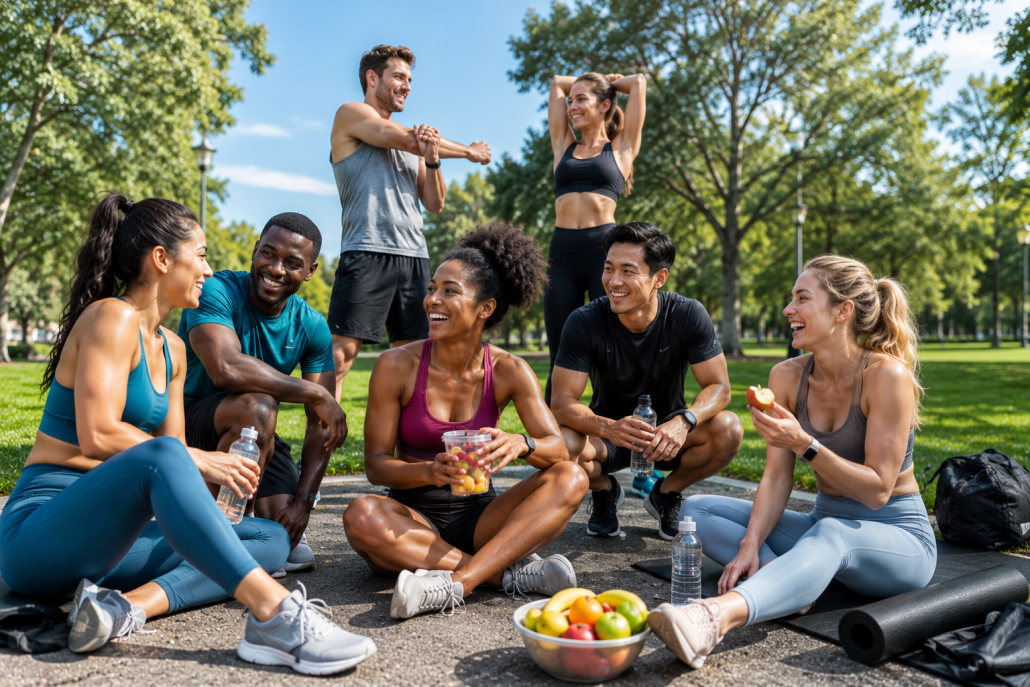
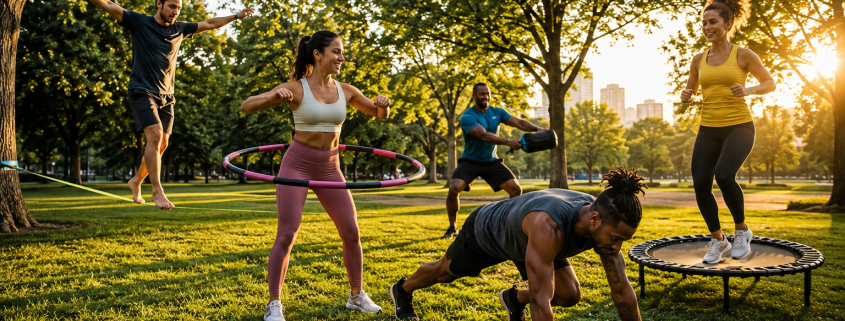
Unusual exercises you’ve never thought of

Unusual exercises you’ve never thought of

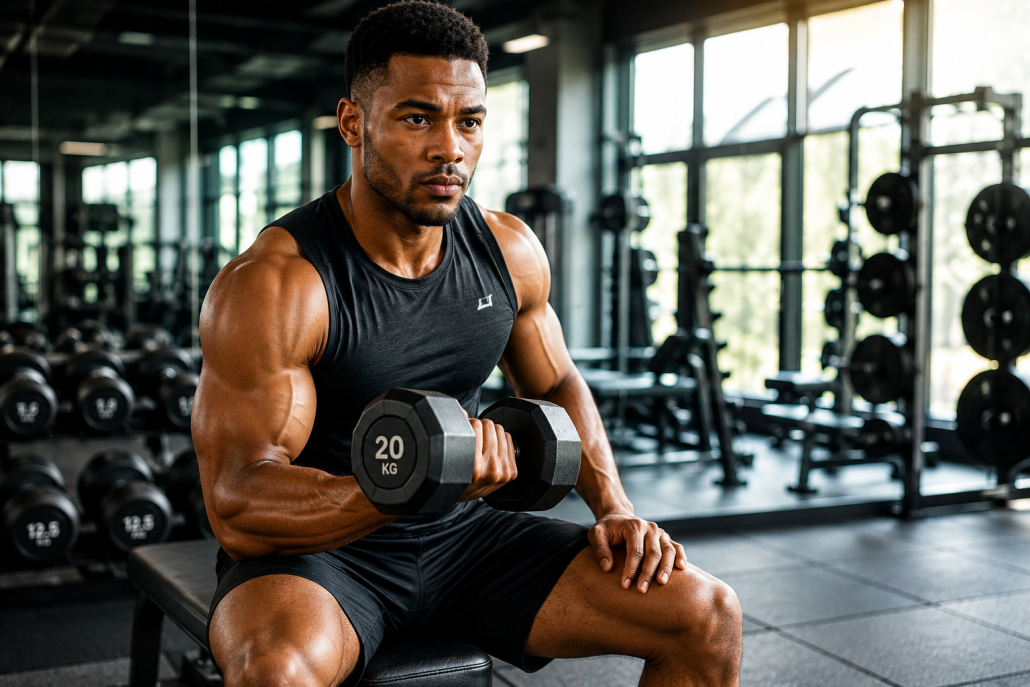
If you’ve hit a plateau in your fitness journey or feel like your regular workouts have become more of a chore than a challenge, you’re not alone. Many people struggle with workout fatigue, not because they’re tired, but because doing the same routines over and over again becomes monotonous. That’s where unconventional exercises come in. These lesser-known fitness techniques aren’t just fun and creative; they also target muscles you didn’t know existed and reignite your motivation to move.

In this post, we’ll dive into a wide variety of unusual exercises you’ve likely never tried before. From primal movement patterns to underwater resistance routines and dance-inspired drills, these methods will challenge your body and mind in new and exciting ways. What’s more, many of them require little to no equipment, making them perfect for home workouts or those who dislike the gym environment.

Whether you’re a seasoned athlete or a beginner looking for new ways to stay active, this guide will help you explore unique ways to move your body, prevent injuries, and stay engaged in your fitness journey. So, let’s jump into this world of hidden gems and transform the way you look at exercise forever!

Animal Flow Movements
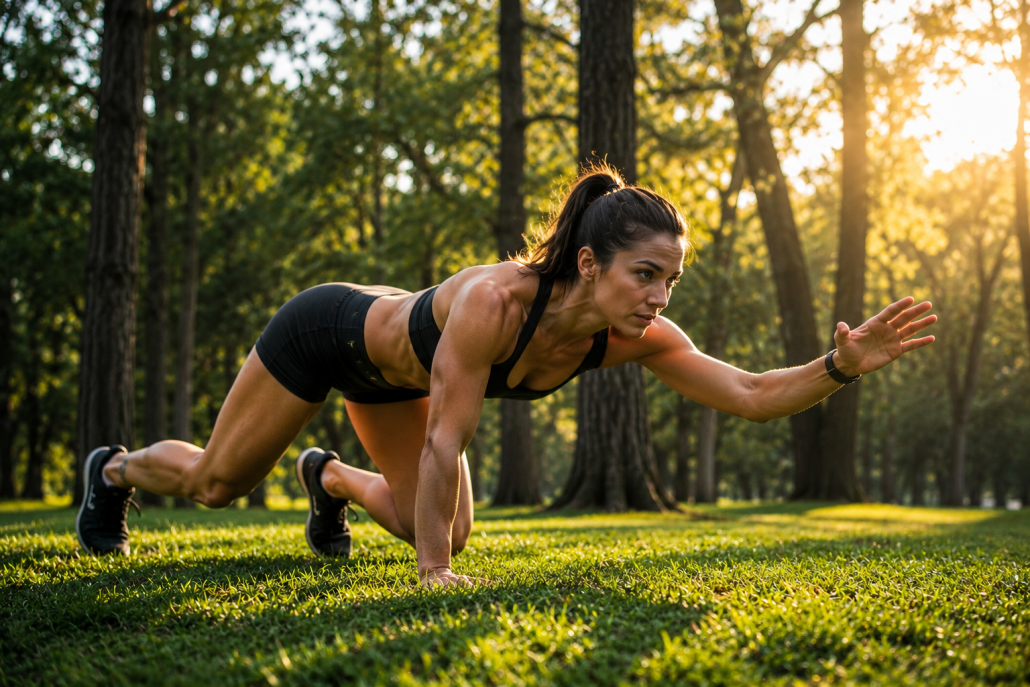
Animal Flow Movements

Have you ever imagined exercising by moving like an animal? That’s the core idea behind Animal Flow, a ground-based movement program inspired by the mobility and agility of animals in the wild. Combining elements of gymnastics, parkour, yoga, and breakdancing, Animal Flow workouts offer a challenging and highly effective way to build strength, flexibility, and coordination.

Animal Flow focuses on bodyweight exercises that emphasize full-body control, stability, and fluid motion. You’ll find yourself crawling like a bear, jumping like a frog, or slinking around like a lizard, all in the name of fitness. These movements engage your entire body, especially your core, shoulders, and hips. Because you’re constantly shifting your weight and engaging multiple muscle groups at once, your body learns how to move more efficiently and with greater control.

Beyond the physical benefits, Animal Flow also provides cognitive advantages. The need to think about sequences, timing, and transitions keeps your brain fully engaged. This is especially helpful for people who want to sharpen their mental focus while working out. Plus, these primal movements reconnect you with your body’s natural movement patterns, improving joint mobility and reducing the risk of injury.

Whether done as a warm-up, main workout, or active recovery routine, Animal Flow brings variety and excitement to your exercise regimen. It’s playful, intense, and best of all, you don’t need any special equipment to get started. Just clear a space, get on all fours, and unleash your inner beast.

Aqua Bag Training: Resistance Workouts with Water Power
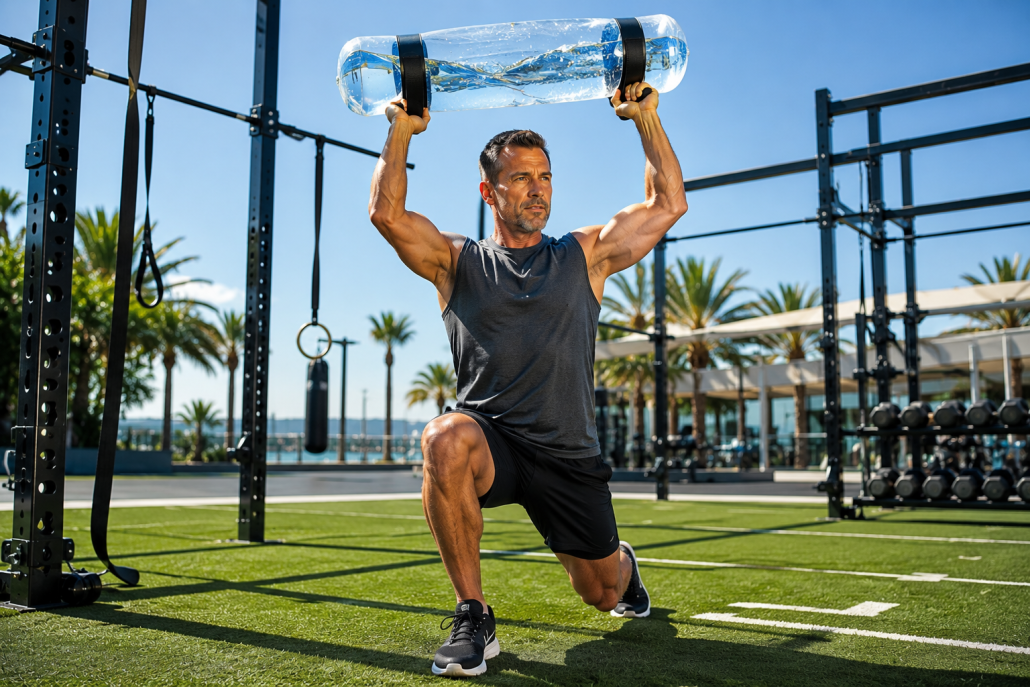
Aqua Bag Training: Resistance Workouts with Water Power

If you thought dumbbells and barbells were the only way to build strength, think again. Aqua bag training introduces a dynamic and unpredictable element into your workout using water-filled bags as resistance tools. Unlike traditional weights, the shifting water inside these bags forces your body to work harder to maintain balance and control.

Each movement with an aqua bag becomes a full-body experience. As the water sloshes around, your muscles respond to constant instability, activating your core, stabilizers, and smaller muscle groups that usually get overlooked. This makes aqua bags incredibly effective for functional strength training, especially if your goal is to improve coordination, athletic performance, or everyday movement patterns.

Additionally, aqua bag workouts are gentler on your joints due to their soft, fluid resistance. You’re less likely to get injured while still building solid muscle tone and strength. They are also versatile, you can squat, press, swing, twist, and lunge with them, mimicking real-life movements that translate to better balance and injury prevention.

Whether you’re an athlete recovering from injury or just want to shake up your fitness routine, aqua bag exercises can take your training to the next level. Not to mention, they’re portable and can be filled or emptied easily, making them ideal for home or travel workouts. With aqua bags, you don’t just lift, you adapt, adjust, and evolve with every movement.

Hula Hoop Fitness
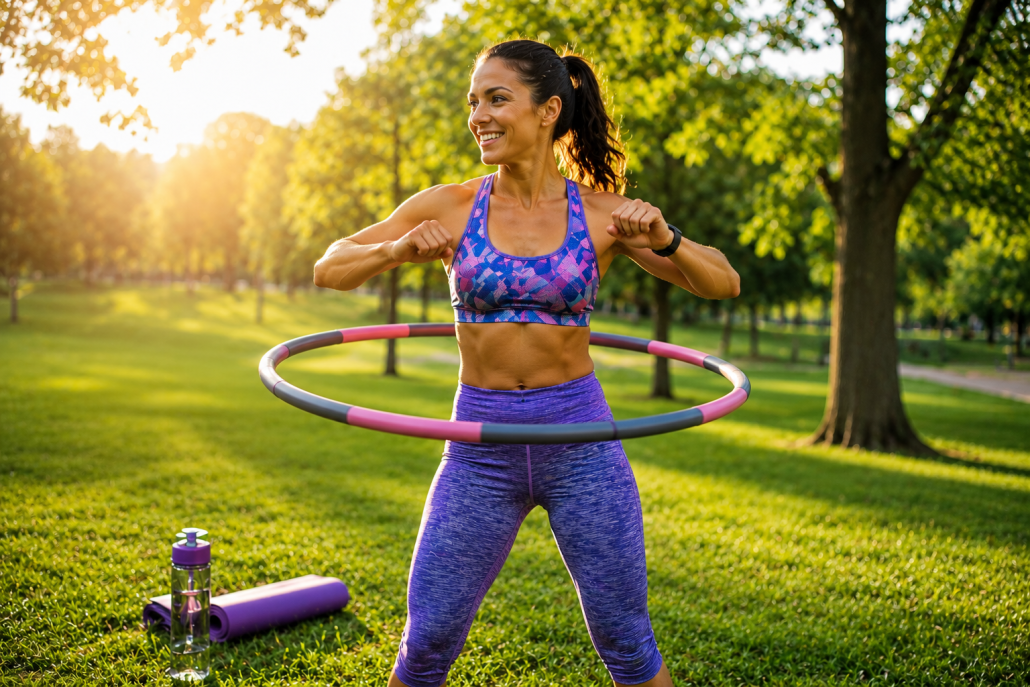
Weighted Hula Hoop Fitness Session

Hula hooping isn’t just for kids anymore. This retro toy has made a major comeback in the fitness world, now recognized as a powerful tool for burning calories, strengthening the core, and improving coordination. Hula hoop fitness combines dance, aerobics, and resistance training to deliver a high-energy workout that feels more like play than exercise.

Using a weighted fitness hoop, you can tone your abs, waist, and lower back muscles while also engaging your hips and legs. The rhythmic motion involved in hula hooping increases your heart rate and enhances cardiovascular health, making it a great option for anyone looking to spice up their cardio routine.

Modern hula hoop workouts often involve choreography, music, and even resistance exercises that incorporate arm movements, squats, and lunges. Plus, hula hooping enhances your body awareness and balance, which can help with posture and injury prevention. It’s especially useful for those who dislike traditional gym workouts but still want to stay active and burn fat.

What’s more, hula hooping can be done almost anywhere, in your living room, backyard, or at the park. All you need is a hoop, a bit of rhythm, and a willingness to let loose and have fun. So, why not twist your way to fitness with this surprisingly effective and entertaining exercise?

Sandbag Workouts
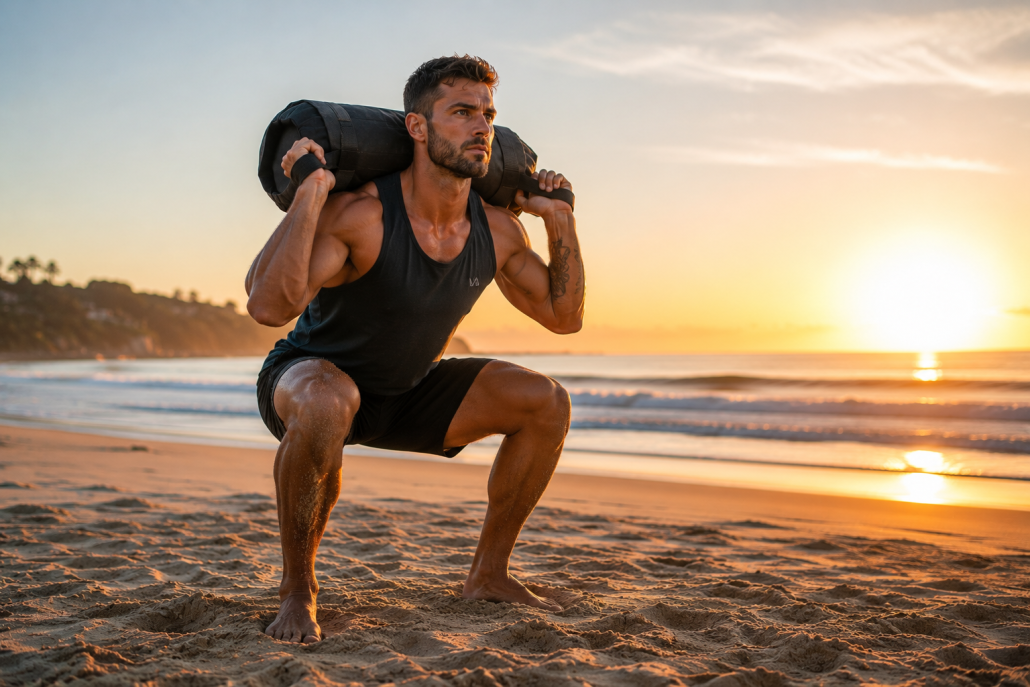
Sandbag Workouts

Sandbags are one of the most underrated and underused pieces of fitness equipment. They may look simple, but they offer a level of unpredictability and versatility that rivals traditional gym weights. Unlike dumbbells or barbells, sandbags shift and move as you lift them, forcing your muscles to work harder to stabilize your body.

This makes sandbag training an excellent tool for developing functional strength, the type of strength you need for real-life movements, like lifting a child, carrying groceries, or moving furniture. Sandbag workouts target major muscle groups like the glutes, quads, hamstrings, back, and core while also engaging your stabilizing muscles in every rep.

Because of their awkward shape and shifting weight, sandbags improve grip strength, balance, and total-body coordination. They’re ideal for compound movements such as cleans, carries, presses, and squats. Plus, they can be used in high-intensity interval training (HIIT) for an extra calorie burn.

Another benefit of sandbags is accessibility. You can make your own at home with a duffle bag and filler material, or invest in a commercial version. Either way, this rugged training tool is perfect for those who want a raw, functional, and effective alternative to gym-based equipment.

Trampoline Training
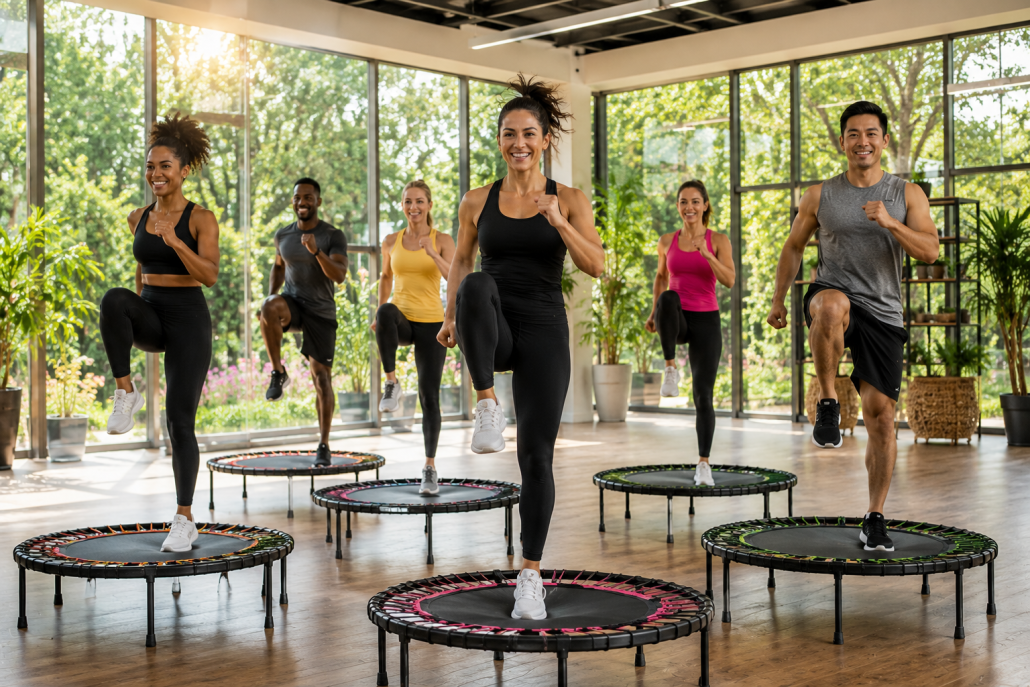
Trampoline Training

Rebounding, also known as trampoline training, might sound like child’s play, but it’s actually one of the most effective low-impact cardiovascular exercises you can do. Using a small rebounder (mini trampoline), you can perform high-energy workouts that are easy on the joints while delivering impressive health benefits.

Each bounce creates a brief moment of weightlessness followed by a quick impact, stimulating your lymphatic system, improving circulation, and enhancing cellular detoxification. This makes rebounding a great choice not only for fitness but also for improving immune function and overall wellness.

Trampoline workouts also enhance balance, coordination, and leg strength. The unstable surface forces your body to stabilize with every jump, engaging your core and leg muscles in a unique way. You can jump, jog, twist, and dance, or even integrate resistance bands and light weights for a full-body experience.

Unlike running or plyometrics, rebounding provides a fun and gentle alternative for those with joint issues or arthritis. It’s suitable for all ages and fitness levels, and just 15–20 minutes a day can lead to noticeable improvements in energy, endurance, and even mood.

So if you’re looking for a creative way to boost your heart rate, torch calories, and smile while you sweat, trampoline fitness is your next big bounce forward.

Nordic Walking

Nordic Walking

Think walking is too simple to be a real workout? Nordic walking proves otherwise. Originating in Finland, this outdoor exercise uses specially designed poles to turn a basic walk into a full-body workout that engages your arms, shoulders, chest, and core, not just your legs.

By using poles to push off with each step, you’re increasing intensity and burning up to 46% more calories compared to regular walking. It also improves posture and stability, making it an excellent option for older adults or anyone recovering from injury. Because it’s low-impact, Nordic walking is gentle on the joints while still offering aerobic and muscular benefits.

What’s more, it allows you to explore nature while getting a better workout. You can do it in parks, on hiking trails, or around your neighborhood. The poles help propel your body forward, leading to longer strides, increased cardiovascular effort, and improved upper-body strength.

Nordic walking is more than just a physical activity, it’s a mind-body experience. The rhythm of the poles and the fresh air create a meditative element that helps relieve stress and improve mental clarity. If you’re bored of treadmills and indoor routines, this nature-infused fitness method may be just what you need.

Slacklining: Master Balance and Core Stability
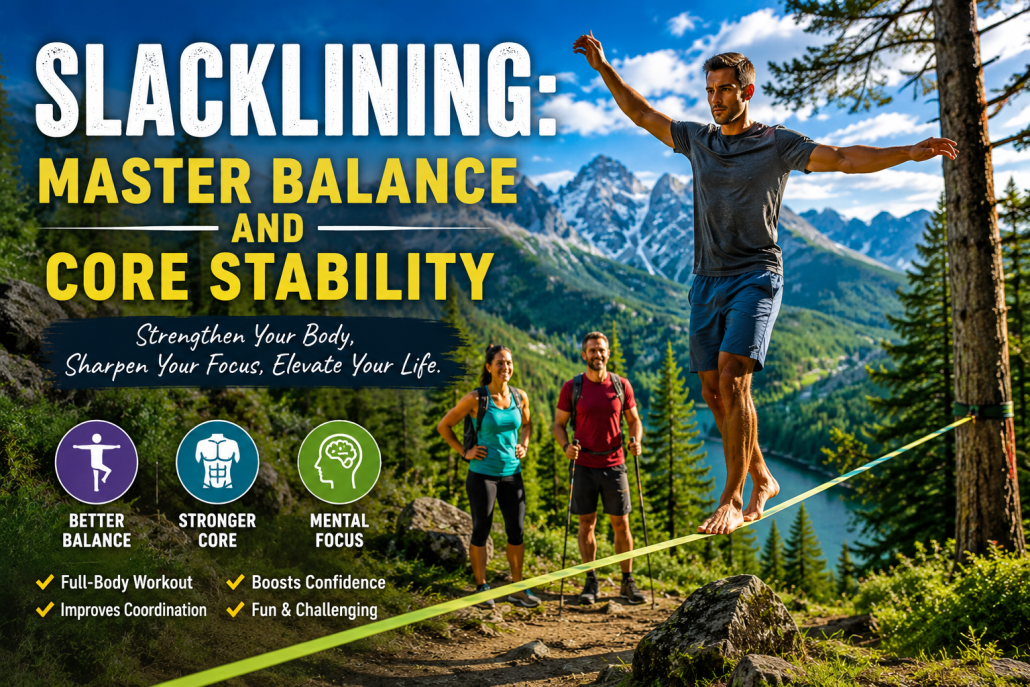
Slacklining: Master Balance and Core Stability

Slacklining is an unconventional yet highly effective exercise for improving core strength, balance, and focus. It involves walking or balancing on a narrow, flexible line anchored between two points, typically trees. Although it may seem daunting at first, it’s surprisingly accessible with a little practice and provides a serious workout.

What makes slacklining so beneficial is the constant engagement of your stabilizer muscles. Every slight movement challenges your core, hips, legs, and even your upper body as you fight to maintain balance. This not only strengthens your entire body but also improves coordination and mental concentration.

Beyond fitness, slacklining can be deeply meditative. It demands mindfulness and present-moment awareness, similar to yoga or tai chi. In fact, many practitioners incorporate breathing exercises and meditative focus into their slacklining sessions.

The best part? You can set up a slackline almost anywhere, in a park, backyard, or open space. There are different difficulty levels, from basic lines for beginners to advanced tricklines for those seeking a bigger challenge.

If you’re looking for a mental and physical exercise that breaks all the rules of traditional workouts, slacklining might just be your new favorite fitness obsession.

Final Thoughts

Traditional workouts will always have their place, but the key to staying motivated and achieving long-term success in fitness is variety. By stepping outside your comfort zone and trying unconventional exercises, you not only challenge your body in new ways but also make fitness enjoyable again. Whether it’s bouncing on a trampoline, crawling like a beast, or balancing on a slackline, these creative workouts can help you build strength, burn fat, and sharpen your mental focus  all while having a blast.

You don’t have to abandon your current routine entirely. Instead, try incorporating one or two of these unusual exercises into your weekly schedule. Over time, you’ll notice improvements in areas that traditional training often overlooks, such as balance, mobility, and functional strength. Plus, staying active will feel less like a burden and more like a lifestyle you genuinely enjoy.

So go ahead, experiment, play, and explore your fitness potential in unconventional ways. Your body (and mind) will thank you for it.

Frequently Asked Questions (FAQs)

Q1: Are these unconventional exercises suitable for beginners?
Yes, many of these exercises can be modified for beginners. Start with low intensity and shorter durations, then gradually increase difficulty as you become more comfortable.

Q2: Do I need special equipment for these unique workouts?
Some routines require minimal equipment like a hula hoop, sandbag, or slackline. Others, like Animal Flow, require nothing more than your bodyweight.

Q3: Can these unusual workouts help with weight loss?
Absolutely. Many of these exercises are high-energy and calorie-burning, especially when done in a circuit or combined with other training methods.

Q4: How often should I do these exercises?
Aim to integrate them 2–3 times a week into your routine, depending on your fitness goals. Mixing them with traditional workouts ensures balance and prevents overuse injuries.

Q5: Are these workouts safe for people with joint issues?
Low-impact options like rebounding, Nordic walking, and aqua bag training are particularly joint-friendly. Always consult with a medical professional before starting a new fitness regimen if you have health concerns.

 

Yoga

Yoga

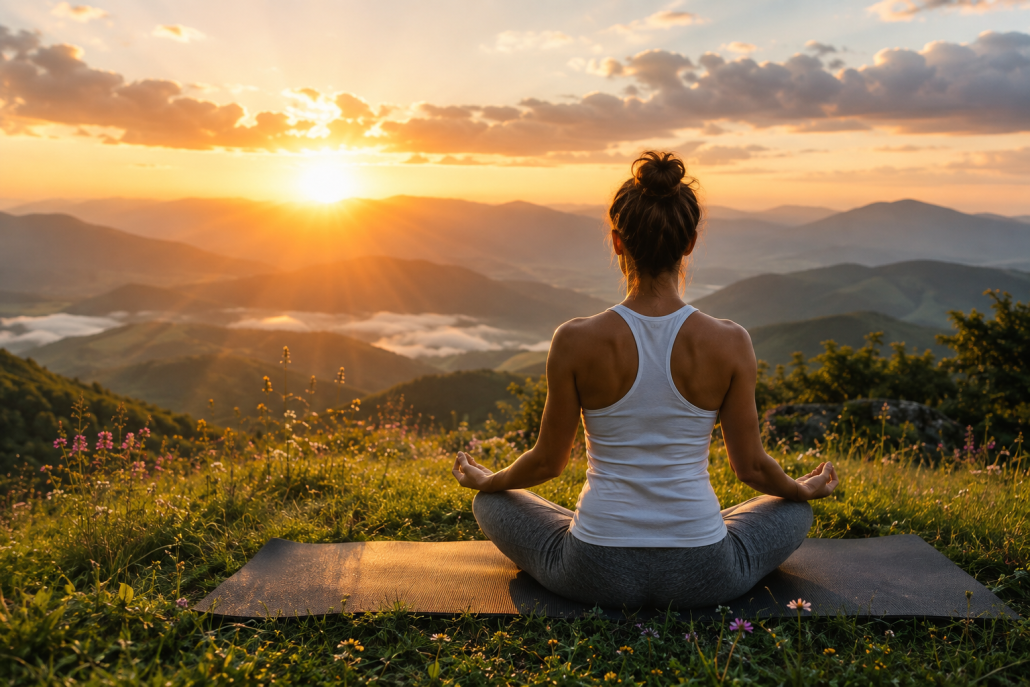
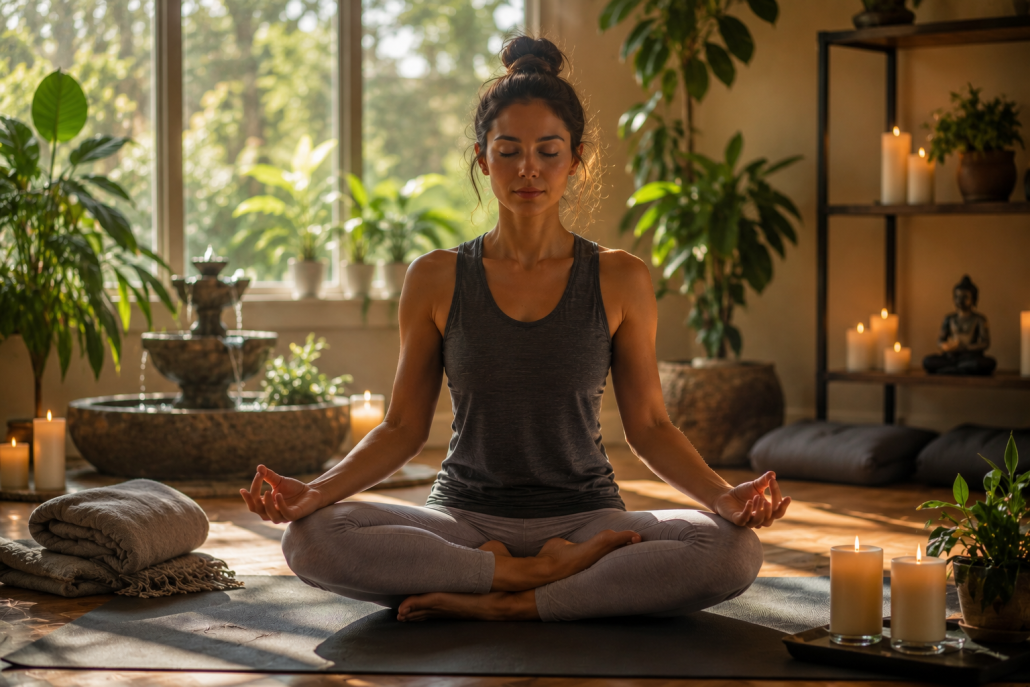
Yoga is not just a fitness routine; it’s a way of living that connects the body, mind, and soul. Rooted in ancient Indian tradition, yoga has become a global practice embraced for its profound physical, mental, and emotional benefits. From stress relief and increased flexibility to spiritual awakening, yoga offers something for everyone, regardless of age, fitness level, or experience. In this in-depth guide, we’ll explore how yoga can improve your well-being and lead you toward a more balanced life.

What Is Yoga? 

What is yoga?

Yoga is more than stretching on a mat. It’s a philosophy, a science, and a lifestyle that promotes harmony between the mind, body, and spirit. Originating in India over 5,000 years ago, the word “yoga” comes from the Sanskrit root “yuj,” meaning “to unite.” It signifies the union of individual consciousness with universal consciousness.

The traditional components of yoga include asanas (postures), pranayama (breathing techniques), dhyana (meditation), and ethical disciplines such as the Yamas and Niyamas. While modern yoga often focuses on physical postures, the deeper purpose of yoga is to still the mind and reach inner peace.

From Hatha to Vinyasa, from Kundalini to Yin yoga, the styles are diverse but united by a common goal, wellness, balance, and mindfulness. Whether you’re a beginner or a seasoned yogi, practicing yoga regularly fosters self-awareness, reduces stress, and cultivates inner clarity. Over time, it becomes a transformative journey, one that goes far beyond the physical body.

The Physical Benefits of Yoga

The Physical Benefits of Yoga

When it comes to physical health, yoga is one of the most holistic practices available. Unlike high-impact workouts that focus solely on muscle gain or cardio, yoga targets the entire body, muscles, joints, ligaments, internal organs, and even the nervous system.

One of the most noticeable physical benefits is increased flexibility. With consistent practice, tight muscles begin to lengthen, and stiff joints become more mobile. As flexibility improves, so does posture and body alignment, reducing the risk of injuries and chronic pain.

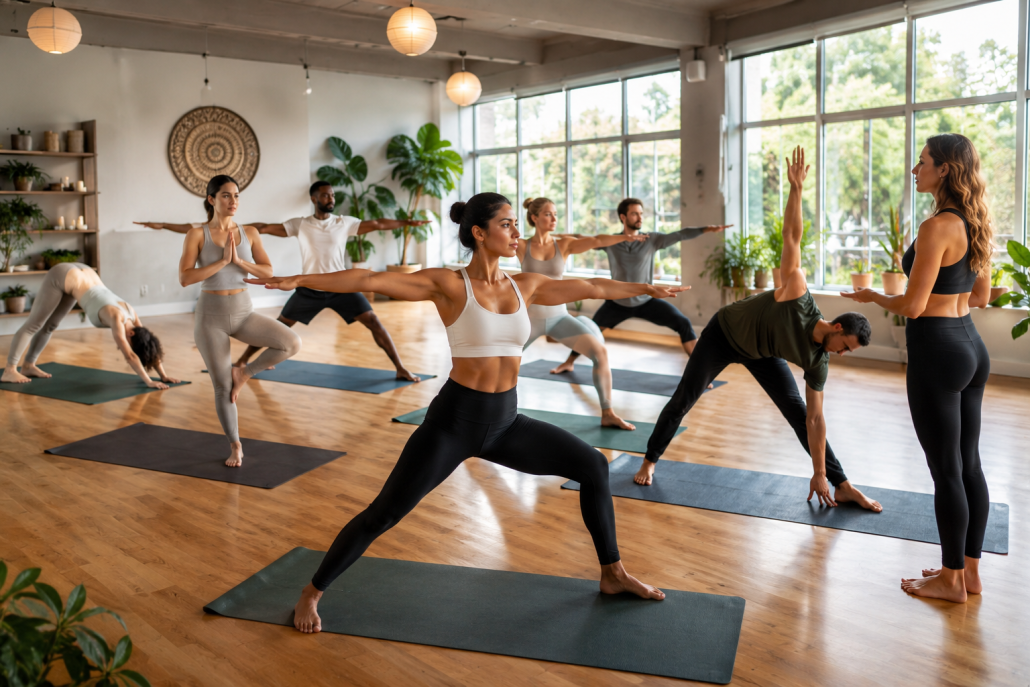
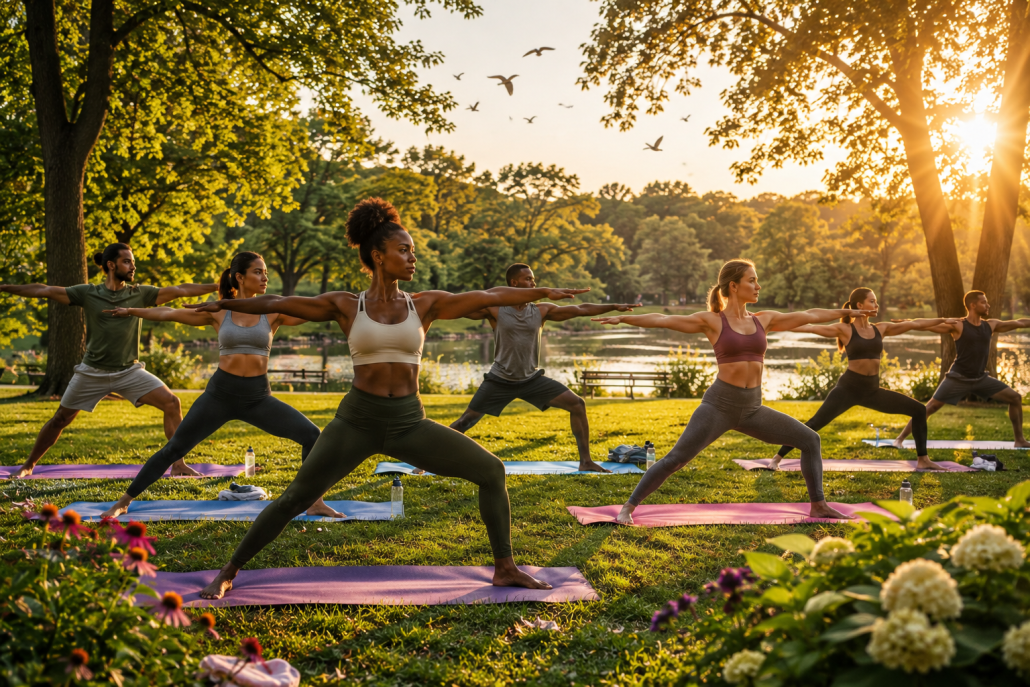
Yoga also builds muscle strength in a balanced way. Poses like Downward Dog, Warrior, and Plank engage core muscles, arms, legs, and back. Unlike weightlifting, which isolates muscle groups, yoga encourages functional strength, improving balance and coordination.

Beyond strength and flexibility, yoga enhances circulation, boosts immunity, and supports heart health. The flow of blood improves as the body twists, stretches, and inverts. This helps oxygenate cells, reduce inflammation, and remove toxins.

Moreover, regular yoga practice contributes to better digestion, improved metabolism, and a more energized body. It truly is a natural, preventive medicine that keeps the body in its optimal state.

Mental and Emotional Benefits

Mental and Emotional Benefits

One of yoga’s greatest gifts is its ability to soothe the mind. In a world filled with deadlines, distractions, and constant stimulation, yoga offers a pause button, a moment to breathe, center yourself, and find calm in the chaos.

The practice of mindful breathing (pranayama) and meditation calms the nervous system and lowers cortisol levels, reducing anxiety and depression. Whether it’s through the rhythmic flow of Vinyasa or the stillness of Yin yoga, the focus on breath creates a meditative state that promotes mental clarity.

Yoga helps regulate emotions by activating the parasympathetic nervous system, which promotes relaxation. With regular practice, individuals often report a greater sense of emotional stability, patience, and self-awareness. It cultivates resilience, the ability to remain calm and centered even when life becomes challenging.

For those struggling with insomnia, trauma, or burnout, yoga offers therapeutic healing. Techniques such as Yoga Nidra, a guided meditative practice, have been shown to help the brain enter deep states of rest, leading to emotional recovery and inner peace.

In essence, yoga is not just exercise for the body, it’s nourishment for the soul. It teaches you how to observe your thoughts without judgment and reconnect with the present moment.

Types of Yoga

With so many yoga styles available today, it can be overwhelming to choose the right one. Each style has a unique rhythm, focus, and benefit, making it easier for everyone to find a practice that suits their goals and lifestyle.

  • Hatha Yoga: This is a gentle, foundational practice focusing on basic postures and breathing techniques. It’s ideal for beginners and those seeking a slow, mindful experience.
  • Vinyasa Yoga: Often called “flow yoga,” Vinyasa links breath with movement in a dynamic sequence. It’s energizing, fluid, and great for improving stamina.
  • Ashtanga Yoga: A more rigorous form of yoga with a fixed sequence of poses. It builds strength, discipline, and flexibility over time.
  • Yin Yoga: This is a meditative, slow-paced practice where poses are held for several minutes. It targets deep connective tissues, making it ideal for stress relief and joint health.
  • Kundalini Yoga: A spiritually focused practice that combines postures, chanting, breathing, and meditation to awaken inner energy.
  • Restorative Yoga: Designed for deep relaxation, this style uses props to support the body in passive poses. It promotes healing and stress release.

By experimenting with different styles, you can discover what resonates with your body and mind. The beauty of yoga lies in its versatility, there’s a practice for every age, goal, and energy level.

Breathing and Meditation

While postures are the most visible aspect of yoga, the real transformation often begins with the breath. Pranayama, or yogic breathing, is the bridge between the body and mind. Through breath control, practitioners can calm the nervous system, regulate emotions, and awaken life energy (prana).

Popular pranayama techniques include:

  • Nadi Shodhana (Alternate Nostril Breathing): Balances energy and calms the mind.
  • Kapalabhati (Skull-Shining Breath): Detoxifies and energizes the body.
  • Ujjayi (Ocean Breath): Creates internal heat and enhances focus during poses.

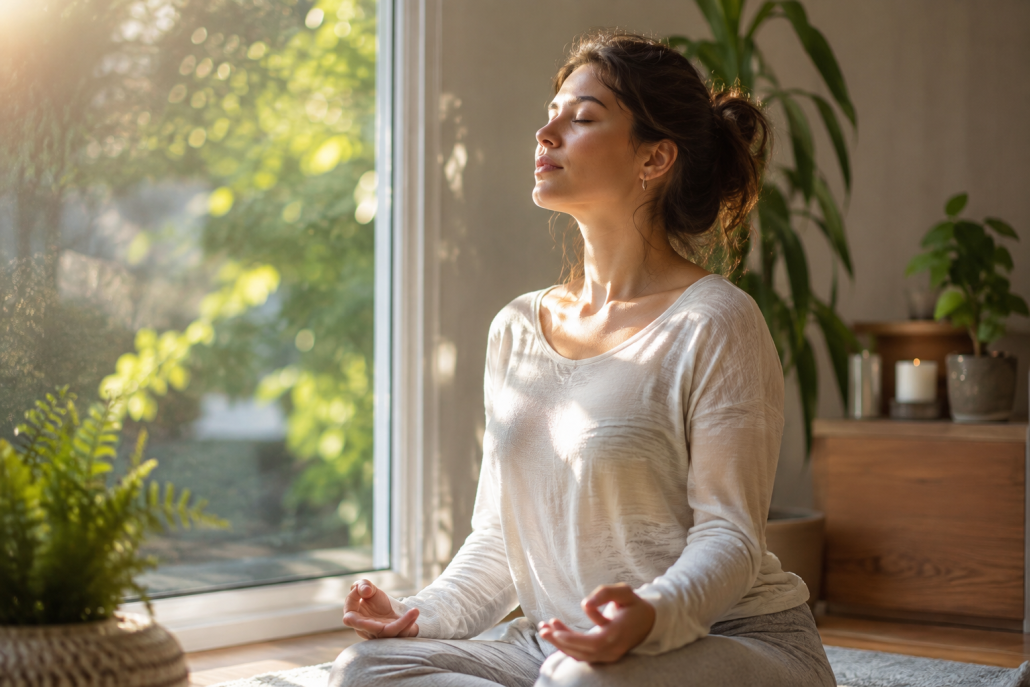
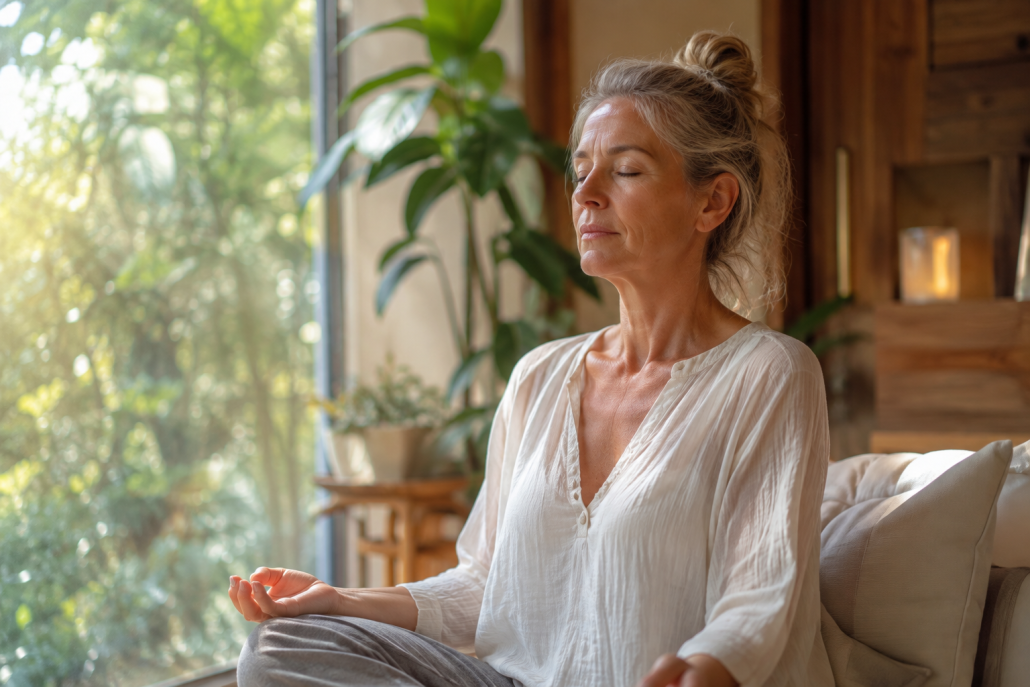
Breathing paves the way for meditation, or dhyana. Meditation involves focusing the mind, letting go of distractions, and cultivating awareness. Even a few minutes of meditation each day can reduce anxiety, improve sleep, and increase mental clarity.

Together, pranayama and meditation form the core of yoga’s mental and spiritual benefits. They are tools for self-regulation, introspection, and connection to higher consciousness.

Yoga for Every Body

Yoga for Every Body

One of the most beautiful aspects of yoga is its inclusivity. You don’t need to be young, thin, or athletic to practice yoga. In fact, yoga celebrates the body you have, just as it is, while helping you unlock its full potential.

  • For Seniors: Gentle yoga practices improve balance, joint mobility, and mental alertness. Chair yoga or restorative yoga can provide safe options for older adults.
  • For Children: Yoga fosters emotional intelligence, focus, and confidence in kids. Through playful movement and breathing, they learn self-control and mindfulness.
  • For Plus-Size Bodies: Body-positive yoga breaks stereotypes by showing that yoga is not about size, it’s about presence. Adaptive poses and props can make any class accessible.
  • For People with Disabilities: Wheelchair yoga and guided yoga therapy allow individuals with mobility challenges to enjoy the benefits of the practice.

By honoring individual needs and removing judgment, yoga becomes a safe and empowering space for every body, truly reflecting its original spirit of unity and acceptance.

Creating a Sustainable Yoga Practice

Starting a yoga practice is exciting, but staying committed can be a challenge. The key to long-term success is consistency, adaptability, and joy. Here’s how to make yoga a lifelong habit:

1. Set Realistic Goals

Start with a few days a week. Aim for 15–30 minutes, and gradually increase as your body adjusts.

2. Create a Sacred Space

Designate a quiet area for your practice, even if it’s just a corner with a mat and candle.

3. Choose the Right Time

Morning practices energize the day, while evening sessions promote relaxation. Pick what works best for your schedule.

4. Mix It Up

Try different styles or teachers to keep the practice fresh and inspiring.

5. Track Your Progress

Use a journal or app to note your experiences and improvements.

6. Practice Self-Compassion

You don’t need to be perfect. Honor your limits and celebrate your journey.

The more enjoyable and meaningful your practice becomes, the more natural it will feel to roll out your mat each day.

The Spiritual Side of Yoga

Yoga’s spiritual essence often gets overshadowed by its physical benefits, yet it remains a profound path to self-realization and spiritual awakening. At its heart, yoga is a tool to transcend the ego, quiet the mind, and connect with the divine, however one defines it.

Spiritual yoga emphasizes concepts like:

  • Detachment (Vairagya): Letting go of what doesn’t serve your higher purpose.
  • Self-Inquiry (Svadhyaya): Reflecting on your beliefs, thoughts, and patterns.

  • Union with the Divine (Samadhi): Experiencing bliss and oneness with the universe.

Chanting mantras, practicing devotion (Bhakti Yoga), or following yogic philosophy (Jnana Yoga) can deepen this spiritual connection.

Whether you’re seeking inner peace, divine guidance, or a sense of purpose, yoga offers a sacred path toward fulfillment and meaning.

Transformed Through Yoga

Around the world, millions have experienced life-changing transformation through yoga. From recovering addicts and trauma survivors to corporate professionals and stay-at-home parents, yoga has touched lives in extraordinary ways.

Many find healing from chronic pain, anxiety, or depression. Others discover strength they never knew they had, both physically and emotionally. Some embrace yoga as a spiritual calling, dedicating their lives to teaching and service.

What unites all these stories is one truth: Yoga is a journey inward. It teaches you to face your fears, embrace your body, and awaken your truth. In doing so, it empowers you to live with greater freedom, love, and authenticity.

Yoga is not a destination, it’s a journey. A journey that begins on a mat and continues into every corner of your life. As you cultivate awareness, compassion, and resilience, you start living more fully and more mindfully.

Whether you practice once a week or every day, in a studio or at home, in silence or to music,every moment spent in yoga is a step toward your best self.

So take a deep breath, unroll your mat, and begin. Your mind, body, and spirit will thank you.

Frequently Asked Questions About Yoga

1. Can beginners do yoga without prior experience?

Absolutely! Yoga is for everyone. Start with beginner classes or online videos, and go at your own pace. Listen to your body and be patient with the process.

2. How often should I practice yoga to see results?

Practicing 2–3 times a week can bring noticeable benefits within a few weeks. Daily practice, even if short, enhances flexibility, focus, and emotional well-being.

3. Do I need to be flexible to start yoga?

Not at all. Flexibility is a result of yoga, not a requirement. Yoga meets you where you are, helping you gradually improve over time.

4. What’s the best time of day to practice yoga?

Morning yoga energizes you, while evening yoga promotes relaxation. The best time is whenever you can consistently practice without distractions.

5. Is yoga a religious practice?

Yoga is spiritual but not religious. It’s a personal journey that can align with any faith or belief system, or simply be practiced for its health benefits.

6. What equipment do I need for yoga?

A yoga mat is essential. Optional props include blocks, straps, bolsters, and a blanket. Comfortable clothing and an open mind are also important!


Skipping for Weight loss

Skipping for Weight Loss, Stamina, and Strength

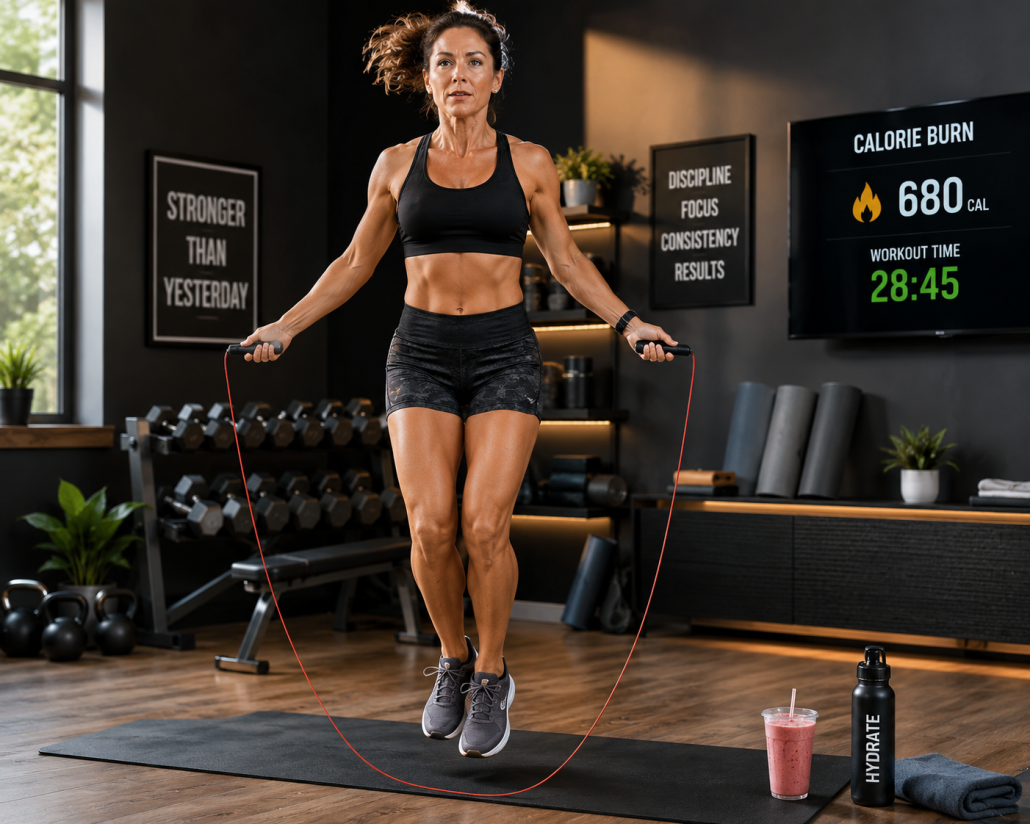
Skipping isn’t just child’s play anymore, it’s an underrated full-body workout that burns calories, builds muscle, boosts cardiovascular health, and even enhances coordination. If you’re looking for a fun, affordable, and highly effective way to shed fat, build stamina, or break a fitness plateau, it’s time to grab a jump rope. This post dives deep into how skipping, also known as jump rope training, can transform your fitness routine and life.

The Rise of Skipping Workouts

The Rise of Skipping Workouts

Jump rope exercises, once seen as playground activities, are now a powerhouse part of many training regimens. In recent years, skipping has surged in popularity among fitness enthusiasts, athletes, and even beginners who want results without an expensive gym membership. But why the sudden buzz?

Skipping is a high-intensity cardiovascular workout that not only burns a significant amount of calories in a short time but also strengthens the heart and improves agility. It’s an ideal workout for people on the go, requiring nothing more than a rope and some space. It suits various fitness levels, whether you’re just starting or you’re an elite athlete looking to fine-tune your conditioning.

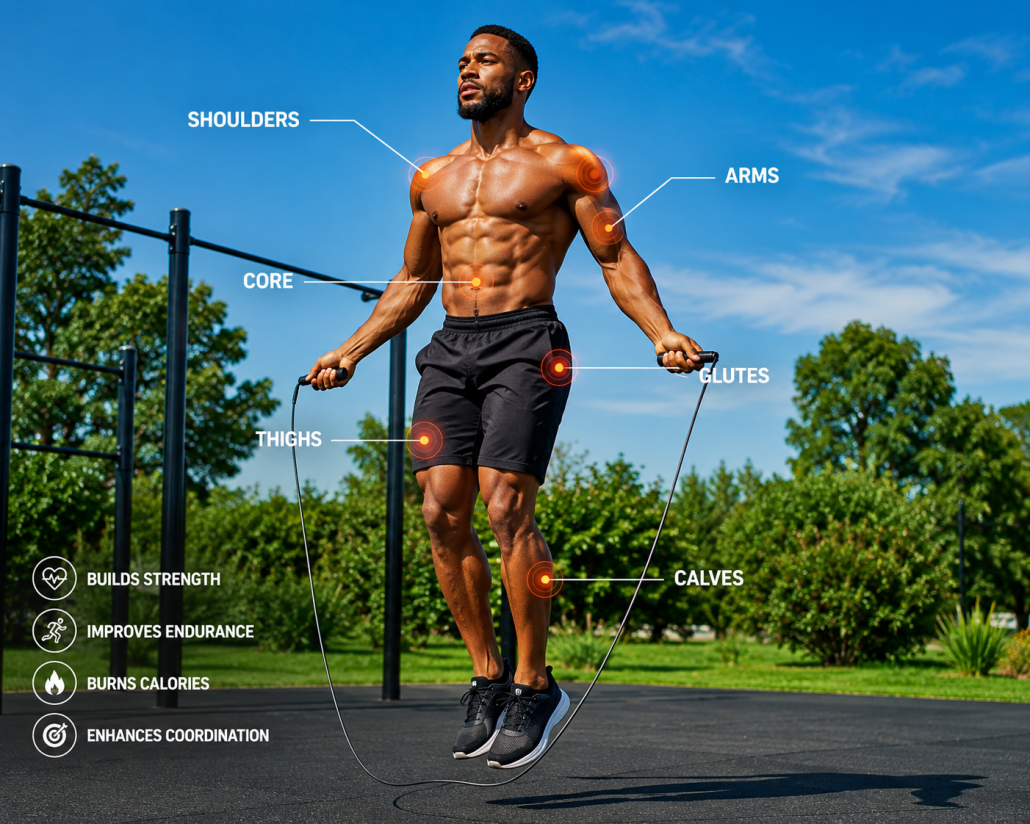
Moreover, skipping activates multiple muscle groups simultaneously. Your calves, quads, hamstrings, glutes, core, shoulders, and forearms all get involved. This level of muscle engagement contributes to improved overall tone and strength. Additionally, it’s low-maintenance and scalable. You can do it in your living room, backyard, park, or even while traveling.

As health-conscious lifestyles rise and people seek affordable, time-saving fitness solutions, skipping easily fits the bill. This resurgence in popularity isn’t just a trend, it’s a return to one of the most efficient, enjoyable ways to get fit.

Benefits of Skipping Daily

Benefits of Skipping Daily

Why Skipping Rope Daily Supercharges Weight Loss and Cardio Health?

Skipping for just 15–30 minutes a day can dramatically improve your physical condition. One of its major perks is its calorie-burning potential. Studies show that skipping can burn up to 15 calories per minute, which is more than running, swimming, or cycling at moderate intensity.

The cardiovascular benefits are equally impressive. Jump rope workouts elevate your heart rate quickly and keep it elevated, training your heart to become more efficient. Over time, you’ll find your stamina increasing, your resting heart rate dropping, and your overall endurance improving.

It also sharpens balance and coordination. Because skipping demands timing, rhythm, and bilateral movement, it stimulates neural communication between the brain and muscles, enhancing cognitive sharpness along with motor skills. That makes it a perfect exercise for both physical and mental agility.

Moreover, skipping strengthens bones by stimulating bone density. The impact forces involved in jumping help increase bone strength and reduce the risk of osteoporosis later in life, especially in women.

Lastly, skipping boosts metabolism and keeps it elevated long after your workout ends. This after-burn effect (known as excess post-exercise oxygen consumption or EPOC) means you continue burning calories even while resting—making it a smart choice for sustained fat loss.

Skipping for Weight Loss

Skipping for Weight Loss

Use Skipping as Your Fat-Burning Secret Weapon

If you’re trying to lose weight, skipping should be on your radar. It combines aerobic and anaerobic activity, making it a highly efficient fat-burning exercise. A regular skipping routine paired with a balanced diet can lead to significant weight loss in just weeks.

High-intensity jump rope intervals (HIIT-style) can accelerate fat loss while preserving muscle mass. For instance, alternating 30 seconds of fast skipping with 30 seconds of rest for 15–20 minutes mimics the structure of effective HIIT workouts. These routines challenge your cardiovascular system, ignite your metabolism, and produce long-lasting calorie-burning effects.

Unlike other forms of cardio that can feel monotonous, skipping can be varied with different footwork, rhythms, and styles, like double-unders, criss-crosses, or high-knees, making it engaging and sustainable. Skipping also boosts your motivation with quick visible results, which is key when trying to stay consistent on a weight loss journey.

The simplicity of jump rope workouts allows you to easily integrate them into your daily routine. Morning, lunchtime, or evening, whenever you have 15–20 minutes, a skipping session can fit in.

How Skipping Builds Endurance and Strengthens Your Heart

How Skipping Builds Endurance and Strengthens Your Heart

Jump Rope for Cardiovascular Endurance, Stronger Lungs, and a Healthier Heart

If you’ve been running on treadmills or cycling without much improvement in stamina, skipping might be the change you need. Skipping trains the aerobic system intensely, increasing your heart and lung capacity, which enhances overall stamina and physical endurance.

Each jump increases heart rate, encourages deep breathing, and improves oxygen delivery to the muscles. Over time, this strengthens the heart muscle, improves circulation, and helps regulate blood pressure. Unlike some exercises that put too much strain on the joints, skipping, when done with proper form, offers a relatively joint-friendly way to train the heart.

The rhythmic jumping also stabilizes breathing patterns and teaches your body to use oxygen more efficiently. This not only boosts performance in other sports or workouts but also helps you feel more energetic throughout the day.

Incorporating endurance-style skipping (e.g., continuous skipping for 10 minutes without stopping) into your weekly fitness routine can transform your physical conditioning in just a few weeks.

Improve Coordination, Agility, and Balance Through Skipping Exercises

Improve Coordination, Agility, and Balance Through Skipping Exercises

Why Skipping is the Ultimate Brain and Body Coordination Workout:

Skipping might seem simple, but it’s one of the most coordination-heavy exercises you can do. It involves timing your hands and feet to move in harmony, maintaining rhythm, and adjusting pace in real time, all of which enhance neuromuscular control.

This is especially beneficial for athletes, dancers, and martial artists who need fast feet, quick reflexes, and agile movement. Skipping helps sharpen proprioception, the body’s awareness of its position in space, which improves balance and reduces injury risks.

Beginners may struggle with skipping at first, often tripping over the rope. But this is actually part of the training process. Every failed rep trains your brain and muscles to synchronize better. Eventually, you’ll be able to do advanced skipping drills like side swings, crossovers, or boxer steps with ease.

The brain-body connection developed through skipping translates into better performance in other daily activities and sports. Whether you’re chasing a bus, hiking a trail, or dancing at a wedding, the improved balance and coordination make your body more responsive and agile.

Skipping for Muscle Toning and Lower Body Strength

Skipping for Muscle Toning and Lower Body Strength


Tone Legs, Sculpt Abs, and Build Lean Muscle with Every Jump

One of the lesser-known benefits of skipping is its ability to tone and sculpt the body, especially the legs, core, and shoulders. With every jump, your calves contract explosively to lift your body, while your core stabilizes your posture, and your shoulders guide the rope movement.

Over time, this repetitive engagement strengthens and defines these muscle groups. Unlike traditional weight training, skipping relies on bodyweight resistance and dynamic movement, which builds lean, functional muscle rather than bulk.

If you’re looking for strong, shapely legs, skipping is especially effective. It activates the calves, hamstrings, and glutes with every bounce. You’ll also notice tighter abs as your core muscles work overtime to keep you upright and balanced.

Combining skipping with resistance exercises or bodyweight circuits can provide a complete, balanced routine for building strength and endurance.

How to Get Started With Skipping

Skipping rope

Getting started with skipping is incredibly easy. All you need is a decent jump rope (preferably adjustable and lightweight), comfortable shoes, and a flat, non-slip surface. Here’s how to ease into it:

1. Choose the right rope: For beginners, a PVC speed rope is often the best option. Make sure the rope reaches your armpits when stepped on with one foot.

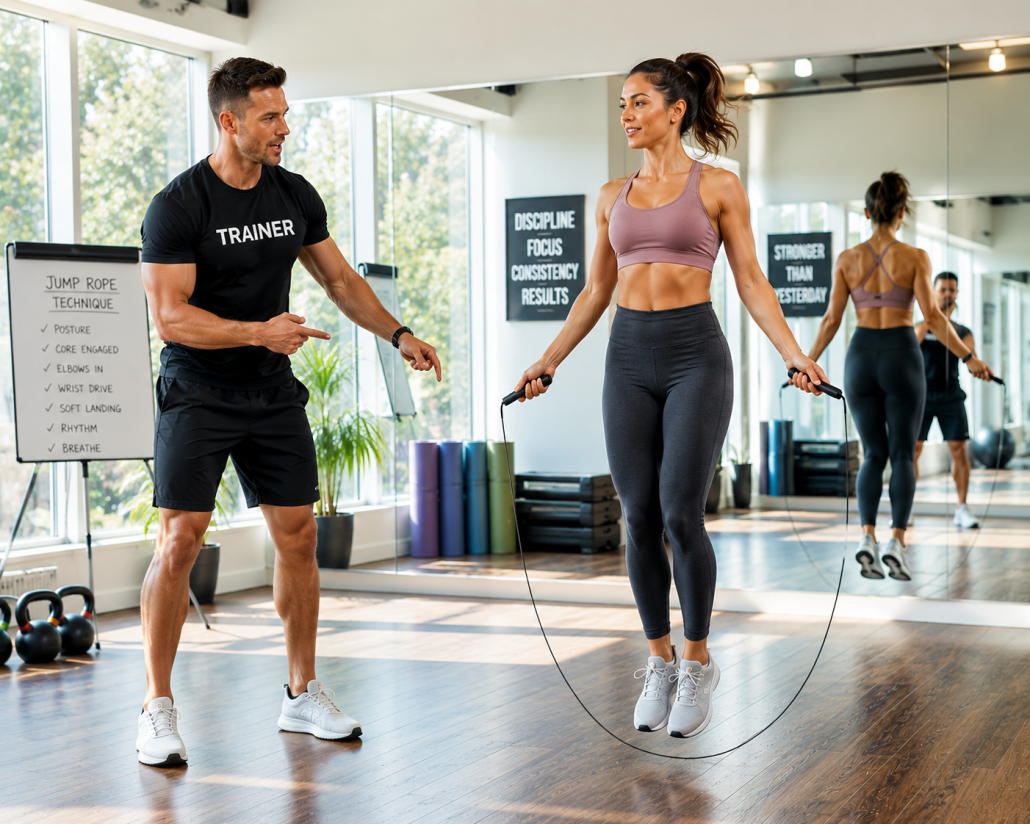
2. Master the form: Stand upright, elbows close to your body, knees slightly bent, and wrists controlling the rope. Jump just high enough to clear the rope, no more than 1–2 inches off the ground.

3. Start slow: Begin with short 30-second intervals and gradually build up to 10–20 minutes per session as your coordination improves.

4. Wear the right footwear: A pair of cushioned, supportive shoes (like running shoes) helps reduce joint impact and offers better grip.

5. Warm up and cool down: As with any workout, always prepare your body with stretches and dynamic movements before jumping rope, and follow up with stretches to aid recovery.

Fun Skipping Variations to Keep Your Workouts Fresh and Challenging

Once you’ve mastered basic skipping, there are countless variations to explore that challenge your coordination and fitness. Here are some exciting ones:

  • Boxer Step: A smooth, side-to-side shifting movement that reduces impact while increasing speed.
  • High Knees: Jump while bringing your knees to chest height for an intense core and cardio workout.
  • Criss-Cross: Cross your arms in front of you with each jump to engage your shoulders and improve timing.
  • Double Unders: Rotate the rope twice under your feet during one jump, a tough but rewarding challenge.
  • Side Swing to Jump: Swing the rope to one side before jumping to improve rhythm and coordination.

Mixing these into your routine not only prevents boredom but also keeps your muscles guessing, which promotes faster results and long-term consistency.

How Many Calories Does Skipping Burn? 

Skipping is one of the most calorie-dense exercises available. A 150-pound person can burn approximately 300–400 calories in just 30 minutes of skipping, more than walking, biking, or dancing in the same time frame.

Here’s how it stacks up:

  • Walking (30 minutes): ~150 calories
  • Running (30 minutes at 5 mph): ~250–300 calories
  • Cycling (moderate pace): ~250 calories
  • Skipping (moderate to intense): 300–450 calories

Because it combines both aerobic and anaerobic exertion, skipping not only burns calories during your workout but also ramps up your metabolism for hours afterward, increasing total energy expenditure.

Final Thoughts

Skipping is more than just an old-school playground activity, it’s a dynamic, full-body workout that offers fat loss, muscle tone, heart health, coordination, and stamina in one simple movement. Whether you’re a beginner or a seasoned athlete, a jump rope can revolutionize your fitness journey.

The versatility, portability, and cost-effectiveness of skipping make it one of the best all-around exercises you can adopt. Best of all, it’s fun, and fitness should always feel fun if it’s going to be a lifelong habit.

So go ahead, jump your way to better health, more energy, and a stronger body. All it takes is a rope and your commitment.

Frequently Asked Questions (FAQs)

1. How long should I skip rope to lose weight?

Aim for at least 15–30 minutes per day, 5 days a week. For maximum fat loss, try combining skipping with high-intensity interval training (HIIT) and a balanced diet.

2. Is skipping bad for the knees?

When done with proper form and footwear, skipping is safe for most people. However, if you have existing joint issues, consult a healthcare provider before starting.

3. Can skipping build abs?

Yes! Skipping engages your core muscles throughout the workout, helping tone your abs and strengthen your midsection.

4. What is the best time to do skipping?

Anytime that fits your schedule. Some people prefer morning workouts for an energy boost, while others skip in the evening to relieve stress.

5. Can skipping replace running?

Yes, skipping can offer similar or even better cardio and fat-burning benefits compared to running, especially when done at high intensity.


Mastering the Art of Effortless Swimming

Swimming is more than just a fun activity; it’s a life-saving skill, a powerful workout, and a meditative escape. When you watch a fish glide through water, it looks almost magical, swift, smooth, and natural. What if humans could swim with the same grace? In this blog post, we’ll explore how to “swim like a fish,” breaking down techniques, tips, training habits, and mindset shifts that transform you from a casual swimmer into a confident aquatic glider.

The Aquatic Advantage

The art of Swimming

Water is a unique environment. It offers resistance, buoyancy, and flow. Mastering how to move in it efficiently can dramatically enhance your swimming experience, making you faster, more relaxed, and less fatigued. Whether you’re swimming for fitness, fun, or competition, learning to swim like a fish gives you a major advantage.

When people first learn to swim, they often splash around with jerky movements, short breaths, and tired limbs. That’s not how a fish swims. Fish use their entire body in fluid motion, maximizing propulsion and minimizing drag. As swimmers, we can emulate these characteristics by focusing on form, breath control, body alignment, and rhythm. The good news? Anyone, yes, anyone, can learn to swim gracefully. It’s not about brute strength but technique, timing, and feel for the water.

Transitioning from a “splash and go” style to smooth, gliding strokes isn’t an overnight process, but it’s a journey that pays off. You’ll swim farther with less energy, reduce your risk of injury, and, most importantly, enjoy your time in the water more. Let’s break it down into simple, actionable steps.

Perfecting Posture and Alignment in Water for Fluid Motion

Perfecting Posture and Alignment in Water for Fluid Motion


Your body position is the foundation of effective swimming. Just like a fish stays level and streamlined, your body should float horizontally with minimal resistance. Poor posture creates drag and slows you down. The first step to swimming efficiently is to master your body alignment in the water.

Start by relaxing your neck and looking slightly downward. Avoid lifting your head to look forward, this can cause your hips to sink. Keep your head in a neutral position with ears aligned with your shoulders. Imagine a straight line running from the top of your head to your heels. Your spine should be long, and your core engaged. This alignment reduces drag and helps you glide smoothly.

A good tip is to perform the “superman glide” drill. Push off the wall in a streamlined position, arms extended, head tucked, and legs straight. Feel the glide before initiating any strokes. By developing this sense of balance and posture, you lay the groundwork for every swimming style you’ll use. With time, your muscles will remember this efficient position, and it will become second nature.

Streamlining Your Strokes

Swimming

There are several swim strokes, but the principles of efficiency and fluidity apply to them all. Whether you’re mastering freestyle, backstroke, breaststroke, or butterfly, your technique determines how effortlessly you move through water.

Let’s begin with freestyle, the most common stroke. To swim like a fish using freestyle, your stroke must be long, smooth, and rhythmic. Extend each arm fully, rotate your body slightly on each stroke, and maintain high elbows during recovery. Your hands should enter the water at shoulder width, and your fingertips should lead the motion. Kick from your hips, not your knees, in small, controlled movements.

For breaststroke, synchronization is key. Pull with a sweeping motion, draw your arms together, and then kick powerfully with your legs in a frog-like motion. Glide between strokes to minimize drag. In backstroke, keep your body flat, kick continuously, and allow your arms to move like windmills with controlled rotation. The butterfly stroke, while the most challenging, can be graceful when done correctly, it relies on a dolphin-like body undulation that propels you forward with rhythm and power.

Regardless of the stroke, remember: efficient swimmers don’t fight the water, they cooperate with it. Each movement should serve a purpose, and every stroke should flow into the next.

Breath Control and Timing in Swimming


Breathing is one of the biggest challenges swimmers face. Poor breathing leads to panic, fatigue, and poor technique. On the other hand, controlled, rhythmic breathing allows for endurance and calmness in the water, just like the steady gill motion of a fish.

In freestyle, one of the best practices is bilateral breathing, inhaling every three strokes, alternating sides. This keeps your stroke balanced and prevents over-rotation. Exhale fully underwater and inhale quickly when your mouth clears the surface. Never hold your breath while swimming; instead, create a continuous rhythm of exhale-inhale.

In breaststroke, time your breath with your stroke. As your arms pull and your head naturally lifts, take a quick breath before gliding forward again. For backstroke, you can breathe freely since your face is above water, but don’t overdo it. Keep your breathing controlled and rhythmic. Butterfly breathing is challenging but doable, lift your head during the arm recovery and inhale quickly, then return to a streamlined position.

Practicing breathing drills, like side-kick drills or vertical kicking with breath control, can improve your lung capacity and confidence. With regular training, you’ll find your breath becomes a helpful partner, not a limiting factor.

Kicking with Power and Precision

Your legs are powerful tools in swimming, but only if used efficiently. Many beginners kick too much, too hard, or from the wrong part of their legs, all of which waste energy. Efficient swimmers kick in a way that complements their stroke and maintains body position.

Freestyle and backstroke rely on a flutter kick, small, quick kicks from the hips with relaxed ankles. Avoid bending your knees excessively. Breaststroke kicks are wide and circular, often referred to as a “whip kick.” Your heels come up toward your buttocks, then snap out and around in a circular motion. Butterfly relies on a dolphin kick, both legs moving together in a wave-like motion originating from the core.

To improve your kicking, try using a kickboard and focus on controlled, rhythmic movements. Practice vertical kicking to develop strength and body awareness. Also, try “no kick” drills to feel how your body reacts when the legs are passive. This can help you appreciate how much propulsion and balance your kick adds.

The goal isn’t to kick harder, but to kick smarter, timing your kicks with your strokes and maintaining steady propulsion without overexerting.

Mental Focus and Relaxation in Swimming

Mental Focus and Relaxation in Swimming

Swimming isn’t just a physical skill; it’s a mental one. To swim like a fish, you need to stay calm, focused, and connected to your body’s movement. Tension in the mind often leads to tension in the muscles, which disrupts your technique.

Visualization is a powerful tool. Before your swim, close your eyes and picture yourself gliding smoothly through the water, every movement synchronized. Think of yourself as a fish, relaxed, controlled, and natural. This simple mental shift can have a dramatic impact on how you swim.

Mindfulness is another key element. Focus on each stroke, each breath, and each glide. Let go of distractions. Some swimmers find a meditative rhythm in the water, like a moving meditation. If anxiety creeps in, slow down, float on your back, and regain your breath. The more relaxed you are, the more efficient your swim becomes.

Mental endurance is also built through consistent practice and positive self-talk. Celebrate small wins and improvements. Stay patient with your progress. Swimming is a journey, and every lap teaches you something new.

Strength Training and Flexibility for Swimmers

The art of Swimming

While the water is your primary training ground, dryland exercises play a critical role in helping you swim better. Fish have powerful muscles and streamlined bodies. To mimic their agility, you need to strengthen your core, improve your flexibility, and develop explosive yet controlled power.

Core workouts like planks, Russian twists, and flutter kicks help you maintain body alignment. Shoulder exercises, such as resistance band pulls and rotator cuff work, support your strokes and reduce injury risk. Leg workouts like squats and lunges build kicking power.

Flexibility is equally important. Stretching your shoulders, hips, and ankles improves your range of motion and reduces drag. Yoga or dynamic stretching routines are especially helpful. Don’t forget about cardio, running, biking, or rowing help build the stamina needed for longer swim sets.

A well-rounded training routine on land supports your performance in the water. Dedicate at least two to three days a week for dryland training, and you’ll feel the difference when you dive in.

Training Routines for Swimming Like a Fish

If you want to swim like a fish, you have to train like one, with consistency, variety, and focus. The most effective swimmers follow structured routines that emphasize technique, endurance, and speed.

A typical weekly routine might look like this:

  • Day 1: Technique-focused swim with drills (e.g., catch-up drill, fingertip drag, glide drills)
  • Day 2: Endurance swim (longer sets with consistent pace)
  • Day 3: Sprint intervals (short distances with maximum effort)
  • Day 4: Recovery swim (easy pace with focus on form)
  • Day 5: Kick-focused set with fins or kickboard
  • Day 6: Mixed workout (combine all elements)
  • Day 7: Rest or light dryland workout

Always warm up with light swimming and dynamic stretches, and cool down with slow, relaxed laps. Incorporate tools like pull buoys, paddles, and snorkels to isolate and improve different parts of your stroke.

Track your progress. Measure improvements in lap time, stroke efficiency, and breath control. Over time, you’ll notice how much smoother and more fish-like your swimming becomes.

How to Keep Improving and Stay Inspired

Swimming like a fish isn’t a destination, it’s a continuous journey. As your skills grow, so should your curiosity and ambition. Set goals: maybe you want to swim a mile non-stop, compete in a triathlon, or learn all four strokes. Each goal gives your training purpose and momentum.

Watch videos of elite swimmers and analyze their form. Join a swim class or club for accountability and feedback. Don’t be afraid to ask for help or film yourself swimming to spot areas for improvement.

Staying inspired is essential. Try new swim environments, like open water, lakes, or saltwater pools. Switch up your workouts. Listen to your favorite playlist before diving in. Remember why you love the water, the freedom, the silence, the challenge.

As long as you keep showing up, keep learning, and keep gliding, you’re already swimming like a fish.

Embrace the Flow and Swim with Grace

Swimming like a fish isn’t about perfection it’s about harmony. It’s about moving with the water, not against it. Whether you’re just starting out or refining your strokes after years in the pool, the goal is the same: effortless, fluid motion.

By focusing on posture, breath, stroke efficiency, mental clarity, and consistent training, you’ll develop the skills and confidence to move through water like it’s your second home. You don’t need fins or gills, just commitment, patience, and a willingness to grow.

So next time you dive in, remember: you were born to move freely, gracefully, and powerfully, just like a fish.

Frequently Asked Questions (FAQ)

1. Can anyone learn to swim like a fish, even as an adult?

Absolutely. With proper instruction, patience, and consistent practice, adults can develop smooth, efficient swimming techniques just like children or competitive swimmers.

2. What is the most efficient swim stroke for beginners?

Freestyle (front crawl) is often considered the most efficient and beginner-friendly stroke. It’s relatively easy to learn and offers great cardio benefits.

3. How long does it take to become a smooth swimmer?

This varies by individual, but with regular practice (2–3 times per week), noticeable improvements can occur within a few weeks. Mastery may take several months.

4. Are there tools or equipment that help improve swimming technique?

Yes! Tools like fins, snorkels, paddles, kickboards, and pull buoys can help isolate specific parts of your stroke and improve technique.

5. Is it necessary to swim every day to improve?

Not necessarily. Swimming 2–4 times a week, combined with dryland training and recovery, is often sufficient to see progress without burnout.


Getting There Even Quicker Through Fitness

In today’s world, everyone is looking for shortcuts to success, happiness, and better health. While there may not be a magic pill for instant achievement, one powerful tool can help you reach your goals faster than you ever imagined, fitness. Whether it’s boosting productivity, building mental resilience, or unlocking long-lasting energy, getting fit can turbocharge every aspect of your life. In this post, we’ll break down how fitness helps you “get there even quicker”, not just physically but mentally, emotionally, and professionally.

Why Fitness Fuels Focus and Productivity

Why Fitness Fuels Focus and Productivity

One of the most overlooked benefits of regular physical activity is how it boosts your mental performance. Fitness doesn’t just build muscles, it sharpens your brain.

When you engage in regular exercise, you increase blood flow to the brain. This flood of oxygen and nutrients enhances cognitive functions like memory, concentration, and problem-solving. If you’re an entrepreneur, student, or someone juggling multiple responsibilities, being physically active can give you the edge you need to stay sharp and productive.

Cardio workouts, like running or cycling, trigger the release of dopamine and serotonin, chemicals responsible for improving your mood and motivation. Weight training builds not just strength but mental grit. Yoga and Pilates teach mindfulness, helping you manage stress and sharpen awareness. This combination creates the perfect recipe for laser-focused productivity.

When your body feels good, your mind performs better. A quick 20-minute walk before work or a high-intensity session during lunch can elevate your performance. In short, fitness isn’t a time-drain, it’s a productivity enhancer. So if you want to get “there” faster, whether it’s a promotion, a passion project, or simply feeling better, prioritize movement.

Burnout Prevention

Burnout Prevention


Burnout can derail even the most ambitious goals. But the good news? Regular exercise is one of the most effective strategies for staying energized and beating exhaustion.

When you’re overwhelmed or stuck in a rut, your first instinct might be to rest more. While rest is crucial, physical activity provides a different kind of energy boost. Exercise increases your stamina, enhances your sleep quality, and improves your ability to handle stress. These benefits work together to help you keep pushing forward without crashing.

Think of your energy levels as a rechargeable battery. Fitness is like a turbo charger. When you’re active, your body becomes more efficient at producing energy. Mitochondria, the energy factories in your cells, increase in number and strength, meaning you feel less tired throughout the day.

Incorporating even small bouts of physical activity can dramatically reduce fatigue. A 10-minute stretch or brisk walk during breaks can reinvigorate your body and refocus your mind. Over time, your resilience to stress increases, making you less susceptible to burnout.

Instead of slowing down to recover from stress, speed up your progress by integrating regular exercise. It’s your secret weapon to sustained energy, consistent performance, and long-term success.

How Fitness Builds Discipline and Consistency

How Fitness Builds Discipline and Consistency


Discipline is the cornerstone of success in any field. Whether you’re working on your career, relationships, or personal development, staying consistent is what separates dreamers from achievers. Here’s where fitness becomes a powerful ally.

Fitness routines train your brain to embrace structure. Waking up early to work out, sticking to a plan even when it’s hard, and pushing through discomfort builds mental toughness. These habits translate into every area of your life. When you commit to your health, you develop the self-control to commit to anything else.

Training regularly, tracking progress, and hitting milestones show you what’s possible when you stay the course. It rewires your brain for success by building trust in your ability to follow through. That’s why many successful entrepreneurs, artists, and leaders credit their fitness habits for their discipline in other areas.

Moreover, fitness gives you quick wins. While big goals like promotions or financial milestones take time, fitness goals offer more immediate feedback. You feel stronger, sleep better, and see visual results, all of which keep you motivated.

So if you want to fast-track your personal development, get into a fitness routine. It’ll shape your mindset, sharpen your focus, and create momentum that spills into everything you do.

Transforming Self-Belief Through Physical Fitness

Transforming Self-Belief Through Physical Fitness


Confidence is like a magnetit pulls opportunities, people, and success toward you. But how do you build it fast and naturally? Fitness offers one of the quickest paths.

When you commit to a workout plan, your body changes, and so does your mindset. You start seeing progress: increased strength, weight loss, better posture, or glowing skin. These physical changes naturally boost your self-image. But more importantly, showing up for yourself consistently builds trust and self-respect.

Regular exercise increases endorphins, the feel-good chemicals in your brain. This not only improves your mood but also reduces symptoms of anxiety and depression. Over time, this leads to a more positive self-perception.

Fitness also teaches you how to overcome challenges. When you hit a personal record, lift more than you did last week, or complete a tough session, your belief in your ability to do hard things grows. You start thinking, “If I can do this, I can do anything.”

Want to show up more boldly in meetings, date with more confidence, or speak your truth? Start by getting stronger physically. The confidence you build in the gym will follow you into every room you enter.

The Role of Fitness in Physical and Emotional Recovery

The Role of Fitness in Physical and Emotional Recovery

Life comes with setbacks—injuries, heartbreak, financial loss, or job rejections. The ability to bounce back quickly is what defines successful people. Fitness speeds up this process by improving both physical and emotional recovery.

Physically, exercise increases blood circulation, which helps deliver nutrients and remove waste products, speeding up tissue repair and immune function. This is especially useful if you’re recovering from illness, surgery, or chronic pain.

Emotionally, movement has a proven effect on mental health. Fitness acts as a healthy outlet for frustration, anxiety, and sadness. Studies show that people who exercise regularly have lower levels of cortisol, the stress hormone, and higher levels of endorphins, which improve mood and resilience.

Fitness also provides structure—a sense of control when everything else feels chaotic. Showing up to a workout, even when you feel low, reaffirms your power to take action. Over time, this habit forms a mental safety net, helping you heal and move forward faster.

So if you’re trying to recover from a tough chapter in life, turn to movement. Whether it’s lifting weights, swimming, dancing, or walking in nature, fitness helps you heal, and then thrive.

Why Fitness Is the Ultimate Shortcut to a Better Life

Many people avoid exercise because they think it takes too much time. But ironically, fitness is one of the most time-saving decisions you can make. When you’re healthy, energetic, and mentally sharp, everything else becomes easier, and quicker.

You make decisions faster, focus longer, and get more done in less time. You’re less likely to call in sick or waste hours dealing with stress or fatigue. You also build better relationships because you’re present, upbeat, and emotionally balanced.

Fitness improves sleep, which in turn enhances performance the next day. You spend less time battling illness, mental fog, or mood swings. You become a more efficient version of yourself, saving time on correction and recovery by investing in prevention.

Instead of seeing fitness as something that “steals” your hours, flip the script. It’s the ultimate life hack. Even 30 minutes a day pays exponential dividends in productivity, mental clarity, and physical well-being.

Want to get “there” quicker, wherever “there” is for you? Make fitness a priority. It won’t slow you down; it’ll launch you forward.

How Fitness Enhances Social Connections and Communication

How Fitness Enhances Social Connections and Communication

Fitness doesn’t just benefit you as an individual, it strengthens your relationships. When you’re physically healthy and mentally centered, you become a better partner, friend, leader, and communicator.

Working out regularly improves your mood, energy, and patience. These qualities make you more emotionally available and easier to connect with. You also become more empathetic, especially when you experience your own struggles and setbacks in the gym. It teaches humility and compassion.

Group fitness classes, hiking clubs, and community sports also create opportunities to meet like-minded people. Shared fitness goals often spark deeper connections. Whether it’s bonding with coworkers at a gym challenge or making new friends at a yoga class, movement brings people together.

Additionally, being in great shape boosts your confidence in social settings. You become more likely to say yes to events, travel, and new experiences. This openness can lead to deeper bonds and new opportunities.

If you want to improve your social life or relationships, start with fitness. A healthier you means healthier connections with others—and you’ll build them faster and stronger.

Conclusion

In every aspect of life, career, confidence, health, relationships, and recovery, fitness acts as a catalyst. It doesn’t just help you reach your destination; it gets you there faster, stronger, and more fulfilled. The secret lies in showing up, moving your body, and embracing the transformation that comes with it.

So if you’ve been searching for a shortcut to a better life, look no further than your sneakers. Start small, stay consistent, and let fitness fast-track your journey to becoming the best version of yourself.

Frequently Asked Questions (FAQs)

1. How much exercise do I need to start seeing results in my life?
You can start seeing benefits with as little as 20–30 minutes of moderate exercise, 3–5 days per week. Consistency matters more than intensity in the beginning.

2. What type of fitness is best for improving productivity?
Cardio improves mental clarity and energy, strength training boosts discipline, and yoga reduces stress. A combination of these works best.

3. Can fitness really help with emotional healing?
Yes! Exercise releases feel-good hormones, improves self-esteem, and provides a healthy outlet for emotional stress, aiding in recovery.

4. I don’t have time to exercise. What should I do?
Try micro-workouts: 10–15 minutes of high-intensity training, walking, or stretching. Even small sessions have big benefits over time.

5. Is there a best time of day to work out for maximum benefit?
The best time is when you’re most likely to stay consistent. Some prefer morning workouts for energy, others prefer evening sessions to unwind.

6. How does fitness improve relationships?
It improves mood, reduces stress, builds confidence, and creates social opportunities, leading to better, more authentic connections.

7. Will I lose progress if I skip a few days?
Missing a few days won’t undo your progress. Rest is also important. Just get back on track as soon as possible and stay consistent overall.


When it comes to fitness, you don’t always need an expensive gym membership or fancy equipment to stay in shape

Working out in the house and garden

When it comes to fitness, you don’t always need an expensive gym membership or fancy equipment to stay in shape. In fact, some of the best workouts you can do happen right in the comfort of your own home or garden. Whether you’re tight on time, managing a budget, or just love the idea of exercising in your own space, working out at home and in your backyard is a practical and rewarding alternative. With the right mindset and a well-thought-out routine, your house and garden can become your very own fitness playground.

In this post, we’ll dive into creative and effective ways to exercise indoors and outdoors, combining bodyweight routines, household objects, and natural surroundings. We’ll also explore how to stay motivated, how to structure your workout plans, and how to enjoy fitness without any pressure or inconvenience. Let’s break the myth that you need a gym to achieve your fitness goals, your house and garden are more than enough!

Transform Your Living Room Into a Home Gym

Transform Your Living Room Into a Home Gym

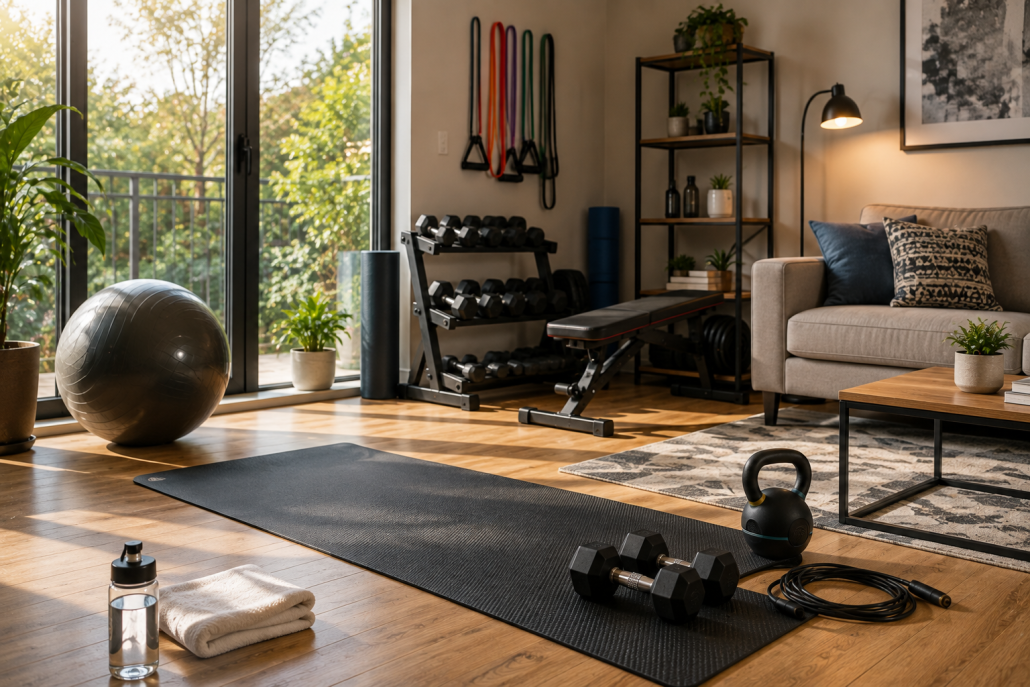
Your living room isn’t just for lounging, it’s the perfect place to break a sweat. With a little creativity, you can turn any open space into a mini workout studio. All you need is a yoga mat, a towel, and a little motivation.

Start with bodyweight exercises that target multiple muscle groups. Classic moves like push-ups, sit-ups, mountain climbers, and squats require no equipment but pack a powerful punch. You can also mix in high-intensity interval training (HIIT) routines to boost cardiovascular health and burn fat. For example, try a 20-minute circuit: 30 seconds of jumping jacks, 20 squats, 10 push-ups, 15 lunges per leg, and a one-minute plank. Repeat the circuit three to four times for an intense full-body burn.

Additionally, consider integrating online workouts. Platforms like YouTube offer thousands of free fitness videos, ranging from dance cardio and Pilates to kickboxing and yoga. Most of these exercises are designed for small spaces, making them ideal for living room sessions. The key here is consistency. Set a schedule, eliminate distractions, and create a vibe, play energizing music, wear comfortable workout clothes, and treat this space as your personal gym. The more you embrace it, the more effective your workouts become.

Stairway to Strength Use Stairs for Cardio and Leg Training


Stairway to Strength Use Stairs for Cardio and Leg Training

Who knew your staircase could double as a piece of fitness equipment? If you have stairs at home, you have access to one of the most effective, no-cost cardio and strength-building tools available. Climbing stairs improves cardiovascular endurance, tones the lower body, and boosts metabolic rate.

Start simple by walking up and down the stairs for five to ten minutes to warm up. Once comfortable, progress to stair sprints or alternating single-leg step-ups. These exercises elevate your heart rate and challenge your leg muscles, especially the glutes, quads, and calves. Incorporate lunges with one foot on a step or try tricep dips using the bottom stair for upper-body training.

For a complete workout, pair stair exercises with strength moves in between sets. For instance, climb stairs for one minute, then perform 15 push-ups or a 30-second wall sit. Alternate these intervals for 20–30 minutes. This mix of cardio and strength will help you burn calories while toning muscles, all using something already in your home.

Remember to wear supportive shoes and be cautious about slipping. If you live in a single-level home, consider investing in a step platform or use sturdy low furniture like a footstool as a substitute. Your stairs are more than a pathway, they’re a stairway to strength and stamina!

Garden Gains: Turn Your Backyard Into a Fitness Oasis

Garden Gains: Turn Your Backyard Into a Fitness Oasis

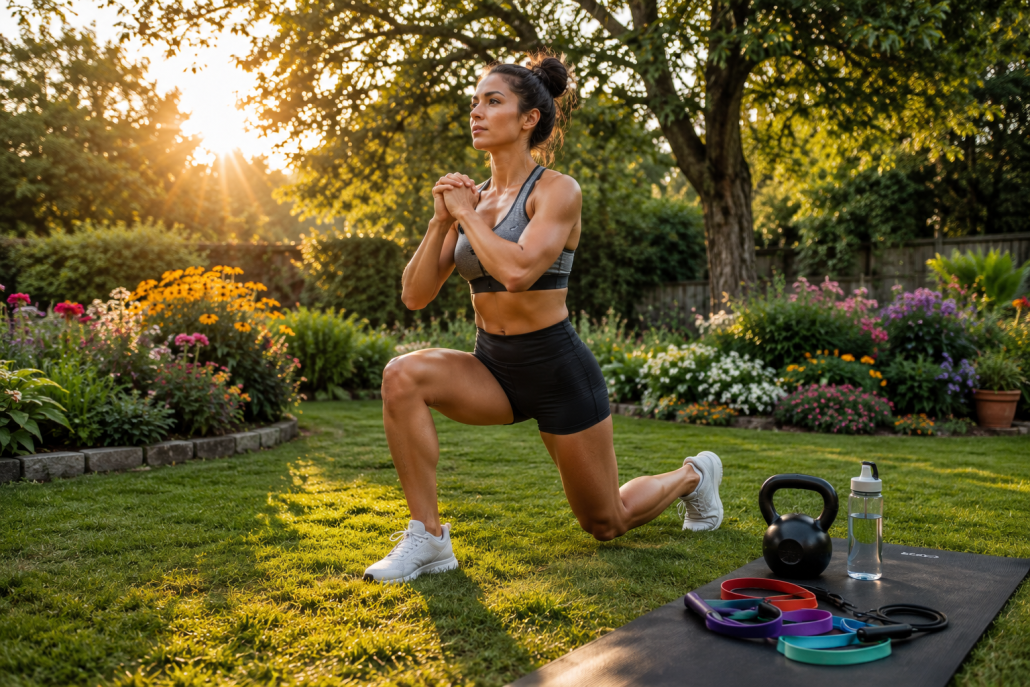
Your backyard or garden is more than a tranquil escape, it’s also a fitness haven full of possibilities. With open space, fresh air, and natural elements, you can elevate your workouts while enjoying the outdoors. Best of all, training outside boosts mood and motivation thanks to sunlight and vitamin D exposure.

Start with a warm-up jog or brisk walk around your garden. Then incorporate functional movements like jump squats, push-ups on the grass, and high knees across the lawn. You can also bring out resistance bands, kettlebells, or dumbbells if you have them. Use benches or low walls for incline push-ups and tricep dips, and use trees or fences for wall sits or stretching exercises.

The garden also offers enough room for agility drills. Set up cones or household objects like flower pots and create a zigzag path to practice quick directional changes. Alternatively, do circuit-style training by rotating between different stations: squats by the shed, planks on the deck, lunges down the garden path, and jumping jacks on the patio.

If you prefer a calm and mindful approach, try outdoor yoga or Tai Chi. The fresh breeze and natural sounds enhance the mind-body connection. No matter your preference, exercising in the garden gives you the freedom to move without restriction, and it’s a fantastic way to appreciate nature while improving your physical health.

Creative Workouts Using Household Items as Equipment

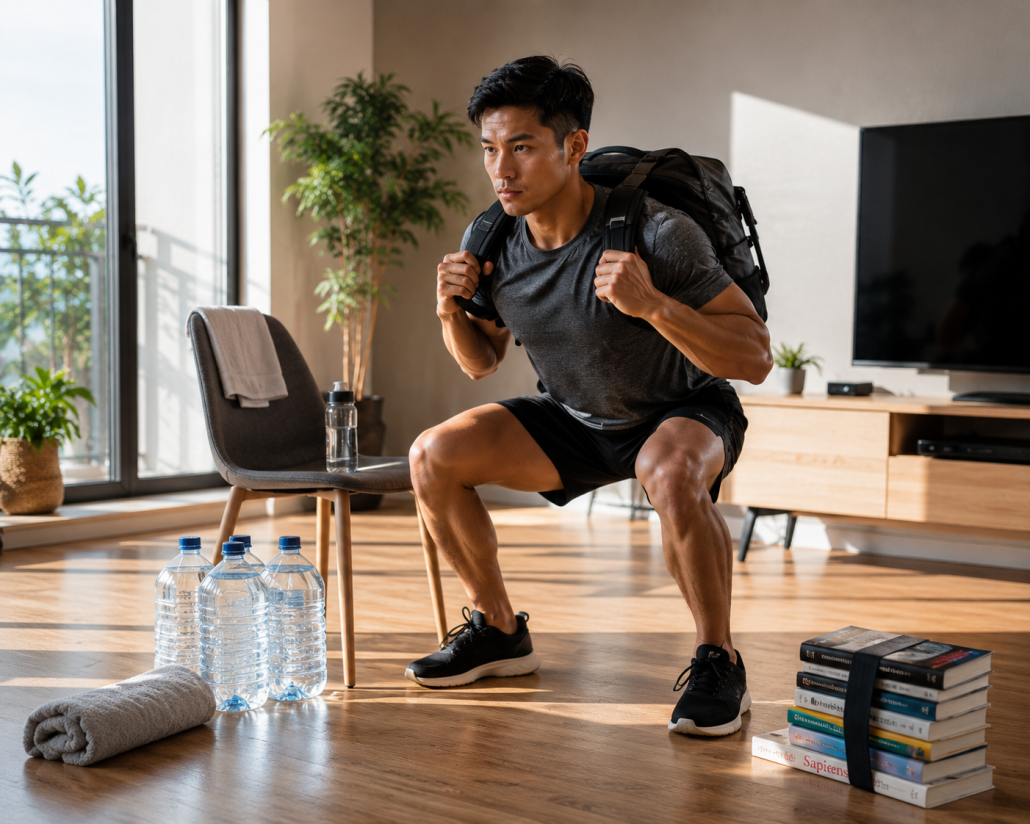
Don’t have weights or gym machines? No problem! Everyday items around the house can become part of your workout routine. With a little imagination, you can turn books, water bottles, chairs, and backpacks into effective fitness tools.

Chairs are excellent for step-ups, dips, and incline push-ups. Use a sturdy one to perform squats or seated knee lifts. A gallon of water or a bag of rice can serve as makeshift dumbbells. Load a backpack with books for weighted squats, lunges, or bent-over rows. You can also use a broomstick for balance or mobility drills.

For core exercises, lay a towel on the floor and try Russian twists, leg raises, or flutter kicks. Sliders (or even paper plates on a smooth floor) are great for adding resistance during lunges or mountain climbers. Resistance bands can be improvised with old tights or pantyhose for low-impact strength work.

The beauty of using household items is accessibility, you can work out without spending a dime. These DIY workouts prove that limited resources don’t limit your results. With consistency and creativity, you can challenge your muscles, improve your endurance, and build strength using only what’s already in your home.

Stretch, Strengthen, and Center With Indoor Yoga and Pilates


Stretch, Strengthen, and Center With Indoor Yoga and Pilates

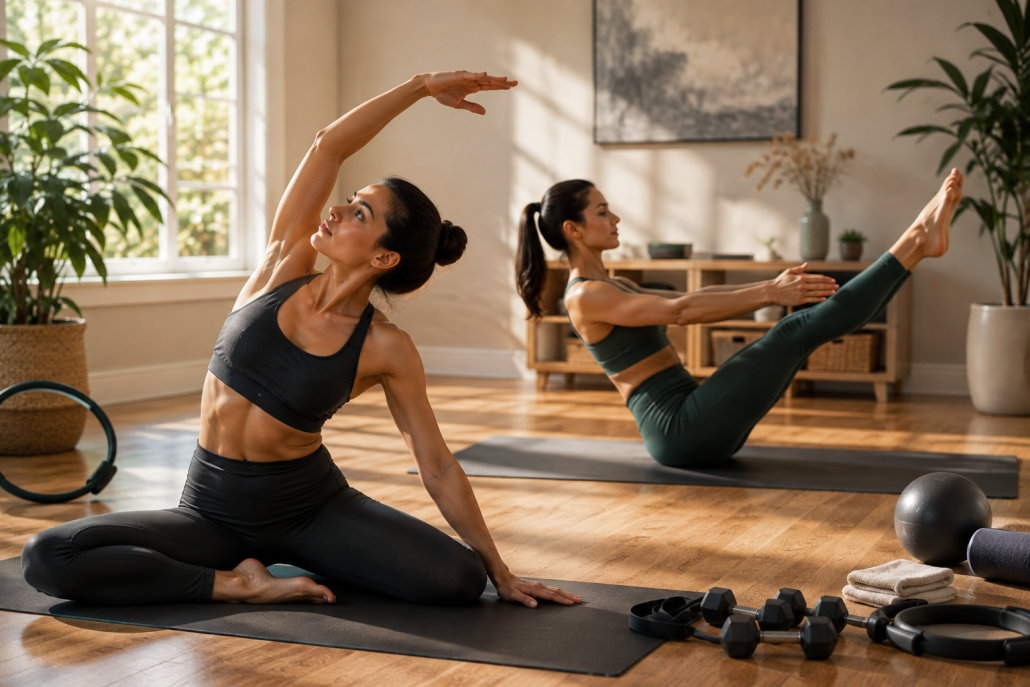
Flexibility and core strength are essential components of a balanced fitness routine, and nothing promotes both like yoga and Pilates. Best of all, you can practice them in any room with just a mat or towel. These disciplines are not only great for your body but also for your mind, improving posture, reducing stress, and enhancing mindfulness.

Yoga offers various styles, from dynamic vinyasa flows to calming restorative poses. A typical at-home session might include sun salutations, warrior poses, downward dog, and child’s pose. For more intensity, try power yoga sequences that engage your entire body.

Pilates, on the other hand, zeroes in on your core while toning the rest of your body. Floor-based exercises like the hundred, leg circles, and roll-ups strengthen abdominal muscles and improve spinal alignment. These slow, controlled movements require minimal space and can be performed with or without equipment.

Online platforms provide an abundance of beginner-to-advanced routines. Apps and YouTube channels often offer guided sessions ranging from 10 to 60 minutes. Incorporate yoga or Pilates into your routine three to five times a week for improved balance, mental clarity, and total-body strength.

Incorporating these practices indoors creates a calm environment that fosters long-term wellness. Whether you’re a beginner or a seasoned practitioner, yoga and Pilates offer sustainable and restorative fitness options.

Fun Family Fitness: Involve Everyone in Home and Garden Workouts

Fun Family Fitness: Involve Everyone in Home and Garden Workouts

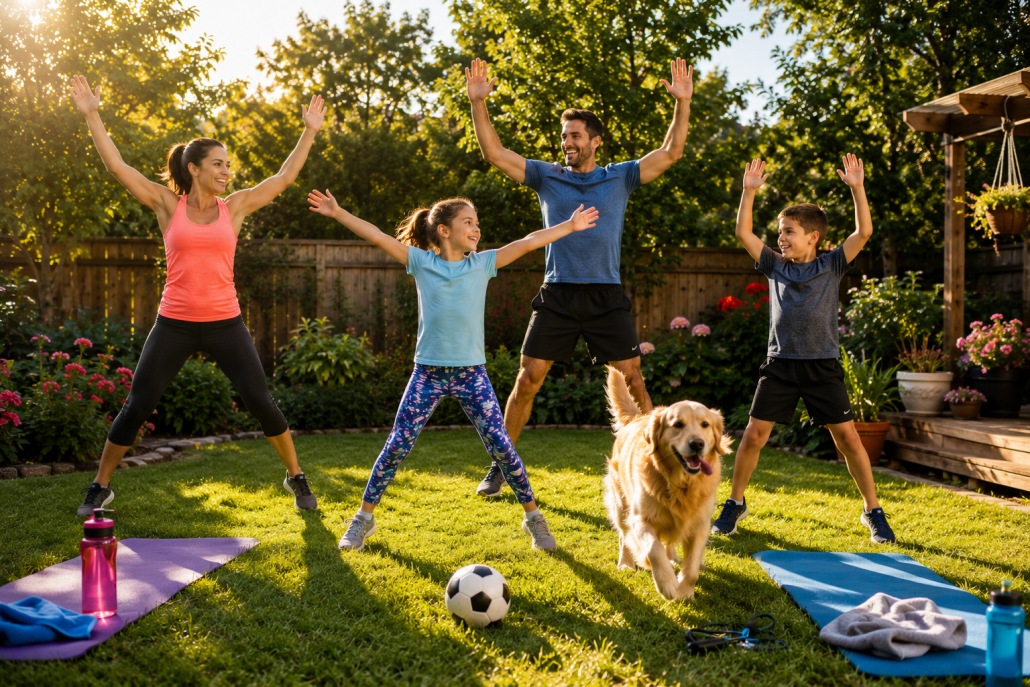
One of the best things about home workouts is that they can involve the whole family. Including your partner, children, or even your pets can turn exercise into a bonding activity. Shared fitness experiences boost motivation, create memories, and promote healthy habits for everyone.

Try organizing a family-friendly fitness circuit in the backyard. Set up a few stations, jumping jacks, squats, a tug-of-war rope, or hula hooping, and rotate every two minutes. Indoors, you can turn workouts into games: play “Simon Says” with movement commands or follow along with a dance routine on TV.

For couples, consider partner workouts like synchronized push-ups, resistance band pulls, or passing a ball during sit-ups. With kids, you can play active games such as “animal walks” or mini yoga challenges. Even the family dog can join in for runs or playful fetch games that keep everyone moving.

The key is to make it fun and stress-free. Fitness doesn’t need to be rigid or solitary. By involving your household, you not only stay active but also encourage a culture of movement and joy. It becomes something everyone looks forward to, and that’s the kind of motivation that lasts.

Stay Consistent

Establishing a consistent fitness routine at home requires more than just enthusiasm, it demands structure, discipline, and adaptability. Luckily, when you’re working out in your house or garden, you have control over your schedule, environment, and pace.

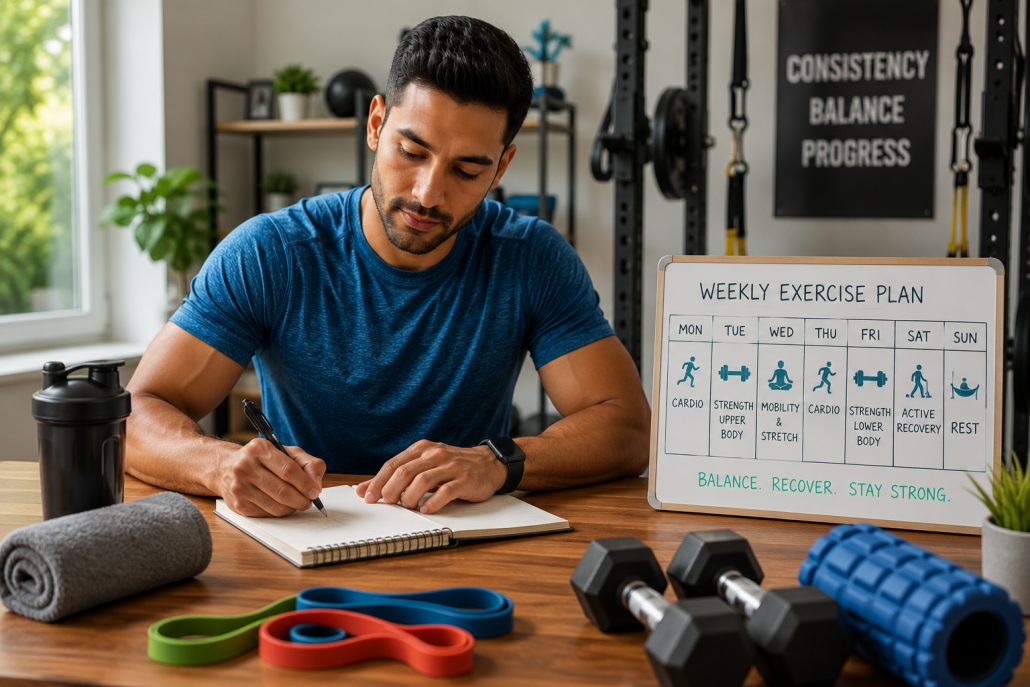
Start by setting realistic goals. Decide how many days a week you want to train and block out specific time slots. Treat your workouts like appointments, non-negotiable and important. Keep your gear visible to remind you of your goals, and track your progress using a journal or fitness app.

Variety is essential to avoid plateaus and boredom. Alternate between cardio, strength training, mobility work, and recovery sessions. Include both indoor and outdoor options so weather and space never become excuses. Rest days are equally important, so allow time for recovery with light stretching or leisurely walks.

Also, listen to your body. Home workouts allow you to move at your own pace without comparing yourself to others. Celebrate small wins, whether it’s five more push-ups or a longer plank hold. Consistency isn’t about perfection; it’s about showing up regularly and making movement part of your lifestyle.

By developing a plan and sticking to it, your home workouts can become just as effective, if not more, than any gym session.

Conclusion

Working out in your house and garden empowers you with flexibility, freedom, and fun. You don’t need a personal trainer, expensive gear, or a packed fitness studio to achieve your goals. All you need is a little space, a dash of creativity, and a strong will to prioritize your health.

From stair climbs and yoga poses to garden circuits and DIY dumbbells, the options are endless. Plus, by staying active in familiar surroundings, you eliminate the barriers of travel time, cost, and gym intimidation. Whether you’re a beginner or a seasoned fitness enthusiast, home-based workouts offer sustainable and rewarding results.

So roll out that mat, step onto your lawn, or grab a chair, your fitness journey begins where you are. Every movement counts. Every drop of sweat brings you closer to your healthiest, strongest self.

Frequently Asked Questions (FAQ)

1. Can home workouts really be as effective as gym workouts?

Absolutely! With the right intensity and consistency, home workouts can deliver the same, if not better, results than the gym. Focus on progressive overload, proper form, and variety.

2. What household items can I use for strength training?

Try using water jugs, canned foods, backpacks filled with books, towels, and chairs. These everyday items can replace dumbbells, resistance bands, and benches.

3. How much space do I need to work out at home?

You only need a small area, enough to lie down and stretch your arms. Clear a living room corner, a hallway, or use your backyard for more room.

4. How can I stay motivated to work out at home?

Set clear goals, create a dedicated workout space, follow online classes, track progress, and mix up your routine. Scheduling workouts like meetings also helps with consistency.

5. What are the best home workouts for weight loss?

High-Intensity Interval Training (HIIT), bodyweight circuits, cardio stair workouts, and jump rope routines are excellent for burning calories and promoting fat loss.


Why Walking Is the First Step to a Healthier, Happier Life

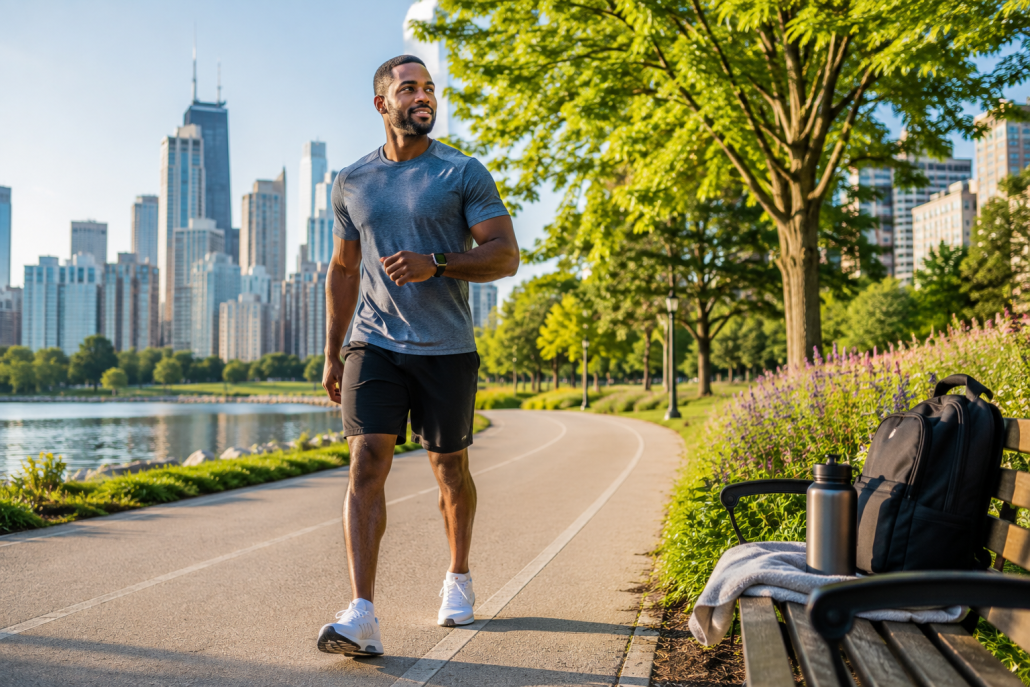
Why Walking Is the First Step to a Healthier, Happier Life

In a world constantly chasing high-intensity workouts, expensive gym memberships, and trendy fitness routines, one simple activity often goes unnoticed, walking. Yet walking, as basic as it seems, holds immense power to transform your health, mood, and life. It’s not just about moving from one place to another; it’s about taking charge of your physical and mental well-being. “Walking is a good start” might sound modest, but it’s truly the foundation of long-lasting health. In this post, we’ll explore why walking is more than enough to get you going and how it can unlock a better version of yourself.

Why Walking Matters

It’s easy to overlook walking as a form of exercise because it doesn’t come with flashy gear or intense sweat sessions. However, walking is one of the most effective, low-impact activities you can adopt, regardless of your age or fitness level. It’s gentle on the joints, requires no special equipment, and can be done almost anywhere. The beauty of walking lies in its simplicity.

Studies have shown that a daily walking habit can reduce the risk of chronic diseases like heart disease, type 2 diabetes, and high blood pressure. It improves circulation, strengthens the heart, and even boosts immune function. Unlike more strenuous workouts that can lead to injury or burnout, walking is sustainable and enjoyable over the long term. Plus, it allows you to reconnect with your environment, whether you’re strolling through a city park, hiking a forest trail, or just walking around your neighborhood.

What’s more, walking gives you space to think, breathe, and reset, something modern life rarely offers. It helps you step away from screens and obligations and move into a mindful rhythm that supports your health both physically and mentally.

Boosting Your Mental Health Through Daily Walks


Boosting Your Mental Health Through Daily Walks

Beyond physical health, walking works wonders for your mental well-being. When you take a walk, especially outdoors, your body produces endorphins, those feel-good hormones that act as natural stress relievers. Just 30 minutes of brisk walking each day can significantly reduce anxiety levels and elevate your mood.

Walking provides a much-needed escape from the pressures of work, relationships, and daily responsibilities. It gives you mental clarity and offers a form of moving meditation. The repetitive rhythm of your footsteps and breathing helps quiet the mental noise. Nature walks, in particular, have been linked to lower cortisol levels and improved emotional resilience.

Walking also combats depression by stimulating the production of neurotransmitters like serotonin and dopamine. These brain chemicals play a vital role in mood regulation. People who walk regularly often report fewer symptoms of depression and experience improved overall life satisfaction.

Most importantly, walking makes it easier to unplug and reconnect. Whether you’re walking solo or with a friend, the act of moving your body, without distractions, can give you a new perspective and greater emotional balance. If mental clarity is what you seek, then walking is an incredibly accessible solution.

Walking for Weight Loss and Physical Fitness

Walking for Weight Loss and Physical Fitness

Can Walking Help You Lose Weight and Stay Fit? Absolutely!

One of the biggest myths in fitness is that you need to break a sweat and push your limits to lose weight. In reality, consistent walking can be just as effective, especially when combined with healthy eating and proper hydration. Walking increases your metabolism, burns calories, and helps maintain lean muscle mass, which is essential for long-term weight management.

For instance, walking at a brisk pace (about 3.5 to 4 miles per hour) can burn up to 300 calories an hour depending on your weight and stride. Over the course of a week, that adds up significantly. If you’re not a fan of intense cardio or lifting weights, walking offers a low-pressure way to stay active and fit.

To amplify results, consider interval walking, alternating between fast and moderate paces. This approach boosts your heart rate, engages different muscle groups, and increases calorie burn. Uphill walking or walking with a slight incline on a treadmill also adds a bit of resistance, helping to tone your glutes and legs.

Walking is the perfect gateway to a healthier lifestyle. Once you start seeing results, you’re more likely to build other healthy habits like drinking more water, stretching, and even exploring new forms of movement. It’s a chain reaction that starts with one step.

Cardiovascular Health: Strengthen Your Heart One Step at a Time

A Heart-Healthy Habit That Requires No Gym Membership

Walking plays a crucial role in improving cardiovascular health. According to the American Heart Association, regular walking can reduce your risk of heart disease and stroke. It lowers blood pressure, improves blood sugar levels, and helps maintain a healthy weight—all of which are key factors in heart health.

When you walk, your heart rate increases, improving circulation and oxygen flow throughout the body. This keeps your heart muscles strong and reduces the strain on your arteries. Regular walking helps to stabilize cholesterol levels and even enhances the elasticity of blood vessels, reducing the likelihood of blockages or clots.

Even better, walking is accessible to people recovering from heart-related issues or those who are just beginning their fitness journey. It’s a gentle yet effective way to gradually increase endurance without overtaxing the system.

Walking after meals also helps regulate blood sugar levels, which can be especially beneficial for individuals with diabetes or prediabetes. The bottom line is this: your heart loves it when you walk. It’s one of the most natural, effective, and sustainable ways to keep your cardiovascular system in peak condition.

The Role of Walking in Healthy Aging and Longevity


The Role of Walking in Healthy Aging and Longevity

The Anti-Aging Benefits of Movement

As we age, staying active becomes increasingly important. Walking supports healthy aging by improving balance, flexibility, and coordination. It helps prevent bone density loss, combats joint stiffness, and reduces the risk of falls, one of the leading causes of injury in older adults.

Moreover, walking preserves muscle mass, which naturally declines with age. Maintaining strength and mobility allows older adults to live more independently and with a higher quality of life. According to multiple studies, individuals who walk daily have a significantly lower risk of developing dementia, Alzheimer’s, and cognitive decline.

It’s also been found that walking regularly can add years to your life. A large study published in JAMA Internal Medicine found that walking 8,000 to 10,000 steps a day was linked to a 51% lower risk of dying from all causes. That’s a powerful incentive to lace up your sneakers and get moving.

In short, walking isn’t just about fitness, it’s about longevity. It keeps your body agile, your mind sharp, and your spirit uplifted, especially in later years. If there’s one health habit that’s truly timeless, it’s walking.

Making Walking a Daily Habit That Sticks


Making Walking a Daily Habit That Sticks

Starting a walking routine is easy. The challenge lies in staying consistent. Fortunately, there are many ways to make walking fun, habitual, and something you look forward to every day.

First, set realistic goals. Begin with 10 to 15 minutes a day and gradually increase your duration and pace. Use a step counter or fitness tracker to monitor your progress, it’s incredibly motivating to see your numbers climb.

Second, schedule your walks like appointments. Early morning or evening walks are ideal, but the best time is the one you’ll stick with consistently. Turn it into “me-time” by listening to audiobooks, podcasts, or your favorite playlist.

Third, switch up your routes to keep things fresh. Explore different parks, trails, or even indoor malls if the weather isn’t great. Walk with friends or family to turn your exercise into a social event. You can even join walking clubs or online communities to stay inspired.

Finally, reward yourself. Celebrate milestones with non-food rewards like a new pair of walking shoes, a fitness band, or a relaxing bath. The more positive reinforcement you add, the more likely walking becomes a joyful, lifelong habit.

Conclusion

The next time you think you need to overhaul your entire lifestyle to get fit, remember this, just start walking. It’s accessible, enjoyable, and profoundly effective. From mental clarity and physical fitness to cardiovascular strength and longevity, walking checks every box on your wellness list. It’s not just “a good start”, it’s the right start.

So, don’t wait for the perfect moment. Take that first step today. Your body, mind, and soul will thank you for it.

Frequently Asked Questions (FAQs)

1. How long should I walk every day to see benefits?

Aim for at least 30 minutes of brisk walking five days a week. If you’re just starting, even 10–15 minutes a day can make a noticeable difference over time. You can break it into smaller sessions too, like three 10-minute walks.

2. Can walking alone help me lose weight?

Yes, walking consistently can lead to weight loss, especially when combined with a balanced diet. The key is to walk briskly and regularly. Walking burns calories, boosts metabolism, and helps maintain muscle mass.

3. Is it better to walk in the morning or at night?

Both have benefits. Morning walks boost your energy and metabolism for the day. Evening walks can help you relax and unwind. The best time to walk is when you’re most likely to do it consistently.

4. Do I need special shoes for walking?

While you don’t need expensive gear, it’s important to wear comfortable, supportive shoes designed for walking. Good walking shoes protect your feet, reduce the risk of injury, and make your walk more enjoyable.

5. Can I walk indoors if the weather is bad?

Absolutely! You can walk indoors in a shopping mall, on a treadmill, or even around your house. Walking in place while watching TV or during phone calls is another great option.

6. Is walking enough exercise for older adults?

Yes. Walking is especially beneficial for older adults as it improves balance, bone strength, and cardiovascular health. It’s a safe, low-impact activity that supports independence and mental clarity as you age.

7. Can walking help with back pain?

In many cases, yes. Walking improves posture, strengthens muscles that support the spine, and increases circulation. However, if you have chronic back issues, consult your healthcare provider first.

Smart Exercise Safety Tips

Staying active is essential for physical and mental well-being. However, exercising without taking sensible precautions can lead to injuries, burnout, or health complications. Whether you’re a beginner starting your fitness journey or a seasoned athlete pushing your limits, understanding and implementing safety measures can make your workouts more effective and sustainable. This guide explores smart exercise safety tips and injury prevention strategies that everyone should consider to maintain an active, healthy lifestyle.

Start With a Proper Warm-Up Routine to Prepare Your Body


Start With a Proper Warm-Up Routine to Prepare Your Body

Before you jump into an intense workout or even a light jog, warming up is essential. A warm-up isn’t just a formality, it is a scientifically backed method of gradually increasing your heart rate, blood flow, and joint mobility. This step prepares your muscles and mind for the activity ahead and significantly reduces the risk of injury. Think of it as priming your body engine before a drive, skipping it can lead to strain or worse.

Dynamic stretches, like leg swings, arm circles, or gentle lunges, are great warm-up exercises. They improve flexibility, increase range of motion, and lubricate joints. For instance, if you’re planning a run, start with a brisk walk, then shift to a light jog. Gradually increasing intensity gives your cardiovascular system and muscles time to adapt.

Incorporating warm-ups into your routine also helps improve focus. During this phase, your mind transitions from everyday stress to exercise mode, helping you concentrate better and stay mindful of your form. So, whether you’re lifting weights, doing yoga, or engaging in high-intensity interval training (HIIT), never underestimate the power of a solid warm-up.

Wear the Right Workout Gear for Comfort and Protection


Wear the Right Workout Gear for Comfort and Protection

Choosing the right exercise gear isn’t just about looking stylish at the gym, it directly impacts your safety, comfort, and performance. Ill-fitting shoes, restrictive clothing, or the wrong materials can cause blisters, overheating, or even injury during physical activity. That’s why it’s crucial to invest in appropriate workout attire tailored to your exercise type.

For example, runners should prioritize cushioned, supportive running shoes that absorb shock and provide arch support. Weightlifters, on the other hand, benefit from flat-soled shoes that enhance stability during lifts. Breathable fabrics like moisture-wicking polyester or spandex can help regulate your body temperature, especially during long sessions or hot weather.

Moreover, certain workouts require specific safety equipment. If you’re cycling, always wear a helmet. If you’re practicing martial arts or boxing, gloves and pads are non-negotiable. Compression wear can aid circulation and reduce muscle fatigue in high-impact workouts.

Never ignore the condition of your gear either. Worn-out shoes or loose clothing can compromise your safety. Take time to replace items as needed and prioritize quality over price. The right gear can make or break your fitness journey.

Stay Hydrated Before, During, and After Workouts

Stay Hydrated Before, During, and After Workouts

Hydration is a critical yet often overlooked part of exercise safety. Water fuels every system in your body, muscles, joints, organs, and helps maintain optimal performance. Even mild dehydration can lead to fatigue, dizziness, cramps, or even heatstroke in extreme cases. That’s why staying hydrated before, during, and after workouts is essential to protect your body and maintain endurance.

Experts recommend drinking about 16–20 ounces of water at least two hours before exercising. During your workout, aim for 7–10 ounces every 10–20 minutes, especially if you’re sweating heavily. Afterward, continue hydrating to replenish lost fluids and support muscle recovery.

In hot or humid environments, you may need to increase your fluid intake or include electrolyte-infused drinks to replace sodium and potassium lost through sweat. However, avoid overhydration, which can lead to a rare condition called hyponatremia, where sodium levels drop too low.

Make hydration part of your routine, carry a reusable water bottle, set reminders, or use sports drinks strategically. Staying properly hydrated keeps your body cool, cushions your joints, and ensures you can perform at your best without the risk of preventable health issues.

Listen to Your Body and Avoid Overexertion


Listen to Your Body and Avoid Overexertion

Pushing your limits can be motivating, but pushing too far often leads to injury, fatigue, or burnout. Your body is constantly sending signals, tightness, sharp pain, dizziness, or extreme fatigue are all red flags that shouldn’t be ignored. Listening to your body is one of the smartest exercise safety precautions you can take.

It’s crucial to differentiate between healthy muscle fatigue and potential injury. Soreness after a good workout is normal, but sudden pain, swelling, or restricted movement signals something’s wrong. Overexertion can also weaken your immune system, lead to poor sleep, or cause overtraining syndrome, where performance decreases despite increased training.

To stay on the safe side, follow the “talk test” during cardio, if you’re too winded to speak in full sentences, you may be overdoing it. Rest days are just as important as active days. They give your muscles time to repair, strengthen, and grow. A good rule of thumb is to train smarter, not harder.

Paying attention to how your body responds, before, during, and after exercise, can prevent setbacks and ensure long-term progress without unnecessary injuries.

Use Correct Exercise Form and Technique Every Time

Use Correct Exercise Form and Technique Every Time

Bad form is one of the leading causes of workout-related injuries. Whether you’re lifting weights, doing bodyweight exercises, or engaging in aerobic activities, using correct form ensures that the right muscles are targeted and reduces unnecessary strain on joints and ligaments.

Take squats, for example, if your knees cave inward or you round your back, you could injure your spine or knees. Similarly, improper posture during planks or push-ups can stress your lower back or shoulders. Using momentum instead of control not only cheats your muscles but also invites injury.

To avoid these mistakes, start slow and focus on quality over quantity. If you’re new to a particular movement, practice in front of a mirror or use guidance from instructional videos. Better yet, hire a certified personal trainer to show you proper techniques tailored to your body type and fitness level.

Maintaining correct posture, alignment, and breathing during every rep protects your spine, improves balance, and enhances muscle activation. It’s not just about doing the work, doing it right makes all the difference.

Don’t Skip Cool-Downs: Stretch and Recover Post-Exercise

Just like warming up preps your body for action, cooling down helps it transition back to a resting state. Skipping this step can lead to muscle tightness, soreness, or even fainting due to sudden drops in blood pressure. A proper cool-down allows your heart rate to return gradually to its baseline, clears lactic acid buildup, and enhances flexibility.

Start with 5–10 minutes of light cardio such as walking or cycling at a slow pace. Then, move into static stretching, hold stretches for major muscle groups like hamstrings, quads, back, and shoulders for 20–30 seconds. This practice not only reduces muscle tension but also improves long-term mobility.

Stretching also has mental benefits. It’s a chance to reflect on your session, regulate your breathing, and enter a relaxed state. If you often deal with muscle tightness or cramps, consistent cool-downs can significantly alleviate those symptoms.

So, treat your cool-down as an essential part of your workout, not an afterthought. It’s one of the simplest yet most effective safety precautions you can adopt.

Use Equipment Safely and Follow Instructions Properly

Use Equipment Safely and Follow Instructions Properly


Gym equipment and workout tools can enhance your exercise experience, but when used improperly, they become major injury risks. Whether it’s a treadmill, resistance band, kettlebell, or barbell, every piece of equipment comes with specific usage guidelines that shouldn’t be ignored.

Start by reading instructional manuals or labels before trying something new. If you’re in a gym, ask staff members or trainers for a demonstration. Using machines incorrectly, lifting weights without knowing your limits, or improvising with resistance gear can lead to sprains, fractures, or severe muscle tears.

Always adjust equipment settings to your height, weight, and comfort. For instance, incorrect seat positioning on a leg press machine can harm your knees or hips. Keep equipment clean and free of defects, slippery surfaces, loose screws, or worn-out parts are all safety hazards.

When using free weights, ensure you have proper footing and grip. Never drop weights haphazardly, and when lifting heavy, use a spotter or safety clips. The better you understand your tools, the safer and more effective your workouts will be.

Maintain a Balanced Exercise Schedule to Prevent Overuse Injuries

Maintain a Balanced Exercise Schedule to Prevent Overuse Injuries

Doing the same workout every day can overwork specific muscle groups and lead to overuse injuries like shin splints, tendonitis, or stress fractures. That’s why varying your routine is not just fun, it’s a smart strategy for long-term fitness and injury prevention.

Cross-training, for example, helps you engage different muscles while giving overworked areas time to recover. If you run three times a week, consider mixing in swimming, yoga, or strength training on alternate days. This balanced approach helps avoid repetitive strain and keeps your body well-rounded.

Also, incorporate strength and flexibility training into your weekly schedule. Strengthening supporting muscles and improving your range of motion can reduce the risk of falls or muscle tears. Rest days should also be strategically placed to allow full-body recovery.

Creating a personalized, varied fitness schedule ensures that no part of your body is excessively stressed. It also keeps you mentally engaged, avoiding boredom and workout plateaus.

Consult a Doctor Before Starting or Changing Fitness Routines

Consult a Doctor Before Starting or Changing Fitness Routines

For individuals with pre-existing health conditions, obesity, or those over 40, it’s crucial to consult a healthcare professional before beginning or modifying an exercise regimen. While exercise offers many benefits, it can pose risks if underlying health issues are not considered.

Doctors can perform assessments or recommend stress tests to evaluate your heart health, blood pressure, and musculoskeletal system. This is especially important if you experience chest pain, dizziness, or joint problems during physical activity. With this insight, you’ll know which types of workouts are safe and which should be avoided or modified.

Additionally, if you’re recovering from surgery, managing chronic conditions like diabetes or arthritis, or pregnant, medical guidance ensures you’re not doing more harm than good. Some fitness programs even require a doctor’s clearance before participation.

Taking this extra step might seem unnecessary when you feel fine, but it’s a wise investment in your long-term health and safety.

Smart Recovery Practices: Nutrition, Sleep, and Self-Care

Exercising safely isn’t just about what you do in the gym, it’s also about how you treat your body afterward. Recovery is where real growth happens, and neglecting it can stall progress, trigger injuries, or impact your mood and motivation.

Nutrition plays a key role. After workouts, your body needs protein for muscle repair and carbohydrates to replenish energy stores. Consuming a balanced post-workout meal or snack within an hour of exercise accelerates recovery and reduces soreness.

Sleep is another pillar of recovery. Aim for at least 7–9 hours of quality sleep per night. It’s during deep sleep that your body releases growth hormone and repairs tissue damage. Lack of rest can reduce performance, affect mental sharpness, and increase the likelihood of injury.

Consider self-care practices like foam rolling, massage, or hot baths to improve circulation and relieve muscle tension. Stress management also counts, chronic stress increases cortisol, which can hinder recovery and muscle growth.

Incorporating these recovery habits ensures your body stays resilient, strong, and ready for your next workout.

Final Thoughts

Too often, injuries, exhaustion, or burnout are the result of neglecting simple exercise precautions. By prioritizing warm-ups, hydration, proper gear, technique, and rest, you make your workouts safer and more effective. Fitness should empower you, not break you.

Remember, long-term progress doesn’t come from pushing harder at all costs but from exercising smart, listening to your body, and making safety a priority every step of the way. The best results happen when your body, mind, and routine are all working in harmony.

Frequently Asked Questions (FAQs)

1. How long should I warm up before a workout?

Warm-ups should last 5–10 minutes, depending on your workout intensity. Use dynamic movements to gradually increase your heart rate and mobilize your joints.

2. What are signs I might be overtraining?

Symptoms include chronic fatigue, poor sleep, decreased performance, irritability, and frequent illness or injuries. Rest days and proper recovery are essential.

3. Is stretching before or after workouts more important?

Both are beneficial. Dynamic stretching before exercise improves mobility, while static stretching after helps reduce soreness and increase flexibility.

4. Can I still work out if I’m slightly sore?

Mild soreness is okay, but avoid working the same muscle group intensely two days in a row. Active recovery like walking or gentle yoga is helpful.

5. How often should I change my workout shoes?

Replace your workout shoes every 300–500 miles or every 6–12 months, depending on usage and wear.


Why is exercise important?

Why is exercise important?

In a world where sedentary lifestyles are becoming the norm, understanding the importance of regular physical activity is more crucial than ever. Exercise is not just about building muscles or shedding pounds, it is a powerful tool that influences every aspect of your life, from your mental health and immune function to your productivity and quality of sleep.

While many people view fitness as a means to achieve a slimmer waistline or a toned physique, the true benefits of movement go much deeper. Engaging in regular physical activity improves brain function, reduces the risk of chronic illnesses, strengthens bones, and even boosts mood and confidence. It’s a natural remedy for stress, anxiety, and depression, and it doesn’t require a prescription.

In this comprehensive guide, we’ll explore the many reasons why exercise is important for physical and mental health, uncover its role in disease prevention, and offer insights into how even small, consistent efforts can make a big difference. Whether you’re a seasoned athlete or just starting your journey, this blog will show you how and why moving your body is one of the best decisions you’ll ever make.

The Physical Health Benefits of Exercise

The Physical Health Benefits of Exercise

When it comes to enhancing physical health, regular exercise is the gold standard. Engaging in consistent workouts, whether it’s walking, jogging, strength training, or yoga, plays a vital role in improving overall bodily function.

First and foremost, exercise boosts cardiovascular health by strengthening the heart muscle and improving circulation. This lowers your risk of heart disease, high blood pressure, and stroke. It also helps maintain a healthy weight, which is essential in preventing obesity-related conditions like type 2 diabetes and certain cancers.

Moreover, physical activity strengthens muscles and bones. Resistance training, in particular, increases muscle mass and bone density, which can help prevent osteoporosis and frailty as you age. Balance and flexibility exercises reduce the risk of falls, especially in older adults.

In addition, exercise improves metabolic function by regulating insulin levels and promoting efficient energy use. It increases lung capacity, reduces inflammation, and strengthens your immune system, helping your body ward off illnesses.

Clearly, the physical rewards of regular exercise are far-reaching. With each step, squat, or stretch, you’re not just moving, you’re fortifying your body for a longer, healthier life.

Mental Health and Exercise: A Natural Mood Booster and Stress Reliever

Mental Health and Exercise: A Natural Mood Booster and Stress Reliever

Just as important as its physical benefits, exercise has a powerful impact on mental and emotional well-being. In fact, it’s one of the most effective and underused tools in promoting mental clarity, emotional stability, and stress management.

When you exercise, your body releases endorphins, often called “feel-good hormones.” These natural chemicals elevate your mood and reduce perceptions of pain. This is why you often feel a sense of calm or joy after a workout, even if it was challenging.

Regular physical activity also reduces the levels of stress hormones like cortisol and adrenaline. This helps alleviate feelings of anxiety and tension. Even a short walk during a stressful day can restore a sense of calm and perspective.

Furthermore, exercise improves cognitive function and memory. Aerobic activities like running or swimming stimulate brain growth and neuroplasticity, which supports better learning, decision-making, and problem-solving skills. This is especially important as you age, since exercise can lower your risk of cognitive decline and diseases like Alzheimer’s.

Another critical mental health benefit of exercise is improved sleep. When your body moves during the day, your circadian rhythm resets more efficiently, helping you fall asleep faster and stay asleep longer.

In essence, physical movement acts as a natural antidepressant, anxiety reducer, and sleep aid, all without side effects. When your body feels better, your mind does too.

Exercise and Disease Prevention

One of the most powerful reasons to adopt an active lifestyle is its role in preventing and managing chronic diseases. With today’s rise in lifestyle-related health issues, incorporating exercise into your daily routine can literally be a lifesaver.

Studies consistently show that regular physical activity lowers the risk of major chronic conditions such as type 2 diabetes, heart disease, hypertension, and certain types of cancer, including breast and colon cancer. Exercise improves insulin sensitivity and reduces blood sugar levels, which is especially beneficial for people at risk of or managing diabetes.

Heart health, in particular, benefits immensely from consistent movement. Aerobic exercises such as walking, cycling, and swimming reduce bad cholesterol (LDL), increase good cholesterol (HDL), and regulate blood pressure, all of which contribute to a healthier cardiovascular system.

Exercise is also effective in combating obesity, one of the leading risk factors for numerous diseases. Physical activity burns calories, boosts metabolism, and encourages the maintenance of lean muscle mass, helping you achieve and maintain a healthy weight.

Moreover, staying active improves immune function. It enhances circulation, which allows immune cells to move freely through the body and do their job more efficiently. Even moderate-intensity exercise can lead to fewer colds and infections throughout the year.

In summary, exercise is a low-cost, high-impact preventive strategy that enhances quality of life while drastically reducing your risk of illness.

The Role of Exercise in Weight Management and Metabolism Boosting

Maintaining a healthy weight goes beyond calorie counting, and regular exercise plays a pivotal role. Whether your goal is weight loss, maintenance, or even muscle gain, staying active helps regulate your metabolism and supports efficient body composition.

When you engage in physical activity, your body burns calories. The more intense the activity, the more calories you burn, which can contribute to a calorie deficit necessary for weight loss. Strength training also builds muscle, and more muscle mass increases your resting metabolic rate, meaning you burn more calories even while at rest.

In addition, exercise helps regulate appetite hormones, including ghrelin and leptin, which influence hunger and fullness cues. This means you’re less likely to overeat when you’re consistently active.

Another crucial benefit is reducing visceral fat, the dangerous fat stored around your organs that increases your risk of metabolic diseases. Studies show that both aerobic and resistance training are effective in shrinking abdominal fat and improving overall body composition.

It’s also worth noting that exercise alone may not be the sole solution for weight loss, it works best when combined with mindful eating habits and sufficient sleep. However, it remains a non-negotiable factor for sustaining a healthy metabolism and achieving long-term wellness.

By making exercise a habit, you’re not just burning calories, you’re training your body to operate more efficiently for the long haul.

Boosting Self-Esteem and Confidence Through Physical Activity

Boosting Self-Esteem and Confidence Through Physical Activity

Aside from the physical and mental health gains, one of the most empowering benefits of regular exercise is the boost it gives to self-esteem and confidence. Moving your body builds more than just muscle, it builds a sense of achievement, resilience, and self-worth.

Exercise fosters a deep connection between mind and body. As you push through challenges, whether it’s lifting a heavier weight, running a longer distance, or mastering a new yoga pose, you begin to trust your body’s abilities. This sense of accomplishment carries over into other areas of life, reinforcing a positive self-image.

Physical activity also changes the way you see yourself in the mirror. While transformation doesn’t happen overnight, consistent movement results in improved posture, muscle tone, and energy. This naturally elevates your confidence, especially when combined with the mental clarity and mood elevation that exercise provides.

Furthermore, group activities and fitness communities offer a social boost. Interacting with others who share similar goals creates a support system that fosters belonging and motivation. Whether it’s a local walking group, gym class, or online fitness forum, these connections can reinforce your commitment and confidence.

Ultimately, exercise helps you feel strong, capable, and in control qualities that are essential for personal growth and emotional resilience.

Improved Sleep and More Energy: How Exercise Powers Your Day

If you often feel tired, groggy, or have trouble sleeping, integrating regular exercise into your day might be the solution you’ve been searching for. Contrary to what you might think, physical activity doesn’t wear you out, it actually increases your energy levels and enhances your quality of sleep.

Exercise helps boost circulation and oxygen flow throughout the body, which supports better cell function and overall stamina. This increase in blood flow means your brain gets more oxygen too, which sharpens focus and alertness during the day.

As for sleep, the connection is strong. Physical activity helps regulate your internal body clock (circadian rhythm) and promotes deeper, more restful sleep cycles. Studies show that people who exercise regularly fall asleep faster and experience fewer interruptions during the night.

The benefits are especially noticeable when you engage in moderate-intensity exercises like brisk walking, swimming, or cycling. Even low-impact movements such as stretching or tai chi can reduce tension and prepare your body for restful sleep.

Over time, better sleep leads to more energy, sharper mental focus, improved mood, and a stronger immune system. So rather than being drained, you’ll actually feel more invigorated and ready to take on the day.

How Much Exercise Do You Need? Making It Work for Your Lifestyle

You don’t need to become a marathon runner to enjoy the benefits of physical activity. The key is consistency and balance, not intensity. According to the World Health Organization, adults should aim for at least 150 to 300 minutes of moderate-intensity exercise each week, or 75 to 150 minutes of vigorous-intensity activity.

This can include a mix of activities like walking, swimming, cycling, dancing, or even gardening. Add in strength training exercises at least two days a week to build muscle and improve bone health.

If that sounds overwhelming, don’t worry. You can break your workouts into smaller sessions, just 30 minutes a day, five times a week, can make a huge difference. And if you’re short on time, even 10-minute bursts of activity can add up.

The most important thing is to choose movements you enjoy. Whether it’s a morning walk, a lunchtime stretch, or an evening bike ride, finding joy in movement increases your chances of sticking with it.

Remember: any movement is better than none. The more you move, the better you feel, inside and out.

Final Thoughts

There’s no denying the power of regular exercise. From physical strength and chronic disease prevention to enhanced mood, better sleep, and improved self-esteem, the benefits are wide-reaching and deeply transformative.

Exercise is more than just a habit, it’s a form of self-care and personal empowerment. Whether you’re young or old, a beginner or seasoned athlete, movement can be adapted to suit your unique needs and preferences. The most important step is to start and keep going.

As the saying goes, “You don’t have to be extreme, just consistent.” With every walk, stretch, or lift, you’re investing in a brighter, stronger future. And that’s a goal worth striving for.

Frequently Asked Questions (FAQ)

1. How often should I exercise to see results?

Most experts recommend at least 150 minutes of moderate-intensity exercise per week. However, the results you see depend on your goals, whether it’s weight loss, strength building, or improving mental health. Consistency is key.

2. Can walking alone be enough exercise?

Yes, walking is a highly effective form of low-impact cardiovascular exercise. A brisk 30-minute walk daily can improve heart health, reduce stress, and support weight management.

3. Is it okay to exercise every day?

Yes, as long as you vary your routine and allow for recovery. Alternating between high- and low-intensity days or focusing on different muscle groups can help prevent overtraining and injuries.

4. What type of exercise is best for mental health?

Aerobic activities like jogging, swimming, and dancing have shown great benefits for mental well-being. Yoga and tai chi also promote relaxation and mindfulness.

5. How do I stay motivated to keep exercising?

Set realistic goals, track your progress, find a workout buddy, or join a group class. Most importantly, choose activities you enjoy so exercise feels rewarding, not like a chore.


Easy Mindful Exercises to Transform Your Life

Easy Mindful Exercises to Transform Your Life

From meeting work deadlines to managing personal commitments, it’s easy to feel overwhelmed. But what if you could reclaim control, reduce anxiety, and find balance, all by simply becoming more aware of the present moment? That’s the essence of mindfulness.

Mindfulness isn’t a trend. It’s a powerful, research-backed practice with the ability to improve your mental, emotional, and even physical well-being. Whether you’re just starting out or looking to deepen your current practice, learning specific mindfulness exercises can help you live a more peaceful and intentional life.

Let’s explore the most effective mindfulness techniques and how to make them part of your daily routine.

What Is Mindfulness? Understanding Its Meaning and Benefits

What Is Mindfulness? Understanding Its Meaning and Benefits

Mindfulness is more than just sitting quietly and breathing deeply. It’s a way of life, a conscious, non-judgmental awareness of your thoughts, emotions, and environment. At its core, mindfulness means living in the moment and paying attention to your experiences as they unfold.

Originating from Buddhist practices, mindfulness has now entered mainstream psychology and wellness due to its profound benefits. Scientific studies have linked it to reduced stress, improved focus, better sleep, emotional regulation, and even lower blood pressure. It’s a tool that enables people to respond to challenges with clarity instead of reacting impulsively.

The best part? You don’t need hours of meditation or expensive equipment. With just a few mindfulness exercises for beginners, you can start experiencing these benefits today.

Breathing With Intention: The Foundation of Mindfulness


Breathing With Intention: The Foundation of Mindfulness

Your breath is always with you, yet it’s often taken for granted. Practicing deep breathing exercises is one of the simplest and most effective ways to ground yourself in the present moment.

Start by sitting comfortably, closing your eyes, and taking a deep breath in through your nose. Feel your lungs expand. Slowly exhale through your mouth. Repeat this cycle, paying full attention to each inhale and exhale.

Breath awareness can:

  • Instantly calm your nervous system
  • Reduce cortisol (stress hormone) levels
  • Enhance focus and mental clarity

This mindful breathing technique can be done anywhere—on your commute, during a stressful meeting, or before bed. Over time, it retrains your mind to pause and become more aware of how you feel.

Try This:

Box Breathing: Inhale for 4 seconds, hold for 4 seconds, exhale for 4 seconds, and pause for 4 seconds. Repeat this cycle for a few minutes to reset your mind and body.

Body Scan Meditation: Cultivating Physical Awareness

A body scan meditation is a powerful way to connect your mind to your body and recognize areas of tension. It promotes deep relaxation while sharpening your awareness of physical sensations, often revealing stress you didn’t realize you were holding.

Here’s how to do it:

  1. Lie down or sit comfortably.
  2. Close your eyes and take a few deep breaths.
  3. Start at your toes and slowly move your attention upward, scanning each body part.
  4. Notice any sensations—tightness, warmth, pain—and simply observe without judgment.
  5. If your mind drifts, gently return your focus to the body part you were scanning.

This mind-body mindfulness exercise enhances your connection to your physical self, which is especially helpful for those who tend to overthink or dissociate during stress.

Doing this daily, even for just 10 minutes, can improve sleep quality, reduce muscle tension, and create a calm internal state.

Walking Meditation: Turn Movement Into Mindfulness

Walking Meditation: Turn Movement Into Mindfulness

Who says mindfulness only happens sitting down? Walking meditation is a dynamic form of mindfulness that blends movement with presence. It’s ideal for people who struggle to sit still and prefer an active practice.

To begin, choose a quiet path or space where you can walk undisturbed. Walk slowly and naturally, paying close attention to:

  • The sensation of your feet touching the ground
  • The rhythm of your breath
  • The feeling of air on your skin
  • Sounds around you

With each step, gently bring your awareness back if your thoughts wander. This mindfulness walking practice not only increases presence but can also reduce rumination and anxiety.

You can incorporate it into your daily life by being more present during casual walks, errands, or even while pacing during phone calls.

Mindful Eating: A Deliciously Simple Practice

Mindful Eating: A Deliciously Simple Practice

Eating is something we do multiple times a day, yet it’s often rushed or distracted. Practicing mindful eating brings awareness back to the act of nourishing your body and helps you build a healthier relationship with food.

Instead of multitasking during meals, try this:

  • Begin by observing your food’s colors, textures, and aroma.
  • Take a bite and chew slowly, noticing the taste and texture.
  • Put your utensils down between bites and really savor each mouthful.
  • Pay attention to how your body feels—are you still hungry, or are you full?

This practice can prevent overeating, improve digestion, and help you reconnect with your body’s hunger signals. In a world full of fast food and faster lives, slowing down to eat mindfully is both an act of self-care and awareness.


Journaling With Awareness: Capture Your Thoughts With Clarity

Journaling With Awareness: Capture Your Thoughts With Clarity

Mindful journaling is the act of writing down your thoughts and emotions with full presence. It’s not about grammar or structure, it’s about reflection and honest expression.

Set aside 10–15 minutes daily, preferably in the morning or evening, to write freely. You can start with a prompt like:

  • “What am I feeling right now?”
  • “What did I notice about today?”
  • “What do I need most in this moment?”

This form of mental mindfulness exercise allows you to observe your thoughts without judgment, release mental clutter, and identify patterns in your behavior or emotions.

Over time, journaling can boost emotional intelligence, self-awareness, and even creativity. It’s a private sanctuary where your inner world can safely unfold.

Mindfulness in Daily Activities: Everyday Moments That Matter

You don’t need to set aside extra time to practice mindfulness, it can be woven into the activities you already do. The goal is to bring conscious attention to even the most routine tasks.

Here’s how to practice daily mindfulness exercises:

  • While brushing your teeth, focus on the sensations, the taste, movement, and sound.
  • While washing dishes, feel the water on your hands and notice your breath.
  • While commuting, observe the sights, sounds, and sensations without judgment.

By treating these mundane moments as opportunities for mindfulness, you gradually train your brain to stay anchored in the present. This practice enhances patience, improves productivity, and reduces stress throughout the day.

Loving-Kindness Meditation

Loving-kindness meditation (Metta) is a beautiful mindfulness technique aimed at developing empathy, compassion, and emotional resilience. It’s especially effective if you struggle with negative self-talk, anger, or loneliness.

Here’s a simple practice:

  1. Sit comfortably and take a few deep breaths.
  2. Silently repeat phrases like:
    “May I be happy. May I be healthy. May I be safe. May I live with ease.”
  3. Gradually expand your focus to include others: a loved one, a neutral person, someone difficult, and eventually all beings.

This compassion-based mindfulness exercise rewires your brain toward kindness and connection. With regular practice, it softens the heart, reduces judgment, and improves relationships—starting with the one you have with yourself.

Visualization Techniques: Engage Your Mind’s Eye Mindfully

Mindfulness visualization exercises use imagery to guide your mind toward peace and positivity. They tap into your brain’s natural ability to simulate experiences, which can be incredibly soothing and motivating.

To try it:

  • Close your eyes and imagine a peaceful setting—perhaps a beach, forest, or mountaintop.
  • Engage all your senses. What do you see, hear, smell, or feel?
  • Stay immersed in this scene while breathing deeply and calmly.

You can also visualize positive outcomes or self-confidence in a situation that causes anxiety. These mental rehearsals create new neural pathways and help shift your mindset from fear to calmness.

This tool is especially helpful before public speaking, interviews, or any high-stress event. It’s like a mental spa—relaxing and empowering at the same time.

Mindfulness Apps and Tools: Technology for Tranquility

In the digital age, mindfulness is only a click away. There are many mindfulness apps and online tools designed to help you practice consistently. These resources often include:

  • Guided meditations
  • Timers with soothing sounds
  • Daily mindfulness challenges
  • Mood trackers and breathing reminders

Popular apps include Headspace, Calm, Insight Timer, and Ten Percent Happier. These platforms make it easy to incorporate mindfulness into even the busiest lifestyles.

If apps aren’t your style, try ambient sound playlists, breathing guides on YouTube, or wearable reminders to check in with your breath.

The key is consistency. Whether you prefer digital guidance or natural practices, let technology support, rather than distract, your mindfulness journey.

Real-Life Benefits

The benefits of mindfulness go beyond momentary calm. Practicing daily mindfulness techniques can bring long-term transformation to how you think, feel, and live.

Here are some research-backed outcomes:

  • Improved Focus and Memory: Regular mindfulness strengthens the prefrontal cortex, enhancing cognitive function.
  • Emotional Regulation: It helps reduce reactivity and promotes calm responses in stressful situations.
  • Reduced Anxiety and Depression: Mindfulness lowers symptoms of anxiety and depression by reducing rumination and increasing self-compassion.
  • Better Sleep: Mindful breathing and body scans before bed can improve sleep quality.
  • Enhanced Resilience: Over time, you’ll become less shaken by external chaos and more grounded in internal peace.

Mindfulness isn’t a cure-all, but it’s a foundation. When practiced regularly, it offers powerful emotional, mental, and even spiritual growth.

Final Reflection

Mindfulness is not a destination; it’s a journey, a gentle return to yourself, one moment at a time. Whether you’re breathing deeply, walking slowly, or simply observing your thoughts without judgment, every mindful action is a step toward clarity and calm.

By integrating even a few of these mindfulness exercises into your daily life, you open the door to less stress, more focus, and a deeper sense of connection, with yourself and the world around you.

Don’t wait for the “perfect” time to begin. The only moment you ever truly have is now.

Frequently Asked Questions

1. How often should I practice mindfulness exercises?

Ideally, mindfulness should be practiced daily, even if just for a few minutes. Consistency is more important than duration.

2. Do I need to meditate to practice mindfulness?

No. While meditation is one form of mindfulness, you can practice mindfulness during everyday activities like eating, walking, or even brushing your teeth.

3. Can mindfulness help with anxiety and depression?

Yes. Numerous studies show that mindfulness can reduce symptoms of anxiety and depression by promoting emotional awareness and reducing rumination.

4. What’s the best mindfulness exercise for beginners?

Start with mindful breathing or a short body scan. These are simple, accessible, and effective for anyone new to mindfulness.

5. Are mindfulness apps worth it?

Yes. Apps like Headspace or Calm provide guided sessions that make it easier to stay consistent and track your progress.

6. Can children practice mindfulness too?

Absolutely! Mindfulness can benefit children by improving focus, emotional regulation, and stress management. Just tailor the activities to their age level.

7. How long does it take to see results from mindfulness practice?

Some people feel more relaxed after one session, while others notice changes over a few weeks. Like physical fitness, the benefits grow with time and practice.