

Skipping for Weight Loss, Stamina, and Strength
Skipping isn’t just child’s play anymore, it’s an underrated full-body workout that burns calories, builds muscle, boosts cardiovascular health, and even enhances coordination. If you’re looking for a fun, affordable, and highly effective way to shed fat, build stamina, or break a fitness plateau, it’s time to grab a jump rope. This post dives deep into how skipping, also known as jump rope training, can transform your fitness routine and life.
The Rise of Skipping Workouts
Jump rope exercises, once seen as playground activities, are now a powerhouse part of many training regimens. In recent years, skipping has surged in popularity among fitness enthusiasts, athletes, and even beginners who want results without an expensive gym membership. But why the sudden buzz?
Skipping is a high-intensity cardiovascular workout that not only burns a significant amount of calories in a short time but also strengthens the heart and improves agility. It’s an ideal workout for people on the go, requiring nothing more than a rope and some space. It suits various fitness levels, whether you’re just starting or you’re an elite athlete looking to fine-tune your conditioning.
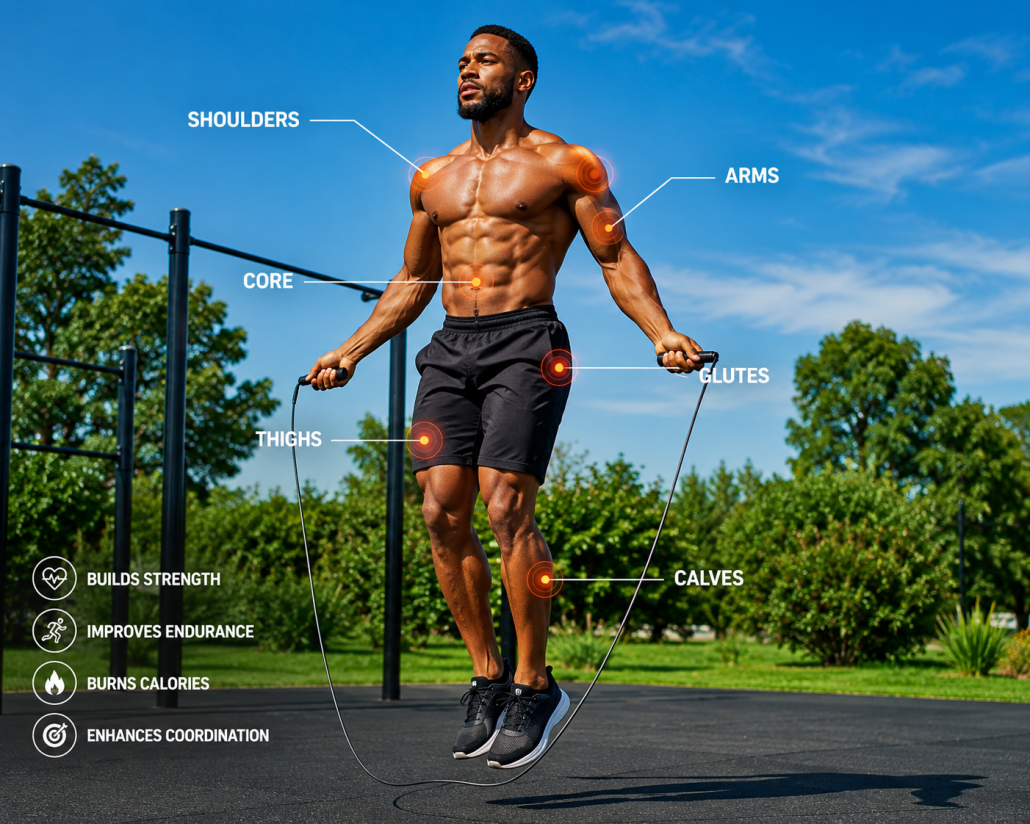
Moreover, skipping activates multiple muscle groups simultaneously. Your calves, quads, hamstrings, glutes, core, shoulders, and forearms all get involved. This level of muscle engagement contributes to improved overall tone and strength. Additionally, it’s low-maintenance and scalable. You can do it in your living room, backyard, park, or even while traveling.
As health-conscious lifestyles rise and people seek affordable, time-saving fitness solutions, skipping easily fits the bill. This resurgence in popularity isn’t just a trend, it’s a return to one of the most efficient, enjoyable ways to get fit.
Benefits of Skipping Daily
Why Skipping Rope Daily Supercharges Weight Loss and Cardio Health?
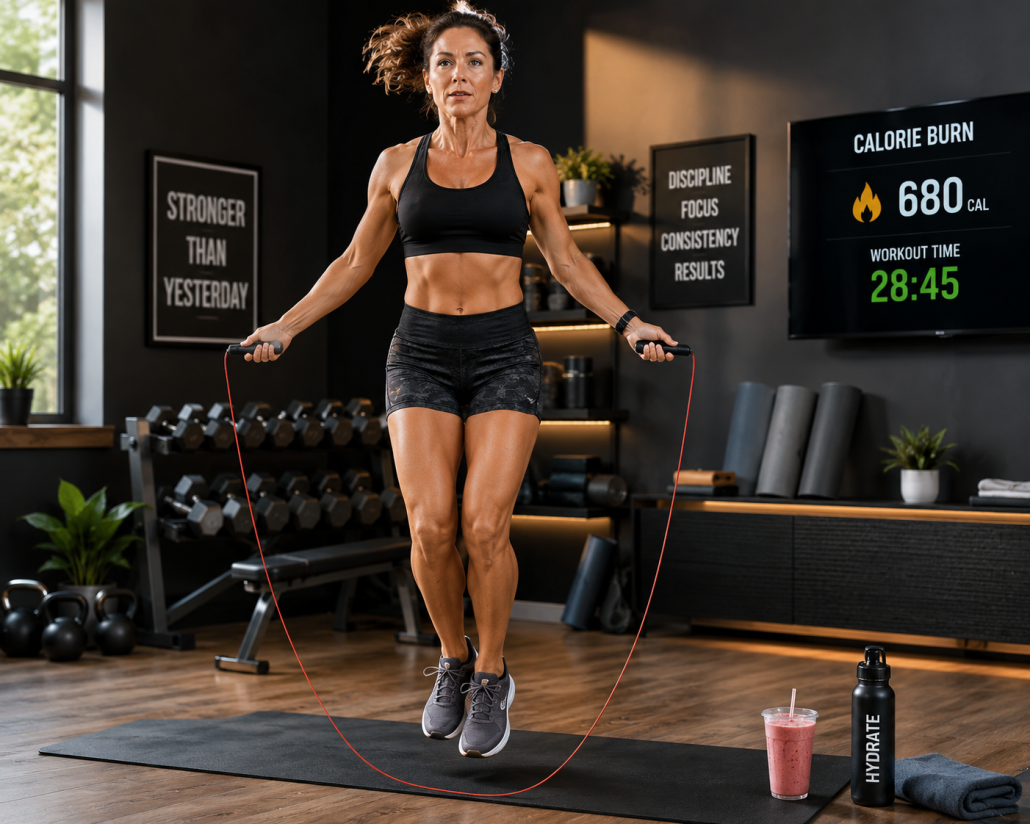
Skipping for just 15–30 minutes a day can dramatically improve your physical condition. One of its major perks is its calorie-burning potential. Studies show that skipping can burn up to 15 calories per minute, which is more than running, swimming, or cycling at moderate intensity.
The cardiovascular benefits are equally impressive. Jump rope workouts elevate your heart rate quickly and keep it elevated, training your heart to become more efficient. Over time, you’ll find your stamina increasing, your resting heart rate dropping, and your overall endurance improving.
It also sharpens balance and coordination. Because skipping demands timing, rhythm, and bilateral movement, it stimulates neural communication between the brain and muscles, enhancing cognitive sharpness along with motor skills. That makes it a perfect exercise for both physical and mental agility.
Moreover, skipping strengthens bones by stimulating bone density. The impact forces involved in jumping help increase bone strength and reduce the risk of osteoporosis later in life, especially in women.
Lastly, skipping boosts metabolism and keeps it elevated long after your workout ends. This after-burn effect (known as excess post-exercise oxygen consumption or EPOC) means you continue burning calories even while resting—making it a smart choice for sustained fat loss.
Skipping for Weight Loss
Use Skipping as Your Fat-Burning Secret Weapon
If you’re trying to lose weight, skipping should be on your radar. It combines aerobic and anaerobic activity, making it a highly efficient fat-burning exercise. A regular skipping routine paired with a balanced diet can lead to significant weight loss in just weeks.
High-intensity jump rope intervals (HIIT-style) can accelerate fat loss while preserving muscle mass. For instance, alternating 30 seconds of fast skipping with 30 seconds of rest for 15–20 minutes mimics the structure of effective HIIT workouts. These routines challenge your cardiovascular system, ignite your metabolism, and produce long-lasting calorie-burning effects.
Unlike other forms of cardio that can feel monotonous, skipping can be varied with different footwork, rhythms, and styles, like double-unders, criss-crosses, or high-knees, making it engaging and sustainable. Skipping also boosts your motivation with quick visible results, which is key when trying to stay consistent on a weight loss journey.
The simplicity of jump rope workouts allows you to easily integrate them into your daily routine. Morning, lunchtime, or evening, whenever you have 15–20 minutes, a skipping session can fit in.
How Skipping Builds Endurance and Strengthens Your Heart

Jump Rope for Cardiovascular Endurance, Stronger Lungs, and a Healthier Heart
If you’ve been running on treadmills or cycling without much improvement in stamina, skipping might be the change you need. Skipping trains the aerobic system intensely, increasing your heart and lung capacity, which enhances overall stamina and physical endurance.
Each jump increases heart rate, encourages deep breathing, and improves oxygen delivery to the muscles. Over time, this strengthens the heart muscle, improves circulation, and helps regulate blood pressure. Unlike some exercises that put too much strain on the joints, skipping, when done with proper form, offers a relatively joint-friendly way to train the heart.
The rhythmic jumping also stabilizes breathing patterns and teaches your body to use oxygen more efficiently. This not only boosts performance in other sports or workouts but also helps you feel more energetic throughout the day.
Incorporating endurance-style skipping (e.g., continuous skipping for 10 minutes without stopping) into your weekly fitness routine can transform your physical conditioning in just a few weeks.
Improve Coordination, Agility, and Balance Through Skipping Exercises

Why Skipping is the Ultimate Brain and Body Coordination Workout:
Skipping might seem simple, but it’s one of the most coordination-heavy exercises you can do. It involves timing your hands and feet to move in harmony, maintaining rhythm, and adjusting pace in real time, all of which enhance neuromuscular control.
This is especially beneficial for athletes, dancers, and martial artists who need fast feet, quick reflexes, and agile movement. Skipping helps sharpen proprioception, the body’s awareness of its position in space, which improves balance and reduces injury risks.
Beginners may struggle with skipping at first, often tripping over the rope. But this is actually part of the training process. Every failed rep trains your brain and muscles to synchronize better. Eventually, you’ll be able to do advanced skipping drills like side swings, crossovers, or boxer steps with ease.
The brain-body connection developed through skipping translates into better performance in other daily activities and sports. Whether you’re chasing a bus, hiking a trail, or dancing at a wedding, the improved balance and coordination make your body more responsive and agile.
Skipping for Muscle Toning and Lower Body Strength

Tone Legs, Sculpt Abs, and Build Lean Muscle with Every Jump
One of the lesser-known benefits of skipping is its ability to tone and sculpt the body, especially the legs, core, and shoulders. With every jump, your calves contract explosively to lift your body, while your core stabilizes your posture, and your shoulders guide the rope movement.
Over time, this repetitive engagement strengthens and defines these muscle groups. Unlike traditional weight training, skipping relies on bodyweight resistance and dynamic movement, which builds lean, functional muscle rather than bulk.
If you’re looking for strong, shapely legs, skipping is especially effective. It activates the calves, hamstrings, and glutes with every bounce. You’ll also notice tighter abs as your core muscles work overtime to keep you upright and balanced.
Combining skipping with resistance exercises or bodyweight circuits can provide a complete, balanced routine for building strength and endurance.
How to Get Started With Skipping

Getting started with skipping is incredibly easy. All you need is a decent jump rope (preferably adjustable and lightweight), comfortable shoes, and a flat, non-slip surface. Here’s how to ease into it:
1. Choose the right rope: For beginners, a PVC speed rope is often the best option. Make sure the rope reaches your armpits when stepped on with one foot.
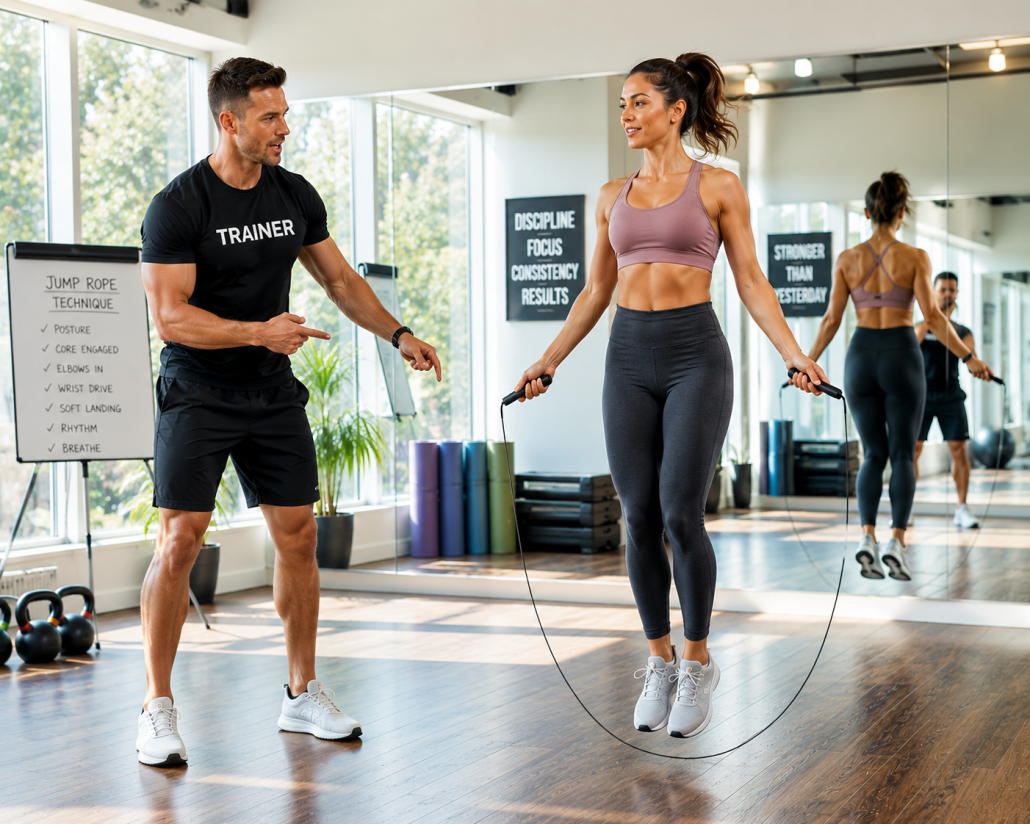
2. Master the form: Stand upright, elbows close to your body, knees slightly bent, and wrists controlling the rope. Jump just high enough to clear the rope, no more than 1–2 inches off the ground.
3. Start slow: Begin with short 30-second intervals and gradually build up to 10–20 minutes per session as your coordination improves.
4. Wear the right footwear: A pair of cushioned, supportive shoes (like running shoes) helps reduce joint impact and offers better grip.
5. Warm up and cool down: As with any workout, always prepare your body with stretches and dynamic movements before jumping rope, and follow up with stretches to aid recovery.
Fun Skipping Variations to Keep Your Workouts Fresh and Challenging

Once you’ve mastered basic skipping, there are countless variations to explore that challenge your coordination and fitness. Here are some exciting ones:
- Boxer Step: A smooth, side-to-side shifting movement that reduces impact while increasing speed.
- High Knees: Jump while bringing your knees to chest height for an intense core and cardio workout.
- Criss-Cross: Cross your arms in front of you with each jump to engage your shoulders and improve timing.
- Double Unders: Rotate the rope twice under your feet during one jump, a tough but rewarding challenge.
- Side Swing to Jump: Swing the rope to one side before jumping to improve rhythm and coordination.
Mixing these into your routine not only prevents boredom but also keeps your muscles guessing, which promotes faster results and long-term consistency.
How Many Calories Does Skipping Burn?
Skipping is one of the most calorie-dense exercises available. A 150-pound person can burn approximately 300–400 calories in just 30 minutes of skipping, more than walking, biking, or dancing in the same time frame.
Here’s how it stacks up:
- Walking (30 minutes): ~150 calories
- Running (30 minutes at 5 mph): ~250–300 calories
- Cycling (moderate pace): ~250 calories
- Skipping (moderate to intense): 300–450 calories
Because it combines both aerobic and anaerobic exertion, skipping not only burns calories during your workout but also ramps up your metabolism for hours afterward, increasing total energy expenditure.
Final Thoughts
Skipping is more than just an old-school playground activity, it’s a dynamic, full-body workout that offers fat loss, muscle tone, heart health, coordination, and stamina in one simple movement. Whether you’re a beginner or a seasoned athlete, a jump rope can revolutionize your fitness journey.
The versatility, portability, and cost-effectiveness of skipping make it one of the best all-around exercises you can adopt. Best of all, it’s fun, and fitness should always feel fun if it’s going to be a lifelong habit.
So go ahead, jump your way to better health, more energy, and a stronger body. All it takes is a rope and your commitment.
Frequently Asked Questions (FAQs)
1. How long should I skip rope to lose weight?
Aim for at least 15–30 minutes per day, 5 days a week. For maximum fat loss, try combining skipping with high-intensity interval training (HIIT) and a balanced diet.
2. Is skipping bad for the knees?
When done with proper form and footwear, skipping is safe for most people. However, if you have existing joint issues, consult a healthcare provider before starting.
3. Can skipping build abs?
Yes! Skipping engages your core muscles throughout the workout, helping tone your abs and strengthen your midsection.
4. What is the best time to do skipping?
Anytime that fits your schedule. Some people prefer morning workouts for an energy boost, while others skip in the evening to relieve stress.
5. Can skipping replace running?
Yes, skipping can offer similar or even better cardio and fat-burning benefits compared to running, especially when done at high intensity.


Leave a Reply
Want to join the discussion?Feel free to contribute!