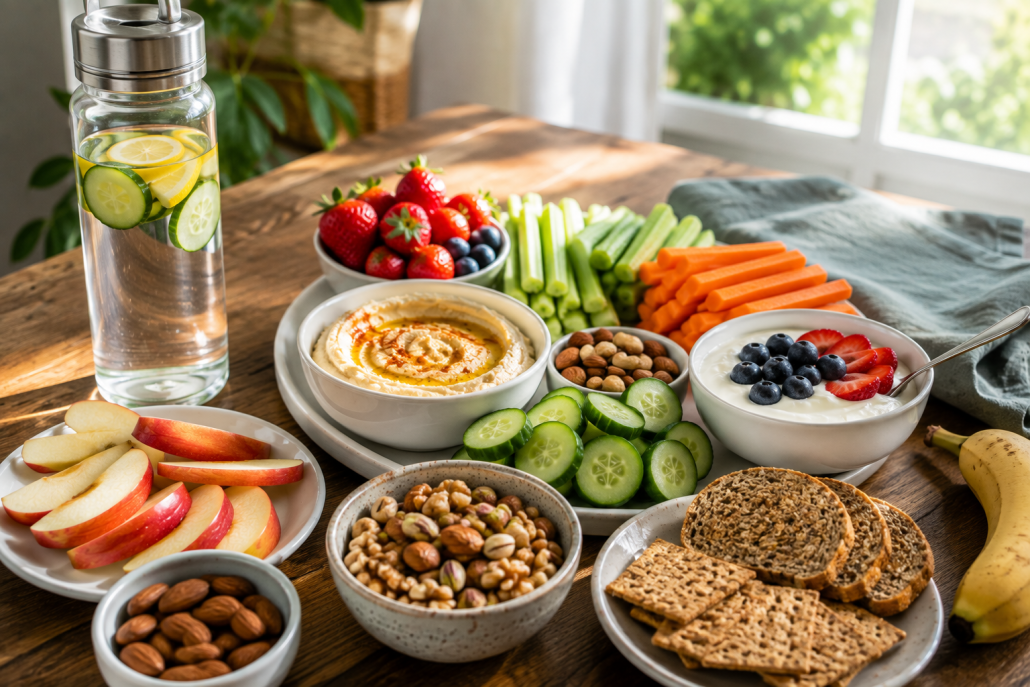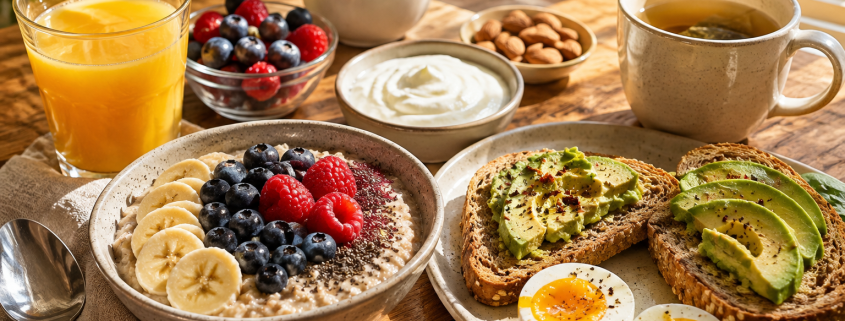

How Healthy Eating Can Help Prevent Common Chronic Diseases

How Healthy Eating Can Help Prevent Common Chronic Diseases

Eating well is one of the most practical ways to support long-term health. While no diet can guarantee that you will never develop a chronic disease, the foods you regularly choose can influence important risk factors such as blood pressure, blood sugar, cholesterol, body weight, inflammation, and heart health. A healthy eating pattern can also provide the vitamins, minerals, fiber, protein, healthy fats, and other nutrients your body needs to function properly.

Chronic diseases often develop gradually. Conditions such as cardiovascular disease, type 2 diabetes, obesity, and certain cancers can be influenced by a combination of genetics, age, environment, physical activity, sleep, tobacco use, alcohol consumption, and diet. This means that healthy eating should not be viewed as a cure-all. Instead, it is one important part of a broader lifestyle that supports disease prevention.

The good news is that healthy eating does not require expensive superfoods or a perfect diet. Simple changes, such as eating more vegetables, fruits, beans, whole grains, nuts, seeds, and fish while reducing excess salt, added sugar, highly processed foods, and unhealthy fats, can make a meaningful difference over time.

Why Healthy Eating Matters for Chronic Disease Prevention

Healthy eating supports chronic disease prevention by giving the body the nutrients it needs while helping manage several major disease risk factors.

Your body is constantly working to maintain a stable internal environment. It regulates blood glucose, blood pressure, hormones, cholesterol, fluid balance, immune activity, and countless other processes. Food provides the raw materials required for many of these functions.

For example, dietary fiber can support healthy digestion and help with blood sugar and cholesterol management. Potassium-rich foods can contribute to healthy blood pressure, while sources of unsaturated fats can be part of a heart-healthy eating pattern.

On the other hand, regularly consuming excessive amounts of sodium, added sugars, refined carbohydrates, and unhealthy fats can make it harder to maintain good metabolic health, particularly when combined with inactivity and excess calorie intake.

Nutrient-Dense Foods Support Better Health

Nutrient-dense foods provide substantial vitamins, minerals, fiber, protein, or beneficial fats without relying heavily on added sugar, sodium, or excess calories.

Vegetables, fruits, legumes, whole grains, nuts, seeds, eggs, fish, lean meats, and other minimally processed foods can all contribute to a balanced diet.

Rather than focusing on one “perfect” food, concentrate on the overall pattern of your meals.

Healthy Eating Works Best as a Long-Term Habit

A healthy diet is most useful when you can maintain it for years. Extremely restrictive eating plans may produce short-term changes but can be difficult to sustain.

Instead, build meals around foods you enjoy and can realistically afford. Gradually improve your choices rather than trying to change everything overnight.

Heart-Healthy Eating Can Reduce Cardiovascular Disease Risk

A balanced diet can support cardiovascular health by helping manage blood pressure, cholesterol, body weight, and other factors associated with heart disease and stroke.

Cardiovascular disease remains a major health concern worldwide. Although some risk factors cannot be changed, such as age and family history, nutrition can influence several modifiable factors.

A heart-supportive eating pattern typically emphasizes vegetables, fruits, whole grains, beans, nuts, seeds, fish, and healthier sources of fat. It also limits excessive sodium, added sugars, and foods high in saturated and trans fats.

Eat More Fiber-Rich Foods for Heart Health

Soluble fiber found in foods such as oats, beans, lentils, fruits, and some vegetables can help support healthy cholesterol levels.

Whole grains can also contribute fiber and other nutrients. Therefore, consider replacing some refined grains with whole-grain alternatives.

For example, choose brown rice instead of white rice sometimes, or use whole-grain bread instead of highly refined bread.

Choose Healthier Fats Instead of Excess Saturated Fat

Not all dietary fat is the same. Unsaturated fats found in foods such as avocado, nuts, seeds, olive oil, and many fish can fit into a heart-healthy diet.

Meanwhile, frequently consuming large amounts of foods high in saturated fat may make it more difficult to maintain healthy cholesterol levels.

The goal is not necessarily to eliminate fat. Instead, focus on improving the quality of the fats you eat.

Healthy Eating and High Blood Pressure Prevention

Reducing excess sodium while eating more potassium-rich, plant-based foods can help support healthy blood pressure.

High blood pressure often develops without obvious symptoms, which makes prevention and regular monitoring particularly important.

Diet can influence blood pressure through several pathways. Excess sodium can increase fluid retention in some people, while potassium-rich foods can support normal blood pressure regulation.

Reduce Excess Salt and High-Sodium Foods

Many people consume more sodium than they realize because it can be present in processed foods, packaged meals, sauces, seasoning mixes, snacks, and restaurant foods.

Instead of automatically adding salt to every meal, experiment with herbs, spices, garlic, ginger, onions, citrus, and other flavoring ingredients.

You do not have to make every meal bland. The objective is to gradually reduce reliance on excessive salt.

Eat More Potassium-Rich Fruits and Vegetables

Bananas are commonly associated with potassium, but they are far from the only option. Beans, potatoes, leafy greens, tomatoes, oranges, avocados, and other plant foods can also contribute potassium.

However, people with certain medical conditions may need to limit potassium, so dietary changes should be individualized when a healthcare professional has advised restrictions.

Balanced Meals Can Help Prevent Type 2 Diabetes

Healthy eating can support blood sugar control and reduce several risk factors associated with type 2 diabetes.

Type 2 diabetes is influenced by genetics, age, body composition, physical activity, sleep, and dietary habits. Although food alone cannot determine whether someone develops the condition, a balanced eating pattern can support healthier blood glucose regulation.

One useful strategy is to build meals around fiber-rich carbohydrates, protein, vegetables, and healthy fats instead of relying heavily on sugary drinks and refined carbohydrates.

Choose High-Fiber Carbohydrates

Carbohydrates are not automatically unhealthy. Your body needs glucose for energy, and many nutritious foods contain carbohydrates.

The difference lies partly in the food source and overall dietary pattern.

Beans, lentils, vegetables, fruits, and whole grains provide carbohydrates along with fiber and other nutrients. These foods can be more beneficial than frequently consuming sugary drinks, sweets, and highly refined snacks.

Limit Sugary Drinks and Added Sugars

Soft drinks, sweetened beverages, energy drinks, and heavily sweetened juices can add substantial amounts of sugar without providing much satiety.

Water should be your primary beverage whenever possible. Unsweetened tea and other low- or no-sugar options can also help reduce your intake of added sugars.

Healthy Eating Supports Healthy Weight Management

A nutritious diet can make weight management easier by providing satisfying foods that support fullness, energy, and overall nutritional quality.

Excess body weight can increase the risk of several chronic conditions, including type 2 diabetes, cardiovascular disease, high blood pressure, and certain other health problems.

However, healthy weight management should not be reduced to counting calories alone. Food quality, portion sizes, physical activity, sleep, stress, medications, genetics, and other factors can all influence body weight.

Build Filling Meals With Protein and Fiber

Protein can help support muscle maintenance and fullness, while fiber can contribute to digestive health and satiety.

Try combining foods such as beans and vegetables, eggs and whole grains, fish with vegetables, or plain yogurt with fruit and nuts.

This approach can make meals more satisfying and reduce the temptation to constantly snack.

Avoid Extreme Dieting

Very restrictive diets can be difficult to maintain and may encourage an unhealthy cycle of restriction and overeating.

Instead, focus on sustainable habits. Eat appropriate portions, include plenty of vegetables and other nutrient-rich foods, and allow room for occasional treats without turning them into everyday staples.

Plant-Based Foods Provide Powerful Disease-Fighting Nutrients

Eating more vegetables, fruits, beans, whole grains, nuts, and seeds can increase your intake of fiber and protective plant compounds.

Plant foods contain a wide variety of nutrients and naturally occurring compounds. Different foods provide different combinations, which is why dietary variety matters.

You do not necessarily have to become vegetarian or vegan to benefit. Simply increasing the proportion of plant foods in your meals can be a practical step.

Eat a Variety of Colorful Vegetables

Different vegetables provide different nutrients and plant compounds. Therefore, try to eat a mixture of leafy greens, orange and yellow vegetables, red vegetables, cruciferous vegetables, and other varieties.

Instead of eating the same vegetable every day, rotate your choices throughout the week.

Include Beans, Lentils, and Other Legumes

Beans, peas, and lentils are affordable sources of protein, fiber, vitamins, and minerals.

They can also be used in many familiar meals. Add beans to soups, stews, salads, rice dishes, or vegetable-based meals.

For many households, legumes are an economical way to increase the nutritional quality of everyday meals.

Healthy Eating and Cancer Risk Reduction

A healthy dietary pattern may contribute to lower risk for some cancers, particularly when combined with healthy body weight, physical activity, avoidance of tobacco, and other preventive behaviors.

Cancer has many causes, and diet cannot prevent every type of cancer. Nevertheless, research has associated healthier dietary patterns and lifestyles with reduced risk of several cancers.

One important consideration is overall dietary quality rather than relying on a particular “cancer-fighting” food.

Choose Whole and Minimally Processed Foods More Often

Vegetables, fruits, whole grains, beans, nuts, seeds, and other minimally processed foods can form the foundation of a nutritious diet.

At the same time, limit frequent consumption of highly processed foods that are high in calories, sodium, added sugars, or unhealthy fats.

Eat Adequate Fiber

Fiber supports digestive health and contributes to regular bowel movements. Higher-fiber eating patterns are also associated with several health benefits.

Increase fiber gradually and drink enough fluids to help your digestive system adjust comfortably.

A Healthy Diet Can Support Digestive and Gut Health

Fiber-rich foods and dietary variety can help create a healthier environment for the microorganisms living in the digestive tract.

The gut contains trillions of microorganisms that interact with food, digestion, immunity, and other aspects of human health.

Eating a diverse range of plant foods provides different types of fiber and other compounds that can support a diverse gut microbiome.

Increase Dietary Fiber Gradually

If your current diet contains little fiber, suddenly eating large quantities of beans, vegetables, and whole grains may cause bloating or discomfort.

Instead, increase your intake gradually.

For example, add an extra serving of vegetables to one meal, introduce beans a few times per week, and gradually replace refined grains with whole grains.

Eat a Diverse Range of Foods

Variety matters because different foods provide different nutrients and types of fiber.

A simple goal is to avoid relying on only a few staple foods. Rotate your vegetables, fruits, legumes, grains, nuts, and protein sources throughout the week.

Foods to Eat More Often for Long-Term Health

The easiest way to improve your diet is often to focus on what you can add rather than only thinking about what you must eliminate.

Instead of creating a long list of forbidden foods, start by adding nutritious choices to your daily meals.

Consider including:

  • Leafy green vegetables
  • Tomatoes, carrots, peppers, and other colorful vegetables
  • Fresh or frozen fruits
  • Beans, peas, and lentils
  • Whole grains
  • Nuts and seeds
  • Eggs
  • Fish and other nutritious protein sources
  • Plain yogurt or other suitable dairy foods
  • Healthy unsaturated fats

You do not need to eat every food listed every day. The key is creating variety over time.

Foods to Limit for Better Chronic Disease Prevention

Reducing certain foods and beverages can complement the healthy foods you add to your diet.

Healthy eating does not mean that you can never enjoy a burger, cake, fried food, or another favorite treat. However, foods that are high in added sugar, sodium, unhealthy fats, or calories are generally better treated as occasional choices rather than dietary staples.

Limit Highly Processed Foods

Some processed foods can be nutritious, so “processed” does not automatically mean unhealthy.

However, many ultra-processed products are designed to be highly palatable and can contain substantial amounts of sodium, added sugars, refined starches, and unhealthy fats.

Read food labels when available and compare products before buying.

Drink Less Sugar and More Water

Liquid calories can be easy to consume without creating the same feeling of fullness as solid food.

Therefore, replacing sugary beverages with water can be a simple dietary improvement.

Simple Healthy Eating Habits You Can Start Today

You do not need to completely transform your diet overnight because small, consistent improvements can build into a healthier eating pattern.

Start with one or two changes that feel realistic.

For example, you could:

  1. Add vegetables to lunch and dinner.
  2. Eat fruit instead of sweets for some snacks.
  3. Replace sugary drinks with water.
  4. Choose beans or lentils more often.
  5. Eat fish regularly if it is available and suitable for you.
  6. Choose whole grains more frequently.
  7. Reduce excessive salt when cooking.
  8. Limit frequent fried and highly processed foods.
  9. Eat reasonable portions.
  10. Plan meals before you become extremely hungry.

As these habits become normal, add another improvement.

Make Healthy Meals Affordable

Healthy eating does not have to mean buying expensive imported products.

Local foods can provide excellent nutrition. Beans, lentils, vegetables, fruits, whole grains, eggs, fish, groundnuts, seeds, and other locally available foods can form the foundation of nutritious meals.

Choose foods based on nutritional value, availability, season, and affordability.

Plan Your Meals Ahead

Meal planning can reduce the likelihood of relying on fast food or highly processed snacks when you are hungry and short on time.

Even a basic weekly plan can help you decide which vegetables, protein sources, grains, and fruits you need before shopping.

Healthy Eating Works Best With Other Healthy Lifestyle Habits

Nutrition is powerful, but chronic disease prevention works best when healthy eating is combined with regular movement, sufficient sleep, stress management, and other healthy behaviors.

For example, someone may eat nutritious meals but remain physically inactive throughout the day. Another person may exercise regularly but consume excessive amounts of alcohol and highly processed foods.

A healthier approach combines multiple habits.

Aim for regular physical activity, adequate sleep, healthy body weight, avoidance of tobacco, responsible alcohol choices, stress management, and appropriate medical checkups.

Also remember that some chronic diseases have strong genetic or environmental components. Healthy habits can reduce risk, but they cannot eliminate it completely.

Build a Sustainable Healthy Eating Pattern for Life

The most effective diet is one that provides good nutrition while fitting your culture, budget, preferences, schedule, and long-term lifestyle.

There is no single meal plan that works perfectly for everyone. Your nutritional needs may also change with age, activity level, pregnancy, medical conditions, medications, and other circumstances.

Therefore, avoid chasing every new diet trend.

Instead, return to a few reliable principles: eat plenty of plant foods, choose nutritious protein sources, prioritize whole or minimally processed foods, drink mostly water, control portions, and limit excessive amounts of sugar and sodium.

Over time, these simple choices can become part of your normal lifestyle rather than a temporary diet.

Building Better Health One Meal at a Time

Healthy eating is not about achieving dietary perfection. It is about making more supportive choices consistently.

A vegetable added to dinner, a piece of fruit chosen instead of a sugary snack, beans added to a meal, or water chosen instead of a sweetened drink may seem like a small decision. However, repeated choices shape your overall eating pattern.

A nutritious diet can help support healthy blood pressure, cholesterol, blood sugar, body weight, digestion, and cardiovascular function. In combination with regular physical activity, good sleep, tobacco avoidance, and appropriate healthcare, these habits can contribute to lower risk of several chronic diseases.

Most importantly, start where you are. You do not have to change everything at once. Choose one healthy eating habit today, make it consistent, and then build from there.

Frequently Asked Questions About Healthy Eating and Chronic Disease Prevention

Can healthy eating completely prevent chronic diseases?

No. Healthy eating cannot guarantee that you will never develop a chronic disease. Genetics, age, environment, physical activity, infections, medications, and other factors also influence disease risk. However, a nutritious dietary pattern can help manage several modifiable risk factors.

What foods should I eat every day for better health?

There is no mandatory list of foods that everyone must eat daily. However, regularly including vegetables, fruits, legumes, whole grains, nutritious protein sources, nuts or seeds, and healthy fats can help create a balanced diet.

Can healthy eating reduce the risk of type 2 diabetes?

A balanced diet can help support healthy blood glucose levels and body weight, which are important factors in type 2 diabetes risk. Replacing sugary drinks and refined foods with fiber-rich foods and maintaining regular physical activity can be helpful.

Is eating fat unhealthy?

No. Your body needs fat for several functions. The type and amount matter. Unsaturated fats from foods such as nuts, seeds, fish, avocado, and certain plant oils can fit into a healthy eating pattern.

How much processed food should I eat?

Processed food is not automatically unhealthy. Some processed foods, such as frozen vegetables or canned beans, can be nutritious and convenient. However, it is wise to limit frequent consumption of highly processed foods that contain excessive amounts of sodium, added sugars, unhealthy fats, or calories.

Can healthy eating help lower blood pressure?

Yes, dietary patterns rich in vegetables, fruits, whole grains, legumes, and other nutritious foods can support healthy blood pressure. Reducing excessive sodium intake can also be beneficial for many people.

Is healthy eating expensive?

It does not have to be. Affordable foods such as beans, lentils, seasonal vegetables, fruits, eggs, whole grains, and locally available fish can provide substantial nutrition. Planning meals and buying seasonal foods can also help control costs.

Should I stop eating my favorite unhealthy foods completely?

Not necessarily. For most people, moderation is more sustainable than total restriction. The goal should be for nutritious foods to make up most of your diet while less nutritious foods are eaten less frequently and in appropriate portions.


Best Foods for Men’s Health: Essential Nutrients Every Man Needs for Strength, Energy, and Long-Term Wellness

Best Foods for Men’s Health: Essential Nutrients Every Man Needs for Strength, Energy, and Long-Term Wellness

Men’s health is strongly connected to daily nutrition. The foods a man eats influence his energy levels, muscle strength, heart health, hormone balance, mental performance, and even longevity. While exercise and healthy habits play an important role, a nutrient-rich diet remains one of the most effective ways to build a stronger body and prevent disease.

Many men focus on protein alone, but the truth is that men need a balanced combination of vitamins, minerals, healthy fats, antioxidants, and fiber. These nutrients work together to support testosterone production, maintain healthy blood pressure, improve immune function, and reduce the risk of chronic conditions such as heart disease, diabetes, and obesity.

Furthermore, modern lifestyles often involve stress, long work hours, irregular eating habits, and processed foods. As a result, many men fail to get enough essential nutrients. Therefore, understanding the best foods for men’s health can help men make smarter choices that improve both short-term performance and long-term wellness.

In this guide, we will explore the most important nutrients every man needs, the best food sources, and practical tips for building a healthier diet. Whether you want to gain more energy, improve fitness, support heart health, or simply live a longer and healthier life, these foods can make a significant difference.

Why Nutrition Matters for Men’s Health and Well-Being

Good nutrition affects nearly every aspect of a man’s health. It influences muscle development, hormone production, immune strength, brain function, and disease prevention. Although genetics play a role in overall health, lifestyle choices often have a greater impact over time.

For example, men have a higher risk of heart disease, high blood pressure, and certain cancers. However, healthy eating patterns can significantly reduce these risks. Foods rich in antioxidants help fight inflammation, while healthy fats support hormone balance. Likewise, fiber improves digestion and helps maintain healthy cholesterol levels.

In addition, proper nutrition supports physical performance. Men who consume adequate protein, vitamins, and minerals often experience better muscle recovery, stronger bones, and improved stamina. On the other hand, diets high in processed foods and sugar may contribute to fatigue, weight gain, and poor health outcomes.

Moreover, healthy eating improves mental well-being. Nutrients such as omega-3 fatty acids, magnesium, and B vitamins support brain health, reduce stress, and enhance concentration.

Therefore, nutrition should not be viewed as a short-term diet but rather as a lifelong investment in better health.

Essential Nutrients Every Man Needs for Optimal Health

Protein for Muscle Growth and Strength

Protein is one of the most important nutrients for men. It helps build muscles, repair tissues, produce enzymes, and maintain healthy skin and hair.

Excellent protein sources include:

  • Lean chicken
  • Turkey
  • Fish
  • Eggs
  • Greek yogurt
  • Beans
  • Lentils
  • Nuts
  • Seeds

Men who exercise regularly often need more protein to support muscle recovery. However, balance is important because excessive processed meat intake may increase health risks.

Omega-3 Fatty Acids for Heart and Brain Health

Omega-3 fatty acids help reduce inflammation, improve heart health, and support brain function. These healthy fats may also benefit mood and cognitive performance.

Best sources include:

  • Salmon
  • Sardines
  • Mackerel
  • Walnuts
  • Chia seeds
  • Flaxseeds

Eating fatty fish at least twice a week can significantly improve cardiovascular health.

Fiber for Digestion and Disease Prevention

Fiber supports digestion, controls blood sugar, and lowers cholesterol levels.

High-fiber foods include:

  • Whole grains
  • Oats
  • Fruits
  • Vegetables
  • Beans
  • Lentils

Men should aim for approximately 30 to 38 grams of fiber daily.

Zinc for Testosterone and Immunity

Zinc plays a key role in immune function and hormone production.

Top zinc-rich foods include:

  • Oysters
  • Beef
  • Pumpkin seeds
  • Chickpeas
  • Nuts

Magnesium for Energy and Muscle Function

Magnesium supports muscle contractions, energy production, and heart health.

Good sources include:

  • Spinach
  • Almonds
  • Avocados
  • Dark chocolate
  • Whole grains

Best Foods for Men’s Heart Health and Cardiovascular Wellness

Heart disease remains one of the leading causes of death among men worldwide. Therefore, eating heart-friendly foods should be a priority.

Fatty Fish

Salmon, tuna, and mackerel provide omega-3 fats that reduce inflammation and support healthy blood vessels.

Oats and Whole Grains

Whole grains contain soluble fiber that helps lower cholesterol.

Examples include:

  • Oats
  • Brown rice
  • Whole wheat
  • Barley

Nuts and Seeds

Almonds, walnuts, and flaxseeds provide healthy fats, fiber, and antioxidants.

Berries

Blueberries, strawberries, and raspberries contain antioxidants that protect blood vessels.

Olive Oil

Extra virgin olive oil is rich in healthy fats that support heart health.

Including these foods regularly can help reduce the risk of cardiovascular disease.

Top Protein-Rich Foods for Men’s Muscle Building and Physical Performance

Protein is especially important for active men, athletes, and older adults seeking to maintain muscle mass.

Eggs

Eggs provide complete protein along with vitamins and minerals.

Lean Beef

Lean beef contains protein, iron, and zinc.

Greek Yogurt

Greek yogurt offers protein and probiotics that support digestion.

Beans and Lentils

Plant-based proteins also provide fiber and essential nutrients.

Fish

Fish delivers protein plus healthy fats.

Combining different protein sources ensures balanced nutrition and better muscle support.

Foods That Naturally Support Testosterone and Hormonal Balance

Hormonal health affects energy, strength, mood, and overall well-being.

Oysters

Oysters contain high levels of zinc, which supports testosterone production.

Eggs

Egg yolks provide vitamin D and healthy fats.

Avocados

Avocados contain healthy fats that aid hormone production.

Leafy Green Vegetables

Spinach and kale provide magnesium.

Pomegranate

Pomegranate may support blood flow and hormone health.

However, no single food dramatically boosts testosterone. Instead, a healthy diet combined with exercise, sleep, and stress management produces the best results.

Best Fruits and Vegetables for Men’s Immune System and Disease Prevention

Fruits and vegetables provide vitamins, minerals, and antioxidants that strengthen immunity.

Tomatoes

Tomatoes contain lycopene, an antioxidant linked to prostate health.

Broccoli

Broccoli offers fiber and powerful plant compounds.

Citrus Fruits

Oranges and lemons provide vitamin C.

Berries

Berries are rich in antioxidants.

Spinach

Spinach contains iron, magnesium, and vitamins.

Men should aim to include colorful fruits and vegetables daily for maximum health benefits.

Superfoods for Men’s Brain Health, Energy, and Mental Performance

Mental sharpness is essential for productivity and quality of life.

Fatty Fish

Omega-3 fats support memory and brain function.

Nuts

Walnuts may improve cognitive health.

Dark Chocolate

Dark chocolate contains antioxidants and magnesium.

Green Tea

Green tea supports focus and alertness.

Blueberries

Blueberries may protect brain cells from damage.

These foods support mental clarity while promoting long-term brain health.

Healthy Eating Tips for Men: How to Build a Balanced Diet

Healthy eating does not require extreme diets. Instead, focus on simple habits:

  • Eat more whole foods.
  • Include protein with every meal.
  • Consume more fruits and vegetables.
  • Drink enough water.
  • Limit processed foods.
  • Reduce sugar intake.
  • Choose healthy fats.
  • Practice portion control.

Consistency matters more than perfection. Small changes made over time often lead to lasting results.

Building a Stronger Future Through Better Nutrition

Good health is not built overnight. Instead, it develops through daily choices that support the body over many years. The best foods for men’s health provide essential nutrients that improve heart function, strengthen muscles, support hormones, boost immunity, and protect the brain.

By including more lean proteins, fruits, vegetables, whole grains, nuts, seeds, and healthy fats in everyday meals, men can significantly improve their quality of life. Moreover, these foods help prevent chronic diseases while increasing energy and vitality.

Ultimately, investing in better nutrition today can lead to a stronger, healthier, and more active future.

Frequently Asked Questions (FAQ)

1. What are the best foods for men’s health?

Some of the best foods include salmon, eggs, oats, nuts, leafy greens, berries, avocados, beans, and whole grains.

2. Which foods help increase testosterone naturally?

Foods rich in zinc, vitamin D, healthy fats, and magnesium such as oysters, eggs, spinach, and avocados may support healthy testosterone levels.

3. How much protein should men consume daily?

Protein needs vary, but many men require approximately 0.8 to 1.2 grams of protein per kilogram of body weight, depending on activity levels.

4. What foods support prostate health?

Tomatoes, broccoli, green tea, berries, and foods rich in antioxidants may support prostate health.

5. Are supplements necessary for men?

A balanced diet should provide most nutrients. However, some men may benefit from supplements if they have specific deficiencies, as advised by a healthcare professional.

Don’t Deprive Yourself, Just Balance Your Choices

Common Nutritional Needs for Women at Different Stages of Life

Women’s nutritional needs change throughout life. The nutrients a teenage girl needs to support growth are not exactly the same as those needed by a woman during pregnancy, menopause, or older adulthood. However, one principle remains constant: a balanced, nutrient-rich diet provides the foundation for energy, healthy bones, hormonal function, immunity, and long-term wellbeing.

From adolescence through adulthood and into later life, women experience important physical and hormonal changes. Menstruation can increase iron requirements, pregnancy raises the need for several vitamins and minerals, while menopause changes the way the body uses and stores nutrients. Therefore, understanding these changing nutritional needs can help women make better food choices at every stage.

This guide explores the common nutritional needs for women at different stages of life, including important vitamins, minerals, protein, healthy fats, fiber, hydration, and practical dietary habits.

Why Women’s Nutritional Needs Change Throughout Life

A woman’s nutritional requirements are influenced by age, activity level, reproductive stage, body composition, health status, and lifestyle. Consequently, there is no single diet that works perfectly for every woman throughout her entire life. The body constantly changes, and nutrition needs to change with it.

During childhood and adolescence, for example, the body needs enough calories, protein, calcium, iron, and other nutrients to support rapid growth and development. Once menstruation begins, iron becomes particularly important because regular blood loss can contribute to iron deficiency.

During the reproductive years, nutrition continues to play an important role in maintaining energy, supporting menstrual health, and preparing the body for pregnancy. If pregnancy occurs, nutritional requirements increase because the body must support both the mother and the developing baby. After childbirth, adequate nutrition remains essential for recovery and, when applicable, breastfeeding.

Later, menopause brings another major transition. Declining estrogen levels can affect bone health, body composition, cardiovascular health, and metabolism. As a result, women may need to pay closer attention to calcium, vitamin D, protein, fiber, and overall dietary quality.

Although specific requirements differ, women at every age benefit from eating plenty of vegetables, fruits, whole grains, legumes, lean proteins, nuts, seeds, and healthy fats while limiting excessive amounts of highly processed foods, added sugars, and unhealthy fats.

Nutrition for Teenage Girls: Supporting Growth, Hormones, and Healthy Development

The teenage years are one of the most important periods for establishing strong nutritional foundations. During adolescence, girls experience rapid physical growth, hormonal changes, menstruation, and significant development of bones and muscles. Therefore, regularly eating nutritious meals is especially important.

Iron-Rich Foods for Girls During Menstruation

Iron deserves particular attention once menstruation begins. The body uses iron to produce hemoglobin, a protein that helps red blood cells transport oxygen.

Girls can obtain iron from foods such as:

  • Lean beef and other meats
  • Fish and poultry
  • Beans and lentils
  • Dark leafy vegetables
  • Fortified cereals
  • Eggs
  • Nuts and seeds

Pairing plant sources of iron with vitamin C-rich foods such as oranges, tomatoes, peppers, or guava can improve absorption.

Calcium and Vitamin D for Strong Bones

Adolescence is also a critical period for building bone mass. Calcium-rich foods include milk, yogurt, cheese, fortified plant-based beverages, sardines, and leafy green vegetables.

Vitamin D helps the body absorb calcium. Sunlight can contribute to vitamin D production, although dietary sources and supplements may sometimes be necessary depending on individual circumstances.

Protein and Energy for Active Teenagers

Teenagers also need sufficient protein and energy to support growth, physical activity, and tissue repair. Eggs, fish, chicken, beans, lentils, yogurt, milk, nuts, and seeds can provide valuable protein.

Rather than focusing heavily on dieting or calorie restriction, teenage girls should prioritize balanced meals and healthy growth.

Nutrition for Women in Their 20s and 30s: Energy, Reproductive Health, and Disease Prevention

During the 20s and 30s, many women balance work, family responsibilities, physical activity, pregnancy planning, and other demands. Consequently, a nutritious diet should support sustained energy while also protecting long-term health.

Protein, Fiber, and Healthy Fats for Everyday Wellness

Protein helps maintain muscles, supports tissue repair, and contributes to fullness after meals. Women can include protein through eggs, fish, poultry, lean meat, beans, lentils, soy foods, yogurt, nuts, and seeds.

Fiber is equally important. It supports healthy digestion and can help women maintain healthy blood sugar and cholesterol levels. Fruits, vegetables, whole grains, beans, peas, and lentils are excellent sources.

Healthy fats should also have a place in the diet. Avocados, nuts, seeds, olive oil, and oily fish provide beneficial fats that support overall health.

Iron Needs During the Reproductive Years

Women who menstruate continue to need adequate iron because of monthly blood loss. Regularly consuming iron-rich foods can help maintain healthy iron stores.

However, women should not automatically take high-dose iron supplements. Excess iron can also cause problems, and supplementation is best guided by a healthcare professional when deficiency is suspected or confirmed.

Folate Before and During Pregnancy

Women who may become pregnant need to pay particular attention to folate. Adequate folate before and during early pregnancy helps support normal development of the baby’s neural tube.

Good food sources include leafy green vegetables, beans, peas, citrus fruits, avocados, and fortified grain products. Healthcare professionals commonly recommend folic acid supplementation for women who could become pregnant because food alone may not provide enough of the recommended supplemental amount.

Nutrition During Pregnancy: Key Nutrients for Mother and Baby

Pregnancy creates unique nutritional demands because a woman’s body must support her own health while also supporting fetal growth and development. However, pregnancy does not mean simply eating twice as much food. Instead, the focus should be on nutrient quality and appropriate increases in certain nutrients.

Protein for Fetal Growth and Maternal Tissue

Protein becomes especially important during pregnancy because it contributes to the growth of fetal tissues, the placenta, and maternal tissues.

Useful protein sources include:

  • Eggs
  • Fish
  • Lean meat
  • Poultry
  • Beans
  • Lentils
  • Dairy products
  • Soy foods
  • Nuts and seeds

Women should also follow pregnancy-specific food safety guidance and choose fish carefully because some varieties can contain higher levels of mercury.

Iron During Pregnancy

Iron requirements increase during pregnancy because the body produces more blood and the developing baby also needs iron.

Iron-rich foods include lean meat, beans, lentils, leafy greens, fortified cereals, and certain seafood. Healthcare providers may recommend prenatal supplements containing iron, particularly when dietary intake or blood tests indicate a need.

Folate, Iodine, Calcium, and Vitamin D

Folate remains important throughout pregnancy. Iodine supports thyroid function and fetal brain development, while calcium and vitamin D contribute to healthy bones and teeth.

Because pregnancy needs are individual, pregnant women should discuss prenatal supplements and dietary requirements with a qualified healthcare professional rather than relying solely on general advice.

Nutrition After Childbirth and During Breastfeeding

After giving birth, women need nutritious foods to support recovery, energy, and, when breastfeeding, milk production. The postpartum period can be exhausting, so practical nutrition becomes just as important as nutritional quality.

Nutrient-Dense Foods for Postpartum Recovery

Women can build balanced meals around:

  • Whole grains
  • Vegetables
  • Fruits
  • Beans and lentils
  • Eggs
  • Fish and lean meats
  • Dairy or fortified alternatives
  • Nuts and seeds
  • Healthy oils

Adequate fluids are also important, particularly for breastfeeding mothers.

Supporting Energy During Breastfeeding

Breastfeeding increases nutritional demands, although the exact requirements vary. Instead of relying on sugary snacks for quick energy, women can choose convenient nutrient-rich options such as fruit with yogurt, boiled eggs, nuts, whole-grain toast, beans, or smoothies containing protein and fruit.

Women who are breastfeeding should also be cautious about restrictive diets. Rapid weight-loss programs may make it more difficult to meet nutritional needs.

Nutrition for Women in Their 40s: Metabolism, Muscle, and Heart Health

The 40s can represent an important nutritional turning point. Some women begin experiencing perimenopause during this period, while others continue to have regular menstrual cycles. Either way, maintaining muscle, bone strength, metabolic health, and cardiovascular health becomes increasingly important.

More Protein for Maintaining Muscle Mass

Muscle mass naturally tends to decline with age, especially when physical activity decreases. Eating adequate protein and participating in resistance exercise can help support muscle maintenance.

Protein can come from fish, eggs, poultry, lean meat, beans, lentils, dairy products, tofu, nuts, and seeds.

Fiber-Rich Foods for Heart and Digestive Health

Women in their 40s can benefit from emphasizing high-fiber foods. Oats, beans, lentils, vegetables, fruits, whole grains, and seeds can help create a more filling and nutritious diet.

Furthermore, replacing some refined carbohydrates with whole grains and legumes can improve overall dietary quality.

Calcium and Vitamin D Remain Important

Bone health should not be ignored during the 40s. Calcium-rich foods and adequate vitamin D remain important as women approach menopause and beyond.

Menopause Nutrition: Supporting Bones, Heart Health, and Healthy Aging

Menopause brings significant hormonal changes that can influence body composition, bone health, cardiovascular health, and how the body stores fat. Therefore, nutrition during menopause should focus on preserving strength and supporting long-term health rather than simply chasing weight loss.

Calcium and Vitamin D for Bone Protection

Lower estrogen levels after menopause can contribute to accelerated bone loss. Adequate calcium and vitamin D, combined with weight-bearing physical activity, can help support bone health.

Women can obtain calcium from dairy products, fortified plant beverages, calcium-set tofu, sardines with bones, and selected leafy greens.

Protein and Strength During Menopause

Protein becomes increasingly valuable as women age because maintaining muscle supports strength, mobility, and independence.

Including a protein source at each major meal can make it easier to meet daily needs. For example, breakfast might include eggs or yogurt, lunch could include beans or chicken, and dinner might feature fish or lentils.

Heart-Healthy Fats and Fiber

Menopause is also a good time to pay close attention to cardiovascular health. Oily fish, nuts, seeds, avocados, and unsaturated plant oils can provide beneficial fats.

Meanwhile, vegetables, fruits, legumes, and whole grains supply fiber and a wide range of vitamins and minerals.

Nutrition for Women Over 60: Preserving Strength, Immunity, and Independence

As women move into their 60s and beyond, maintaining nutritional quality becomes increasingly important. Appetite may change, activity levels may decrease, and some women may experience difficulties chewing, swallowing, shopping, or preparing meals. At the same time, the body still needs plenty of nutrients.

Protein for Healthy Aging and Muscle Preservation

Older women should prioritize adequate protein while choosing foods that fit their health needs. Eggs, fish, poultry, dairy products, beans, lentils, tofu, and nuts can all contribute.

Spreading protein across meals may be more practical than consuming most of it at dinner.

Vitamin B12 and Healthy Aging

Vitamin B12 deserves attention as women age. It is found naturally in animal foods and added to some fortified foods. Some older adults may have difficulty absorbing B12 from food, making fortified foods or supplements useful in certain cases.

A healthcare professional can help determine whether testing or supplementation is appropriate.

Hydration and Fiber for Older Women

Older adults may experience a reduced sense of thirst. Therefore, drinking fluids regularly is important even when thirst is not strong.

Fiber remains useful for digestive health. Vegetables, fruits, whole grains, beans, and seeds can provide it while also supplying other nutrients.


Essential Vitamins and Minerals Women Need at Every Stage

Although nutritional requirements change, several nutrients remain important throughout a woman’s life.

Calcium

Calcium supports bones, teeth, muscle function, and other body processes. Dairy products, fortified beverages, tofu, sardines, and certain vegetables can contribute to calcium intake.

Vitamin D

Vitamin D supports calcium absorption and bone health. Food sources include fatty fish, egg yolks, fortified foods, and certain supplements.

Iron

Iron supports oxygen transport in the body. Women who menstruate generally need more iron than postmenopausal women because of menstrual blood loss.

Folate

Folate supports cell division and is particularly important before and during pregnancy.

Vitamin B12

B12 supports red blood cell formation and normal nervous system function. It becomes especially important to monitor as women age.

Magnesium

Magnesium contributes to normal muscle and nerve function and is found in foods such as nuts, seeds, beans, whole grains, and leafy green vegetables.

Potassium

Potassium is found in many fruits, vegetables, beans, dairy products, and other foods. Adequate intake is part of an overall heart-healthy dietary pattern.

Simple Healthy Eating Habits for Women at Every Age

Good nutrition does not have to involve complicated meal plans. Instead, women can build healthy eating habits around a few simple principles.

Build Balanced Meals

A practical meal can contain:

  • A source of protein
  • Plenty of vegetables or fruit
  • A whole-grain or other high-fiber carbohydrate
  • A source of healthy fat
  • Water or another suitable beverage

Eat a Variety of Foods

No single food supplies every nutrient the body requires. Therefore, variety matters. Rotate vegetables, fruits, protein sources, grains, legumes, nuts, and seeds throughout the week.

Limit Highly Processed Foods

Highly processed foods can be convenient, but consuming large amounts may make it harder to maintain a nutrient-dense diet. Instead, make minimally processed foods the foundation of most meals while enjoying treats in moderation.

Stay Hydrated

Water supports digestion, circulation, temperature regulation, and many other body functions. Women should drink fluids regularly and pay particular attention to hydration during hot weather, exercise, pregnancy, and breastfeeding.

Common Nutrition Mistakes Women Should Avoid

Even women who want to eat well can fall into common nutritional traps.

One mistake is skipping meals regularly and then overeating later. Another is eliminating entire food groups without a medical reason. Restrictive diets can sometimes create nutritional gaps.

Women may also focus too heavily on weight rather than overall health. A healthy diet should provide enough protein, fiber, vitamins, minerals, and energy to support the body.

Another common mistake involves taking numerous supplements without professional guidance. Supplements can be useful when a deficiency or increased requirement exists, but more is not always better.

Finally, women should avoid assuming that nutritional needs remain unchanged forever. Menstruation, pregnancy, breastfeeding, menopause, aging, medications, and health conditions can all influence nutritional requirements.

A Practical Nutrition Checklist for Every Stage of Womanhood

A simple checklist can help women evaluate their everyday eating habits:

Eat more:

  • Vegetables
  • Fruits
  • Beans and lentils
  • Whole grains
  • Lean proteins
  • Fish
  • Nuts and seeds
  • Healthy fats
  • Calcium-rich foods

Pay attention to:

  • Iron
  • Folate
  • Calcium
  • Vitamin D
  • Vitamin B12
  • Protein
  • Fiber
  • Hydration

Limit excessive intake of:

  • Added sugars
  • Highly processed foods
  • Excess sodium
  • Trans fats
  • Large amounts of refined carbohydrates

Most importantly, women should adapt this general guidance to their individual circumstances.

Building a Lifetime of Better Nutrition

Women’s nutritional needs do not follow a single formula. Instead, they evolve from adolescence through the reproductive years, pregnancy, postpartum life, menopause, and older adulthood. At each stage, the goal should remain the same: provide the body with enough nutritious food to support energy, strength, healthy bones, normal body functions, and long-term wellbeing.

Teenage girls need nutrients for growth and bone development. Women of reproductive age need to pay attention to iron and folate. Pregnancy and breastfeeding create additional nutritional demands. Meanwhile, women approaching menopause benefit from focusing on protein, calcium, vitamin D, fiber, and heart-healthy foods. In later life, adequate protein, hydration, vitamin B12, calcium, vitamin D, and overall dietary variety become increasingly important.

Ultimately, healthy eating is not about achieving a perfect diet. It is about consistently making nourishing choices and adjusting those choices as the body changes.

If you have a medical condition, are pregnant or breastfeeding, take medications, have experienced unexplained fatigue or weight changes, or suspect a nutritional deficiency, seek personalized advice from a qualified healthcare professional.

Frequently Asked Questions About Women’s Nutritional Needs

1. What nutrients are most important for women?

Important nutrients include protein, iron, calcium, vitamin D, folate, vitamin B12, magnesium, potassium, fiber, and healthy fats. However, the exact amount a woman needs depends on her age, reproductive stage, activity level, and health status.

2. Do women need more iron than men?

Women who menstruate generally have higher iron requirements than adult men because menstrual blood loss increases iron losses. After menopause, iron requirements generally decrease.

3. Why is calcium important for women?

Calcium helps maintain bones and teeth and also plays roles in muscle and nerve function. Adequate calcium becomes particularly important as women approach and move through menopause because bone loss can accelerate.

4. What should women eat during menopause?

A menopause-friendly diet can emphasize vegetables, fruits, whole grains, beans, lean protein, fish, nuts, seeds, calcium-rich foods, and healthy fats. Adequate protein and regular physical activity can also support muscle and bone health.

5. Is protein important for older women?

Yes. Protein helps support muscle maintenance and tissue repair. As women age, maintaining muscle becomes increasingly important for strength, mobility, and independence.

6. Should every woman take vitamins?

No. Supplements are not automatically necessary for every woman. Some women may need specific supplements because of pregnancy, dietary restrictions, deficiencies, medical conditions, or other circumstances. A healthcare professional can help determine what is appropriate.

7. How can women get more iron from food?

Women can eat iron-rich foods such as lean meat, fish, poultry, beans, lentils, leafy greens, eggs, nuts, seeds, and fortified cereals. Combining plant-based iron sources with vitamin C-rich foods can improve iron absorption.

8. What is the best diet for women at every age?

There is no single perfect diet for every woman. However, a balanced eating pattern rich in vegetables, fruits, whole grains, legumes, protein foods, healthy fats, and adequate fluids provides a strong nutritional foundation across the lifespan.

9. Why is folate important for women who may become pregnant?

Folate is essential for normal cell division and fetal development. Adequate folic acid before and during early pregnancy helps reduce the risk of neural tube defects. Women who may become pregnant should discuss appropriate folic acid intake with a healthcare professional.

10. How can women maintain healthy nutrition as they age?

Women can focus on nutrient-dense foods, adequate protein, calcium and vitamin D, fiber-rich foods, hydration, regular physical activity, and a varied diet. Regular medical checkups can also help identify nutritional deficiencies or changing health needs.

 A Complete Guide to Healthy Eating for Children

Raising healthy children in today’s fast-paced, convenience-driven world can feel like a daunting task. From processed snacks lurking in lunchboxes to picky eaters who would rather have candy than carrots, ensuring that your child receives the right nutrition might seem like a daily struggle. But it doesn’t have to be. With the right strategies and knowledge, you can build a solid foundation for your child’s lifelong health. Healthy eating for children is not just about serving fruits and vegetables; it’s about cultivating lifelong habits that support growth, learning, immunity, and overall well-being.

In this comprehensive guide, we’ll explore everything you need to know about healthy eating for kids, what it means, why it matters, how to make it fun, and how to make it stick. Whether you’re a parent, guardian, teacher, or caregiver, these insights and tips will empower you to take control of your child’s nutrition journey and help them thrive, one bite at a time.

Why Healthy Eating Habits Matter

Children’s nutrition isn’t just about meals, it’s the fuel for their growth, development, and success.

When kids eat well, they have the energy to play, the focus to learn, and the strength to fight off illnesses. Nutrition in childhood plays a critical role in brain development, bone formation, emotional regulation, and even future eating behaviors. Unfortunately, poor dietary habits, such as excessive sugar intake and lack of nutrients, are linked to an alarming rise in childhood obesity, diabetes, and even early signs of heart disease.

Healthy eating habits should start early. The foods children consume influence everything from their ability to concentrate in school to how well they sleep at night. But it’s not just about avoiding junk food. It’s also about providing balanced meals with the right mix of carbohydrates, proteins, healthy fats, vitamins, and minerals.

Think of your child’s diet as a foundation. Just as you wouldn’t build a house on sand, you shouldn’t raise a child on sugary cereals and fast food. Building that foundation begins with understanding how nutrition directly affects your child’s body, mind, and emotions. The goal isn’t perfection but progress. With mindful choices and a bit of creativity, you can help children form a healthy relationship with food that lasts a lifetime.

What Does a Balanced Diet Look Like for Children?

What Does a Balanced Diet Look Like for Children?

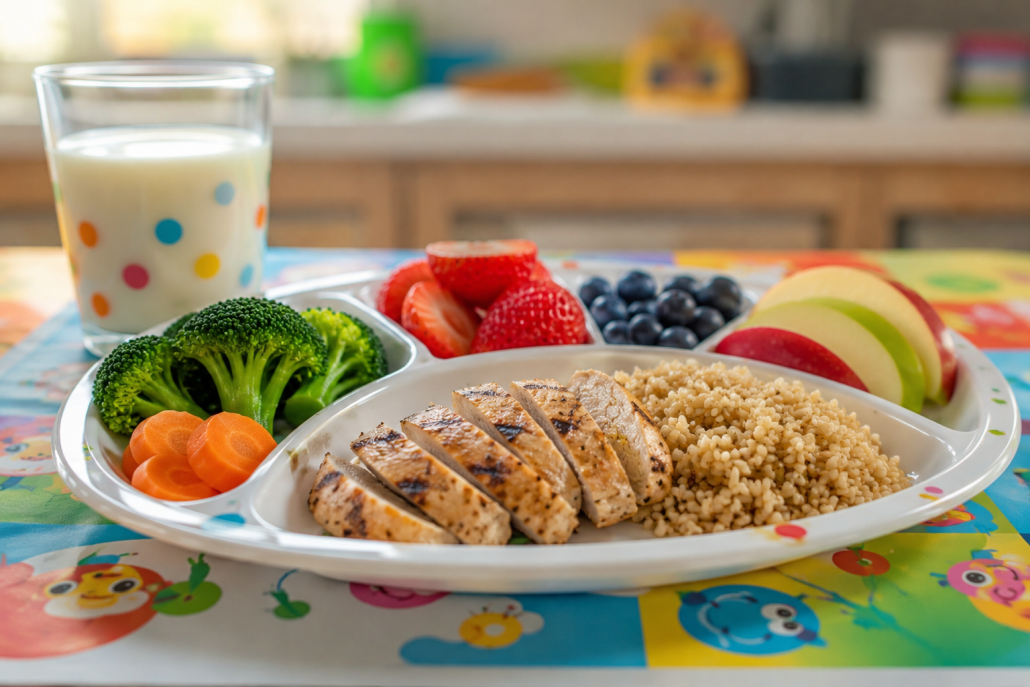
Creating a nutritious plate: Key components of a healthy child’s meal

A balanced diet for children involves incorporating all the essential food groups into their daily meals. Unlike adults, kids are still growing, so their nutritional requirements vary in terms of quantity and quality. A well-balanced diet helps meet these unique needs while setting the stage for healthy habits down the line.

Here are the five food groups essential for a child’s balanced meal:

  1. Fruits and Vegetables – Rich in fiber, antioxidants, and essential vitamins, fruits and veggies should fill at least half of your child’s plate.
  2. Whole Grains – Oats, brown rice, whole-grain pasta, and bread are better options than refined grains, providing more fiber and longer-lasting energy.
  3. Protein – Lean meats, poultry, eggs, legumes, tofu, and fish are vital for muscle growth and tissue repair.
  4. Dairy or Dairy Alternatives – These supply calcium and vitamin D, which are crucial for strong bones and teeth.
  5. Healthy Fats – Avocados, nuts, seeds, and olive oil promote brain development and heart health.

Using the “MyPlate” visual model by the USDA can help make this concept easier to understand. Divide the plate into sections for fruits, vegetables, grains, protein, and a side of dairy. This balanced approach ensures children receive the macro and micronutrients needed to fuel their growth and development.

Variety is equally important. Encourage your child to try new foods often, incorporating different colors and textures to keep meals exciting. When kids are exposed to a wide range of healthy foods, they are less likely to become picky eaters and more likely to grow into healthy adults.

Tips to Encourage Healthy Eating Habits in Children

Making good nutrition stick: Practical strategies for parents and caregivers

One of the most common challenges parents face is getting their children to eat healthy meals without fuss. Kids are naturally drawn to sweet, salty, and crunchy foods, which makes it tricky to convince them that broccoli is better than fries. However, with a bit of creativity and consistency, you can foster healthy eating habits that feel natural rather than forced.

Here are some effective tips to make nutritious eating a daily habit:

  • Lead by example: Children mimic what they see. If they see you enjoying a salad or snacking on fruits, they’ll be more likely to do the same.
  • Get kids involved: Let your child pick out fruits or vegetables at the grocery store, help in the kitchen, or even plan part of the weekly menu.
  • Make meals fun: Use colorful plates, food cutters, or arrange food into fun shapes. A simple smiley face made of sliced fruit can turn a boring snack into a treat.
  • Avoid using food as a reward or punishment: This can create emotional attachments to certain foods and lead to unhealthy patterns.
  • Offer choices: Instead of asking “Do you want carrots?”, ask “Would you like carrots or cucumbers?” Giving them control makes them more willing to eat.
  • Stick to a schedule: Regular meals and snacks reduce the temptation to overeat or crave unhealthy snacks.
  • Don’t force it: Forcing kids to eat can backfire. Keep introducing healthy foods in small amounts and celebrate small wins.

The earlier these habits are introduced, the more likely they are to stick. Be patient, sometimes it takes multiple exposures to a new food before a child accepts it.

Healthy Snack Ideas for Kids

Healthy Snack Ideas for Kids

Wholesome bites: Nutritious and delicious snack options for growing bodies

Snacking is a major part of a child’s diet. Done right, snacks can provide important nutrients and help prevent overeating at mealtime. But it’s easy to fall into the trap of offering packaged snacks filled with added sugars, salt, and artificial ingredients.

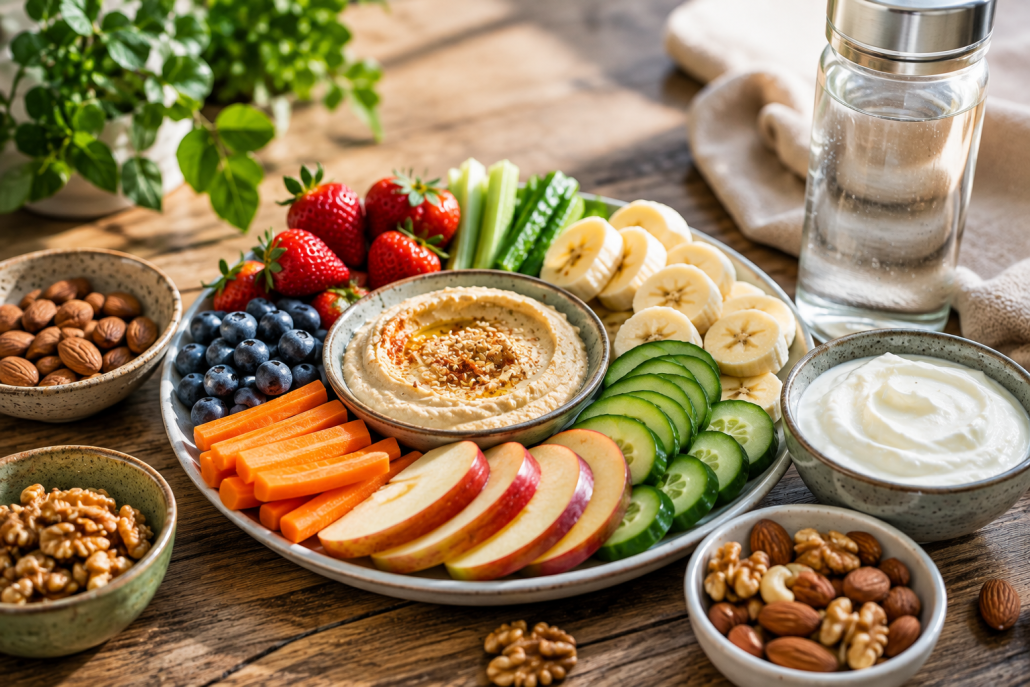
Here are some wholesome and kid-approved snack ideas that are as tasty as they are nutritious:

  • Apple slices with almond or peanut butter
  • Greek yogurt topped with fresh berries and a sprinkle of granola
  • Baby carrots or cucumber sticks with hummus
  • Mini whole grain sandwiches with turkey and cheese
  • Boiled eggs and whole grain crackers
  • Banana rolled in crushed nuts
  • Frozen grapes or fruit kabobs
  • Homemade trail mix (nuts, seeds, and dried fruits)

Portion control is important, even with healthy snacks. Aim for snacks that combine protein and fiber, as these will keep your child full longer and provide sustained energy. And remember: water is always the best drink option—skip sugary sodas and artificial fruit juices whenever possible.

Preparing snacks ahead of time and storing them in easy-to-reach containers in the fridge can make healthy choices more accessible for kids.

The Role of Hydration in Children’s Health

Drinking smart: Why water and fluids matter in a child’s daily diet

Hydration is just as vital as solid food when it comes to your child’s health. Many parents focus solely on meals and forget that what their children drink plays a significant role in their overall nutrition. Water is essential for digestion, brain function, temperature regulation, and energy levels.

Unfortunately, many children drink more sugary beverages than water. Soft drinks, flavored milks, and fruit juices may taste good, but they are often high in sugar and calories with little to no nutritional value. This excessive intake contributes to obesity and tooth decay.

How much water does your child need? A general rule of thumb:

  • Toddlers (1-3 years): about 4 cups (1 liter) a day
  • Young children (4-8 years): about 5 cups (1.2 liters) a day
  • Older children (9-13 years): 6–8 cups (1.5–2 liters) a day

To encourage better hydration habits:

  • Offer water with every meal and snack
  • Let kids pick their favorite water bottles
  • Add a splash of natural fruit juice to water for flavor (without added sugar)
  • Include high-water foods like watermelon, oranges, or cucumbers

Staying hydrated supports everything from a child’s mood to their learning ability. So don’t underestimate the power of a simple glass of water.

Dealing with Picky Eaters the Healthy Way

Overcoming mealtime battles: Strategies for selective eaters

Picky eating is a common phase many children go through, and while it can be frustrating, it’s usually temporary. The key is to remain calm, patient, and consistent without turning mealtime into a battleground.

Here are some positive strategies to help manage picky eating without stress:

  • Respect their appetite (or lack thereof): Never force your child to eat. Let hunger be the guide.
  • Serve small portions: Overwhelming amounts of new food can be intimidating.
  • Pair new foods with favorites: Introduce unfamiliar items alongside foods your child already enjoys.
  • Be consistent and persistent: It can take 10–15 exposures before a child accepts a new food.
  • Offer food in different forms: If they dislike steamed broccoli, try roasting it or adding it to a casserole.
  • Avoid distractions during meals: Turn off screens to keep the focus on eating.
  • Celebrate effort, not just eating: Praise your child for trying new foods, even in small bites.

Creating a stress-free eating environment builds trust. With time and a relaxed approach, even the pickiest of eaters can develop a palate for healthier choices.

Meal Planning and Prepping for Busy Families

Meal Planning and Prepping for Busy Families

Keeping it healthy on a schedule: Simple steps to plan nutritious meals

Busy schedules shouldn’t get in the way of healthy eating. Planning ahead can save time, reduce stress, and ensure your child gets the nutrients they need even on hectic days.

Here’s how to make meal prepping work for your family:

  • Create a weekly meal plan: Include breakfasts, lunches, dinners, and snacks. This reduces the guesswork during the week.
  • Shop with a list: Stick to your meal plan and avoid impulse purchases of unhealthy items.
  • Batch cook meals: Make large portions of soups, stews, or casseroles that can be reheated throughout the week.
  • Pre-cut fruits and veggies: Store them in airtight containers for easy snacks or lunchbox additions.
  • Use leftovers creatively: Turn last night’s grilled chicken into a wrap or salad the next day.

Involving kids in the meal prep process makes them more excited about eating what’s been prepared. And when you have healthy meals and snacks ready to go, you’re less likely to rely on fast food or processed options.

Conclusion

Building a healthy foundation isn’t a sprint, it’s a marathon.

Creating a lifelong relationship with healthy eating begins in childhood. It’s not about perfection but about creating a positive food culture in your home. When children are exposed to balanced meals, empowered with choices, and involved in their own eating journey, they are far more likely to grow into adults who value and enjoy nutritious food.

Be patient with the process. Celebrate the small victories. Whether it’s your child trying broccoli for the first time or choosing water over soda, these milestones matter. Most importantly, keep communication open. Listen to your child’s feedback, answer their questions about food, and make mealtimes enjoyable.

The reward is far greater than a clean plate, it’s a happy, healthy, and energetic child who’s ready to take on the world.

Frequently Asked Questions (FAQ) About Healthy Eating for Children

1. How can I get my child to eat more vegetables?
Start by incorporating veggies into dishes they already like (e.g., spinach in pasta). Make them fun with shapes or dips. Offer a variety regularly and avoid forcing them to eat.

2. Is it okay to give my child treats or sweets?
Yes, in moderation. Teach balance by allowing occasional treats while emphasizing nutritious meals. Avoid labeling foods as “bad”, instead, focus on “everyday” vs. “sometimes” foods.

3. What are good breakfast options for kids?
Oatmeal with fruits, scrambled eggs with toast, smoothies, whole grain cereal with milk, and nut butter on whole wheat bread are all healthy, kid-friendly breakfast options.

4. How do I know if my child is getting enough nutrients?
A varied diet with all food groups typically covers nutrient needs. If you’re unsure, consult a pediatrician or a registered dietitian for personalized advice.

5. My child refuses to eat meat. What are alternative protein sources?
Try beans, lentils, tofu, eggs, nuts, seeds, quinoa, and dairy. These plant-based and vegetarian options are rich in protein and nutrients for growing kids.

Would you like a printable food chart or weekly meal plan for kids too?

Nutritional Tips to Crush Food Cravings Naturally

Nutritional Tips to Crush Food Cravings Naturally

Food cravings can feel like an unstoppable force, derailing healthy eating goals and tempting you into choices you may later regret. Whether it’s a mid-afternoon sugar urge or a late-night salty snack attack, cravings are real, and they can be powerful. But here’s the good news: you don’t have to let them control you. By understanding the nutritional needs behind your cravings and implementing mindful dietary strategies, you can take charge of your hunger, balance your body, and build a relationship with food that supports long-term health.

In this blog post, we’ll dive deep into the science of food cravings and show you practical, food-based solutions to help you resist temptation. From protein-packed meals to hydration hacks and mindful snacking strategies, we’ll explore a comprehensive toolkit to help you conquer cravings naturally. Along the way, we’ll also expose common myths, provide actionable tips, and offer holistic insights that address not just what you eat, but how and why you eat it.

Let’s unpack the secrets behind those persistent cravings and unlock your ability to master them, without feeling deprived or restricted. Say goodbye to guilt-laced indulgences and hello to empowered eating!

Understanding the Root Cause of Food Cravings

Protein, Fiber, and Balanced Nutrition to Reduce Cravings

Before you can conquer cravings, you need to understand where they come from. Food cravings are more than just poor willpower, they’re signals from your body (and sometimes your brain) indicating a need or imbalance. Often, cravings stem from nutritional deficiencies, emotional stress, hormonal shifts, or even dehydration. Your body could be lacking magnesium, prompting a chocolate craving. Or perhaps you’re simply overtired, and your brain seeks quick energy in the form of sugar.

These cravings are also deeply psychological. Foods high in sugar, fat, and salt activate pleasure centers in the brain, releasing dopamine and creating a reward cycle. Over time, your body may become conditioned to crave these foods in response to stress or negative emotions. Moreover, skipping meals or consuming high-glycemic foods can cause blood sugar crashes, triggering sudden, intense hunger.

Addressing the root causes of cravings helps eliminate their grip on you. Instead of feeling at the mercy of your appetite, you begin to make conscious, healthy food choices that align with your body’s real needs. When you feed your body what it truly needs, nutrients, water, rest, or emotional comfort, those overpowering urges tend to fade.

Understanding cravings is the first step toward healing your relationship with food. Now, let’s look at practical nutritional strategies you can implement to outsmart cravings before they strike.

Eat More Protein to Reduce Cravings and Feel Fuller Longer

Protein, Fiber, and Balanced Nutrition to Reduce Cravings

One of the most powerful ways to manage cravings is by increasing your daily protein intake. Protein helps regulate your appetite hormones, keeps you full longer, and stabilizes blood sugar levels. When your meals lack adequate protein, you’re more likely to experience energy dips that lead to sugar cravings.

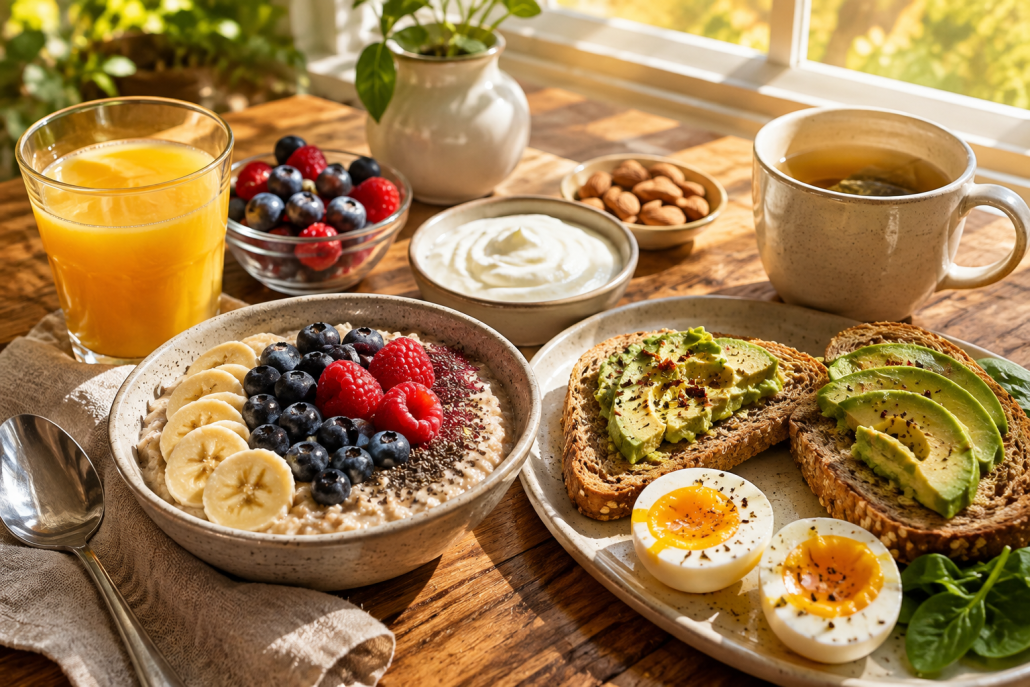
Eating a high-protein breakfast, in particular, sets the tone for the rest of the day. Instead of reaching for sugary cereals or toast, opt for eggs, Greek yogurt, chia seed pudding, or a protein smoothie. These options are rich in essential amino acids and will help you stay satisfied until your next meal.

Adding protein to every meal doesn’t have to be complicated. Incorporate lean meats, legumes, quinoa, tofu, nuts, or seeds into your lunches and dinners. Even snacks can be protein-rich, think roasted chickpeas, boiled eggs, or almond butter with apple slices.

Studies show that people who consume higher amounts of protein experience fewer cravings and are less likely to indulge in late-night snacking. By stabilizing your energy levels and keeping hunger at bay, protein becomes your first line of defense in the battle against mindless munching.

So, the next time cravings hit, ask yourself, have I had enough protein today? If not, consider it a gentle nudge from your body to fuel it with something truly satisfying.

Stay Hydrated: How Drinking More Water Can Stop Food Cravings

Stay hydrated

Believe it or not, thirst is often mistaken for hunger. Dehydration can trick your brain into thinking you’re hungry, leading you to reach for snacks when what your body really needs is fluid. Staying hydrated throughout the day is a simple, yet highly effective strategy for controlling unnecessary eating.

When you feel a craving coming on, try drinking a full glass of water and waiting 10 to 15 minutes. In many cases, the craving will pass. Water helps flush toxins, supports digestion, and regulates blood sugar, all of which contribute to reduced cravings.

In addition to plain water, herbal teas, coconut water, and water-rich fruits and vegetables (like cucumber, watermelon, and oranges) can also support hydration. Avoid sugary drinks and sodas, which can spike blood sugar and ultimately increase cravings.

To make hydration easier, carry a reusable water bottle with you and set reminders to sip throughout the day. Flavoring your water with lemon, mint, or berries can also make it more enjoyable.

In a world where we’re constantly distracted, we often confuse bodily signals. Taking a moment to pause and drink water before giving in to a craving not only hydrates you but brings a layer of mindfulness to your eating habits. Sometimes, it really is just water your body wants.

Balance Blood Sugar to Tame the Craving Monster

One of the biggest drivers of cravings is blood sugar instability. When you eat refined carbohydrates or sugar-laden foods, your blood glucose spikes quickly, only to crash shortly after. This crash triggers intense hunger, irritability, and an overwhelming urge to eat more sugar.

The key to taming this rollercoaster lies in choosing foods that keep your blood sugar stable. Focus on complex carbohydrates like oats, brown rice, lentils, and sweet potatoes. These break down slowly in the body and release glucose at a steady rate. Pairing carbs with protein and healthy fats further slows digestion and enhances satiety.

Instead of sugary breakfast pastries or juice, try a bowl of steel-cut oats with almond butter and berries. At lunch, skip the white bread and go for a quinoa bowl loaded with veggies, grilled chicken, and avocado. These kinds of meals keep your energy consistent and make mid-day cravings much less likely.

Snacking smart also plays a big role. Opt for nutrient-dense foods like hummus and carrots, a handful of mixed nuts, or cottage cheese with fruit. These options won’t send your blood sugar on a wild ride, and they’ll keep you feeling balanced and in control.

By stabilizing your blood sugar, you prevent the crash-and-crave cycle that keeps so many people stuck. Consistency is key, don’t wait until you’re ravenous to eat. Balanced meals and snacks throughout the day help maintain steady energy and kill cravings before they start.

Fill Up on Fiber-Rich Foods to Prevent Unhealthy Snacking

Fiber is one of the most underappreciated tools in the fight against cravings. Foods rich in fiber digest slowly, promote fullness, and help maintain stable blood sugar, all of which reduce the urge to snack impulsively. Yet, most people don’t get enough of it in their daily diet.

The good news? Fiber is easy to incorporate once you know where to find it. Whole grains like barley and oats, legumes like black beans and lentils, and fruits like apples, pears, and berries are all high-fiber champions. Leafy greens, broccoli, and carrots add bulk to meals and promote digestive health too.

Start your day with a fiber-packed breakfast, chia seed pudding, whole grain toast with avocado, or oatmeal topped with flax seeds and banana. At lunch and dinner, build your plate around vegetables and whole grains, rather than refined starches.

Incorporating fiber into your snacks can also work wonders. Reach for trail mix with dried fruit and seeds, or try air-popped popcorn with a sprinkle of nutritional yeast. These choices offer satisfaction without the post-snack guilt.

Fiber also nourishes your gut microbiome, which influences everything from mood to cravings. A healthy gut reduces inflammation and helps regulate the hormones that control appetite. When your digestive system thrives, so does your ability to resist cravings.

Breaking the Craving Habit

While nutritional strategies are essential, conquering cravings also requires a mindful approach. Many cravings are emotional in nature. Stress, boredom, loneliness, or even habit can drive us to eat when we’re not truly hungry. Mindful eating helps us tune in to our body’s real needs and distinguish between physical hunger and emotional triggers.

Start by slowing down during meals. Eat without distractions, chew thoroughly, and notice the taste, texture, and satisfaction that food brings. This awareness helps you recognize fullness cues and prevents overeating.

When a craving strikes, pause and ask yourself: Am I truly hungry? Or am I feeling anxious, bored, or tired? Sometimes, a walk, a journal entry, or a five-minute breathing exercise can meet your need better than food can.

Keeping a food journal can also be eye-opening. Track what you eat, how you feel before and after, and any emotional patterns tied to your eating habits. This process brings unconscious behavior into conscious awareness, allowing you to interrupt the cycle.

Finally, don’t beat yourself up for occasional indulgences. Emotional eating is common, but guilt only fuels the cycle. With self-compassion and a non-judgmental approach, you can create lasting change.

Healthy Alternatives That Satisfy Cravings

Conquering cravings doesn’t mean you have to give up all your favorite foods. In fact, trying to eliminate every indulgence can backfire, leading to binge episodes. A smarter approach is to find healthy substitutes that satisfy your craving while nourishing your body.

Craving something sweet? Swap milk chocolate for dark chocolate with 70% cacao or higher. Replace ice cream with banana “nice cream” blended with almond milk and a dash of cinnamon. For soda lovers, try sparkling water with a splash of citrus or fruit-infused ice cubes.

When salty cravings hit, choose air-popped popcorn, roasted edamame, or homemade kale chips with sea salt instead of processed potato chips. Craving something crunchy? Sliced cucumber with hummus or nut butter on whole-grain crackers hits the spot without the guilt.

These alternatives provide similar textures and flavors, helping to curb cravings without compromising your health. Over time, your taste buds will adjust and you’ll find yourself genuinely preferring these smarter choices.

By replacing, not restricting, you train your brain and body to crave better, fueling your health goals without feeling deprived.

Final Thoughts

Controlling cravings isn’t about perfection. It’s about awareness, balance, and consistency. By incorporating the nutritional tips we’ve covered, eating more protein, staying hydrated, balancing blood sugar, increasing fiber, practicing mindful eating, and making smart swaps, you build a powerful system that helps you stay in control.

It’s also important to adopt a flexible mindset. There will be days when cravings win, and that’s okay. The key is to understand that one moment doesn’t define your journey. Use it as a learning opportunity and get back on track with your next meal.

As you implement these tips consistently, you’ll notice your cravings decrease in frequency and intensity. Your body will begin to crave foods that nourish it, and your mind will feel more in sync with your physical hunger signals. That’s the true power of nutritional mastery, it creates a sustainable lifestyle rooted in self-care, not self-denial.

FAQ: Frequently Asked Questions About Beating Food Cravings

1. Are cravings a sign of nutrient deficiency?
Yes, in some cases. For example, chocolate cravings may indicate a magnesium deficiency, and salt cravings could be linked to mineral imbalances or dehydration. However, emotional and psychological factors often play a role as well.

2. How long does it take to stop craving junk food?
It varies per person. With consistent healthy eating and reduced exposure to ultra-processed foods, most people see significant changes in 2–3 weeks.

3. Can eating more frequently help reduce cravings?
Yes, eating smaller, balanced meals every 3–4 hours can prevent dips in blood sugar, helping to manage hunger and reduce cravings.

4. What’s the best quick fix for a sugar craving?
A piece of fruit, Greek yogurt with honey, or a protein-rich snack like a handful of almonds can satisfy a sweet craving without the sugar crash.

5. Is it okay to give in to cravings sometimes?
Absolutely. Occasional indulgence is part of a balanced life. The key is moderation and not letting one choice derail your entire healthy eating plan.


Breaking Binge Eating Habits

Binge eating isn’t just about food, it’s about emotions, habits, and hidden triggers. For millions, this disordered eating pattern silently disrupts daily life, causing shame, weight gain, anxiety, and feelings of helplessness. If you’ve ever found yourself repeatedly eating large amounts of food in a short period of time, often in secret and beyond physical hunger, you’re not alone. But more importantly, you’re not powerless.

We’ll explore the psychological roots of binge eating, why willpower alone doesn’t work, and most importantly, how to break the cycle with proven, compassionate strategies.

Whether your binge episodes happen weekly or daily, real recovery is within reach. Using mindful practices, cognitive restructuring, and emotional support, you can develop a healthier relationship with food and with yourself.

Let’s take a deeper look at how to stop binge eating for good, and how to build sustainable habits that nourish your body, calm your mind, and feed your soul.

What It Is and Why It Happens

Binge eating is a pattern of consuming excessive food in a short timeframe, accompanied by feelings of guilt, loss of control, and emotional distress. It’s not merely overeating; it’s a deeper, recurring issue that often stems from psychological or emotional triggers. While occasional indulgence is normal, binge eating becomes a concern when it disrupts your health, happiness, and self-esteem.

Unlike bulimia, binge eating doesn’t involve purging afterward, which can lead to rapid weight gain, metabolic issues, and long-term emotional consequences. People who binge often eat in secrecy, feel ashamed afterward, and may promise themselves it won’t happen again, only to relapse in moments of stress or emotional vulnerability.

What causes this cycle? It’s often linked to trauma, chronic dieting, low self-worth, anxiety, or depression. Restrictive eating, ironically, can worsen binge eating. When the body feels deprived, it eventually overrides discipline and craves high-calorie comfort food, triggering another binge.

Understanding the “why” behind your behavior is the first step toward breaking it. You must address both the emotional and physiological roots of your eating patterns to heal completely.

The Vicious Cycle

One of the most dangerous myths about binge eating is that it’s simply about lacking willpower. In truth, binge eating is usually the end result of an exhausting mental loop: restriction, bingeing, guilt, and then more restriction. This pattern is both exhausting and self-defeating.

The cycle typically starts with a restrictive mindset, “I won’t eat carbs,” or “I’ll only eat 1,000 calories a day.” While this might seem like discipline, it’s often unsustainable. Eventually, your body rebels. You become overwhelmed with cravings, emotional tension builds, and you find yourself eating everything you swore off, often in a frantic, detached state.

What follows is crushing guilt and shame. You may feel disgusted with yourself and vow to “start over” the next day, only to fall back into the same trap. This loop reinforces the belief that you’re broken or out of control, which leads to more emotional eating.

The truth is: restriction and bingeing are two sides of the same coin. You cannot heal binge eating while still punishing yourself with rigid food rules. It’s crucial to stop labeling food as “good” or “bad” and begin creating a neutral, accepting relationship with food. When you remove the shame, you take away binge eating’s power.

Emotional Triggers: Identifying the Root Cause Behind the Cravings

Binge eating is rarely about hunger. It’s about numbing emotions, coping with stress, or filling an internal void. Emotional triggers vary from person to person, but they all have one thing in common: they disconnect you from mindful eating and thrust you into an impulsive response.

Common binge triggers include:

  • Stress from work or relationships
  • Loneliness or boredom
  • Feelings of failure or self-doubt
  • Past trauma or unresolved grief
  • Negative self-talk or body image

Once you identify your emotional triggers, you can begin to manage them in healthier ways. Keeping a food and mood journal is a powerful tool. Write down what you eat, how much, when, and, most importantly, how you feel before and after eating. Patterns will begin to emerge.

Awareness is key. When you catch a trigger in real-time, you can pause and ask yourself: “Am I physically hungry, or emotionally distressed?” This small act of mindfulness can interrupt the binge cycle. From there, you can redirect the urge into a more productive outlet, like journaling, going for a walk, calling a friend, or practicing deep breathing.

Mindful Eating Practices

Mindful eating is the practice of paying full attention to the experience of eating, without judgment, distraction, or shame. It helps restore the connection between your body’s hunger cues and your emotional responses. Over time, this practice can reduce binge urges and increase satisfaction from smaller amounts of food.

Start with these foundational mindful eating steps:

  • Eat without distractions: Turn off the TV, put away your phone, and focus solely on the meal.
  • Chew slowly and savor: Notice the textures, flavors, and aromas of each bite.
  • Check in with your body: Before eating, rate your hunger from 1 to 10. Do the same after eating to monitor fullness.
  • Give yourself permission to eat: Removing guilt allows you to eat from a place of self-care rather than rebellion.

Mindful eating teaches you that food is not the enemy, it’s nourishment. By slowing down and staying present, you can reclaim control from impulsive patterns. With practice, mindful eating becomes second nature, helping you enjoy meals and reduce compulsive overeating.

Building a Balanced Relationship With Food

Diet culture is one of the most toxic contributors to binge eating. It glorifies restriction, promotes unrealistic body standards, and teaches people to fear food instead of trust their instincts. If you’ve bounced from one diet to another only to end up bingeing, it’s time to reject the “diet mentality” and embrace food freedom.

A balanced relationship with food means:

  • Eating when you’re hungry and stopping when you’re full
  • Including all food groups without guilt
  • Understanding that occasional indulgence is normal
  • Nourishing your body consistently, not depriving it

Intuitive eating is a helpful framework for this shift. It teaches you to listen to your body’s signals instead of external rules. There are no “cheat days” or forbidden foods, just choices based on what your body needs.

Building food freedom doesn’t happen overnight, especially if you’ve internalized years of shame and control. But with time and consistency, you can unlearn toxic beliefs and discover the joy of eating without obsession.

Healthier Alternatives to Emotional Eating

When the urge to binge strikes, you need alternatives that actually soothe your emotions, not just distract you. Healthy coping strategies help you break the binge habit by addressing the underlying discomfort, not just masking it.

Effective non-food coping strategies include:

  • Movement: Gentle exercise like walking or yoga releases endorphins and reduces stress.
  • Art and journaling: Creative outlets allow you to express emotions without judgment.
  • Connection: Talking to a trusted friend or therapist can reduce feelings of isolation.
  • Relaxation techniques: Deep breathing, meditation, or listening to calming music grounds your nervous system.

Create a “binge alternative list”,  a personalized collection of activities that help you manage urges. Keep it somewhere visible, like on your fridge or phone, so you can access it in the moment.

Remember, the goal isn’t to eliminate all cravings but to respond to them differently. These new coping tools take practice but can become powerful, go-to responses that replace the binge cycle over time.

Seeking Help: Why Therapy Can Be a Game-Changer

Binge eating recovery doesn’t always happen in isolation, and you don’t have to carry the weight alone. Professional help, particularly from therapists who specialize in eating disorders, can accelerate healing and provide the accountability you need.

Cognitive Behavioral Therapy (CBT) is one of the most effective treatments for binge eating disorder. It helps you:

  • Challenge negative thought patterns
  • Reframe food beliefs
  • Manage emotional triggers
  • Create structured eating routines

Other therapies like Dialectical Behavior Therapy (DBT), mindfulness-based therapy, or even group therapy can also provide valuable support.

Additionally, nutritionists with a non-diet approach can guide you in rebuilding a consistent, nourishing meal plan that doesn’t trigger binges.

Asking for help is not weakness, it’s courage. Healing from binge eating is possible, and therapy can give you the tools, structure, and compassion needed for long-term recovery.

Setting Realistic Goals and Celebrating Progress

Lasting change doesn’t come from overnight fixes. It comes from small, intentional steps repeated consistently. When it comes to overcoming binge eating, setting realistic goals and recognizing progress is crucial for motivation and sustainability.

Start with manageable shifts:

  • Commit to one mindful meal a day
  • Journal your emotions for 5 minutes each evening
  • Practice self-compassion when you slip up

Track your victories, not just with food, but emotionally. Did you pause before a binge? Did you reach out for support? Did you feel joy after a meal instead of guilt? These are massive wins that deserve recognition.

Also, embrace setbacks as part of the journey. Recovery is rarely linear. Relapses aren’t failures, they’re learning moments. Reflect, adapt, and keep going.

With patience and consistency, you’ll build habits that nourish every part of your life, not just your body. You’ll stop surviving your relationship with food and start thriving in it.

Reclaiming Control, One Step at a Time

Binge eating might feel overwhelming, but it doesn’t have to define you. By understanding the root causes, practicing mindful habits, and seeking compassionate support, you can break free from its grip. Recovery is not about perfection, it’s about progress, patience, and self-respect.

This journey will challenge you, but it will also transform you. With every small step, every mindful bite, every moment of self-awareness, you move closer to a life where food no longer controls you.

You deserve freedom. You deserve peace. And you have everything you need inside you to reclaim both.

Frequently Asked Questions About Breaking Binge Eating Habits

1. How do I know if I have a binge eating problem or if I’m just overeating?

Binge eating involves frequent episodes of eating large quantities of food quickly, feeling out of control, and experiencing guilt afterward. Overeating occasionally is normal, but if it’s recurring and emotionally distressing, it may be binge eating.

2. Can binge eating be cured without therapy?

While some people make progress using self-help tools, therapy, especially CBT, significantly increases success rates. It’s not a sign of weakness to seek help; it often speeds recovery.

3. What foods should I avoid to stop bingeing?

Instead of avoiding specific foods, focus on balanced, regular meals. Restrictive diets often trigger binge episodes. Instead, learn to eat all foods in moderation without guilt.

4. How long does it take to stop binge eating?

Recovery time varies. With consistent effort and support, many people see improvement in weeks to months. The key is persistence and compassion toward yourself.

5. Will intuitive eating make my binge eating worse?

Initially, it may feel uncomfortable, especially if you’re used to strict control. But with guidance, intuitive eating helps reconnect you with your hunger cues and rebuilds trust with your body, reducing binge urges over time.


Healthy Eating

Simple Yet Smart Ways to Eat Healthier Every Day

Healthy eating doesn’t have to be a complicated, overwhelming task. In fact, it’s often the small, simple changes that create the biggest impact over time. If you’ve ever felt like eating healthy means ditching your favorite meals, counting every calorie, or spending hours in the kitchen, it’s time to rethink that approach. Healthy eating can be delicious, satisfying, and surprisingly easy with a few mindful habits. This guide explores practical, manageable ways you can eat better, without turning your life upside down.

Whether you’re a busy professional, a stay-at-home parent, or someone just looking to live a more balanced life, these strategies will help you nourish your body without the stress. From portion control to mindful snacking, we’ll walk you through multiple effective tips that blend seamlessly into your everyday routine. You’ll also discover how planning meals, hydrating properly, and even managing cravings can boost your energy, improve your digestion, and support your long-term wellness goals.

Let’s dive into the smartest, easiest ways to eat healthier, starting today.

Start Your Day Right: The Power of a Nutritious Breakfast

Start Your Day Right: The Power of a Nutritious Breakfast

The way you begin your day often sets the tone for everything that follows. A balanced breakfast can improve your mood, stabilize your blood sugar, and prevent overeating later in the day. Yet, many people still skip this essential meal or choose quick-fix options high in sugar and low in nutrients.

Instead of skipping breakfast altogether, aim to include fiber-rich carbs (like whole grains or fruits), protein (such as eggs, Greek yogurt, or nuts), and a healthy fat source (avocado, olive oil, or seeds). This combination helps you feel full longer and fuels your body with slow-releasing energy. Overnight oats, smoothies, or whole-grain toast with nut butter are easy-to-make examples.

Transitioning to a healthier breakfast doesn’t have to be difficult. If time is a constraint, try preparing some ingredients the night before. A little planning goes a long way when it comes to setting your body up for a productive and energetic day.

Prioritize Whole Foods Over Processed Meals

Prioritize Whole Foods Over Processed Meals

One of the simplest and most effective healthy eating tips is to focus on whole, minimally processed foods. These include fruits, vegetables, lean meats, legumes, nuts, seeds, and whole grains. Unlike processed options, whole foods retain their natural nutrients, fiber, and antioxidants.

Processed foods often contain excess salt, added sugars, unhealthy fats, and artificial ingredients, all of which contribute to health issues like obesity, diabetes, and heart disease. Swapping canned soups, frozen dinners, and sugary cereals with fresh options allows your body to function at its best.

To make this easier, shop the perimeter of the grocery store, where fresh produce, meats, and dairy are typically found. When choosing packaged items, always read the label. If the ingredient list is long or hard to pronounce, it’s probably something to skip.

Start small, replace one processed snack or meal a day with a fresh, whole-food alternative. Over time, your taste buds will adapt, and you’ll start craving real, nourishing foods instead.

Plan Your Meals to Avoid Unhealthy Impulses

Plan Your Meals to Avoid Unhealthy Impulses

Meal planning is a game-changer for anyone striving to eat better. When you don’t have a plan, it’s easy to fall into the trap of takeout, vending machine snacks, or last-minute processed meals. But when your meals are prepared ahead of time, it removes guesswork and unhealthy choices.

Start by creating a weekly meal plan that includes breakfast, lunch, dinner, and snacks. Keep things simple with meals you know how to cook, and don’t be afraid to repeat recipes during the week to save time. Include a grocery list of nutritious ingredients, and stick to it when shopping.

Batch-cooking meals, especially dinners, and storing them in containers can ensure that healthy options are always within reach. Freezer-friendly meals are also great for busy nights when you don’t feel like cooking.

Taking a few hours on the weekend to prepare food will save you time, money, and stress during the week, and keep your eating habits on track.

Portion Control

Portion Control

Even healthy food can cause weight gain or digestive discomfort when eaten in excessive amounts. Portion control is an often-overlooked but powerful strategy for eating better and maintaining a healthy weight.

Start by listening to your body’s hunger cues. Eat slowly and pause between bites to give your brain time to register fullness. Instead of eating from large containers or straight out of the bag, serve yourself on a plate. This simple trick helps you become more aware of how much you’re consuming.

Using smaller plates and bowls is another effective way to naturally reduce your portions. Also, balance your meals visually, half your plate should be vegetables, a quarter lean protein, and the remaining quarter whole grains or complex carbs.

Learning to stop eating when you’re satisfied (not stuffed) takes practice, but it makes a significant difference in how you feel after meals. This one habit alone can transform your relationship with food.

Stay Hydrated: Water is Your Best Friend

Stay Hydrated: Water is Your Best Friend

It’s easy to confuse thirst with hunger, which often leads to unnecessary snacking. Staying well-hydrated not only helps regulate your appetite but also improves your metabolism, digestion, skin health, and energy levels.

Aim to drink at least 8 glasses (about 2 liters) of water daily, more if you’re active or live in a hot climate. Carry a reusable water bottle with you wherever you go, and consider setting hourly reminders on your phone if you often forget.

Flavoring your water with natural ingredients like lemon, cucumber, or mint can make it more enjoyable. Herbal teas and water-rich fruits and vegetables (like watermelon or cucumber) also contribute to your daily intake.

Limiting sugary drinks such as soda, energy drinks, and sweetened coffee beverages is essential. These drinks are often packed with empty calories and can sabotage even the healthiest eating plans.

Smart Snacking: Choose Nutritious Bites Between Meals


Smart Snacking: Choose Nutritious Bites Between Meals

Snacking gets a bad reputation, but it’s not the act of snacking that’s the problem, it’s what you choose to snack on. Healthy snacks help maintain energy, stabilize blood sugar, and curb cravings that might lead to overeating later.

Instead of reaching for chips, candy, or cookies, stock your kitchen with wholesome options like nuts, fruit, Greek yogurt, hummus with veggies, boiled eggs, or whole grain crackers. These snacks provide a mix of fiber, protein, and healthy fats to keep you feeling full and focused.

Keep your portions in check. A handful of almonds or one banana is usually enough to tide you over. And don’t snack just out of boredom, pause and ask yourself if you’re truly hungry before reaching for something.

Planning your snacks like you would a meal helps eliminate last-minute, less-healthy decisions. Keep them pre-portioned and ready to grab, especially if you’re often on the go.

Mindful Eating: Be Present with Every Bite

In today’s fast-paced world, eating has become a distracted activity, done in front of screens, during meetings, or while multitasking. This leads to overeating, poor digestion, and a disconnection from our body’s cues.

Mindful eating involves slowing down and paying attention to your food. Savor the flavors, textures, and smells. Chew thoroughly and put your fork down between bites. Avoid eating while watching TV or scrolling through your phone.

Being more aware during meals helps you recognize when you’re full and can enhance your overall eating experience. It’s not just about what you eat, but how you eat that impacts your health.

Try taking 20–30 minutes to eat each meal. Gratitude practices, like silently appreciating your food before you begin, can also help foster a healthier, more intentional relationship with eating.

Don’t Deprive Yourself, Just Balance Your Choices


Don’t Deprive Yourself, Just Balance Your Choices

One of the reasons many diets fail is because they feel too restrictive. When you cut out your favorite foods entirely, it often leads to bingeing or emotional eating. Instead, allow yourself occasional indulgences and focus on overall balance.

Healthy eating is about nourishing your body most of the time, not being perfect all the time. If you love chocolate or pizza, enjoy them in moderation without guilt. Pair indulgent treats with healthy sides, have a slice of pizza with a big side salad, for example.

By not labeling foods as “good” or “bad,” you reduce the psychological pressure around eating and create space for sustainability. The goal isn’t to be perfect, it’s to be consistent.

Allowing some flexibility actually strengthens your commitment to healthy living and makes the journey more enjoyable and long-lasting.

Healthy Cooking Methods: How You Prepare Food Matters

Healthy Cooking Methods: How You Prepare Food Matters

Even the healthiest ingredients can lose their nutritional value, or become unhealthy, depending on how they’re prepared. Deep-frying vegetables, smothering dishes in butter, or drowning salads in high-calorie dressings can counteract your efforts.

Opt for cooking methods that preserve nutrients and reduce unnecessary fats and calories. These include steaming, roasting, grilling, baking, sautéing with olive oil, or using an air fryer.

Spices and herbs can replace excess salt and sugar while adding flavor and antioxidants. Lemon juice, garlic, ginger, cumin, paprika, and turmeric are great ways to boost taste without compromising health.

Also, try experimenting with new recipes that incorporate healthy swaps, like using mashed avocado instead of mayo, Greek yogurt instead of sour cream, or cauliflower rice instead of white rice.

Healthy eating starts in your kitchen, and learning a few simple cooking techniques can take your meals from bland to bold, without adding unhealthy extras.

Eat More Fiber-Rich Foods for Digestion and Fullness

Fiber is an unsung hero in the world of nutrition. It supports digestion, helps control blood sugar, reduces cholesterol, and keeps you feeling full longer. Yet, most people don’t get enough in their daily diet.

Great sources of fiber include whole grains (like oats, brown rice, and quinoa), legumes (beans, lentils), fruits (apples, berries, pears), vegetables (broccoli, carrots, leafy greens), and nuts or seeds (chia, flaxseed, almonds).

Add fiber gradually to avoid digestive discomfort, and always pair it with plenty of water. A high-fiber breakfast, like oatmeal with berries and chia seeds, is a great way to kick off your day.

Making fiber-rich foods a regular part of your meals is one of the simplest ways to boost health, reduce overeating, and support your body from the inside out.

Conclusion: Healthy Eating is a Journey, Not a Destination

The path to healthier eating doesn’t require perfection or extreme restrictions. It’s about making small, sustainable changes that fit your lifestyle. From smart meal planning and portion control to mindful snacking and balanced cooking, every tip you apply adds up to a healthier, more energized you.

You don’t need to overhaul your entire life overnight. Start with one or two changes from this guide and build from there. The goal is progress, not perfection. By treating your body with kindness and making informed food choices, you’ll feel better physically, mentally, and emotionally.

Remember, the best diet is the one you can stick with, the one that nourishes your body, satisfies your soul, and fits into your daily rhythm. Keep it simple, stay consistent, and celebrate your wins along the way.

Frequently Asked Questions (FAQ)

Q1: What’s the easiest way to start eating healthier?

Start with small, manageable changes like drinking more water, adding more vegetables to your meals, and reducing processed food. Even replacing one snack a day with a healthier option can make a big impact.

Q2: Can I still eat my favorite foods and be healthy?

Absolutely. The key is moderation. You can enjoy your favorite treats as part of a balanced diet without feeling guilty. Focus on portion control and pair indulgent foods with nutritious ones.

Q3: How do I stop emotional eating?

Identify your triggers, whether it’s stress, boredom, or loneliness, and find healthier coping mechanisms like walking, journaling, or calling a friend. Mindful eating practices can also help reduce emotional snacking.

Q4: What are some healthy snack ideas?

Great options include Greek yogurt with fruit, nuts and seeds, hummus with veggie sticks, boiled eggs, or whole-grain toast with avocado. These are nutrient-rich and help curb cravings.

Q5: Is meal planning necessary to eat healthy?

While not required, meal planning makes healthy eating much easier. It helps you avoid unhealthy impulses, saves money, reduces food waste, and ensures that nutritious options are always available.


Start Your Day Right: The Power of a Nutritious Breakfast

The Facts About Nutrition

When it comes to nutrition, the internet is flooded with advice, some backed by science, others purely based on trends or personal opinions. As a result, many people feel overwhelmed, unsure of what to eat, and confused about what really constitutes a healthy diet. In this comprehensive guide, we’ll break down the core facts about nutrition in simple terms, dispel myths, and help you make informed decisions about your food. Whether you’re trying to lose weight, boost energy, or simply live longer, understanding the basics of nutrition can transform your life.

What Is Nutrition and Why Does It Matter?

Nutrition is more than just what you eat; it’s about how your body uses the nutrients in food to function optimally. It involves the study of how nutrients—such as carbohydrates, proteins, fats, vitamins, and minerals—affect the body’s growth, maintenance, and repair. Good nutrition helps your organs function properly, boosts immunity, supports healthy development, and even affects mental health.

A balanced diet provides the right proportions of these nutrients. Think of your body like a machine, without the right fuel, it won’t run efficiently. Poor nutrition can lead to fatigue, weakened immunity, obesity, and chronic diseases like diabetes and heart disease. On the flip side, a well-nourished body feels energized, heals faster, and is better protected against illness.

It’s not just about avoiding junk food. Nutrition also means knowing what your body needs, how much it needs, and when to consume it. With the right information, you can turn every meal into an opportunity to fuel your body and mind for success.

Macronutrients Explained: Proteins, Carbohydrates, and Fats Demystified

Macronutrients are the major nutrients your body needs in large amounts. Each one serves a specific role in the body, and a healthy diet should include all three, just in the right balance.

Protein: The Building Block of Life

Protein is essential for repairing tissues, building muscles, and supporting enzyme and hormone production. It’s made up of amino acids, some of which your body can’t make on its own, so you have to get them from food.

Sources include:

  • Lean meats (chicken, turkey, beef)
  • Fish and seafood
  • Eggs and dairy
  • Plant-based options like tofu, lentils, and beans

Consuming adequate protein helps with muscle growth, satiety, and even weight management. It’s particularly important for athletes, growing children, and the elderly.

Carbohydrates: Your Body’s Preferred Energy Source

Despite their bad reputation in some diet circles, carbohydrates are not the enemy. They’re your body’s primary source of energy, especially for the brain and muscles.

Healthy sources of carbs include:

  • Whole grains (brown rice, oats, quinoa)
  • Fruits and vegetables
  • Legumes
  • Root vegetables like sweet potatoes

What you want to avoid are refined carbs like white bread, pastries, and sugary drinks, which can spike your blood sugar and leave you feeling sluggish afterward.

Fats: Essential for Hormones and Cell Function

Fats are vital for absorbing fat-soluble vitamins (A, D, E, and K), producing hormones, and protecting organs. The key is choosing the right kinds of fat.

Healthy fats include:

  • Avocados
  • Nuts and seeds
  • Olive oil
  • Fatty fish like salmon and mackerel

Avoid trans fats found in fried and heavily processed foods. These fats raise bad cholesterol and increase the risk of heart disease.

Micronutrients Matter Too: Vitamins and Minerals That Keep You Going

While macronutrients provide energy, micronutrients—vitamins and minerals—play essential roles in bodily functions like immunity, bone health, and oxygen transport.

Essential Vitamins for Everyday Health

Each vitamin serves a unique function. For example:

  • Vitamin C supports the immune system and helps heal wounds.
  • Vitamin D is crucial for bone health and immune defense.
  • Vitamin B12 aids in nerve function and red blood cell formation.
  • Vitamin A supports vision and skin health.

Getting a variety of fruits and vegetables in your diet ensures you receive a wide range of vitamins. Supplements can help if you’re deficient, but food should always be your first choice.

Important Minerals Your Body Needs

Minerals such as calcium, iron, potassium, and magnesium are just as important:

  • Calcium builds strong bones and teeth.
  • Iron helps transport oxygen in the blood.
  • Potassium supports heart function and fluid balance.
  • Magnesium is involved in over 300 biochemical reactions in the body.

Deficiencies can lead to issues like anemia, brittle bones, and fatigue. A colorful, whole-food-based diet ensures you get what your body needs.

Hydration and Nutrition: Why Water Is the Unsung Hero

Water might not contain calories or nutrients, but it’s one of the most important components of your diet. Staying hydrated helps:

  • Regulate body temperature
  • Flush out toxins
  • Transport nutrients
  • Lubricate joints
  • Aid digestion

Dehydration can cause headaches, fatigue, and even impact cognitive function. Aim for at least 8 cups of water daily, and more if you’re active or live in a hot climate. If plain water bores you, try infusing it with lemon, cucumber, or mint for a refreshing twist.

Don’t rely on sugary drinks to hydrate—these add extra calories and contribute to health issues. Instead, drink water consistently throughout the day to stay refreshed and energized.


Nutrition Myths Busted: Separating Fact from Fiction

In the age of social media, nutrition misinformation spreads fast. Let’s bust some of the most common myths.

Myth #1: Carbs Make You Fat

Truth: Excess calories, not carbohydrates specifically, lead to weight gain. Whole carbs like fruits, vegetables, and grains are nutrient-rich and beneficial.

Myth #2: Fat-Free Means Healthy

Truth: Many fat-free foods are loaded with sugar or artificial additives to enhance taste. Healthy fats are crucial for your well-being.

Myth #3: You Need Supplements for Optimal Health

Truth: While some people do benefit from supplements, most individuals can get all necessary nutrients through a balanced diet. Whole foods offer a range of benefits that pills can’t match.

Myth #4: Detox Diets Cleanse Your Body

Truth: Your liver and kidneys already detox your body naturally. Juice cleanses and detox teas often lack scientific backing and may do more harm than good.

Relying on real, whole foods and a consistent, healthy eating pattern is far more sustainable and effective than following extreme diets or fads.


Meal Planning Tips: Building a Balanced Plate Every Time

Healthy eating doesn’t have to be complicated. Use the “balanced plate” method as a simple visual guide:

  • Half your plate should be fruits and vegetables
  • One-quarter should be lean protein
  • One-quarter should be whole grains or starchy vegetables
  • Add a serving of healthy fat and a glass of water or herbal tea

This approach works for any cuisine or dietary preference. Planning meals ahead can help avoid impulse eating and reduce food waste. Cook in batches, prep ingredients for the week, and keep healthy snacks on hand like fruits, nuts, or Greek yogurt.

Don’t forget portion control—overeating healthy food can still lead to weight gain. Listen to your body’s hunger cues and eat mindfully without distractions.

Special Diets and Their Nutritional Value: Should You Try One?

There’s no one-size-fits-all approach to eating. Many people explore special diets for health, ethical, or personal reasons. Let’s explore a few popular ones.

Mediterranean Diet

Rich in vegetables, whole grains, olive oil, and fish, this heart-healthy diet has been linked to reduced risk of heart disease and cognitive decline.

Plant-Based and Vegan Diets

These eliminate animal products and emphasize whole plant foods. When planned correctly, they can provide all necessary nutrients, though supplementation for B12 and iron may be needed.

Low-Carb and Keto Diets

These diets reduce carbohydrate intake to encourage the body to burn fat for energy. While effective for short-term weight loss, they may be hard to sustain and can lack certain nutrients.

Intermittent Fasting

Rather than focusing on what to eat, this method focuses on when to eat. Many find success with weight control and improved focus. However, it’s not ideal for everyone, especially those with blood sugar issues.

Before trying any new eating pattern, consult with a registered dietitian or healthcare professional to ensure it’s right for your needs.

Nutrition and Mental Health: The Brain-Food Connection

The saying “you are what you eat” applies not just to your body but your mind too. Nutrition plays a significant role in mental clarity, mood regulation, and stress management.

Certain nutrients, like omega-3 fatty acids, magnesium, and B vitamins, are linked to brain health and emotional balance. Diets high in processed foods, sugar, and trans fats, on the other hand, are associated with increased risks of depression and anxiety.

Eating a nutrient-dense diet supports the production of neurotransmitters—chemical messengers like serotonin and dopamine that affect how you feel. A healthy gut also contributes to better mental health, since much of your serotonin is produced there.

Simply put, good food = good mood.

The Role of Nutrition Across Life Stages: From Infancy to Old Age

Nutritional needs change throughout life, and it’s essential to adapt your diet accordingly.

  • Infants and toddlers require nutrient-rich foods for growth and brain development.
  • Teenagers need extra calories and protein to support rapid growth.
  • Pregnant women must focus on iron, folate, and calcium for the baby’s development.
  • Adults should maintain a balanced diet to support work, stress, and metabolism.
  • Older adults need to focus on bone health, hydration, and preserving muscle mass.

Understanding your body’s unique needs at each stage ensures lifelong health and vitality.

Final Thoughts: Fuel Your Life With Smart Nutrition Choices

Nutrition isn’t about chasing trends or achieving a picture-perfect body. It’s about taking care of yourself—body, mind, and soul. By learning the basic facts about nutrition, planning meals mindfully, and choosing real, whole foods, you can empower yourself to live a longer, healthier, and more energetic life.

There’s no such thing as perfection when it comes to eating. Start with small, sustainable changes. Replace soda with water, swap white bread for whole grain, or add an extra serving of vegetables to your plate. Over time, these small habits add up to major health benefits.

Frequently Asked Questions (FAQ) About Nutrition

1. What are the top three most important nutrients I should focus on?
While all nutrients are important, focus on getting enough protein, fiber-rich carbohydrates, and healthy fats. These three play a central role in energy, muscle repair, and organ function.

2. How can I tell if I’m getting enough vitamins and minerals?
The best way is through regular checkups and blood work. Eating a varied diet of colorful fruits, vegetables, whole grains, and lean proteins usually covers your needs.

3. Are supplements necessary for a healthy diet?
Not for everyone. If you eat a balanced diet, you may not need them. However, supplements can help if you’re deficient or follow a restrictive diet.

4. How do I start eating healthier without feeling overwhelmed?
Begin with one change at a time. For example, reduce sugar intake or add a serving of vegetables to your meals. Gradual progress leads to lasting habits.

5. Is organic food healthier than non-organic?
Nutritionally, organic and conventional foods are often similar. However, organic options have fewer pesticides and may be better for the environment.