

Nutritional Tips to Crush Food Cravings Naturally
Food cravings can feel like an unstoppable force, derailing healthy eating goals and tempting you into choices you may later regret. Whether it’s a mid-afternoon sugar urge or a late-night salty snack attack, cravings are real, and they can be powerful. But here’s the good news: you don’t have to let them control you. By understanding the nutritional needs behind your cravings and implementing mindful dietary strategies, you can take charge of your hunger, balance your body, and build a relationship with food that supports long-term health.
In this blog post, we’ll dive deep into the science of food cravings and show you practical, food-based solutions to help you resist temptation. From protein-packed meals to hydration hacks and mindful snacking strategies, we’ll explore a comprehensive toolkit to help you conquer cravings naturally. Along the way, we’ll also expose common myths, provide actionable tips, and offer holistic insights that address not just what you eat, but how and why you eat it.
Let’s unpack the secrets behind those persistent cravings and unlock your ability to master them, without feeling deprived or restricted. Say goodbye to guilt-laced indulgences and hello to empowered eating!
Understanding the Root Cause of Food Cravings
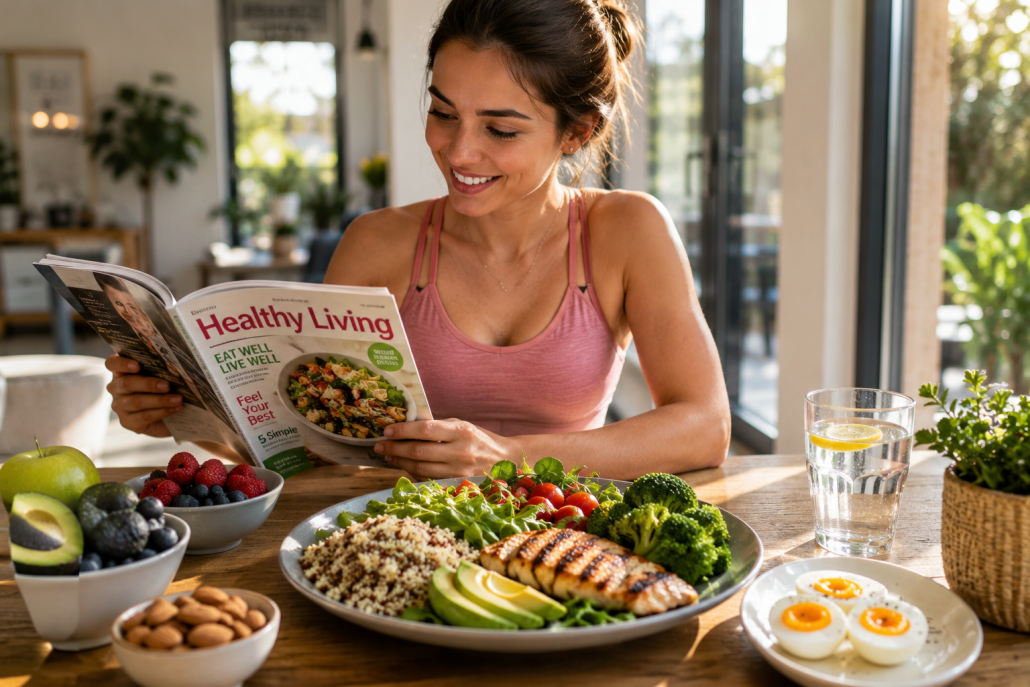
Before you can conquer cravings, you need to understand where they come from. Food cravings are more than just poor willpower, they’re signals from your body (and sometimes your brain) indicating a need or imbalance. Often, cravings stem from nutritional deficiencies, emotional stress, hormonal shifts, or even dehydration. Your body could be lacking magnesium, prompting a chocolate craving. Or perhaps you’re simply overtired, and your brain seeks quick energy in the form of sugar.
These cravings are also deeply psychological. Foods high in sugar, fat, and salt activate pleasure centers in the brain, releasing dopamine and creating a reward cycle. Over time, your body may become conditioned to crave these foods in response to stress or negative emotions. Moreover, skipping meals or consuming high-glycemic foods can cause blood sugar crashes, triggering sudden, intense hunger.
Addressing the root causes of cravings helps eliminate their grip on you. Instead of feeling at the mercy of your appetite, you begin to make conscious, healthy food choices that align with your body’s real needs. When you feed your body what it truly needs, nutrients, water, rest, or emotional comfort, those overpowering urges tend to fade.
Understanding cravings is the first step toward healing your relationship with food. Now, let’s look at practical nutritional strategies you can implement to outsmart cravings before they strike.
Eat More Protein to Reduce Cravings and Feel Fuller Longer

One of the most powerful ways to manage cravings is by increasing your daily protein intake. Protein helps regulate your appetite hormones, keeps you full longer, and stabilizes blood sugar levels. When your meals lack adequate protein, you’re more likely to experience energy dips that lead to sugar cravings.
Eating a high-protein breakfast, in particular, sets the tone for the rest of the day. Instead of reaching for sugary cereals or toast, opt for eggs, Greek yogurt, chia seed pudding, or a protein smoothie. These options are rich in essential amino acids and will help you stay satisfied until your next meal.
Adding protein to every meal doesn’t have to be complicated. Incorporate lean meats, legumes, quinoa, tofu, nuts, or seeds into your lunches and dinners. Even snacks can be protein-rich, think roasted chickpeas, boiled eggs, or almond butter with apple slices.
Studies show that people who consume higher amounts of protein experience fewer cravings and are less likely to indulge in late-night snacking. By stabilizing your energy levels and keeping hunger at bay, protein becomes your first line of defense in the battle against mindless munching.
So, the next time cravings hit, ask yourself, have I had enough protein today? If not, consider it a gentle nudge from your body to fuel it with something truly satisfying.
Stay Hydrated: How Drinking More Water Can Stop Food Cravings

Believe it or not, thirst is often mistaken for hunger. Dehydration can trick your brain into thinking you’re hungry, leading you to reach for snacks when what your body really needs is fluid. Staying hydrated throughout the day is a simple, yet highly effective strategy for controlling unnecessary eating.
When you feel a craving coming on, try drinking a full glass of water and waiting 10 to 15 minutes. In many cases, the craving will pass. Water helps flush toxins, supports digestion, and regulates blood sugar, all of which contribute to reduced cravings.
In addition to plain water, herbal teas, coconut water, and water-rich fruits and vegetables (like cucumber, watermelon, and oranges) can also support hydration. Avoid sugary drinks and sodas, which can spike blood sugar and ultimately increase cravings.
To make hydration easier, carry a reusable water bottle with you and set reminders to sip throughout the day. Flavoring your water with lemon, mint, or berries can also make it more enjoyable.
In a world where we’re constantly distracted, we often confuse bodily signals. Taking a moment to pause and drink water before giving in to a craving not only hydrates you but brings a layer of mindfulness to your eating habits. Sometimes, it really is just water your body wants.
Balance Blood Sugar to Tame the Craving Monster
One of the biggest drivers of cravings is blood sugar instability. When you eat refined carbohydrates or sugar-laden foods, your blood glucose spikes quickly, only to crash shortly after. This crash triggers intense hunger, irritability, and an overwhelming urge to eat more sugar.
The key to taming this rollercoaster lies in choosing foods that keep your blood sugar stable. Focus on complex carbohydrates like oats, brown rice, lentils, and sweet potatoes. These break down slowly in the body and release glucose at a steady rate. Pairing carbs with protein and healthy fats further slows digestion and enhances satiety.
Instead of sugary breakfast pastries or juice, try a bowl of steel-cut oats with almond butter and berries. At lunch, skip the white bread and go for a quinoa bowl loaded with veggies, grilled chicken, and avocado. These kinds of meals keep your energy consistent and make mid-day cravings much less likely.
Snacking smart also plays a big role. Opt for nutrient-dense foods like hummus and carrots, a handful of mixed nuts, or cottage cheese with fruit. These options won’t send your blood sugar on a wild ride, and they’ll keep you feeling balanced and in control.
By stabilizing your blood sugar, you prevent the crash-and-crave cycle that keeps so many people stuck. Consistency is key, don’t wait until you’re ravenous to eat. Balanced meals and snacks throughout the day help maintain steady energy and kill cravings before they start.
Fill Up on Fiber-Rich Foods to Prevent Unhealthy Snacking
Fiber is one of the most underappreciated tools in the fight against cravings. Foods rich in fiber digest slowly, promote fullness, and help maintain stable blood sugar, all of which reduce the urge to snack impulsively. Yet, most people don’t get enough of it in their daily diet.
The good news? Fiber is easy to incorporate once you know where to find it. Whole grains like barley and oats, legumes like black beans and lentils, and fruits like apples, pears, and berries are all high-fiber champions. Leafy greens, broccoli, and carrots add bulk to meals and promote digestive health too.
Start your day with a fiber-packed breakfast, chia seed pudding, whole grain toast with avocado, or oatmeal topped with flax seeds and banana. At lunch and dinner, build your plate around vegetables and whole grains, rather than refined starches.
Incorporating fiber into your snacks can also work wonders. Reach for trail mix with dried fruit and seeds, or try air-popped popcorn with a sprinkle of nutritional yeast. These choices offer satisfaction without the post-snack guilt.
Fiber also nourishes your gut microbiome, which influences everything from mood to cravings. A healthy gut reduces inflammation and helps regulate the hormones that control appetite. When your digestive system thrives, so does your ability to resist cravings.
Breaking the Craving Habit
While nutritional strategies are essential, conquering cravings also requires a mindful approach. Many cravings are emotional in nature. Stress, boredom, loneliness, or even habit can drive us to eat when we’re not truly hungry. Mindful eating helps us tune in to our body’s real needs and distinguish between physical hunger and emotional triggers.
Start by slowing down during meals. Eat without distractions, chew thoroughly, and notice the taste, texture, and satisfaction that food brings. This awareness helps you recognize fullness cues and prevents overeating.
When a craving strikes, pause and ask yourself: Am I truly hungry? Or am I feeling anxious, bored, or tired? Sometimes, a walk, a journal entry, or a five-minute breathing exercise can meet your need better than food can.
Keeping a food journal can also be eye-opening. Track what you eat, how you feel before and after, and any emotional patterns tied to your eating habits. This process brings unconscious behavior into conscious awareness, allowing you to interrupt the cycle.
Finally, don’t beat yourself up for occasional indulgences. Emotional eating is common, but guilt only fuels the cycle. With self-compassion and a non-judgmental approach, you can create lasting change.
Healthy Alternatives That Satisfy Cravings
Conquering cravings doesn’t mean you have to give up all your favorite foods. In fact, trying to eliminate every indulgence can backfire, leading to binge episodes. A smarter approach is to find healthy substitutes that satisfy your craving while nourishing your body.
Craving something sweet? Swap milk chocolate for dark chocolate with 70% cacao or higher. Replace ice cream with banana “nice cream” blended with almond milk and a dash of cinnamon. For soda lovers, try sparkling water with a splash of citrus or fruit-infused ice cubes.
When salty cravings hit, choose air-popped popcorn, roasted edamame, or homemade kale chips with sea salt instead of processed potato chips. Craving something crunchy? Sliced cucumber with hummus or nut butter on whole-grain crackers hits the spot without the guilt.
These alternatives provide similar textures and flavors, helping to curb cravings without compromising your health. Over time, your taste buds will adjust and you’ll find yourself genuinely preferring these smarter choices.
By replacing, not restricting, you train your brain and body to crave better, fueling your health goals without feeling deprived.
Final Thoughts
Controlling cravings isn’t about perfection. It’s about awareness, balance, and consistency. By incorporating the nutritional tips we’ve covered, eating more protein, staying hydrated, balancing blood sugar, increasing fiber, practicing mindful eating, and making smart swaps, you build a powerful system that helps you stay in control.
It’s also important to adopt a flexible mindset. There will be days when cravings win, and that’s okay. The key is to understand that one moment doesn’t define your journey. Use it as a learning opportunity and get back on track with your next meal.
As you implement these tips consistently, you’ll notice your cravings decrease in frequency and intensity. Your body will begin to crave foods that nourish it, and your mind will feel more in sync with your physical hunger signals. That’s the true power of nutritional mastery, it creates a sustainable lifestyle rooted in self-care, not self-denial.
FAQ: Frequently Asked Questions About Beating Food Cravings
1. Are cravings a sign of nutrient deficiency?
Yes, in some cases. For example, chocolate cravings may indicate a magnesium deficiency, and salt cravings could be linked to mineral imbalances or dehydration. However, emotional and psychological factors often play a role as well.
2. How long does it take to stop craving junk food?
It varies per person. With consistent healthy eating and reduced exposure to ultra-processed foods, most people see significant changes in 2–3 weeks.
3. Can eating more frequently help reduce cravings?
Yes, eating smaller, balanced meals every 3–4 hours can prevent dips in blood sugar, helping to manage hunger and reduce cravings.
4. What’s the best quick fix for a sugar craving?
A piece of fruit, Greek yogurt with honey, or a protein-rich snack like a handful of almonds can satisfy a sweet craving without the sugar crash.
5. Is it okay to give in to cravings sometimes?
Absolutely. Occasional indulgence is part of a balanced life. The key is moderation and not letting one choice derail your entire healthy eating plan.


Leave a Reply
Want to join the discussion?Feel free to contribute!