
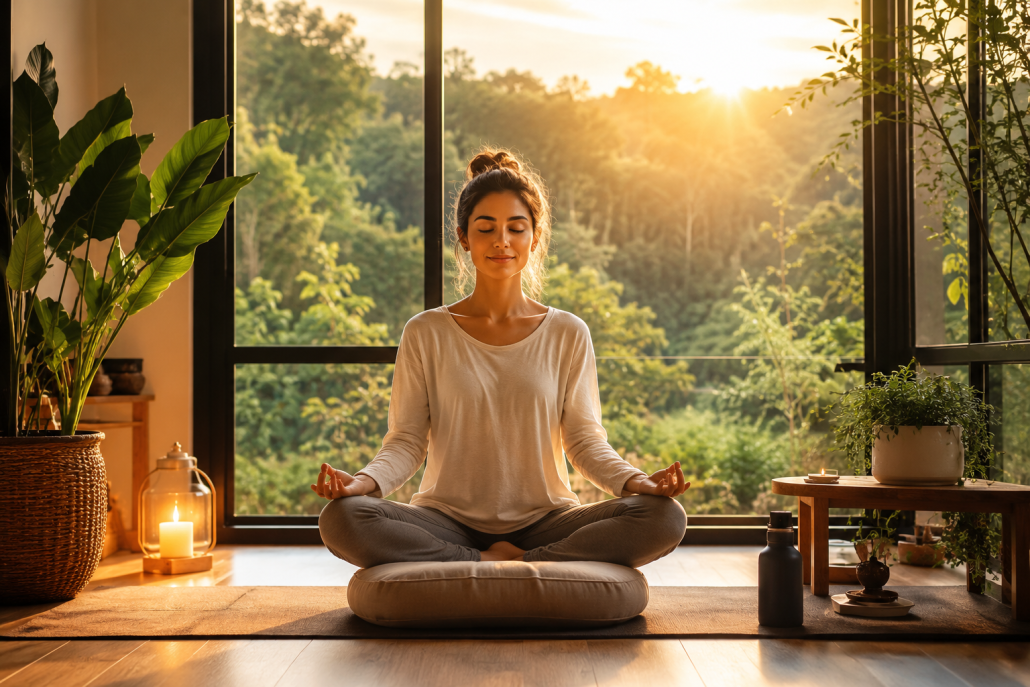
Benefits of Meditation
Meditation is no longer just a spiritual practice reserved for monks and yogis, it has become a global phenomenon embraced by people from all walks of life. Whether you’re seeking inner peace, better health, or sharper focus, meditation offers a wealth of scientifically backed benefits. But what exactly makes this ancient practice so powerful in our modern, fast-paced world?
At its core, meditation is the art of training your mind to focus and redirect thoughts. It involves techniques like mindfulness, breathing exercises, visualization, and mantra repetition. While it may seem simple on the surface, the consistent practice of meditation creates profound changes in your brain, body, and behavior. From enhancing emotional intelligence to boosting immunity, meditation opens the door to a more balanced and fulfilling life.
In this article, we’ll explore the many physical, emotional, mental, and even spiritual benefits of meditation. Each section will delve deep into how and why meditation works, backed by research and real-life applications. You’ll also discover how integrating meditation into your daily routine, even just a few minutes a day, can create ripple effects across all areas of your life.
So, if you’ve ever wondered whether meditation is worth your time, the answer is a resounding yes. Read on to uncover how this simple yet powerful practice can elevate your well-being in ways you never imagined.
Enhancing Mental Clarity and Focus with Daily Meditation
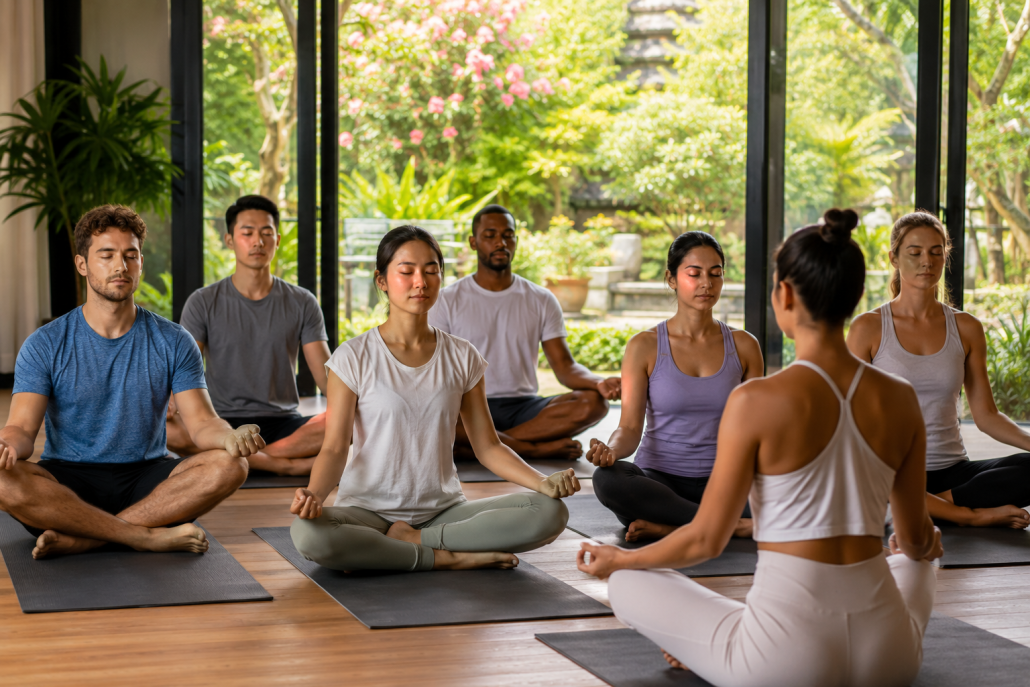
In today’s world filled with distractions and constant noise, mental clarity and concentration have become rare commodities. This is where meditation shines. Regular meditation practice helps to clear the mental fog and sharpen your cognitive abilities.
When you meditate, you’re essentially training your brain to focus on the present moment. Techniques like mindfulness meditation or breath awareness involve observing your thoughts without judgment. Over time, this practice rewires the brain to become more attentive and less reactive to distractions. Studies have shown that meditation increases grey matter in areas of the brain responsible for memory, learning, and emotional regulation.
People who meditate regularly report improved problem-solving skills, better decision-making abilities, and enhanced creativity. Meditation also boosts the production of alpha waves, which are linked to a relaxed but alert mental state. This means you’re not only calm but also mentally sharp and ready to tackle challenges.
Whether you’re a student, entrepreneur, or creative professional, incorporating just 10–20 minutes of meditation into your daily routine can dramatically improve your mental performance. Think of it as a reset button for your brain, allowing you to function at your highest cognitive level.
Reducing Stress and Anxiety Through Mindfulness Practice
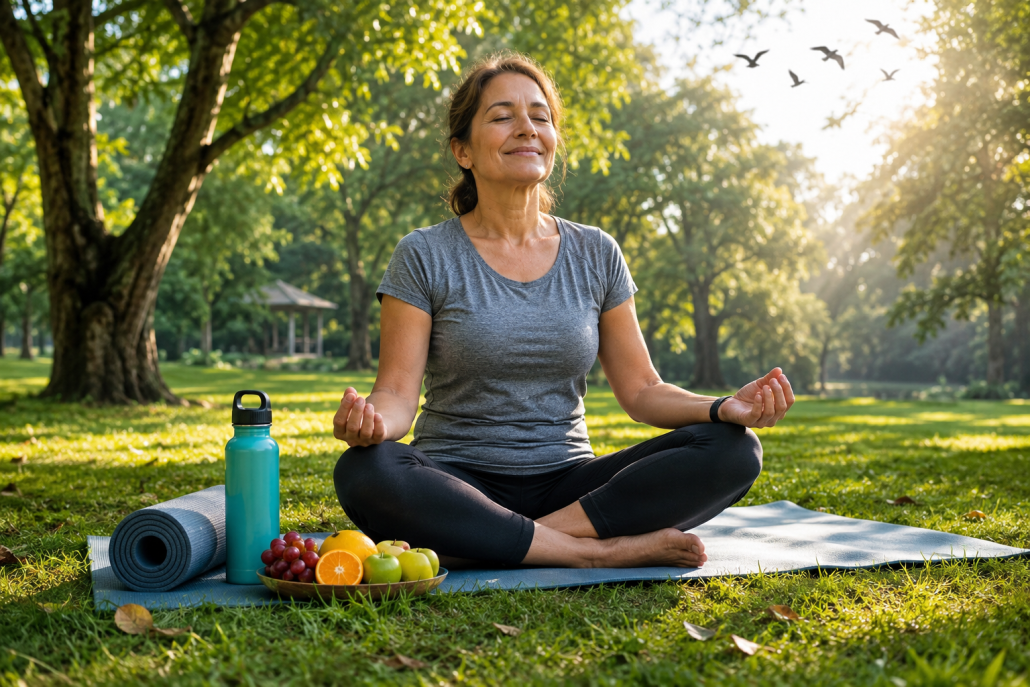
Stress is one of the most common reasons people turn to meditation—and for good reason. One of the most immediate and noticeable benefits of meditation is stress reduction. When practiced consistently, meditation activates the body’s relaxation response, helping to lower cortisol levels, heart rate, and blood pressure.
Mindfulness meditation, in particular, is highly effective for managing stress and anxiety. It involves paying close attention to the present moment, observing your thoughts and emotions without trying to change them. This nonjudgmental awareness creates psychological distance from stressful thoughts, reducing their emotional charge.
Scientific studies have confirmed that mindfulness can decrease symptoms of anxiety disorders, depression, and even post-traumatic stress disorder (PTSD). The practice gives you the tools to step back, breathe, and respond to stress more thoughtfully rather than reactively.
Moreover, meditation improves resilience. Instead of being overwhelmed by stressors, you become better equipped to handle them with calm and clarity. This creates a positive feedback loop: the more you meditate, the less reactive you become, and the more peace you cultivate in your daily life.
Boosting Emotional Intelligence and Self-Awareness
Emotional intelligence (EQ) is a vital skill for healthy relationships and professional success. It involves understanding your emotions, managing them effectively, and empathizing with others. Meditation, especially mindfulness and loving-kindness techniques, can significantly enhance EQ by increasing self-awareness and emotional control.
When you meditate, you become more attuned to your inner world. You begin to recognize emotional triggers and patterns of behavior, which allows you to respond rather than react. This increased awareness fosters better emotional regulation, reducing impulsivity and enhancing patience.
Loving-kindness meditation goes a step further by actively cultivating compassion and empathy. It involves silently repeating phrases of goodwill toward yourself and others, which can dramatically shift your emotional landscape. People who practice this form of meditation report greater feelings of connection, love, and kindness toward others, even in challenging situations.
Developing emotional intelligence through meditation doesn’t just improve your inner world, it also enhances your relationships, leadership capabilities, and social interactions. You become more grounded, present, and in tune with the emotions of those around you.
Promoting Better Sleep and Fighting Insomnia Naturally
Insomnia and poor sleep quality affect millions worldwide, often leading to fatigue, irritability, and diminished productivity. Fortunately, meditation offers a natural and drug-free solution to improve your sleep patterns.
By calming the mind and body, meditation prepares you for a restful night’s sleep. It activates the parasympathetic nervous system, also known as the “rest and digest” mode, helping the body to wind down. This leads to slower breathing, a reduced heart rate, and lower blood pressure, creating the perfect environment for sleep.
Mindfulness-based meditation can also address the root causes of insomnia, such as racing thoughts, anxiety, and stress. Guided meditations, body scans, and breathing techniques are particularly effective before bedtime. They help shift your focus from mental chatter to bodily sensations, easing the transition into sleep.
In fact, clinical studies have shown that meditation can not only help people fall asleep faster but also improve sleep quality and duration. The benefits compound over time, meaning that the more consistently you meditate, the more restful your sleep becomes.
So if counting sheep isn’t working for you, consider replacing it with a few minutes of meditation. You’ll wake up feeling refreshed, rejuvenated, and ready to face the day.
Supporting Physical Health and Strengthening Immunity
While meditation is primarily known for its mental and emotional benefits, it also has profound effects on physical health. From reducing inflammation to boosting immunity, regular meditation contributes to overall bodily wellness.
When you meditate, the body’s stress response diminishes, and as a result, levels of inflammation-related chemicals such as cytokines are reduced. Chronic inflammation is linked to numerous diseases including arthritis, heart disease, and even cancer. By lowering stress-induced inflammation, meditation helps protect against these conditions.
Meditation also strengthens the immune system by promoting better immune cell activity. Research shows that people who meditate regularly produce more antibodies and respond more effectively to viruses. This makes meditation a powerful tool for improving your body’s natural defenses, especially in today’s health-conscious world.
Moreover, meditation encourages healthier lifestyle choices. Practitioners are more likely to eat mindfully, exercise regularly, and avoid harmful habits such as smoking and binge drinking. This holistic improvement in behavior contributes to long-term physical wellness.
By caring for both your mind and body through meditation, you create a foundation for vibrant health and energy.
Increasing Productivity and Creativity in Daily Life
Do you often feel overwhelmed by your to-do list or creatively stuck in a rut? Meditation might be the key to unlocking your full potential. It enhances both productivity and creativity by cultivating a clear, focused, and open mind.
When your mind is cluttered, it’s difficult to prioritize or think creatively. Meditation helps you cut through the noise by promoting single-pointed concentration. This heightened focus allows you to complete tasks more efficiently and with greater attention to detail.
In terms of creativity, meditation frees your mind from habitual thinking patterns. Practices like open-monitoring meditation encourage you to notice thoughts without attachment, creating space for new ideas to emerge. Many artists, writers, and innovators use meditation as a tool to overcome creative blocks and generate fresh perspectives.
Additionally, meditation improves your ability to manage time and reduce procrastination. With increased mindfulness, you become more aware of how you’re spending your time and can make more intentional decisions about your daily activities.
Whether you’re tackling a work project, solving a problem, or brainstorming new ideas, meditation can elevate your productivity and creativity to new heights.
Cultivating Spiritual Growth and Inner Peace

For those on a spiritual journey, meditation offers a path to deeper self-discovery and enlightenment. While not inherently religious, meditation can connect you to something greater than yourself, whether that’s a sense of inner stillness, divine presence, or universal love.
Meditation creates the space to reflect on life’s deeper questions: Who am I? Why am I here? What truly matters? In the silence and stillness of meditation, many people experience moments of profound insight and connection that go beyond words.
Spiritual forms of meditation, such as transcendental meditation, mantra repetition, and contemplative prayer, help quiet the ego and align you with your higher self. These practices often lead to a greater sense of purpose, acceptance, and peace with the present moment.
Moreover, meditation fosters humility and compassion, qualities that are essential for spiritual development. You begin to recognize the interconnectedness of all beings and develop a deep sense of gratitude for life itself.
Whether you’re religious or simply seeking inner meaning, meditation can be a sacred space where your spirit finds rest, renewal, and purpose.
Conclusion: Embrace Meditation to Transform Every Aspect of Your Life
Meditation is more than just a relaxation technique, it’s a life-enhancing practice that touches every part of your existence. From improving mental clarity and emotional intelligence to boosting immunity and spiritual awareness, the benefits of meditation are vast and well-documented.
By carving out just a few minutes a day for mindful practice, you can create a ripple effect of positivity that influences your thoughts, behaviors, and relationships. Meditation empowers you to live with intention, compassion, and resilience.
So why wait? Start small, stay consistent, and let meditation guide you toward a more peaceful, productive, and fulfilling life.
Frequently Asked Questions About Meditation
1. How long should I meditate each day to see benefits?
Even just 5–10 minutes of daily meditation can yield noticeable benefits. For deeper results, aim for 15–30 minutes per session.
2. What’s the best time of day to meditate?
Morning meditation can help set a calm tone for the day, while evening meditation helps you unwind. Choose a time that fits your schedule and feels sustainable.
3. Do I need to sit in a special posture?
Not necessarily. While sitting upright with crossed legs is traditional, you can also sit in a chair or lie down, just ensure your spine is straight and your body relaxed.
4. Can meditation help with depression and anxiety?
Yes, mindfulness-based meditation is effective in reducing symptoms of anxiety, depression, and emotional distress. However, it should complement, not replace, professional medical care when needed.
5. What if I can’t stop my thoughts during meditation?
That’s completely normal. Meditation is not about stopping thoughts but observing them without judgment. With practice, your mind will become calmer.
6. Are meditation apps useful for beginners?
Absolutely. Apps like Headspace, Calm, and Insight Timer offer guided sessions that are especially helpful for those new to meditation.
7. Can children and teenagers benefit from meditation?
Yes, meditation can improve focus, emotional regulation, and stress management in young people. There are age-appropriate programs and resources available.


Leave a Reply
Want to join the discussion?Feel free to contribute!