Healthy Hygiene for Children
As parents, caregivers, or educators, nurturing a child’s personal hygiene habits is more than just a matter of cleanliness, it’s a foundation for lifelong health, self-esteem, and social well-being.
From sparkling teeth to tidy fingernails and fresh-smelling armpits, healthy hygiene habits help children prevent infections, stay confident, and feel great in their daily interactions.
While kids may not instinctively grasp the importance of washing their hands or brushing their teeth twice a day, consistent guidance and fun routines can make all the difference.
In this comprehensive guide, we will explore every aspect of child hygiene, including dental care, skin health, proper bathing, hair washing, and hygiene education tailored to different age groups. Each section is written with clarity, using simple language and transitions that encourage learning and application.
Whether you’re a first-time parent or an experienced teacher looking to reinforce hygiene habits in your classroom, this blog post will empower you with practical tools and strategies.
Let’s dive into the clean world of child hygiene and discover how to raise not just healthy children, but confident and happy ones, too.
Understanding the Importance of Child Hygiene
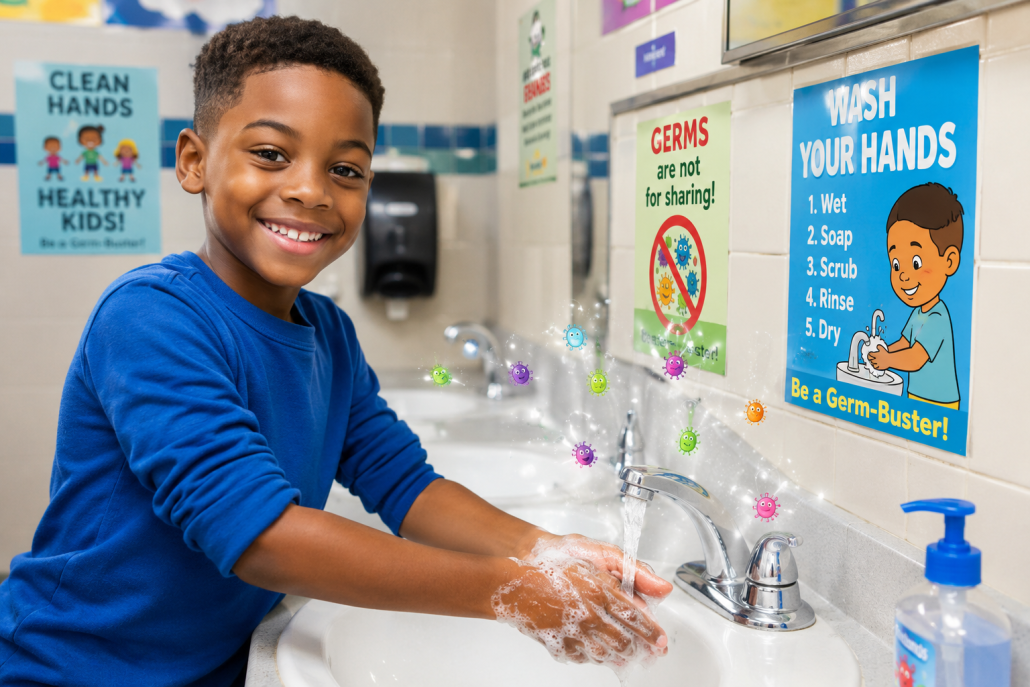
Healthy hygiene isn’t just a checklist of daily routines, it’s a vital part of childhood development. Teaching kids the basics of hygiene early on not only keeps them free from illness but also boosts their self-confidence, social acceptance, and sense of independence. Children who practice good hygiene are more likely to stay healthy, avoid frequent sick days, and enjoy a better quality of life both at home and in school.
Germs are everywhere, on playgrounds, classroom surfaces, and even on toys. Young children, with their developing immune systems and constant curiosity, are naturally more vulnerable to bacteria, viruses, and fungi. This makes hygiene education a frontline defense in preventing contagious diseases such as colds, flu, conjunctivitis, and stomach bugs. When children learn proper hygiene practices like handwashing and brushing their teeth, they build lifelong habits that help them take control of their health.
Moreover, poor hygiene can lead to embarrassment and social rejection. Bad breath, body odor, or visibly dirty clothes can isolate a child from their peers. On the other hand, children who look and feel clean are more likely to engage confidently with others and perform better academically. By embedding hygiene habits early, you set your child up for success, not just in terms of health but also in social and emotional development.
Daily Personal Hygiene Routine for Kids
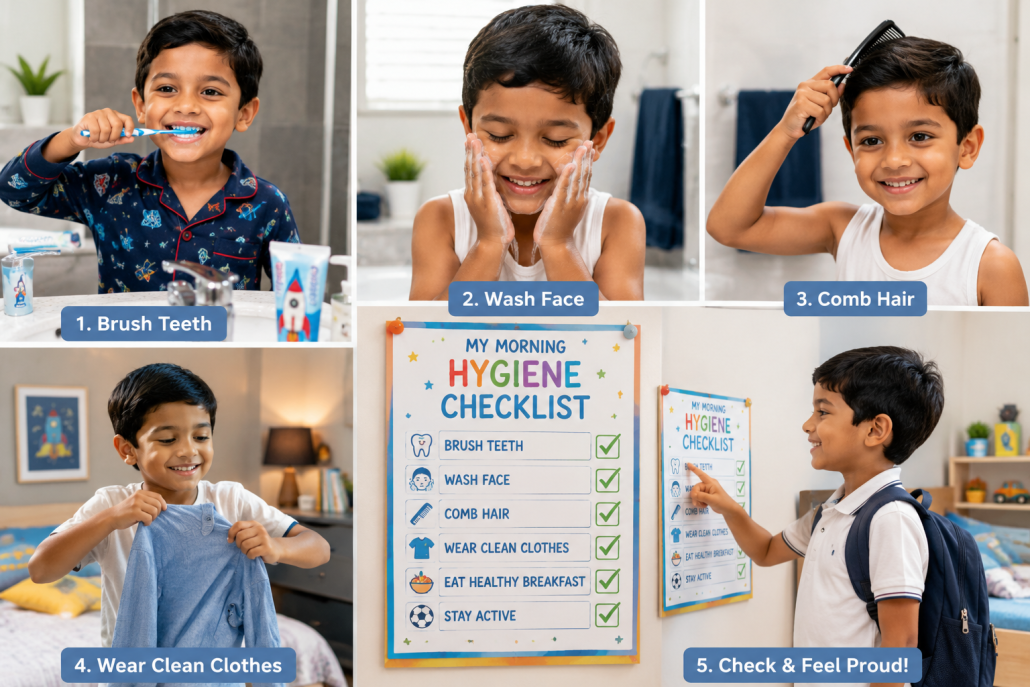
Creating a simple, repeatable hygiene routine is essential for young children. When routines become second nature, kids are more likely to stick with them independently as they grow older. A strong daily personal hygiene routine for kids typically includes brushing teeth, washing hands, bathing, combing hair, wearing clean clothes, and using deodorant as they enter adolescence.
Begin the day with a structured morning routine. Encourage your child to start by brushing their teeth, washing their face, and combing their hair. A clean appearance not only wakes them up but also boosts their self-image before heading to school. Incorporate hygiene into bedtime rituals as well. A nightly bath or shower, followed by tooth brushing and putting on fresh pajamas, signals to the body and brain that it’s time to wind down.
Visual charts, reward systems, and catchy songs can make hygiene routines enjoyable and easy to remember. For younger children, consider placing fun stickers on a hygiene chart for every task completed. For older kids, give them ownership of their routine by letting them choose their toothbrush or soap scent. The goal is consistency. The more predictable the routine, the easier it is to reinforce, and the more likely your child will stick to it without reminders.
Hand Hygiene for Children
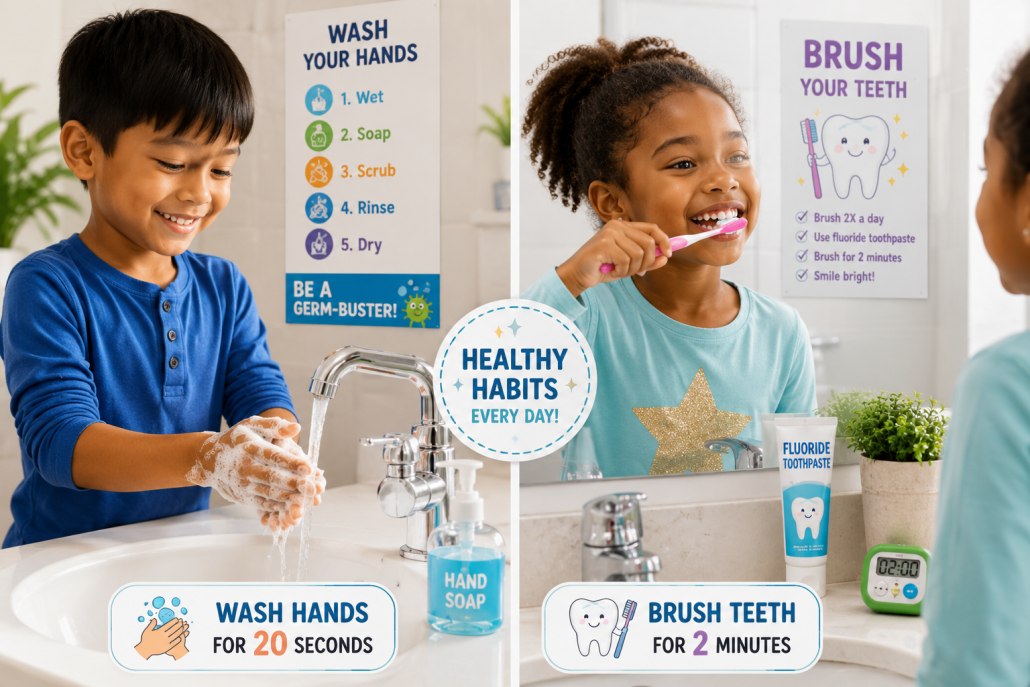
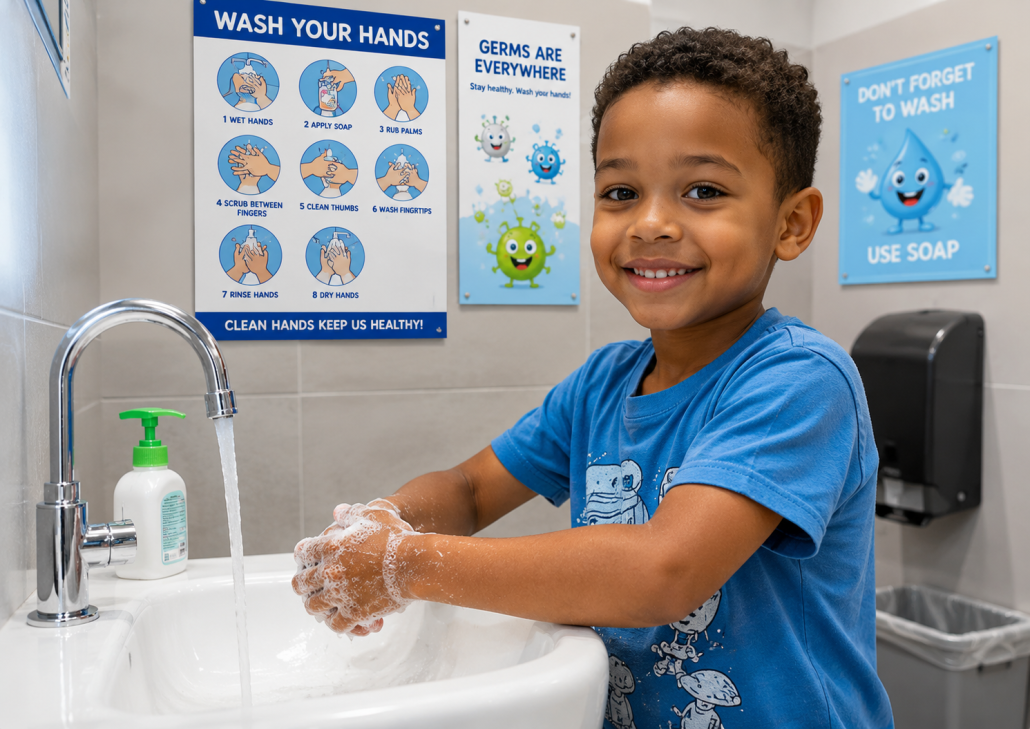
Hand hygiene is arguably the most critical part of personal cleanliness. Hands are the primary carriers of germs, especially among children who love to explore the world through touch. Teaching your child when and how to wash their hands properly can dramatically reduce the spread of illness both at home and in school.
The key moments for handwashing include: before eating, after using the bathroom, after playing outside, after coughing or sneezing, and after touching animals or dirty surfaces. Use warm water and soap, and teach your child to scrub all parts of their hands, including under the fingernails and between fingers, for at least 20 seconds. You can make it fun by singing the “Happy Birthday” song twice or using a fun handwashing timer.
For times when soap and water aren’t available, alcohol-based hand sanitizers (with at least 60% alcohol) are a good alternative, though not a complete replacement. Children should be supervised when using sanitizer to ensure proper application and to prevent ingestion.
Consistency is key. Role modeling hand hygiene and reinforcing it regularly with praise, reminders, and demonstrations helps children understand that handwashing isn’t optional, it’s essential.
Oral Hygiene for Kids: Sparkling Smiles Start Early
Good oral hygiene begins long before a child loses their first baby tooth. Establishing brushing and flossing habits early can prevent tooth decay, gum disease, and costly dental procedures later in life. Plus, a clean mouth helps children speak clearly, chew comfortably, and smile with confidence.
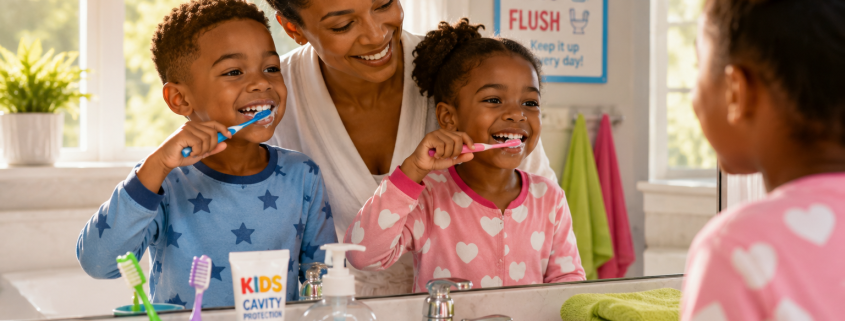
Start oral care as soon as your baby’s first tooth emerges. Use a soft-bristled toothbrush and a rice-sized amount of fluoride toothpaste. By age 3, increase it to a pea-sized amount and teach your child how to spit rather than swallow the paste. Encourage them to brush for two full minutes, morning and night, using gentle, circular motions that reach all areas of the mouth.
Flossing should begin as soon as two teeth touch. While flossing can seem tricky for little hands, floss picks designed for children can make the process easier. Regular dental check-ups (every 6 months) help track oral health and catch any issues early.
Make brushing and flossing fun by turning it into a game, using colorful toothbrushes, or playing a favorite song during the process. Avoid sugary snacks and drinks before bedtime, and talk about the “sugar bugs” that live on teeth and cause cavities, kids love imaginative explanations!
Bathing and Body Care
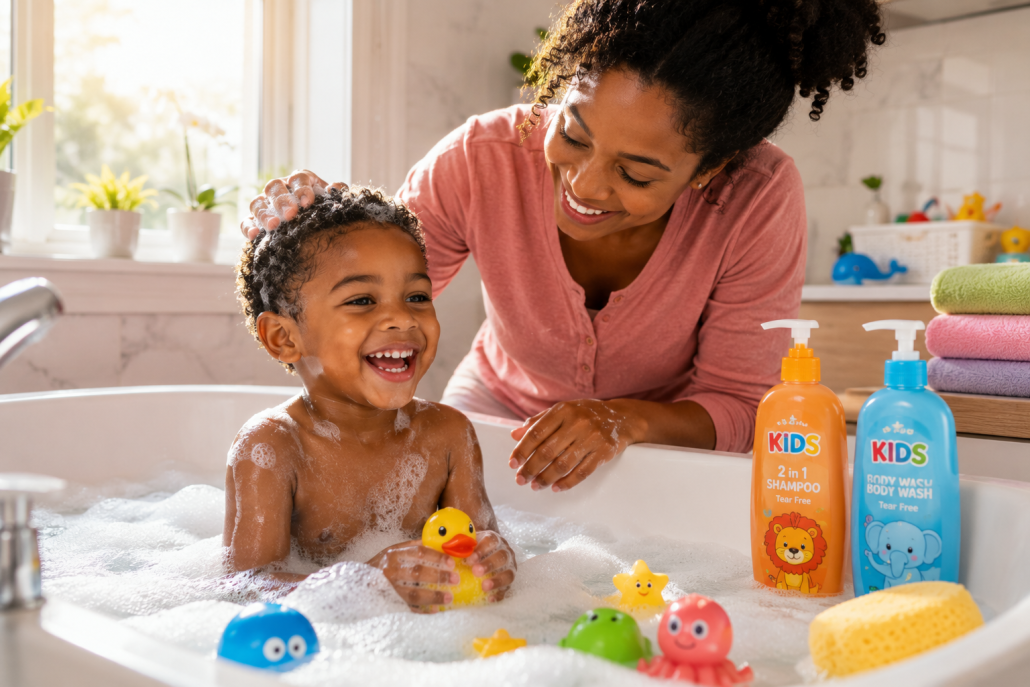
Bathing isn’t just about staying clean, it’s about caring for the body’s largest organ: the skin. Teaching your child how to bathe properly is essential to remove dirt, sweat, and germs that can cause infections, body odor, and skin problems like rashes or acne.
Young children should bathe daily or every other day, depending on their activity level and skin sensitivity. Use gentle, tear-free soaps for younger kids and allow them to participate by washing their own arms, legs, and belly. As children grow older, teach them how to clean under the arms, behind the ears, between toes, and private areas thoroughly but gently.
Towels should be clean and changed regularly, and each child should have their own towel to avoid cross-contamination. After bathing, moisturize the skin, especially in dry weather, to prevent itching and flakiness. Encourage kids to change into clean clothes every day, even if they don’t feel dirty.
For pre-teens and teens, personal hygiene becomes more complex due to increased sweat and hormonal changes. Introduce deodorant early, along with discussions about body odor, acne prevention, and personal grooming in a respectful and open way.
Hair and Nail Hygiene
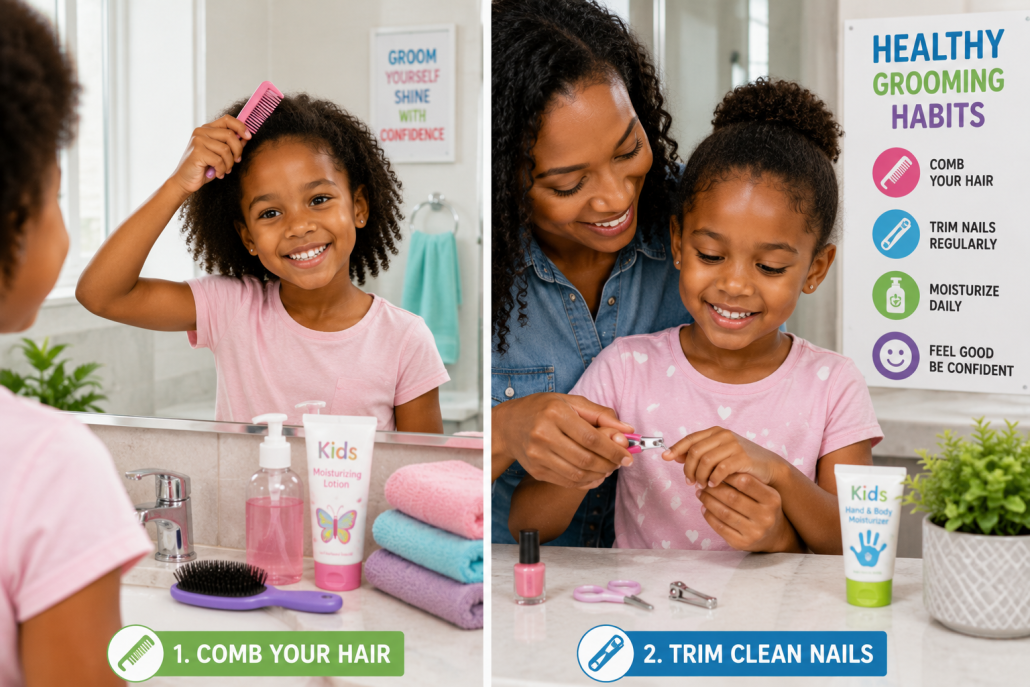
Hair and nails may seem like small parts of hygiene, but they play a big role in overall health and appearance. Dirty nails can harbor germs and spread infection, while oily or neglected hair can cause dandruff, lice, or unpleasant odors.
Hair should be washed regularly, about 2–3 times a week for most children. The frequency may vary based on hair type, activity level, or oiliness. Teach kids to massage shampoo into the scalp and rinse thoroughly. Combing or brushing hair daily prevents tangles and keeps the scalp healthy. For girls or boys with longer hair, show them how to tie it back during physical activities or when outdoors to avoid tangling and dirt buildup.
Nails should be trimmed once a week to prevent dirt accumulation and painful breakage. For young children, parents should do the trimming; for older kids, supervision is helpful until they master it. Make it a regular part of their hygiene routine, perhaps after a bath when nails are softer and easier to cut.
By paying attention to hair and nail care, children learn that looking after the finer details matters and contributes to their cleanliness and overall confidence.
Toilet Hygiene and Potty Training
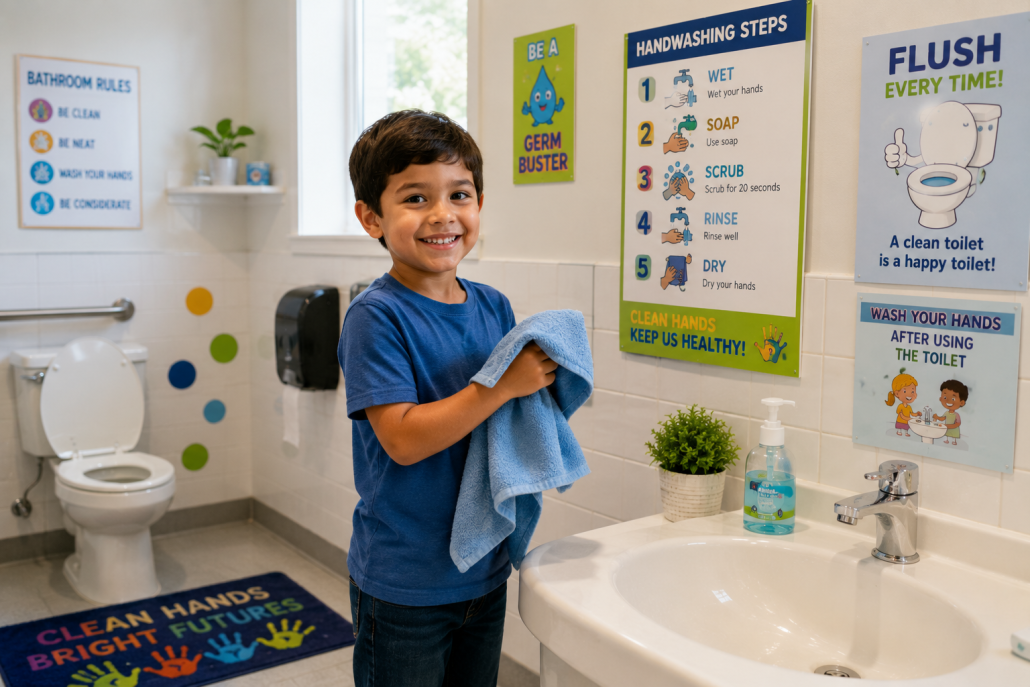
Toilet hygiene is an essential life skill, especially during the early years of potty training. Teaching your child how to use the toilet properly, clean themselves after using it, and wash their hands afterward is vital for both hygiene and independence.
Start potty training when your child shows signs of readiness, typically between 18 months and 3 years old. Use child-friendly language to explain the process, and create a positive environment with encouragement and praise. Teach girls to wipe from front to back to avoid infections, and help boys learn how to aim correctly and clean up afterward.
Once your child masters using the toilet, emphasize the importance of flushing, wiping thoroughly, and washing their hands every time. Use step stools, colorful soaps, and visual reminders near the sink to make the routine easy and fun.
For school-age children, reinforce these habits so they remain consistent outside the home. Remind them to take their time in the bathroom, use tissue properly, and not rush through handwashing. Proper toilet hygiene prevents the spread of germs and helps children feel more confident and responsible.
Age-Appropriate Hygiene Education
Children learn best when hygiene education is tailored to their developmental stage. What works for a toddler won’t necessarily work for a pre-teen. By adjusting your approach to suit your child’s age, you can make hygiene lessons more effective, engaging, and long-lasting.
Toddlers (1–3 years): Focus on introducing simple routines like washing hands, brushing teeth with help, and taking baths. Use songs, picture books, and positive reinforcement to build interest.
Preschoolers (4–6 years): Encourage more independence with guided practice. Teach them about germs using stories or cartoons. Allow them to choose their hygiene tools, like colorful toothbrushes or fun soaps.
School-age Children (7–10 years): Expand their understanding with age-appropriate explanations about how hygiene prevents illness. Emphasize responsibility and provide hygiene checklists they can follow on their own.
Pre-teens and Teenagers (11–16 years): Focus on personal grooming, body odor, and peer hygiene expectations. Have open conversations about menstruation, acne care, and the use of deodorant. Respect their privacy while offering guidance.
Adapting your hygiene education based on your child’s maturity ensures they stay engaged and confident in managing their personal care.
Healthy Hygiene Habits at School and Public Places
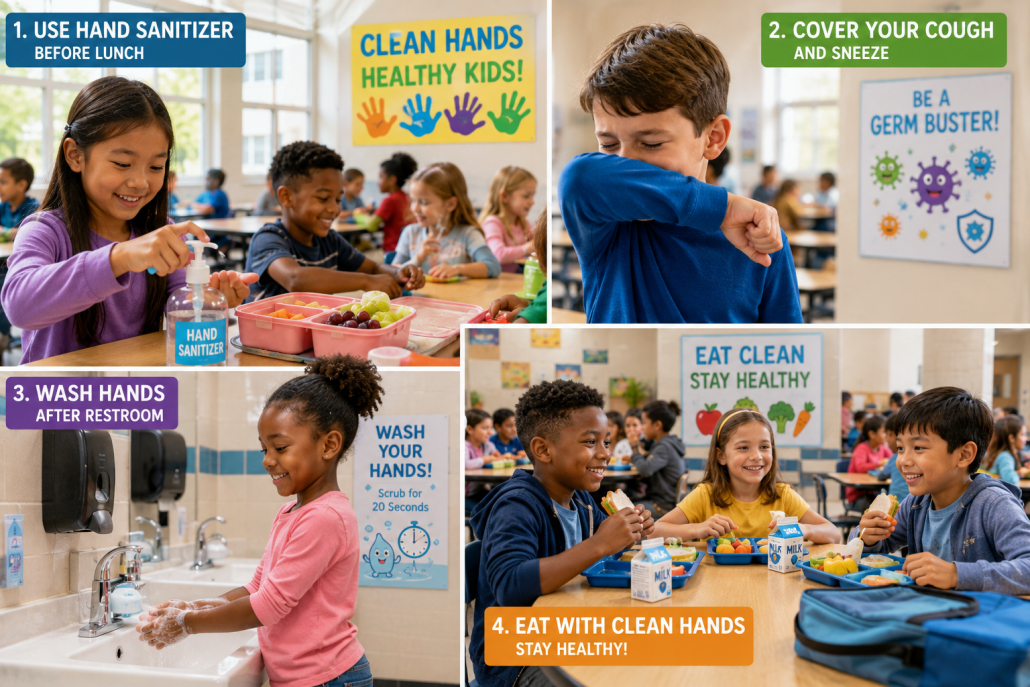
Teaching your child that hygiene doesn’t stop at home is crucial. Schools, playgrounds, and public spaces are hotspots for germ transmission. Encourage your child to apply what they’ve learned about hygiene even when you’re not around.
Pack travel-sized hand sanitizers or wipes in their backpacks. Teach them to cover their mouth with a tissue or elbow when sneezing or coughing, avoid sharing personal items, and wash hands after recess, art class, or using public restrooms.
Explain how to use public toilets hygienically, like using toilet paper on the seat or not touching doorknobs with bare hands. Remind them about changing clothes after sports and showering after gym class.
When kids practice hygiene confidently outside the home, they become self-reliant, socially responsible, and less likely to fall ill from common germs.
Conclusion
Cultivating good hygiene in children isn’t a one-time event, it’s a daily journey that begins with modeling, encouragement, and patience. By teaching children how to care for their bodies, you’re equipping them with the skills they need to stay healthy, feel confident, and thrive socially.
From tooth brushing to handwashing, bathing to grooming, every hygiene habit you instill helps your child grow into a responsible and well-rounded individual. And when hygiene becomes a part of their identity, they carry those habits into adulthood, leading to a life of better health, higher self-esteem, and positive relationships.
Make hygiene part of your family culture today. It’s one of the greatest gifts you can give your child.
Frequently Asked Questions About Child Hygiene
1. At what age should children start brushing their teeth?
Children can begin brushing with supervision around age 3 and typically gain independence by age 6–7. Parents should assist until children develop proper technique.
2. How often should kids bathe?
Children should bathe at least every other day, but daily baths are ideal, especially during hot weather or after physical activity.
3. What’s the best way to teach handwashing?
Use fun methods like songs, games, and colorful soaps. Demonstrate the process and have them practice regularly, especially before meals and after using the toilet.
4. When should kids start using deodorant?
Deodorant is usually necessary around ages 9–12, depending on when puberty starts. Choose gentle, child-friendly options without harsh chemicals.
5. How can I motivate my child to follow a hygiene routine?
Use rewards, charts, storytelling, and allow them to choose their hygiene tools. Consistency and praise go a long way.
6. How do I handle hygiene resistance in older kids?
Have open conversations without judgment. Explain the social and health consequences of poor hygiene, and let them be involved in choosing products they like.