
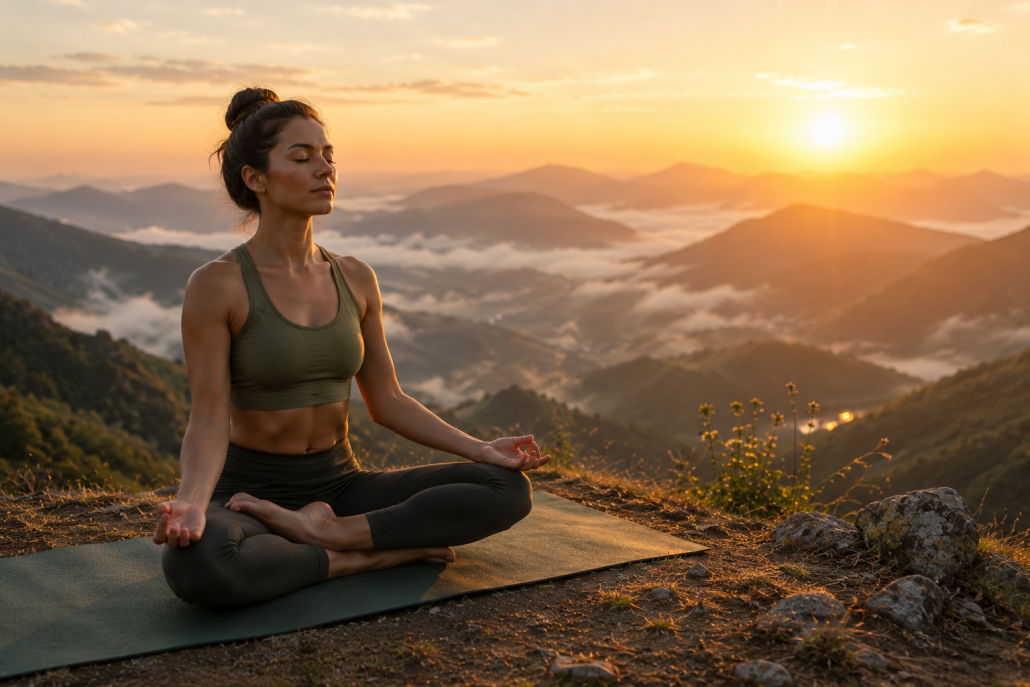
Yoga
Yoga is not just a fitness routine; it’s a way of living that connects the body, mind, and soul. Rooted in ancient Indian tradition, yoga has become a global practice embraced for its profound physical, mental, and emotional benefits. From stress relief and increased flexibility to spiritual awakening, yoga offers something for everyone, regardless of age, fitness level, or experience. In this in-depth guide, we’ll explore how yoga can improve your well-being and lead you toward a more balanced life.
What Is Yoga?
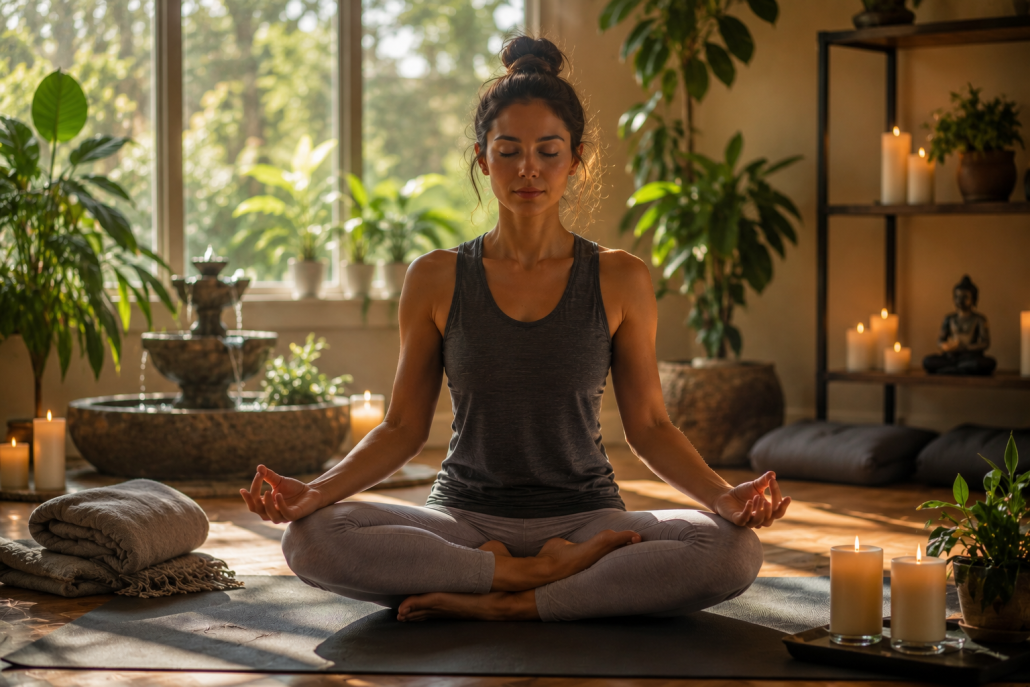
Yoga is more than stretching on a mat. It’s a philosophy, a science, and a lifestyle that promotes harmony between the mind, body, and spirit. Originating in India over 5,000 years ago, the word “yoga” comes from the Sanskrit root “yuj,” meaning “to unite.” It signifies the union of individual consciousness with universal consciousness.
The traditional components of yoga include asanas (postures), pranayama (breathing techniques), dhyana (meditation), and ethical disciplines such as the Yamas and Niyamas. While modern yoga often focuses on physical postures, the deeper purpose of yoga is to still the mind and reach inner peace.
From Hatha to Vinyasa, from Kundalini to Yin yoga, the styles are diverse but united by a common goal, wellness, balance, and mindfulness. Whether you’re a beginner or a seasoned yogi, practicing yoga regularly fosters self-awareness, reduces stress, and cultivates inner clarity. Over time, it becomes a transformative journey, one that goes far beyond the physical body.
The Physical Benefits of Yoga
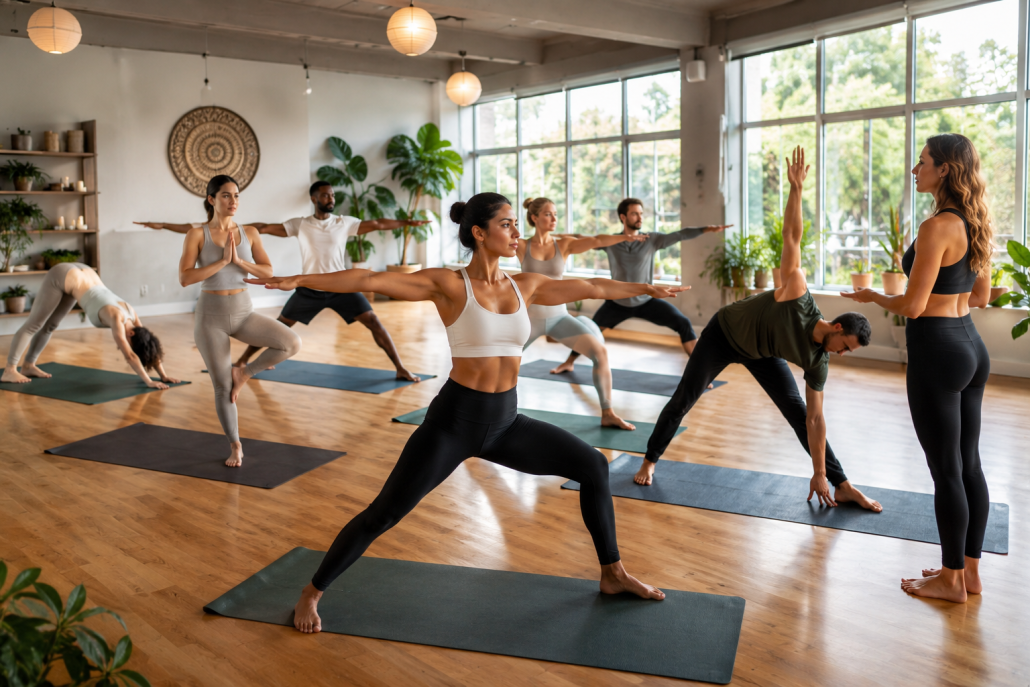
When it comes to physical health, yoga is one of the most holistic practices available. Unlike high-impact workouts that focus solely on muscle gain or cardio, yoga targets the entire body, muscles, joints, ligaments, internal organs, and even the nervous system.
One of the most noticeable physical benefits is increased flexibility. With consistent practice, tight muscles begin to lengthen, and stiff joints become more mobile. As flexibility improves, so does posture and body alignment, reducing the risk of injuries and chronic pain.
Yoga also builds muscle strength in a balanced way. Poses like Downward Dog, Warrior, and Plank engage core muscles, arms, legs, and back. Unlike weightlifting, which isolates muscle groups, yoga encourages functional strength, improving balance and coordination.
Beyond strength and flexibility, yoga enhances circulation, boosts immunity, and supports heart health. The flow of blood improves as the body twists, stretches, and inverts. This helps oxygenate cells, reduce inflammation, and remove toxins.
Moreover, regular yoga practice contributes to better digestion, improved metabolism, and a more energized body. It truly is a natural, preventive medicine that keeps the body in its optimal state.
Mental and Emotional Benefits
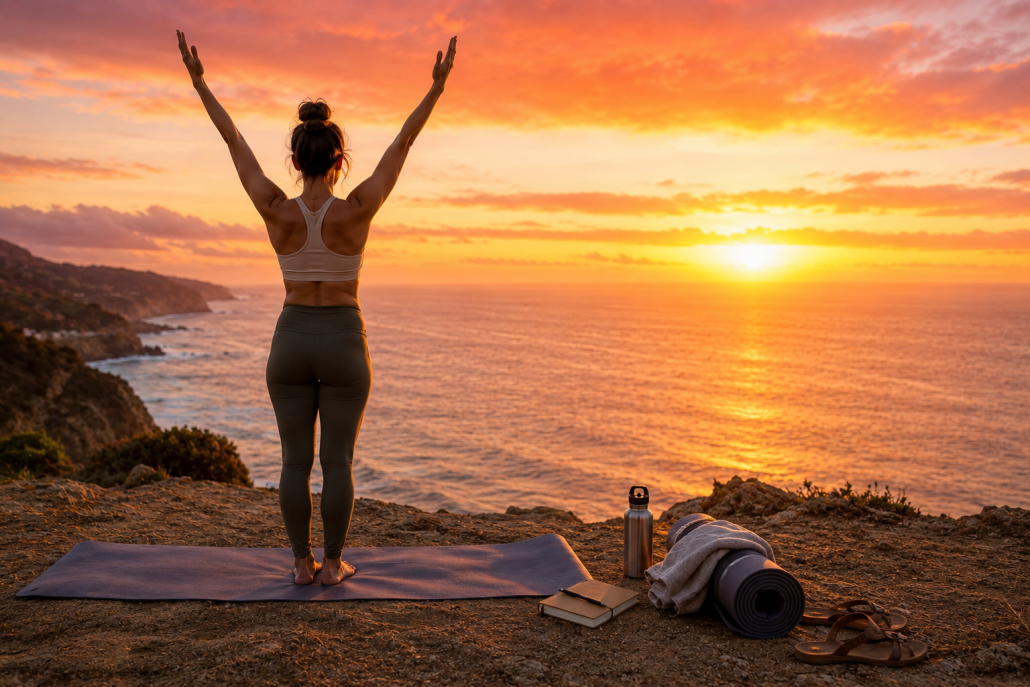
One of yoga’s greatest gifts is its ability to soothe the mind. In a world filled with deadlines, distractions, and constant stimulation, yoga offers a pause button, a moment to breathe, center yourself, and find calm in the chaos.
The practice of mindful breathing (pranayama) and meditation calms the nervous system and lowers cortisol levels, reducing anxiety and depression. Whether it’s through the rhythmic flow of Vinyasa or the stillness of Yin yoga, the focus on breath creates a meditative state that promotes mental clarity.
Yoga helps regulate emotions by activating the parasympathetic nervous system, which promotes relaxation. With regular practice, individuals often report a greater sense of emotional stability, patience, and self-awareness. It cultivates resilience, the ability to remain calm and centered even when life becomes challenging.
For those struggling with insomnia, trauma, or burnout, yoga offers therapeutic healing. Techniques such as Yoga Nidra, a guided meditative practice, have been shown to help the brain enter deep states of rest, leading to emotional recovery and inner peace.
In essence, yoga is not just exercise for the body, it’s nourishment for the soul. It teaches you how to observe your thoughts without judgment and reconnect with the present moment.
Types of Yoga
With so many yoga styles available today, it can be overwhelming to choose the right one. Each style has a unique rhythm, focus, and benefit, making it easier for everyone to find a practice that suits their goals and lifestyle.
- Hatha Yoga: This is a gentle, foundational practice focusing on basic postures and breathing techniques. It’s ideal for beginners and those seeking a slow, mindful experience.
- Vinyasa Yoga: Often called “flow yoga,” Vinyasa links breath with movement in a dynamic sequence. It’s energizing, fluid, and great for improving stamina.
- Ashtanga Yoga: A more rigorous form of yoga with a fixed sequence of poses. It builds strength, discipline, and flexibility over time.
- Yin Yoga: This is a meditative, slow-paced practice where poses are held for several minutes. It targets deep connective tissues, making it ideal for stress relief and joint health.
- Kundalini Yoga: A spiritually focused practice that combines postures, chanting, breathing, and meditation to awaken inner energy.
- Restorative Yoga: Designed for deep relaxation, this style uses props to support the body in passive poses. It promotes healing and stress release.
By experimenting with different styles, you can discover what resonates with your body and mind. The beauty of yoga lies in its versatility, there’s a practice for every age, goal, and energy level.
Breathing and Meditation
While postures are the most visible aspect of yoga, the real transformation often begins with the breath. Pranayama, or yogic breathing, is the bridge between the body and mind. Through breath control, practitioners can calm the nervous system, regulate emotions, and awaken life energy (prana).
Popular pranayama techniques include:
- Nadi Shodhana (Alternate Nostril Breathing): Balances energy and calms the mind.
- Kapalabhati (Skull-Shining Breath): Detoxifies and energizes the body.
- Ujjayi (Ocean Breath): Creates internal heat and enhances focus during poses.
Breathing paves the way for meditation, or dhyana. Meditation involves focusing the mind, letting go of distractions, and cultivating awareness. Even a few minutes of meditation each day can reduce anxiety, improve sleep, and increase mental clarity.
Together, pranayama and meditation form the core of yoga’s mental and spiritual benefits. They are tools for self-regulation, introspection, and connection to higher consciousness.
Yoga for Every Body
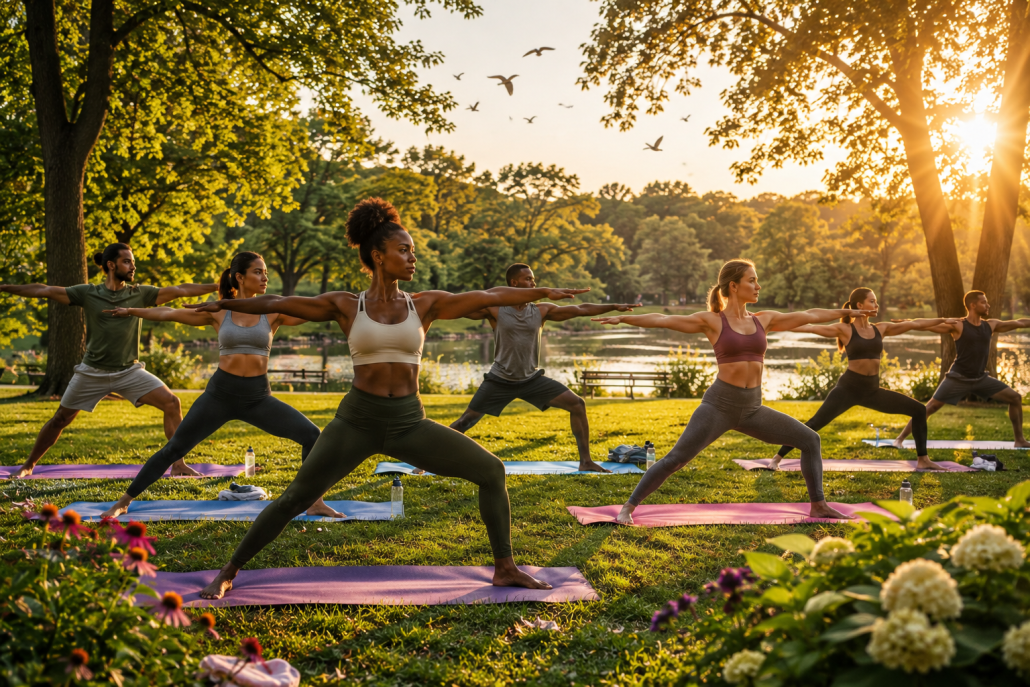
One of the most beautiful aspects of yoga is its inclusivity. You don’t need to be young, thin, or athletic to practice yoga. In fact, yoga celebrates the body you have, just as it is, while helping you unlock its full potential.
- For Seniors: Gentle yoga practices improve balance, joint mobility, and mental alertness. Chair yoga or restorative yoga can provide safe options for older adults.
- For Children: Yoga fosters emotional intelligence, focus, and confidence in kids. Through playful movement and breathing, they learn self-control and mindfulness.
- For Plus-Size Bodies: Body-positive yoga breaks stereotypes by showing that yoga is not about size, it’s about presence. Adaptive poses and props can make any class accessible.
- For People with Disabilities: Wheelchair yoga and guided yoga therapy allow individuals with mobility challenges to enjoy the benefits of the practice.
By honoring individual needs and removing judgment, yoga becomes a safe and empowering space for every body, truly reflecting its original spirit of unity and acceptance.
Creating a Sustainable Yoga Practice
Starting a yoga practice is exciting, but staying committed can be a challenge. The key to long-term success is consistency, adaptability, and joy. Here’s how to make yoga a lifelong habit:
1. Set Realistic Goals
Start with a few days a week. Aim for 15–30 minutes, and gradually increase as your body adjusts.
2. Create a Sacred Space
Designate a quiet area for your practice, even if it’s just a corner with a mat and candle.
3. Choose the Right Time
Morning practices energize the day, while evening sessions promote relaxation. Pick what works best for your schedule.
4. Mix It Up
Try different styles or teachers to keep the practice fresh and inspiring.
5. Track Your Progress
Use a journal or app to note your experiences and improvements.
6. Practice Self-Compassion
You don’t need to be perfect. Honor your limits and celebrate your journey.
The more enjoyable and meaningful your practice becomes, the more natural it will feel to roll out your mat each day.
The Spiritual Side of Yoga
Yoga’s spiritual essence often gets overshadowed by its physical benefits, yet it remains a profound path to self-realization and spiritual awakening. At its heart, yoga is a tool to transcend the ego, quiet the mind, and connect with the divine, however one defines it.
Spiritual yoga emphasizes concepts like:
- Detachment (Vairagya): Letting go of what doesn’t serve your higher purpose.
- Self-Inquiry (Svadhyaya): Reflecting on your beliefs, thoughts, and patterns.
- Union with the Divine (Samadhi): Experiencing bliss and oneness with the universe.
Chanting mantras, practicing devotion (Bhakti Yoga), or following yogic philosophy (Jnana Yoga) can deepen this spiritual connection.
Whether you’re seeking inner peace, divine guidance, or a sense of purpose, yoga offers a sacred path toward fulfillment and meaning.
Transformed Through Yoga
Around the world, millions have experienced life-changing transformation through yoga. From recovering addicts and trauma survivors to corporate professionals and stay-at-home parents, yoga has touched lives in extraordinary ways.
Many find healing from chronic pain, anxiety, or depression. Others discover strength they never knew they had, both physically and emotionally. Some embrace yoga as a spiritual calling, dedicating their lives to teaching and service.
What unites all these stories is one truth: Yoga is a journey inward. It teaches you to face your fears, embrace your body, and awaken your truth. In doing so, it empowers you to live with greater freedom, love, and authenticity.
Yoga is not a destination, it’s a journey. A journey that begins on a mat and continues into every corner of your life. As you cultivate awareness, compassion, and resilience, you start living more fully and more mindfully.
Whether you practice once a week or every day, in a studio or at home, in silence or to music,every moment spent in yoga is a step toward your best self.
So take a deep breath, unroll your mat, and begin. Your mind, body, and spirit will thank you.
Frequently Asked Questions About Yoga
1. Can beginners do yoga without prior experience?
Absolutely! Yoga is for everyone. Start with beginner classes or online videos, and go at your own pace. Listen to your body and be patient with the process.
2. How often should I practice yoga to see results?
Practicing 2–3 times a week can bring noticeable benefits within a few weeks. Daily practice, even if short, enhances flexibility, focus, and emotional well-being.
3. Do I need to be flexible to start yoga?
Not at all. Flexibility is a result of yoga, not a requirement. Yoga meets you where you are, helping you gradually improve over time.
4. What’s the best time of day to practice yoga?
Morning yoga energizes you, while evening yoga promotes relaxation. The best time is whenever you can consistently practice without distractions.
5. Is yoga a religious practice?
Yoga is spiritual but not religious. It’s a personal journey that can align with any faith or belief system, or simply be practiced for its health benefits.
6. What equipment do I need for yoga?
A yoga mat is essential. Optional props include blocks, straps, bolsters, and a blanket. Comfortable clothing and an open mind are also important!


Leave a Reply
Want to join the discussion?Feel free to contribute!