
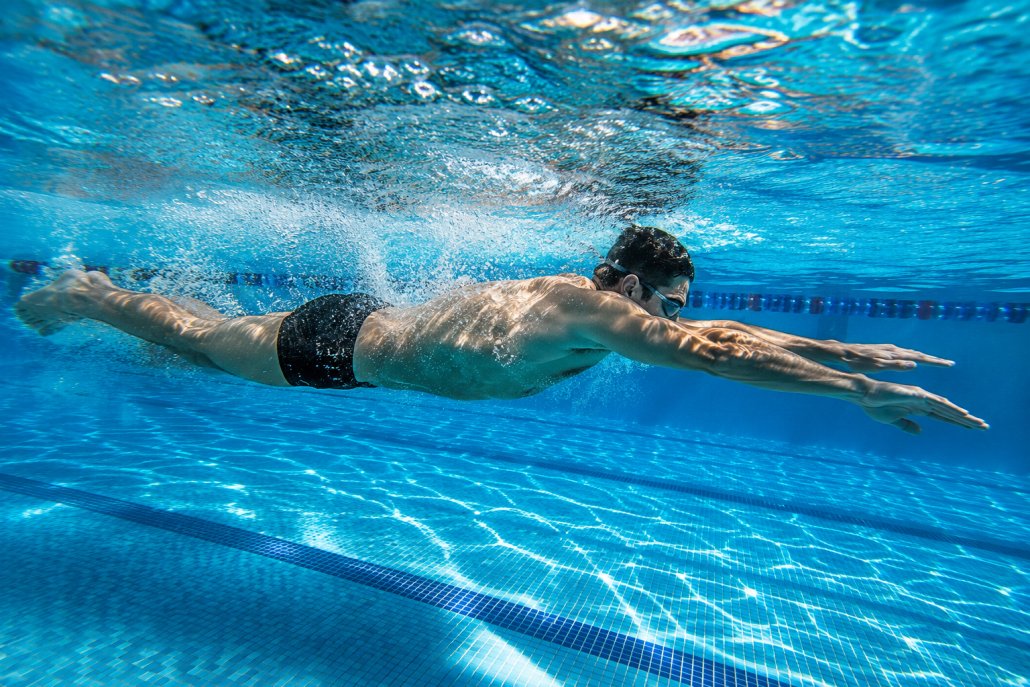
Mastering the Art of Effortless Swimming
Swimming is more than just a fun activity; it’s a life-saving skill, a powerful workout, and a meditative escape. When you watch a fish glide through water, it looks almost magical, swift, smooth, and natural. What if humans could swim with the same grace? In this blog post, we’ll explore how to “swim like a fish,” breaking down techniques, tips, training habits, and mindset shifts that transform you from a casual swimmer into a confident aquatic glider.
The Aquatic Advantage
Water is a unique environment. It offers resistance, buoyancy, and flow. Mastering how to move in it efficiently can dramatically enhance your swimming experience, making you faster, more relaxed, and less fatigued. Whether you’re swimming for fitness, fun, or competition, learning to swim like a fish gives you a major advantage.
When people first learn to swim, they often splash around with jerky movements, short breaths, and tired limbs. That’s not how a fish swims. Fish use their entire body in fluid motion, maximizing propulsion and minimizing drag. As swimmers, we can emulate these characteristics by focusing on form, breath control, body alignment, and rhythm. The good news? Anyone, yes, anyone, can learn to swim gracefully. It’s not about brute strength but technique, timing, and feel for the water.
Transitioning from a “splash and go” style to smooth, gliding strokes isn’t an overnight process, but it’s a journey that pays off. You’ll swim farther with less energy, reduce your risk of injury, and, most importantly, enjoy your time in the water more. Let’s break it down into simple, actionable steps.
Perfecting Posture and Alignment in Water for Fluid Motion
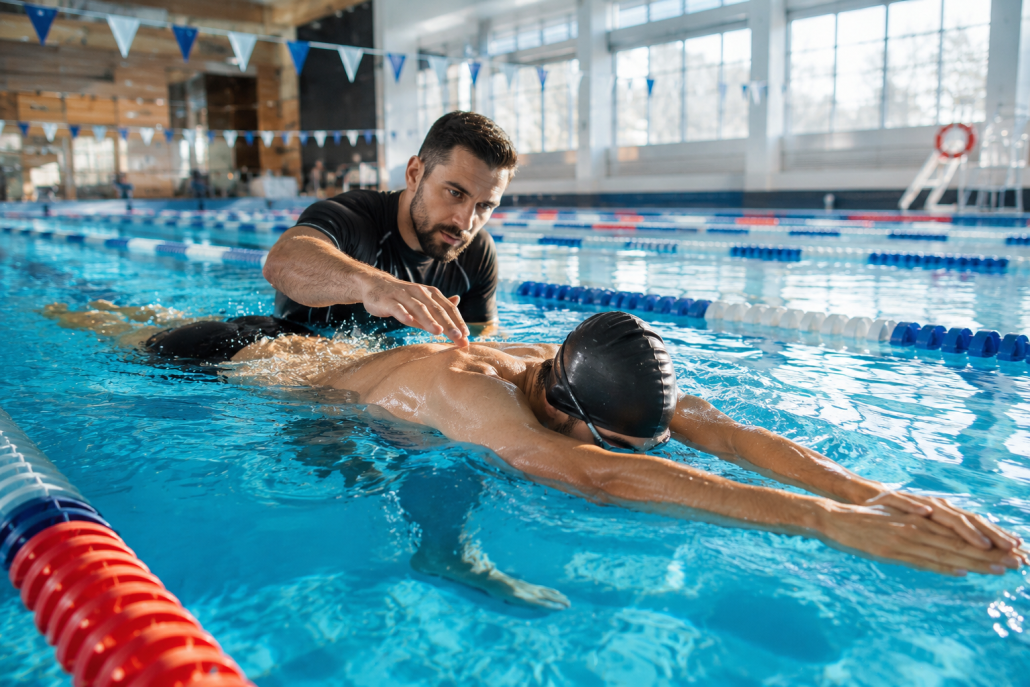
Your body position is the foundation of effective swimming. Just like a fish stays level and streamlined, your body should float horizontally with minimal resistance. Poor posture creates drag and slows you down. The first step to swimming efficiently is to master your body alignment in the water.
Start by relaxing your neck and looking slightly downward. Avoid lifting your head to look forward, this can cause your hips to sink. Keep your head in a neutral position with ears aligned with your shoulders. Imagine a straight line running from the top of your head to your heels. Your spine should be long, and your core engaged. This alignment reduces drag and helps you glide smoothly.
A good tip is to perform the “superman glide” drill. Push off the wall in a streamlined position, arms extended, head tucked, and legs straight. Feel the glide before initiating any strokes. By developing this sense of balance and posture, you lay the groundwork for every swimming style you’ll use. With time, your muscles will remember this efficient position, and it will become second nature.
Streamlining Your Strokes
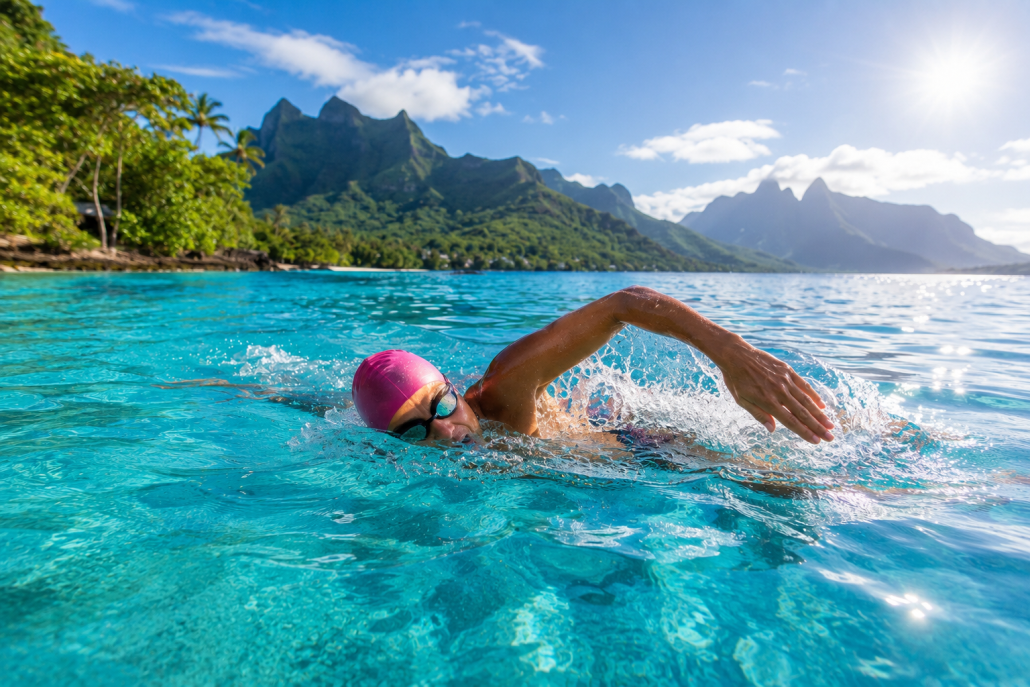
There are several swim strokes, but the principles of efficiency and fluidity apply to them all. Whether you’re mastering freestyle, backstroke, breaststroke, or butterfly, your technique determines how effortlessly you move through water.
Let’s begin with freestyle, the most common stroke. To swim like a fish using freestyle, your stroke must be long, smooth, and rhythmic. Extend each arm fully, rotate your body slightly on each stroke, and maintain high elbows during recovery. Your hands should enter the water at shoulder width, and your fingertips should lead the motion. Kick from your hips, not your knees, in small, controlled movements.
For breaststroke, synchronization is key. Pull with a sweeping motion, draw your arms together, and then kick powerfully with your legs in a frog-like motion. Glide between strokes to minimize drag. In backstroke, keep your body flat, kick continuously, and allow your arms to move like windmills with controlled rotation. The butterfly stroke, while the most challenging, can be graceful when done correctly, it relies on a dolphin-like body undulation that propels you forward with rhythm and power.
Regardless of the stroke, remember: efficient swimmers don’t fight the water, they cooperate with it. Each movement should serve a purpose, and every stroke should flow into the next.
Breath Control and Timing in Swimming
Breathing is one of the biggest challenges swimmers face. Poor breathing leads to panic, fatigue, and poor technique. On the other hand, controlled, rhythmic breathing allows for endurance and calmness in the water, just like the steady gill motion of a fish.
In freestyle, one of the best practices is bilateral breathing, inhaling every three strokes, alternating sides. This keeps your stroke balanced and prevents over-rotation. Exhale fully underwater and inhale quickly when your mouth clears the surface. Never hold your breath while swimming; instead, create a continuous rhythm of exhale-inhale.
In breaststroke, time your breath with your stroke. As your arms pull and your head naturally lifts, take a quick breath before gliding forward again. For backstroke, you can breathe freely since your face is above water, but don’t overdo it. Keep your breathing controlled and rhythmic. Butterfly breathing is challenging but doable, lift your head during the arm recovery and inhale quickly, then return to a streamlined position.
Practicing breathing drills, like side-kick drills or vertical kicking with breath control, can improve your lung capacity and confidence. With regular training, you’ll find your breath becomes a helpful partner, not a limiting factor.
Kicking with Power and Precision
Your legs are powerful tools in swimming, but only if used efficiently. Many beginners kick too much, too hard, or from the wrong part of their legs, all of which waste energy. Efficient swimmers kick in a way that complements their stroke and maintains body position.
Freestyle and backstroke rely on a flutter kick, small, quick kicks from the hips with relaxed ankles. Avoid bending your knees excessively. Breaststroke kicks are wide and circular, often referred to as a “whip kick.” Your heels come up toward your buttocks, then snap out and around in a circular motion. Butterfly relies on a dolphin kick, both legs moving together in a wave-like motion originating from the core.
To improve your kicking, try using a kickboard and focus on controlled, rhythmic movements. Practice vertical kicking to develop strength and body awareness. Also, try “no kick” drills to feel how your body reacts when the legs are passive. This can help you appreciate how much propulsion and balance your kick adds.
The goal isn’t to kick harder, but to kick smarter, timing your kicks with your strokes and maintaining steady propulsion without overexerting.
Mental Focus and Relaxation in Swimming
Swimming isn’t just a physical skill; it’s a mental one. To swim like a fish, you need to stay calm, focused, and connected to your body’s movement. Tension in the mind often leads to tension in the muscles, which disrupts your technique.
Visualization is a powerful tool. Before your swim, close your eyes and picture yourself gliding smoothly through the water, every movement synchronized. Think of yourself as a fish, relaxed, controlled, and natural. This simple mental shift can have a dramatic impact on how you swim.
Mindfulness is another key element. Focus on each stroke, each breath, and each glide. Let go of distractions. Some swimmers find a meditative rhythm in the water, like a moving meditation. If anxiety creeps in, slow down, float on your back, and regain your breath. The more relaxed you are, the more efficient your swim becomes.
Mental endurance is also built through consistent practice and positive self-talk. Celebrate small wins and improvements. Stay patient with your progress. Swimming is a journey, and every lap teaches you something new.
Strength Training and Flexibility for Swimmers
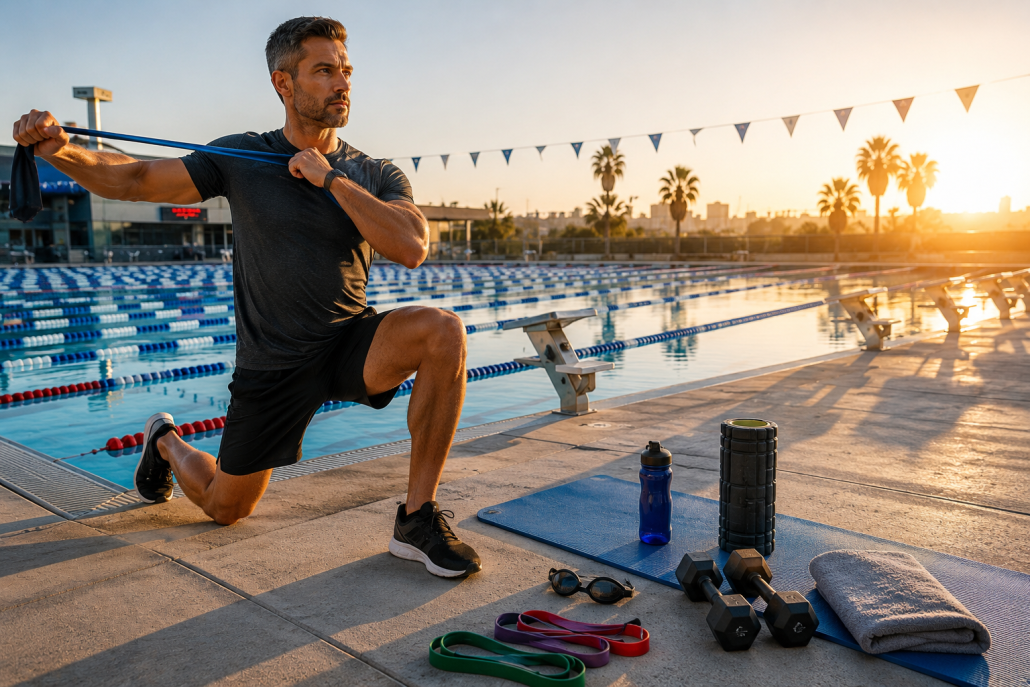
While the water is your primary training ground, dryland exercises play a critical role in helping you swim better. Fish have powerful muscles and streamlined bodies. To mimic their agility, you need to strengthen your core, improve your flexibility, and develop explosive yet controlled power.
Core workouts like planks, Russian twists, and flutter kicks help you maintain body alignment. Shoulder exercises, such as resistance band pulls and rotator cuff work, support your strokes and reduce injury risk. Leg workouts like squats and lunges build kicking power.
Flexibility is equally important. Stretching your shoulders, hips, and ankles improves your range of motion and reduces drag. Yoga or dynamic stretching routines are especially helpful. Don’t forget about cardio, running, biking, or rowing help build the stamina needed for longer swim sets.
A well-rounded training routine on land supports your performance in the water. Dedicate at least two to three days a week for dryland training, and you’ll feel the difference when you dive in.
Training Routines for Swimming Like a Fish
If you want to swim like a fish, you have to train like one, with consistency, variety, and focus. The most effective swimmers follow structured routines that emphasize technique, endurance, and speed.
A typical weekly routine might look like this:
- Day 1: Technique-focused swim with drills (e.g., catch-up drill, fingertip drag, glide drills)
- Day 2: Endurance swim (longer sets with consistent pace)
- Day 3: Sprint intervals (short distances with maximum effort)
- Day 4: Recovery swim (easy pace with focus on form)
- Day 5: Kick-focused set with fins or kickboard
- Day 6: Mixed workout (combine all elements)
- Day 7: Rest or light dryland workout
Always warm up with light swimming and dynamic stretches, and cool down with slow, relaxed laps. Incorporate tools like pull buoys, paddles, and snorkels to isolate and improve different parts of your stroke.
Track your progress. Measure improvements in lap time, stroke efficiency, and breath control. Over time, you’ll notice how much smoother and more fish-like your swimming becomes.
How to Keep Improving and Stay Inspired
Swimming like a fish isn’t a destination, it’s a continuous journey. As your skills grow, so should your curiosity and ambition. Set goals: maybe you want to swim a mile non-stop, compete in a triathlon, or learn all four strokes. Each goal gives your training purpose and momentum.
Watch videos of elite swimmers and analyze their form. Join a swim class or club for accountability and feedback. Don’t be afraid to ask for help or film yourself swimming to spot areas for improvement.
Staying inspired is essential. Try new swim environments, like open water, lakes, or saltwater pools. Switch up your workouts. Listen to your favorite playlist before diving in. Remember why you love the water, the freedom, the silence, the challenge.
As long as you keep showing up, keep learning, and keep gliding, you’re already swimming like a fish.
Embrace the Flow and Swim with Grace
Swimming like a fish isn’t about perfection it’s about harmony. It’s about moving with the water, not against it. Whether you’re just starting out or refining your strokes after years in the pool, the goal is the same: effortless, fluid motion.
By focusing on posture, breath, stroke efficiency, mental clarity, and consistent training, you’ll develop the skills and confidence to move through water like it’s your second home. You don’t need fins or gills, just commitment, patience, and a willingness to grow.
So next time you dive in, remember: you were born to move freely, gracefully, and powerfully, just like a fish.
Frequently Asked Questions (FAQ)
1. Can anyone learn to swim like a fish, even as an adult?
Absolutely. With proper instruction, patience, and consistent practice, adults can develop smooth, efficient swimming techniques just like children or competitive swimmers.
2. What is the most efficient swim stroke for beginners?
Freestyle (front crawl) is often considered the most efficient and beginner-friendly stroke. It’s relatively easy to learn and offers great cardio benefits.
3. How long does it take to become a smooth swimmer?
This varies by individual, but with regular practice (2–3 times per week), noticeable improvements can occur within a few weeks. Mastery may take several months.
4. Are there tools or equipment that help improve swimming technique?
Yes! Tools like fins, snorkels, paddles, kickboards, and pull buoys can help isolate specific parts of your stroke and improve technique.
5. Is it necessary to swim every day to improve?
Not necessarily. Swimming 2–4 times a week, combined with dryland training and recovery, is often sufficient to see progress without burnout.


Leave a Reply
Want to join the discussion?Feel free to contribute!