
Daily Affirmations for a Positive Life

Daily Affirmations for a Positive Life

Every day negativity, stress, and self-doubt can take hold of us at any time with the rapid changes of the modern age. Here, daily affirmations create the difference. These positive statements, repeated daily, can reshape your thought patterns, build your confidence, and help you live with more purpose and clarity.

Whether you’re just starting with affirmations or you’re looking to deepen your practice, this guide will walk you through how daily affirmations can uplift your spirit, sharpen your focus, and inspire intentional living.

The Science Behind Daily Affirmations and How They Impact the Brain

The Science Behind Daily Affirmations and How They Impact the Brain

Our minds are shaped by the words we tell ourselves. This is not just an idea, it’s backed by neuroscience. Positive affirmations activate the brain’s reward system, particularly the ventromedial prefrontal cortex, which is responsible for self-related information and positive valuation.

When you repeat affirmations every day, your brain begins to accept these statements as truth. This mental rehearsal can boost your confidence, reduce stress, and help you take goal-oriented actions. It’s similar to training a muscle; the more you exercise positive thinking, the stronger it becomes.

Furthermore, consistent affirmation practice helps rewire neural pathways, replacing limiting beliefs with empowering ones. It’s not just “thinking happy thoughts”, it’s about creating a mindset that helps you thrive. So when you say, “I am capable,” your brain is not just listening; it’s adapting.

In essence, daily affirmations are a mental fitness practice. And just like physical fitness, consistency matters more than intensity. Over time, these small shifts in thinking can lead to massive life changes.

Why Morning Affirmations Set the Tone for a Powerful Day

 

Why Morning Affirmations Set the Tone for a Powerful Day

How you start your morning can determine how the rest of your day unfolds. Incorporating positive morning affirmations into your routine can ground your energy, shift your mindset, and set the tone for a productive, joyful day.

Morning is when your mind is most suggestible. After a night’s rest, your brain operates in alpha waves, which are ideal for programming new thought patterns. Saying things like “Today is filled with opportunity” or “I am ready to receive good things” in the morning creates emotional momentum.

Moreover, morning affirmations act like emotional armor. They protect you from the noise of the outside world, emails, traffic, bills, and other stressors. By starting your day intentionally, you’re less reactive and more focused.

Whether you speak them out loud while brushing your teeth or write them down in a journal, morning affirmations awaken your sense of self-worth and direction. You’re not just hoping for a good day, you’re declaring it.

Nighttime Affirmations for a Restful Mind and Renewed Spirit

Nighttime Affirmations for a Restful Mind and Renewed Spirit

Just as morning affirmations help you begin your day strong, nighttime affirmations help you end it with peace and gratitude. In fact, what you tell yourself before bed influences how your subconscious mind processes information during sleep.

Repeating calming and loving affirmations at night helps release stress and prepares your mind for restorative sleep. Phrases like “I forgive myself for today” or “I am thankful for this day’s lessons” can promote emotional healing and relaxation.

Nighttime is also the perfect opportunity to set intentions for tomorrow. By affirming statements such as “Tomorrow will be filled with joy and clarity,” you plant seeds in your subconscious that grow overnight. These thoughts influence how you wake up and engage with your day.

Also, affirmations before bed allow you to close emotional loops. Instead of replaying anxious thoughts, you redirect your attention to hope, comfort, and strength. This makes falling asleep easier and increases the quality of your rest.

Affirmations for Building Self-Confidence and Inner Strength

Affirmations for Building Self-Confidence and Inner Strength


One of the greatest gifts of daily affirmations is the development of self-belief. In a world full of comparisons and criticism, it’s easy to forget your worth. Affirmations serve as powerful reminders that you are enough.

Statements like “I trust in my ability to succeed” or “I deserve love and respect” build a strong inner foundation. They counteract self-doubt and fear, helping you face challenges with courage. Over time, they change how you perceive yourself.

When used consistently, confidence-building affirmations reframe your identity. Instead of seeing yourself as someone who lacks something, you begin to identify as someone capable, growing, and whole. This shift influences how others see you too.

You don’t need to wait for external validation. With the right affirmations, you become your own biggest cheerleader. And that internal support system is far more powerful than any praise from the outside world.

Affirmations for Anxiety and Stress Relief

Daily Affirmations for Anxiety and Stress Relief

Stress is a part of life, but how we respond to it determines its impact. Using daily affirmations to manage anxiety provides a simple, accessible way to regulate your nervous system and reclaim calm.

Affirmations like “I am safe in this moment” or “I breathe in peace, I breathe out worry” can be grounding. These statements remind you that no matter how chaotic the outside world seems, you have control over your inner state.

Repeating calming affirmations slows your heart rate, reduces tension, and invites your body into a state of relaxation. They serve as anchors during difficult moments, especially when paired with deep breathing or mindfulness.

Affirmations don’t eliminate stressors, but they empower you to face them differently. Instead of spiraling into fear, you learn to pause, breathe, and speak power into the moment. That emotional shift can change everything.

Empowering Affirmations for Success and Motivation

To reach your goals, you need more than just a to-do list, you need the right mindset. That’s where motivational daily affirmations for success come in. They keep you aligned with your vision and energized to take action.

When you say, “I am focused and unstoppable,” you’re programming your mind to act with intention. Affirmations like “I am attracting opportunities that align with my purpose” create a mental environment where growth feels natural.

Success-based affirmations remind you that failure is not defeat but a stepping stone. They help you stay resilient in the face of obstacles and keep your eyes on long-term gains.

By starting each day with empowering language, you set your goals in motion before you even open your laptop. That proactive mindset makes a big difference, especially in highly competitive or challenging environments.

Relationship Affirmations to Foster Love and Connection

Relationship Affirmations to Foster Love and Connection

Whether you’re single, in a relationship, or navigating friendships, your inner dialogue influences how you show up in your connections. Daily affirmations for relationships help you attract love, heal from past wounds, and build deeper intimacy.

When you affirm, “I am worthy of deep and healthy love,” you set a standard for how you want to be treated. Statements like “I communicate with kindness and honesty” can guide your interactions with empathy and clarity.

Affirmations also encourage forgiveness and release resentment. By repeating “I let go of past hurts and open my heart to love,” you make space for new experiences.

Healthy relationships start with how you relate to yourself. If you constantly tell yourself that you’re unlovable or broken, those beliefs will show up in your behavior. Affirmations repair that internal narrative and make you more emotionally available and confident.

Affirmations for Health, Healing, and Physical Well-being

Your body listens to the words you say. That’s why health-focused affirmations can enhance your wellness journey, whether you’re recovering from illness, starting a fitness routine, or simply maintaining balance.

Positive health affirmations like “My body is strong and capable” or “I nourish myself with love and care” build trust in your body’s intelligence. They create harmony between your mind and physical being.

Science has shown that stress impacts physical health, weakening immunity and causing fatigue. By using calming, health-centered affirmations, you reduce stress and invite healing energy. Your thoughts don’t replace medicine, but they work in tandem with it.

Moreover, when you affirm your commitment to self-care, you’re more likely to make healthier choices. You eat better, move more, rest well, all because you believe you deserve wellness.

How to Create Your Own Personal Affirmations That Truly Work

While many affirmations are widely shared online, the most powerful ones are personal. To create customized daily affirmations, start with these steps:

  1. Identify the belief you want to shift. Maybe you struggle with self-worth or fear of failure.
  2. Phrase it in the present tense. For example: Instead of “I will be confident someday,” say “I am confident and growing every day.”
  3. Make it positive. Avoid negatives like “I am not afraid.” Reframe as “I am courageous.”
  4. Speak from the heart. Your affirmation should resonate emotionally. If it feels hollow, tweak it until it feels true.

Consistency is key. Repeat your affirmations every day, ideally in the morning or before bed. Say them aloud, write them in a journal, or use sticky notes on your mirror.

By making your affirmations deeply personal, they’ll align more closely with your reality, and change it from the inside out.

Practical Ways to Make Affirmations a Daily Habit That Sticks

Starting strong with affirmations is easy. Keeping them up daily? That’s the challenge. Here are some practical tips to turn affirmations into a lifelong habit:

  • Set a reminder on your phone or use an affirmation app.
  • Create a vision board with images and words that reflect your affirmations.
  • Incorporate them into a morning or bedtime routine.
  • Use affirmation cards and pull one each day for inspiration.
  • Pair them with a physical habit, say them while making coffee or during a walk.
  • Record your voice saying your affirmations and listen to them.

Repetition breeds results. The more you see, hear, and say your affirmations, the more deeply they embed in your subconscious.

A New Day, A New Thought

Each day is a fresh start. You have the power to choose your thoughts and shape your experience. Daily affirmations aren’t just words, they’re seeds. When you plant them consistently, you grow a life that feels aligned, inspired, and fulfilled.

By affirming your worth, strength, peace, and purpose each day, you rewrite your inner story, and that story influences everything. So speak life into yourself. Let your thoughts become your allies. Your words shape your world.

Frequently Asked Questions (FAQ) 

1. How long should I repeat affirmations daily?

You can repeat affirmations for as little as 5 minutes a day. What matters most is consistency. Ideally, repeat each affirmation 3–5 times with focus and feeling.

2. Can affirmations really change my life?

Yes. While affirmations won’t magically fix everything overnight, they rewire your mindset over time. A positive mindset influences your emotions, actions, relationships, and success.

3. Should I say affirmations aloud or silently?

Both work. Saying them aloud increases the emotional impact, while silent repetition can be great for meditation or public settings. Choose what feels most comfortable and powerful to you.

4. When is the best time to use daily affirmations?

The best times are morning and night, when your brain is more open to suggestions. But you can also use them throughout the day when facing stress or self-doubt.

5. Do I need to believe the affirmations right away?

Not necessarily. At first, they may feel uncomfortable or untrue. But with daily repetition and emotional connection, your subconscious begins to accept them.


Spiritual Words of Encouragement to Strengthen Your Faith Daily

Spiritual Words of Encouragement to Strengthen Your Faith Daily

Life is a journey filled with joy, trials, growth, and moments of doubt. In those seasons of uncertainty or weariness, spiritual words of encouragement can become a lifeline, reminding us of God’s promises, reigniting our hope, and drawing us closer to divine purpose. Whether you’re facing loss, battling anxiety, waiting on a breakthrough, or simply seeking strength for today, this guide offers heartfelt encouragement rooted in biblical truth and spiritual insight.

Let’s explore powerful messages and reminders that breathe life into our souls, affirm our identity in Christ, and inspire resilience no matter what the day brings.

The Power of Spiritual Encouragement in Difficult Times

In hard times, spiritual words of hope and encouragement can renew your strength.

Difficult seasons test our resolve, shake our confidence, and sometimes even cloud our sense of God’s presence. It’s during these vulnerable moments that spiritual encouragement becomes essential. Encouraging words, anchored in scripture and faith, lift our spirits, remind us of God’s sovereignty, and reinforce the truth that we are never alone. Life’s storms may rage, but divine peace is available to those who seek it.

Spiritual encouragement is not mere positivity; it’s a divine reminder that your story is far from over. God’s promises still stand, and His grace still sustains. When you speak or hear phrases like “God is with you,” “This too shall pass,” or “You are more than a conqueror,” your soul aligns with truth that transcends current pain.

Transitioning from despair to hope starts with words. Scriptures such as Isaiah 41:10 (“Fear not, for I am with you…”) or Romans 8:28 (“All things work together for good…”) offer comfort and clarity. These verses are like spiritual oxygen—they help you breathe again when life tries to suffocate your joy.

By embracing spiritual encouragement, you start to reframe your reality. The focus shifts from fear to faith, from pain to purpose. And even though the situation may not change instantly, your heart begins to heal and strengthen.

Biblical Encouragement: Promises That Never Fail

God’s word is full of timeless promises that provide comfort and strength.

The Bible remains one of the richest sources of spiritual encouragement. When we immerse ourselves in God’s Word, we uncover unwavering promises that anchor us through every season. These scriptures are not ancient relics, they’re living truths that apply to our daily lives. They offer faith-boosting reminders that God is both present and powerful.

One of the most cherished verses is Jeremiah 29:11, where God declares, “For I know the plans I have for you… plans to prosper you and not to harm you.” This verse, often quoted during times of uncertainty, reminds us that our future is secure in His hands. Another uplifting scripture is Psalm 46:1: “God is our refuge and strength, a very present help in trouble.” Such promises shine like beacons in our darkest valleys.

Transitioning into trust begins with meditating on these biblical truths. Repeat them, write them down, and personalize them. Say, “God has plans to prosper me,” or “God is my refuge.” These affirmations build your spiritual muscle.

Biblical encouragement also teaches patience and perseverance. Scriptures like Galatians 6:9 (“Do not grow weary in doing good…”) help you hold on when you’re tempted to give up. They keep your spirit fueled and focused.

In every challenge, God’s promises remain. They don’t expire, and they never return void. When life feels uncertain, fall back on the certainty of Scripture. Let the Bible be your compass and comforter. Its encouraging words will never fail.

Encouraging Words for Anxiety, Fear, and Worry

Combat fear with faith-driven spiritual affirmations.

Anxiety is a common struggle, often leaving us feeling paralyzed or overwhelmed. But God’s Word provides comforting spiritual encouragement for anxiety. You are not weak for feeling fear, but you are powerful when you choose to confront it with truth.

One key verse for anxious hearts is Philippians 4:6–7: “Do not be anxious about anything, but in everything by prayer… let your requests be made known to God. And the peace of God… will guard your hearts…” These words invite us to trade worry for prayer and fear for divine peace.

Spiritual encouragement does not dismiss your emotions; it realigns them. When worry creeps in, remind yourself: “God is in control.” Speak aloud: “I will not fear, for the Lord is my strength.” These declarations silence the voice of fear and amplify the voice of faith.

Also, consider meditating on Isaiah 26:3: “You will keep in perfect peace those whose minds are steadfast because they trust in you.” Peace isn’t the absence of trouble; it’s the presence of God in the middle of it.

Anxiety and fear may not disappear overnight, but spiritual encouragement rewires how you respond. The more you feed your spirit with affirming words, the stronger your faith becomes. And in time, your worries lose their grip, replaced by a calm trust in the God who never fails.

Daily Encouragement: Starting Your Day with God’s Truth

Begin each morning with uplifting spiritual words of motivation.

Each day presents a fresh opportunity to start over, to believe again, and to speak life over your journey. Beginning your morning with daily spiritual encouragement sets the tone for the entire day. It renews your focus, energizes your soul, and prepares you to face challenges with grace and confidence.

Before checking your phone or rushing into your to-do list, take a moment to breathe in God’s Word. Verses like Lamentations 3:22–23 (“His mercies are new every morning…”) remind us that each sunrise brings fresh hope. Morning affirmations like “Today, I walk in peace,” or “God’s grace is enough for me” create an atmosphere of positivity and purpose.

Spiritual encouragement in the morning also sharpens your identity. You’re not defined by yesterday’s failures. You’re a child of God, loved unconditionally. That truth changes how you approach people, tasks, and decisions.

Transitioning into a morning routine that includes prayer, scripture, or worship doesn’t require hours. Even five intentional minutes can transform your mindset. Try journaling a verse, declaring gratitude, or listening to a gospel song. These small habits build a spiritually strong foundation.

With God’s truth on your heart, you walk into your day less reactive, more grounded, and ready to bless others. Start strong spiritually, and the rest of your day will follow.

Uplifting Words for Seasons of Waiting

Hold on to hope with encouraging messages during the wait.

Waiting is often one of the most uncomfortable seasons of life. Whether you’re waiting for healing, a job, a spouse, or spiritual breakthrough, the in-between can feel like a desert. But even in the wait, words of spiritual encouragement remind us that delay is not denial.

Isaiah 40:31 offers this assurance: “Those who wait on the Lord shall renew their strength…” The act of waiting, when done with faith, produces resilience and spiritual depth. God isn’t withholding blessings to punish you, He’s preparing you for something greater.

In these times, it helps to rehearse God’s faithfulness. Remind yourself of past victories. Declare: “If God did it before, He can do it again.” Speak life into your situation: “I may be waiting, but I’m not wasting. God is working.”

Encouraging words also help guard against despair. Psalms 27:14 encourages us to “Wait for the Lord; be strong and take heart…” Strength is not passive; it is active endurance rooted in hope.

During the wait, surround yourself with scriptures, sermons, and people who build you up. Let their words plant seeds of faith and stir your spirit. Remember, growth happens underground, before the breakthrough is visible.

Keep trusting. Keep hoping. God’s timing is perfect, and He never forgets His promises.

Speaking Life Over Yourself and Others

Use spiritual encouragement to uplift yourself and those around you.

Your words hold power. Proverbs 18:21 says, “The tongue has the power of life and death…” That means what you say, to yourself and others, matters deeply. Speaking life and spiritual encouragement can heal wounds, restore hope, and inspire action.

Start with your self-talk. Too often, we sabotage ourselves with criticism or fear-based thoughts. Instead, declare biblical truths: “I am fearfully and wonderfully made.” “I can do all things through Christ.” “God’s plans for me are good.”

These words don’t just sound nice, they reshape how you see yourself. They become a mirror reflecting your God-given identity. And when you speak encouragement to others, you become a vessel of healing.

Simple phrases like “You’re not alone,” “God sees you,” or “You are deeply loved” can touch hearts in ways you may never fully understand. You never know who needs your encouragement today.

Make it a habit to speak life daily. Compliment a stranger. Encourage a co-worker. Pray with a friend. Let your words become a river of refreshment in a dry world.

Your voice, when aligned with God’s Word, becomes a powerful tool. Use it wisely, and let it echo love, hope, and light.

Faith-Filled Affirmations to Speak Every Day

Declare these spiritual affirmations to nourish your soul.

Sometimes, we just need the right words to push through. Faith-filled spiritual affirmations are short, powerful statements rooted in God’s truth. They align your mind and spirit with heaven’s perspective and help build an atmosphere of expectancy and faith.

Here are some you can repeat daily:

  • I am loved by God unconditionally.
  • I have peace that surpasses understanding.
  • I am not afraid; God is with me.
  • My future is bright because God holds it.
  • I walk in divine favor and wisdom.
  • I am strong, courageous, and chosen.

These aren’t just feel-good quotes, they’re spiritual weapons. When fear, doubt, or stress arise, these declarations shift your mindset and activate your faith.

You can write them on sticky notes, use them in your journal, or repeat them during prayer. Make them personal. Infuse them with scripture. Say them until you believe them.

Affirmations are like seeds. Speak them daily and watch as your faith, confidence, and perspective begin to grow. Through consistency and belief, these words will help shape your reality.

Final Encouraging Thoughts

Let your words fuel your faith, shape your outlook, and bless others.

Spiritual encouragement is more than comfort, it’s transformation. It’s the bridge between despair and hope, fear and faith, weakness and strength. In moments of discouragement, choosing to declare God’s truth can reignite purpose and reveal a path forward.

You are never alone. No matter the situation, God has placed inside you the resilience to rise. His promises are your anchor. And with every word of spiritual encouragement you speak or receive, you’re building a stronger foundation of faith.

So, keep speaking life. Keep sowing hope. Keep declaring truth.

Your words, rooted in the Spirit, carry eternal impact.

Frequently Asked Questions (FAQs)

1. What are some good Bible verses for encouragement?

Some powerful verses include:

  • Jeremiah 29:11
  • Isaiah 41:10
  • Philippians 4:6–7
  • Psalm 46:1
  • Romans 8:28
    These verses provide comfort, assurance, and strength in times of difficulty.

2. How can I encourage myself spiritually every day?

Start your day with prayer, read uplifting scripture, speak faith-filled affirmations, and surround yourself with positive spiritual content. Also, journal your thoughts and reflect on God’s promises.

3. Why is spiritual encouragement important?

It renews your mind, strengthens your faith, uplifts your spirit, and helps you stay focused on God’s purpose. It also helps you encourage others and spread hope.

4. What can I say to someone going through a hard time spiritually?

Say things like, “God is with you,” “You are not alone,” “This season will pass,” or share a comforting scripture. Your presence and prayer may be more powerful than perfect words.

5. Can affirmations really help my faith?

Yes. When affirmations are based on God’s Word, they help align your thoughts with truth, fight off lies of the enemy, and build a strong spiritual mindset over time.


Easy Mindful Exercises to Transform Your Life

Easy Mindful Exercises to Transform Your Life

From meeting work deadlines to managing personal commitments, it’s easy to feel overwhelmed. But what if you could reclaim control, reduce anxiety, and find balance, all by simply becoming more aware of the present moment? That’s the essence of mindfulness.

Mindfulness isn’t a trend. It’s a powerful, research-backed practice with the ability to improve your mental, emotional, and even physical well-being. Whether you’re just starting out or looking to deepen your current practice, learning specific mindfulness exercises can help you live a more peaceful and intentional life.

Let’s explore the most effective mindfulness techniques and how to make them part of your daily routine.

What Is Mindfulness? Understanding Its Meaning and Benefits

What Is Mindfulness? Understanding Its Meaning and Benefits

Mindfulness is more than just sitting quietly and breathing deeply. It’s a way of life, a conscious, non-judgmental awareness of your thoughts, emotions, and environment. At its core, mindfulness means living in the moment and paying attention to your experiences as they unfold.

Originating from Buddhist practices, mindfulness has now entered mainstream psychology and wellness due to its profound benefits. Scientific studies have linked it to reduced stress, improved focus, better sleep, emotional regulation, and even lower blood pressure. It’s a tool that enables people to respond to challenges with clarity instead of reacting impulsively.

The best part? You don’t need hours of meditation or expensive equipment. With just a few mindfulness exercises for beginners, you can start experiencing these benefits today.

Breathing With Intention: The Foundation of Mindfulness


Breathing With Intention: The Foundation of Mindfulness

Your breath is always with you, yet it’s often taken for granted. Practicing deep breathing exercises is one of the simplest and most effective ways to ground yourself in the present moment.

Start by sitting comfortably, closing your eyes, and taking a deep breath in through your nose. Feel your lungs expand. Slowly exhale through your mouth. Repeat this cycle, paying full attention to each inhale and exhale.

Breath awareness can:

  • Instantly calm your nervous system
  • Reduce cortisol (stress hormone) levels
  • Enhance focus and mental clarity

This mindful breathing technique can be done anywhere—on your commute, during a stressful meeting, or before bed. Over time, it retrains your mind to pause and become more aware of how you feel.

Try This:

Box Breathing: Inhale for 4 seconds, hold for 4 seconds, exhale for 4 seconds, and pause for 4 seconds. Repeat this cycle for a few minutes to reset your mind and body.

Body Scan Meditation: Cultivating Physical Awareness

A body scan meditation is a powerful way to connect your mind to your body and recognize areas of tension. It promotes deep relaxation while sharpening your awareness of physical sensations, often revealing stress you didn’t realize you were holding.

Here’s how to do it:

  1. Lie down or sit comfortably.
  2. Close your eyes and take a few deep breaths.
  3. Start at your toes and slowly move your attention upward, scanning each body part.
  4. Notice any sensations—tightness, warmth, pain—and simply observe without judgment.
  5. If your mind drifts, gently return your focus to the body part you were scanning.

This mind-body mindfulness exercise enhances your connection to your physical self, which is especially helpful for those who tend to overthink or dissociate during stress.

Doing this daily, even for just 10 minutes, can improve sleep quality, reduce muscle tension, and create a calm internal state.

Walking Meditation: Turn Movement Into Mindfulness

Walking Meditation: Turn Movement Into Mindfulness

Who says mindfulness only happens sitting down? Walking meditation is a dynamic form of mindfulness that blends movement with presence. It’s ideal for people who struggle to sit still and prefer an active practice.

To begin, choose a quiet path or space where you can walk undisturbed. Walk slowly and naturally, paying close attention to:

  • The sensation of your feet touching the ground
  • The rhythm of your breath
  • The feeling of air on your skin
  • Sounds around you

With each step, gently bring your awareness back if your thoughts wander. This mindfulness walking practice not only increases presence but can also reduce rumination and anxiety.

You can incorporate it into your daily life by being more present during casual walks, errands, or even while pacing during phone calls.

Mindful Eating: A Deliciously Simple Practice

Mindful Eating: A Deliciously Simple Practice

Eating is something we do multiple times a day, yet it’s often rushed or distracted. Practicing mindful eating brings awareness back to the act of nourishing your body and helps you build a healthier relationship with food.

Instead of multitasking during meals, try this:

  • Begin by observing your food’s colors, textures, and aroma.
  • Take a bite and chew slowly, noticing the taste and texture.
  • Put your utensils down between bites and really savor each mouthful.
  • Pay attention to how your body feels—are you still hungry, or are you full?

This practice can prevent overeating, improve digestion, and help you reconnect with your body’s hunger signals. In a world full of fast food and faster lives, slowing down to eat mindfully is both an act of self-care and awareness.


Journaling With Awareness: Capture Your Thoughts With Clarity

Journaling With Awareness: Capture Your Thoughts With Clarity

Mindful journaling is the act of writing down your thoughts and emotions with full presence. It’s not about grammar or structure, it’s about reflection and honest expression.

Set aside 10–15 minutes daily, preferably in the morning or evening, to write freely. You can start with a prompt like:

  • “What am I feeling right now?”
  • “What did I notice about today?”
  • “What do I need most in this moment?”

This form of mental mindfulness exercise allows you to observe your thoughts without judgment, release mental clutter, and identify patterns in your behavior or emotions.

Over time, journaling can boost emotional intelligence, self-awareness, and even creativity. It’s a private sanctuary where your inner world can safely unfold.

Mindfulness in Daily Activities: Everyday Moments That Matter

You don’t need to set aside extra time to practice mindfulness, it can be woven into the activities you already do. The goal is to bring conscious attention to even the most routine tasks.

Here’s how to practice daily mindfulness exercises:

  • While brushing your teeth, focus on the sensations, the taste, movement, and sound.
  • While washing dishes, feel the water on your hands and notice your breath.
  • While commuting, observe the sights, sounds, and sensations without judgment.

By treating these mundane moments as opportunities for mindfulness, you gradually train your brain to stay anchored in the present. This practice enhances patience, improves productivity, and reduces stress throughout the day.

Loving-Kindness Meditation

Loving-kindness meditation (Metta) is a beautiful mindfulness technique aimed at developing empathy, compassion, and emotional resilience. It’s especially effective if you struggle with negative self-talk, anger, or loneliness.

Here’s a simple practice:

  1. Sit comfortably and take a few deep breaths.
  2. Silently repeat phrases like:
    “May I be happy. May I be healthy. May I be safe. May I live with ease.”
  3. Gradually expand your focus to include others: a loved one, a neutral person, someone difficult, and eventually all beings.

This compassion-based mindfulness exercise rewires your brain toward kindness and connection. With regular practice, it softens the heart, reduces judgment, and improves relationships—starting with the one you have with yourself.

Visualization Techniques: Engage Your Mind’s Eye Mindfully

Mindfulness visualization exercises use imagery to guide your mind toward peace and positivity. They tap into your brain’s natural ability to simulate experiences, which can be incredibly soothing and motivating.

To try it:

  • Close your eyes and imagine a peaceful setting—perhaps a beach, forest, or mountaintop.
  • Engage all your senses. What do you see, hear, smell, or feel?
  • Stay immersed in this scene while breathing deeply and calmly.

You can also visualize positive outcomes or self-confidence in a situation that causes anxiety. These mental rehearsals create new neural pathways and help shift your mindset from fear to calmness.

This tool is especially helpful before public speaking, interviews, or any high-stress event. It’s like a mental spa—relaxing and empowering at the same time.

Mindfulness Apps and Tools: Technology for Tranquility

In the digital age, mindfulness is only a click away. There are many mindfulness apps and online tools designed to help you practice consistently. These resources often include:

  • Guided meditations
  • Timers with soothing sounds
  • Daily mindfulness challenges
  • Mood trackers and breathing reminders

Popular apps include Headspace, Calm, Insight Timer, and Ten Percent Happier. These platforms make it easy to incorporate mindfulness into even the busiest lifestyles.

If apps aren’t your style, try ambient sound playlists, breathing guides on YouTube, or wearable reminders to check in with your breath.

The key is consistency. Whether you prefer digital guidance or natural practices, let technology support, rather than distract, your mindfulness journey.

Real-Life Benefits

The benefits of mindfulness go beyond momentary calm. Practicing daily mindfulness techniques can bring long-term transformation to how you think, feel, and live.

Here are some research-backed outcomes:

  • Improved Focus and Memory: Regular mindfulness strengthens the prefrontal cortex, enhancing cognitive function.
  • Emotional Regulation: It helps reduce reactivity and promotes calm responses in stressful situations.
  • Reduced Anxiety and Depression: Mindfulness lowers symptoms of anxiety and depression by reducing rumination and increasing self-compassion.
  • Better Sleep: Mindful breathing and body scans before bed can improve sleep quality.
  • Enhanced Resilience: Over time, you’ll become less shaken by external chaos and more grounded in internal peace.

Mindfulness isn’t a cure-all, but it’s a foundation. When practiced regularly, it offers powerful emotional, mental, and even spiritual growth.

Final Reflection

Mindfulness is not a destination; it’s a journey, a gentle return to yourself, one moment at a time. Whether you’re breathing deeply, walking slowly, or simply observing your thoughts without judgment, every mindful action is a step toward clarity and calm.

By integrating even a few of these mindfulness exercises into your daily life, you open the door to less stress, more focus, and a deeper sense of connection, with yourself and the world around you.

Don’t wait for the “perfect” time to begin. The only moment you ever truly have is now.

Frequently Asked Questions

1. How often should I practice mindfulness exercises?

Ideally, mindfulness should be practiced daily, even if just for a few minutes. Consistency is more important than duration.

2. Do I need to meditate to practice mindfulness?

No. While meditation is one form of mindfulness, you can practice mindfulness during everyday activities like eating, walking, or even brushing your teeth.

3. Can mindfulness help with anxiety and depression?

Yes. Numerous studies show that mindfulness can reduce symptoms of anxiety and depression by promoting emotional awareness and reducing rumination.

4. What’s the best mindfulness exercise for beginners?

Start with mindful breathing or a short body scan. These are simple, accessible, and effective for anyone new to mindfulness.

5. Are mindfulness apps worth it?

Yes. Apps like Headspace or Calm provide guided sessions that make it easier to stay consistent and track your progress.

6. Can children practice mindfulness too?

Absolutely! Mindfulness can benefit children by improving focus, emotional regulation, and stress management. Just tailor the activities to their age level.

7. How long does it take to see results from mindfulness practice?

Some people feel more relaxed after one session, while others notice changes over a few weeks. Like physical fitness, the benefits grow with time and practice.

Healthy Eating

Simple Yet Smart Ways to Eat Healthier Every Day

Healthy eating doesn’t have to be a complicated, overwhelming task. In fact, it’s often the small, simple changes that create the biggest impact over time. If you’ve ever felt like eating healthy means ditching your favorite meals, counting every calorie, or spending hours in the kitchen, it’s time to rethink that approach. Healthy eating can be delicious, satisfying, and surprisingly easy with a few mindful habits. This guide explores practical, manageable ways you can eat better, without turning your life upside down.

Whether you’re a busy professional, a stay-at-home parent, or someone just looking to live a more balanced life, these strategies will help you nourish your body without the stress. From portion control to mindful snacking, we’ll walk you through multiple effective tips that blend seamlessly into your everyday routine. You’ll also discover how planning meals, hydrating properly, and even managing cravings can boost your energy, improve your digestion, and support your long-term wellness goals.

Let’s dive into the smartest, easiest ways to eat healthier, starting today.

Start Your Day Right: The Power of a Nutritious Breakfast

Start Your Day Right: The Power of a Nutritious Breakfast

The way you begin your day often sets the tone for everything that follows. A balanced breakfast can improve your mood, stabilize your blood sugar, and prevent overeating later in the day. Yet, many people still skip this essential meal or choose quick-fix options high in sugar and low in nutrients.

Instead of skipping breakfast altogether, aim to include fiber-rich carbs (like whole grains or fruits), protein (such as eggs, Greek yogurt, or nuts), and a healthy fat source (avocado, olive oil, or seeds). This combination helps you feel full longer and fuels your body with slow-releasing energy. Overnight oats, smoothies, or whole-grain toast with nut butter are easy-to-make examples.

Transitioning to a healthier breakfast doesn’t have to be difficult. If time is a constraint, try preparing some ingredients the night before. A little planning goes a long way when it comes to setting your body up for a productive and energetic day.

Prioritize Whole Foods Over Processed Meals

Prioritize Whole Foods Over Processed Meals

One of the simplest and most effective healthy eating tips is to focus on whole, minimally processed foods. These include fruits, vegetables, lean meats, legumes, nuts, seeds, and whole grains. Unlike processed options, whole foods retain their natural nutrients, fiber, and antioxidants.

Processed foods often contain excess salt, added sugars, unhealthy fats, and artificial ingredients, all of which contribute to health issues like obesity, diabetes, and heart disease. Swapping canned soups, frozen dinners, and sugary cereals with fresh options allows your body to function at its best.

To make this easier, shop the perimeter of the grocery store, where fresh produce, meats, and dairy are typically found. When choosing packaged items, always read the label. If the ingredient list is long or hard to pronounce, it’s probably something to skip.

Start small, replace one processed snack or meal a day with a fresh, whole-food alternative. Over time, your taste buds will adapt, and you’ll start craving real, nourishing foods instead.

Plan Your Meals to Avoid Unhealthy Impulses

Plan Your Meals to Avoid Unhealthy Impulses

Meal planning is a game-changer for anyone striving to eat better. When you don’t have a plan, it’s easy to fall into the trap of takeout, vending machine snacks, or last-minute processed meals. But when your meals are prepared ahead of time, it removes guesswork and unhealthy choices.

Start by creating a weekly meal plan that includes breakfast, lunch, dinner, and snacks. Keep things simple with meals you know how to cook, and don’t be afraid to repeat recipes during the week to save time. Include a grocery list of nutritious ingredients, and stick to it when shopping.

Batch-cooking meals, especially dinners, and storing them in containers can ensure that healthy options are always within reach. Freezer-friendly meals are also great for busy nights when you don’t feel like cooking.

Taking a few hours on the weekend to prepare food will save you time, money, and stress during the week, and keep your eating habits on track.

Portion Control

Portion Control

Even healthy food can cause weight gain or digestive discomfort when eaten in excessive amounts. Portion control is an often-overlooked but powerful strategy for eating better and maintaining a healthy weight.

Start by listening to your body’s hunger cues. Eat slowly and pause between bites to give your brain time to register fullness. Instead of eating from large containers or straight out of the bag, serve yourself on a plate. This simple trick helps you become more aware of how much you’re consuming.

Using smaller plates and bowls is another effective way to naturally reduce your portions. Also, balance your meals visually, half your plate should be vegetables, a quarter lean protein, and the remaining quarter whole grains or complex carbs.

Learning to stop eating when you’re satisfied (not stuffed) takes practice, but it makes a significant difference in how you feel after meals. This one habit alone can transform your relationship with food.

Stay Hydrated: Water is Your Best Friend

Stay Hydrated: Water is Your Best Friend

It’s easy to confuse thirst with hunger, which often leads to unnecessary snacking. Staying well-hydrated not only helps regulate your appetite but also improves your metabolism, digestion, skin health, and energy levels.

Aim to drink at least 8 glasses (about 2 liters) of water daily, more if you’re active or live in a hot climate. Carry a reusable water bottle with you wherever you go, and consider setting hourly reminders on your phone if you often forget.

Flavoring your water with natural ingredients like lemon, cucumber, or mint can make it more enjoyable. Herbal teas and water-rich fruits and vegetables (like watermelon or cucumber) also contribute to your daily intake.

Limiting sugary drinks such as soda, energy drinks, and sweetened coffee beverages is essential. These drinks are often packed with empty calories and can sabotage even the healthiest eating plans.

Smart Snacking: Choose Nutritious Bites Between Meals


Smart Snacking: Choose Nutritious Bites Between Meals

Snacking gets a bad reputation, but it’s not the act of snacking that’s the problem, it’s what you choose to snack on. Healthy snacks help maintain energy, stabilize blood sugar, and curb cravings that might lead to overeating later.

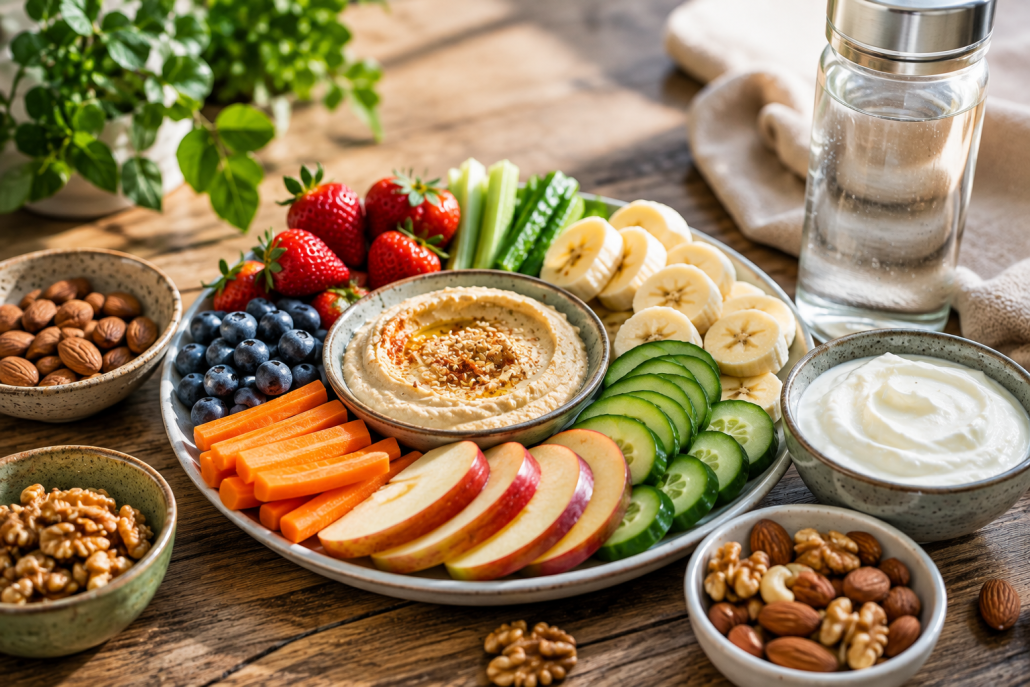
Instead of reaching for chips, candy, or cookies, stock your kitchen with wholesome options like nuts, fruit, Greek yogurt, hummus with veggies, boiled eggs, or whole grain crackers. These snacks provide a mix of fiber, protein, and healthy fats to keep you feeling full and focused.

Keep your portions in check. A handful of almonds or one banana is usually enough to tide you over. And don’t snack just out of boredom, pause and ask yourself if you’re truly hungry before reaching for something.

Planning your snacks like you would a meal helps eliminate last-minute, less-healthy decisions. Keep them pre-portioned and ready to grab, especially if you’re often on the go.

Mindful Eating: Be Present with Every Bite

In today’s fast-paced world, eating has become a distracted activity, done in front of screens, during meetings, or while multitasking. This leads to overeating, poor digestion, and a disconnection from our body’s cues.

Mindful eating involves slowing down and paying attention to your food. Savor the flavors, textures, and smells. Chew thoroughly and put your fork down between bites. Avoid eating while watching TV or scrolling through your phone.

Being more aware during meals helps you recognize when you’re full and can enhance your overall eating experience. It’s not just about what you eat, but how you eat that impacts your health.

Try taking 20–30 minutes to eat each meal. Gratitude practices, like silently appreciating your food before you begin, can also help foster a healthier, more intentional relationship with eating.

Don’t Deprive Yourself, Just Balance Your Choices


Don’t Deprive Yourself, Just Balance Your Choices

One of the reasons many diets fail is because they feel too restrictive. When you cut out your favorite foods entirely, it often leads to bingeing or emotional eating. Instead, allow yourself occasional indulgences and focus on overall balance.

Healthy eating is about nourishing your body most of the time, not being perfect all the time. If you love chocolate or pizza, enjoy them in moderation without guilt. Pair indulgent treats with healthy sides, have a slice of pizza with a big side salad, for example.

By not labeling foods as “good” or “bad,” you reduce the psychological pressure around eating and create space for sustainability. The goal isn’t to be perfect, it’s to be consistent.

Allowing some flexibility actually strengthens your commitment to healthy living and makes the journey more enjoyable and long-lasting.

Healthy Cooking Methods: How You Prepare Food Matters

Healthy Cooking Methods: How You Prepare Food Matters

Even the healthiest ingredients can lose their nutritional value, or become unhealthy, depending on how they’re prepared. Deep-frying vegetables, smothering dishes in butter, or drowning salads in high-calorie dressings can counteract your efforts.

Opt for cooking methods that preserve nutrients and reduce unnecessary fats and calories. These include steaming, roasting, grilling, baking, sautéing with olive oil, or using an air fryer.

Spices and herbs can replace excess salt and sugar while adding flavor and antioxidants. Lemon juice, garlic, ginger, cumin, paprika, and turmeric are great ways to boost taste without compromising health.

Also, try experimenting with new recipes that incorporate healthy swaps, like using mashed avocado instead of mayo, Greek yogurt instead of sour cream, or cauliflower rice instead of white rice.

Healthy eating starts in your kitchen, and learning a few simple cooking techniques can take your meals from bland to bold, without adding unhealthy extras.

Eat More Fiber-Rich Foods for Digestion and Fullness

Fiber is an unsung hero in the world of nutrition. It supports digestion, helps control blood sugar, reduces cholesterol, and keeps you feeling full longer. Yet, most people don’t get enough in their daily diet.

Great sources of fiber include whole grains (like oats, brown rice, and quinoa), legumes (beans, lentils), fruits (apples, berries, pears), vegetables (broccoli, carrots, leafy greens), and nuts or seeds (chia, flaxseed, almonds).

Add fiber gradually to avoid digestive discomfort, and always pair it with plenty of water. A high-fiber breakfast, like oatmeal with berries and chia seeds, is a great way to kick off your day.

Making fiber-rich foods a regular part of your meals is one of the simplest ways to boost health, reduce overeating, and support your body from the inside out.

Conclusion: Healthy Eating is a Journey, Not a Destination

The path to healthier eating doesn’t require perfection or extreme restrictions. It’s about making small, sustainable changes that fit your lifestyle. From smart meal planning and portion control to mindful snacking and balanced cooking, every tip you apply adds up to a healthier, more energized you.

You don’t need to overhaul your entire life overnight. Start with one or two changes from this guide and build from there. The goal is progress, not perfection. By treating your body with kindness and making informed food choices, you’ll feel better physically, mentally, and emotionally.

Remember, the best diet is the one you can stick with, the one that nourishes your body, satisfies your soul, and fits into your daily rhythm. Keep it simple, stay consistent, and celebrate your wins along the way.

Frequently Asked Questions (FAQ)

Q1: What’s the easiest way to start eating healthier?

Start with small, manageable changes like drinking more water, adding more vegetables to your meals, and reducing processed food. Even replacing one snack a day with a healthier option can make a big impact.

Q2: Can I still eat my favorite foods and be healthy?

Absolutely. The key is moderation. You can enjoy your favorite treats as part of a balanced diet without feeling guilty. Focus on portion control and pair indulgent foods with nutritious ones.

Q3: How do I stop emotional eating?

Identify your triggers, whether it’s stress, boredom, or loneliness, and find healthier coping mechanisms like walking, journaling, or calling a friend. Mindful eating practices can also help reduce emotional snacking.

Q4: What are some healthy snack ideas?

Great options include Greek yogurt with fruit, nuts and seeds, hummus with veggie sticks, boiled eggs, or whole-grain toast with avocado. These are nutrient-rich and help curb cravings.

Q5: Is meal planning necessary to eat healthy?

While not required, meal planning makes healthy eating much easier. It helps you avoid unhealthy impulses, saves money, reduces food waste, and ensures that nutritious options are always available.


Lose weight

When Does Your Body Start Burning Fat? 

Understanding when your body starts to burn fat is key for anyone on a journey to lose weight, improve fitness, or boost overall health. While many assume that fat burning begins the moment you break a sweat or skip a meal, the reality is more complex, and much more interesting. Fat loss is a metabolic process influenced by factors like diet, exercise intensity, duration, and even hormones. If you’re wondering, “When exactly does my body tap into fat stores?” you’re not alone, and you’re about to get the clarity you need.

In this comprehensive guide, we’ll unpack the science of fat metabolism, bust some common myths, and show you how to trigger fat-burning more efficiently. Whether you’re a fitness enthusiast, someone beginning their weight loss journey, or just curious about how your body works, this article will offer the knowledge and tips to help you reach your goals faster.

The Science of Fat Burning: What Really Happens Inside Your Body?

The Science of Fat Burning: What Really Happens Inside Your Body?

Before you can figure out when your body starts to burn fat, it’s crucial to understand how fat burning works. Fat doesn’t just “melt away” like butter on a hot pan, it undergoes a biochemical process.

Understanding the Metabolic Process Behind Fat Loss

Fat burning is part of a broader metabolic process called lipolysis, where fat cells (adipocytes) release stored energy in the form of fatty acids. These fatty acids travel through the bloodstream and are converted into energy, primarily in the liver and muscles. However, your body doesn’t start this process until it has burned through readily available sources like glucose from food or stored glycogen.

Here’s where it gets interesting, your body’s choice of fuel depends on your activity level, recent food intake, and even the time of day. During intense workouts, for example, your body prefers to burn carbohydrates because they’re quicker to convert. Fat becomes the preferred fuel during lower-intensity, steady-state activities like walking, fasting, or long-duration aerobic workouts.

So while fat is always being metabolized to some degree, your body only primarily switches to burning fat when glucose is low, and that doesn’t happen instantly.

How Long Does It Take to Start Burning Fat During Exercise?

One of the most common questions is: “How long do I need to exercise before I start burning fat?” The answer depends on multiple factors including intensity, fitness level, and duration.

Fat as Fuel: The 20–30 Minute Rule

For most people, fat burning begins around 20 to 30 minutes into moderate exercise, like jogging, cycling, or brisk walking. During the first 15 to 20 minutes, your body mainly uses glucose and glycogen. As these energy stores deplete, your body transitions to using fat as a primary energy source.

This is why longer, steady-state cardio sessions are often recommended for fat loss. The longer you work out in a fat-burning zone, the more fat your body uses for energy.

That said, HIIT (High-Intensity Interval Training) can also trigger fat burn, not necessarily during the workout but in the hours afterward through a process called EPOC (Excess Post-Exercise Oxygen Consumption), also known as the afterburn effect.

So whether you prefer long walks or short bursts of high effort, both can help, just in different ways.

What Role Does Fasting Play in Burning Fat?

What Role Does Fasting Play in Burning Fat?

Intermittent fasting has become a popular method for weight loss, but how does it affect fat metabolism?

Fasting and the Switch to Fat as Fuel

During a fasted state, especially after 12–16 hours without food, your body experiences a drop in insulin levels, which promotes fat burning. Without new glucose from food, your body starts using stored fat for energy.

This is one reason why morning workouts in a fasted state are often recommended for fat burning. However, results may vary based on individual metabolism and tolerance. Some people feel sluggish or dizzy without food and may perform better after a light meal.

While fasting can encourage fat loss, it’s not a magic bullet. Combining it with a nutrient-rich, balanced diet and consistent exercise yields the best results.

Does Your Body Burn Fat While Sleeping? Absolutely, Here’s How

Does Your Body Burn Fat While Sleeping? Absolutely, Here’s How

Believe it or not, you burn fat while you sleep, just not in the way you might expect.

Sleep: The Silent Fat Burner

Your body is in recovery and repair mode during deep sleep. During this phase, your metabolism slows, but your body still requires energy for essential functions like cell repair, brain activity, and temperature regulation. Since you’re not eating while sleeping, your insulin levels are low, and the body naturally starts burning stored fat.

This is why quality sleep is critical for weight loss. Poor sleep can lead to hormonal imbalances, especially in leptin and ghrelin, hormones that regulate hunger and satiety. Disrupted sleep increases cravings for sugary and fatty foods the next day, sabotaging your fat-burning progress.

In short, a consistent sleep schedule can amplify fat loss results and keep your metabolism functioning optimally.

Fat-Burning Heart Rate Zones

Fat-Burning Heart Rate Zones: How to Exercise Smarter, Not Harder

Many fitness trackers and treadmills promote the idea of a “fat-burning zone.” But is it real, and does it matter?

Target Heart Rate for Maximum Fat Burning

Yes, the fat-burning zone is a real concept based on heart rate ranges. Your body tends to burn the highest percentage of fat at 50–70% of your maximum heart rate. This is usually during low to moderate-intensity cardio.

To calculate your estimated fat-burning zone:

  • Subtract your age from 220 to get your maximum heart rate.
  • Multiply that number by 0.5 and 0.7 to get your fat-burning range.

For example, a 35-year-old would have a max heart rate of 185 bpm. Their fat-burning zone would be between 92 and 130 bpm.

While this zone burns more percentage-wise from fat, higher-intensity workouts burn more total calories, which also helps with fat loss. So it’s best to mix both types of workouts for optimal results.

Factors That Influence When You Start to Burn Fat

Now that we’ve covered the basics, let’s look at other variables that can impact your body’s fat-burning timeline.

Diet, Fitness Level, and Hormones All Play a Role

Here are some key factors:

  • Diet Composition: High-carb diets delay the switch to fat metabolism since the body will prefer glucose first. Low-carb or keto diets can accelerate fat burning.
  • Fitness Level: Trained athletes often switch to fat-burning more quickly due to improved metabolic flexibility.
  • Age and Gender: Metabolism tends to slow with age, and hormonal shifts in women (especially around menopause) can impact fat storage and burning.
  • Stress and Cortisol: Chronic stress elevates cortisol, which encourages fat storage, particularly around the abdomen.

Understanding these influences can help you personalize your fat loss strategy instead of relying on a one-size-fits-all plan.

The Best Time of Day to Burn Fat: Morning vs Evening Workouts

The Best Time of Day to Burn Fat: Morning vs Evening Workouts

Timing your workouts can influence how and when your body burns fat. But is there a “best” time?

Morning Workouts May Enhance Fat Oxidation

Exercising in the morning on an empty stomach may lead to higher fat oxidation, according to several studies. Your body is in a fasted state after sleep, encouraging it to use fat as fuel.

However, evening workouts also have benefits. You’re likely to have more energy and better performance in the afternoon or evening, which may lead to more intense sessions, and greater total calorie burn.

Bottom line: the best time to work out is the time you’ll stick with consistently. Both morning and evening exercise can contribute to fat loss if you maintain intensity, duration, and frequency.

Signs That Your Body is Burning Fat

You may not be able to see fat loss immediately, but there are subtle signs your body is burning fat.

Physical and Emotional Clues That Indicate Fat Loss

Here are a few indicators:

  • Increased energy and endurance
  • Clothes fitting more loosely
  • Reduced cravings, especially for sugar
  • Less bloating or water retention
  • More defined muscles
  • Steady, moderate weight loss on the scale

Remember, fat loss is not always linear. You may hit plateaus, lose inches without losing weight, or experience fluctuations. Focus on long-term trends rather than daily changes.

Tips to Trigger Fat Burning Faster and More Efficiently

Want to help your body reach that fat-burning phase more quickly? Try these strategies.

Practical Ways to Boost Fat Metabolism

  1. Incorporate strength training: Building muscle increases your resting metabolism.
  2. Add HIIT workouts: High-intensity intervals boost post-exercise fat burn.
  3. Stay hydrated: Water helps metabolize fat and suppress appetite.
  4. Get quality sleep: Prioritize 7–9 hours nightly to optimize hormones.
  5. Reduce sugar and refined carbs: This lowers insulin and encourages fat usage.
  6. Try intermittent fasting: Aim for a 12–16 hour window to promote fat burning.

Consistency is the most important piece. Stick with these habits, and over time, you’ll notice the difference in how your body burns and stores fat.

Final Thoughts

Understanding when your body starts to burn fat is more than a fitness myth, it’s a science-backed reality. While your body always uses a mix of fuels, true fat burning typically starts after 20–30 minutes of moderate activity or during fasting periods when glucose is low.

By incorporating smart exercise strategies, managing your diet, prioritizing rest, and staying consistent, you can teach your body to become more efficient at tapping into fat stores for energy. Fat loss isn’t instant, it’s a process. But with the right knowledge and approach, you can make it work for you.

FAQs About Fat Burning and Weight Loss

1. How long should I work out to start burning fat?

For most people, fat burning begins around 20–30 minutes into moderate-intensity exercise. However, intensity and fitness level can influence this timing.

2. Does fasting help burn fat faster?

Yes, fasting lowers insulin levels and pushes your body to use fat for energy. Intermittent fasting or morning workouts in a fasted state can promote fat loss, but results vary.

3. What’s the best exercise for burning fat?

A combination of cardio and strength training is most effective. Steady-state cardio burns fat during the workout, while strength training boosts metabolism and burns fat afterward.

4. Can I burn fat without exercising?

Yes, fat is burned during rest, especially when you’re sleeping or fasting. However, exercise accelerates fat loss and offers additional health benefits.

5. How do I know if I’m burning fat or just losing water weight?

If you’re seeing consistent changes in inches, body composition, and energy levels, you’re likely burning fat. Water weight often fluctuates daily.

6. Do women and men burn fat differently?

Yes, hormones influence how and where fat is stored and burned. Women may find it harder to lose abdominal fat due to estrogen, while men often lose visceral fat faster.


Health Benefits of Fitness That Have Nothing to Do With Weight Loss

Health Benefits of Fitness That Have Nothing to Do With Weight Loss

Staying fit is often associated with shedding pounds or maintaining an ideal body weight. But the real magic of fitness goes far beyond numbers on a scale. Even if your weight remains the same, engaging in regular physical activity and staying active can enhance nearly every aspect of your physical, emotional, and mental health. This article explores the powerful health benefits of being fit that have absolutely nothing to do with losing weight, and everything to do with living a longer, better life.

1. Boosts Mental Health and Reduces Anxiety

When people talk about fitness, the mind is often overlooked. Yet, staying physically active is one of the most effective ways to support your mental and emotional well-being.

Fitness as a Mental Health Booster

Exercise has been scientifically shown to release endorphins, your body’s natural feel-good hormones. These chemicals help reduce feelings of anxiety, stress, and depression. In fact, just 30 minutes of moderate exercise a day can significantly uplift your mood and improve your overall emotional balance.

More than that, fitness routines offer structure and routine, which are incredibly beneficial for people dealing with mood disorders. Activities like yoga and walking in nature also promote mindfulness, helping to calm racing thoughts and encourage positive thinking.

Additionally, regular workouts can improve cognitive function and memory by increasing blood flow to the brain. This is especially beneficial for older adults who want to maintain mental sharpness and delay cognitive decline.

Bottom line: You don’t have to run a marathon to experience mental clarity. Simple activities like dancing, stretching, or gardening can have lasting positive effects on your mental health.

2. Enhances Heart Health and Circulation

You may not see it in the mirror, but your heart benefits immensely from regular exercise. Cardiovascular health improves regardless of whether you lose weight.

How Physical Fitness Strengthens the Heart

Fitness helps the heart become more efficient at pumping blood. As you build endurance and stamina through aerobic activities, like swimming, biking, or jogging, your heart doesn’t have to work as hard to supply oxygen to your body.

Exercise also reduces bad cholesterol (LDL), increases good cholesterol (HDL), and lowers blood pressure. All of these factors contribute to a reduced risk of heart disease, stroke, and other cardiovascular issues.

Furthermore, staying fit improves blood vessel function, reduces arterial stiffness, and helps manage inflammation in the body, all key elements in promoting a healthier cardiovascular system.

Pro tip: Even brisk walking for 30 minutes five days a week can make a big difference in your heart’s health and performance.

3. Strengthens Muscles and Improves Bone Density

Maintaining strong muscles and bones isn’t just about bodybuilding or appearance, it’s about supporting your body’s structure and longevity.

The Hidden Power of Strength and Resistance Training

Regular strength training or weight-bearing exercises like resistance workouts, climbing stairs, or even bodyweight movements can dramatically increase your muscle strength and bone density. This is particularly important as we age since both muscle mass and bone density tend to decline over time.

Improved bone density helps reduce the risk of osteoporosis and fractures. Meanwhile, stronger muscles improve balance and coordination, lowering your risk of falls and injury, especially in older adults.

Incorporating fitness into your lifestyle ensures you stay agile and mobile, preserving independence and quality of life.

Fitness takeaway: Fitness builds a resilient body that can better withstand the physical demands of everyday life, injury, and aging.

4. Boosts Immune System Function

Yes, being fit can help keep the sniffles at bay. While overtraining can sometimes suppress the immune system, regular moderate exercise actually enhances it.

Fitness and Your Body’s Defense Mechanism

When you engage in regular physical activity, your immune system becomes more efficient. Exercise helps flush bacteria out of the lungs and airways, reducing the chances of getting a cold or flu. It also causes changes in antibodies and white blood cells (WBCs), making them circulate faster and detect illnesses earlier.

Furthermore, physical activity slows the release of stress hormones like cortisol, which can suppress immune function when chronically elevated.

Fitness also improves sleep quality, another factor linked to a healthy immune response. Better sleep gives your body more time to recover, repair, and regenerate immune cells.

So what does this mean? Being fit equips your body to defend itself better, leading to fewer sick days and faster recovery when illness does strike.

5. Increases Energy Levels and Reduces Fatigue

You might think working out makes you tired, but the truth is quite the opposite. Fitness fuels your energy reserves and beats fatigue.

Why Active People Feel More Energized

Physical activity enhances your cardiovascular system, which improves the delivery of oxygen and nutrients to your muscles and organs. This leads to increased stamina and reduced feelings of fatigue.

Exercise also helps regulate blood sugar levels and boosts mitochondrial function, the powerhouse of your cells, which results in greater energy production.

Many people who incorporate exercise into their routine report feeling more alert, more awake, and more productive throughout the day. Whether it’s walking, stretching, or dancing, the result is the same: more pep in your step.

Bottom line: Staying fit improves your ability to do daily tasks with less effort and more enthusiasm.

6. Improves Digestive Health and Gut Function

Your gut loves movement. Fitness plays a huge role in how well your digestive system functions.

Fitness for a Happier Gut

Physical activity helps stimulate intestinal contractions, promoting regular bowel movements and preventing constipation. It also supports the balance of good gut bacteria, which contributes to better digestion, nutrient absorption, and even immune response.

Exercise has been linked to a lower risk of gastrointestinal conditions such as acid reflux, gallstones, and irritable bowel syndrome (IBS). Plus, consistent movement reduces bloating and helps detoxify the body by promoting lymphatic flow.

And let’s not forget, staying fit also helps manage stress, which is closely connected to gut health. A calm mind often means a calmer gut.

In summary: A fit body often means a healthy gut, making digestion smoother and more efficient.

7. Supports Better Sleep Quality

Do you struggle with sleepless nights or poor sleep quality? Fitness might be the missing piece in your bedtime routine.

Why Exercise Promotes Deeper, Restorative Sleep

Physical activity increases time spent in deep sleep, the most restorative sleep phase that helps your brain and body recover. Regular fitness also helps you fall asleep faster and stay asleep longer.

Exercise helps regulate your body’s internal clock (circadian rhythm), ensuring a consistent sleep-wake cycle. It also reduces stress and anxiety, two major culprits of insomnia.

Whether it’s a morning jog or evening yoga, movement helps reset your body and mind for a better night’s rest.

Sleep bonus: People who work out regularly tend to report fewer disruptions during the night and feel more refreshed in the morning.

8. Enhances Longevity and Delays Aging

What if the fountain of youth was hidden in your sneakers? Regular fitness doesn’t just make you feel younger, it helps you live longer.

Fitness for a Longer, More Vibrant Life

Staying physically fit has been linked to increased lifespan and better health in older age. Fit individuals have a lower risk of developing chronic conditions such as diabetes, cancer, arthritis, and Alzheimer’s disease.

Fitness also slows cellular aging by reducing oxidative stress and increasing telomere length (telomeres are the protective caps at the ends of chromosomes). Longer telomeres are associated with greater longevity.

Moreover, staying active keeps your muscles, joints, and reflexes sharp, allowing you to maintain independence well into your golden years.

Life hack: Fitness doesn’t just add years to your life, it adds life to your years.

9. Sharpens Brain Function and Memory

Fitness fuels your brain just as much as your body. Being active boosts brain power in ways that support learning, memory, and focus.

How Physical Activity Boosts Brain Performance

Exercise increases the production of brain-derived neurotrophic factor (BDNF), a protein that supports brain health and function. BDNF helps create new brain cells and strengthens connections between neurons, which boosts memory and learning.

Fitness also enhances concentration and decision-making, making it easier to stay productive and focused during the day.

Physical activity has even been shown to lower the risk of cognitive decline and dementia as you age.

In short: A fit body leads to a fitter, faster-thinking brain.

10. Elevates Self-Esteem and Confidence

You don’t need to drop three sizes to feel good about yourself. Regular fitness builds self-worth from the inside out.

Fitness and Positive Self-Perception

Engaging in regular workouts creates a sense of achievement. Every rep, every step, and every stretch reinforces the idea that you are capable, strong, and worthy. Over time, this consistency breeds confidence and empowers you to pursue bigger goals in life.

The psychological benefits of seeing progress, whether it’s running longer, lifting heavier, or simply sticking with a routine, fuel a deeper sense of self-respect.

Plus, when you feel better mentally and physically, you tend to carry yourself with more confidence in social, personal, and professional situations.

Reality check: Fitness isn’t about perfection; it’s about progress, and progress breeds power.

Conclusion: It’s Not About Weight, It’s About Wellness

If you’re measuring the value of fitness only by the scale, you’re missing the bigger picture. Physical activity is one of the most effective ways to safeguard your mind, body, and spirit for the long haul. It’s a proven path to more energy, deeper sleep, a stronger heart, and a sharper mind. And the best part? You don’t need to lose a single pound to reap these benefits.

So, shift your focus from “thin” to “thriving.” Celebrate what your body can do. Move because you love your body—not because you hate it. When fitness becomes a lifestyle, everything else—energy, mood, strength, and yes, sometimes even weight—falls into place naturally.

FAQ: Health Benefits of Fitness Beyond Weight Loss

Q1: Can I get these benefits from walking alone?
Yes! Brisk walking is one of the most underrated forms of exercise. It can improve heart health, reduce anxiety, boost energy, and even support digestion, all without the intensity of high-impact workouts.

Q2: How often do I need to exercise to enjoy these benefits?
The CDC recommends at least 150 minutes of moderate-intensity exercise per week. That’s just 30 minutes, five days a week. Consistency is more important than intensity.

Q3: What if I hate going to the gym?
No problem! Fitness is flexible. Dancing in your living room, hiking, playing with your kids, or even gardening can offer similar benefits. Find an activity you enjoy so you’ll stick with it.

Q4: Will I still benefit from exercise even if I don’t lose weight?
Absolutely. Many internal benefits occur even without visible changes. Your heart, brain, and immune system don’t care about the scale, they thrive on movement.

Q5: Is yoga enough to count as being “fit”?
Yes, yoga builds strength, flexibility, and reduces stress. Combined with some cardio activity like walking or swimming, it forms a well-rounded fitness plan.

Q6: What’s the most important benefit of staying fit?
While it depends on personal goals, many experts agree that improved quality of life and reduced risk of chronic diseases are the biggest takeaways. Fitness helps you live better, not just look better.


Start Your Day Right: The Power of a Nutritious Breakfast

The Facts About Nutrition

When it comes to nutrition, the internet is flooded with advice, some backed by science, others purely based on trends or personal opinions. As a result, many people feel overwhelmed, unsure of what to eat, and confused about what really constitutes a healthy diet. In this comprehensive guide, we’ll break down the core facts about nutrition in simple terms, dispel myths, and help you make informed decisions about your food. Whether you’re trying to lose weight, boost energy, or simply live longer, understanding the basics of nutrition can transform your life.

What Is Nutrition and Why Does It Matter?

Nutrition is more than just what you eat; it’s about how your body uses the nutrients in food to function optimally. It involves the study of how nutrients—such as carbohydrates, proteins, fats, vitamins, and minerals—affect the body’s growth, maintenance, and repair. Good nutrition helps your organs function properly, boosts immunity, supports healthy development, and even affects mental health.

A balanced diet provides the right proportions of these nutrients. Think of your body like a machine, without the right fuel, it won’t run efficiently. Poor nutrition can lead to fatigue, weakened immunity, obesity, and chronic diseases like diabetes and heart disease. On the flip side, a well-nourished body feels energized, heals faster, and is better protected against illness.

It’s not just about avoiding junk food. Nutrition also means knowing what your body needs, how much it needs, and when to consume it. With the right information, you can turn every meal into an opportunity to fuel your body and mind for success.

Macronutrients Explained: Proteins, Carbohydrates, and Fats Demystified

Macronutrients are the major nutrients your body needs in large amounts. Each one serves a specific role in the body, and a healthy diet should include all three, just in the right balance.

Protein: The Building Block of Life

Protein is essential for repairing tissues, building muscles, and supporting enzyme and hormone production. It’s made up of amino acids, some of which your body can’t make on its own, so you have to get them from food.

Sources include:

  • Lean meats (chicken, turkey, beef)
  • Fish and seafood
  • Eggs and dairy
  • Plant-based options like tofu, lentils, and beans

Consuming adequate protein helps with muscle growth, satiety, and even weight management. It’s particularly important for athletes, growing children, and the elderly.

Carbohydrates: Your Body’s Preferred Energy Source

Despite their bad reputation in some diet circles, carbohydrates are not the enemy. They’re your body’s primary source of energy, especially for the brain and muscles.

Healthy sources of carbs include:

  • Whole grains (brown rice, oats, quinoa)
  • Fruits and vegetables
  • Legumes
  • Root vegetables like sweet potatoes

What you want to avoid are refined carbs like white bread, pastries, and sugary drinks, which can spike your blood sugar and leave you feeling sluggish afterward.

Fats: Essential for Hormones and Cell Function

Fats are vital for absorbing fat-soluble vitamins (A, D, E, and K), producing hormones, and protecting organs. The key is choosing the right kinds of fat.

Healthy fats include:

  • Avocados
  • Nuts and seeds
  • Olive oil
  • Fatty fish like salmon and mackerel

Avoid trans fats found in fried and heavily processed foods. These fats raise bad cholesterol and increase the risk of heart disease.

Micronutrients Matter Too: Vitamins and Minerals That Keep You Going

While macronutrients provide energy, micronutrients—vitamins and minerals—play essential roles in bodily functions like immunity, bone health, and oxygen transport.

Essential Vitamins for Everyday Health

Each vitamin serves a unique function. For example:

  • Vitamin C supports the immune system and helps heal wounds.
  • Vitamin D is crucial for bone health and immune defense.
  • Vitamin B12 aids in nerve function and red blood cell formation.
  • Vitamin A supports vision and skin health.

Getting a variety of fruits and vegetables in your diet ensures you receive a wide range of vitamins. Supplements can help if you’re deficient, but food should always be your first choice.

Important Minerals Your Body Needs

Minerals such as calcium, iron, potassium, and magnesium are just as important:

  • Calcium builds strong bones and teeth.
  • Iron helps transport oxygen in the blood.
  • Potassium supports heart function and fluid balance.
  • Magnesium is involved in over 300 biochemical reactions in the body.

Deficiencies can lead to issues like anemia, brittle bones, and fatigue. A colorful, whole-food-based diet ensures you get what your body needs.

Hydration and Nutrition: Why Water Is the Unsung Hero

Water might not contain calories or nutrients, but it’s one of the most important components of your diet. Staying hydrated helps:

  • Regulate body temperature
  • Flush out toxins
  • Transport nutrients
  • Lubricate joints
  • Aid digestion

Dehydration can cause headaches, fatigue, and even impact cognitive function. Aim for at least 8 cups of water daily, and more if you’re active or live in a hot climate. If plain water bores you, try infusing it with lemon, cucumber, or mint for a refreshing twist.

Don’t rely on sugary drinks to hydrate—these add extra calories and contribute to health issues. Instead, drink water consistently throughout the day to stay refreshed and energized.


Nutrition Myths Busted: Separating Fact from Fiction

In the age of social media, nutrition misinformation spreads fast. Let’s bust some of the most common myths.

Myth #1: Carbs Make You Fat

Truth: Excess calories, not carbohydrates specifically, lead to weight gain. Whole carbs like fruits, vegetables, and grains are nutrient-rich and beneficial.

Myth #2: Fat-Free Means Healthy

Truth: Many fat-free foods are loaded with sugar or artificial additives to enhance taste. Healthy fats are crucial for your well-being.

Myth #3: You Need Supplements for Optimal Health

Truth: While some people do benefit from supplements, most individuals can get all necessary nutrients through a balanced diet. Whole foods offer a range of benefits that pills can’t match.

Myth #4: Detox Diets Cleanse Your Body

Truth: Your liver and kidneys already detox your body naturally. Juice cleanses and detox teas often lack scientific backing and may do more harm than good.

Relying on real, whole foods and a consistent, healthy eating pattern is far more sustainable and effective than following extreme diets or fads.


Meal Planning Tips: Building a Balanced Plate Every Time

Healthy eating doesn’t have to be complicated. Use the “balanced plate” method as a simple visual guide:

  • Half your plate should be fruits and vegetables
  • One-quarter should be lean protein
  • One-quarter should be whole grains or starchy vegetables
  • Add a serving of healthy fat and a glass of water or herbal tea

This approach works for any cuisine or dietary preference. Planning meals ahead can help avoid impulse eating and reduce food waste. Cook in batches, prep ingredients for the week, and keep healthy snacks on hand like fruits, nuts, or Greek yogurt.

Don’t forget portion control—overeating healthy food can still lead to weight gain. Listen to your body’s hunger cues and eat mindfully without distractions.

Special Diets and Their Nutritional Value: Should You Try One?

There’s no one-size-fits-all approach to eating. Many people explore special diets for health, ethical, or personal reasons. Let’s explore a few popular ones.

Mediterranean Diet

Rich in vegetables, whole grains, olive oil, and fish, this heart-healthy diet has been linked to reduced risk of heart disease and cognitive decline.

Plant-Based and Vegan Diets

These eliminate animal products and emphasize whole plant foods. When planned correctly, they can provide all necessary nutrients, though supplementation for B12 and iron may be needed.

Low-Carb and Keto Diets

These diets reduce carbohydrate intake to encourage the body to burn fat for energy. While effective for short-term weight loss, they may be hard to sustain and can lack certain nutrients.

Intermittent Fasting

Rather than focusing on what to eat, this method focuses on when to eat. Many find success with weight control and improved focus. However, it’s not ideal for everyone, especially those with blood sugar issues.

Before trying any new eating pattern, consult with a registered dietitian or healthcare professional to ensure it’s right for your needs.

Nutrition and Mental Health: The Brain-Food Connection

The saying “you are what you eat” applies not just to your body but your mind too. Nutrition plays a significant role in mental clarity, mood regulation, and stress management.

Certain nutrients, like omega-3 fatty acids, magnesium, and B vitamins, are linked to brain health and emotional balance. Diets high in processed foods, sugar, and trans fats, on the other hand, are associated with increased risks of depression and anxiety.

Eating a nutrient-dense diet supports the production of neurotransmitters—chemical messengers like serotonin and dopamine that affect how you feel. A healthy gut also contributes to better mental health, since much of your serotonin is produced there.

Simply put, good food = good mood.

The Role of Nutrition Across Life Stages: From Infancy to Old Age

Nutritional needs change throughout life, and it’s essential to adapt your diet accordingly.

  • Infants and toddlers require nutrient-rich foods for growth and brain development.
  • Teenagers need extra calories and protein to support rapid growth.
  • Pregnant women must focus on iron, folate, and calcium for the baby’s development.
  • Adults should maintain a balanced diet to support work, stress, and metabolism.
  • Older adults need to focus on bone health, hydration, and preserving muscle mass.

Understanding your body’s unique needs at each stage ensures lifelong health and vitality.

Final Thoughts: Fuel Your Life With Smart Nutrition Choices

Nutrition isn’t about chasing trends or achieving a picture-perfect body. It’s about taking care of yourself—body, mind, and soul. By learning the basic facts about nutrition, planning meals mindfully, and choosing real, whole foods, you can empower yourself to live a longer, healthier, and more energetic life.

There’s no such thing as perfection when it comes to eating. Start with small, sustainable changes. Replace soda with water, swap white bread for whole grain, or add an extra serving of vegetables to your plate. Over time, these small habits add up to major health benefits.

Frequently Asked Questions (FAQ) About Nutrition

1. What are the top three most important nutrients I should focus on?
While all nutrients are important, focus on getting enough protein, fiber-rich carbohydrates, and healthy fats. These three play a central role in energy, muscle repair, and organ function.

2. How can I tell if I’m getting enough vitamins and minerals?
The best way is through regular checkups and blood work. Eating a varied diet of colorful fruits, vegetables, whole grains, and lean proteins usually covers your needs.

3. Are supplements necessary for a healthy diet?
Not for everyone. If you eat a balanced diet, you may not need them. However, supplements can help if you’re deficient or follow a restrictive diet.

4. How do I start eating healthier without feeling overwhelmed?
Begin with one change at a time. For example, reduce sugar intake or add a serving of vegetables to your meals. Gradual progress leads to lasting habits.

5. Is organic food healthier than non-organic?
Nutritionally, organic and conventional foods are often similar. However, organic options have fewer pesticides and may be better for the environment.


Start Losing Weight Massively Today!

When you wake up every morning, do you feel like your energy is drained before the day even begins? Do you struggle with your self-image, hiding behind clothes that don’t reflect your true style or worse, your confidence? If you’ve been putting off your health goals and watching the number on the scale creep higher, it’s time to draw the line. Today is the day to resolve to lose weight massively and reclaim your life.

Weight loss isn’t just about the physical transformation it’s a mental, emotional, and lifestyle shift that touches every part of your life. Whether it’s reducing the risk of chronic diseases, feeling more agile, sleeping better, or simply feeling confident in your own skin, losing weight massively is a decision that leads to powerful, lasting change.

In this blog post, you’ll discover practical, no-nonsense strategies to help you shed excess pounds, build a healthier relationship with your body, and finally see massive results. It’s not about starving or obsessing, it’s about smarter choices, consistent action, and creating habits that stick. Let’s dive in!

Why Today is the Best Day to Start Your Weight Loss Journey

The most successful weight loss stories don’t start with the perfect diet plan or gym membership, they begin with a decision. A decision to stop making excuses and start making progress.

Many people wait for the “perfect time” to begin their weight loss journey. But the truth is, that moment doesn’t exist. There will always be birthdays, holidays, stressful deadlines, or emotional hurdles. Waiting for the stars to align only delays your transformation.

Adopting a winning mindset is your first step to massive weight loss. This means replacing negative self-talk like “I can’t lose weight” or “I’ll never be slim” with affirmations like “I am capable,” “I am in control,” and “My health is worth it.”

Here’s how to make that shift:

  • Visualize your success: Picture your future self, confident, energized, and vibrant.
  • Set powerful intentions: Start each day with a mantra or commitment to healthy living.
  • Break limiting beliefs: If you’ve failed before, it doesn’t mean you’ll fail again. You’re wiser now.

Ultimately, massive weight loss begins with a massive decision, and that decision starts with your mindset.

Clean Eating Habits That Trigger Fat Loss

You can’t out-exercise a bad diet. If you want to lose weight fast and keep it off, your plate needs a major makeover. Forget crash diets, they only offer short-term results and often leave you feeling deprived. Instead, embrace clean eating for sustainable weight loss.

Clean eating focuses on real, whole foods, foods that are minimally processed, nutrient-dense, and full of natural flavor. This includes fruits, vegetables, lean proteins, whole grains, healthy fats, and plenty of water.

Here’s what to do:

  • Ditch sugar and refined carbs: These spike your blood sugar and promote fat storage. Swap white bread, soda, and sugary snacks for whole grains and natural sweeteners like honey.
  • Eat more protein: Protein keeps you full longer and supports muscle repair. Include eggs, fish, chicken, beans, and tofu in your meals.
  • Add fiber-rich foods: Leafy greens, oats, apples, and lentils aid digestion and help control cravings.

Also, meal prepping and mindful eating can be game-changers. By planning your meals and avoiding distractions while eating, you reduce overeating and gain more control over your portions.

The key? Keep it simple. Eat real food. Drink water. Avoid junk. Clean eating leads to clean energy, clearer skin, and a leaner body.

How Smart Workouts Lead to Massive Weight Loss

If nutrition is the engine, exercise is the accelerator. Regular physical activity boosts your metabolism, builds muscle, and torches calories, three essentials for massive fat loss. But you don’t need to spend hours at the gym to get results. What you need is a smart, consistent fitness routine.

Here are three workout strategies to consider:

1. High-Intensity Interval Training (HIIT)

HIIT combines short bursts of intense activity with brief rest periods. This style burns fat even after your workout ends, thanks to the afterburn effect.

  • Example: 30 seconds of jumping jacks, 30 seconds of rest, repeat for 20 minutes.
  • Benefits: Time-efficient, heart-pumping, and metabolism-boosting.

2. Strength Training for Fat Loss

Lifting weights doesn’t bulk you up, it tones you down. Muscle burns more calories at rest, which means more fat burned throughout the day.

  • Focus on: Squats, lunges, push-ups, dumbbell routines.
  • Frequency: 3–4 times per week.

3. Daily Movement

You don’t need a gym to stay active. Walking, biking, dancing, or playing a sport keeps your metabolism engaged and burns calories throughout the day.

The best workout is the one you’ll stick to. Start slow and build up gradually. Even 30 minutes a day can transform your body over time. The goal is movement, not perfection.

Crushing Cravings and Emotional Eating: Take Control of Your Triggers

For many people, the hardest part of weight loss isn’t the workouts or even the diet, it’s dealing with emotional eating and cravings. If you’ve ever turned to food when stressed, bored, or anxious, you’re not alone.

Cravings are normal, but letting them control you sabotages your progress.

Here’s how to handle them like a pro:

  • Identify your triggers: Keep a journal to track when and why you crave certain foods.
  • Replace the habit: Instead of reaching for chips, go for a walk, call a friend, or sip tea.
  • Eat balanced meals: Skipping meals or eating unbalanced diets leads to intense hunger and overeating later.
  • Stay hydrated: Sometimes, what feels like hunger is actually dehydration.

Also, don’t underestimate the power of stress management. Try meditation, yoga, or breathing exercises. Reducing stress reduces cravings. The better you manage your emotions, the easier it is to stay on track and see results.

Track, Adjust, and Repeat

Want to make your weight loss efforts bulletproof? Start tracking. Monitoring your progress helps you stay motivated, catch setbacks early, and celebrate wins.

Ways to track your weight loss journey:

  • Weigh yourself weekly (not daily): Body weight fluctuates, focus on the trend, not daily numbers.
  • Take body measurements: Your waist, hips, and arms may shrink even when the scale doesn’t move.
  • Track food intake: Use apps like MyFitnessPal to stay aware of calories and nutrients.
  • Keep a success journal: Record workouts, meals, mood, and wins.

Consistency beats intensity. If you have a bad day or week, don’t give up, just course correct. Progress, not perfection, leads to long-term weight loss success.

Sleep, Hydration & Hormones: The Overlooked Keys to Weight Loss

It might surprise you, but what happens outside the gym is just as crucial as your diet and workouts. Your sleep quality, water intake, and hormone balance all play a massive role in your weight loss journey.

Here’s how:

Sleep Your Way to Slim

Lack of sleep messes with your hunger hormones, ghrelin (makes you hungry) and leptin (makes you feel full). Poor sleep = more cravings and more overeating.

  • Aim for 7–9 hours of quality sleep.
  • Create a bedtime routine and reduce screen time before bed.

Hydrate to Accelerate Fat Burn

Water supports digestion, energy, and fat metabolism. Drinking a glass of water before meals can help reduce your appetite.

  • Target: At least 8–10 glasses per day.
  • Add lemon or cucumber for flavor if plain water bores you.

Balance Your Hormones

Stress, poor diet, and lack of exercise can disrupt hormone levels, making fat loss more difficult. To regulate hormones:

  • Eat healthy fats (like avocado and olive oil)
  • Manage stress with mindfulness
  • Get regular sleep and stay active

Don’t overlook these foundational habits, they’re the silent warriors in your weight loss battle.

Support Systems and Accountability: Don’t Go It Alone

Trying to lose weight in isolation is like climbing a mountain blindfolded. You’re far more likely to succeed when you have support, guidance, and accountability.

Ways to build your support network:

  • Join fitness communities (online or in-person)
  • Partner with a friend for walks, gym sessions, or meal prep
  • Hire a coach or trainer to guide your workouts and keep you on track
  • Share your goals with trusted loved ones

The journey is easier, and a lot more fun, when others are cheering you on. Accountability adds motivation on days when your willpower is low. Together, we rise.

Daily Habits That Lead to Massive Weight Loss Over Time

If you want lasting results, it’s not about quick fixes. It’s about creating daily rituals that support your goals. The small things you do every day are what transform your body, health, and mindset.

Powerful habits to adopt:

  • Wake up early and move your body
  • Drink water first thing in the morning
  • Plan your meals the night before
  • Prep healthy snacks to avoid temptations
  • Walk after meals to improve digestion
  • Reflect on your wins at the end of the day

These habits compound over time and become part of your identity. You’re not just trying to lose weight, you’re becoming a healthier, stronger, more empowered version of yourself.

Conclusion: 

If you’ve read this far, you’re ready. Ready to break free from the weight holding you back, physically, mentally, and emotionally. You’re not broken, and you’re not alone. You’re just one powerful decision away from massive change.

Today is your turning point. Not tomorrow. Not Monday. Now.

Resolve to lose weight massively, not just for the mirror but for your future. Because every step you take, every choice you make, is a vote for the person you want to become.

You’ve got this, and your transformation begins today.

FAQs: Weight Loss, Motivation, and Staying on Track

1. How much weight can I lose in a month safely?

On average, 1 to 2 pounds per week is considered safe and sustainable, translating to about 4 to 8 pounds per month. Rapid weight loss often leads to regaining the weight later.

2. What’s the best diet for massive weight loss?

There’s no one-size-fits-all diet, but a balanced plan with whole foods, lean proteins, healthy fats, and low sugar works best. The Mediterranean and low-carb diets are popular and effective choices.

3. Can I lose weight without exercise?

Yes, but it’s slower. Diet has a bigger impact on weight loss, but combining it with exercise accelerates results and improves overall health.

4. How do I stay motivated during weight loss?

Track progress, celebrate small wins, set new goals, and surround yourself with support. Motivation comes and goes, discipline and consistency are your best friends.

5. What do I do when I hit a weight loss plateau?

Change things up, adjust your calorie intake, try new workouts, or take a rest day. Plateaus are normal, but with time and tweaking, you’ll break through.