
Nurturing Child Health and Wellness

From the moment a child is born, their health becomes a top priority for parents, caregivers, and society as a whole. Child health is not just the absence of illness, it encompasses physical, emotional, social, and developmental well-being. In today’s fast-paced, technology-driven world, maintaining a child’s health requires a thoughtful combination of proper nutrition, routine medical care, mental health support, and safe environments.

This comprehensive guide will walk you through all essential aspects of child health and wellness, providing practical insights and science-backed strategies to help your child thrive at every stage of life.

The Foundation of Child Health

The journey to good health starts early in life. A child’s physical, emotional, and mental development during infancy and early childhood lays the foundation for lifelong well-being. Therefore, ensuring children get proper care and attention during these critical years is crucial.

From birth to adolescence, a child’s body undergoes rapid changes, organ systems develop, the brain forms new connections, and emotional intelligence begins to grow. Missing out on key health milestones or ignoring certain health indicators can lead to long-term consequences. That’s why every decision, from what children eat to how much they sleep, has a lasting impact.

Moreover, childhood health influences adult health. Studies show that children who are overweight, stressed, or exposed to environmental hazards often carry those health issues into adulthood. By contrast, children raised in health-conscious environments tend to become healthier, more resilient adults.

To protect and promote child health, it’s important to understand the multi-dimensional nature of wellness and address it holistically.

Essential Nutrition for Children

Nutrition plays a pivotal role in children’s growth and development. A balanced diet fuels the body, supports the immune system, and enhances brain development. Unfortunately, in many parts of the world, children face dual challenges: undernutrition and obesity.

To ensure optimal growth, children need essential nutrients like proteins, carbohydrates, healthy fats, vitamins, and minerals. These elements aid in muscle development, bone health, hormone regulation, and energy production. For example, calcium and vitamin D strengthen bones, while omega-3 fatty acids boost brain function.

Introducing healthy eating habits at a young age can help prevent many chronic diseases such as type 2 diabetes, heart disease, and obesity. Here’s how parents can encourage proper nutrition:

  • Serve a variety of colorful fruits and vegetables daily.
  • Replace sugary snacks with healthy alternatives like nuts or yogurt.
  • Encourage family meals and avoid distractions like screens during eating.
  • Involve kids in grocery shopping and meal preparation to create interest in healthy food.

By creating a positive food environment and leading by example, parents can shape a child’s relationship with food for life.

The Role of Physical Activity in Child Health and Fitness

Children Exercising Outdoors

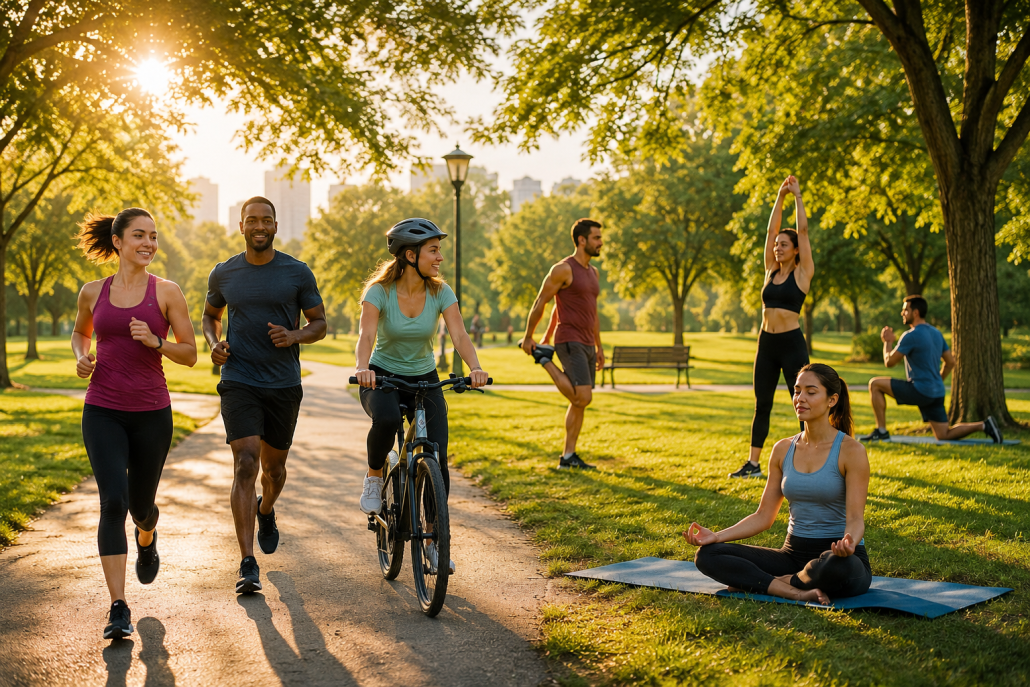
In a world increasingly dominated by screens, the need for physical activity in childhood has never been more important. Children should engage in at least 60 minutes of moderate to vigorous physical activity every day. This could include outdoor play, organized sports, or even dancing around the living room.

Regular movement enhances cardiovascular health, builds strong bones and muscles, supports weight management, and improves coordination and flexibility. But physical benefits are just one side of the coin, active kids also experience improved mental health, better concentration in school, and enhanced social skills.

Encouraging physical activity doesn’t mean enrolling children in every available sport. It means making movement a fun and regular part of their daily routine. Some ideas include:

  • Family walks or bike rides after dinner.
  • Interactive games like hopscotch, tag, or obstacle courses.
  • Swimming lessons, martial arts, or dance classes.
  • Limiting screen time to promote outdoor exploration.

Ultimately, building a love for movement at an early age fosters habits that extend into adulthood.

Mental Health in Children

Children’s mental health is often overlooked in discussions about wellness, but it’s just as important as physical health. Emotional development, resilience, and psychological stability form the core of a child’s ability to navigate life’s challenges.

Mental health issues such as anxiety, depression, and behavioral disorders can affect children from a very young age. Stressors like bullying, academic pressure, family conflict, or trauma can trigger emotional distress. Signs of poor mental health in children may include:

  • Sudden withdrawal or isolation
  • Mood swings or excessive irritability
  • Trouble sleeping or eating
  • Difficulty concentrating or declining grades

Parents and caregivers must create safe, supportive environments where children feel heard and valued. Open communication, consistency, and empathy go a long way. When necessary, don’t hesitate to seek help from school counselors, pediatricians, or mental health professionals.

Promoting emotional well-being early on empowers children to become confident, compassionate, and emotionally intelligent adults.

Sleep and Rest: Why Quality Sleep is Crucial for Children

Good sleep is the cornerstone of child development and health. While adults need around 7–9 hours of sleep, children require much more depending on their age. For instance, toddlers may need 11–14 hours, while school-aged kids should get 9–12 hours each night.

Sleep supports learning, memory, mood regulation, immune function, and growth. Inadequate or poor-quality sleep can lead to irritability, difficulty focusing, behavioral issues, and even weakened immunity.

To foster healthy sleep habits in children:

  • Establish a consistent bedtime and wake-up routine.
  • Avoid screens at least one hour before bed.
  • Create a sleep-friendly environment, quiet, dark, and cool.
  • Encourage relaxing bedtime rituals like reading or soft music.

Never underestimate the power of rest, it’s as vital as food and exercise for a thriving child.

Preventive Healthcare for Children

Preventive Healthcare for Children

Prevention is better than cure, especially in the context of children’s preventive healthcare. Regular doctor visits, vaccinations, screenings, and dental checkups are essential to monitor growth and catch potential issues early.

Immunizations protect children from life-threatening diseases like measles, polio, and whooping cough. While some parents worry about vaccine safety, extensive scientific research has shown vaccines to be both safe and effective.

Besides vaccinations, children should undergo routine:

  • Vision and hearing tests
  • Growth and developmental screenings
  • Dental cleanings and exams
  • Annual wellness checkups

These appointments not only help track physical milestones but also offer opportunities to address any behavioral or emotional concerns. Partnering with a trusted pediatrician ensures your child’s health is consistently monitored and optimized.

Environmental Safety and Hygiene

Environmental Safety and Hygiene

A child’s surroundings play a big role in shaping their health. Environmental safety and hygiene are vital to protect children from injuries, infections, and harmful exposures.

From safe drinking water to clean hands, every small detail matters. Poor hygiene can lead to illness, especially in younger children who are more susceptible to bacteria and viruses. Meanwhile, unsafe environments, cluttered homes, open sockets, or lack of supervision, pose injury risks.

Key safety and hygiene practices include:

  • Teaching children proper handwashing techniques
  • Ensuring safe food handling and preparation
  • Childproofing the home, locking away medicines, covering outlets
  • Using appropriate car seats and seat belts
  • Encouraging cleanliness in schools and daycare settings

These simple actions can drastically reduce the risk of infections and accidents, keeping children safe as they learn and grow.

Parenting and Support Systems

Parenting and Support Systems

The role of caregivers in nurturing child health cannot be overstated. Loving, present, and informed parenting creates a solid base for children to flourish. But parenting doesn’t happen in a vacuum, it requires a strong support system.

Extended family members, teachers, healthcare providers, and community leaders all contribute to a child’s environment. A stable, nurturing atmosphere at home, combined with quality education and community resources, allows children to thrive emotionally, physically, and intellectually.

Parents can strengthen their child’s wellness journey by:

  • Practicing active listening and validation
  • Offering discipline through guidance, not punishment
  • Encouraging curiosity and learning
  • Seeking help when overwhelmed, parenting is challenging

By forming a village of support, families can foster resilience, joy, and health in their children’s lives.

Technology and Child Health

Technology is a double-edged sword when it comes to children’s health in the digital age. On one hand, educational apps and online learning platforms can be excellent tools. On the other hand, excessive screen time can lead to physical inactivity, sleep disruption, and reduced face-to-face social interaction.

According to pediatric experts, children aged 2–5 should have no more than one hour of screen time per day, while older children should be guided toward responsible and balanced use.

To ensure technology supports rather than harms child health:

  • Set screen time limits and stick to them
  • Encourage screen-free meals and family bonding time
  • Monitor the content your child accesses
  • Promote offline hobbies like reading, art, or sports

Digital literacy is just as important as digital limits. Teaching children to use technology responsibly equips them for the modern world while protecting their mental and physical health.

The Power of Early Education in Supporting Child Development

Early childhood education is a crucial pillar of child wellness. It goes beyond ABCs and 123s, early learning environments promote cognitive skills, language development, emotional intelligence, and social behavior.

High-quality early education programs, such as preschool and Montessori-style learning, provide structured play, group activities, and teacher-guided instruction that help children build self-confidence and curiosity.

Benefits of early education include:

  • Better school readiness
  • Enhanced communication skills
  • Improved emotional regulation
  • Stronger peer relationships

Whether through formal schooling or at-home learning, the goal is the same: to stimulate young minds, build foundational skills, and foster a lifelong love of learning.

Final Thoughts

Investing in a child’s health is one of the most profound ways to shape the future, not only of the individual but of society. When we provide children with love, nourishment, safety, education, and emotional support, we prepare them to become healthy, confident, and capable adults.

From nutrition to emotional wellness, every aspect of child health is interconnected. It’s a journey, not a checklist, and it requires the active participation of parents, caregivers, educators, and communities. The earlier we begin prioritizing child wellness, the better the outcome for generations to come.

Let’s remember: healthy children lead to a healthy world. And the best time to invest in that world is now.

Frequently Asked Questions About Child Health

1. What is the most important aspect of child health?

While all aspects are crucial, a balanced combination of physical health, mental well-being, and emotional support is key to overall wellness.

2. How much sleep should my child get?

Sleep needs vary by age. Toddlers (1–2 years) need 11–14 hours, school-aged children (6–12 years) need 9–12 hours, and teens should aim for 8–10 hours per night.

3. What foods should I avoid giving my child?

Avoid processed foods high in sugar and salt, caffeinated drinks, and foods with artificial additives. For infants under one year, honey should also be avoided.

4. How do I know if my child has mental health issues?

Look for changes in behavior, sleep, appetite, or mood. If your child shows signs of persistent sadness, anxiety, aggression, or withdrawal, consult a pediatrician or counselor.

5. When should I start regular checkups for my child?

Checkups should start shortly after birth. Follow your pediatrician’s recommended schedule, which usually includes frequent visits during the first year and annual visits thereafter.


 

12 Life-Changing Healthy Habits to Transform Your Life

In the pursuit of a better life, one often begins with the adoption of simple but powerful healthy habits. While everyone dreams of a happy, fulfilling, and long life, very few take deliberate steps to build a foundation for it. The truth is, your daily routine shapes your physical health, mental clarity, emotional resilience, and even your social interactions.

This blog post dives deep into the most effective healthy habits for a better life, offering not only practical advice but also the motivation to implement these practices consistently. Whether you’re just beginning your wellness journey or looking to fine-tune your routine, these habits will serve as stepping stones toward the best version of yourself.

Let’s explore the twelve transformative habits that can elevate your quality of life, one positive action at a time.

1. Prioritize Quality Sleep

Getting enough sleep isn’t just about avoiding tired eyes or yawns at work, it’s crucial for a healthy mind and body. Aiming for 7–9 hours of uninterrupted, restorative sleep each night allows your brain to process information, repair tissue, balance hormones, and regulate emotions.

Without proper rest, even the healthiest diet or workout routine won’t yield results. Chronic sleep deprivation can increase the risk of heart disease, diabetes, obesity, and depression. To improve your sleep hygiene, try establishing a consistent bedtime, avoiding screens at least an hour before bed, and creating a peaceful sleep environment. Also, limit caffeine and heavy meals close to bedtime.

With time, you’ll notice improvements in your mood, productivity, and even skin health. Sleep is nature’s most underrated medicine, use it wisely.

2. Nourish Your Body With Whole Foods

When it comes to nutrition, the old saying “you are what you eat” rings truer than ever. Healthy eating habits for a better life start with incorporating whole foods into your daily meals. These include fruits, vegetables, lean proteins, whole grains, and healthy fats.

Unlike processed foods loaded with artificial additives, sugar, and sodium, whole foods provide essential nutrients, antioxidants, and fiber. They support your immune system, promote healthy digestion, and reduce inflammation, key factors in disease prevention and energy maintenance.

Aim to eat the rainbow. Colorful plates often mean a variety of nutrients. For example, leafy greens are rich in iron and magnesium, while orange fruits like carrots and mangoes are full of beta-carotene and Vitamin C.

Also, stay hydrated! Drinking at least 8 cups of water a day helps flush toxins, regulate body temperature, and keeps your skin glowing.

3. Make Regular Exercise Non-Negotiable

A sedentary lifestyle is one of the greatest threats to long-term health. Daily physical activity for a healthier life isn’t just about weight loss, it’s about strengthening your heart, improving mental focus, enhancing flexibility, and releasing endorphins that make you feel happier.

Whether it’s a brisk 30-minute walk, yoga, swimming, dancing, or lifting weights, the key is consistency. You don’t have to run marathons, just move more than you did yesterday.

Add variety to avoid boredom. For instance, alternate between strength training and cardio, or join a group class to stay motivated. Even incorporating more movement into your day, like taking the stairs or standing while working, can make a big difference over time.

The goal? Make movement a joyful, regular part of your routine.

4. Practice Mindfulness and Meditation

Modern life is filled with distractions, stress, and constant notifications. One of the most powerful healthy habits for inner peace is learning to be present. Mindfulness and meditation for emotional well-being offer a gateway to greater clarity, reduced anxiety, and better decision-making.

Start with just five minutes a day. Sit quietly, focus on your breathing, and let your thoughts flow without judgment. Apps like Headspace or Calm can help guide your sessions.

Regular meditation has been linked to lower cortisol levels, reduced blood pressure, and a stronger immune system. It also enhances self-awareness, helping you respond rather than react in stressful situations.

The more you practice, the more centered, balanced, and emotionally intelligent you become. It’s a small time investment with massive returns.

5. Develop a Consistent Morning Routine

Your morning routine sets the tone for the rest of your day. Starting with intention and structure leads to improved productivity, reduced stress, and better time management. Morning habits that improve your lifestyle can include a mix of physical, mental, and emotional activities.

Wake up early enough to avoid rushing. Start with a glass of water to rehydrate, a light stretch or exercise to energize your body, and perhaps 5 minutes of gratitude or journaling to align your mind. A nutritious breakfast helps regulate blood sugar and fuels your brain.

Over time, you’ll notice a shift in how much more you can accomplish with clarity and purpose. A good day starts with a great morning.

6. Strengthen Relationships

Humans are social creatures. Strong relationships contribute to better emotional health, longer life expectancy, and reduced stress levels. Whether with friends, family, or colleagues, positive social interactions for mental health create a safety net during challenging times.

Make it a habit to nurture your relationships, send a message, make a call, or schedule a coffee catch-up. Listen actively, show empathy, and express appreciation regularly. It strengthens bonds and builds mutual trust.

Also, set healthy boundaries. Quality trumps quantity. Surround yourself with people who uplift you and minimize contact with those who drain your energy.

Remember, you don’t have to face life alone, invest in your connections.

7. Reduce Screen Time

We live in a digital age where screen addiction is common. Excessive screen time, especially on phones and social media, contributes to anxiety, sleep problems, and eye strain. Limiting digital exposure for a healthier lifestyle is becoming more crucial than ever.

Start by setting screen-free hours, especially before bedtime and during meals. Use apps that track screen time and set daily limits. Engage more in real-world activities like reading, walking, or having face-to-face conversations.

Reducing digital clutter frees up mental space, improves focus, and allows you to live more mindfully. Remember, your time and attention are valuable, don’t give them away easily.

8. Read More Often

Reading is one of the most beneficial habits for lifelong growth. Whether it’s fiction, nonfiction, self-help, or biographies, books offer fresh perspectives, mental stimulation, and emotional enrichment. Reading as a habit for mental and personal development improves vocabulary, concentration, and empathy.

Set aside 20 minutes a day to read. It could be during your commute, lunch break, or bedtime. You’ll soon find your worldview expanding, your communication skills improving, and your creativity thriving.

In a world of fleeting content, deep reading sharpens the mind like few other habits can.

9. Cultivate Gratitude: A Powerful Attitude Shift

Gratitude isn’t just a feel-good emotion, it’s a transformative habit. Studies show that people who regularly practice gratitude are happier, sleep better, and experience fewer health issues. Practicing gratitude for a positive mindset trains your brain to focus on abundance rather than lack.

Keep a gratitude journal and list three things you’re thankful for each day. They don’t have to be big: a sunny day, a hot shower, or a kind word can all count. Reflecting on these blessings can elevate your mood and shift your perspective, even in tough times.

Gratitude reminds us that there’s always something to be thankful for, no matter what.

10. Learn Something New

Personal growth is a lifelong journey. Learning keeps your mind sharp, builds confidence, and introduces new opportunities. Whether it’s a language, instrument, recipe, or skill, adopting a learning mindset for self-improvement brings energy and joy into your life.

Enroll in an online course, attend workshops, or watch educational videos. Make curiosity a daily practice. The more you learn, the more you realize there’s so much more to discover.

In the long run, learning not only improves your adaptability but also enhances your sense of purpose and achievement.

11. Let Go of Toxic Habits

No matter how many positive habits you adopt, clinging to toxic ones can sabotage your growth. These could include smoking, negative self-talk, procrastination, or unhealthy relationships. Eliminating destructive patterns for a better life is essential for real transformation.

Start by identifying what holds you back. Then, replace it with a healthier alternative. For example, substitute smoking with deep breathing, or replace doom-scrolling with journaling.

It’s not always easy, but it’s worth it. Letting go is not a loss; it’s a gain of space, clarity, and freedom to live fully.

12. Set Clear Goals and Review Them Regularly

Without direction, even the healthiest habits may feel pointless. Setting goals gives your actions purpose and drives consistency. Goal setting as a habit for intentional living helps you measure progress and stay motivated.

Use the SMART method, Specific, Measurable, Achievable, Relevant, and Time-bound, to shape your goals. Review them weekly or monthly. Celebrate small wins and adjust when necessary.

Life feels more fulfilling when you know what you’re working toward. With clarity and commitment, every step becomes more meaningful.

Final Thoughts

Improving your life doesn’t require an overhaul overnight. Real change comes from building healthy daily habits for long-term success, little decisions that, over time, lead to a transformed lifestyle.

Start small. Pick one or two habits from this list and work on them until they become part of your identity. Remember, progress is better than perfection. You have the power to create a life of vitality, balance, and joy.

Every day is a new opportunity to choose better, for your body, your mind, and your future.

Frequently Asked Questions (FAQs)

1. How long does it take to form a healthy habit?

On average, it takes 21 to 66 days to form a new habit, depending on the behavior and the person. Consistency and small, daily actions are key.

2. Can I change all my habits at once?

It’s better to start with one or two habits at a time. Trying to change everything at once can be overwhelming and lead to burnout. Focus on progress, not perfection.

3. What are the most important habits to start with?

Begin with sleep, hydration, and physical activity. These three foundational habits impact every other area of life, energy, mood, focus, and health.

4. How do I stay motivated to maintain healthy habits?

Set clear goals, track your progress, celebrate small wins, and surround yourself with supportive people. Also, remind yourself regularly of your “why.”

5. What if I fail or miss a day?

That’s normal! What matters is getting back on track quickly. Missing a day doesn’t erase your progress. Be kind to yourself and keep moving forward.


Mastering the Art of Effortless Swimming

Swimming is more than just a fun activity; it’s a life-saving skill, a powerful workout, and a meditative escape. When you watch a fish glide through water, it looks almost magical, swift, smooth, and natural. What if humans could swim with the same grace? In this blog post, we’ll explore how to “swim like a fish,” breaking down techniques, tips, training habits, and mindset shifts that transform you from a casual swimmer into a confident aquatic glider.

The Aquatic Advantage

The art of Swimming

Water is a unique environment. It offers resistance, buoyancy, and flow. Mastering how to move in it efficiently can dramatically enhance your swimming experience, making you faster, more relaxed, and less fatigued. Whether you’re swimming for fitness, fun, or competition, learning to swim like a fish gives you a major advantage.

When people first learn to swim, they often splash around with jerky movements, short breaths, and tired limbs. That’s not how a fish swims. Fish use their entire body in fluid motion, maximizing propulsion and minimizing drag. As swimmers, we can emulate these characteristics by focusing on form, breath control, body alignment, and rhythm. The good news? Anyone, yes, anyone, can learn to swim gracefully. It’s not about brute strength but technique, timing, and feel for the water.

Transitioning from a “splash and go” style to smooth, gliding strokes isn’t an overnight process, but it’s a journey that pays off. You’ll swim farther with less energy, reduce your risk of injury, and, most importantly, enjoy your time in the water more. Let’s break it down into simple, actionable steps.

Perfecting Posture and Alignment in Water for Fluid Motion

Perfecting Posture and Alignment in Water for Fluid Motion


Your body position is the foundation of effective swimming. Just like a fish stays level and streamlined, your body should float horizontally with minimal resistance. Poor posture creates drag and slows you down. The first step to swimming efficiently is to master your body alignment in the water.

Start by relaxing your neck and looking slightly downward. Avoid lifting your head to look forward, this can cause your hips to sink. Keep your head in a neutral position with ears aligned with your shoulders. Imagine a straight line running from the top of your head to your heels. Your spine should be long, and your core engaged. This alignment reduces drag and helps you glide smoothly.

A good tip is to perform the “superman glide” drill. Push off the wall in a streamlined position, arms extended, head tucked, and legs straight. Feel the glide before initiating any strokes. By developing this sense of balance and posture, you lay the groundwork for every swimming style you’ll use. With time, your muscles will remember this efficient position, and it will become second nature.

Streamlining Your Strokes

Swimming

There are several swim strokes, but the principles of efficiency and fluidity apply to them all. Whether you’re mastering freestyle, backstroke, breaststroke, or butterfly, your technique determines how effortlessly you move through water.

Let’s begin with freestyle, the most common stroke. To swim like a fish using freestyle, your stroke must be long, smooth, and rhythmic. Extend each arm fully, rotate your body slightly on each stroke, and maintain high elbows during recovery. Your hands should enter the water at shoulder width, and your fingertips should lead the motion. Kick from your hips, not your knees, in small, controlled movements.

For breaststroke, synchronization is key. Pull with a sweeping motion, draw your arms together, and then kick powerfully with your legs in a frog-like motion. Glide between strokes to minimize drag. In backstroke, keep your body flat, kick continuously, and allow your arms to move like windmills with controlled rotation. The butterfly stroke, while the most challenging, can be graceful when done correctly, it relies on a dolphin-like body undulation that propels you forward with rhythm and power.

Regardless of the stroke, remember: efficient swimmers don’t fight the water, they cooperate with it. Each movement should serve a purpose, and every stroke should flow into the next.

Breath Control and Timing in Swimming


Breathing is one of the biggest challenges swimmers face. Poor breathing leads to panic, fatigue, and poor technique. On the other hand, controlled, rhythmic breathing allows for endurance and calmness in the water, just like the steady gill motion of a fish.

In freestyle, one of the best practices is bilateral breathing, inhaling every three strokes, alternating sides. This keeps your stroke balanced and prevents over-rotation. Exhale fully underwater and inhale quickly when your mouth clears the surface. Never hold your breath while swimming; instead, create a continuous rhythm of exhale-inhale.

In breaststroke, time your breath with your stroke. As your arms pull and your head naturally lifts, take a quick breath before gliding forward again. For backstroke, you can breathe freely since your face is above water, but don’t overdo it. Keep your breathing controlled and rhythmic. Butterfly breathing is challenging but doable, lift your head during the arm recovery and inhale quickly, then return to a streamlined position.

Practicing breathing drills, like side-kick drills or vertical kicking with breath control, can improve your lung capacity and confidence. With regular training, you’ll find your breath becomes a helpful partner, not a limiting factor.

Kicking with Power and Precision

Your legs are powerful tools in swimming, but only if used efficiently. Many beginners kick too much, too hard, or from the wrong part of their legs, all of which waste energy. Efficient swimmers kick in a way that complements their stroke and maintains body position.

Freestyle and backstroke rely on a flutter kick, small, quick kicks from the hips with relaxed ankles. Avoid bending your knees excessively. Breaststroke kicks are wide and circular, often referred to as a “whip kick.” Your heels come up toward your buttocks, then snap out and around in a circular motion. Butterfly relies on a dolphin kick, both legs moving together in a wave-like motion originating from the core.

To improve your kicking, try using a kickboard and focus on controlled, rhythmic movements. Practice vertical kicking to develop strength and body awareness. Also, try “no kick” drills to feel how your body reacts when the legs are passive. This can help you appreciate how much propulsion and balance your kick adds.

The goal isn’t to kick harder, but to kick smarter, timing your kicks with your strokes and maintaining steady propulsion without overexerting.

Mental Focus and Relaxation in Swimming

Mental Focus and Relaxation in Swimming

Swimming isn’t just a physical skill; it’s a mental one. To swim like a fish, you need to stay calm, focused, and connected to your body’s movement. Tension in the mind often leads to tension in the muscles, which disrupts your technique.

Visualization is a powerful tool. Before your swim, close your eyes and picture yourself gliding smoothly through the water, every movement synchronized. Think of yourself as a fish, relaxed, controlled, and natural. This simple mental shift can have a dramatic impact on how you swim.

Mindfulness is another key element. Focus on each stroke, each breath, and each glide. Let go of distractions. Some swimmers find a meditative rhythm in the water, like a moving meditation. If anxiety creeps in, slow down, float on your back, and regain your breath. The more relaxed you are, the more efficient your swim becomes.

Mental endurance is also built through consistent practice and positive self-talk. Celebrate small wins and improvements. Stay patient with your progress. Swimming is a journey, and every lap teaches you something new.

Strength Training and Flexibility for Swimmers

The art of Swimming

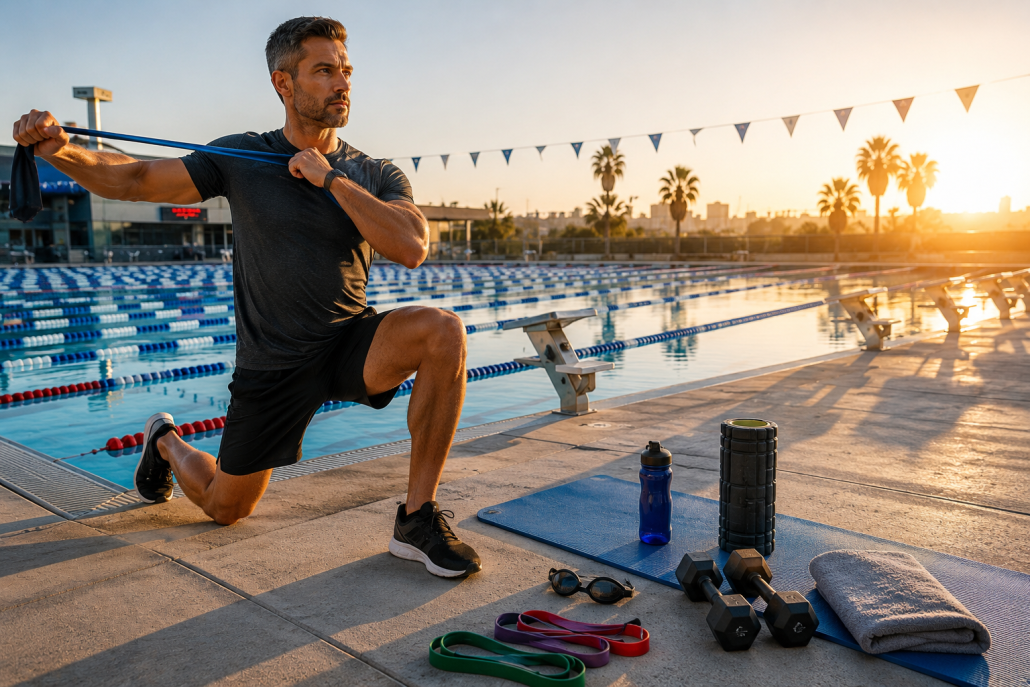
While the water is your primary training ground, dryland exercises play a critical role in helping you swim better. Fish have powerful muscles and streamlined bodies. To mimic their agility, you need to strengthen your core, improve your flexibility, and develop explosive yet controlled power.

Core workouts like planks, Russian twists, and flutter kicks help you maintain body alignment. Shoulder exercises, such as resistance band pulls and rotator cuff work, support your strokes and reduce injury risk. Leg workouts like squats and lunges build kicking power.

Flexibility is equally important. Stretching your shoulders, hips, and ankles improves your range of motion and reduces drag. Yoga or dynamic stretching routines are especially helpful. Don’t forget about cardio, running, biking, or rowing help build the stamina needed for longer swim sets.

A well-rounded training routine on land supports your performance in the water. Dedicate at least two to three days a week for dryland training, and you’ll feel the difference when you dive in.

Training Routines for Swimming Like a Fish

If you want to swim like a fish, you have to train like one, with consistency, variety, and focus. The most effective swimmers follow structured routines that emphasize technique, endurance, and speed.

A typical weekly routine might look like this:

  • Day 1: Technique-focused swim with drills (e.g., catch-up drill, fingertip drag, glide drills)
  • Day 2: Endurance swim (longer sets with consistent pace)
  • Day 3: Sprint intervals (short distances with maximum effort)
  • Day 4: Recovery swim (easy pace with focus on form)
  • Day 5: Kick-focused set with fins or kickboard
  • Day 6: Mixed workout (combine all elements)
  • Day 7: Rest or light dryland workout

Always warm up with light swimming and dynamic stretches, and cool down with slow, relaxed laps. Incorporate tools like pull buoys, paddles, and snorkels to isolate and improve different parts of your stroke.

Track your progress. Measure improvements in lap time, stroke efficiency, and breath control. Over time, you’ll notice how much smoother and more fish-like your swimming becomes.

How to Keep Improving and Stay Inspired

Swimming like a fish isn’t a destination, it’s a continuous journey. As your skills grow, so should your curiosity and ambition. Set goals: maybe you want to swim a mile non-stop, compete in a triathlon, or learn all four strokes. Each goal gives your training purpose and momentum.

Watch videos of elite swimmers and analyze their form. Join a swim class or club for accountability and feedback. Don’t be afraid to ask for help or film yourself swimming to spot areas for improvement.

Staying inspired is essential. Try new swim environments, like open water, lakes, or saltwater pools. Switch up your workouts. Listen to your favorite playlist before diving in. Remember why you love the water, the freedom, the silence, the challenge.

As long as you keep showing up, keep learning, and keep gliding, you’re already swimming like a fish.

Embrace the Flow and Swim with Grace

Swimming like a fish isn’t about perfection it’s about harmony. It’s about moving with the water, not against it. Whether you’re just starting out or refining your strokes after years in the pool, the goal is the same: effortless, fluid motion.

By focusing on posture, breath, stroke efficiency, mental clarity, and consistent training, you’ll develop the skills and confidence to move through water like it’s your second home. You don’t need fins or gills, just commitment, patience, and a willingness to grow.

So next time you dive in, remember: you were born to move freely, gracefully, and powerfully, just like a fish.

Frequently Asked Questions (FAQ)

1. Can anyone learn to swim like a fish, even as an adult?

Absolutely. With proper instruction, patience, and consistent practice, adults can develop smooth, efficient swimming techniques just like children or competitive swimmers.

2. What is the most efficient swim stroke for beginners?

Freestyle (front crawl) is often considered the most efficient and beginner-friendly stroke. It’s relatively easy to learn and offers great cardio benefits.

3. How long does it take to become a smooth swimmer?

This varies by individual, but with regular practice (2–3 times per week), noticeable improvements can occur within a few weeks. Mastery may take several months.

4. Are there tools or equipment that help improve swimming technique?

Yes! Tools like fins, snorkels, paddles, kickboards, and pull buoys can help isolate specific parts of your stroke and improve technique.

5. Is it necessary to swim every day to improve?

Not necessarily. Swimming 2–4 times a week, combined with dryland training and recovery, is often sufficient to see progress without burnout.


Why Walking Is the First Step to a Healthier, Happier Life

Why Walking Is the First Step to a Healthier, Happier Life

In a world constantly chasing high-intensity workouts, expensive gym memberships, and trendy fitness routines, one simple activity often goes unnoticed, walking. Yet walking, as basic as it seems, holds immense power to transform your health, mood, and life. It’s not just about moving from one place to another; it’s about taking charge of your physical and mental well-being. “Walking is a good start” might sound modest, but it’s truly the foundation of long-lasting health. In this post, we’ll explore why walking is more than enough to get you going and how it can unlock a better version of yourself.

Why Walking Matters

It’s easy to overlook walking as a form of exercise because it doesn’t come with flashy gear or intense sweat sessions. However, walking is one of the most effective, low-impact activities you can adopt, regardless of your age or fitness level. It’s gentle on the joints, requires no special equipment, and can be done almost anywhere. The beauty of walking lies in its simplicity.

Studies have shown that a daily walking habit can reduce the risk of chronic diseases like heart disease, type 2 diabetes, and high blood pressure. It improves circulation, strengthens the heart, and even boosts immune function. Unlike more strenuous workouts that can lead to injury or burnout, walking is sustainable and enjoyable over the long term. Plus, it allows you to reconnect with your environment, whether you’re strolling through a city park, hiking a forest trail, or just walking around your neighborhood.

What’s more, walking gives you space to think, breathe, and reset, something modern life rarely offers. It helps you step away from screens and obligations and move into a mindful rhythm that supports your health both physically and mentally.

Boosting Your Mental Health Through Daily Walks


Boosting Your Mental Health Through Daily Walks

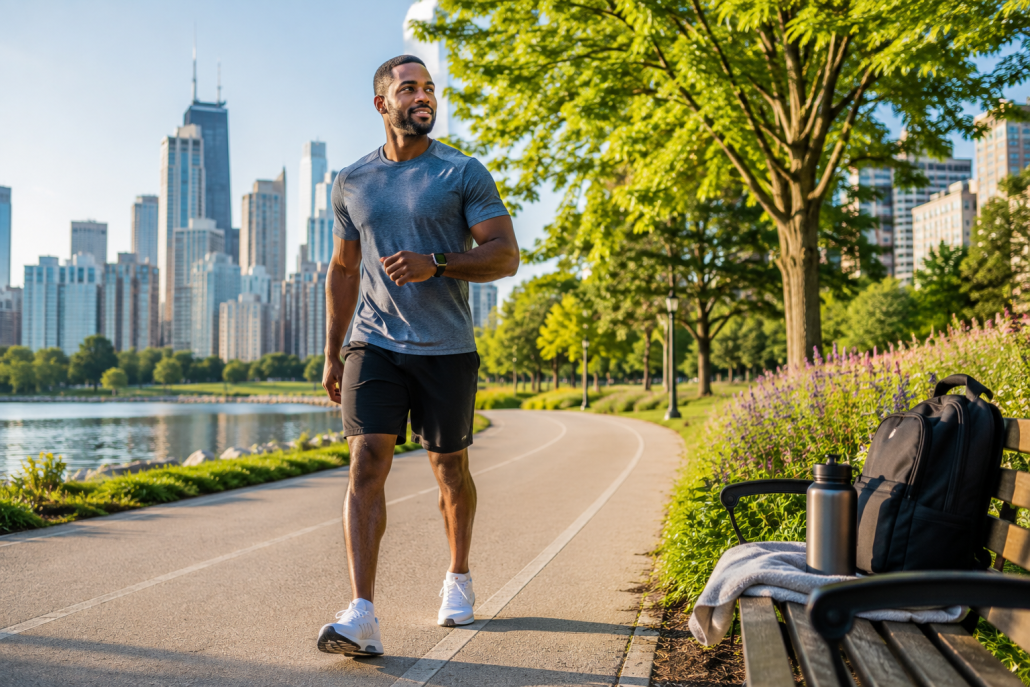
Beyond physical health, walking works wonders for your mental well-being. When you take a walk, especially outdoors, your body produces endorphins, those feel-good hormones that act as natural stress relievers. Just 30 minutes of brisk walking each day can significantly reduce anxiety levels and elevate your mood.

Walking provides a much-needed escape from the pressures of work, relationships, and daily responsibilities. It gives you mental clarity and offers a form of moving meditation. The repetitive rhythm of your footsteps and breathing helps quiet the mental noise. Nature walks, in particular, have been linked to lower cortisol levels and improved emotional resilience.

Walking also combats depression by stimulating the production of neurotransmitters like serotonin and dopamine. These brain chemicals play a vital role in mood regulation. People who walk regularly often report fewer symptoms of depression and experience improved overall life satisfaction.

Most importantly, walking makes it easier to unplug and reconnect. Whether you’re walking solo or with a friend, the act of moving your body, without distractions, can give you a new perspective and greater emotional balance. If mental clarity is what you seek, then walking is an incredibly accessible solution.

Walking for Weight Loss and Physical Fitness

Walking for Weight Loss and Physical Fitness

Can Walking Help You Lose Weight and Stay Fit? Absolutely!

One of the biggest myths in fitness is that you need to break a sweat and push your limits to lose weight. In reality, consistent walking can be just as effective, especially when combined with healthy eating and proper hydration. Walking increases your metabolism, burns calories, and helps maintain lean muscle mass, which is essential for long-term weight management.

For instance, walking at a brisk pace (about 3.5 to 4 miles per hour) can burn up to 300 calories an hour depending on your weight and stride. Over the course of a week, that adds up significantly. If you’re not a fan of intense cardio or lifting weights, walking offers a low-pressure way to stay active and fit.

To amplify results, consider interval walking, alternating between fast and moderate paces. This approach boosts your heart rate, engages different muscle groups, and increases calorie burn. Uphill walking or walking with a slight incline on a treadmill also adds a bit of resistance, helping to tone your glutes and legs.

Walking is the perfect gateway to a healthier lifestyle. Once you start seeing results, you’re more likely to build other healthy habits like drinking more water, stretching, and even exploring new forms of movement. It’s a chain reaction that starts with one step.

Cardiovascular Health: Strengthen Your Heart One Step at a Time

A Heart-Healthy Habit That Requires No Gym Membership

Walking plays a crucial role in improving cardiovascular health. According to the American Heart Association, regular walking can reduce your risk of heart disease and stroke. It lowers blood pressure, improves blood sugar levels, and helps maintain a healthy weight—all of which are key factors in heart health.

When you walk, your heart rate increases, improving circulation and oxygen flow throughout the body. This keeps your heart muscles strong and reduces the strain on your arteries. Regular walking helps to stabilize cholesterol levels and even enhances the elasticity of blood vessels, reducing the likelihood of blockages or clots.

Even better, walking is accessible to people recovering from heart-related issues or those who are just beginning their fitness journey. It’s a gentle yet effective way to gradually increase endurance without overtaxing the system.

Walking after meals also helps regulate blood sugar levels, which can be especially beneficial for individuals with diabetes or prediabetes. The bottom line is this: your heart loves it when you walk. It’s one of the most natural, effective, and sustainable ways to keep your cardiovascular system in peak condition.

The Role of Walking in Healthy Aging and Longevity


The Role of Walking in Healthy Aging and Longevity

The Anti-Aging Benefits of Movement

As we age, staying active becomes increasingly important. Walking supports healthy aging by improving balance, flexibility, and coordination. It helps prevent bone density loss, combats joint stiffness, and reduces the risk of falls, one of the leading causes of injury in older adults.

Moreover, walking preserves muscle mass, which naturally declines with age. Maintaining strength and mobility allows older adults to live more independently and with a higher quality of life. According to multiple studies, individuals who walk daily have a significantly lower risk of developing dementia, Alzheimer’s, and cognitive decline.

It’s also been found that walking regularly can add years to your life. A large study published in JAMA Internal Medicine found that walking 8,000 to 10,000 steps a day was linked to a 51% lower risk of dying from all causes. That’s a powerful incentive to lace up your sneakers and get moving.

In short, walking isn’t just about fitness, it’s about longevity. It keeps your body agile, your mind sharp, and your spirit uplifted, especially in later years. If there’s one health habit that’s truly timeless, it’s walking.

Making Walking a Daily Habit That Sticks


Making Walking a Daily Habit That Sticks

Starting a walking routine is easy. The challenge lies in staying consistent. Fortunately, there are many ways to make walking fun, habitual, and something you look forward to every day.

First, set realistic goals. Begin with 10 to 15 minutes a day and gradually increase your duration and pace. Use a step counter or fitness tracker to monitor your progress, it’s incredibly motivating to see your numbers climb.

Second, schedule your walks like appointments. Early morning or evening walks are ideal, but the best time is the one you’ll stick with consistently. Turn it into “me-time” by listening to audiobooks, podcasts, or your favorite playlist.

Third, switch up your routes to keep things fresh. Explore different parks, trails, or even indoor malls if the weather isn’t great. Walk with friends or family to turn your exercise into a social event. You can even join walking clubs or online communities to stay inspired.

Finally, reward yourself. Celebrate milestones with non-food rewards like a new pair of walking shoes, a fitness band, or a relaxing bath. The more positive reinforcement you add, the more likely walking becomes a joyful, lifelong habit.

Conclusion

The next time you think you need to overhaul your entire lifestyle to get fit, remember this, just start walking. It’s accessible, enjoyable, and profoundly effective. From mental clarity and physical fitness to cardiovascular strength and longevity, walking checks every box on your wellness list. It’s not just “a good start”, it’s the right start.

So, don’t wait for the perfect moment. Take that first step today. Your body, mind, and soul will thank you for it.

Frequently Asked Questions (FAQs)

1. How long should I walk every day to see benefits?

Aim for at least 30 minutes of brisk walking five days a week. If you’re just starting, even 10–15 minutes a day can make a noticeable difference over time. You can break it into smaller sessions too, like three 10-minute walks.

2. Can walking alone help me lose weight?

Yes, walking consistently can lead to weight loss, especially when combined with a balanced diet. The key is to walk briskly and regularly. Walking burns calories, boosts metabolism, and helps maintain muscle mass.

3. Is it better to walk in the morning or at night?

Both have benefits. Morning walks boost your energy and metabolism for the day. Evening walks can help you relax and unwind. The best time to walk is when you’re most likely to do it consistently.

4. Do I need special shoes for walking?

While you don’t need expensive gear, it’s important to wear comfortable, supportive shoes designed for walking. Good walking shoes protect your feet, reduce the risk of injury, and make your walk more enjoyable.

5. Can I walk indoors if the weather is bad?

Absolutely! You can walk indoors in a shopping mall, on a treadmill, or even around your house. Walking in place while watching TV or during phone calls is another great option.

6. Is walking enough exercise for older adults?

Yes. Walking is especially beneficial for older adults as it improves balance, bone strength, and cardiovascular health. It’s a safe, low-impact activity that supports independence and mental clarity as you age.

7. Can walking help with back pain?

In many cases, yes. Walking improves posture, strengthens muscles that support the spine, and increases circulation. However, if you have chronic back issues, consult your healthcare provider first.

Why is exercise important?

Why is exercise important?

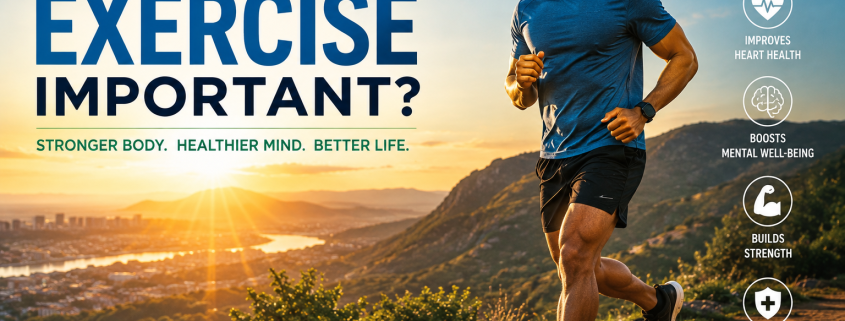
In a world where sedentary lifestyles are becoming the norm, understanding the importance of regular physical activity is more crucial than ever. Exercise is not just about building muscles or shedding pounds, it is a powerful tool that influences every aspect of your life, from your mental health and immune function to your productivity and quality of sleep.

While many people view fitness as a means to achieve a slimmer waistline or a toned physique, the true benefits of movement go much deeper. Engaging in regular physical activity improves brain function, reduces the risk of chronic illnesses, strengthens bones, and even boosts mood and confidence. It’s a natural remedy for stress, anxiety, and depression, and it doesn’t require a prescription.

In this comprehensive guide, we’ll explore the many reasons why exercise is important for physical and mental health, uncover its role in disease prevention, and offer insights into how even small, consistent efforts can make a big difference. Whether you’re a seasoned athlete or just starting your journey, this blog will show you how and why moving your body is one of the best decisions you’ll ever make.

The Physical Health Benefits of Exercise

The Physical Health Benefits of Exercise

When it comes to enhancing physical health, regular exercise is the gold standard. Engaging in consistent workouts, whether it’s walking, jogging, strength training, or yoga, plays a vital role in improving overall bodily function.

First and foremost, exercise boosts cardiovascular health by strengthening the heart muscle and improving circulation. This lowers your risk of heart disease, high blood pressure, and stroke. It also helps maintain a healthy weight, which is essential in preventing obesity-related conditions like type 2 diabetes and certain cancers.

Moreover, physical activity strengthens muscles and bones. Resistance training, in particular, increases muscle mass and bone density, which can help prevent osteoporosis and frailty as you age. Balance and flexibility exercises reduce the risk of falls, especially in older adults.

In addition, exercise improves metabolic function by regulating insulin levels and promoting efficient energy use. It increases lung capacity, reduces inflammation, and strengthens your immune system, helping your body ward off illnesses.

Clearly, the physical rewards of regular exercise are far-reaching. With each step, squat, or stretch, you’re not just moving, you’re fortifying your body for a longer, healthier life.

Mental Health and Exercise: A Natural Mood Booster and Stress Reliever

Mental Health and Exercise: A Natural Mood Booster and Stress Reliever

Just as important as its physical benefits, exercise has a powerful impact on mental and emotional well-being. In fact, it’s one of the most effective and underused tools in promoting mental clarity, emotional stability, and stress management.

When you exercise, your body releases endorphins, often called “feel-good hormones.” These natural chemicals elevate your mood and reduce perceptions of pain. This is why you often feel a sense of calm or joy after a workout, even if it was challenging.

Regular physical activity also reduces the levels of stress hormones like cortisol and adrenaline. This helps alleviate feelings of anxiety and tension. Even a short walk during a stressful day can restore a sense of calm and perspective.

Furthermore, exercise improves cognitive function and memory. Aerobic activities like running or swimming stimulate brain growth and neuroplasticity, which supports better learning, decision-making, and problem-solving skills. This is especially important as you age, since exercise can lower your risk of cognitive decline and diseases like Alzheimer’s.

Another critical mental health benefit of exercise is improved sleep. When your body moves during the day, your circadian rhythm resets more efficiently, helping you fall asleep faster and stay asleep longer.

In essence, physical movement acts as a natural antidepressant, anxiety reducer, and sleep aid, all without side effects. When your body feels better, your mind does too.

Exercise and Disease Prevention

One of the most powerful reasons to adopt an active lifestyle is its role in preventing and managing chronic diseases. With today’s rise in lifestyle-related health issues, incorporating exercise into your daily routine can literally be a lifesaver.

Studies consistently show that regular physical activity lowers the risk of major chronic conditions such as type 2 diabetes, heart disease, hypertension, and certain types of cancer, including breast and colon cancer. Exercise improves insulin sensitivity and reduces blood sugar levels, which is especially beneficial for people at risk of or managing diabetes.

Heart health, in particular, benefits immensely from consistent movement. Aerobic exercises such as walking, cycling, and swimming reduce bad cholesterol (LDL), increase good cholesterol (HDL), and regulate blood pressure, all of which contribute to a healthier cardiovascular system.

Exercise is also effective in combating obesity, one of the leading risk factors for numerous diseases. Physical activity burns calories, boosts metabolism, and encourages the maintenance of lean muscle mass, helping you achieve and maintain a healthy weight.

Moreover, staying active improves immune function. It enhances circulation, which allows immune cells to move freely through the body and do their job more efficiently. Even moderate-intensity exercise can lead to fewer colds and infections throughout the year.

In summary, exercise is a low-cost, high-impact preventive strategy that enhances quality of life while drastically reducing your risk of illness.

The Role of Exercise in Weight Management and Metabolism Boosting

Maintaining a healthy weight goes beyond calorie counting, and regular exercise plays a pivotal role. Whether your goal is weight loss, maintenance, or even muscle gain, staying active helps regulate your metabolism and supports efficient body composition.

When you engage in physical activity, your body burns calories. The more intense the activity, the more calories you burn, which can contribute to a calorie deficit necessary for weight loss. Strength training also builds muscle, and more muscle mass increases your resting metabolic rate, meaning you burn more calories even while at rest.

In addition, exercise helps regulate appetite hormones, including ghrelin and leptin, which influence hunger and fullness cues. This means you’re less likely to overeat when you’re consistently active.

Another crucial benefit is reducing visceral fat, the dangerous fat stored around your organs that increases your risk of metabolic diseases. Studies show that both aerobic and resistance training are effective in shrinking abdominal fat and improving overall body composition.

It’s also worth noting that exercise alone may not be the sole solution for weight loss, it works best when combined with mindful eating habits and sufficient sleep. However, it remains a non-negotiable factor for sustaining a healthy metabolism and achieving long-term wellness.

By making exercise a habit, you’re not just burning calories, you’re training your body to operate more efficiently for the long haul.

Boosting Self-Esteem and Confidence Through Physical Activity

Boosting Self-Esteem and Confidence Through Physical Activity

Aside from the physical and mental health gains, one of the most empowering benefits of regular exercise is the boost it gives to self-esteem and confidence. Moving your body builds more than just muscle, it builds a sense of achievement, resilience, and self-worth.

Exercise fosters a deep connection between mind and body. As you push through challenges, whether it’s lifting a heavier weight, running a longer distance, or mastering a new yoga pose, you begin to trust your body’s abilities. This sense of accomplishment carries over into other areas of life, reinforcing a positive self-image.

Physical activity also changes the way you see yourself in the mirror. While transformation doesn’t happen overnight, consistent movement results in improved posture, muscle tone, and energy. This naturally elevates your confidence, especially when combined with the mental clarity and mood elevation that exercise provides.

Furthermore, group activities and fitness communities offer a social boost. Interacting with others who share similar goals creates a support system that fosters belonging and motivation. Whether it’s a local walking group, gym class, or online fitness forum, these connections can reinforce your commitment and confidence.

Ultimately, exercise helps you feel strong, capable, and in control qualities that are essential for personal growth and emotional resilience.

Improved Sleep and More Energy: How Exercise Powers Your Day

If you often feel tired, groggy, or have trouble sleeping, integrating regular exercise into your day might be the solution you’ve been searching for. Contrary to what you might think, physical activity doesn’t wear you out, it actually increases your energy levels and enhances your quality of sleep.

Exercise helps boost circulation and oxygen flow throughout the body, which supports better cell function and overall stamina. This increase in blood flow means your brain gets more oxygen too, which sharpens focus and alertness during the day.

As for sleep, the connection is strong. Physical activity helps regulate your internal body clock (circadian rhythm) and promotes deeper, more restful sleep cycles. Studies show that people who exercise regularly fall asleep faster and experience fewer interruptions during the night.

The benefits are especially noticeable when you engage in moderate-intensity exercises like brisk walking, swimming, or cycling. Even low-impact movements such as stretching or tai chi can reduce tension and prepare your body for restful sleep.

Over time, better sleep leads to more energy, sharper mental focus, improved mood, and a stronger immune system. So rather than being drained, you’ll actually feel more invigorated and ready to take on the day.

How Much Exercise Do You Need? Making It Work for Your Lifestyle

You don’t need to become a marathon runner to enjoy the benefits of physical activity. The key is consistency and balance, not intensity. According to the World Health Organization, adults should aim for at least 150 to 300 minutes of moderate-intensity exercise each week, or 75 to 150 minutes of vigorous-intensity activity.

This can include a mix of activities like walking, swimming, cycling, dancing, or even gardening. Add in strength training exercises at least two days a week to build muscle and improve bone health.

If that sounds overwhelming, don’t worry. You can break your workouts into smaller sessions, just 30 minutes a day, five times a week, can make a huge difference. And if you’re short on time, even 10-minute bursts of activity can add up.

The most important thing is to choose movements you enjoy. Whether it’s a morning walk, a lunchtime stretch, or an evening bike ride, finding joy in movement increases your chances of sticking with it.

Remember: any movement is better than none. The more you move, the better you feel, inside and out.

Final Thoughts

There’s no denying the power of regular exercise. From physical strength and chronic disease prevention to enhanced mood, better sleep, and improved self-esteem, the benefits are wide-reaching and deeply transformative.

Exercise is more than just a habit, it’s a form of self-care and personal empowerment. Whether you’re young or old, a beginner or seasoned athlete, movement can be adapted to suit your unique needs and preferences. The most important step is to start and keep going.

As the saying goes, “You don’t have to be extreme, just consistent.” With every walk, stretch, or lift, you’re investing in a brighter, stronger future. And that’s a goal worth striving for.

Frequently Asked Questions (FAQ)

1. How often should I exercise to see results?

Most experts recommend at least 150 minutes of moderate-intensity exercise per week. However, the results you see depend on your goals, whether it’s weight loss, strength building, or improving mental health. Consistency is key.

2. Can walking alone be enough exercise?

Yes, walking is a highly effective form of low-impact cardiovascular exercise. A brisk 30-minute walk daily can improve heart health, reduce stress, and support weight management.

3. Is it okay to exercise every day?

Yes, as long as you vary your routine and allow for recovery. Alternating between high- and low-intensity days or focusing on different muscle groups can help prevent overtraining and injuries.

4. What type of exercise is best for mental health?

Aerobic activities like jogging, swimming, and dancing have shown great benefits for mental well-being. Yoga and tai chi also promote relaxation and mindfulness.

5. How do I stay motivated to keep exercising?

Set realistic goals, track your progress, find a workout buddy, or join a group class. Most importantly, choose activities you enjoy so exercise feels rewarding, not like a chore.