

A Complete Guide to Healthy Eating for Children
Raising healthy children in today’s fast-paced, convenience-driven world can feel like a daunting task. From processed snacks lurking in lunchboxes to picky eaters who would rather have candy than carrots, ensuring that your child receives the right nutrition might seem like a daily struggle. But it doesn’t have to be. With the right strategies and knowledge, you can build a solid foundation for your child’s lifelong health. Healthy eating for children is not just about serving fruits and vegetables; it’s about cultivating lifelong habits that support growth, learning, immunity, and overall well-being.
In this comprehensive guide, we’ll explore everything you need to know about healthy eating for kids, what it means, why it matters, how to make it fun, and how to make it stick. Whether you’re a parent, guardian, teacher, or caregiver, these insights and tips will empower you to take control of your child’s nutrition journey and help them thrive, one bite at a time.
Why Healthy Eating Habits Matter
Children’s nutrition isn’t just about meals, it’s the fuel for their growth, development, and success.
When kids eat well, they have the energy to play, the focus to learn, and the strength to fight off illnesses. Nutrition in childhood plays a critical role in brain development, bone formation, emotional regulation, and even future eating behaviors. Unfortunately, poor dietary habits, such as excessive sugar intake and lack of nutrients, are linked to an alarming rise in childhood obesity, diabetes, and even early signs of heart disease.
Healthy eating habits should start early. The foods children consume influence everything from their ability to concentrate in school to how well they sleep at night. But it’s not just about avoiding junk food. It’s also about providing balanced meals with the right mix of carbohydrates, proteins, healthy fats, vitamins, and minerals.
Think of your child’s diet as a foundation. Just as you wouldn’t build a house on sand, you shouldn’t raise a child on sugary cereals and fast food. Building that foundation begins with understanding how nutrition directly affects your child’s body, mind, and emotions. The goal isn’t perfection but progress. With mindful choices and a bit of creativity, you can help children form a healthy relationship with food that lasts a lifetime.
What Does a Balanced Diet Look Like for Children?
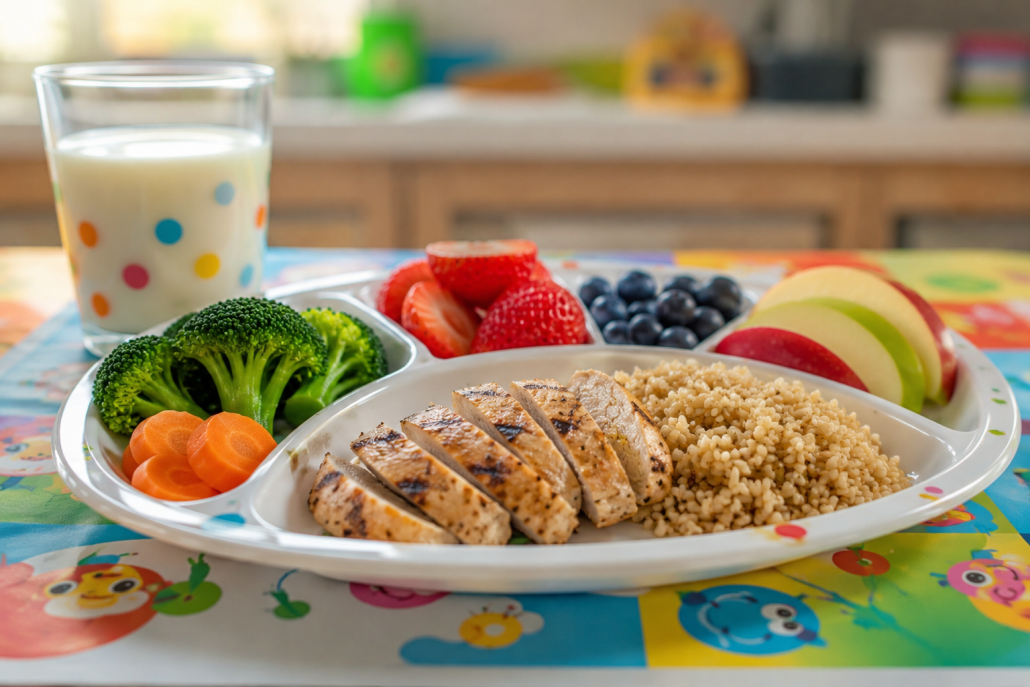
Creating a nutritious plate: Key components of a healthy child’s meal
A balanced diet for children involves incorporating all the essential food groups into their daily meals. Unlike adults, kids are still growing, so their nutritional requirements vary in terms of quantity and quality. A well-balanced diet helps meet these unique needs while setting the stage for healthy habits down the line.
Here are the five food groups essential for a child’s balanced meal:
- Fruits and Vegetables – Rich in fiber, antioxidants, and essential vitamins, fruits and veggies should fill at least half of your child’s plate.
- Whole Grains – Oats, brown rice, whole-grain pasta, and bread are better options than refined grains, providing more fiber and longer-lasting energy.
- Protein – Lean meats, poultry, eggs, legumes, tofu, and fish are vital for muscle growth and tissue repair.
- Dairy or Dairy Alternatives – These supply calcium and vitamin D, which are crucial for strong bones and teeth.
- Healthy Fats – Avocados, nuts, seeds, and olive oil promote brain development and heart health.
Using the “MyPlate” visual model by the USDA can help make this concept easier to understand. Divide the plate into sections for fruits, vegetables, grains, protein, and a side of dairy. This balanced approach ensures children receive the macro and micronutrients needed to fuel their growth and development.
Variety is equally important. Encourage your child to try new foods often, incorporating different colors and textures to keep meals exciting. When kids are exposed to a wide range of healthy foods, they are less likely to become picky eaters and more likely to grow into healthy adults.
Tips to Encourage Healthy Eating Habits in Children
Making good nutrition stick: Practical strategies for parents and caregivers
One of the most common challenges parents face is getting their children to eat healthy meals without fuss. Kids are naturally drawn to sweet, salty, and crunchy foods, which makes it tricky to convince them that broccoli is better than fries. However, with a bit of creativity and consistency, you can foster healthy eating habits that feel natural rather than forced.
Here are some effective tips to make nutritious eating a daily habit:
- Lead by example: Children mimic what they see. If they see you enjoying a salad or snacking on fruits, they’ll be more likely to do the same.
- Get kids involved: Let your child pick out fruits or vegetables at the grocery store, help in the kitchen, or even plan part of the weekly menu.
- Make meals fun: Use colorful plates, food cutters, or arrange food into fun shapes. A simple smiley face made of sliced fruit can turn a boring snack into a treat.
- Avoid using food as a reward or punishment: This can create emotional attachments to certain foods and lead to unhealthy patterns.
- Offer choices: Instead of asking “Do you want carrots?”, ask “Would you like carrots or cucumbers?” Giving them control makes them more willing to eat.
- Stick to a schedule: Regular meals and snacks reduce the temptation to overeat or crave unhealthy snacks.
- Don’t force it: Forcing kids to eat can backfire. Keep introducing healthy foods in small amounts and celebrate small wins.
The earlier these habits are introduced, the more likely they are to stick. Be patient, sometimes it takes multiple exposures to a new food before a child accepts it.
Healthy Snack Ideas for Kids
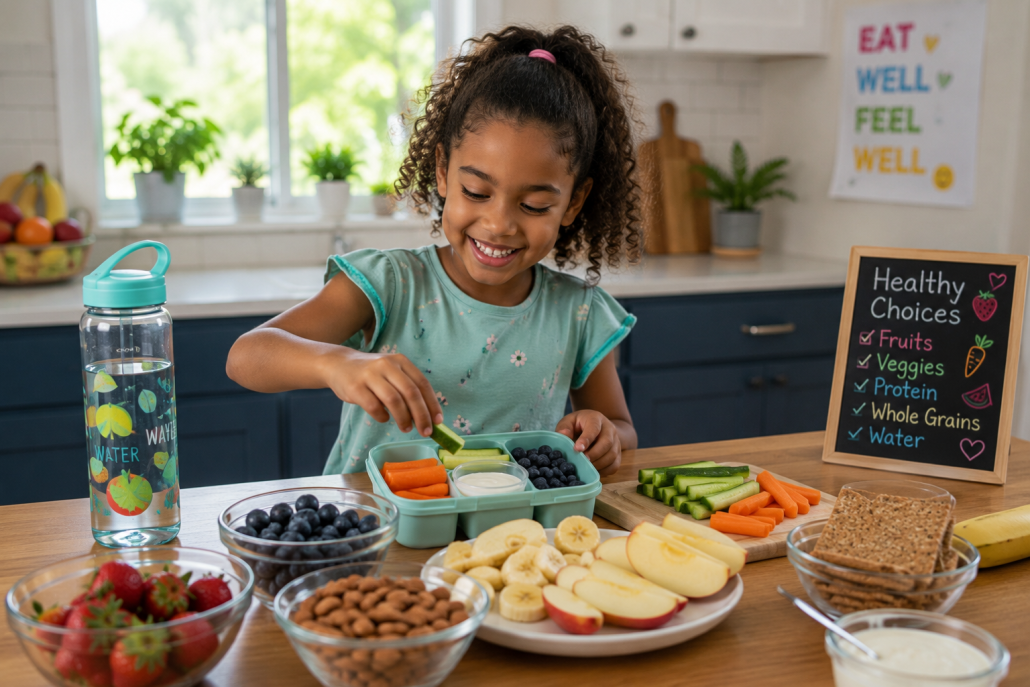
Wholesome bites: Nutritious and delicious snack options for growing bodies
Snacking is a major part of a child’s diet. Done right, snacks can provide important nutrients and help prevent overeating at mealtime. But it’s easy to fall into the trap of offering packaged snacks filled with added sugars, salt, and artificial ingredients.
Here are some wholesome and kid-approved snack ideas that are as tasty as they are nutritious:
- Apple slices with almond or peanut butter
- Greek yogurt topped with fresh berries and a sprinkle of granola
- Baby carrots or cucumber sticks with hummus
- Mini whole grain sandwiches with turkey and cheese
- Boiled eggs and whole grain crackers
- Banana rolled in crushed nuts
- Frozen grapes or fruit kabobs
- Homemade trail mix (nuts, seeds, and dried fruits)
Portion control is important, even with healthy snacks. Aim for snacks that combine protein and fiber, as these will keep your child full longer and provide sustained energy. And remember: water is always the best drink option—skip sugary sodas and artificial fruit juices whenever possible.
Preparing snacks ahead of time and storing them in easy-to-reach containers in the fridge can make healthy choices more accessible for kids.
The Role of Hydration in Children’s Health
Drinking smart: Why water and fluids matter in a child’s daily diet
Hydration is just as vital as solid food when it comes to your child’s health. Many parents focus solely on meals and forget that what their children drink plays a significant role in their overall nutrition. Water is essential for digestion, brain function, temperature regulation, and energy levels.
Unfortunately, many children drink more sugary beverages than water. Soft drinks, flavored milks, and fruit juices may taste good, but they are often high in sugar and calories with little to no nutritional value. This excessive intake contributes to obesity and tooth decay.
How much water does your child need? A general rule of thumb:
- Toddlers (1-3 years): about 4 cups (1 liter) a day
- Young children (4-8 years): about 5 cups (1.2 liters) a day
- Older children (9-13 years): 6–8 cups (1.5–2 liters) a day
To encourage better hydration habits:
- Offer water with every meal and snack
- Let kids pick their favorite water bottles
- Add a splash of natural fruit juice to water for flavor (without added sugar)
- Include high-water foods like watermelon, oranges, or cucumbers
Staying hydrated supports everything from a child’s mood to their learning ability. So don’t underestimate the power of a simple glass of water.
Dealing with Picky Eaters the Healthy Way
Overcoming mealtime battles: Strategies for selective eaters
Picky eating is a common phase many children go through, and while it can be frustrating, it’s usually temporary. The key is to remain calm, patient, and consistent without turning mealtime into a battleground.
Here are some positive strategies to help manage picky eating without stress:
- Respect their appetite (or lack thereof): Never force your child to eat. Let hunger be the guide.
- Serve small portions: Overwhelming amounts of new food can be intimidating.
- Pair new foods with favorites: Introduce unfamiliar items alongside foods your child already enjoys.
- Be consistent and persistent: It can take 10–15 exposures before a child accepts a new food.
- Offer food in different forms: If they dislike steamed broccoli, try roasting it or adding it to a casserole.
- Avoid distractions during meals: Turn off screens to keep the focus on eating.
- Celebrate effort, not just eating: Praise your child for trying new foods, even in small bites.
Creating a stress-free eating environment builds trust. With time and a relaxed approach, even the pickiest of eaters can develop a palate for healthier choices.
Meal Planning and Prepping for Busy Families
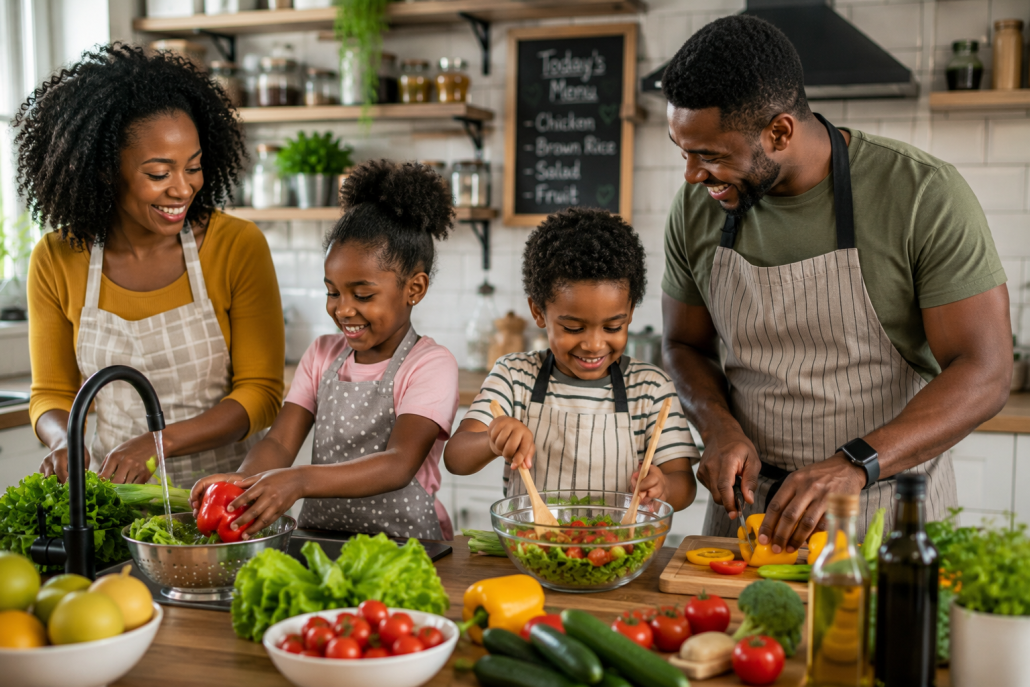
Keeping it healthy on a schedule: Simple steps to plan nutritious meals
Busy schedules shouldn’t get in the way of healthy eating. Planning ahead can save time, reduce stress, and ensure your child gets the nutrients they need even on hectic days.
Here’s how to make meal prepping work for your family:
- Create a weekly meal plan: Include breakfasts, lunches, dinners, and snacks. This reduces the guesswork during the week.
- Shop with a list: Stick to your meal plan and avoid impulse purchases of unhealthy items.
- Batch cook meals: Make large portions of soups, stews, or casseroles that can be reheated throughout the week.
- Pre-cut fruits and veggies: Store them in airtight containers for easy snacks or lunchbox additions.
- Use leftovers creatively: Turn last night’s grilled chicken into a wrap or salad the next day.
Involving kids in the meal prep process makes them more excited about eating what’s been prepared. And when you have healthy meals and snacks ready to go, you’re less likely to rely on fast food or processed options.
Conclusion
Building a healthy foundation isn’t a sprint, it’s a marathon.
Creating a lifelong relationship with healthy eating begins in childhood. It’s not about perfection but about creating a positive food culture in your home. When children are exposed to balanced meals, empowered with choices, and involved in their own eating journey, they are far more likely to grow into adults who value and enjoy nutritious food.
Be patient with the process. Celebrate the small victories. Whether it’s your child trying broccoli for the first time or choosing water over soda, these milestones matter. Most importantly, keep communication open. Listen to your child’s feedback, answer their questions about food, and make mealtimes enjoyable.
The reward is far greater than a clean plate, it’s a happy, healthy, and energetic child who’s ready to take on the world.
Frequently Asked Questions (FAQ) About Healthy Eating for Children
1. How can I get my child to eat more vegetables?
Start by incorporating veggies into dishes they already like (e.g., spinach in pasta). Make them fun with shapes or dips. Offer a variety regularly and avoid forcing them to eat.
2. Is it okay to give my child treats or sweets?
Yes, in moderation. Teach balance by allowing occasional treats while emphasizing nutritious meals. Avoid labeling foods as “bad”, instead, focus on “everyday” vs. “sometimes” foods.
3. What are good breakfast options for kids?
Oatmeal with fruits, scrambled eggs with toast, smoothies, whole grain cereal with milk, and nut butter on whole wheat bread are all healthy, kid-friendly breakfast options.
4. How do I know if my child is getting enough nutrients?
A varied diet with all food groups typically covers nutrient needs. If you’re unsure, consult a pediatrician or a registered dietitian for personalized advice.
5. My child refuses to eat meat. What are alternative protein sources?
Try beans, lentils, tofu, eggs, nuts, seeds, quinoa, and dairy. These plant-based and vegetarian options are rich in protein and nutrients for growing kids.
Would you like a printable food chart or weekly meal plan for kids too?







Leave a Reply
Want to join the discussion?Feel free to contribute!