

Nurturing Child Health and Wellness
From the moment a child is born, their health becomes a top priority for parents, caregivers, and society as a whole. Child health is not just the absence of illness, it encompasses physical, emotional, social, and developmental well-being. In today’s fast-paced, technology-driven world, maintaining a child’s health requires a thoughtful combination of proper nutrition, routine medical care, mental health support, and safe environments.
This comprehensive guide will walk you through all essential aspects of child health and wellness, providing practical insights and science-backed strategies to help your child thrive at every stage of life.
The Foundation of Child Health
The journey to good health starts early in life. A child’s physical, emotional, and mental development during infancy and early childhood lays the foundation for lifelong well-being. Therefore, ensuring children get proper care and attention during these critical years is crucial.
From birth to adolescence, a child’s body undergoes rapid changes, organ systems develop, the brain forms new connections, and emotional intelligence begins to grow. Missing out on key health milestones or ignoring certain health indicators can lead to long-term consequences. That’s why every decision, from what children eat to how much they sleep, has a lasting impact.
Moreover, childhood health influences adult health. Studies show that children who are overweight, stressed, or exposed to environmental hazards often carry those health issues into adulthood. By contrast, children raised in health-conscious environments tend to become healthier, more resilient adults.
To protect and promote child health, it’s important to understand the multi-dimensional nature of wellness and address it holistically.
Essential Nutrition for Children
Nutrition plays a pivotal role in children’s growth and development. A balanced diet fuels the body, supports the immune system, and enhances brain development. Unfortunately, in many parts of the world, children face dual challenges: undernutrition and obesity.
To ensure optimal growth, children need essential nutrients like proteins, carbohydrates, healthy fats, vitamins, and minerals. These elements aid in muscle development, bone health, hormone regulation, and energy production. For example, calcium and vitamin D strengthen bones, while omega-3 fatty acids boost brain function.
Introducing healthy eating habits at a young age can help prevent many chronic diseases such as type 2 diabetes, heart disease, and obesity. Here’s how parents can encourage proper nutrition:
- Serve a variety of colorful fruits and vegetables daily.
- Replace sugary snacks with healthy alternatives like nuts or yogurt.
- Encourage family meals and avoid distractions like screens during eating.
- Involve kids in grocery shopping and meal preparation to create interest in healthy food.
By creating a positive food environment and leading by example, parents can shape a child’s relationship with food for life.
The Role of Physical Activity in Child Health and Fitness

In a world increasingly dominated by screens, the need for physical activity in childhood has never been more important. Children should engage in at least 60 minutes of moderate to vigorous physical activity every day. This could include outdoor play, organized sports, or even dancing around the living room.
Regular movement enhances cardiovascular health, builds strong bones and muscles, supports weight management, and improves coordination and flexibility. But physical benefits are just one side of the coin, active kids also experience improved mental health, better concentration in school, and enhanced social skills.
Encouraging physical activity doesn’t mean enrolling children in every available sport. It means making movement a fun and regular part of their daily routine. Some ideas include:
- Family walks or bike rides after dinner.
- Interactive games like hopscotch, tag, or obstacle courses.
- Swimming lessons, martial arts, or dance classes.
- Limiting screen time to promote outdoor exploration.
Ultimately, building a love for movement at an early age fosters habits that extend into adulthood.
Mental Health in Children
Children’s mental health is often overlooked in discussions about wellness, but it’s just as important as physical health. Emotional development, resilience, and psychological stability form the core of a child’s ability to navigate life’s challenges.
Mental health issues such as anxiety, depression, and behavioral disorders can affect children from a very young age. Stressors like bullying, academic pressure, family conflict, or trauma can trigger emotional distress. Signs of poor mental health in children may include:
- Sudden withdrawal or isolation
- Mood swings or excessive irritability
- Trouble sleeping or eating
- Difficulty concentrating or declining grades
Parents and caregivers must create safe, supportive environments where children feel heard and valued. Open communication, consistency, and empathy go a long way. When necessary, don’t hesitate to seek help from school counselors, pediatricians, or mental health professionals.
Promoting emotional well-being early on empowers children to become confident, compassionate, and emotionally intelligent adults.
Sleep and Rest: Why Quality Sleep is Crucial for Children
Good sleep is the cornerstone of child development and health. While adults need around 7–9 hours of sleep, children require much more depending on their age. For instance, toddlers may need 11–14 hours, while school-aged kids should get 9–12 hours each night.
Sleep supports learning, memory, mood regulation, immune function, and growth. Inadequate or poor-quality sleep can lead to irritability, difficulty focusing, behavioral issues, and even weakened immunity.
To foster healthy sleep habits in children:
- Establish a consistent bedtime and wake-up routine.
- Avoid screens at least one hour before bed.
- Create a sleep-friendly environment, quiet, dark, and cool.
- Encourage relaxing bedtime rituals like reading or soft music.
Never underestimate the power of rest, it’s as vital as food and exercise for a thriving child.
Preventive Healthcare for Children
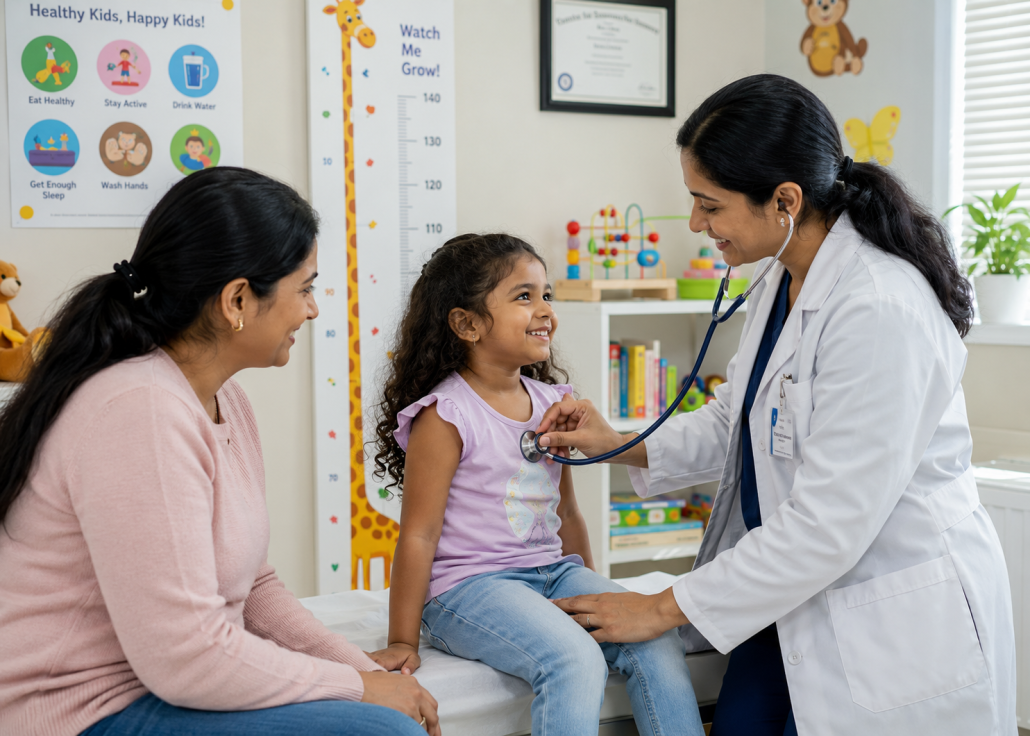
Prevention is better than cure, especially in the context of children’s preventive healthcare. Regular doctor visits, vaccinations, screenings, and dental checkups are essential to monitor growth and catch potential issues early.
Immunizations protect children from life-threatening diseases like measles, polio, and whooping cough. While some parents worry about vaccine safety, extensive scientific research has shown vaccines to be both safe and effective.
Besides vaccinations, children should undergo routine:
- Vision and hearing tests
- Growth and developmental screenings
- Dental cleanings and exams
- Annual wellness checkups
These appointments not only help track physical milestones but also offer opportunities to address any behavioral or emotional concerns. Partnering with a trusted pediatrician ensures your child’s health is consistently monitored and optimized.
Environmental Safety and Hygiene
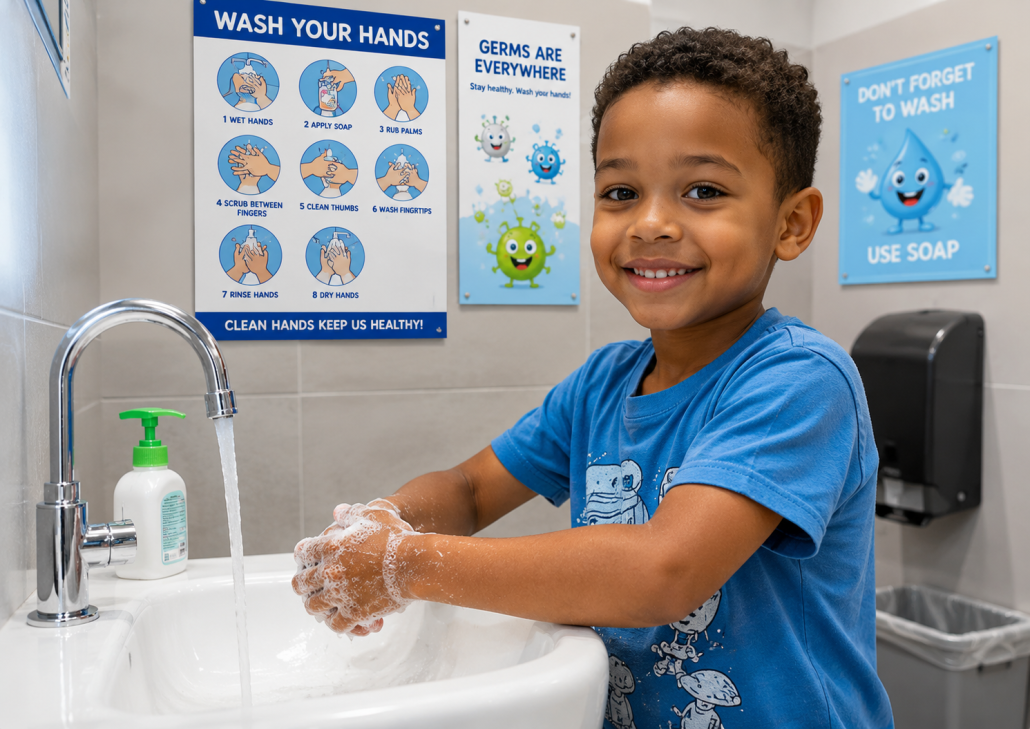
A child’s surroundings play a big role in shaping their health. Environmental safety and hygiene are vital to protect children from injuries, infections, and harmful exposures.
From safe drinking water to clean hands, every small detail matters. Poor hygiene can lead to illness, especially in younger children who are more susceptible to bacteria and viruses. Meanwhile, unsafe environments, cluttered homes, open sockets, or lack of supervision, pose injury risks.
Key safety and hygiene practices include:
- Teaching children proper handwashing techniques
- Ensuring safe food handling and preparation
- Childproofing the home, locking away medicines, covering outlets
- Using appropriate car seats and seat belts
- Encouraging cleanliness in schools and daycare settings
These simple actions can drastically reduce the risk of infections and accidents, keeping children safe as they learn and grow.
Parenting and Support Systems

The role of caregivers in nurturing child health cannot be overstated. Loving, present, and informed parenting creates a solid base for children to flourish. But parenting doesn’t happen in a vacuum, it requires a strong support system.
Extended family members, teachers, healthcare providers, and community leaders all contribute to a child’s environment. A stable, nurturing atmosphere at home, combined with quality education and community resources, allows children to thrive emotionally, physically, and intellectually.
Parents can strengthen their child’s wellness journey by:
- Practicing active listening and validation
- Offering discipline through guidance, not punishment
- Encouraging curiosity and learning
- Seeking help when overwhelmed, parenting is challenging
By forming a village of support, families can foster resilience, joy, and health in their children’s lives.
Technology and Child Health
Technology is a double-edged sword when it comes to children’s health in the digital age. On one hand, educational apps and online learning platforms can be excellent tools. On the other hand, excessive screen time can lead to physical inactivity, sleep disruption, and reduced face-to-face social interaction.
According to pediatric experts, children aged 2–5 should have no more than one hour of screen time per day, while older children should be guided toward responsible and balanced use.
To ensure technology supports rather than harms child health:
- Set screen time limits and stick to them
- Encourage screen-free meals and family bonding time
- Monitor the content your child accesses
- Promote offline hobbies like reading, art, or sports
Digital literacy is just as important as digital limits. Teaching children to use technology responsibly equips them for the modern world while protecting their mental and physical health.
The Power of Early Education in Supporting Child Development
Early childhood education is a crucial pillar of child wellness. It goes beyond ABCs and 123s, early learning environments promote cognitive skills, language development, emotional intelligence, and social behavior.
High-quality early education programs, such as preschool and Montessori-style learning, provide structured play, group activities, and teacher-guided instruction that help children build self-confidence and curiosity.
Benefits of early education include:
- Better school readiness
- Enhanced communication skills
- Improved emotional regulation
- Stronger peer relationships
Whether through formal schooling or at-home learning, the goal is the same: to stimulate young minds, build foundational skills, and foster a lifelong love of learning.
Final Thoughts
Investing in a child’s health is one of the most profound ways to shape the future, not only of the individual but of society. When we provide children with love, nourishment, safety, education, and emotional support, we prepare them to become healthy, confident, and capable adults.
From nutrition to emotional wellness, every aspect of child health is interconnected. It’s a journey, not a checklist, and it requires the active participation of parents, caregivers, educators, and communities. The earlier we begin prioritizing child wellness, the better the outcome for generations to come.
Let’s remember: healthy children lead to a healthy world. And the best time to invest in that world is now.
Frequently Asked Questions About Child Health
1. What is the most important aspect of child health?
While all aspects are crucial, a balanced combination of physical health, mental well-being, and emotional support is key to overall wellness.
2. How much sleep should my child get?
Sleep needs vary by age. Toddlers (1–2 years) need 11–14 hours, school-aged children (6–12 years) need 9–12 hours, and teens should aim for 8–10 hours per night.
3. What foods should I avoid giving my child?
Avoid processed foods high in sugar and salt, caffeinated drinks, and foods with artificial additives. For infants under one year, honey should also be avoided.
4. How do I know if my child has mental health issues?
Look for changes in behavior, sleep, appetite, or mood. If your child shows signs of persistent sadness, anxiety, aggression, or withdrawal, consult a pediatrician or counselor.
5. When should I start regular checkups for my child?
Checkups should start shortly after birth. Follow your pediatrician’s recommended schedule, which usually includes frequent visits during the first year and annual visits thereafter.






Leave a Reply
Want to join the discussion?Feel free to contribute!