
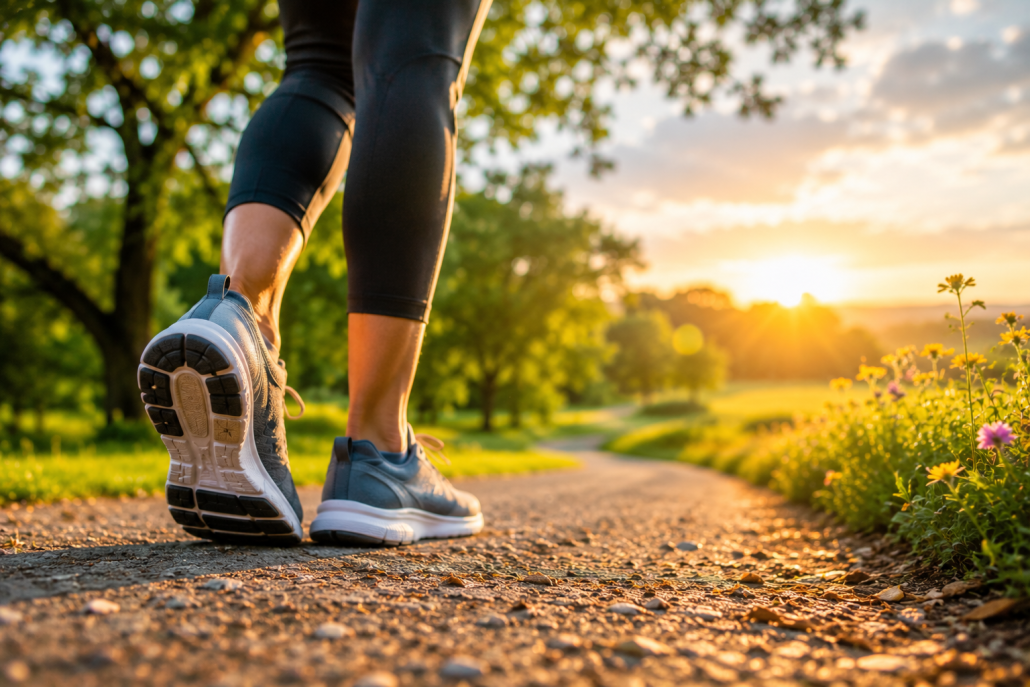
Why Walking Is the First Step to a Healthier, Happier Life
In a world constantly chasing high-intensity workouts, expensive gym memberships, and trendy fitness routines, one simple activity often goes unnoticed, walking. Yet walking, as basic as it seems, holds immense power to transform your health, mood, and life. It’s not just about moving from one place to another; it’s about taking charge of your physical and mental well-being. “Walking is a good start” might sound modest, but it’s truly the foundation of long-lasting health. In this post, we’ll explore why walking is more than enough to get you going and how it can unlock a better version of yourself.
Why Walking Matters

It’s easy to overlook walking as a form of exercise because it doesn’t come with flashy gear or intense sweat sessions. However, walking is one of the most effective, low-impact activities you can adopt, regardless of your age or fitness level. It’s gentle on the joints, requires no special equipment, and can be done almost anywhere. The beauty of walking lies in its simplicity.
Studies have shown that a daily walking habit can reduce the risk of chronic diseases like heart disease, type 2 diabetes, and high blood pressure. It improves circulation, strengthens the heart, and even boosts immune function. Unlike more strenuous workouts that can lead to injury or burnout, walking is sustainable and enjoyable over the long term. Plus, it allows you to reconnect with your environment, whether you’re strolling through a city park, hiking a forest trail, or just walking around your neighborhood.
What’s more, walking gives you space to think, breathe, and reset, something modern life rarely offers. It helps you step away from screens and obligations and move into a mindful rhythm that supports your health both physically and mentally.
Boosting Your Mental Health Through Daily Walks

Beyond physical health, walking works wonders for your mental well-being. When you take a walk, especially outdoors, your body produces endorphins, those feel-good hormones that act as natural stress relievers. Just 30 minutes of brisk walking each day can significantly reduce anxiety levels and elevate your mood.
Walking provides a much-needed escape from the pressures of work, relationships, and daily responsibilities. It gives you mental clarity and offers a form of moving meditation. The repetitive rhythm of your footsteps and breathing helps quiet the mental noise. Nature walks, in particular, have been linked to lower cortisol levels and improved emotional resilience.
Walking also combats depression by stimulating the production of neurotransmitters like serotonin and dopamine. These brain chemicals play a vital role in mood regulation. People who walk regularly often report fewer symptoms of depression and experience improved overall life satisfaction.
Most importantly, walking makes it easier to unplug and reconnect. Whether you’re walking solo or with a friend, the act of moving your body, without distractions, can give you a new perspective and greater emotional balance. If mental clarity is what you seek, then walking is an incredibly accessible solution.
Walking for Weight Loss and Physical Fitness

Can Walking Help You Lose Weight and Stay Fit? Absolutely!
One of the biggest myths in fitness is that you need to break a sweat and push your limits to lose weight. In reality, consistent walking can be just as effective, especially when combined with healthy eating and proper hydration. Walking increases your metabolism, burns calories, and helps maintain lean muscle mass, which is essential for long-term weight management.
For instance, walking at a brisk pace (about 3.5 to 4 miles per hour) can burn up to 300 calories an hour depending on your weight and stride. Over the course of a week, that adds up significantly. If you’re not a fan of intense cardio or lifting weights, walking offers a low-pressure way to stay active and fit.
To amplify results, consider interval walking, alternating between fast and moderate paces. This approach boosts your heart rate, engages different muscle groups, and increases calorie burn. Uphill walking or walking with a slight incline on a treadmill also adds a bit of resistance, helping to tone your glutes and legs.
Walking is the perfect gateway to a healthier lifestyle. Once you start seeing results, you’re more likely to build other healthy habits like drinking more water, stretching, and even exploring new forms of movement. It’s a chain reaction that starts with one step.
Cardiovascular Health: Strengthen Your Heart One Step at a Time
A Heart-Healthy Habit That Requires No Gym Membership
Walking plays a crucial role in improving cardiovascular health. According to the American Heart Association, regular walking can reduce your risk of heart disease and stroke. It lowers blood pressure, improves blood sugar levels, and helps maintain a healthy weight—all of which are key factors in heart health.
When you walk, your heart rate increases, improving circulation and oxygen flow throughout the body. This keeps your heart muscles strong and reduces the strain on your arteries. Regular walking helps to stabilize cholesterol levels and even enhances the elasticity of blood vessels, reducing the likelihood of blockages or clots.
Even better, walking is accessible to people recovering from heart-related issues or those who are just beginning their fitness journey. It’s a gentle yet effective way to gradually increase endurance without overtaxing the system.
Walking after meals also helps regulate blood sugar levels, which can be especially beneficial for individuals with diabetes or prediabetes. The bottom line is this: your heart loves it when you walk. It’s one of the most natural, effective, and sustainable ways to keep your cardiovascular system in peak condition.
The Role of Walking in Healthy Aging and Longevity

The Anti-Aging Benefits of Movement
As we age, staying active becomes increasingly important. Walking supports healthy aging by improving balance, flexibility, and coordination. It helps prevent bone density loss, combats joint stiffness, and reduces the risk of falls, one of the leading causes of injury in older adults.
Moreover, walking preserves muscle mass, which naturally declines with age. Maintaining strength and mobility allows older adults to live more independently and with a higher quality of life. According to multiple studies, individuals who walk daily have a significantly lower risk of developing dementia, Alzheimer’s, and cognitive decline.
It’s also been found that walking regularly can add years to your life. A large study published in JAMA Internal Medicine found that walking 8,000 to 10,000 steps a day was linked to a 51% lower risk of dying from all causes. That’s a powerful incentive to lace up your sneakers and get moving.
In short, walking isn’t just about fitness, it’s about longevity. It keeps your body agile, your mind sharp, and your spirit uplifted, especially in later years. If there’s one health habit that’s truly timeless, it’s walking.
Making Walking a Daily Habit That Sticks

Starting a walking routine is easy. The challenge lies in staying consistent. Fortunately, there are many ways to make walking fun, habitual, and something you look forward to every day.
First, set realistic goals. Begin with 10 to 15 minutes a day and gradually increase your duration and pace. Use a step counter or fitness tracker to monitor your progress, it’s incredibly motivating to see your numbers climb.
Second, schedule your walks like appointments. Early morning or evening walks are ideal, but the best time is the one you’ll stick with consistently. Turn it into “me-time” by listening to audiobooks, podcasts, or your favorite playlist.
Third, switch up your routes to keep things fresh. Explore different parks, trails, or even indoor malls if the weather isn’t great. Walk with friends or family to turn your exercise into a social event. You can even join walking clubs or online communities to stay inspired.
Finally, reward yourself. Celebrate milestones with non-food rewards like a new pair of walking shoes, a fitness band, or a relaxing bath. The more positive reinforcement you add, the more likely walking becomes a joyful, lifelong habit.
Conclusion
The next time you think you need to overhaul your entire lifestyle to get fit, remember this, just start walking. It’s accessible, enjoyable, and profoundly effective. From mental clarity and physical fitness to cardiovascular strength and longevity, walking checks every box on your wellness list. It’s not just “a good start”, it’s the right start.
So, don’t wait for the perfect moment. Take that first step today. Your body, mind, and soul will thank you for it.
Frequently Asked Questions (FAQs)
1. How long should I walk every day to see benefits?
Aim for at least 30 minutes of brisk walking five days a week. If you’re just starting, even 10–15 minutes a day can make a noticeable difference over time. You can break it into smaller sessions too, like three 10-minute walks.
2. Can walking alone help me lose weight?
Yes, walking consistently can lead to weight loss, especially when combined with a balanced diet. The key is to walk briskly and regularly. Walking burns calories, boosts metabolism, and helps maintain muscle mass.
3. Is it better to walk in the morning or at night?
Both have benefits. Morning walks boost your energy and metabolism for the day. Evening walks can help you relax and unwind. The best time to walk is when you’re most likely to do it consistently.
4. Do I need special shoes for walking?
While you don’t need expensive gear, it’s important to wear comfortable, supportive shoes designed for walking. Good walking shoes protect your feet, reduce the risk of injury, and make your walk more enjoyable.
5. Can I walk indoors if the weather is bad?
Absolutely! You can walk indoors in a shopping mall, on a treadmill, or even around your house. Walking in place while watching TV or during phone calls is another great option.
6. Is walking enough exercise for older adults?
Yes. Walking is especially beneficial for older adults as it improves balance, bone strength, and cardiovascular health. It’s a safe, low-impact activity that supports independence and mental clarity as you age.
7. Can walking help with back pain?
In many cases, yes. Walking improves posture, strengthens muscles that support the spine, and increases circulation. However, if you have chronic back issues, consult your healthcare provider first.


Leave a Reply
Want to join the discussion?Feel free to contribute!