

Smart Exercise Safety Tips
Staying active is essential for physical and mental well-being. However, exercising without taking sensible precautions can lead to injuries, burnout, or health complications. Whether you’re a beginner starting your fitness journey or a seasoned athlete pushing your limits, understanding and implementing safety measures can make your workouts more effective and sustainable. This guide explores smart exercise safety tips and injury prevention strategies that everyone should consider to maintain an active, healthy lifestyle.
Start With a Proper Warm-Up Routine to Prepare Your Body

Before you jump into an intense workout or even a light jog, warming up is essential. A warm-up isn’t just a formality, it is a scientifically backed method of gradually increasing your heart rate, blood flow, and joint mobility. This step prepares your muscles and mind for the activity ahead and significantly reduces the risk of injury. Think of it as priming your body engine before a drive, skipping it can lead to strain or worse.
Dynamic stretches, like leg swings, arm circles, or gentle lunges, are great warm-up exercises. They improve flexibility, increase range of motion, and lubricate joints. For instance, if you’re planning a run, start with a brisk walk, then shift to a light jog. Gradually increasing intensity gives your cardiovascular system and muscles time to adapt.
Incorporating warm-ups into your routine also helps improve focus. During this phase, your mind transitions from everyday stress to exercise mode, helping you concentrate better and stay mindful of your form. So, whether you’re lifting weights, doing yoga, or engaging in high-intensity interval training (HIIT), never underestimate the power of a solid warm-up.
Wear the Right Workout Gear for Comfort and Protection
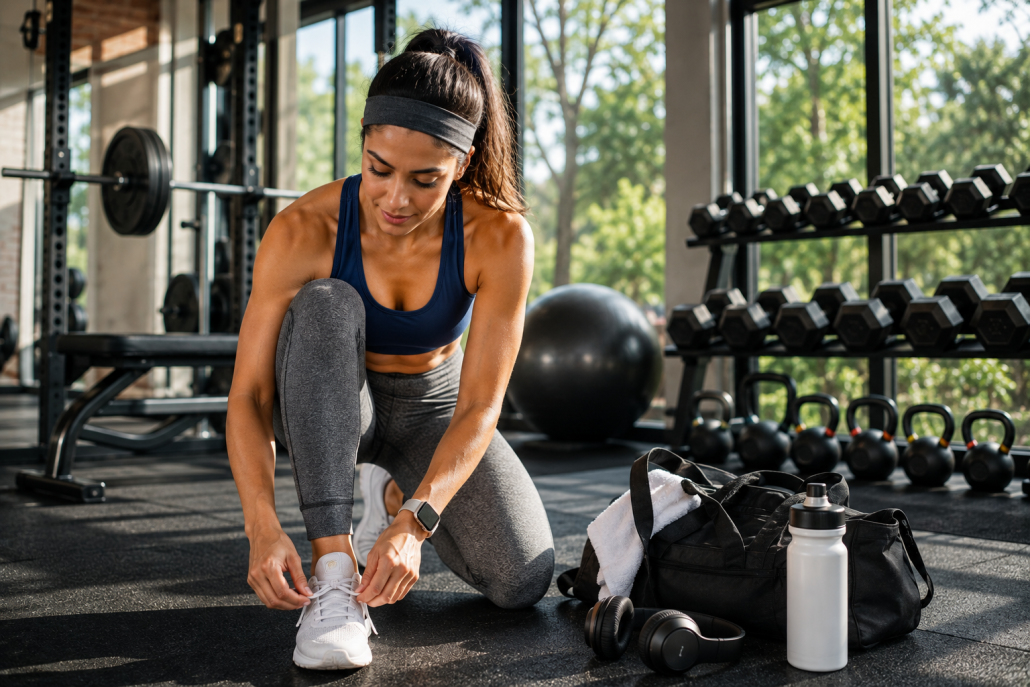
Choosing the right exercise gear isn’t just about looking stylish at the gym, it directly impacts your safety, comfort, and performance. Ill-fitting shoes, restrictive clothing, or the wrong materials can cause blisters, overheating, or even injury during physical activity. That’s why it’s crucial to invest in appropriate workout attire tailored to your exercise type.
For example, runners should prioritize cushioned, supportive running shoes that absorb shock and provide arch support. Weightlifters, on the other hand, benefit from flat-soled shoes that enhance stability during lifts. Breathable fabrics like moisture-wicking polyester or spandex can help regulate your body temperature, especially during long sessions or hot weather.
Moreover, certain workouts require specific safety equipment. If you’re cycling, always wear a helmet. If you’re practicing martial arts or boxing, gloves and pads are non-negotiable. Compression wear can aid circulation and reduce muscle fatigue in high-impact workouts.
Never ignore the condition of your gear either. Worn-out shoes or loose clothing can compromise your safety. Take time to replace items as needed and prioritize quality over price. The right gear can make or break your fitness journey.
Stay Hydrated Before, During, and After Workouts

Hydration is a critical yet often overlooked part of exercise safety. Water fuels every system in your body, muscles, joints, organs, and helps maintain optimal performance. Even mild dehydration can lead to fatigue, dizziness, cramps, or even heatstroke in extreme cases. That’s why staying hydrated before, during, and after workouts is essential to protect your body and maintain endurance.
Experts recommend drinking about 16–20 ounces of water at least two hours before exercising. During your workout, aim for 7–10 ounces every 10–20 minutes, especially if you’re sweating heavily. Afterward, continue hydrating to replenish lost fluids and support muscle recovery.
In hot or humid environments, you may need to increase your fluid intake or include electrolyte-infused drinks to replace sodium and potassium lost through sweat. However, avoid overhydration, which can lead to a rare condition called hyponatremia, where sodium levels drop too low.
Make hydration part of your routine, carry a reusable water bottle, set reminders, or use sports drinks strategically. Staying properly hydrated keeps your body cool, cushions your joints, and ensures you can perform at your best without the risk of preventable health issues.
Listen to Your Body and Avoid Overexertion

Pushing your limits can be motivating, but pushing too far often leads to injury, fatigue, or burnout. Your body is constantly sending signals, tightness, sharp pain, dizziness, or extreme fatigue are all red flags that shouldn’t be ignored. Listening to your body is one of the smartest exercise safety precautions you can take.
It’s crucial to differentiate between healthy muscle fatigue and potential injury. Soreness after a good workout is normal, but sudden pain, swelling, or restricted movement signals something’s wrong. Overexertion can also weaken your immune system, lead to poor sleep, or cause overtraining syndrome, where performance decreases despite increased training.
To stay on the safe side, follow the “talk test” during cardio, if you’re too winded to speak in full sentences, you may be overdoing it. Rest days are just as important as active days. They give your muscles time to repair, strengthen, and grow. A good rule of thumb is to train smarter, not harder.
Paying attention to how your body responds, before, during, and after exercise, can prevent setbacks and ensure long-term progress without unnecessary injuries.
Use Correct Exercise Form and Technique Every Time
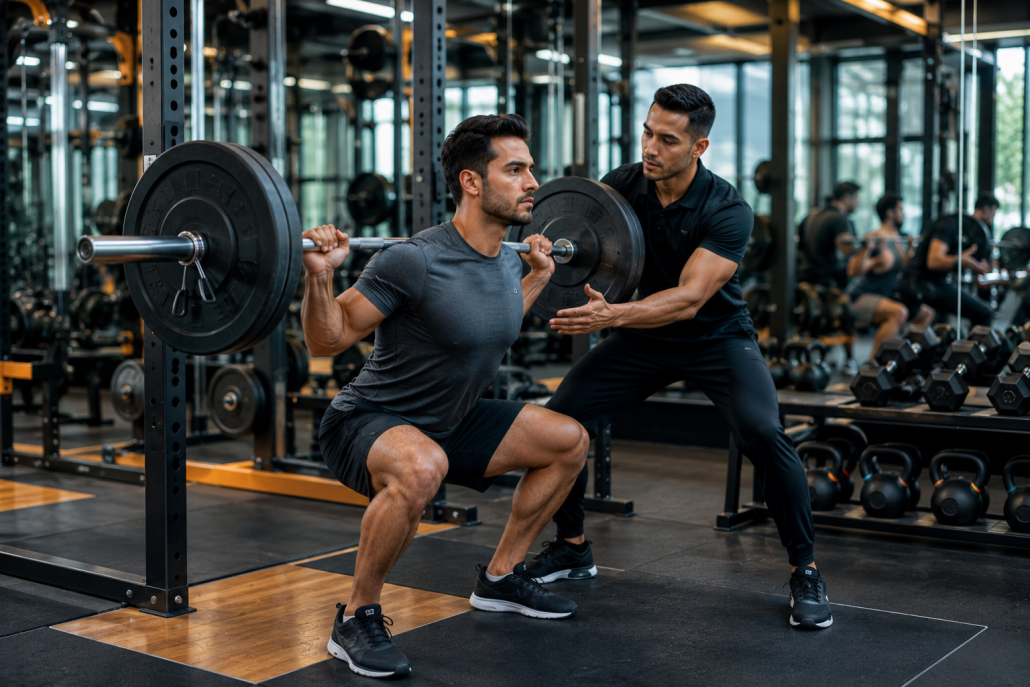
Bad form is one of the leading causes of workout-related injuries. Whether you’re lifting weights, doing bodyweight exercises, or engaging in aerobic activities, using correct form ensures that the right muscles are targeted and reduces unnecessary strain on joints and ligaments.
Take squats, for example, if your knees cave inward or you round your back, you could injure your spine or knees. Similarly, improper posture during planks or push-ups can stress your lower back or shoulders. Using momentum instead of control not only cheats your muscles but also invites injury.
To avoid these mistakes, start slow and focus on quality over quantity. If you’re new to a particular movement, practice in front of a mirror or use guidance from instructional videos. Better yet, hire a certified personal trainer to show you proper techniques tailored to your body type and fitness level.
Maintaining correct posture, alignment, and breathing during every rep protects your spine, improves balance, and enhances muscle activation. It’s not just about doing the work, doing it right makes all the difference.
Don’t Skip Cool-Downs: Stretch and Recover Post-Exercise

Just like warming up preps your body for action, cooling down helps it transition back to a resting state. Skipping this step can lead to muscle tightness, soreness, or even fainting due to sudden drops in blood pressure. A proper cool-down allows your heart rate to return gradually to its baseline, clears lactic acid buildup, and enhances flexibility.
Start with 5–10 minutes of light cardio such as walking or cycling at a slow pace. Then, move into static stretching, hold stretches for major muscle groups like hamstrings, quads, back, and shoulders for 20–30 seconds. This practice not only reduces muscle tension but also improves long-term mobility.
Stretching also has mental benefits. It’s a chance to reflect on your session, regulate your breathing, and enter a relaxed state. If you often deal with muscle tightness or cramps, consistent cool-downs can significantly alleviate those symptoms.
So, treat your cool-down as an essential part of your workout, not an afterthought. It’s one of the simplest yet most effective safety precautions you can adopt.
Use Equipment Safely and Follow Instructions Properly
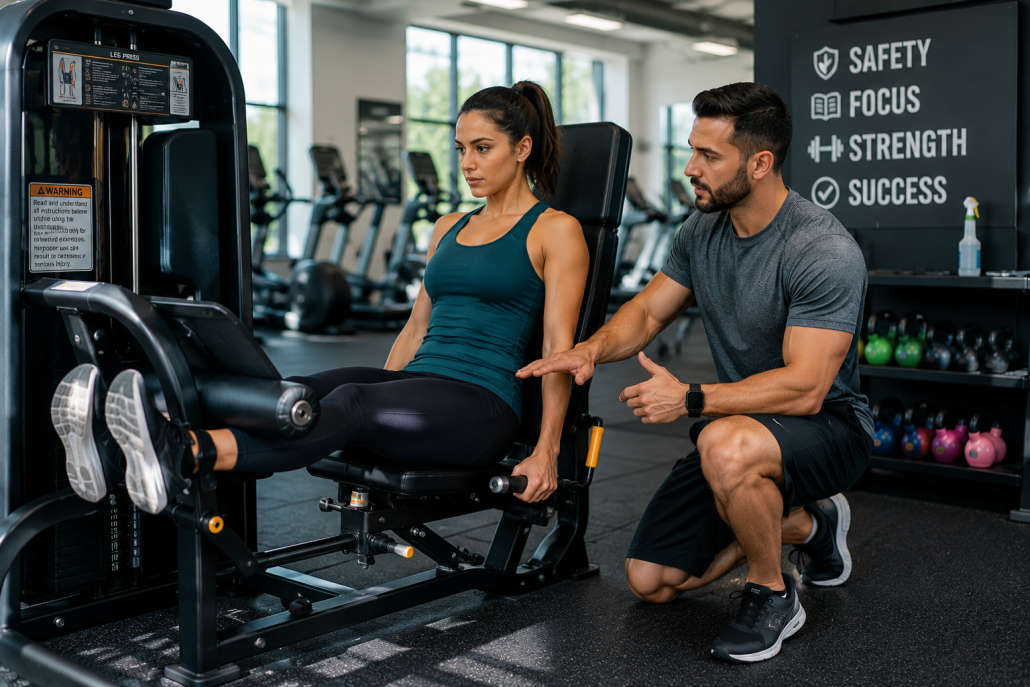
Gym equipment and workout tools can enhance your exercise experience, but when used improperly, they become major injury risks. Whether it’s a treadmill, resistance band, kettlebell, or barbell, every piece of equipment comes with specific usage guidelines that shouldn’t be ignored.
Start by reading instructional manuals or labels before trying something new. If you’re in a gym, ask staff members or trainers for a demonstration. Using machines incorrectly, lifting weights without knowing your limits, or improvising with resistance gear can lead to sprains, fractures, or severe muscle tears.
Always adjust equipment settings to your height, weight, and comfort. For instance, incorrect seat positioning on a leg press machine can harm your knees or hips. Keep equipment clean and free of defects, slippery surfaces, loose screws, or worn-out parts are all safety hazards.
When using free weights, ensure you have proper footing and grip. Never drop weights haphazardly, and when lifting heavy, use a spotter or safety clips. The better you understand your tools, the safer and more effective your workouts will be.
Maintain a Balanced Exercise Schedule to Prevent Overuse Injuries
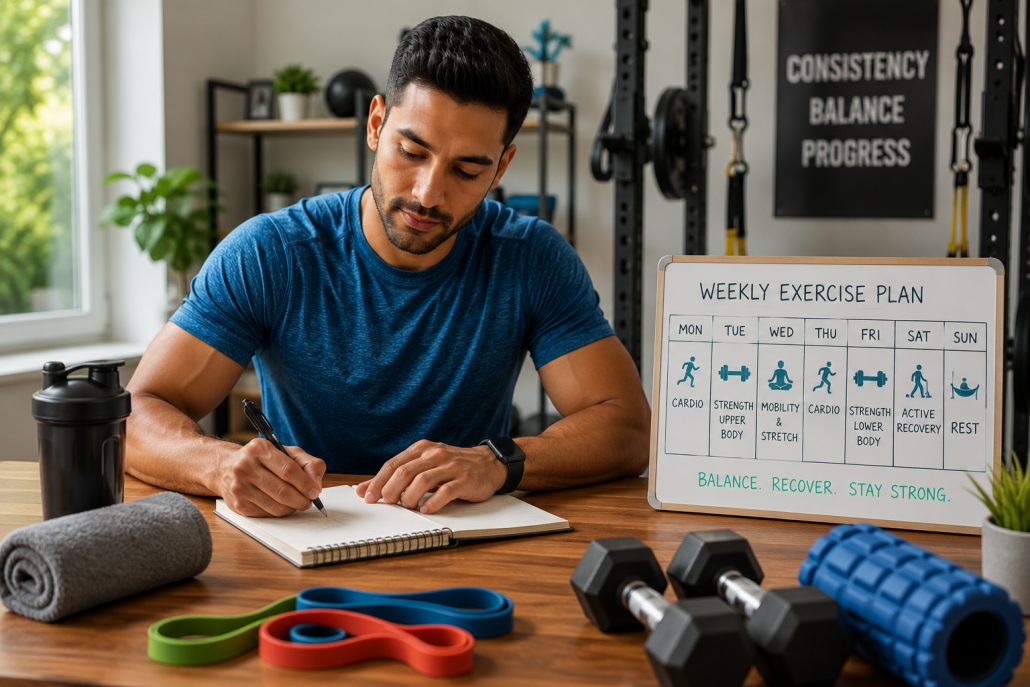
Doing the same workout every day can overwork specific muscle groups and lead to overuse injuries like shin splints, tendonitis, or stress fractures. That’s why varying your routine is not just fun, it’s a smart strategy for long-term fitness and injury prevention.
Cross-training, for example, helps you engage different muscles while giving overworked areas time to recover. If you run three times a week, consider mixing in swimming, yoga, or strength training on alternate days. This balanced approach helps avoid repetitive strain and keeps your body well-rounded.
Also, incorporate strength and flexibility training into your weekly schedule. Strengthening supporting muscles and improving your range of motion can reduce the risk of falls or muscle tears. Rest days should also be strategically placed to allow full-body recovery.
Creating a personalized, varied fitness schedule ensures that no part of your body is excessively stressed. It also keeps you mentally engaged, avoiding boredom and workout plateaus.
Consult a Doctor Before Starting or Changing Fitness Routines

For individuals with pre-existing health conditions, obesity, or those over 40, it’s crucial to consult a healthcare professional before beginning or modifying an exercise regimen. While exercise offers many benefits, it can pose risks if underlying health issues are not considered.
Doctors can perform assessments or recommend stress tests to evaluate your heart health, blood pressure, and musculoskeletal system. This is especially important if you experience chest pain, dizziness, or joint problems during physical activity. With this insight, you’ll know which types of workouts are safe and which should be avoided or modified.
Additionally, if you’re recovering from surgery, managing chronic conditions like diabetes or arthritis, or pregnant, medical guidance ensures you’re not doing more harm than good. Some fitness programs even require a doctor’s clearance before participation.
Taking this extra step might seem unnecessary when you feel fine, but it’s a wise investment in your long-term health and safety.
Smart Recovery Practices: Nutrition, Sleep, and Self-Care
Exercising safely isn’t just about what you do in the gym, it’s also about how you treat your body afterward. Recovery is where real growth happens, and neglecting it can stall progress, trigger injuries, or impact your mood and motivation.
Nutrition plays a key role. After workouts, your body needs protein for muscle repair and carbohydrates to replenish energy stores. Consuming a balanced post-workout meal or snack within an hour of exercise accelerates recovery and reduces soreness.
Sleep is another pillar of recovery. Aim for at least 7–9 hours of quality sleep per night. It’s during deep sleep that your body releases growth hormone and repairs tissue damage. Lack of rest can reduce performance, affect mental sharpness, and increase the likelihood of injury.
Consider self-care practices like foam rolling, massage, or hot baths to improve circulation and relieve muscle tension. Stress management also counts, chronic stress increases cortisol, which can hinder recovery and muscle growth.
Incorporating these recovery habits ensures your body stays resilient, strong, and ready for your next workout.
Final Thoughts
Too often, injuries, exhaustion, or burnout are the result of neglecting simple exercise precautions. By prioritizing warm-ups, hydration, proper gear, technique, and rest, you make your workouts safer and more effective. Fitness should empower you, not break you.
Remember, long-term progress doesn’t come from pushing harder at all costs but from exercising smart, listening to your body, and making safety a priority every step of the way. The best results happen when your body, mind, and routine are all working in harmony.
Frequently Asked Questions (FAQs)
1. How long should I warm up before a workout?
Warm-ups should last 5–10 minutes, depending on your workout intensity. Use dynamic movements to gradually increase your heart rate and mobilize your joints.
2. What are signs I might be overtraining?
Symptoms include chronic fatigue, poor sleep, decreased performance, irritability, and frequent illness or injuries. Rest days and proper recovery are essential.
3. Is stretching before or after workouts more important?
Both are beneficial. Dynamic stretching before exercise improves mobility, while static stretching after helps reduce soreness and increase flexibility.
4. Can I still work out if I’m slightly sore?
Mild soreness is okay, but avoid working the same muscle group intensely two days in a row. Active recovery like walking or gentle yoga is helpful.
5. How often should I change my workout shoes?
Replace your workout shoes every 300–500 miles or every 6–12 months, depending on usage and wear.


Leave a Reply
Want to join the discussion?Feel free to contribute!