
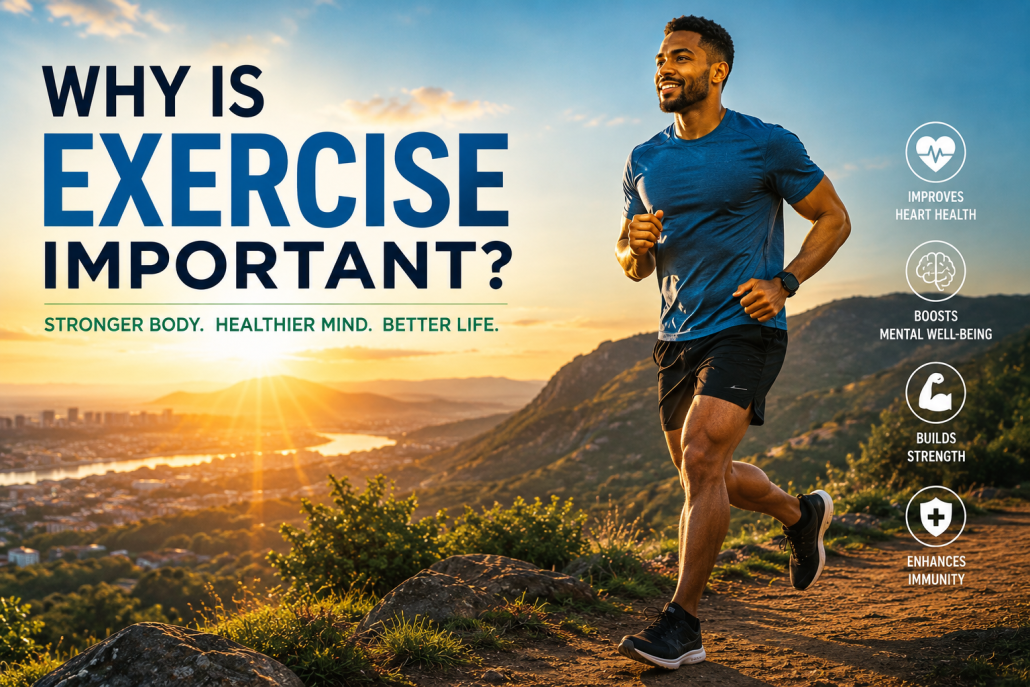
Why is exercise important?
In a world where sedentary lifestyles are becoming the norm, understanding the importance of regular physical activity is more crucial than ever. Exercise is not just about building muscles or shedding pounds, it is a powerful tool that influences every aspect of your life, from your mental health and immune function to your productivity and quality of sleep.
While many people view fitness as a means to achieve a slimmer waistline or a toned physique, the true benefits of movement go much deeper. Engaging in regular physical activity improves brain function, reduces the risk of chronic illnesses, strengthens bones, and even boosts mood and confidence. It’s a natural remedy for stress, anxiety, and depression, and it doesn’t require a prescription.
In this comprehensive guide, we’ll explore the many reasons why exercise is important for physical and mental health, uncover its role in disease prevention, and offer insights into how even small, consistent efforts can make a big difference. Whether you’re a seasoned athlete or just starting your journey, this blog will show you how and why moving your body is one of the best decisions you’ll ever make.
The Physical Health Benefits of Exercise

When it comes to enhancing physical health, regular exercise is the gold standard. Engaging in consistent workouts, whether it’s walking, jogging, strength training, or yoga, plays a vital role in improving overall bodily function.
First and foremost, exercise boosts cardiovascular health by strengthening the heart muscle and improving circulation. This lowers your risk of heart disease, high blood pressure, and stroke. It also helps maintain a healthy weight, which is essential in preventing obesity-related conditions like type 2 diabetes and certain cancers.
Moreover, physical activity strengthens muscles and bones. Resistance training, in particular, increases muscle mass and bone density, which can help prevent osteoporosis and frailty as you age. Balance and flexibility exercises reduce the risk of falls, especially in older adults.
In addition, exercise improves metabolic function by regulating insulin levels and promoting efficient energy use. It increases lung capacity, reduces inflammation, and strengthens your immune system, helping your body ward off illnesses.
Clearly, the physical rewards of regular exercise are far-reaching. With each step, squat, or stretch, you’re not just moving, you’re fortifying your body for a longer, healthier life.
Mental Health and Exercise: A Natural Mood Booster and Stress Reliever

Just as important as its physical benefits, exercise has a powerful impact on mental and emotional well-being. In fact, it’s one of the most effective and underused tools in promoting mental clarity, emotional stability, and stress management.
When you exercise, your body releases endorphins, often called “feel-good hormones.” These natural chemicals elevate your mood and reduce perceptions of pain. This is why you often feel a sense of calm or joy after a workout, even if it was challenging.
Regular physical activity also reduces the levels of stress hormones like cortisol and adrenaline. This helps alleviate feelings of anxiety and tension. Even a short walk during a stressful day can restore a sense of calm and perspective.
Furthermore, exercise improves cognitive function and memory. Aerobic activities like running or swimming stimulate brain growth and neuroplasticity, which supports better learning, decision-making, and problem-solving skills. This is especially important as you age, since exercise can lower your risk of cognitive decline and diseases like Alzheimer’s.
Another critical mental health benefit of exercise is improved sleep. When your body moves during the day, your circadian rhythm resets more efficiently, helping you fall asleep faster and stay asleep longer.
In essence, physical movement acts as a natural antidepressant, anxiety reducer, and sleep aid, all without side effects. When your body feels better, your mind does too.
Exercise and Disease Prevention

One of the most powerful reasons to adopt an active lifestyle is its role in preventing and managing chronic diseases. With today’s rise in lifestyle-related health issues, incorporating exercise into your daily routine can literally be a lifesaver.
Studies consistently show that regular physical activity lowers the risk of major chronic conditions such as type 2 diabetes, heart disease, hypertension, and certain types of cancer, including breast and colon cancer. Exercise improves insulin sensitivity and reduces blood sugar levels, which is especially beneficial for people at risk of or managing diabetes.
Heart health, in particular, benefits immensely from consistent movement. Aerobic exercises such as walking, cycling, and swimming reduce bad cholesterol (LDL), increase good cholesterol (HDL), and regulate blood pressure, all of which contribute to a healthier cardiovascular system.
Exercise is also effective in combating obesity, one of the leading risk factors for numerous diseases. Physical activity burns calories, boosts metabolism, and encourages the maintenance of lean muscle mass, helping you achieve and maintain a healthy weight.
Moreover, staying active improves immune function. It enhances circulation, which allows immune cells to move freely through the body and do their job more efficiently. Even moderate-intensity exercise can lead to fewer colds and infections throughout the year.
In summary, exercise is a low-cost, high-impact preventive strategy that enhances quality of life while drastically reducing your risk of illness.
The Role of Exercise in Weight Management and Metabolism Boosting

Maintaining a healthy weight goes beyond calorie counting, and regular exercise plays a pivotal role. Whether your goal is weight loss, maintenance, or even muscle gain, staying active helps regulate your metabolism and supports efficient body composition.
When you engage in physical activity, your body burns calories. The more intense the activity, the more calories you burn, which can contribute to a calorie deficit necessary for weight loss. Strength training also builds muscle, and more muscle mass increases your resting metabolic rate, meaning you burn more calories even while at rest.
In addition, exercise helps regulate appetite hormones, including ghrelin and leptin, which influence hunger and fullness cues. This means you’re less likely to overeat when you’re consistently active.
Another crucial benefit is reducing visceral fat, the dangerous fat stored around your organs that increases your risk of metabolic diseases. Studies show that both aerobic and resistance training are effective in shrinking abdominal fat and improving overall body composition.
It’s also worth noting that exercise alone may not be the sole solution for weight loss, it works best when combined with mindful eating habits and sufficient sleep. However, it remains a non-negotiable factor for sustaining a healthy metabolism and achieving long-term wellness.
By making exercise a habit, you’re not just burning calories, you’re training your body to operate more efficiently for the long haul.
Boosting Self-Esteem and Confidence Through Physical Activity

Aside from the physical and mental health gains, one of the most empowering benefits of regular exercise is the boost it gives to self-esteem and confidence. Moving your body builds more than just muscle, it builds a sense of achievement, resilience, and self-worth.
Exercise fosters a deep connection between mind and body. As you push through challenges, whether it’s lifting a heavier weight, running a longer distance, or mastering a new yoga pose, you begin to trust your body’s abilities. This sense of accomplishment carries over into other areas of life, reinforcing a positive self-image.
Physical activity also changes the way you see yourself in the mirror. While transformation doesn’t happen overnight, consistent movement results in improved posture, muscle tone, and energy. This naturally elevates your confidence, especially when combined with the mental clarity and mood elevation that exercise provides.
Furthermore, group activities and fitness communities offer a social boost. Interacting with others who share similar goals creates a support system that fosters belonging and motivation. Whether it’s a local walking group, gym class, or online fitness forum, these connections can reinforce your commitment and confidence.
Ultimately, exercise helps you feel strong, capable, and in control qualities that are essential for personal growth and emotional resilience.
Improved Sleep and More Energy: How Exercise Powers Your Day
If you often feel tired, groggy, or have trouble sleeping, integrating regular exercise into your day might be the solution you’ve been searching for. Contrary to what you might think, physical activity doesn’t wear you out, it actually increases your energy levels and enhances your quality of sleep.
Exercise helps boost circulation and oxygen flow throughout the body, which supports better cell function and overall stamina. This increase in blood flow means your brain gets more oxygen too, which sharpens focus and alertness during the day.
As for sleep, the connection is strong. Physical activity helps regulate your internal body clock (circadian rhythm) and promotes deeper, more restful sleep cycles. Studies show that people who exercise regularly fall asleep faster and experience fewer interruptions during the night.
The benefits are especially noticeable when you engage in moderate-intensity exercises like brisk walking, swimming, or cycling. Even low-impact movements such as stretching or tai chi can reduce tension and prepare your body for restful sleep.
Over time, better sleep leads to more energy, sharper mental focus, improved mood, and a stronger immune system. So rather than being drained, you’ll actually feel more invigorated and ready to take on the day.
How Much Exercise Do You Need? Making It Work for Your Lifestyle
You don’t need to become a marathon runner to enjoy the benefits of physical activity. The key is consistency and balance, not intensity. According to the World Health Organization, adults should aim for at least 150 to 300 minutes of moderate-intensity exercise each week, or 75 to 150 minutes of vigorous-intensity activity.
This can include a mix of activities like walking, swimming, cycling, dancing, or even gardening. Add in strength training exercises at least two days a week to build muscle and improve bone health.
If that sounds overwhelming, don’t worry. You can break your workouts into smaller sessions, just 30 minutes a day, five times a week, can make a huge difference. And if you’re short on time, even 10-minute bursts of activity can add up.
The most important thing is to choose movements you enjoy. Whether it’s a morning walk, a lunchtime stretch, or an evening bike ride, finding joy in movement increases your chances of sticking with it.
Remember: any movement is better than none. The more you move, the better you feel, inside and out.
Final Thoughts
There’s no denying the power of regular exercise. From physical strength and chronic disease prevention to enhanced mood, better sleep, and improved self-esteem, the benefits are wide-reaching and deeply transformative.
Exercise is more than just a habit, it’s a form of self-care and personal empowerment. Whether you’re young or old, a beginner or seasoned athlete, movement can be adapted to suit your unique needs and preferences. The most important step is to start and keep going.
As the saying goes, “You don’t have to be extreme, just consistent.” With every walk, stretch, or lift, you’re investing in a brighter, stronger future. And that’s a goal worth striving for.
Frequently Asked Questions (FAQ)
1. How often should I exercise to see results?
Most experts recommend at least 150 minutes of moderate-intensity exercise per week. However, the results you see depend on your goals, whether it’s weight loss, strength building, or improving mental health. Consistency is key.
2. Can walking alone be enough exercise?
Yes, walking is a highly effective form of low-impact cardiovascular exercise. A brisk 30-minute walk daily can improve heart health, reduce stress, and support weight management.
3. Is it okay to exercise every day?
Yes, as long as you vary your routine and allow for recovery. Alternating between high- and low-intensity days or focusing on different muscle groups can help prevent overtraining and injuries.
4. What type of exercise is best for mental health?
Aerobic activities like jogging, swimming, and dancing have shown great benefits for mental well-being. Yoga and tai chi also promote relaxation and mindfulness.
5. How do I stay motivated to keep exercising?
Set realistic goals, track your progress, find a workout buddy, or join a group class. Most importantly, choose activities you enjoy so exercise feels rewarding, not like a chore.




Leave a Reply
Want to join the discussion?Feel free to contribute!