

Easy Mindful Exercises to Transform Your Life
From meeting work deadlines to managing personal commitments, it’s easy to feel overwhelmed. But what if you could reclaim control, reduce anxiety, and find balance, all by simply becoming more aware of the present moment? That’s the essence of mindfulness.
Mindfulness isn’t a trend. It’s a powerful, research-backed practice with the ability to improve your mental, emotional, and even physical well-being. Whether you’re just starting out or looking to deepen your current practice, learning specific mindfulness exercises can help you live a more peaceful and intentional life.
Let’s explore the most effective mindfulness techniques and how to make them part of your daily routine.
What Is Mindfulness? Understanding Its Meaning and Benefits
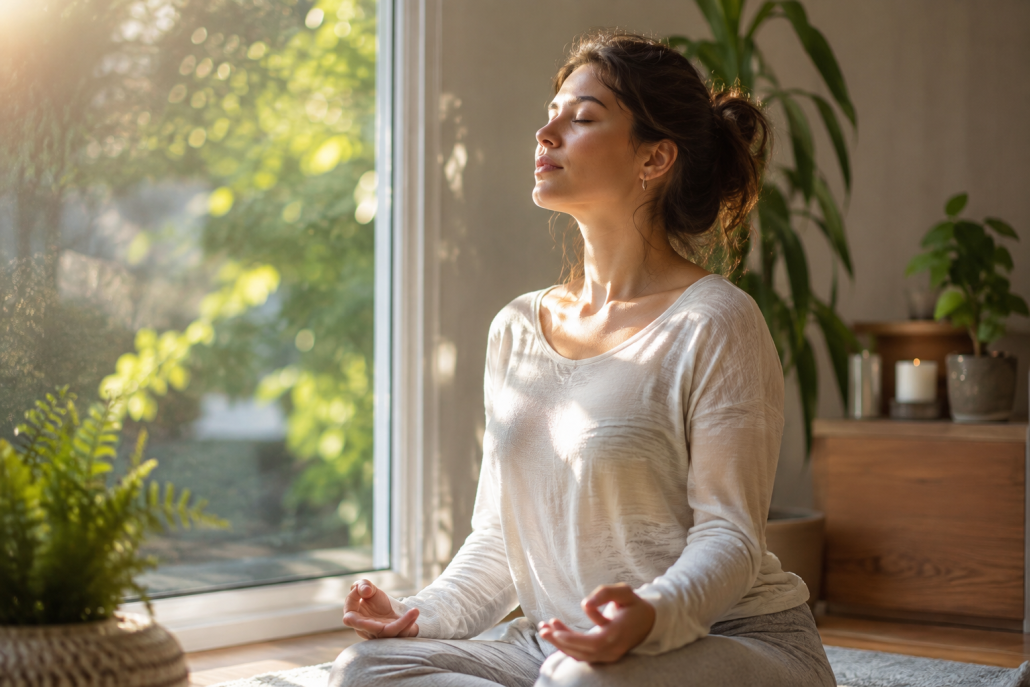
Mindfulness is more than just sitting quietly and breathing deeply. It’s a way of life, a conscious, non-judgmental awareness of your thoughts, emotions, and environment. At its core, mindfulness means living in the moment and paying attention to your experiences as they unfold.
Originating from Buddhist practices, mindfulness has now entered mainstream psychology and wellness due to its profound benefits. Scientific studies have linked it to reduced stress, improved focus, better sleep, emotional regulation, and even lower blood pressure. It’s a tool that enables people to respond to challenges with clarity instead of reacting impulsively.
The best part? You don’t need hours of meditation or expensive equipment. With just a few mindfulness exercises for beginners, you can start experiencing these benefits today.
Breathing With Intention: The Foundation of Mindfulness
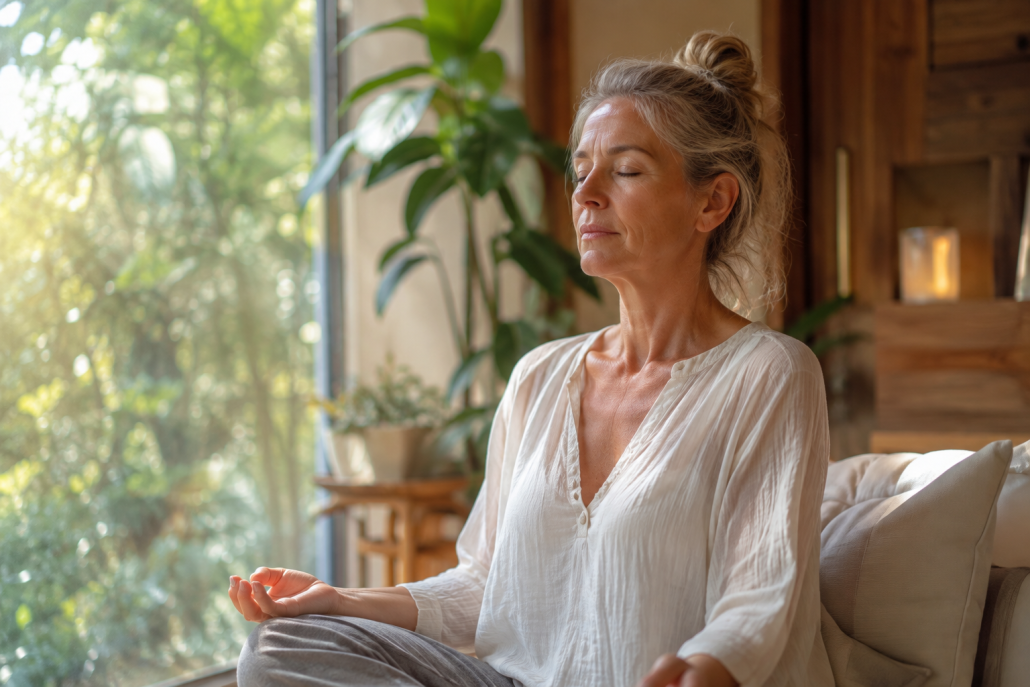
Your breath is always with you, yet it’s often taken for granted. Practicing deep breathing exercises is one of the simplest and most effective ways to ground yourself in the present moment.
Start by sitting comfortably, closing your eyes, and taking a deep breath in through your nose. Feel your lungs expand. Slowly exhale through your mouth. Repeat this cycle, paying full attention to each inhale and exhale.
Breath awareness can:
- Instantly calm your nervous system
- Reduce cortisol (stress hormone) levels
- Enhance focus and mental clarity
This mindful breathing technique can be done anywhere—on your commute, during a stressful meeting, or before bed. Over time, it retrains your mind to pause and become more aware of how you feel.
Try This:
Box Breathing: Inhale for 4 seconds, hold for 4 seconds, exhale for 4 seconds, and pause for 4 seconds. Repeat this cycle for a few minutes to reset your mind and body.
Body Scan Meditation: Cultivating Physical Awareness
A body scan meditation is a powerful way to connect your mind to your body and recognize areas of tension. It promotes deep relaxation while sharpening your awareness of physical sensations, often revealing stress you didn’t realize you were holding.
Here’s how to do it:
- Lie down or sit comfortably.
- Close your eyes and take a few deep breaths.
- Start at your toes and slowly move your attention upward, scanning each body part.
- Notice any sensations—tightness, warmth, pain—and simply observe without judgment.
- If your mind drifts, gently return your focus to the body part you were scanning.
This mind-body mindfulness exercise enhances your connection to your physical self, which is especially helpful for those who tend to overthink or dissociate during stress.
Doing this daily, even for just 10 minutes, can improve sleep quality, reduce muscle tension, and create a calm internal state.
Walking Meditation: Turn Movement Into Mindfulness

Who says mindfulness only happens sitting down? Walking meditation is a dynamic form of mindfulness that blends movement with presence. It’s ideal for people who struggle to sit still and prefer an active practice.
To begin, choose a quiet path or space where you can walk undisturbed. Walk slowly and naturally, paying close attention to:
- The sensation of your feet touching the ground
- The rhythm of your breath
- The feeling of air on your skin
- Sounds around you
With each step, gently bring your awareness back if your thoughts wander. This mindfulness walking practice not only increases presence but can also reduce rumination and anxiety.
You can incorporate it into your daily life by being more present during casual walks, errands, or even while pacing during phone calls.
Mindful Eating: A Deliciously Simple Practice

Eating is something we do multiple times a day, yet it’s often rushed or distracted. Practicing mindful eating brings awareness back to the act of nourishing your body and helps you build a healthier relationship with food.
Instead of multitasking during meals, try this:
- Begin by observing your food’s colors, textures, and aroma.
- Take a bite and chew slowly, noticing the taste and texture.
- Put your utensils down between bites and really savor each mouthful.
- Pay attention to how your body feels—are you still hungry, or are you full?
This practice can prevent overeating, improve digestion, and help you reconnect with your body’s hunger signals. In a world full of fast food and faster lives, slowing down to eat mindfully is both an act of self-care and awareness.
Journaling With Awareness: Capture Your Thoughts With Clarity

Mindful journaling is the act of writing down your thoughts and emotions with full presence. It’s not about grammar or structure, it’s about reflection and honest expression.
Set aside 10–15 minutes daily, preferably in the morning or evening, to write freely. You can start with a prompt like:
- “What am I feeling right now?”
- “What did I notice about today?”
- “What do I need most in this moment?”
This form of mental mindfulness exercise allows you to observe your thoughts without judgment, release mental clutter, and identify patterns in your behavior or emotions.
Over time, journaling can boost emotional intelligence, self-awareness, and even creativity. It’s a private sanctuary where your inner world can safely unfold.
Mindfulness in Daily Activities: Everyday Moments That Matter
You don’t need to set aside extra time to practice mindfulness, it can be woven into the activities you already do. The goal is to bring conscious attention to even the most routine tasks.
Here’s how to practice daily mindfulness exercises:
- While brushing your teeth, focus on the sensations, the taste, movement, and sound.
- While washing dishes, feel the water on your hands and notice your breath.
- While commuting, observe the sights, sounds, and sensations without judgment.
By treating these mundane moments as opportunities for mindfulness, you gradually train your brain to stay anchored in the present. This practice enhances patience, improves productivity, and reduces stress throughout the day.
Loving-Kindness Meditation
Loving-kindness meditation (Metta) is a beautiful mindfulness technique aimed at developing empathy, compassion, and emotional resilience. It’s especially effective if you struggle with negative self-talk, anger, or loneliness.
Here’s a simple practice:
- Sit comfortably and take a few deep breaths.
- Silently repeat phrases like:
“May I be happy. May I be healthy. May I be safe. May I live with ease.” - Gradually expand your focus to include others: a loved one, a neutral person, someone difficult, and eventually all beings.
This compassion-based mindfulness exercise rewires your brain toward kindness and connection. With regular practice, it softens the heart, reduces judgment, and improves relationships—starting with the one you have with yourself.
Visualization Techniques: Engage Your Mind’s Eye Mindfully
Mindfulness visualization exercises use imagery to guide your mind toward peace and positivity. They tap into your brain’s natural ability to simulate experiences, which can be incredibly soothing and motivating.
To try it:
- Close your eyes and imagine a peaceful setting—perhaps a beach, forest, or mountaintop.
- Engage all your senses. What do you see, hear, smell, or feel?
- Stay immersed in this scene while breathing deeply and calmly.
You can also visualize positive outcomes or self-confidence in a situation that causes anxiety. These mental rehearsals create new neural pathways and help shift your mindset from fear to calmness.
This tool is especially helpful before public speaking, interviews, or any high-stress event. It’s like a mental spa—relaxing and empowering at the same time.
Mindfulness Apps and Tools: Technology for Tranquility
In the digital age, mindfulness is only a click away. There are many mindfulness apps and online tools designed to help you practice consistently. These resources often include:
- Guided meditations
- Timers with soothing sounds
- Daily mindfulness challenges
- Mood trackers and breathing reminders
Popular apps include Headspace, Calm, Insight Timer, and Ten Percent Happier. These platforms make it easy to incorporate mindfulness into even the busiest lifestyles.
If apps aren’t your style, try ambient sound playlists, breathing guides on YouTube, or wearable reminders to check in with your breath.
The key is consistency. Whether you prefer digital guidance or natural practices, let technology support, rather than distract, your mindfulness journey.
Real-Life Benefits
The benefits of mindfulness go beyond momentary calm. Practicing daily mindfulness techniques can bring long-term transformation to how you think, feel, and live.
Here are some research-backed outcomes:
- Improved Focus and Memory: Regular mindfulness strengthens the prefrontal cortex, enhancing cognitive function.
- Emotional Regulation: It helps reduce reactivity and promotes calm responses in stressful situations.
- Reduced Anxiety and Depression: Mindfulness lowers symptoms of anxiety and depression by reducing rumination and increasing self-compassion.
- Better Sleep: Mindful breathing and body scans before bed can improve sleep quality.
- Enhanced Resilience: Over time, you’ll become less shaken by external chaos and more grounded in internal peace.
Mindfulness isn’t a cure-all, but it’s a foundation. When practiced regularly, it offers powerful emotional, mental, and even spiritual growth.
Final Reflection
Mindfulness is not a destination; it’s a journey, a gentle return to yourself, one moment at a time. Whether you’re breathing deeply, walking slowly, or simply observing your thoughts without judgment, every mindful action is a step toward clarity and calm.
By integrating even a few of these mindfulness exercises into your daily life, you open the door to less stress, more focus, and a deeper sense of connection, with yourself and the world around you.
Don’t wait for the “perfect” time to begin. The only moment you ever truly have is now.
Frequently Asked Questions
1. How often should I practice mindfulness exercises?
Ideally, mindfulness should be practiced daily, even if just for a few minutes. Consistency is more important than duration.
2. Do I need to meditate to practice mindfulness?
No. While meditation is one form of mindfulness, you can practice mindfulness during everyday activities like eating, walking, or even brushing your teeth.
3. Can mindfulness help with anxiety and depression?
Yes. Numerous studies show that mindfulness can reduce symptoms of anxiety and depression by promoting emotional awareness and reducing rumination.
4. What’s the best mindfulness exercise for beginners?
Start with mindful breathing or a short body scan. These are simple, accessible, and effective for anyone new to mindfulness.
5. Are mindfulness apps worth it?
Yes. Apps like Headspace or Calm provide guided sessions that make it easier to stay consistent and track your progress.
6. Can children practice mindfulness too?
Absolutely! Mindfulness can benefit children by improving focus, emotional regulation, and stress management. Just tailor the activities to their age level.
7. How long does it take to see results from mindfulness practice?
Some people feel more relaxed after one session, while others notice changes over a few weeks. Like physical fitness, the benefits grow with time and practice.






Leave a Reply
Want to join the discussion?Feel free to contribute!