

When Does Your Body Start Burning Fat?
Understanding when your body starts to burn fat is key for anyone on a journey to lose weight, improve fitness, or boost overall health. While many assume that fat burning begins the moment you break a sweat or skip a meal, the reality is more complex, and much more interesting. Fat loss is a metabolic process influenced by factors like diet, exercise intensity, duration, and even hormones. If you’re wondering, “When exactly does my body tap into fat stores?” you’re not alone, and you’re about to get the clarity you need.
In this comprehensive guide, we’ll unpack the science of fat metabolism, bust some common myths, and show you how to trigger fat-burning more efficiently. Whether you’re a fitness enthusiast, someone beginning their weight loss journey, or just curious about how your body works, this article will offer the knowledge and tips to help you reach your goals faster.
The Science of Fat Burning: What Really Happens Inside Your Body?

Before you can figure out when your body starts to burn fat, it’s crucial to understand how fat burning works. Fat doesn’t just “melt away” like butter on a hot pan, it undergoes a biochemical process.
Understanding the Metabolic Process Behind Fat Loss
Fat burning is part of a broader metabolic process called lipolysis, where fat cells (adipocytes) release stored energy in the form of fatty acids. These fatty acids travel through the bloodstream and are converted into energy, primarily in the liver and muscles. However, your body doesn’t start this process until it has burned through readily available sources like glucose from food or stored glycogen.
Here’s where it gets interesting, your body’s choice of fuel depends on your activity level, recent food intake, and even the time of day. During intense workouts, for example, your body prefers to burn carbohydrates because they’re quicker to convert. Fat becomes the preferred fuel during lower-intensity, steady-state activities like walking, fasting, or long-duration aerobic workouts.
So while fat is always being metabolized to some degree, your body only primarily switches to burning fat when glucose is low, and that doesn’t happen instantly.
How Long Does It Take to Start Burning Fat During Exercise?
One of the most common questions is: “How long do I need to exercise before I start burning fat?” The answer depends on multiple factors including intensity, fitness level, and duration.
Fat as Fuel: The 20–30 Minute Rule
For most people, fat burning begins around 20 to 30 minutes into moderate exercise, like jogging, cycling, or brisk walking. During the first 15 to 20 minutes, your body mainly uses glucose and glycogen. As these energy stores deplete, your body transitions to using fat as a primary energy source.
This is why longer, steady-state cardio sessions are often recommended for fat loss. The longer you work out in a fat-burning zone, the more fat your body uses for energy.
That said, HIIT (High-Intensity Interval Training) can also trigger fat burn, not necessarily during the workout but in the hours afterward through a process called EPOC (Excess Post-Exercise Oxygen Consumption), also known as the afterburn effect.
So whether you prefer long walks or short bursts of high effort, both can help, just in different ways.
What Role Does Fasting Play in Burning Fat?

Intermittent fasting has become a popular method for weight loss, but how does it affect fat metabolism?
Fasting and the Switch to Fat as Fuel
During a fasted state, especially after 12–16 hours without food, your body experiences a drop in insulin levels, which promotes fat burning. Without new glucose from food, your body starts using stored fat for energy.
This is one reason why morning workouts in a fasted state are often recommended for fat burning. However, results may vary based on individual metabolism and tolerance. Some people feel sluggish or dizzy without food and may perform better after a light meal.
While fasting can encourage fat loss, it’s not a magic bullet. Combining it with a nutrient-rich, balanced diet and consistent exercise yields the best results.
Does Your Body Burn Fat While Sleeping? Absolutely, Here’s How

Believe it or not, you burn fat while you sleep, just not in the way you might expect.
Sleep: The Silent Fat Burner
Your body is in recovery and repair mode during deep sleep. During this phase, your metabolism slows, but your body still requires energy for essential functions like cell repair, brain activity, and temperature regulation. Since you’re not eating while sleeping, your insulin levels are low, and the body naturally starts burning stored fat.
This is why quality sleep is critical for weight loss. Poor sleep can lead to hormonal imbalances, especially in leptin and ghrelin, hormones that regulate hunger and satiety. Disrupted sleep increases cravings for sugary and fatty foods the next day, sabotaging your fat-burning progress.
In short, a consistent sleep schedule can amplify fat loss results and keep your metabolism functioning optimally.
Fat-Burning Heart Rate Zones
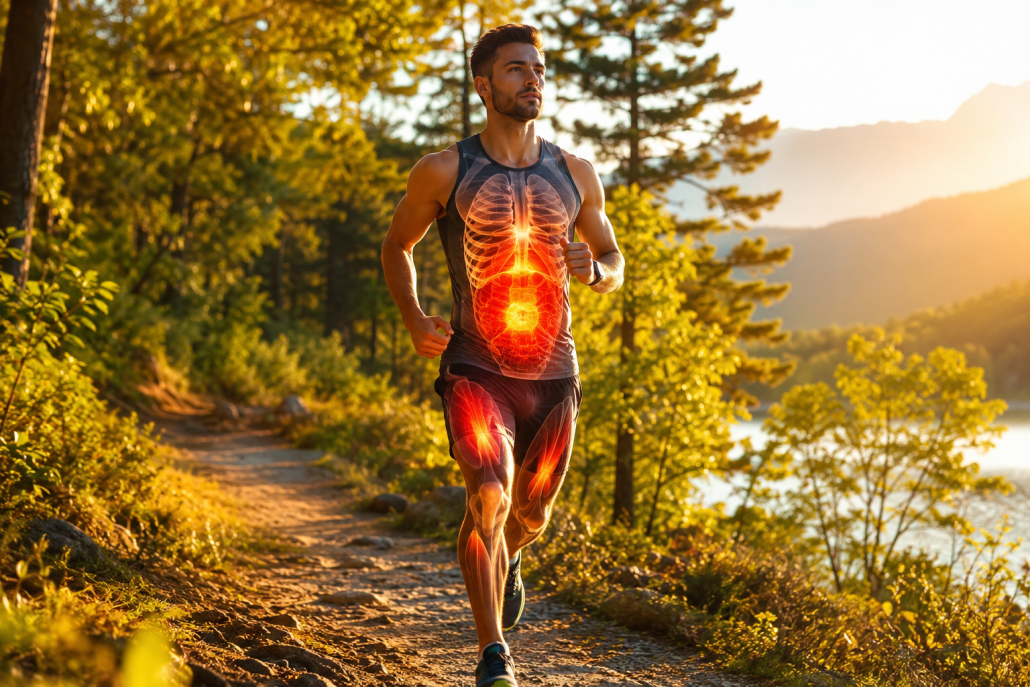
Many fitness trackers and treadmills promote the idea of a “fat-burning zone.” But is it real, and does it matter?
Target Heart Rate for Maximum Fat Burning
Yes, the fat-burning zone is a real concept based on heart rate ranges. Your body tends to burn the highest percentage of fat at 50–70% of your maximum heart rate. This is usually during low to moderate-intensity cardio.
To calculate your estimated fat-burning zone:
- Subtract your age from 220 to get your maximum heart rate.
- Multiply that number by 0.5 and 0.7 to get your fat-burning range.
For example, a 35-year-old would have a max heart rate of 185 bpm. Their fat-burning zone would be between 92 and 130 bpm.
While this zone burns more percentage-wise from fat, higher-intensity workouts burn more total calories, which also helps with fat loss. So it’s best to mix both types of workouts for optimal results.
Factors That Influence When You Start to Burn Fat
Now that we’ve covered the basics, let’s look at other variables that can impact your body’s fat-burning timeline.
Diet, Fitness Level, and Hormones All Play a Role
Here are some key factors:
- Diet Composition: High-carb diets delay the switch to fat metabolism since the body will prefer glucose first. Low-carb or keto diets can accelerate fat burning.
- Fitness Level: Trained athletes often switch to fat-burning more quickly due to improved metabolic flexibility.
- Age and Gender: Metabolism tends to slow with age, and hormonal shifts in women (especially around menopause) can impact fat storage and burning.
- Stress and Cortisol: Chronic stress elevates cortisol, which encourages fat storage, particularly around the abdomen.
Understanding these influences can help you personalize your fat loss strategy instead of relying on a one-size-fits-all plan.
The Best Time of Day to Burn Fat: Morning vs Evening Workouts
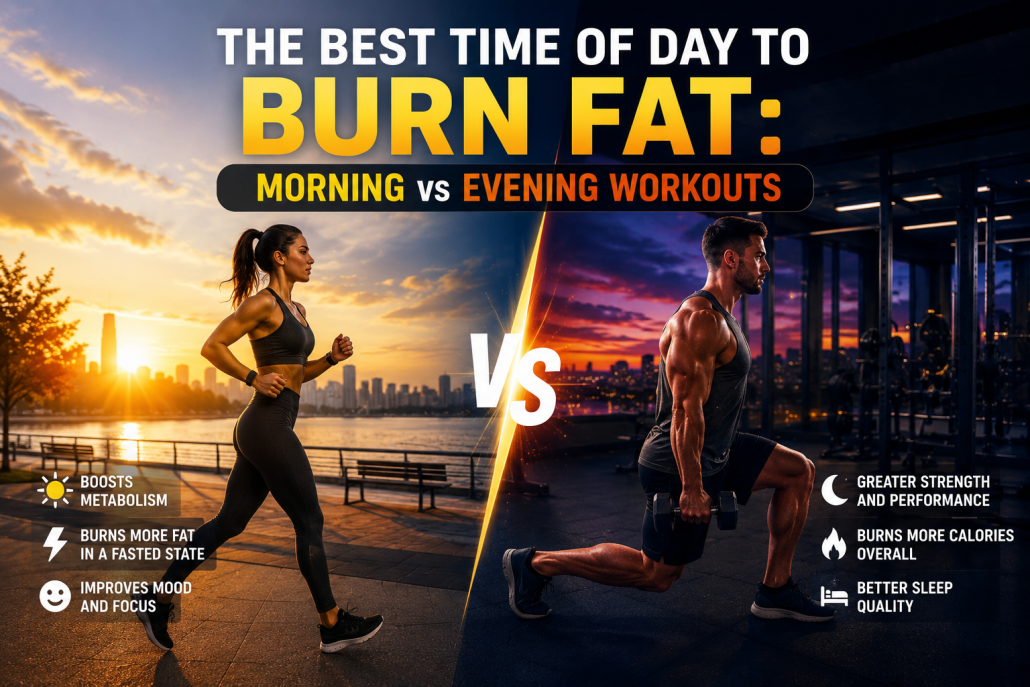
Timing your workouts can influence how and when your body burns fat. But is there a “best” time?
Morning Workouts May Enhance Fat Oxidation
Exercising in the morning on an empty stomach may lead to higher fat oxidation, according to several studies. Your body is in a fasted state after sleep, encouraging it to use fat as fuel.
However, evening workouts also have benefits. You’re likely to have more energy and better performance in the afternoon or evening, which may lead to more intense sessions, and greater total calorie burn.
Bottom line: the best time to work out is the time you’ll stick with consistently. Both morning and evening exercise can contribute to fat loss if you maintain intensity, duration, and frequency.
Signs That Your Body is Burning Fat
You may not be able to see fat loss immediately, but there are subtle signs your body is burning fat.
Physical and Emotional Clues That Indicate Fat Loss
Here are a few indicators:
- Increased energy and endurance
- Clothes fitting more loosely
- Reduced cravings, especially for sugar
- Less bloating or water retention
- More defined muscles
- Steady, moderate weight loss on the scale
Remember, fat loss is not always linear. You may hit plateaus, lose inches without losing weight, or experience fluctuations. Focus on long-term trends rather than daily changes.
Tips to Trigger Fat Burning Faster and More Efficiently
Want to help your body reach that fat-burning phase more quickly? Try these strategies.
Practical Ways to Boost Fat Metabolism
- Incorporate strength training: Building muscle increases your resting metabolism.
- Add HIIT workouts: High-intensity intervals boost post-exercise fat burn.
- Stay hydrated: Water helps metabolize fat and suppress appetite.
- Get quality sleep: Prioritize 7–9 hours nightly to optimize hormones.
- Reduce sugar and refined carbs: This lowers insulin and encourages fat usage.
- Try intermittent fasting: Aim for a 12–16 hour window to promote fat burning.
Consistency is the most important piece. Stick with these habits, and over time, you’ll notice the difference in how your body burns and stores fat.
Final Thoughts
Understanding when your body starts to burn fat is more than a fitness myth, it’s a science-backed reality. While your body always uses a mix of fuels, true fat burning typically starts after 20–30 minutes of moderate activity or during fasting periods when glucose is low.
By incorporating smart exercise strategies, managing your diet, prioritizing rest, and staying consistent, you can teach your body to become more efficient at tapping into fat stores for energy. Fat loss isn’t instant, it’s a process. But with the right knowledge and approach, you can make it work for you.
FAQs About Fat Burning and Weight Loss
1. How long should I work out to start burning fat?
For most people, fat burning begins around 20–30 minutes into moderate-intensity exercise. However, intensity and fitness level can influence this timing.
2. Does fasting help burn fat faster?
Yes, fasting lowers insulin levels and pushes your body to use fat for energy. Intermittent fasting or morning workouts in a fasted state can promote fat loss, but results vary.
3. What’s the best exercise for burning fat?
A combination of cardio and strength training is most effective. Steady-state cardio burns fat during the workout, while strength training boosts metabolism and burns fat afterward.
4. Can I burn fat without exercising?
Yes, fat is burned during rest, especially when you’re sleeping or fasting. However, exercise accelerates fat loss and offers additional health benefits.
5. How do I know if I’m burning fat or just losing water weight?
If you’re seeing consistent changes in inches, body composition, and energy levels, you’re likely burning fat. Water weight often fluctuates daily.
6. Do women and men burn fat differently?
Yes, hormones influence how and where fat is stored and burned. Women may find it harder to lose abdominal fat due to estrogen, while men often lose visceral fat faster.


Leave a Reply
Want to join the discussion?Feel free to contribute!